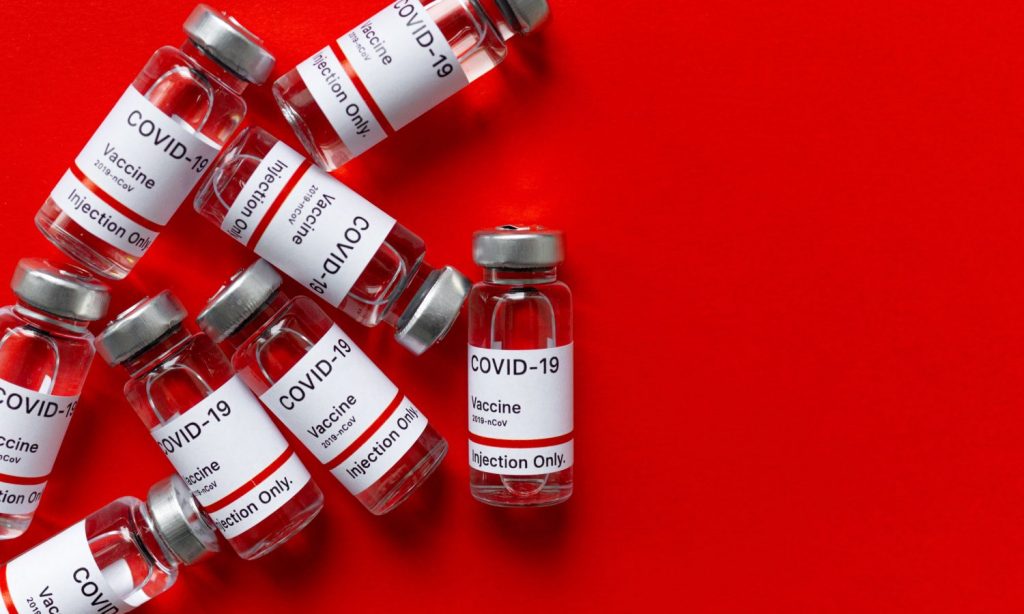
Vaccine passports may be the most reliable way of proving that you’re COVID-19 free.
As the world tries its best to get back to normal, one of the proposed solutions and measures for accountability is vaccine passports. In theory, these digital documents are meant to be a simple way of getting the majority of people to be able to travel and return to a semblance of normalcy. They’re a complicated undertaking that many governments and tech companies are trying to figure out.
The idea of a vaccine passport has been floating around for some time now, with President Biden’s cabinet suggesting an international database that can be accessed by all governments in order to verify who’s been vaccinated against COVID-19 in order to prevent further spread of the virus. Denmark is one of the first countries to formulate a concrete plan by introducing these passports by the end of this month. The digital passport will be initially available to business travelers.
“In Denmark, it has been decided to implement a COVID-19 vaccination passport in a very short time frame. The solution will be based on the existing national infrastructure and the national vaccination database. It is the plan to develop a solution in a public-private partnership,” said Claus Duedal Pedersen, director of the sentinel unit at Sunhed.dk — a unit in charge of a national quality and research infrastructure based on clinical data from specialist physicians.
These documents should be as simple as possible, likely in the form of an app or a document that can be stored in your digital wallet. It should be easy to retrieve and accepted by all governments and forms of travel. Responsible parties should also guarantee that your digital data will be kept safe.
“It’s about trying to digitize a process that happens now and make it into something that allows for more harmony and ease, making it easier for people to travel between countries without having to pull out different papers for different countries and different documents at different checkpoints,” Nick Careen, senior vice president for airport, passenger, cargo and security at the International Air Transport Association, toldTheNew York Times.
Photo by Maksim Goncharenok from Pexels
Companies like IBM have also been developing digital health passes that could have other uses aside from air travel; these could work for any kind of public space, like concerts, entering a university or rejoining your office or workplace. The health pass can be made up of different bits of data that we’ve learned to measure throughout the past year, smoothing out the imperfections, like providing your your latest test results, temperature checks, and virus exposure much more rapidly and easily.
Vaccine certifications are not new concepts; they’re required to enter countries in the form of yellow cards. But the introduction of their digital counterparts would propose an easier way for large amounts of people to verify vaccinations, eliminating some of the hassle that naturally comes with traveling and revising documents.
Still, as we’ve witnessed since the start of the year, the vaccine rollout has been clunky and it’ll take a long time before everyone can be inoculated against the virus. The existence of these passports and passes should progress at the same speed as vaccines rollouts, allowing the majority of people to rejoin “normal” living and not only those who have access to this kind of technology and documentation.
You should expect these passports and passes to appear in the near future, but you should also expect a fair share of false starts.
The only way Democrats could pass a marijuana legalization bill through Congress this year without having to get really creative would be to go back on their word and kill the filibuster.
The Democrats are officially in control of Congress, and they plan to legalize marijuana nationwide, one way or another, in 2021. It’s a tall order, considering that the political power isn’t quite deep enough on their end to just start calling the shots. Nevertheless, Democratic Senate leadership says it is dedicated to pushing major marijuana reform while the party remains in control.
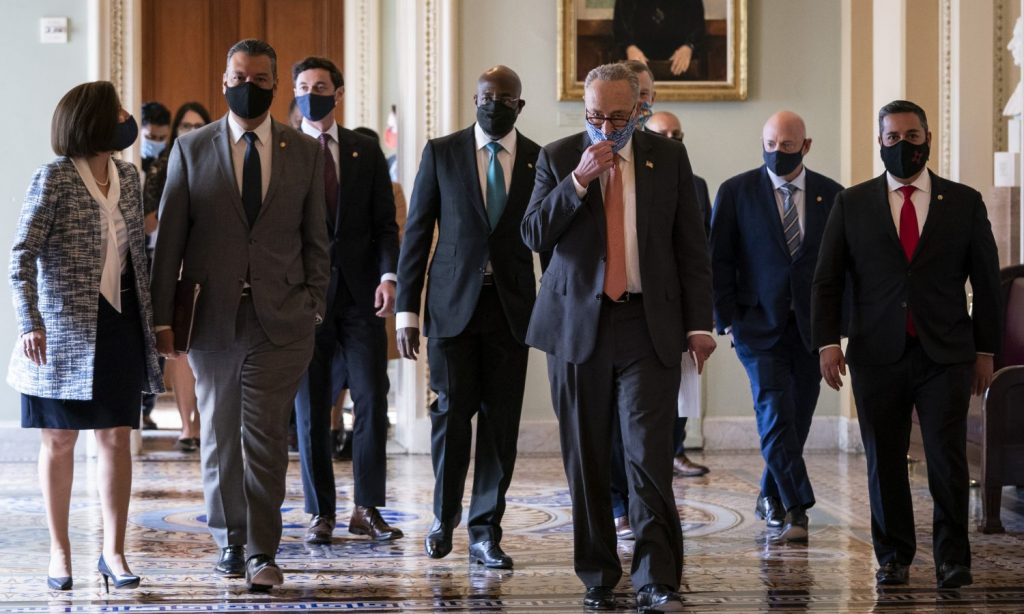
Senate Majority Leader Chuck Schumer, along with two other senators, recently announced that they would, in the coming months, “release a unified discussion draft on comprehensive [marijuana] reform to ensure restorative justice, protect public health and implement responsible taxes and regulations.” It’ll be one of their top priorities in the new session.
No matter what Senate Democrats try to achieve this year, nationwide marijuana legalization won’t be an easy task. The upper chamber is evenly split, with Vice President Kamala Harris being the tie-breaking vote. However, it has become painfully evident over the past month that bipartisan support is absolutely necessary for federal marijuana legalization to go the distance. Therefore, Democrats will have to err on the side of caution this session to ensure they don’t upset the Republicans. Doing so could cost them any chance at passing even the smallest pot reform.
The Senate recently struck a power-sharing agreement. One of the primary concerns for both parties has been the fate of the filibuster. This old rule requires a 60 vote supermajority on controversial issues. Senate minority leader Mitch McConnell doesn’t want it to die and had all but refused to negotiate with Democrats until they agreed to keep it in play.
McConnell later said that he would deal with Schumer on the agreement after learning that Democrats didn’t have the votes to erase the filibuster independently. Senate Majority Leader Schumer has basically entered into a gentlemen’s agreement with McConnell, promising not to touch the filibuster. Yet, since nothing was put in writing, its future is nothing short of a political wild card.
Right now, the parties are at odds over President Biden’s $1.9 trillion COVID relief bill. Democrats approved the package last week in the Senate without any Republican votes. It was a move that ticked off Senate Minority Leader Mitch McConnell, who indicated that tension was high in the Senate right out of the gate. Talking about how “unity” is a hot discussion on Capitol Hill, McConnell said, “White House staff and congressional Democrats are working from the opposite playbook.”
Photo by Tom Brenner-Pool/Getty Images
McConnell and the gang couldn’t object to Biden’s relief bill since it was passed in a budget reconciliation — a process that allows the Senate to approve tax and spending legislation through a simple majority vote. These types of legislative moves are filibuster proof. The only problem is not everything on the Democratic agenda can be done this way, including federal marijuana legalization.
The only way Democrats could pass a marijuana legalization bill through Congress this year without having to get really creative would be to go back on their word and kill the filibuster. That is, if they can get the votes to do it. But it would take the support of every Democratic member to make it happen.
Photo by Drew Angerer/Getty Images
Let’s say, for the sake of argument, that the Democrats find a way to eradicate the filibuster and start passing bills on marijuana legalization and everything else that President Biden wants to accomplish. According to McConnell, any such move against the filibuster would create a “scorched earth Senate.” If the filibuster gets used against Republicans, it could lead to a situation where any marijuana reform bills passed under Democratic control would just end up tossed off the books once the Republicans take back the power.
“When Republicans next control the government, we’d be able to repeal every bill that had just been rammed through,” McConnell told reporters. “But a few years later, Democrats would try to flip it all back. So instead of building stable consensus, we’d be chaotically swapping party platforms.”
Sadly, marijuana legalization isn’t something that Democrats can do without support from across the aisle. Some Republicans will need to go all in on whatever measure they introduce to get it over the hump. But Congress’s divisiveness continues to be an obstacle in getting anything done, and that’s not about to change just because a seemingly more sensible party now has a slim majority.
It’s definitely not going to be the best political environment for the longevity of marijuana reform if they destroy the filibuster. If Democrats get desperate and spit all over Republicans, just to go down in history as the party to end cannabis prohibition, the outcome, as McConnell suggested in the press, would only result in a temporary victory. It’s going to take a while before the parties can agree on how the future of the nation should take shape.
Unfortunately, this battle could put the concept of federal marijuana legalization in a state of disarray for many years to come.
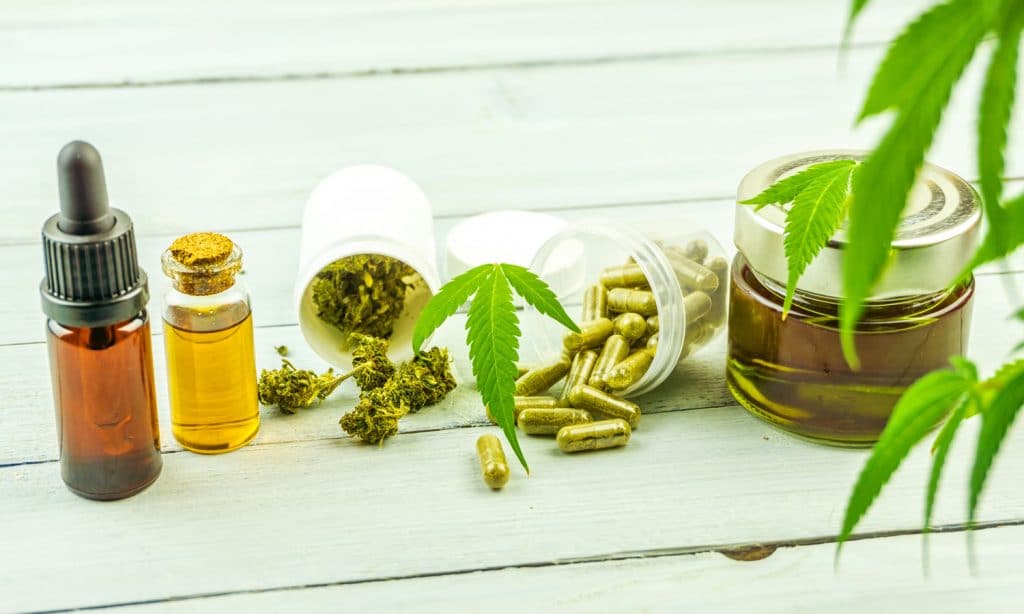
These flowers are harvested from hemp strains that have high levels of cannabidiol (CBD) and only contain THC in trace amounts.
Even if you tried, you couldn’t miss hearing at least something about the benefits that CBD has to offer. With a rapid industry expansion, there have been many CBD products showing up on the market, from vape juices and edibles to oils and tinctures used to treat different symptoms in patients.
There’s even an FDA approved CBD-based medication, which is a considerable step towards destigmatizing hemp and CBD as a whole. But, what you might have missed is that alongside everything already listed, you can also get hemp flowers that contain high CBD levels — even in their raw form.
What Are High-CBD Hemp Flowers?
So, what are these hemp flowers, and why would you consider getting them? The number one reason is that it tastes, looks, and smokes like marijuana, without any psychoactive effects. It provides all of the positive effects of CBD without the negative ones of THC, so it is sort of the best of both worlds.
As for what they are, it’s relatively simple: They are flowers harvested from hemp strains that have high levels of cannabidiol (CBD) and only contain THC in trace amounts. If you were so inclined, you could even get seeds or flowers from these strains from a wholesale distributor and maybe even start a farm of your own. If you’re concerned about the legal process, read on, we’ll get into that as well.
Is CBD Hemp Flower Legal?
Hemp has a long history of being thrown into the same pot as marijuana, and its public image has suffered greatly because of that. However, in recent years, hemp has been getting the recognition it deserved all along, especially since the 2018 Farm Bill, which has been one of the greatest steps for hemp products in US history.
Why was this act so important? Because it finally pronounced that the cultivation and sale of hemp products are legal in all 50 states. The only condition is that the product must contain less than 0.3% of THC, and if it meets the requirement, it’s perfectly legal to sell it and even ship it to anywhere in the country.
Photo by MysteryShot/Getty Images
Why They Are Becoming So Popular
CBD has been speculated to have many properties that have been discussed often and at length, but they are certainly present. So, why have people been choosing to get flowers over any other available form of CBD?
Aside from the mentioned reasons of the process being reminiscent of consuming marijuana, it’s also said that the calming effects of CBD simply hit faster when it is consumed this way. This is because the cannabidiol that’s taken this way doesn’t have to go through your entire digestive tract to enter your bloodstream and your endocannabinoid system.
With the CBD products not yet being FDA regulated, you can’t be sure that what you’re getting is 100% what it says on the label. Because of that, a lot of people have been getting hemp flowers from trusted farmers and distributors and making their own CBD oil at home, which is a relatively simple process.
Who Can Benefit From High-CBD Hemp Flowers
As we’ve mentioned above, CBD consumed by smoking ground up hemp flowers hits faster than any other method of consumption would. That’s particularly important when you consider that CBD is regarded as an analgesic or pain reliever. Although it can be used to treat chronic pain, with a method of consumption that produces effects within minutes, it is also suited for alleviating acute pains, like cramps.
Besides all that, the cannabis industry is growing faster than ever, and it is expected that it will continue to do so in the coming years. There are already many small businesses opening up and a lot of farmers getting into hemp growing, simply because it’s expected that it will become even more profitable as new laws and regulations are being brought to the table. Scientific research keeps on making breakthroughs that prove CBD can indeed help with a lot of conditions.
In Conclusion
Hemp products are here to stay, there’s no doubt about that, but in which form they will be sticking around is also very important. Will small businesses and farms be able to keep their heads above water when huge pharmaceutical companies start getting into the industry? Most likely, yes, because no matter how much money you invest into a business, it will never be able to match the love that small businesses and farms offer to their crop and product.
What is most important is always paying attention and only going for CBD products from trusted vendors who have a solid reputation and several positive reviews. Stay safe!
Up until now, only synthetic CBD was expressly allowed as a cosmetic ingredient in the European Union’s database.
On February 4, the European Union (EU)’s Directorate-General for Internal Market, Industry, Entrepreneurship and SMEs added cannabidiol (CBD) “derived from extract or tincture or resin of cannabis” as a legal cosmetic ingredient to its CosIng guidelines.
CosIng is a database of cosmetic regulations that expressly provides for authorized and unlawful ingredients and sets forth their particular purposes and functions.
This recent revision to CosIng follows the recent landmark ruling by the Court of Justice of the European Union (the CJEU) that CBD derived from the entire hemp plant is not a narcotic under the U.N. Single Convention on Narcotic Drugs of 1961; and thus, should be freely traded between EU member states.
Up until this revision to the CosIng guidelines, only synthetic CBD was expressly allowed as a cosmetic ingredient in the EU’s database. Now, the regulation provides that plant-derived CBD can serve the functions of anti-sebum, antioxidant, skin conditioner and skin protectant.
This regulatory change is another promising step toward the development of a uniform regulatory framework for the sale of CBD cosmetics (and other categories of CBD products) in the EU.
Although CosIng is not legally binding, this database serves as a guideline for EU member states when adopting national regulations concerning cosmetic products. It aims to harmonize the EU national cosmetic legislations to facilitate the free movement of these goods within EU member states.
Photo by pmv chamara via Unsplash
However, similarly to U.S. states, EU member states have adopted their own CBD laws and regulations that are not necessarily consistent with CosIng or those implemented by fellow member states.
Some countries, for example, only allow CBD cosmetics free of THC and derived from the seed or fibers to be sold within their border; while others embraced a more lenient approach and authorize up to 1% of THC in their finished CBD products. To further complicate things, each country imposes its own sets of manufacturing, labeling and marketing requirements.
This patchwork of member state regulations forces manufacturers and distributors of CBD products to follow a variety of regulations in each country where these products can be lawfully sold. Consequently, this wide range of often conflicting EU member state regulations makes it nearly impossible for these companies to freely trade their products within the EU.
Nevertheless, such harmonization should be imminent because unlike CosIng, the CJEU ruling is binding on all EU member states. This means that EU governments that are cracking down on the sale and marketing of CBD cosmetics will have to amend their laws and regulations.
Of course, such legislative changes won’t happen overnight. Nevertheless, the CJEU ruling and the recent regulatory changes to CosIng represent significant steps toward the creation of a more competitive European CBD market, one that may even facilitate the breaking of international trade barriers.
As time passes and people grow tired of the pandemic, more states consider lifting limitations on indoor dining. And that’s not necessarily a good thing.
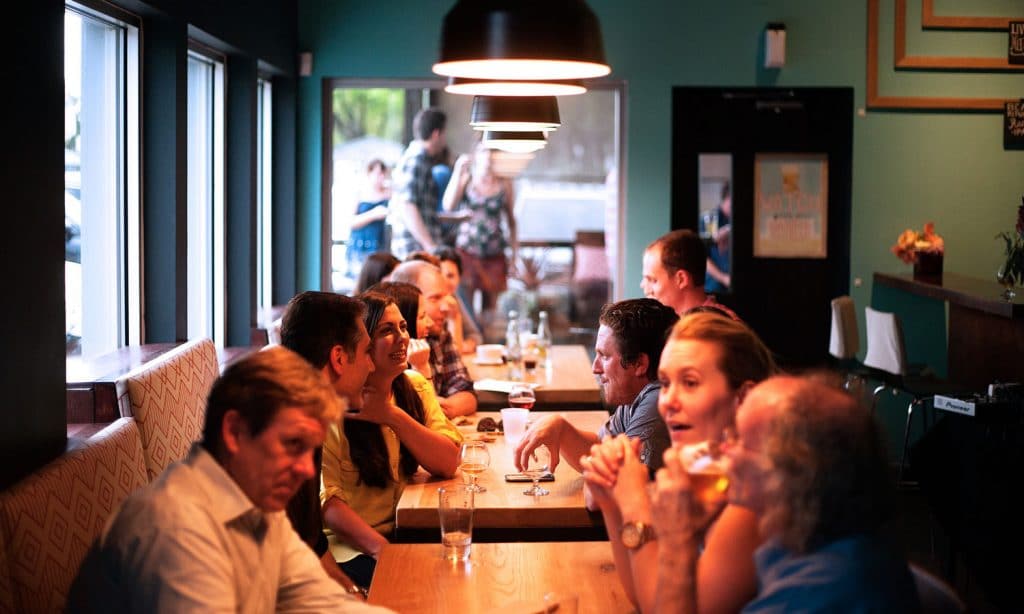
The pros and cons of indoor dining have been discussed ad nauseam. While restaurants need the support of people to survive the pandemic, gathering customers indoors is a risk, especially now that COVID-19 cases are high and there are new virus variants in the U.S. Still, states that had paused indoor dining are now beginning to lift these restrictions, reopening restaurants while limiting indoor capacity and asking workers to improve on their sanitation and social distancing measures.
Eating indoors in a pandemic can be done, at least in theory. “If you do indoor dining, you do it in a spaced way where you don’t have people sitting right next to each other,” Dr. Anthony Fauci, director of the the National Institute of Allergy and Infectious Diseases, told CNN. He said that good airflow is key and that restaurants must find ways of avoiding people breathing the same air. This isn’t an easy thing to do when there’s no funding and no structural change.
Photo by Kevin Curtis via Unsplash
While restaurants can limit the amount of people that are indoors, sanitize regularly and often, and improve air ventilation by introducing filters and opening windows, there’s no way of completely eliminating risk. When people are gathered in an indoor space the virus can travel further than six feet. It can accumulate easily since people are sitting in one place, talking, drinking alcohol, eating and not wearing face masks. If there’s poor ventilation and limited space, like the majority of restaurants in New York City, then this problem is made even worse. A study from Korea, published in November, showed a case of virus spread between two tables that were sitting 15 feet apart.
Due to winter, restaurants have designed outdoor dining spaces, which shelter people from the cold (kind of), but pose an almost equal risk due to the constraint of air flow. The only safe way of eating in a restaurant right now would be to truly sit outdoors or to eat indoors somewhere that’s practically empty.
While a lot of states are reopening in hopes of nudging along the economy, your safest bet is to eat outdoors and wear the proper winter gear, or to order takeout and go home. If you really love your partner, do them a favor and make sure you don’t catch COVID this Valentine’s Day!
It may be too late for real justice for the tens of millions of victims of marijuana prohibition, but it certainly is not too late for us to learn from our mistakes.
Disclaimer:The views expressed in this article solely belong to the author and do not necessarily represent those of The Fresh Toast.
Following the recent unpleasantness in American politics, especially the mob attack on the U.S. Capitol, there has been talk about the need for a commission on Truth and Reconciliation, similar to the South African effort following the end of Apartheid.
Unsurprisingly, the losing side seems more interested in “reconciliation” than in the “truth.”
Similarly, the Drug Warriors on the “losing side” in the war on marijuana users would rather pretend that it never happened. Let’s not talk about it.
It may be too late for real “justice” for the tens of millions of victims of marijuana prohibition, but it certainly is not too late for us to learn from our “mistakes.” Today we think of Canada as a pioneer in marijuana legalization, but it wasn’t always that way.
On January 10, 2005, Canada’s National Post and other newspapers, including the Vancouver Sun, both of which were anti-prohibitionist, carried articles by Jack Aubry, with an interesting choice of headlines and emphasis.
The Post chose “Teens See Marijuana As Less Harmful Than Cigarettes” while The Sun and some others chose “Pot Easier To Get Than Cigarettes, Students Say.”
Health Canada had spent C$56,000 on a report based on 16 focus groups divided into three age categories — 10-12, 13-15 and 16-19. They were in Toronto, Montreal, Regina and Halifax, but not Vancouver, an interesting omission, since marijuana was “almost legal” there.
Frankly, I have serious doubts about asking teens (or adults for that matter) questions about cannabis and getting straight answers, even now, but especially in 2005.
The reporter explained, “The report was prepared for Health Canada’s bid to help teens develop coping and refusal skills.”
It seems that Canadian teens perceived cannabis as being less harmful than cigarettes! Of course, this was viewed with alarm, and “Federal Report Finds Lack Of Information On The Health Consequences” was the inevitable sub-header.
Oh really?
Or perhaps they had read The Science of Marijuana, by Dr Leslie Iversen of Oxford University’s department of pharmacology. As the Independent reported in 2000, Iverson found “many ‘myths’ surrounding marijuana use, such as extreme addictiveness, or links with mental illness or infertility are not supported by science.
Photo by rawpixel.com
He also found cannabis is an inherently safe drug which “does not lead to cancer, infertility, brain damage or mental illness., because of the effective messages that participants have been exposed to on the health effects of cigarettes and second-hand smoke relative to those of marijuana.”
Or perhaps they had not. Aubry also reported that the teens in the focus groups thought that marijuana smokers do not know the adverse effects of the substance “aside from killing brain cells or making ‘users’ lazy” and do not understand the health reasons why they should stop smoking it. (I could not find the study itself online, but Aubry put in the quotation marks.)
According to a study by the Canadian Centre for Addiction and Mental Health: in 1992, of Ontario health systems costs related to all “drugs” only .05% were related to cannabis.And 2% were related to all of the other illicit drugs. However, alcohol accounted for 28.4%, and tobacco accounted for a whopping 69%!!
Ten years later, in June of 2002, Dr. Patrick Smith of the Centre for Addiction and Mental Health told the Canadian Senate Special Committee on Illegal Drugs, “If we discovered three drugs today and they were alcohol, tobacco and marijuana, there isn’t an expert in the country who would recommend that marijuana be the one that is banned based on individual and societal harm.”
Aubry also quotes the report as saying, “Participants generally felt that the only exposure they had received on issues dealing with marijuana were communications on the legalization of the substance or the use of marijuana for medicinal purposes.”
If that was true, it would have to be because the teens had simply tuned out all the reefer madness pushed by the Canadian police. There was certainly no shortage of prohibitionist propaganda in Canada. Health Canada didn’t have a monopoly.
A poll released in November of 2004 reported that almost 30% of Canadian teens 15- to 17-years old and 47% of 18- and 19-year-olds had used marijuana in the past year.
Photo by LexScope via Unsplash
Of course, this was and is substantially higher than in the Netherlands, but no one ever considered that, not even after the teens in these focus groups observed that “the easier access to marijuana is ironically due to the legal age limit for smoking cigarettes and the fact that you have to buy cigarettes through traditional outlets, such as corner stores.”
In other words, cannabis prohibition is a counterproductive fraud.
But it worked for Health Canada. A spokesman for Health Canada, said HC was following the report’s recommendation to create separate messages regarding smoking tobacco and marijuana “because teens perceive them as two different things.”
With a condition as sensitive and difficult as autism, cannabis could be a winning, although eccentric, ticket.
Autism is an increasingly common condition that can be difficult to parent, difficult to diagnose, and difficult to live with. Worse, many of the medications can cause physical symptoms that further impact the lives of those with the condition. Many people with it find themselves suffering from weight fluctuation, explosive episodes, and poor social functioning. Yet there are different methods of coping.
Research Is Proving That Cannabis Can Help
A September 2020 case presentation published in the Journal of Medical Case Reports found that CBD may be effective in treating autism. Previously the 15-year-old patient who the study focused on stopped using traditional medications due to side effects including upset stomach, suicidal ideation, alopecia, tremor, and reflux, and a 13 kg weight gain in a year.
On a scale of 1 to 10 with 10 being the highest, his mother reported the patient’s overall anxiety at 10/10. Similarly, his social anxiety was reported at 10/10, his aggressiveness as 6/10, and his irritability severity at 9/10. His talkativeness was at a 0/10 and his concentration at 4/10. Additionally, he had been hostile to his family and others.
After nine months of cannabis treatment, his social anxiety and irritability saw a 7 point improvement, his aggressiveness saw a 6 point improvement, his talkativeness improved by 4, and his focus improved by 2 points. The positive effects were still present a year-and-a-half later.
Similar to another recent study involving OCD and cannabis therapy, the teenage patient saw improvements in his social functioning and sleep. He also was able to succeed in the workplace due to a remission of symptoms. Our young hero even ended up with a girlfriend. However, his mother noted that as soon as she took him off cannabis he became “more irritable and aggressive.”
Ethics and Efficacy
The patient is currently continuing his medication of 4 mg CBD, 0.2 mg THC and 200mg of lamotrigine per day. With this treatment, he has continued to enjoy the positive effects of the medicine.
While this case presentation contains rich anecdotal data, it ultimately concludes: “We encourage scientists and clinicians to pioneer placebo-controlled studies to validate the clinical efficacy of very low doses of CBE in a larger cohort.”
Fortunately, a new placebo-controlled double-blind trial published in Molecular Autism found that 49% of young patients given whole-plant extracts saw their disruptive behavior become either improved or much improved while only 21% of patients given the placebo reported the same. This research was conducted on 150 autism patients between the ages of 5 and 21. More specifically, the mean age was 11.8 years-old, the median age was 11.25 years, and 80% of participants were male.
Photo by Fernando @dearferdo via Unsplash
While 28% of patients reported feeling sleepy, and 25% reported decreased appetite while taking whole-plant extracts, there were no serious adverse effects reported. According to researchers, “adverse events were reported whenever they occurred, and caregivers were proactively asked about them at each study visit, and every 4 weeks using a structured questionnaire.”
Additionally, the trial found that “of the 45 participants who received pure cannabinoids, 38% responded [that their symptoms were either much or very much improved], which was not significantly higher than placebo.”
These results are further evidence that cannabis is an effective medicinal alternative. While cannabinoid isolates are attractive in that they are more controllable, there likely is something centrally important to the full spectrum cannabis has to offer.
Moving Forward With Empathetic Treatment
With a condition as sensitive and difficult as autism, cannabis could be a winning, although eccentric, ticket. While many autistic children suffer from weight gain on antipsychotics given to control their symptoms, the newest research found that cannabis treatment was associated with a lowering BMI.
For the moment there are no established medications for the core autistic symptoms. And now that this trial has “demonstrated for the first time in a placebo-controlled trial that cannabinoid treatment has the potential to decrease disruptive behaviors associated with ASD, with acceptable tolerability,” it may be the time to seriously discuss cannabis for kids.
MassRoots has managed to convince investors to keep believing in the company. However, it begs the question: to what end?
If the net losses weren’t eye-popping enough, the amount of money the company owes is equally staggering.
MassRoots Inc. (OTC: MSRT) stock has risen from the dead and it’s truly a mystery. The stock was selling for less than one cent at the end of January and it is now worth two cents. While these are minuscule numbers, it begs the question of who is buying this stock?
The company owes more money than it’s worth and yet it continues to issue more convertible debt. Over the last nine months ending in September 2020, the company booked revenue of $2,316. MassRoots had to declare that it had $71 in bank overdrafts but still has managed to announce the acquisition of a platform business called Herbfluence. Keep in mind, for the nine months ending in September 2020 and 2019, MassRoots had net losses of $142,405,892 and $94,457,638, respectively, an increase of $47,948,254. Let that sink in – $142 million net loss.
Isaac Dietrich, CEO of MassRoots said, “The overwhelming majority of these losses are attributable to derivative liabilities, which are non-cash items we are required to book due to our authorized share shortfall. MassRoots has 498,174,656 shares outstanding out of 500,000,000 authorized shares – which means we are currently only able to issue 1,825,344 more shares.”
Outstanding Debts
If the net losses weren’t eye-popping enough, the amount of money the company owes is equally staggering. Total liabilities are $83.9 million, more than what the company is worth. Dietrich didn’t disagree and said, “MassRoots’ liabilities currently exceed its assets. Like a Phoenix rising from the ashes, we have been working to rebuild MassRoots with the goal of making it one of the greatest comeback stories in the cannabis industry.”
In the company’s SEC filing, MassRoots said, “As of September 30, 2020, and December 31, 2019, the company owed accounts payable and accrued expenses of $8,169,332 and $5,455,063, respectively. These are primarily comprised of payments to vendors, accrued interest on debt, and accrued legal bills.”
The company says it has a plan to reduce expenses. The last three months ending in September showed operating expenses to be a whopping $208,238. Revenue for the quarter was only $2,316.
Taxman Cometh
The company also said it is “Delinquent in filing its payroll taxes, primarily related to stock compensation awards in 2016 and 2017, but also including payroll for 2018, 2019, and 2020. As of September 30, 2020 and December 31, 2019, the company owed payroll tax liabilities, including penalties, of $3,818,230 and $3,724,050, respectively, to federal and state taxing authorities. The actual liability may be higher or lower due to interest or penalties assessed by federal and state taxing authorities. “ On a positive note, MassRoots said it expects to settle these liabilities by March 31, 2021.
Dietrich responded by saying, “The majority of these tax liabilities are related to payroll taxes owed on stock-based compensation issued in 2016 and 2017.” He went on to say, “At the time, the company was not aware it had to withhold taxes for the value of stock-based, non-cash compensation. We expect to settle these liabilities this year, potentially for far less than the liability recorded on our balance sheet, as this value is calculated using the maximum penalties and interest that could be assessed.”
Photo by Darren415/Getty Images
Lawsuits
The company is also being sued for defaulting on notes. On October 11, 2019, Power Up Lending Group, Ltd. filed a complaint against the Company and Isaac Dietrich, an officer and director of the Company, in the Supreme Court of the State of New York, County of Nassau. The complaint alleges, among other things,
(i) the occurrence of events of default in certain notes issued by the Company to Power Up
(ii) misrepresentations by the Company including, but not limited to, with respect to the Company’s obligation to timely file its required reports with the SEC and
(iii) lost profits as a result of the Company’s failure to convert the Power Up Notes in accordance with the terms thereof.
In addition, the complaint alleges, among other things, that Mr. Dietrich took affirmative steps to deliberately cause the company to breach its financial obligations. As a result of the foregoing, Power Up has requested:
(i) the greater of $312,000 and the “parity value” as such term is defined in the Power Up Notes together with $2,000 per day until the Company issues shares upon conversion of the Power Up Notes together with applicable interest thereon;
(ii) $165,000 as a result of the misrepresentations;
(iii) an amount of lost profits to be determined by the court, but in no event less than $312,000; (iv) $312,000 as against Mr. Dietrich;
(v) an award for reasonable legal fees and costs of litigation;
(vi) a judgment awarding specific performance under the Power Up Notes; and
(vii) the costs and disbursement of the action, pre-judgment interest, default interest and such other further relief as the court deems proper.
As of September 30, 2020, the company said it has recorded $131,174 in principal and $233,124 of accrued interest and penalties for the Power Up Notes as current liabilities. On September 14, 2020, Power-Up filed a motion for leave to enter a default judgment against the company and Isaac Dietrich, an officer, and director of the company, in connection with the Power Up Notes, alleging that the defendants failed to appear and did not establish a meritorious defense to the claims made or a reasonable excuse for the delay in interposing their answer. On November 19, 2020, Power Up’s motion to enter a default judgment was granted. Dietrich said his new lenders are aware of the lawsuit.
Photo by PhotoAlto/Ale Ventura/Getty Images
New Shares
On November 25, 2020, MassRoots said it entered into a securities purchase agreement with an accredited investor for the sale of 3.3 shares of the company’s newly-created Series X Convertible Preferred Stock, par value $0.0001 per share, resulting in aggregate proceeds of $66,000. That deal closed on December 1, 2020.
From January to September 2020, MassRoots issued convertible promissory notes in the aggregate principal amount of $700,700, resulting in cash proceeds of $637,000. The notes mature from July 2020 to March 2021 and accrue interest at a rate of 12% per annum. The company though stated it had only $650 in cash as of September 2020.
MassRoots has entered into a Letter of Intent to purchase the influencer marketing platform of Herbfluence for consideration of $250,000 in preferred stock. The company was founded by a former founder of MassRoots.
Going Concern
With all of these issues, it’s no surprise that the company’s filing said, “These conditions raise substantial doubt about the Company’s ability to continue as a going concern for one year from the issuance of the unaudited condensed consolidated financial statements. The Company does not have sufficient cash to fund operations for the next fiscal year.”
Instead of earning real revenue, the company relies on selling stock and debt.
Dietrich said, “MassRoots closed $312,000 in equity financing in November and December 2020. MassRoots raised over $1 million from its financing activities in fiscal year 2020.” How does a company that only made $2,000 in revenue manage to raise over a million?
Management’s plans are the following actions: “1) obtain funding from new and current investors to alleviate the Company’s working capital deficiency; and 2) implement a plan to increase revenues. The Company’s continued existence is dependent upon its ability to translate its audience into revenues. However, the outcome of management’s plans cannot be determined with any degree of certainty.”
MassRoots has managed to convince investors to keep believing in the company. However, it begs the question: to what end? Certainly there are many cannabis companies with real earnings and real revenue that could have used that investor money.
It may be that the MassRoots Investor deck is what sells the promise of a comeback. It states that it is publishing fresh content on a weekly basis, but that just isn’t true. Dietrich said, “We publish fresh content on our YouTube on a regular basis. We planned to release content weekly; however, due to budgetary constraints, schedules of our talent and production teams, and restrictions caused by the pandemic, we have not been able to release content on our YouTube every single week. We are working on a revamped website that we expect to release in the near future. We publish fresh content to our social channels on a near-daily basis.” The Instagram account is active, but not necessarily all original content (TikTok reposts) and other social media accounts are certainly not daily.
MassRoots also claims in its investor deck that its videos are “ranked in top searches for many key cannabis-related terms,” but when a user enters either cannabis or marijuana, MassRoots doesn’t show up on the first page for either of these. Dietrich responded by saying, “We rank in the top search results for several cannabis-related search terms such as, “How to roll a blunt,” and “How to Twax a joint. We never claimed that we ranked in the top search results for “marijuana,” or, “cannabis.”
Maybe MassRoots will rise like the Phoenix. It certainly is trying and it is without a doubt that Dietrich fights for the survival of his company.
Mice are social creatures, and can have the same reactions as humans when exposed to substances such as marijuana.
The problem with complete cannabis lab research is that it’s still illegal at the federal level in the U.S.. Anymeaningful research in the U.S. with marijuana focuses on CBD and other cannabinoids, and not THC.
But other countries where there are no restrictions on marijuana are exploring lab research using mice. And some of the recent results are astounding.
Why mice?
Approximately 95%of all laboratory animals are mice and rats, used in some of the world’s most important research. For example, research with mice led to adrug for treating breast cancer that improved long-term survival by 9%.
Mice are anatomically, physiologically, and genetically similar to humans. They are social creatures, and can have the same reactions as humans when exposed to substances such as marijuana.
One study concluded that some genetically-engineered mice could be the best way to research the psychoactive effects of marijuana on humans, including the sense of relaxation and sociability.
Humans and mice shareabout 95% of their 30,000 genes, and researchers are working on“humanizing” mice to carry human genes, cells, tissues, or organs to further study human diseases and the effects of therapeutic treatments such as cannabis.
Mice reproduce and mature quickly, and only live for about 2 years, making them ideal for measuring a complete lifetime of an animal. As a comparison, lifetime results would take 15-30 years in a dog or a monkey.
The short mice lifespan was key to recent marijuana research that found aging was reversed in mice, with potential applications to treating humans with Alzheimer’s disease and dementia.
Apress release about the work of scientists from the University of Bonn and The Hebrew University of Jerusalem (Israel), where there are no government restrictions on using THC for medical research, found that the control mice group showed “pronounced cognitive deficits” even at twelve months of age. The researchers gave the subject mice group a low level of THC at two, twelve and 18 months over a period of four weeks.
Photo by CasarsaGuru/Getty Images
What they found was that the 18-month-old control mice showed signs of memory loss, while the 18 month subject mice treated with THC actually maintained their two-month old memory ability.
One of the chief researchers at the University of Bonn, Andreas Zimmer, commented about the results that “it looked as though the THC treatment turned back the molecular clock.”
The mice tests results from the University of Bonn/Hebrew University of Israel have encouraged scientists to consider the next step in the investigative process: using human subjects. According to German science minister Svenja Schulze, that will take time. “Although there is a long path from mice to humans, I feel extremely positive about the prospect that THC could be used to treat dementia.”
There’s more to come that could make mice even better animals to use for human marijuana research from theMutant Mouse Resource and Research Center at the University of Missouri. Their mission is to supply biomedical investigators with the mouse models, embryonic stem cells, related reagents, and protocols they require for their research.
Editors Note: This story is part of a month-long Black History Month series to celebrate the contributions of Black cannabis industry leaders.
In San Francisco, the cannabis industry is booming with opportunity. But many people from marginalized community groups feel that they are being left out of this exciting and lucrative business opportunity.
Minorities are underrepresented in the legal cannabis industry despite being disproportionately affected by prohibition laws. Women of color have significantly less access to resources than their white counterparts and face multiple barriers when trying to enter the market as entrepreneurs or investors.
People of color also want to take part in this new economic frontier but many don’t know where to turn or who to trust for help getting started.
Liz Jackson-Simpson
Liz Jackson-Simpson, a woman of color, took the challenge after a five-year stint as the first-ever YMCA of San Francisco Executive Director of Program Development. Liz was an artist who lived for her community, and she always put the people first.
That is why it came as no surprise when she accepted this position to become the first Executive Director of Success Centers, a non-profit organization working towards providing opportunities for people who have been previously incarcerated or impacted by the criminalization of drug use, particularly marijuana.
CEO Liz Jackson-Simpson hired Angela White also a woman of color, to manage the Equity for Industry Program in order to address inequity issues. Equity for Industry Program offers workshops, job shops, and resume assistance for people who are looking to change careers.
Getting a job in the cannabis industry is tough especially for those with criminal records. There are thousands of people looking for jobs and fewer than 100 companies to employ them. This is where Equity for Industry Program job shops come into play; they help match employers with prospective candidates of the cannabis community. The program also helps those looking to enter the cannabis industry find out about job opportunities from companies around the Bay Area.
The Equity for Industry Workshop is an event that will help you become a successful entrepreneur and show you the doors to enter the cannabis industry. At this workshop, you will learn how to grow your own business from the ground up and find out more about the cannabis industry. The informative sessions offered at the workshop are specifically tailored for equity applicants, small business start-ups, and job seekers so that all participants can benefit from them.
Angela White
In the cannabis industry, many job seekers are unable to find work because they don’t have the skills necessary for today’s new jobs. The best way to solve this problem is through providing resume assistance and training for these individuals. This will help them get hired at one of the cannabis companies that are expanding rapidly in San Francisco.
Equity for Industry Program resume clinic offers one-on-one resume assistance with cannabis job seekers in need of help with their resumes. This service helps them get from application to interview by making sure that they have all of the right information on hand when looking for work in this growing field.
The opportunity for marginalized communities to have a chance at success in the cannabis industry was strengthened when Liz and Angela became the leaders of Equity for Industry. Both have been fighting back against inequality every step along that way, and now they’re making sure more people who would not otherwise get a chance are successful.
Author Bio: John Dyer is a content developer, blogger and online marketer. He has extensive experience in copywriting and marketing communications for the insurance sector including health, life and annuity plans. John provides solutions to ensure that your business reaches its full potential.