GameStop’s rise in stock value has created a lot of stress for Wall Street. And also memes.
GameStop’s rise in stock value is unprecedented, a story that’s continuing to evolve and to shock anyone who’s keeping up with it — even those of us who aren’t quite sure of what’s going on.
It all started when a group of Reddit users decided to play the market, pushing the value of GameStop, a video game store that, like many other businesses, has been struggling to keep up with the pandemic.
The activity in these stocks was such that financial companies like Robinhood and Interactive Brokers got involved this morning, restricting access to GameStop stocks and causing it to plummet, prompting politicians to comment on this situation, discussing how problematic it is for institutions to regulate who can and can’t invest in stocks.
Before that though, there were many memes, touching upon the strangeness of the situation and just how freaking complicated stocks are. Here are some of our favorites:
“We will let the American people know when GameStop discounts a Legend of Zelda chess set in a dented box.” https://t.co/acwzeC5fIO
After monitoring the situation, the Biden administration has decided in lieu of $2000 checks, the American people will receive $1400 in GameStop store credit https://t.co/suRXVFHf66
Here are some of the most common dos and don’ts for people getting their COVID-19 shots.
Now that COVID-19 vaccines are available across the country, people are anxiously awaiting their turn to be inoculated. While the road is long and it’ll likely be some months for the general population to have access to these shots, we should all be preparing ourselves for what we should and shouldn’t be doing once this moment occurs.
We did some digging and compiled a list of dos and don’ts after getting your COVID-19 vaccine.
Get your shot as soon as you can
Photo by CDC via Unsplash
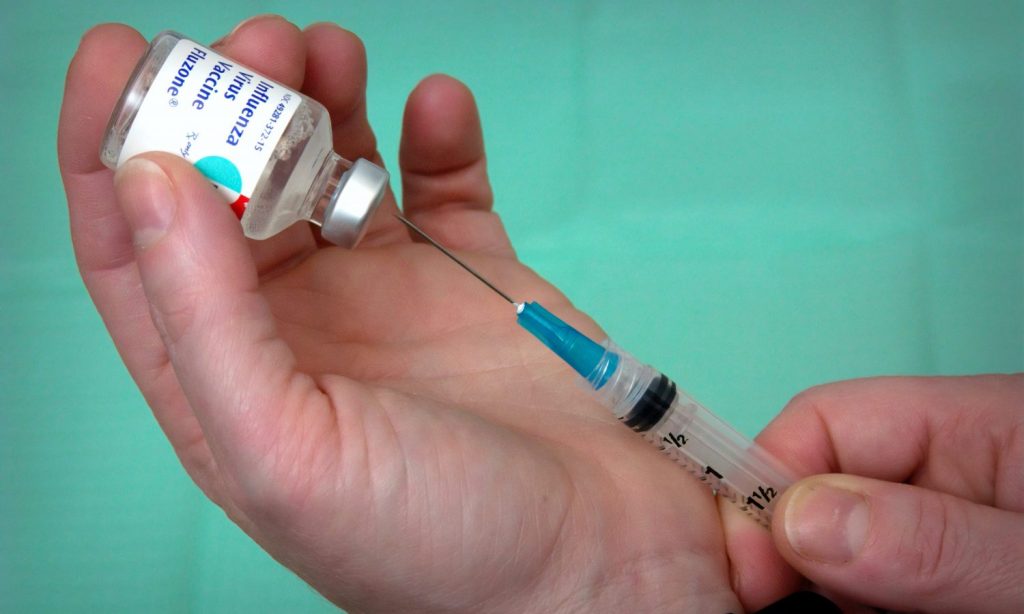
There’s been a lot of talk over feeling guilty because you qualify for a COVID-19 vaccine due to your work or special circumstance. Don’t do this. Even if there are other people who need to get vaccinated as soon as possible, passing on the opportunity to get a shot may result in that vaccine getting thrown out. For this pandemic to blow over, a large percentage of the population needs inoculations. By doing your part you’ll be helping others and speeding the process along.
The Centers for Disease Control recommends you wait at least 14 days before getting another type of vaccine or shot, including shingles and flu, once you get your COVID vaccination. This is mostly done out of precaution, since the COVID-19 vaccine is new and it’s unknown how it’ll react when exposed to other shots in your system.
People who’ve had COVID-19 may think that they’re immune to the virus when that isn’t the case. The CDC explains that while some people build up protection from the virus after infection, this protection lasts for a short period of time, making it possible to get reinfected. While it’s also unknown how much protection the COVID-19 vaccine extends, it’s important to contribute with the process that way scientists and researchers have evidence of how the virus works.
Don’t get your shot if you just tested positive for COVID-19 or were exposed
Photo by Polina Tankilevitch via Pexels
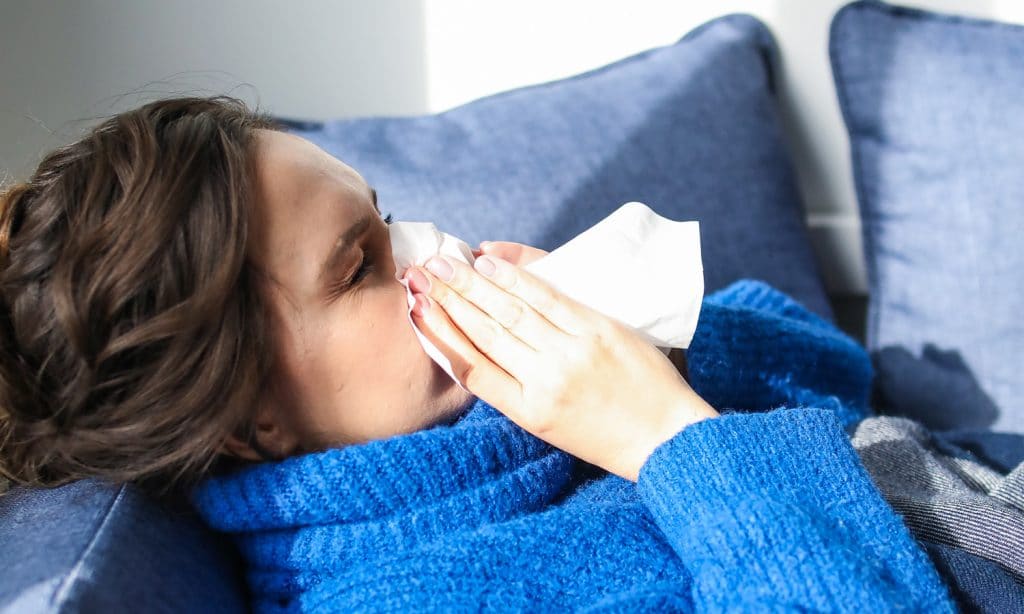
One of the few valid reasons to skip your COVID-19 vaccine appointment would be if you’re sick. If you tested positive for COVID-19, were exposed to it or have been experiencing symptoms, skip your appointment; you don’t want to get nurses or other people in the hospital sick.
While these regulations and guidelines apply to travelers within the country, you cannot carry it to and fro the border because it is illegal.
The legal status of weed in Canada is perhaps the best thing that cannabis enthusiasts may have come across in recent years. Buying and consuming cannabis is easy if you are past the legal age, but there are still several province-specific regulations you need to follow.
You must be all the more careful if planning to travel around the country with your stash because you will not want to get into legal hassles when away from home. Whether you plan to drive or jet to a destination of your choice, here is a cannabis user’s travel safety guide that will keep you on the right side of the law.
Watch your age
The legal age for buying and using marijuana in the country varies from province to province, so you need to know your facts right before stepping out. It is 19 years for most provinces, though the age ranges from 18 to 21 years across the country. If you plan to travel to another province or territory, invest in some research to find the legally permissible age at your destination. Ensure that you are allowed to buy or consume weed there, or you may land into trouble for being under-aged.
Check how much you can carry
If you use recreational marijuana, the permitted limit you can carry is up to 30g of dry form, whether you pack it in your checked luggage or carry-on. You can pack only up to 100mL of cannabis oil in your carry-on baggage, and it is also subject to general liquid restrictions. You may take along a greater amount but only with a medical marijuana prescription for documentary evidence that you use it for medicinal purposes. Proper documents are essential if you do not want to encounter any hassles.
Choose a 420-friendly accommodation
Despite the legal status of cannabis in the country, not all hotels and vacation homes allow guests to consume it on their premises. Before you embark on a trip, make sure that you book a weed-friendly destination. Thankfully, there are options where you can easily order marijuana online and get it delivered while you stay. You can explore a specialized weed retreat that offers cannabis on its wellness menu. Researching your options online before planning a trip is a good idea.
As road trips become a popular option for travel buffs in the country, cannabis lovers are increasingly opting for them. However, you must be extra careful about steering clear of cannabis when behind the wheel. Store your stash in the trunk for extra safety and use it only once you are in your hotel room. While driving under the influence is dangerous for you and others on the road, it can get you heavy penalties and even jail time. It is the last thing you will want to happen when you are on vacation.
While these regulations and guidelines apply to travelers within the country, you cannot carry it to and fro the border because it is illegal. Stay updated on the current travel guidelines and regulations at your destination, pack appropriately, and follow the rules, and you are good to go!
Could marijuana offer support in ways we don’t even recognize yet? Here are just a few examples of how weed can assist with common lifestyle challenges.
Can marijuana offer life-changing benefits? Karisa Nashana Sikora thinks so. Recently sharing her story with Practical Pain Management, she described how medical marijuana offered her the ability to truly live fully again. From job loss to obesity, can marijuana help?
Diagnosed with fibromyalgia after the birth of her son, Karisa didn’t immediately think of marijuana. In fact, she had many concerns that it might be addictive, or diminish her capacities as a wife and mother. Karisa shared that marijuana wasn’t just a remedy, but a friend.
“Medical marijuana isn’t something I find myself using every day, but rather, a dependable ‘friend’ I turn to a few times a week when I know I need to break the cycle. I feel so blessed. I would recommend trying cannabis to anyone who struggles and feels as though there is no relief, no answers.”
Could marijuana offer support in ways we don’t even recognize yet? Here are some examples of how marijuana can assist with common lifestyle challenges:
Job Loss
Losing a job can come with many emotions, and while you navigate to a new workplace, marijuana might help with anxiety. However, keep in mind that drug testing and confusion in HR policies can put you at risk if you’re using marijuana in a workplace that doesn’t approve.
According to NOLO, Illinois, Massachusetts, Arizona, and Delaware have protections in place for medical marijuana users, but you could potentially risk losing your job for the effects of marijuana while in your workplace. NOLO says it’s best to contact an employment lawyer to get the facts in your particular state before you light up or bite down.
Obesity
With over 70 million adults in the U.S. classified as obese, researchers are looking to new ways to help decrease diseases often associated with obesity, such as heart attacks, diabetes, and certain type of cancer. Can marijuana fight obesity? We covered a study in 2018 that found an interesting correlation: Women who used marijuana had a lower BMI by 3.1%.
Photo by Clementa Moreno/EyeEm/Getty Images
Grief
From losing a loved one to breakups, grief filters into our everyday life in unexpected ways and often can present itself as anxiety or frustration. Esra Green wrote in 2017 that after the death of his mother, marijuana helped quell his negative emotions so he could work and stay focused, allowing him to power-through a to-do list during a writer’s retreat. Also found to help with traumatic brain injuries, marijuana’s effects can improve cognitive function when the brain isn’t at its best.
For every story like Karisa’s there are several questions about marijuana’s potential for helping certain medical issues or challenges. The problem is, there’s not enough research on the market to assess if marijuana can offer relief for each individual. The best course of action for any individual to take regarding understanding if marijuana or CBD is an option, is to speak to their health care professional.
Democrats are definitely going to attempt to pass marijuana reforms, but those moves have to coincide with the president’s agenda.
Cannabis advocates are eager to watch the course of federal marijuana reform in 2021. One way or another, it’s coming. Newly positioned Senate Majority Leader Chuck Schumer said earlier this week that the issue is still a top priority for Democrats as they advance through the session. Only nobody really has any idea what to expect from the 117th Congress concerning cannabis. Here where the national cannabis advocates predict the course of marijuana reform.
Schumer has suggested the reform might be part of a racial justice bill, while more optimistic outsiders believe that full-scale legalization is just around the bend. There are just so many variables that could affect the outcome of the marijuana movement this year on Capitol Hill. But that doesn’t mean the industry doesn’t have some predictions for what America can expect.
If you’re anticipating full blown marijuana legalization soon, don’t hold your breath. That’s probably not going to happen, at least not this year. Instead, Tilray CEO Brendan Kennedy believes it will take the new Democratic-controlled Congress a couple of years to gain the support needed to take marijuana reform all the way. “I expect that pressure from the North and the South will ultimately lead the U.S. to implement a federal program here at some point in the next 18 to 24 months,” Kennedy said during a recent interview on CNBC’s “Squawk on the Street.”
Others aren’t convinced that federal marijuana legalization isn’t possible this year. But they believe the pathway will probably start out slow and progress into more widespread reform. “Full legalization is possible, but moving any major legislation through Congress is challenging,” Steve Fox, strategic adviser to the Cannabis Trade Federation, told Marijuana Business Daily. “And I’d expect it might be an uphill fight during the current session, but not impossible. I’m very optimistic.”
We know that Senate Majority Leader Schumer has been gunning for nationwide marijuana legalization for the past few years. Last October, he told a podcaster that a federal marijuana legalization proposal would get some attention if the Democrats gained control of the Senate in the 2020 election, and that it would likely secure the necessary votes to pass. But his words may have been a tab bit ambitious at the time. Democrats are definitely going to attempt to pass marijuana reforms, but those moves have to be done to coincide with the president’s agenda…if they want them to pass.
Photo by Tasos Katopodis/Getty Images
As of last year, Biden was not sold on the idea of establishing a taxed and regulated marijuana market, but he is all in favor of eliminating the criminal penalties associated with small time possession. It’s for this reason that we will likely see Democrats pushing legislation that addresses decriminalization. As Schumer mentioned this week, they may stick it inside a racial justice bill and call it a day.
Some smaller reforms that Congress could also attempt may include the SAFE Banking Act, which would allow banks to do business with the cannabis industry. They might take action to prevent the Justice Department from going after companies associated with the legal cannabis trade. We could also see more marijuana-related initiatives tucked inside spending bills.
Federal lawmakers will need to test the water while they figure out how to navigate the issue in the most productive way. Because even with the Democrats now having control in both chambers, the majority is so slim that it doesn’t give them the power to just wave a magic wand and turn the state of marijuana prohibition on its head. The issue will require some finesse, and national cannabis advocates say we shouldn’t expect miracles. “I hope people have realistic expectations,” said Mike Correia, lead lobbyist for the Washington DC-based National Cannabis Industry Association.
Even national marijuana reform group NORML doesn’t have a steady hypothesis for how marijuana will fare in 2021. “With so many issues facing the Congress and many complex procedural factors facing the chambers, it would be all too easy for these efforts to be lost in the haze,” Justin Strekal, political director for the cannabis advocacy organization, wrote in a column for the Hill.
Again, marijuana reform could go so many different ways in Congress this year that it is impossible to tell at this point how it will pan out. We should have a better idea in the coming months.
Patience is the key when it comes to picking a strain that works for you. It is often a trial and error process, and you only get better with time.
If you have just started your journey with cannabis, the choice of the right strain will be the most overwhelming part. You will be surprised to see the variety on display at most dispensaries and online stores, and deciding on the face value is more challenging than you imagine. It is something you need to learn because your experience depends on this selection.
While strains can be confusing in the beginning, you can master them eventually and learn to pick the ones that promise the most incredible results. However, some guidance can take you a long way initially. Here is a cannabis grower’s advice that can guide you about choosing the right strain.
Know the basics
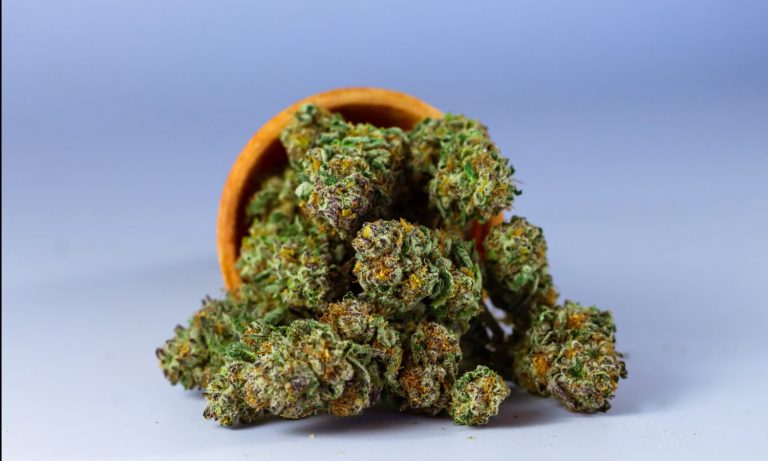
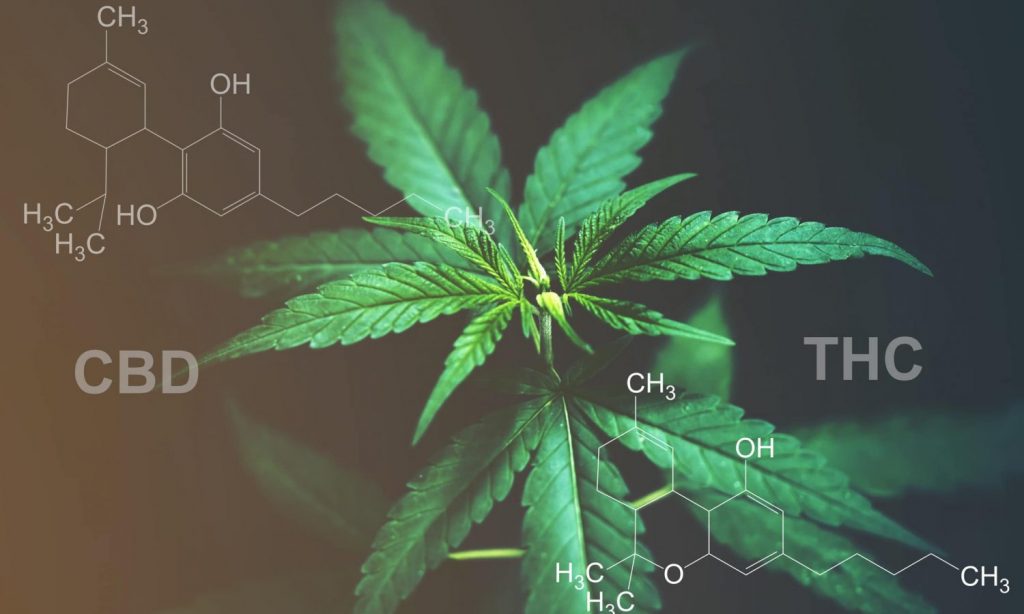
First and foremost, you need to understand the attributes that make a weed strain unique. The plant contains different cannabinoids, with THC and CBD being the most significant ones. High-THC strains make you high, while those having more CBD are not intoxicating. You need to consider the THC-CBD ratio to pick a product that suits your needs. Another aspect to know is the terpene content, which gives a strain its characteristic aroma and flavors. Terpenes also support the effects of cannabinoids. Once you know these basics, you can choose a strain option according to your expectations.
Consider your objective
While the profile of a cannabis strain is vital when it comes to picking the best option, you also need to consider the objective for consuming it. Cannabis works for medicinal or recreational purposes. While some strains offer extensive medicinal benefits for specific conditions, others have a recreational appeal. Yet others deliver on both fronts.
For example, wedding cake strain is great for relieving mental issues such as anxiety, stress, and depression. It also offers a sedative and relaxed feeling if you only want to use it for recreational purposes. Your medical marijuana doctor will recommend a specific strain depending on your condition. Alternatively, you can seek advice from a budtender too.
Photo by Add Weed via Unsplash
Check the potency
Cannabis growers also recommend checking the potency of the strain before you start using it for your objective. Potency refers to the concentration of cannabinoids, particularly THC, in a weed strain. The ones with a higher potency give a more intense experience as compared to those with a lower potency. While you check the potency, you also need to be aware of your tolerance levels so that you do not end up getting intoxicated with a product you cannot handle.
Apart from the composition and effects of specific strains, another factor determining the choice is your budget. They come at different price points, from budget-friendly to high-end, and you need to opt for one that does not burn a hole in the pocket. Still, it makes sense to spend a little more on a strain that gets you a step closer to your expectations and delivers the benefits you look for. Finally, patience is the key when it comes to picking a strain that works for you. It is often a trial and error process, and you only get better with time.
Double masks are gaining traction among experts and people who want an edge in safety. But how much of an impact does it make?
As the pandemic evolves, coronavirus cases rise and new variants of the disease appear across states, a reevaluation of COVID-19 safety measures can’t hurt. While there’s not much you can do aside from maintaining social distancing guidelines and keeping up with safety measures even when exhausted by them, experts have been proposing the use of double masks. What’s the science on them?
According to The New York Times, double masking is “a sensible and easy way to lower your risk, especially if circumstances require you to spend more time around others — like in a taxi, on a train or plane, or at an inauguration.”
Double masking is an effective measure, especially now that we’re talking about new COVID-19 strains that are more contagious than what we’re used to. These variants latch onto cells more efficiently, making it more difficult to escape them once you come in contact with an infected person. They make it possible for you to breathe in less virus and spend less time with an infected person and still contract the disease.
Photo by Vera Davidova via Unsplash
Dr. Abisola Olulade toldRefinery 29 she doesn’t think that double masking is as effective as wearing one very efficient mask, but she sees no risks with the practice. “If you have a face mask that’s thin, flimsy, falling apart, frayed, or if you put it up to a light and you see light coming through it, it might be helpful to wear another one on top of it,” she said.
Now that we know more about the virus, it’s important to be diligent with our masks, understanding that the fabric used makes a significant difference when it comes to our protection. It’s not mandatory to double mask, but it is important to wear your most protective mask when you’re spending time indoors with people you don’t live with, be that at the grocery store, when riding an Uber or meeting up with close friends or family members.
Double masks are gaining traction among experts and people who want an edge in safety, with more and more data showing support. As long as the masks allow you to breathe comfortably and are in good shape, you’re going in the right direction. As COVID-19 cases rise and new variants appear, there’s not a thing as being “too safe.”
There are different ways to get high with marijuana. Rolling a joint isn’t the only option. In fact, you should try different methods to make things interesting.
For many of us, smoking marijuana is synonymous with rolling joints. Many of us don’t really know what other alternatives there are other than a joint.
You may also find situations when there are no smoking papers available for joints, so you can buy alternatives that are both convenient and enjoyable for you. Do these alternatives have the same effect as rolling joints?
There are wide ranges of alternatives to rolling joints. Besides, a few of them are more convenient to use and are popular choices, too. Let’s find more about these options.
Bongs
Photo by vladans/Getty Images
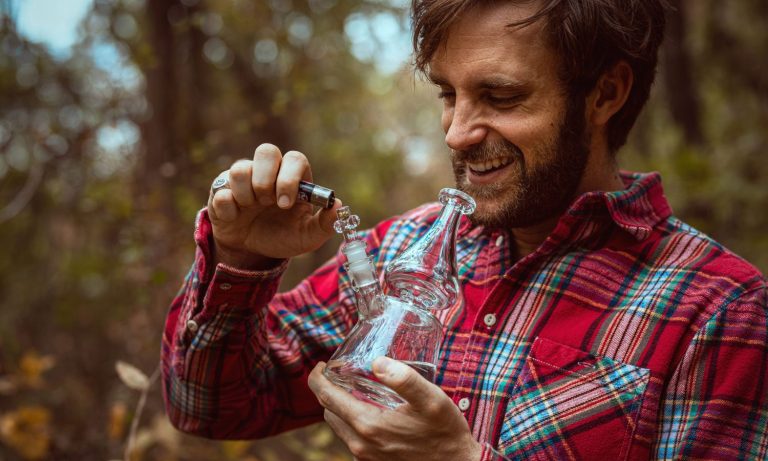
Bongs are a more convenient and easy to use option for cannabis smoking. It can make you high quickly. The only thing you need is water. This is also the only negative; the water could spill out from bong, or the water might be unavailable.
Bongs come with different materials like glass, metal, wood, plastics, ceramics, and most popularly bamboo. Bongs also differ in terms of design. These include percolator bongs, carburetor bongs, gravity bongs, straight tube bongs, multi-chambered bongs, and much more.
Pipes
Photo by Bill Oxford/Getty Images
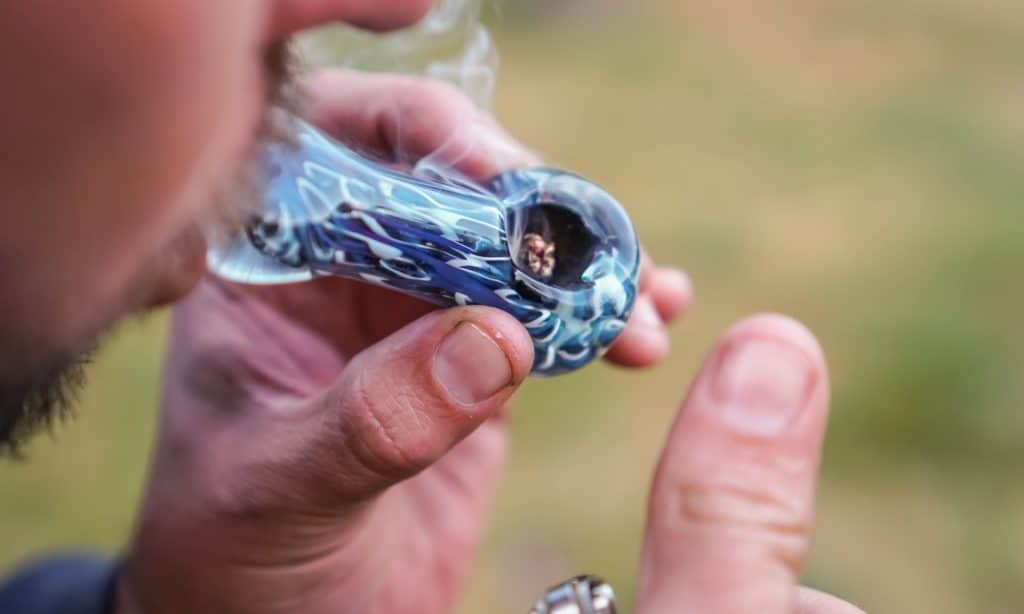
Pipes are the most basic tool for marijuana lovers. It is more stylish, trendier, and cheaper than other options. These options are easy to use and carry. Pipes can have different sizes and shapes. Other than that, pipes like these are made from different materials like glass, wood, clay, and even metal.
It is pretty simple to use pipes. Just grind the cannabis and cover the little hole of your pipe with your thumb or index finger. Now, use a lighter to run the flame over your weed. Inhale and relax.
Some people make mistakes about positioning the lighter in smoking. You have to place the lighter over the top of the bowl until the weed is able to lit on its own. The other major mistake is exhaling with your mouth on the pipe. This can blow weeds out of the bowl. That is a complete waste of your marijuana grind.
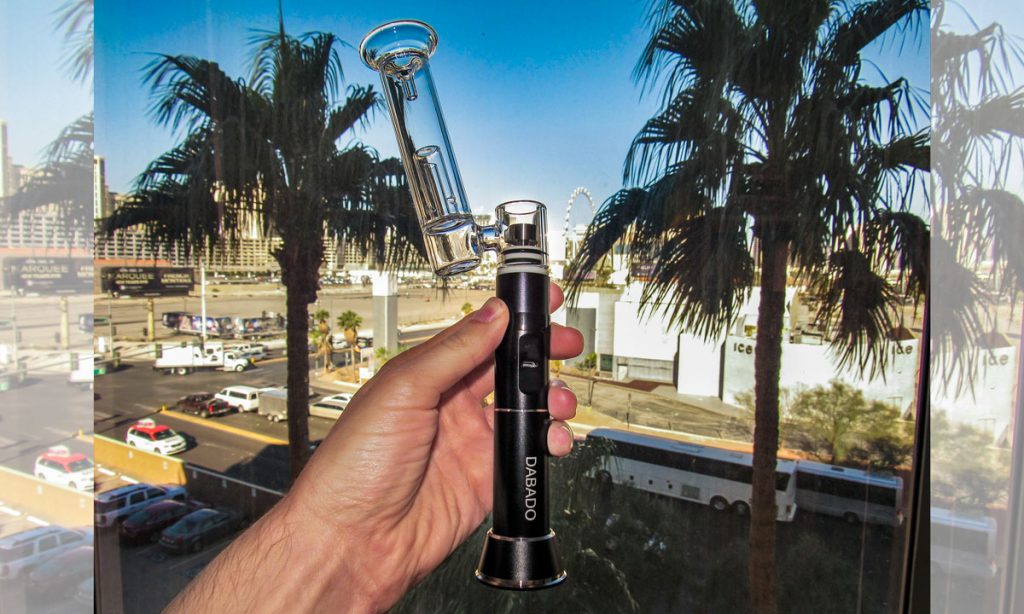
In modern days, glass pipes are getting popular. That is because they are see-through and don’t get as hot as metal pipes. Also, glass pipes hit really clean and there is no difference in cannabis taste. Though they are expensive and can break apart, you will find more diverse and coolest designs in glass pipes.
Dab Rings
Photo by wikimedia user VaporVanity.com
This is for extremely potent marijuana extracts. You can try budder, honeycomb, or shatter-like extracts with dab rings. It concentrates extracts by using the vaporization method. Because of the extreme potency, dab rings can take your high to all-new levels.
Dab rings do not need lighters; instead, blow torches work great for dab rings. As dab rings exclude combustion, it is much healthier than other methods. You will also find its vapor purer than regular cannabis smoke.
Bubbler
Photo by secret agent mike/Getty Images
A bubbler is a kind of a mix between a bong and a pipe. The unit is small and easy to handle — just like a pipe. Besides, it can make you high quickly, similar to bongs. Most bubblers are made with glass. Bubblers have round chambers either on the sides or at the bottom.
Bubblers are also unique as they have a chamber containing water. The smoke produced by weed passes through this chamber and cools a bit, which gives users a fresh taste of marijuana. Bubblers also have variants, though. The most common types are hammer bubblers, pendate bubblers, double bubblers, and sherlock bubblers.
Gravity Bongs
A gravity bong or water bong is a very popular way to smoke cannabis at home. It is quite easy if you know the techniques. All you need is some simple, accessible materials for this. Let’s find how to try this at home.
Use a box cutter to cut a plastic bottle into two pieces.
Now use aluminum foil to wrap the mouth hole so that it gets the shape of a bowl.
Poke 3 to 4 holes in the aluminum for airflow.
Now fill a container with water and place the bottle in that container. Place it so that mouthpieces stay above the waterline.
Place weed on the foil. Now, light things up.
Make sure you pull the bottle a bit upward while you are lighting it. This will fill smoke quickly.
Lastly, push the bottle back into the water. This will push smoke upward, and you are ready for marijuana smoke.
Corn Husks
Corn husks are a very popular alternative to rolling papers. Corn husks are natural, and many people choose this as a healthier option. In fact, people in Jamaica and Latin America prefer this as their first option. Before trying to smoke with it, make sure the husk you want to use is dry and clean. Also, corn husks provide a natural flavor of cannabis smoke.
Corn husks are natural fibers with regular stripes. These hold marijuana extracts more tightly to its surface. In the case of corn husks, experts believe, it is better to smoke slowly to indulge more with marijuana flavors.
Soda Can
Photo by George Hodan via publicdomainpictures
This is another simple and easy method of weed smoking. Convert the soda can to a complete smoking device. Make some holes on the crease and a crab on the other side of it. Add some ground-up marijuana inside and light it. Now you can inhale the weed through a mouthpiece.
Though soda can work as a great smoking device, it has some health hazards to count. The aluminum of its can may not be safe as an aluminum foil. Besides, soda cans have inks painted on its surface. When you are heating weed on a soda can these inks will melt and can release chemicals to your weed.
Other than that, some people smoke directly from the soda can. Soda might have residual caffeine and sugar molecules. These can make you high beyond your expectations. So, try soda can sparingly but not as a regular method.
Apples
Photo by Suzy Hazelwood via Pexels
This is probably the easiest of all methods where fruit can help you to get high on cannabis.
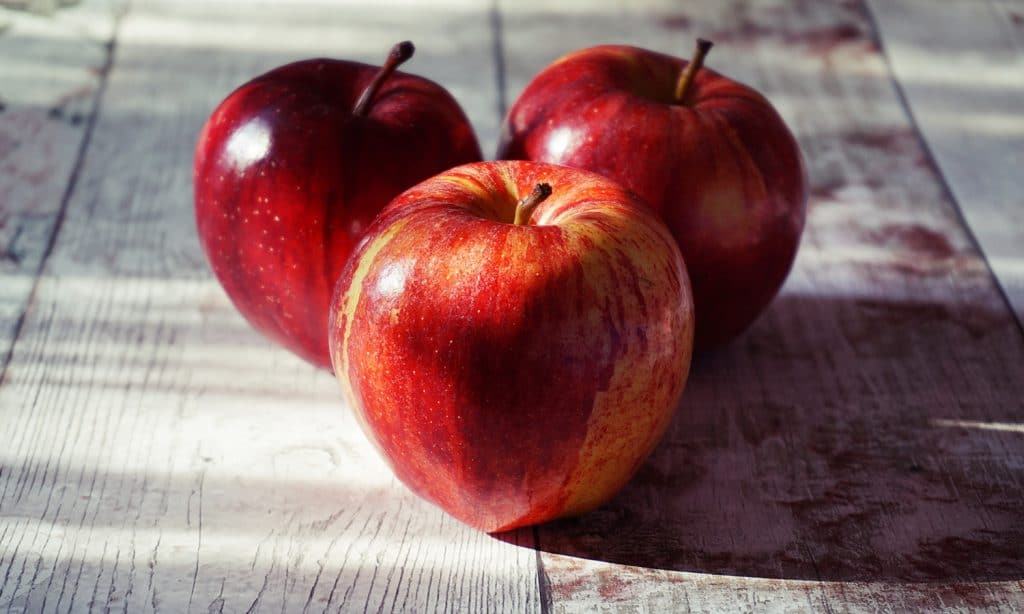
Jam a pen or a screwdriver in the apple to make a tunnel from the top and side of an apple. Make sure the tunnels connect to each other.
Line the apple with aluminum foil and poke aluminum foil into the holes.
Place the weed on aluminum foil and start to light it.
Now, inhale the smoke from the side hole.
You can try a similar process of fruits like guava, avocado, pear or with dragon fruits. There is a lot to experiment with. But, do not try with juicy fruits, that can spoil a lot more of your marijuana extract.
Hot Knives
This is a century-old method of smoking. The method is a simple and effective way to quickly inhale cannabis smoke. You need two knives and a stove or a candle for this. Heat the knives to medium heat and make sure you don’t burn your palms near handles.
After a few minutes of heating, place a piece of bud or some cannabis extract on one and squeeze it between two knives. This will produce smoke quickly, and you just need to inhale.
Rose Blunts
Though it is not a popular method, many people choose this as an alternative. Take three rose petals and heat them in a pan for ten seconds. After heating them, lick the petals and add ground weed to make your blunt.
If needed, you can give another ten seconds of heat in the oven for a better rose blunt. Do not overheat the petals, or else they can dry to a crisp. That can create problems when rolling. Make sure, petals have some moisture after heating so that they roll the best rose blunt.
Hookah Pipes
Photo by Awesome Sauce Creative via Unsplash
This is a popular smoking device in the Middle East and in parts of the Indian subcontinent. Hookah pipes also account for an elite form of weed smoking. Smoking cannabis out of hookah pipe may sound complicated but in reality it is much easier.
To get started you need coal, aluminum foil, tongs, water, and obviously the hookah pipe. You can also add shisha of different flavors to make it more tasty. You can mix the weed with tobacco or shisha and place it at the bottom of the flask. Make sure, you place the cannabis on the top so that it does dry up quickly in the smoking process.
Hookahs have a larger bowl which makes it an ideal option for group smoking. Other than that, it has the least risk of teeth staining and you will get the fresh smell of cannabis leaves.
Plastic Lung
Plastic lung resembles the same airflow functionality as bongs. It is also a process to make you extremely high. To make a plastic lung, you need aluminum foil, scissor, tape, and a 2-liter bottle. Let’s find how to make it in simple steps.
First, cut the container into half. Now, use tape to attach a plastic bag to the bottom half of this container.
Secondly, wrap aluminum foil around the mouthpiece in such a way so it forms a bowl shape.
Thirdly, pierce some holes on aluminum foil before you put marijuana on it.
Finally, Light the weed and pull the bag to create suction. Lift off the foil once the bag gets full. You are now ready to inhale.
Final Verdict
There are different ways to get high with marijuana. Rolling a joint is not the only option. In fact, you should try different methods to make things interesting.
This article originally appeared on Green Market Report and has been reposted with permission.
Like Delta-9 THC and CBD, Delta-8 THC is a cannabinoid, or a natural chemical, found in cannabis plants.
Delta-8 THC has caught the attention of many in recent years. Although still in the shadow of much more popular and widely used Delta-9 THC and CBD, this cannabinoid is promising something completely new and unseen before, with its own set of benefits. Now there is scientific evidence of Delta-8 THC benefits.
Although it’s still rising in popularity and products are only becoming available, it’s useful to know some necessary information about Delta-8. So, here you’ll find all about what is Delta-8 THC, how it works, and what are its benefits and effects.
Then, you can decide whether this cannabinoid is the right choice for you or not. However, most people praise Delta-8 THC for being the perfect cannabinoid providing ultimate relaxation without paranoia or increased anxiety.
About Delta 8-THC
Delta-8 THC is one of the hundreds of cannabinoids available in the cannabis plant. Like Delta-9 THC and CBD, Delta-8 THC is a cannabinoid, or a natural chemical, found in cannabis plants. Although Delta-9 and CBD are much more prevalent in use, and thus more studied and researched, recently, other cannabinoids received a considerable amount of attention and got fellow cannabis lovers interested.
One of them is Delta-8 THC, or a weaker version of the notorious Delta-9. Although people often disregard Delta-8 as the same thing as Delta-9, these two cannabinoids are chemically different, thus providing variations in effect.
However, scientists researched Delta-8 and 9 to find the differences between the two and how they function in our body.
Ultimately, Delta-8 THC is unique and provides its set of benefits. Although similar to Delta-9, there is a crucial contrast relating to side-effects that separates these two cannabinoids.
Photo by anankkml/Getty Images
How Delta-8 THC Works
Delta-8 THC has a unique molecular structure that responds to the cannabinoid receptors of the endocannabinoid system placed throughout the human body and provides a specific effect. Namely, Delta-8 has a double bond on the eighth carbon chain, which provides all the positive THC effects, but lacks the psychoactive ones.
It achieves this through binding to CB1 and CB2 receptors placed through the human body. CB1 receptors are mainly located in the brain, while CB2 ones can be found through the immune and digestive systems.
Because of its molecular structure, Delta-8 THC bonds more to CB2 receptors than CB1 ones, making it have numerous benefits on the body with fewer side-effects influencing the CB1 receptors in the brain.
Ultimately, this makes the health benefits of Delta-8 THC stand out while minimizing its psychoactive effects.
The Benefits of Delta-8 THC
As Delta-8 THC focuses on CB2 receptors, its health benefits are numerous.
First, Delta-8 can increase our physical health. It reduces inflammation and alleviates various kinds of pain. Also, it’s often used for stimulating appetite, as it strongly affects CB2 receptors in the digestive system.
Furthermore, Delta-8 THC mildly affects CB1 receptors in the brain, meaning it does have psychoactive effects to an extent. However, Delta-8 only has up to 0.3% THC content, thus only partially connecting to CB1 receptors. This is what makes Delta-8 THC less potent but still effective.
Because of that, Delta-8 is an excellent choice for improving mood, treating anxiety, and combating depression without side-effects. Taking even a bit more Delta-9 than usual can increase anxiety and paranoia, which are its main disadvantages. Delta-8 has none of these side-effects, providing a relaxing but clear-headed experience every time.
Delta-8 is much easier to control, and people say they often feel a sense of clarity, more focus, and the ability to breeze through their daily tasks. The light effect on CB1 receptors is perfect for easing the mind. However, pay attention not to overdo it.
Photo by kermy via Pixabay
Scientific Evidence
Delta-8 THC wasn’t as researched in the past as some other cannabinoids. However, recent studies try to shed some more light on this valuable cannabinoid.
In this study, scientists discovered the less harmful psychoactive effects of Delta-8 when compared to Delta-9 THC. Here, it was also discovered Delta-8 had a beneficial impact on people fighting cancer as it combated various chemotherapy side-effects such as nausea and vomiting.
Further studies showed an increased appetite stimulation Delta-8 THC had in a series of experiments conducted on mice. Additionally, it affected food consumption without any side-effects connected to THC.
Conclusion
All in all, it’s safe to say Delta-8 THC is getting more and more attention from both scientists and users. The main step in favor of Delta-8 was in 2018 when the US Farm Bill legalized all THC content up to 0.3%, Delta-8 included.
Finally, for decades, people have been talking about the numerous health benefits Delta-8 can deliver without any side-effects often connected to cannabinoids.
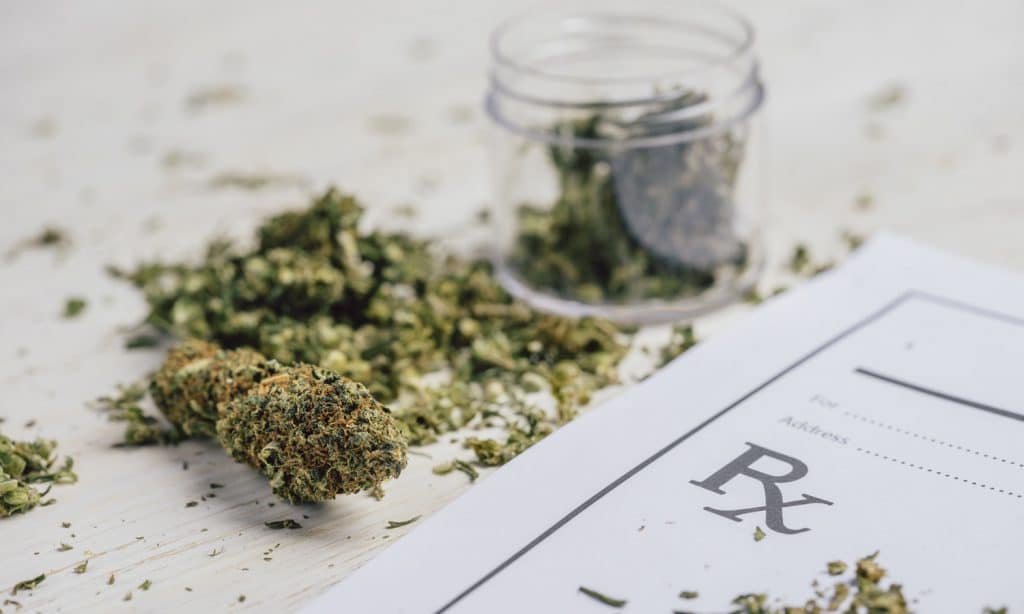
More than 30 states allow patients access to medicinal cannabis, but navigating through some of the red tape can be a bit mind boggling.
Marijuana is becoming more popular than sliced bread throughout the United States. Some of the latest polls show that most of the country supports the idea of legalizing the leaf in a manner similar to alcohol and tobacco. But even more of the population — closer to 90% — are in favor of Americans having the right to use this substance for medicinal purposes. It can be a bit tricky, but here is how to get medical marijuana.
It is essential to understand that there is not yet any kind of blanket medical marijuana program in the United States for people wanting a more natural therapy than what the medical industry typically provides. Marijuana is still illegal in the eyes of the federal government, so nothing about the cannabis plant is accepted, or more importantly, paid for as far as Uncle Sam is concerned. It is one of the reasons veterans are fighting so hard for medical marijuana access. None of the doctors employed with Veterans Affairs can presently help their patients get involved.
One of the biggest snags a patient encounters when it comes to getting medical marijuana is qualifying for participation. Every state is different. So, while in California, it might be easy for just about anyone with a headache or a sore toe to get permission to use the herb, that’s not necessarily the case in other states. Some places only allow patients with severe, debilitating conditions to use the program.
But many are now starting to incorporate “chronic pain” into their list of qualifying conditions, making it easier for most patients to receive clearance. So before you talk to your doctor about using medical marijuana, it is first important to determine whether you qualify at all. Check with your state’s Department of Health for information on qualifying conditions.
Okay, so you’ve figured out that you qualify to use your state’s medical marijuana program. Now, you just have to get a doctor to sign off on it to get the ball rolling. However, this could prove challenging.
Most doctors will not even discuss medical marijuana with their patients for fear that any association may open them up to malpractice claims, trouble with federal drug agencies and a wealth of other unfortunate scenarios that could put them out of business. So that family doctor you see every year for a checkup or a flu shot, he or she is probably going to look at you like there are cockroaches crawling out of your ears if you ask them to provide you with a medical marijuana certification. And this is not the sort of thing that can be obtained by simply visiting an Urgent Care clinic.
Photo by OlegMalyshev/Getty Images
It might be necessary to scour the internet to find a doctor willing to clear you for medical marijuana. Once again, this is easier to do in some states than others. Websites like marijuanadoctors.com can help point you in the right direction. But prepare to pay for the office visit out of pocket. Your health insurance is not going to cover you on anything marijuana-related.
Also, don’t expect the doctor to give you any real advice on strains, dosage and frequency of use. While there is plenty of anecdotal evidence showing that marijuana can help with certain conditions, the lack of research on the subject hasn’t given medical professionals any guidelines to follow. So if you feel like the doctor is guessing when answering your questions, that’s because they probably are. No doctor working today graduated medical school with training in marijuana.
In California, patients are free to use a dispensary as soon as they get their hands on a certification. In Illinois, however, they must first register online with the health department before taking the next step. Once they do, they can gain access to dispensaries on the printed receipt while they wait for their official documentation to arrive in the mail. So once again, it might be necessary to check with your state Department of Health for guidance on getting into a dispensary.
Photo by FilippoBacci/Getty Images
Most patients feel overwhelmed when they step inside a marijuana dispensary for the first time. Although the staff typically does its best to advise and educate patients about cannabis products as it pertains to a specific medical condition, the truth is these people have no clue.
You will find a lot of the information coming from their lips is based off what they’ve read on the Internet or through personal experience or even reports from other patients. It’s not that they’re trying to scam people into spending hundreds of dollars on medical marijuana, which is also not covered under health insurance. These people really believe cannabis is the solution for most ailments.
But as we mentioned in a previous post, the patient must manage their expectations. It is mostly up to the patient to determine which products work best for them, find the right dosage, and incorporate this medicine into their lives. It is important, though, to tell your family doctor that you are using medical marijuana — they need these details to keep you on the proper care plan — but don’t expect them to provide you with any guidance on how to use it. You will be mostly on your own.
Here is a current tally of states that have legalized marijuana for medical use.