Thursday, May 14, 2026
Home Blog Page 430

Indiana’s New Drug Testing Tool Raising Eyebrows

0

Unlike the breathalyzer, which can detect alcohol impairment within seconds, Indiana’s new drug test experiment only shows that a motorist has used drugs.

As more states work to loosen their marijuana laws, and in many cases, make it part of legal society, some are still clinging to antiquated Drug War concepts in an attempt to disrupt progress. Indiana is one of those states. Not only are officials refusing to consider legitimizing cannabis for medicinal or recreational purposes, they are also, at the same time, imposing policies that will undoubtedly lead to more marijuana-related arrests.

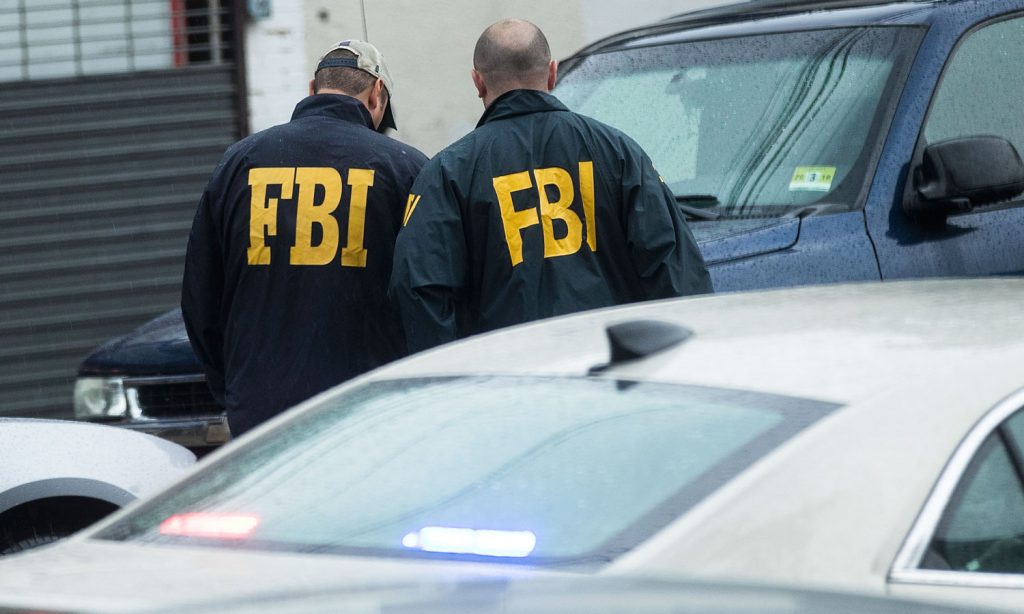
The state recently announced that law enforcement agencies are now using a new roadside drug detection tool to stop drugged driving. However, the test is seriously flawed and could put innocent people in jail.

More than 50 police forces all over the state (including Evansville, Fort Wayne, Indianapolis, Lake County and Muncie) have started using a roadside drug detection device that can determine, within minutes, whether a person has illegal substances coursing through their veins. 

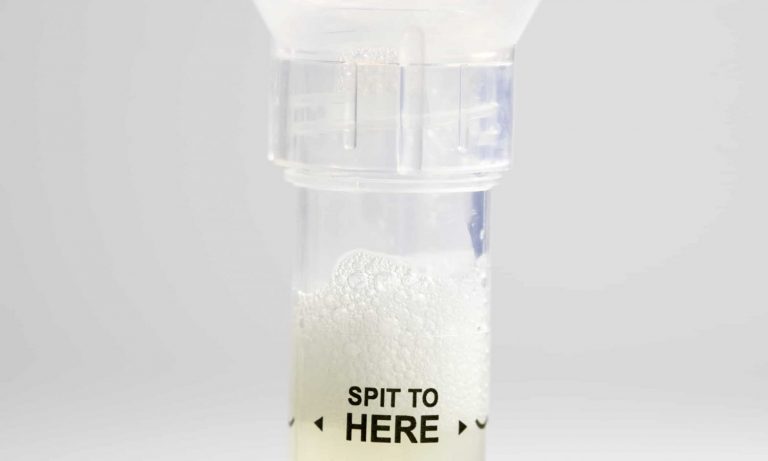
The device, known as the SoToxa Mobile Test System, is supposed to sniff out drivers high on cocaine, opiates, meth, and, of course, marijuana. The test’s manufacturer touts its ability to flag stoned motorists within five minutes by testing their saliva. The problem with this technology is that it scans explicitly for the presence of illegal drugs, not intoxication, making it possible for more sober motorists throughout Indiana to be prosecuted for stoned driving in 2021.  

What’s the difference between presence and intoxication? 

Unlike the breathalyzer, which can detect alcohol impairment within seconds, Indiana’s new drug test experiment only shows that a motorist has used drugs. In the case of a marijuana user, they may have smoked pot within the last 24 hours or so — long enough to be free of the intoxicating effects — but they could still fail this roadside sobriety check.

Swab tests like this one look for THC that lingers in the saliva before the body metabolizes it. However, the test doesn’t indicate when the pot consumption occurred. Therefore, a driver who smoked weed yesterday could be dragged to jail today, the same as the person driving around under the influence.

Marijuana DUIs
Photo by kaboompics via Pixabay

Not only is this roadside test unfair, but it’s also supported by a mostly unbeatable system. 

Indiana has a zero-tolerance policy for drugged driving, as outlined in Indiana Code Annotated, Section 9-30-5-1 and Section 9-30-5-2. No matter how much of an illegal substance a motorist has in their body, they are going to jail for stoned driving if a cop pulls them over and asks them to take a sobriety test.

A first offense is the equivalent of a DUI for alcohol. It is punishable with up to 60 days in jail and fines reaching $500.  

RELATED: These Drivers Test Positive For Marijuana More Than Any Other Substance

But in most cases, jail isn’t the concern; it’s the compromise to staying among society that takes its toll. Typically, the offender can escape two months in county lockup by agreeing to a year-long probationary term. The stipulations of that agreement often come with community service hours, a license suspension, drug and alcohol classes, fees and fines, random drug tests, and monthly visits with a probation officer. It’s a total abstinence program, too, so not only does the offender have to refrain from using marijuana, but they also have to stay away from alcohol.  

Traffic Searches
Photo by bluegame/Getty Images

And the program is expensive. The average DUI conviction in Indiana can cost a person in upwards of $10,000 by the time it is all said and done. Failing to uphold any part of the agreement (not paying fees on schedule or failing a drug test) can result in further disciplinary action, including jail time.

RELATED: Colorado Marijuana Users Think Stoned Driving Policies Are Out Of Touch

Ever since neighboring states like Illinois and Michigan legalized marijuana for recreational use, there has been a lot of pressure on Indiana to do the same. The argument is that Hoosiers will inevitably traffic marijuana into Indiana from legal states, which could run law enforcement ragged. 

Cannabis advocates believe Indiana should legalize it, giving police forces more time to focus on serious crime and allow the state to benefit from millions in tax revenue. But neither the State Legislature nor Governor Eric Holcomb is interested in this plan. Instead, their attitude seems to be more about increased enforcement — creating ways to simplify how cops make marijuana-related arrests. After all, prohibition can be as big of a money-maker as legalization. Police agencies, prisons, and even politicians continue to make millions of dollars by keeping marijuana in the underground. Meanwhile, otherwise law-abiding, tax paying citizens often get caught paying the tab. 

RELATED: How CBD And THC Affect Your Driving, According To Landmark Study

But legal experts say you can fight this charge. 

“The good news is that this isn’t your typical DUI case because you haven’t been accused of driving with alcohol in your system; you’ve been accused of having marijuana in your system,” according to the website of Terre Haute-based attorney Rowdy G. Williams. “There isn’t a breathalyzer that can detect the amounts of marijuana you have in your system, and because marijuana can remain in your system for an extended period of time if you are a habitual user, you might not have been high at the time of your arrest. Your lawyer can also argue that your stop was unlawful if law enforcement had no probable cause to pull you over.”

Why Prince William Waited 7 Years To Propose To Kate

0

Kate and William started dating in college. But it took forever for the future King to pop the question. Here’s why.

In the grand scheme of things, delaying to decide whether or not you want to spend the rest of your life with another human being is nothing. But when you’re a royal and all eyes are on you to pick a princess, it’s a lifetime. Here is why Prince William waiting 7 years to propose to Kate.

Even though Prince William and Kate Middleton started dating in 2003 while attending college, Will waited until 2010 to pop the question.

During a post-engagement interview, William said he decided to propose when he did because “it just felt really right.” Can’t argue with that.

But some people are arguing the length of time he waited before asking Kate to marry him. Was he having second thoughts? Did he settle? Was he considering other options?

A book from royal expert Katie Nicholl, Kate: The Future Queen, appears to hold the answer. Nicholl says it was simply a case of William not wanting to go through a divorce like his parents did.

kate middleton upstaged victorias secret model
Photo by WPA Pool/Pool/Getty Images

“Forever scarred by the pain of his parents’ divorce, it was essential to William that when he married, it would be for life,” writes Nicholl.

RELATED: So, That’s Why Prince William And Kate Middleton Broke Up In 2007

And it’s a good thing the couple waited as long as they did. The two went through a brief breakup in 2007 when, according to the rumor mill, William had a wandering eye. They also shacked up  with each other during school, which wasn’t exactly royal protocol at the time.

According to Nicholl, “Before William asked Kate to marry him, he wanted to be sure it was what she really wanted. By living together, Kate could decide whether it was, and as William later recalled ‘back out’ if it wasn’t. “

RELATED: Prince Philip’s Stern Warning To Prince William When He Was Dating Kate

Of course, any royal watcher is aware of infidelity rumors that have plagued William. But if any couple can make their marriage work, it’s likely the Duke and Duchess of Cambridge.

Maryland Lawsuit Seeks Medical Cannabis Access For Out-Of-State Residents

0

The crux of the case involves the federal-state law conflict that arises in legalized cannabis states because the federal Controlled Substances Act does not preempt state legalization of cannabis possession.

In Maryland, there is currently a lawsuit pending over medical cannabis patient reciprocity in the state. This follows a national trend of residency-related legal challenges in the cannabis industry.

The Maryland state legislature defined qualifying patients as any “individual” who obtains a recommendation pursuant to a bona fide patient-physician relationship by a certified provider. Despite the legislative intent, the Maryland Medical Cannabis Commission (MMCC) issued an administrative hold that barred out-of-state patients from registering as patients in Maryland and if appropriate, from receiving a patient identification card necessary to obtain medical cannabis. The MMCC’s administrative hold has now been in effect for over 3 years with no end in sight. Maryland dispensaries located in the Tri-State (MD-VA-PA) area have suffered economic losses due to the discrimination against out-of-state patients because the dispensaries anticipated both in-state and out-of-state patient access to the program in their business plans.

At an initial hearing in September, the Maryland Attorney General argued that the lawsuit challenging Maryland’s residency requirement should be dismissed because (they argued) state regulators were concerned about the (now-rescinded) Cole Memorandum. This was allegedly to mitigate federal enforcement risks regarding “conflicting federal-state laws.”

Unfortunately, the State forgot about the Rohrabacher-Farr Amendment, which provides protection from federal prosecution for state-compliant medical cannabis patients and state officials, and the Court even made a point to ask the State Attorney General why recreational states allow non-residents to purchase cannabis while visiting the state, within specific limits. The judge denied the defendant’s motion to dismiss the lawsuit and instead allowed the lawsuit to move forward, with trial set for mid-May of 2021.

The crux of the case involves the federal-state law conflict that arises in legalized cannabis states because the federal Controlled Substances Act (CSA) does not preempt state legalization of cannabis possession. In Doe v. Bolton, the Supreme Court of the United States held that the state of Georgia could not prohibit nonresidents from using its abortion clinics, although the case was decided before the U.S. Supreme Court issued a decision in the most infamous abortion rights case, Roe v. Wade.

Is Enduring Justice For Medical Marijuana Coming Soon?
Photo by Esther Kelleter/EyeEm/Getty Images

In another landmark case involving the right to obtain state welfare benefits as a new state resident, Shapiro v. Thompson, the Supreme Court held that California could not require new citizens to reside in the state for one year prior to obtaining state welfare benefits because the requirement violated the fundamental right to travel embedded in the U.S. Constitution.

RELATED: Georgia On My Mind: The Future Of The MORE Act

In another Supreme Court case, Saenz v. Roe, the Court held that the United States Constitution guarantees the right to travel among the states and more specifically, (a) the right of a citizen from one state to enter and leave another state; (b) the right to be treated as a welcome visitor and not an unfriendly alien while temporarily present in a second state; and (c) the right to be treated like other residents of a state if one elects to become a resident of another state.

RELATED: Could Marijuana Legalization Unite A Divided Country?

We will continue to monitor developments in this residency case in Maryland. These residency challenges are not limited to Maryland though. They have been popping up across the country. Recently, my colleague wrote about a lawsuit challenging the Washington state residency requirements for individuals looking to invest or own a licensed marijuana business in the state. You can read about how the legal issues in that Washington lawsuit differ from the Maryland challenge here.

Emily Burns is a recognized expert on cannabis-related legal, regulatory, and policy issues, having worked with a wide range of individuals and entities in the public and private sector. She has particular expertise with respect to federal and state regulation of cannabis and industrial-hemp derived products containing non-psychoactive cannabidiol (“CBD”) following passage of the 2018 Farm Bill legislation.

This article originally appeared on Green Light Law Group and has been reposted with permission. You can contact Emily at info@gl-lg.com or (503) 488-5424.

8 Facts For The Marijuana Talk With Parents

0

How do you explain your marijuana use to a parent or guardian who grew up indoctrinated by Reefer Madness-era propaganda? We’ve got you covered.

We’ve all been there. Your mom finds a bong stashed under a pile of dirty laundry in the corner of your bedroom closet—and, suddenly, you find yourself playing a game of 20 questions. While cannabis use for under the under 23 can make play a part on brain development, you will need to share what you are thinking.

“How could you do this to me?”

“What would your soccer coach say?”

“Are you high right now?”

“Weed is a gateway drug. What’s next? Heroin??”

Without the necessary preparation, you might find yourself scrambling for excuses—or pinning blame for your perfectly natural habit on external forces. You were “holding onto it for a friend,” right? You’ve “never actually smoked weed.” You were just curious. Or, the classic rebuttal: You put the joint in your mouth, but never actually inhaled. Duh, mom.

The fact of the matter is, you did/do consume cannabis. And state-level legal restrictions notwithstanding, there’s nothing wrong with that. But how do you explain your marijuana use to a parent or guardian who grew up indoctrinated by Reefer Madness-era propaganda? We’re here to help, with hard facts you can bring to the dinner table.


Nobody Has Ever Died From A Marijuana Overdose. Ever

Listen, if you’ve got a loving parent who cares about your well being, don’t fault them for falling victim to the prohibitionist propaganda that’s dominated TV and online advertising over the past 50+ years. In subtle (and less subtle) ways, anti-weed campaigns have vastly exaggerated the dangers of cannabis, making it seem—to some—that even a few puffs can lead you down a dark, dangerous path. Maybe your body metaphorically deflates, as one sensationalized anti-weed commercial insinuated. But decades of research, including a 2017 report published by none other than the Drug Enforcement Administration (DEA) itself, has made one fact clear: nobody has ever died from a marijuana overdose.

Pharmacy Students Lack Knowledge, Education To Prescribe Medical Marijuana
Photo by CapturedNuance/Getty Images

Marijuana Is Not A Gateway Drug

Raise your hand if you’ve heard the term “gateway drug” applied to marijuana before. It refers to a phenomenon that goes something like this: You consume a substance, and—benign as it may be—you’ll inevitably crave more potent (and potentially more dangerous) alternatives. But here’s the thing: When it comes to cannabis, the “gateway drug” theory has been thoroughly debunked. Not only is there a lack of evidence that marijuana use correlates with the subsequent use of “hard” drugs, there’s a growing body of research indicating the very opposite.

Study after study has revealed that individuals in states where marijuana laws are less restrictive are less likely to die from, or misuse, opioids, for example. And many patients are also more likely to use cannabis as a substitute for countless pharmaceuticals, which frequently carry far more serious side effects—in addition to the risk of overdose.

Marijuana Isn’t Just THC

“The marijuana I smoked in my day was way less potent than the stuff you have today.” I’ve heard this refrain more times than I can count. And to the credit of earlier generations, they’re right. The average concentration of THC, the main psychoactive ingredient in cannabis, is approximately three times higher these days than it was as recently as 1995, according to one study. That said, increased THC potency isn’t a great excuse for opposing cannabis reform. Yes, today’s cannabis is, generally, more potent than the weed your parents or grandparents smoked. But as patients and caregivers around the country will tell you, weed isn’t just THC.

RELATED: Does Your Kid Need To Go To Rehab For Marijuana?

There are literally hundreds of ingredients in cannabis, including the non-psychoactive compound cannabidiol (CBD), which is known to treat conditions like inflammation, pain, and anxiety. You don’t have to smoke a massive, high-THC joint to derive health benefits from cannabis—and, so, explain that to your parents. If your mission is sincere: To improve your health, pharmaceutical-free, then read up on lesser known ingredients in cannabis like CBD in order to inform your parents about the other ways this plant can help. There are plenty of high-CBD, low-THC strains and products to choose from.

Here's Why You Get The 'Drunchies' After A Night Of Drinking
Photo by Shopify Partners via Burst

Weed Is Safer Than Booze

This is probably the easiest fact card to pull, but if you’ve got a parent who detests marijuana—but finds a glass of wine at dinner comforting and socially acceptable—it might be worth challenging some societal norms here. Marijuana is about 114 times less deadly than alcohol, according to a 2015 study. And even that statistic is a bit misleading because marijuana is not physically addictive in the way that other drugs are, and there’s no known amount of cannabis that can cause a fatal overdose among humans.

Now compare that to alcohol. How many Americans die from alcohol-related deaths per year? About 88,000. What about marijuana? Zero. I’m not trying to say that nobody should drink a glass of wine over dinner. But what might be useful, in a constructive conversation with your parents, may be to point out that one perfectly legal (and arguably dangerous) substance is available nationwide for those 21 or older. Yet mere possession of the other substance—marijuana—can still land you in jail in a substantial (though shrinking) number of states around the country. Does that really make sense?

Let’s Talk About The Medical Benefits Of Cannabis

Yes, at the federal level, marijuana remains Schedule 1—the most strict category under Drug Enforcement Administration (DEA) guidelines. The federal government maintains that marijuana is a dangerous and medically useless drug, and its laws governing weed reflect that position. Still, that hasn’t prevented private institutions, or researchers in other countries, from investigating the plethora of health benefits that compounds in cannabis may provide for patients.

RELATED: How To Talk About Cannabis With The Elderly

Let’s quickly review a few conditions cannabis use is known to treat, which have been firmly established through peer-reviewed research: pain (both physical and neuropathic), muscular spasms, epilepsy, post-traumatic stress disorder (PTSD), and nausea.. Maybe you don’t have one of these conditions—or maybe your state doesn’t recognize your particular condition as qualifying factor for medical marijuana authorization. But all you need to know is that, no matter what Attorney General Jeff Sessions says, there’s an expansive body of research linking cannabis use to the treatment of various mental and/or physical ails.

All of this is to say that consuming cannabis isn’t singularly about getting high. Strains, dosing, and forms of consumption matter. There shouldn’t be any shame in getting high for the sake of getting high, but if you’re trying to convince your folks that your weed habit is normal, offering a brief overview of its proven medical benefits could be useful.

Here's How Medical Marijuana Can Help ALS
Photo by rgbspace/Getty Images

This Isn’t About Politics Anymore

Stigmas around marijuana use haven’t disappeared just because more states have legalized the plant. Many of those stigmas have roots in antiquated political ideologies. If you’ve got wonky parents who lean right and oppose weed, it might come as a surprise to them there’s growing bipartisan support for cannabis reform. Many Democrats, Independents, and Republicans alike have evolved on their position when it comes to cannabis policy.

RELATED: Why Grandma And Grandpa Now Smoke Marijuana

A 2017 Gallup poll found, for the first time, that a slim majority of conservatives support federal marijuana legalization. And if you take a broader look at public opinion polling, 64% of Americans believe that marijuana should be legalized, according to that same survey. Maybe citing polls isn’t the most effective tool in your arsenal of facts to bring to the table, but it could give helpful pause for thought.

You Don’t Have To “Smoke” Marijuana To Benefit

Listen, putting smoke in your lungs isn’t the healthiest form of cannabis consumption. When you talk to marijuana opponents, it might be useful to inform them that bongs, blunts, and joints aren’t the only ways you can administer cannabis these days. There are so many other options. Topical creams, gel capsules, sublingual sprays, tinctures—these are just a few examples that demonstrate the versatility of cannabis consumption in the 21st century.

RELATED: OK, Boomer: Marijuana Use On The Rise Among Older Adults

For someone who isn’t particularly familiar with the modern cannabis market, this could be an easy way to pave a middle ground. Let’s say you’re making headway—you’re parents have listened to you go through the facts about cannabis and they seem more open-minded (which is the goal here)—but they’re still reluctant to let you smoke a joint out of fear of possible adverse health effects. Well, if you’re earnestly seeking cannabis a medical option for you, tell them about these other forms of cannabis administration. It could ultimately push the conversation forward.

Massachusetts medical marijuana
Photo by succo via Pixabay

The Legal Case For Cannabis

One major priority for parents is to keep their kids out of trouble. And so one of the most essential facts you need to keep in your pocket is the legal status of cannabis at the state and local level. This is going to vary widely, because while cannabis is now legal in some form in 30 states, there are different rules dictating who can legally consume, where they can consume, and what, if any, penalties there are for possessing or consuming cannabis. Yes, marijuana is banned at the federal level. If that’s a deal-breaker for your parents, then consider going back through this list and then make a reasoned case for why that shouldn’t be the case in the first place.

RELATED: How To Approach Your Baby Boomer Parents About Weed

That said, there’s a little thing called state sovereignty that ought to be part of that conversation. Educate your parents about what your state and local marijuana laws allow or prohibit. With so many states permitting cannabis use, either for medical or recreational use, this kind of information may prove key to resolving any latent concerns about your personal use of the substance. And, hopefully, it can give your parents some peace of mind.

This Won’t Always Be The Easiest Conversation

Years ago, my mom found my bong, stowed away in my closet, and confronted me about it—tears already rolling. This was well before I started reporting on the health benefits of cannabis, learning more and more as I went. So I can appreciate that this conversation can be awkward and difficult. But even with the limited facts I knew at the time, the tone of the conversation took a 180-degree turn. It became a productive and open discussion about what is, fundamentally, a non-toxic, non-addictive plant.

I can’t promise that you’ll have the same experience—but one thing I wish I had at the time of the confrontation was a one-sheet of facts I could share with her, to make a better case and enlighten her about how the prohibitionist propaganda she grew up accepting was dead wrong, in a polite and constructive manner. Well, here’s that one-sheet for you when the time comes. Facts are facts—and the facts are on our side here.

How To Get Better At Spending Alone Time

0

Having an upended social world is big – and suddenly you have time to yourself…how to get comfortable hanging with you!

After a year living through a brutal pandemic and social distancing, you’d expect most of us to be experts at hanging out alone and not sighing wistfully every time we walk by a bar. But we’re not.

Despite warnings from the CDC, over 4 million Americans traveled this year in order to spend Thanksgiving with their loved ones.

Being alone is not easy, but staying away from others is a necessity when faced with rising COVID-19 cases. Isolation goes against our nature and it’s criticized by modern culture. It makes our lives stressful and difficult, but it’s a skill that can be practiced like any other and that produces tangible results in the middle of a pandemic. Even if the stress of this year heightens all of our emotions, being alone is something we’ve all experienced before.

Here are some tips on how to get better spending alone time.

Go inwards

Journalist Sy Hersh Admits Smoking Weed With Eugene McCarthy, Jerry Brown
Photo by 6689062 via Pixabay

RELATED: Spending The Holidays Alone? Here’s How To Make The Most Of It

While distractions are very appreciated during the pandemic, sometimes finding a TV series to watch is not enough. An activity that demands less engagement and absorption can help you be alone more efficiently, something like reading, journaling, crocheting, practicing yoga or working out. These activities, while stimulating and distracting, don’t shut off your brain and your thoughts. They instead allow you to sit with your feelings in a way that’s manageable.

Try to find meaning

5 Signs You Might Have Seasonal Depression
Photo by Dmitry Schemelev via Unsplash

It could also help you feel better to know that you’re contributing to the world by keeping yourself from others and following safety guidelines. At the end of the day, social distancing and isolation are temporary. Still, it’s natural to feel some sort of distress, but, like any other distressing emotion, your fears can be appeased by sitting with your feelings and trying your best to not block them out. If your problem is too distressing and you don’t feel like you have the necessary tools, consider therapy or explore different options for teletherapy (here are 5 Tips To Make The Most Of Your Online Therapy Sessions).

Be gradual

RELATED: 5 Signs You Might Have Seasonal Depression

If you’re planning on spending the holidays alone or limiting your contact with others in order to be more in touch with yourself, do so gradually. When feeling sad and lonely, reach out to someone, whether it’s a roommate or by giving a friend a call. There’s no shame in Zoom or FaceTiming.

USP Looks To Growers For Quality Control

It is important that USP guidelines address the quality controls for actual plant material as the starting point, besides the quality controls for the finished product.

Editors Note: This is the final story in a three-part series. If you missed it, here is part one and part two.

Pests and contaminates are a given in the cultivation of cannabis, and most standards developed to control these on other agricultural products don’t apply. This is why the U.S. Pharmacopeia has stepped in to provide analytical methods and risk-based limits for the industry to help protect public health, including looking at how cannabis is grown, not just at how it hits the shelves.

“Cannabis is susceptible to pest infestation whether grown indoors or outdoors, which means cultivators often turn to pesticides to ensure their harvest. However, pesticides can be quite dangerous if not used appropriately to make sure residue levels are not higher than they should be. This could be especially true if consumed by someone with a health condition who may be taking the plant for medicinal purposes” said Robin Marles, Ph.D., chair of the U.S. Pharmacopeia (USP) Botanical Dietary Supplements and Herbal Medicines Expert Committee.

USP has assembled an expert panel of clinicians, scientists and industry representatives from around the world to provide necessary information and guidance all laid out in the Journal of Natural ProductsCannabis Inflorescence for Medical Purposes: USP Considerations for Quality Attributes.

Recent cases in the U.S. and Canada of consumers being exposed to residues of pesticides unauthorized for use or used off-label on cannabis have resulted in recalls and increased public and regulatory concerns. In the U.S., crop-specific pesticide limits are established by the U.S. Environmental Protection Agency (EPA) for foods, but no approved pesticide or pesticide limits exist for cannabis. And levels of pesticides deemed appropriate to protect public health and safety for food products may not necessarily apply to cannabis, since cannabis is typically smoked or vaped.

Although U.S. state requirements may provide some guidance to control specific pesticide contaminants, additional pesticide residues that are not expressly permitted by these states may also be detected on cannabis due to environmental drift or persistence or through incidental contamination.

“Even if you do not apply pesticides, you might find pesticide contamination from neighboring agricultural fields through environmental drift,” said Nandu Sarma, Director, Dietary Supplements and Herbal Medicines at USP.

Photo by Bloomberg Creative Photos/Getty Images

To date, Canada has the strictest requirements for pesticides among countries and U.S. states that regulate the use of cannabis. USP has pesticide standards for oral botanical drugs, but they are not exhaustive. Many of the pesticides used to control pests for cannabis such as powdery mildew, botrytis or spider mites are not listed in USP’s general chapter that describes pesticide levels for botanical dietary supplements.

RELATED: The USP Lays Out Guidelines For Medical Cannabis

Based on the multiple possibilities for contamination for pesticides, USP recommends  a cautious approach, with maximum acceptable exposure limits for each pesticide that are 1,000 fold lower than the acceptable daily intake limits established by the Food and Agriculture Organization of the United Nation (FAO) and World Health Organization (WHO).

RELATED: What’s In A Name? Forget The Strain Name

“It is important that USP guidelines address the quality controls for actual plant material as the starting point, besides the quality controls for the finished product” said Ikhlas Khan, Ph.D., USP Cannabis Expert Panel chair.

This article originally appeared on Green Market Report and has been reposted with permission.

2020: The Top Movers And Shakers In Cannabis

Industry leaders deserve recognition for continuing to move the industry forward, develop new and innovative products, and are on the rise as people to pay attention to in 2021.

By Leland Radovanovic.

If 2020 has had any silver lining, the cannabis industry is one of the few local industries thriving after receiving “essential business” status in many states. It shows no signs of slowing down.

Marijuana Business Daily reported that retail sales were up 40% compared to 2019. Legalization also pressed forward, and this year alone, Arizona and Montana voted to legalize recreational cannabis. South Dakota became the first state to legalize medicinal and recreational cannabis during the same election.

In early December, The Marijuana Opportunity Reinvestment and Expungement Act (MORE Act) passed the U.S. House of Representatives. Marijuana Business Daily reported that U.S. cannabis retail sales were up 40 percent compared to 2019

As a look back on the year, industry leaders deserve recognition for continuing to move the industry forward, develop new and innovative products, and are on the rise as people to pay attention to in 2021.

Advocating and Lobbying for Human Rights

The reality is that the U.S. has to reckon with its past on cannabis prohibition and create in-roads to new economic opportunities for Black and Brown communities who were the targets for cannabis prohibition enforcement. Roz McCarthy, founder and CEO of the 501c3 nonprofit Minorities for Medical Marijuana (M4MM), continues to ensure the conversation of social, economic, and racial justice are not an afterthought but at the forefront as states legalize cannabis. The organization has created national programs for record expungement, cannabis job training, education, and internships through historically black colleges and universities (HCBU).

Founded in 2016, M4MM currently operates across 27 U.S. states and has expanded its diversity advisory board with cannabis giants like Trulieve, SIVA Enterprises, and ex-pro footballer turned cannabis entrepreneur Marvin Washington. Many leading companies have tapped Roz to consult on diversity and inclusion programming and sit on several advisory boards such as CWCBE and Marijuana Business Daily.

While the battleground of cannabis legalization continues to be within the states, the industry has had a severe lack of experienced lobbyists on the federal level. Saphira Galoob is the Principal and CEO of The Liaison Group (TLG), which was the first, and remains the only Washington, DC-based lobbying firm focused exclusively on the cannabis industry. She was the driving force behind the creation of the National Cannabis Roundtable (NCR), which counts some of the nation’s leading operators among its membership, including Cresco Labs and Trulieve. Other clients include the Oregon Cannabis Association and the California Cannabis Industry Association, the most influential state-based cannabis trade association, representing more than 500 businesses and 670 brands in the world’s largest cannabis economy.

A keen strategist who prioritizes transparency and collaboration, Saphira works closely with both the House and Senate Cannabis Caucus and working groups. POLITICO recently selected her as Who to Know on K Street for cannabis lobbyists and was named the 2020 Influencer of the Year by the Industry Power Women Awards.

Attorney on the Move 

It is nearly a trope to say you have a lawyer on speed-dial. Success in cannabis relies on your understanding and execution within the laws and regulations, and to do that, you need someone in your corner. Cristina Buccola, founder and CEO of CB Counsel, is a transactional attorney with a twist: she represents cannabis and hemp clients on M&A, securities, capital raises, and general corporate matters while also advocating for a regulated, inclusive cannabis industry centered on racial and economic justice.  She has been a partner in a state-legal cultivator, an organizer of expungement and relief events, and was the General Counsel of High Times.

Additionally, Cristina is an adjunct law professor of cannabis law and policy, where she lectures on a variety of cannabis topics in continuing professional courses and community-focused seminars. She also serves as an advisor to National Expungement Week on creating programming and events that bring legal relief (expungement, record sealing) and wraparound services (housing, healthcare, food) to communities most disproportionately harmed by the War on Drugs.

Publicly-Trading in the U.S.

Jessica Billingsley has had a colorful history in the cannabis industry and serves as an influential figure of what success can look like in the cannabis industry. She serves as Akerna’s KERN 2.08% CEO. In June 2019, she became the first CEO of a cannabis ancillary company to be listed on Nasdaq and through a SPAC, no less.

This year, MJ Freeway, an Akerna company, announced an integration with Metrc API enabling a single entry of the information necessary to initiate facility license transfers through Trellis. Jessica co-founded MJ Freeway in 2010, where she served as President until April 2018, and later as the CEO until MTech acquired MJ Freeway to form Akerna. In 2015, Fortune named her one of Fortune’s Most Promising Female Entrepreneurs. In 2018, Inc. Magazine named her one of 100 Female Founders, and in 2019, Entrepreneur’s named her one of 100 Powerful Women.

Before MJ Freeway, Jessica served as CEO and founder of Zoco, a technology services firm with clients across the United States.

Private Operators Putting Healthcare First

Not everyone in this industry is looking for a cash grab. These next two leaders put patients and health and wellness front and center, and their success is a testament to the need to place your customers and patients first.  Dr. Chanda Macias, MBA, is the CEO of Ilera Holistic Healthcare, the medical marijuana cultivator and processor for the State of Louisiana University and CEO of Women Grow. In Louisiana, Dr. Macias focuses on delivering affordable medical marijuana healthcare options and patient education on aligning a medical marijuana strain with a specific condition or ailment.

RELATED: Cannabis Industry Insiders Look Ahead To 2021

In addition to cultivating and processing medical marijuana, Dr. Macias dispenses medical marijuana through National Holistic™ Healing Center (NHHC), which has a majority market share in Washington, D.C., significant patient retention, and has increased patient enrollment through her educational platform.

If that was not enough, Dr. Macias is the Vice-Chair of the National Cannabis Roundtable (NCR) Board. NCR is dedicated to promoting common-sense federal legislation, tax equity, and financial services reform and is a proud member of Americans for Safe Access, promoting safe and legal access to medical marijuana for research purposes.

Dr. Oludare Odumosu, PhD, is the CEO (USA) of Zelira Therapeutics ((ASX: ZLD, OTCQB:ZLDAF), the leading global therapeutic medical cannabis company with access to the world’s largest and fastest-growing cannabis markets. He created Zelira’s proprietary CBD formulas that formed the foundation of its just-launched foray into the oral care industry with a partnership with SprinJene®, a leading natural oral care brand, for a hemp-derived CBD toothpaste.

RELATED: Why 2021 Will Be The Year For Marijuana Legalization

In addition to the formulas developed for Sprinjene, Dr. Odumosu also created Zelira’s Zenivol™ formulation for insomnia, which just completed the world’s first clinical trial for a cannabis-derived insomnia medication and launched earlier this year in Australia, and co-created, with autism advocate Erica Daniels, Zelira’s successful HOPE™ line of cannabis-based treatments for the symptoms of autism.

Public Relations and Building Women in Cannabis

It is not enough to be good at what you do in cannabis. Developing your story and expressing it to the audiences that matter most to you to increase your public profile is essential. With marketing channels limited, public relations is one avenue to accelerate your growth. Gia Morón is the founder and CEO of GVM Communications, a public relations, brand strategy, and business development firm which she launched on April 20, 2012. With almost 30 years of public relations experience, she works with small to mid-sized businesses, non-profits entrepreneurs, authors, and more. Gia expanded her company’s coverage into cannabis and hemp in 2015 and was named a top cannabis PR firm.

She also serves as the President for Women Grow, overseeing the company’s day-to-day operations. Not to be slowed down, she sits on the board of Minorities for Medical Marijuana, an advisory board for Cannabis World Congress Business Expo, and is a coalition member of Start-SMART, a New York organization among others.

This article originally appeared on Benzinga and has been reposted with permission.

If Your Dog Has This Disease, You’re More Likely To Have It Too

0

It’s common for dog owners to give their pets extra portions of food or to feed them meals and treats that are meant for humans.

A new study suggest that if your dog has diabetes, you might be at a higher risk of developing the disease as well.

The study monitored and analyzed the data of 200,000 dog owners and 120,000 cat owners for a period of six years in Sweden. Researchers examined pet insurance data and the owner’s medical records, obtained from the Swedish National Patient Register, and found some interesting statistics.

The most prominent link was that people who owned diabetic dogs were 32% more likely to to develop the disease themselves when compared to people who owned dogs who did not have diabetes. This association wasn’t present with cat owners.

How CBD Can Help Dogs With Mobility Problems and Osteoarthritis
Photo by Ketut Subiyanto via Pexels

“Data indicated that owners of a dog with diabetes were more likely to develop type 2 diabetes during follow-up than owners of a dog without diabetes. It is possible that dogs with diabetes could serve as a sentinel for shared diabetogenic health behaviours and environmental exposures,” concluded the study.

RELATED: 4 Ways Having A Pet Increases Your Lifespan

Another interesting stat? The majority of pet owners with diabetes were more often older men less likely to have a college degrees. “Pet-owner pairs in which only the pet had diabetes were more often female, and more likely to have dogs that belonged to breeds with a high risk for the disease — for example, Border collies, Samoyeds and toy poodles,” wrote the New York Times.

RELATED: Why Are So Many Of Our Pets Fat?

While these results provide puzzling results, dog owners share a special bond with their dogs, one that’s different than the relationship developed by cat owners and their pets. It’s common for dog owners to give their pets extra portions of food or to feed them meals and treats that are meant for humans.

While the study doesn’t suggest that all diabetic dog owners are at risk for diabetes, it does pose some interesting questions and raises some cause for concern. “If your dog develops diabetes, maybe it’s a good opportunity to assess your own health habits and see if there’s any room for improvement,” said lead author Beatrice Kennedy.

Can CBD, Psilocybin Help Fight Alcohol Abuse?

Starting with these natural herbs can help in reducing the desire to drink regularly.

Binge drinking has a significant negative influence on the lifestyle of a person. When the drinking pattern starts causing trouble in your life, it’s the onset of alcohol use disorder (AUD). As per recent facts, AUD hits 16 million people in the United States. The common signs of addiction can be light, average, or critical, depending on the various traits that appear. Common signs include:

  • Helpless in controlling alcohol consumption.
  • Not able to quit.
  • A desperate desire to drink.

The excessive drinking of alcohol can affect the liver and brain. This is where the role of psychedelics comes into the picture. Psychedelic substances like Psilocybin affect the brain, helping heal many mental and physical disorders, including AUD symptoms. Let’s first understand how CBD and Psilocybin work.

The Mechanism

CBD is one of the main components present in Cannabis plants, whereas Psilocybin is the component present in magic mushrooms. These naturally occurring plant-based elements have been discussed for a very long time. Both have been used for centuries for recreational purposes. Various states have legalized both substances and permit their usage to treat some specific conditions.

Consuming CBD  has a positive impression on the body without any psychedelic effects, whereas mild use of Psilocybin can produce positive effects with some mind-altering experiences.

The endocannabinoid system (ECS) of the body performs an imperative role in controlling mood, thought, appetite, and pain sensation. It controls neurological processes like stroke, seizures, dementia, and alcoholism. The consumption of these substances can support the ECS by combining with the endocannabinoids to enhance their functionality.

Drinking liquor can produce intoxicating forces on the brain, creating liver and brain damage, whereas consuming either CBD or magic mushrooms can positively impact the brain, like relieving anxiety and depression.

Below we will discuss how these naturally occurring compounds can help fight AUD and how to use them for the right results.

CBD and AUD

Cannabidiol (CBD) combines with the endocannabinoid receptors present in the brain and body to manage distress and inflammation. According to reports, CBD’s extended usage in the right dosage reduces cravings for cocaine and withdrawal symptoms. It can improve psychological indications and cognitive abilities. Cannabidiol’s antioxidant properties help strengthen the immune system’s efficacy and repair AUD’s destruction like depression and self-destructive thoughts.

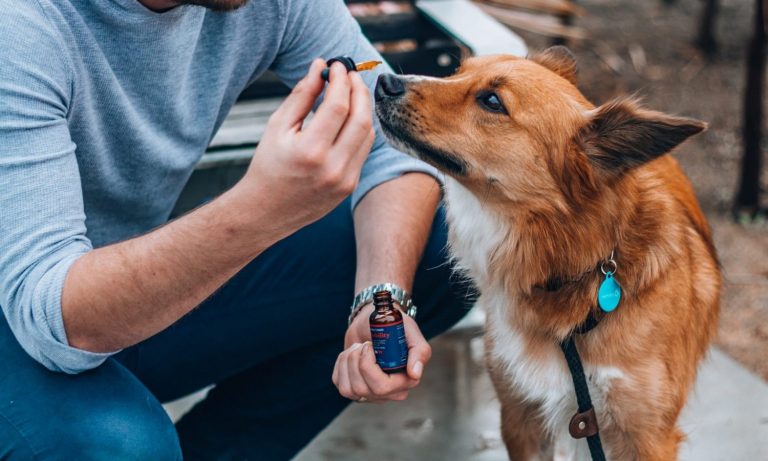
person standing and using medicine dropper
Photo by Michal Wozniak via Unsplash

The research also revealed the consequence of cannabidiol on alcohol-impaired liver inflammation. Researchers discovered that the livers of mice injected with CBD before being fed with ethanol were less impaired than those with no CBD. It reduces oxidative stress, controls inflammation, and kills the cells that cause massive scar tissues. Animal studies suggest that CBD can metabolize lipids, which help decrease the alcohol effect on the liver.

RELATED: Both CBD And Psilocybin Show Potential In Fighting Alcohol Use Disorder

As per another journal, CBD reduced the chances of ethanol resumption in addictive mice, which gradually decreased when researchers increased CBD dosage.

Thus, these studies explain how CBD can play a crucial role in fighting alcoholism and withdrawal symptoms. Patients with AUD can use CBD in different forms.

Ways to use CBD:

  1. CBD oil: A person with alcoholism can add CBD oil to their food or drink. One can also consume CBD oil orally by placing a few drops under the tongue.
  2. Edibles: the huge selection of CBD edibles like chocolates, energy bars, gummies, and cannabis-infused drinks are different ways of consuming CBD.
  3. CBD Pills and capsules: These are the perfect way of taking CBD in small doses. After a meal, taking CBD tablets will help slow the release of its effect that lasts for a long time.
Denver And Oregon Now Want To Legalize Psychedelic Mushrooms
Photo by farmer images/Getty Images

Psilocybin and AUD:

There are different species of magic mushrooms, of which one is Psilocybe Cyanescens. The psilocybin and psilocin compound present in this species makes it highly psychedelic. Psilocybin can play a crucial role in fighting alcoholism. A journal reports that consuming a high-dose of Psilocybin offers magical effects leading to lower alcohol intake and associated anxiety. People who took Psilocybin say that the mystical event produced by it made them feel great. Psilocybin supported them to ease tension, sadness, and bipolar ailments, which are common alcoholism symptoms. People exhibited enhanced appreciation and connectedness to their surroundings post psilocybin intake.

RELATED: The Medical Benefits Of Taking Psilocybin ‘Magic’ Mushrooms

Another article that took a survey of 343 people who consumed Psilocybin to fight alcoholism found that almost 80 percent of them were free from alcoholism. The rest 35 percent of people said their urge to drink alcohol, reduced after taking a higher psilocybin dose.

Researchers conducted another experiment to study the effect of Psilocybin, wherein they gave a small dose of Psilocybin to ten members addicted to liquor and with mental dysfunction. The result showed that this small dosage of Psilocybin is enough to ignite alcohol addiction’s healing process. The experiment also gathered the following results:

  • Participants who took Psilocybin were less inclined towards drinking alcohol.
  • Patients with alcoholism, desired to make healthy changes by creating a positive mindset. The motivation to shift from addictive behaviors begins due to the Psilocybin’s anti-addictive properties that improve a person’s self-belief in managing alcohol misuse.
  • Psilocybin reduced the dysphoric events of distress, fear, and anxiety produced due to alcohol use disorder.

Ways to use Psilocybin:

There are many ways of using Psilocybin to enjoy a psychedelic trip while fighting AUD:

  1. Chew and Swallow: In this method, you must thoroughly chew the shrooms to let the juices come out. When your saliva and the mushroom juices mix, it enters your bloodstream to start working.
  2. Brew: Take magic mushrooms in dried form and brew them and drink as a tea.
  3. Capsules: This is the easiest method of including Psilocybin in your diet. This way of using Psilocybin allows you to know the right dosage.
  4. Edibles: Like CBD, one can use Psilocybin to make various food and beverages. You can easily add Microdose Shrooms to your recipes like chocolate truffles, pasta, or honey.

Conclusion

The above mentioned are the ways CBD and Psilocybin can effectively fight alcohol use disorder. The regular consumption of alcohol can increase the risk of physical and mental health problems. Starting with these natural herbs can help in reducing the desire to drink regularly. Along with CBD and Psilocybin, it can be beneficial to visit a therapist who can guide you with the right dosage and other therapies.

This article originally appeared on Green Market Report and has been reposted with permission.

Why The Cannabis Industry Is Perfect For Socially Responsible Investors

0

I strongly believe that the cannabis industries (note the plural) are not only suitable for ethical investors, they are compelling.

Disclaimer: The views expressed in this article solely belong to the author and do not necessarily represent those of The Fresh Toast. 

It would appear that the gradual legalization of cannabis is leading big investment funds, pensions, mutual funds, etc, to recognize that cannabis is a compelling area for investment.   

However, institutional investors may find themselves uncomfortable with an industry that has been so “controversial” (pardon the understatement) for so long. And at first blush (pardon the expression), they may have doubts about its suitability.   

Should the “marijuana” segment be viewed like tobacco as a “sin” industry which various groups will shun for religious or moral reasons?   

SEE: Tobacco Companies and Cannabis – Should They Be Allowed In? 

In the highly segmented investment industries, many institutions may have boards that limit their endowments’ investments to companies and industries that meet certain ethical criteria.   

However, I strongly believe that the cannabis industries (note the plural) are not only suitable for ethical investors, they are compelling. And let’s start with marijuana. Weed. Pot. Grass. Ganja. Etc.  

An investor, personal and/or institutional, may disapprove of “getting high”, but — even given that premise — could a marijuana company actually be an ethical investment?  

I would argue that any investment that reduces the role of the black market for marijuana is an ethical investment. The black market has no age restrictions to keep weed away from minors. The black market has no labeling for potency. The black market has no quality control to prevent contamination or other problems. Consequently, any investment that protects the consumers and the general public is an ethical investment.  

Of course, there is a lot more to cannabis/hemp than “marijuana”, but medical marijuana is where they overlap. Cannabis had been used medically for thousands of years, but it had to be rediscovered as “medical marijuana” during the AIDS epidemic as the Drug Warriors were quite willing to let people die in agony to suppress the medical uses of the plant.   

SEE: COVID-19, AIDS And The Suppression Of Medical Cannabis 

Even now, the Federal government is making life difficult for farmers who try to grow hemp (for CBD) with an entirely arbitrary limit on the THC levels (0.03%) at any point in the process. I cannot imagine a more “ethical” investment than one that helps both farmers and the sick and dying. 

SEE: The Marijuana Meme: You Can’t Be Serious – Airbrushing An Agricultural Staple Out Of The History Books

Beyond that list, there are other environmental benefits that may be even more important in developing countries, and morally compelling for ethical investors. 

With 5 more states legal is now the time to invest in marijuana
Photo by Nikolay Ponomarenko/Getty Images

For example, soil erosion is a global problem, especially in the wake of widespread deforestation which is destroying the developing world.  The recent hurricanes that devastated Central America, especially Honduras, have demonstrated the urgency of the problems. Hemp roots and stalks can help hold the soil in place, and hemp stalks can also be used for firewood.  

Hemp can also be used in construction. “Hempcrete” can easily be made in developing countries, but should be exported and used anywhere.   

The decline in the migratory bird numbers is a major warning sign, but wild hemp seed is excellent bird food. “Ditchweed’, feral hemp leftover from previous legal cultivation during WW2, was an important ground cover, but it was also a classic boondoggle, as the military spent millions every year eradicating the crops after they had seeded, so there would be new crop next year. (Really) 

SEE: Feral Hemp  

A “Socially Responsible” investor will find many more areas for cannabis related “Venture Capital” investments that really will  “make a difference” for both the investors, the environment and the public health.   

I highly recommend this Forbes article from 2013. It is wonderful to see how far we have come, and how much we have to do.

SEE: Industrial Hemp: A Win-Win For The Economy And The Environment  

Richard Cowan is a former NORML National Director and author of A Beginner’s Guide To CBD Distillate

Don't Miss Your Weekly Dose of The Fresh Toast.

Stay informed with exclusive news briefs delivered directly to your inbox every Friday.

We respect your privacy. Unsubscribe anytime.