Saturday, May 9, 2026
Home Blog Page 430

How To Get Better At Spending Alone Time

0

Having an upended social world is big – and suddenly you have time to yourself…how to get comfortable hanging with you!

After a year living through a brutal pandemic and social distancing, you’d expect most of us to be experts at hanging out alone and not sighing wistfully every time we walk by a bar. But we’re not.

Despite warnings from the CDC, over 4 million Americans traveled this year in order to spend Thanksgiving with their loved ones.

Being alone is not easy, but staying away from others is a necessity when faced with rising COVID-19 cases. Isolation goes against our nature and it’s criticized by modern culture. It makes our lives stressful and difficult, but it’s a skill that can be practiced like any other and that produces tangible results in the middle of a pandemic. Even if the stress of this year heightens all of our emotions, being alone is something we’ve all experienced before.

Here are some tips on how to get better spending alone time.

Go inwards

Journalist Sy Hersh Admits Smoking Weed With Eugene McCarthy, Jerry Brown
Photo by 6689062 via Pixabay

RELATED: Spending The Holidays Alone? Here’s How To Make The Most Of It

While distractions are very appreciated during the pandemic, sometimes finding a TV series to watch is not enough. An activity that demands less engagement and absorption can help you be alone more efficiently, something like reading, journaling, crocheting, practicing yoga or working out. These activities, while stimulating and distracting, don’t shut off your brain and your thoughts. They instead allow you to sit with your feelings in a way that’s manageable.

Try to find meaning

5 Signs You Might Have Seasonal Depression
Photo by Dmitry Schemelev via Unsplash

It could also help you feel better to know that you’re contributing to the world by keeping yourself from others and following safety guidelines. At the end of the day, social distancing and isolation are temporary. Still, it’s natural to feel some sort of distress, but, like any other distressing emotion, your fears can be appeased by sitting with your feelings and trying your best to not block them out. If your problem is too distressing and you don’t feel like you have the necessary tools, consider therapy or explore different options for teletherapy (here are 5 Tips To Make The Most Of Your Online Therapy Sessions).

Be gradual

RELATED: 5 Signs You Might Have Seasonal Depression

If you’re planning on spending the holidays alone or limiting your contact with others in order to be more in touch with yourself, do so gradually. When feeling sad and lonely, reach out to someone, whether it’s a roommate or by giving a friend a call. There’s no shame in Zoom or FaceTiming.

USP Looks To Growers For Quality Control

It is important that USP guidelines address the quality controls for actual plant material as the starting point, besides the quality controls for the finished product.

Editors Note: This is the final story in a three-part series. If you missed it, here is part one and part two.

Pests and contaminates are a given in the cultivation of cannabis, and most standards developed to control these on other agricultural products don’t apply. This is why the U.S. Pharmacopeia has stepped in to provide analytical methods and risk-based limits for the industry to help protect public health, including looking at how cannabis is grown, not just at how it hits the shelves.

“Cannabis is susceptible to pest infestation whether grown indoors or outdoors, which means cultivators often turn to pesticides to ensure their harvest. However, pesticides can be quite dangerous if not used appropriately to make sure residue levels are not higher than they should be. This could be especially true if consumed by someone with a health condition who may be taking the plant for medicinal purposes” said Robin Marles, Ph.D., chair of the U.S. Pharmacopeia (USP) Botanical Dietary Supplements and Herbal Medicines Expert Committee.

USP has assembled an expert panel of clinicians, scientists and industry representatives from around the world to provide necessary information and guidance all laid out in the Journal of Natural ProductsCannabis Inflorescence for Medical Purposes: USP Considerations for Quality Attributes.

Recent cases in the U.S. and Canada of consumers being exposed to residues of pesticides unauthorized for use or used off-label on cannabis have resulted in recalls and increased public and regulatory concerns. In the U.S., crop-specific pesticide limits are established by the U.S. Environmental Protection Agency (EPA) for foods, but no approved pesticide or pesticide limits exist for cannabis. And levels of pesticides deemed appropriate to protect public health and safety for food products may not necessarily apply to cannabis, since cannabis is typically smoked or vaped.

Although U.S. state requirements may provide some guidance to control specific pesticide contaminants, additional pesticide residues that are not expressly permitted by these states may also be detected on cannabis due to environmental drift or persistence or through incidental contamination.

“Even if you do not apply pesticides, you might find pesticide contamination from neighboring agricultural fields through environmental drift,” said Nandu Sarma, Director, Dietary Supplements and Herbal Medicines at USP.

Photo by Bloomberg Creative Photos/Getty Images

To date, Canada has the strictest requirements for pesticides among countries and U.S. states that regulate the use of cannabis. USP has pesticide standards for oral botanical drugs, but they are not exhaustive. Many of the pesticides used to control pests for cannabis such as powdery mildew, botrytis or spider mites are not listed in USP’s general chapter that describes pesticide levels for botanical dietary supplements.

RELATED: The USP Lays Out Guidelines For Medical Cannabis

Based on the multiple possibilities for contamination for pesticides, USP recommends  a cautious approach, with maximum acceptable exposure limits for each pesticide that are 1,000 fold lower than the acceptable daily intake limits established by the Food and Agriculture Organization of the United Nation (FAO) and World Health Organization (WHO).

RELATED: What’s In A Name? Forget The Strain Name

“It is important that USP guidelines address the quality controls for actual plant material as the starting point, besides the quality controls for the finished product” said Ikhlas Khan, Ph.D., USP Cannabis Expert Panel chair.

This article originally appeared on Green Market Report and has been reposted with permission.

2020: The Top Movers And Shakers In Cannabis

Industry leaders deserve recognition for continuing to move the industry forward, develop new and innovative products, and are on the rise as people to pay attention to in 2021.

By Leland Radovanovic.

If 2020 has had any silver lining, the cannabis industry is one of the few local industries thriving after receiving “essential business” status in many states. It shows no signs of slowing down.

Marijuana Business Daily reported that retail sales were up 40% compared to 2019. Legalization also pressed forward, and this year alone, Arizona and Montana voted to legalize recreational cannabis. South Dakota became the first state to legalize medicinal and recreational cannabis during the same election.

In early December, The Marijuana Opportunity Reinvestment and Expungement Act (MORE Act) passed the U.S. House of Representatives. Marijuana Business Daily reported that U.S. cannabis retail sales were up 40 percent compared to 2019

As a look back on the year, industry leaders deserve recognition for continuing to move the industry forward, develop new and innovative products, and are on the rise as people to pay attention to in 2021.

Advocating and Lobbying for Human Rights

The reality is that the U.S. has to reckon with its past on cannabis prohibition and create in-roads to new economic opportunities for Black and Brown communities who were the targets for cannabis prohibition enforcement. Roz McCarthy, founder and CEO of the 501c3 nonprofit Minorities for Medical Marijuana (M4MM), continues to ensure the conversation of social, economic, and racial justice are not an afterthought but at the forefront as states legalize cannabis. The organization has created national programs for record expungement, cannabis job training, education, and internships through historically black colleges and universities (HCBU).

Founded in 2016, M4MM currently operates across 27 U.S. states and has expanded its diversity advisory board with cannabis giants like Trulieve, SIVA Enterprises, and ex-pro footballer turned cannabis entrepreneur Marvin Washington. Many leading companies have tapped Roz to consult on diversity and inclusion programming and sit on several advisory boards such as CWCBE and Marijuana Business Daily.

While the battleground of cannabis legalization continues to be within the states, the industry has had a severe lack of experienced lobbyists on the federal level. Saphira Galoob is the Principal and CEO of The Liaison Group (TLG), which was the first, and remains the only Washington, DC-based lobbying firm focused exclusively on the cannabis industry. She was the driving force behind the creation of the National Cannabis Roundtable (NCR), which counts some of the nation’s leading operators among its membership, including Cresco Labs and Trulieve. Other clients include the Oregon Cannabis Association and the California Cannabis Industry Association, the most influential state-based cannabis trade association, representing more than 500 businesses and 670 brands in the world’s largest cannabis economy.

A keen strategist who prioritizes transparency and collaboration, Saphira works closely with both the House and Senate Cannabis Caucus and working groups. POLITICO recently selected her as Who to Know on K Street for cannabis lobbyists and was named the 2020 Influencer of the Year by the Industry Power Women Awards.

Attorney on the Move 

It is nearly a trope to say you have a lawyer on speed-dial. Success in cannabis relies on your understanding and execution within the laws and regulations, and to do that, you need someone in your corner. Cristina Buccola, founder and CEO of CB Counsel, is a transactional attorney with a twist: she represents cannabis and hemp clients on M&A, securities, capital raises, and general corporate matters while also advocating for a regulated, inclusive cannabis industry centered on racial and economic justice.  She has been a partner in a state-legal cultivator, an organizer of expungement and relief events, and was the General Counsel of High Times.

Additionally, Cristina is an adjunct law professor of cannabis law and policy, where she lectures on a variety of cannabis topics in continuing professional courses and community-focused seminars. She also serves as an advisor to National Expungement Week on creating programming and events that bring legal relief (expungement, record sealing) and wraparound services (housing, healthcare, food) to communities most disproportionately harmed by the War on Drugs.

Publicly-Trading in the U.S.

Jessica Billingsley has had a colorful history in the cannabis industry and serves as an influential figure of what success can look like in the cannabis industry. She serves as Akerna’s KERN 2.08% CEO. In June 2019, she became the first CEO of a cannabis ancillary company to be listed on Nasdaq and through a SPAC, no less.

This year, MJ Freeway, an Akerna company, announced an integration with Metrc API enabling a single entry of the information necessary to initiate facility license transfers through Trellis. Jessica co-founded MJ Freeway in 2010, where she served as President until April 2018, and later as the CEO until MTech acquired MJ Freeway to form Akerna. In 2015, Fortune named her one of Fortune’s Most Promising Female Entrepreneurs. In 2018, Inc. Magazine named her one of 100 Female Founders, and in 2019, Entrepreneur’s named her one of 100 Powerful Women.

Before MJ Freeway, Jessica served as CEO and founder of Zoco, a technology services firm with clients across the United States.

Private Operators Putting Healthcare First

Not everyone in this industry is looking for a cash grab. These next two leaders put patients and health and wellness front and center, and their success is a testament to the need to place your customers and patients first.  Dr. Chanda Macias, MBA, is the CEO of Ilera Holistic Healthcare, the medical marijuana cultivator and processor for the State of Louisiana University and CEO of Women Grow. In Louisiana, Dr. Macias focuses on delivering affordable medical marijuana healthcare options and patient education on aligning a medical marijuana strain with a specific condition or ailment.

RELATED: Cannabis Industry Insiders Look Ahead To 2021

In addition to cultivating and processing medical marijuana, Dr. Macias dispenses medical marijuana through National Holistic™ Healing Center (NHHC), which has a majority market share in Washington, D.C., significant patient retention, and has increased patient enrollment through her educational platform.

If that was not enough, Dr. Macias is the Vice-Chair of the National Cannabis Roundtable (NCR) Board. NCR is dedicated to promoting common-sense federal legislation, tax equity, and financial services reform and is a proud member of Americans for Safe Access, promoting safe and legal access to medical marijuana for research purposes.

Dr. Oludare Odumosu, PhD, is the CEO (USA) of Zelira Therapeutics ((ASX: ZLD, OTCQB:ZLDAF), the leading global therapeutic medical cannabis company with access to the world’s largest and fastest-growing cannabis markets. He created Zelira’s proprietary CBD formulas that formed the foundation of its just-launched foray into the oral care industry with a partnership with SprinJene®, a leading natural oral care brand, for a hemp-derived CBD toothpaste.

RELATED: Why 2021 Will Be The Year For Marijuana Legalization

In addition to the formulas developed for Sprinjene, Dr. Odumosu also created Zelira’s Zenivol™ formulation for insomnia, which just completed the world’s first clinical trial for a cannabis-derived insomnia medication and launched earlier this year in Australia, and co-created, with autism advocate Erica Daniels, Zelira’s successful HOPE™ line of cannabis-based treatments for the symptoms of autism.

Public Relations and Building Women in Cannabis

It is not enough to be good at what you do in cannabis. Developing your story and expressing it to the audiences that matter most to you to increase your public profile is essential. With marketing channels limited, public relations is one avenue to accelerate your growth. Gia Morón is the founder and CEO of GVM Communications, a public relations, brand strategy, and business development firm which she launched on April 20, 2012. With almost 30 years of public relations experience, she works with small to mid-sized businesses, non-profits entrepreneurs, authors, and more. Gia expanded her company’s coverage into cannabis and hemp in 2015 and was named a top cannabis PR firm.

She also serves as the President for Women Grow, overseeing the company’s day-to-day operations. Not to be slowed down, she sits on the board of Minorities for Medical Marijuana, an advisory board for Cannabis World Congress Business Expo, and is a coalition member of Start-SMART, a New York organization among others.

This article originally appeared on Benzinga and has been reposted with permission.

If Your Dog Has This Disease, You’re More Likely To Have It Too

0

It’s common for dog owners to give their pets extra portions of food or to feed them meals and treats that are meant for humans.

A new study suggest that if your dog has diabetes, you might be at a higher risk of developing the disease as well.

The study monitored and analyzed the data of 200,000 dog owners and 120,000 cat owners for a period of six years in Sweden. Researchers examined pet insurance data and the owner’s medical records, obtained from the Swedish National Patient Register, and found some interesting statistics.

The most prominent link was that people who owned diabetic dogs were 32% more likely to to develop the disease themselves when compared to people who owned dogs who did not have diabetes. This association wasn’t present with cat owners.

How CBD Can Help Dogs With Mobility Problems and Osteoarthritis
Photo by Ketut Subiyanto via Pexels

“Data indicated that owners of a dog with diabetes were more likely to develop type 2 diabetes during follow-up than owners of a dog without diabetes. It is possible that dogs with diabetes could serve as a sentinel for shared diabetogenic health behaviours and environmental exposures,” concluded the study.

RELATED: 4 Ways Having A Pet Increases Your Lifespan

Another interesting stat? The majority of pet owners with diabetes were more often older men less likely to have a college degrees. “Pet-owner pairs in which only the pet had diabetes were more often female, and more likely to have dogs that belonged to breeds with a high risk for the disease — for example, Border collies, Samoyeds and toy poodles,” wrote the New York Times.

RELATED: Why Are So Many Of Our Pets Fat?

While these results provide puzzling results, dog owners share a special bond with their dogs, one that’s different than the relationship developed by cat owners and their pets. It’s common for dog owners to give their pets extra portions of food or to feed them meals and treats that are meant for humans.

While the study doesn’t suggest that all diabetic dog owners are at risk for diabetes, it does pose some interesting questions and raises some cause for concern. “If your dog develops diabetes, maybe it’s a good opportunity to assess your own health habits and see if there’s any room for improvement,” said lead author Beatrice Kennedy.

Can CBD, Psilocybin Help Fight Alcohol Abuse?

Starting with these natural herbs can help in reducing the desire to drink regularly.

Binge drinking has a significant negative influence on the lifestyle of a person. When the drinking pattern starts causing trouble in your life, it’s the onset of alcohol use disorder (AUD). As per recent facts, AUD hits 16 million people in the United States. The common signs of addiction can be light, average, or critical, depending on the various traits that appear. Common signs include:

  • Helpless in controlling alcohol consumption.
  • Not able to quit.
  • A desperate desire to drink.

The excessive drinking of alcohol can affect the liver and brain. This is where the role of psychedelics comes into the picture. Psychedelic substances like Psilocybin affect the brain, helping heal many mental and physical disorders, including AUD symptoms. Let’s first understand how CBD and Psilocybin work.

The Mechanism

CBD is one of the main components present in Cannabis plants, whereas Psilocybin is the component present in magic mushrooms. These naturally occurring plant-based elements have been discussed for a very long time. Both have been used for centuries for recreational purposes. Various states have legalized both substances and permit their usage to treat some specific conditions.

Consuming CBD  has a positive impression on the body without any psychedelic effects, whereas mild use of Psilocybin can produce positive effects with some mind-altering experiences.

The endocannabinoid system (ECS) of the body performs an imperative role in controlling mood, thought, appetite, and pain sensation. It controls neurological processes like stroke, seizures, dementia, and alcoholism. The consumption of these substances can support the ECS by combining with the endocannabinoids to enhance their functionality.

Drinking liquor can produce intoxicating forces on the brain, creating liver and brain damage, whereas consuming either CBD or magic mushrooms can positively impact the brain, like relieving anxiety and depression.

Below we will discuss how these naturally occurring compounds can help fight AUD and how to use them for the right results.

CBD and AUD

Cannabidiol (CBD) combines with the endocannabinoid receptors present in the brain and body to manage distress and inflammation. According to reports, CBD’s extended usage in the right dosage reduces cravings for cocaine and withdrawal symptoms. It can improve psychological indications and cognitive abilities. Cannabidiol’s antioxidant properties help strengthen the immune system’s efficacy and repair AUD’s destruction like depression and self-destructive thoughts.

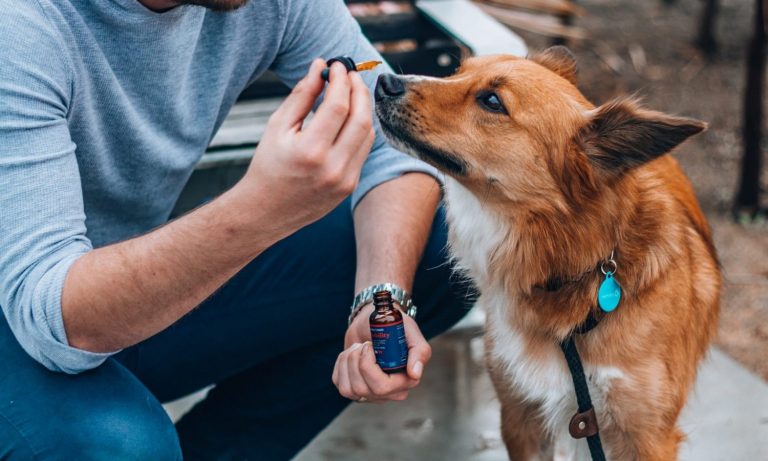
person standing and using medicine dropper
Photo by Michal Wozniak via Unsplash

The research also revealed the consequence of cannabidiol on alcohol-impaired liver inflammation. Researchers discovered that the livers of mice injected with CBD before being fed with ethanol were less impaired than those with no CBD. It reduces oxidative stress, controls inflammation, and kills the cells that cause massive scar tissues. Animal studies suggest that CBD can metabolize lipids, which help decrease the alcohol effect on the liver.

RELATED: Both CBD And Psilocybin Show Potential In Fighting Alcohol Use Disorder

As per another journal, CBD reduced the chances of ethanol resumption in addictive mice, which gradually decreased when researchers increased CBD dosage.

Thus, these studies explain how CBD can play a crucial role in fighting alcoholism and withdrawal symptoms. Patients with AUD can use CBD in different forms.

Ways to use CBD:

  1. CBD oil: A person with alcoholism can add CBD oil to their food or drink. One can also consume CBD oil orally by placing a few drops under the tongue.
  2. Edibles: the huge selection of CBD edibles like chocolates, energy bars, gummies, and cannabis-infused drinks are different ways of consuming CBD.
  3. CBD Pills and capsules: These are the perfect way of taking CBD in small doses. After a meal, taking CBD tablets will help slow the release of its effect that lasts for a long time.
Denver And Oregon Now Want To Legalize Psychedelic Mushrooms
Photo by farmer images/Getty Images

Psilocybin and AUD:

There are different species of magic mushrooms, of which one is Psilocybe Cyanescens. The psilocybin and psilocin compound present in this species makes it highly psychedelic. Psilocybin can play a crucial role in fighting alcoholism. A journal reports that consuming a high-dose of Psilocybin offers magical effects leading to lower alcohol intake and associated anxiety. People who took Psilocybin say that the mystical event produced by it made them feel great. Psilocybin supported them to ease tension, sadness, and bipolar ailments, which are common alcoholism symptoms. People exhibited enhanced appreciation and connectedness to their surroundings post psilocybin intake.

RELATED: The Medical Benefits Of Taking Psilocybin ‘Magic’ Mushrooms

Another article that took a survey of 343 people who consumed Psilocybin to fight alcoholism found that almost 80 percent of them were free from alcoholism. The rest 35 percent of people said their urge to drink alcohol, reduced after taking a higher psilocybin dose.

Researchers conducted another experiment to study the effect of Psilocybin, wherein they gave a small dose of Psilocybin to ten members addicted to liquor and with mental dysfunction. The result showed that this small dosage of Psilocybin is enough to ignite alcohol addiction’s healing process. The experiment also gathered the following results:

  • Participants who took Psilocybin were less inclined towards drinking alcohol.
  • Patients with alcoholism, desired to make healthy changes by creating a positive mindset. The motivation to shift from addictive behaviors begins due to the Psilocybin’s anti-addictive properties that improve a person’s self-belief in managing alcohol misuse.
  • Psilocybin reduced the dysphoric events of distress, fear, and anxiety produced due to alcohol use disorder.

Ways to use Psilocybin:

There are many ways of using Psilocybin to enjoy a psychedelic trip while fighting AUD:

  1. Chew and Swallow: In this method, you must thoroughly chew the shrooms to let the juices come out. When your saliva and the mushroom juices mix, it enters your bloodstream to start working.
  2. Brew: Take magic mushrooms in dried form and brew them and drink as a tea.
  3. Capsules: This is the easiest method of including Psilocybin in your diet. This way of using Psilocybin allows you to know the right dosage.
  4. Edibles: Like CBD, one can use Psilocybin to make various food and beverages. You can easily add Microdose Shrooms to your recipes like chocolate truffles, pasta, or honey.

Conclusion

The above mentioned are the ways CBD and Psilocybin can effectively fight alcohol use disorder. The regular consumption of alcohol can increase the risk of physical and mental health problems. Starting with these natural herbs can help in reducing the desire to drink regularly. Along with CBD and Psilocybin, it can be beneficial to visit a therapist who can guide you with the right dosage and other therapies.

This article originally appeared on Green Market Report and has been reposted with permission.

Why The Cannabis Industry Is Perfect For Socially Responsible Investors

0

I strongly believe that the cannabis industries (note the plural) are not only suitable for ethical investors, they are compelling.

Disclaimer: The views expressed in this article solely belong to the author and do not necessarily represent those of The Fresh Toast. 

It would appear that the gradual legalization of cannabis is leading big investment funds, pensions, mutual funds, etc, to recognize that cannabis is a compelling area for investment.   

However, institutional investors may find themselves uncomfortable with an industry that has been so “controversial” (pardon the understatement) for so long. And at first blush (pardon the expression), they may have doubts about its suitability.   

Should the “marijuana” segment be viewed like tobacco as a “sin” industry which various groups will shun for religious or moral reasons?   

SEE: Tobacco Companies and Cannabis – Should They Be Allowed In? 

In the highly segmented investment industries, many institutions may have boards that limit their endowments’ investments to companies and industries that meet certain ethical criteria.   

However, I strongly believe that the cannabis industries (note the plural) are not only suitable for ethical investors, they are compelling. And let’s start with marijuana. Weed. Pot. Grass. Ganja. Etc.  

An investor, personal and/or institutional, may disapprove of “getting high”, but — even given that premise — could a marijuana company actually be an ethical investment?  

I would argue that any investment that reduces the role of the black market for marijuana is an ethical investment. The black market has no age restrictions to keep weed away from minors. The black market has no labeling for potency. The black market has no quality control to prevent contamination or other problems. Consequently, any investment that protects the consumers and the general public is an ethical investment.  

Of course, there is a lot more to cannabis/hemp than “marijuana”, but medical marijuana is where they overlap. Cannabis had been used medically for thousands of years, but it had to be rediscovered as “medical marijuana” during the AIDS epidemic as the Drug Warriors were quite willing to let people die in agony to suppress the medical uses of the plant.   

SEE: COVID-19, AIDS And The Suppression Of Medical Cannabis 

Even now, the Federal government is making life difficult for farmers who try to grow hemp (for CBD) with an entirely arbitrary limit on the THC levels (0.03%) at any point in the process. I cannot imagine a more “ethical” investment than one that helps both farmers and the sick and dying. 

SEE: The Marijuana Meme: You Can’t Be Serious – Airbrushing An Agricultural Staple Out Of The History Books

Beyond that list, there are other environmental benefits that may be even more important in developing countries, and morally compelling for ethical investors. 

With 5 more states legal is now the time to invest in marijuana
Photo by Nikolay Ponomarenko/Getty Images

For example, soil erosion is a global problem, especially in the wake of widespread deforestation which is destroying the developing world.  The recent hurricanes that devastated Central America, especially Honduras, have demonstrated the urgency of the problems. Hemp roots and stalks can help hold the soil in place, and hemp stalks can also be used for firewood.  

Hemp can also be used in construction. “Hempcrete” can easily be made in developing countries, but should be exported and used anywhere.   

The decline in the migratory bird numbers is a major warning sign, but wild hemp seed is excellent bird food. “Ditchweed’, feral hemp leftover from previous legal cultivation during WW2, was an important ground cover, but it was also a classic boondoggle, as the military spent millions every year eradicating the crops after they had seeded, so there would be new crop next year. (Really) 

SEE: Feral Hemp  

A “Socially Responsible” investor will find many more areas for cannabis related “Venture Capital” investments that really will  “make a difference” for both the investors, the environment and the public health.   

I highly recommend this Forbes article from 2013. It is wonderful to see how far we have come, and how much we have to do.

SEE: Industrial Hemp: A Win-Win For The Economy And The Environment  

Richard Cowan is a former NORML National Director and author of A Beginner’s Guide To CBD Distillate

Grief During The Holidays Is Common — Here’s How To Cope

0

The holidays are a nostalgic and celebratory time of year, making it difficult to grieve properly. Here are some tips that can help you cope.

This time of the year is meant to be cheerful and celebratory, but in reality, for many, the holidays are often experienced with a tint of loss. While many feel happy over holiday decorations, rituals and time spent among family, others experience sadness and mixed feelings over the passage of time and the reminder of missed opportunities. This year is particularly difficult, with no way to avoid loss on a personal and global level.

Directly or indirectly, we’ve all been affected by COVID-19. It’s a difficult topic to escape, one that has taken almost 2 million lives worldwide. For those experiencing grief over the loss of a family member due to COVID-19, it’s virtually impossible to escape grief during the holiday season.

While there’s no shortcut for grieving, there are ways of making these experiences healthier and more manageable. Here are a few tips that can help you cope with grief during the holiday season:

Try your best to let go of expectations

How To Make This Year's Holidays Special
Photo by Eugene Zhyvchik via Unsplash

The holiday season is tied to a lot of expectations, whether they’re related to the food you’ll be eating, the amount of drinking you’ll be doing or the company you keep. Rising cases of COVID-19 have thrown all planning out the window, with many choosing to spend the holidays alone in order to keep their family safe.

There’s no need to maintain a celebratory mood, even when going through the holidays or meeting up with others. It’s been a difficult year and you should give yourself permission to not celebrate if you don’t want to. If you feel happy and joyful, it’s also important to avoid punishing yourself over your feelings.

Plan, plan, plan

5 Things That’ll Help You Schedule Sex Without Killing Romance
Photo by rawpixel.com

While you may choose to not do anything this holiday season, having a plan might help you stay busy. Planning ahead of time helps people face adversity better, making them feel more prepared and purposeful. Making plans with friends or loved ones is also especial during the holiday season; while you may have lost someone, there are still people who love you and want to spend time with you.

RELATED: 5 Ways To Take Care Of Your Mental Health During The Holidays

Still, if the holidays remind you too much of someone and you fear reminiscing, it’s okay. Talk it out with your friends and family and let them know that while you still love them, you’d prefer to avoid celebrations of any sort. Reach a compromise over ways of connecting and staying in touch while also giving you the necessary space to grieve.

Be compassionate with yourself

Spending The Holidays Alone? Here's How To Make The Most Of It
Photo by Anthony Tran via Unsplash

RELATED: A Gift Guide For Someone Who’s Had A Rough Year

There’s no “right way” to grieve, which can be disorienting and frustrating. The grieving process changes from person to person, with some experiencing marked sadness and others taking more time to untangle their feelings. If you feel happy and are smiling throughout the season, it’s okay. It’s also okay if you’re experiencing the opposite. Allow yourself to feel your feelings and to learn how your grieving process works as you go through with it.

What’s In A Name? Forget The Strain Name

Don’t be fooled by strain names. That cannabis you just bought might be totally different than the last time you smoked it.

Editors Note: This is part two of a three-part series. You can read part one here.

Blue Dream, Purple Haze, Girl Scout Cookies, Red Headed Stranger, Acapulco Gold, Fruity Pebbles or Pineapple Express… all classic strain names and all of them meaningless.

“Strain names are absolutely misleading with considerable variation in the same cannabinoid content among different specimens of the same strain. You can get the same color and the same smell, but actually levels of the THC and CBD and some of the other compounds could be quite different,” says Robin Marles, Ph.D., chair of the U.S. Pharmacopeia (USP) Botanical Dietary Supplements and Herbal Medicines Expert Committee.

USP has assembled an expert panel of clinicians, scientists and industry representatives from around the world to provide necessary information and guidance on critical quality attributes, including recommendations for naming , all laid out in an article in the Journal of Natural ProductsCannabis Inflorescence for Medical Purposes: USP Considerations for Quality Attributes.

“USP recommendations are entirely focused on the inflorescence of the cannabis plant, popularly known as the flower or ‘the bud.’ And as with any plant product, the first challenge was to determine how to classify the various varieties and subtypes that are currently in use.” said Ikhlas Khan, Ph.D., USP’s Cannabis Expert Panel chair.

USP has elected to recognize cannabis as a single plant species, Cannabis sativa L., with different varieties or subtypes that can then be classified based on their THC and CBD content. The expert panel provided guidance for organizing the plant material into three “chemotype” categories: THC-dominant, CBD-dominant, or intermediate varieties that contain physiologically meaningful levels of both – intending to give prescribers or consumers greater clarity about what substances they are using.

Why you didn't get the cannabis strain you think you did
Photo by Zummolo/Getty Images

In order to properly identify and quantify these cannabis varieties, USP’s expert panel recommended the use of science-based analytical procedures for the industry to employ.  This entails the use of high-performance liquid chromatography (HPLC) and gas chromatography (GC) to separate and quantify not just THC and CBD, but also 11 other cannabinoids that are less studied, but may also have an impact on the effect of cannabis products.

RELATED: Why You Didn’t Get The Cannabis Strain You Think You Did

USP  has also looked at the composition of terpenes, which are largely responsible for the flavor and odor of cannabis. They identified five different terpenes that are especially abundant in cannabis that could also help with classification: myrcene, limonene, terpinolene, pinene and caryophyllene. Terpenes may form the basis for further subcategorization of cannabis chemotypes to establish the impact of these substances on the pharmacological effects of cannabis products when used in clinical practice.

RELATED: The USP Lays Out Guidelines For Medical Cannabis

“Naming cannabis varieties based on detailed profiles of cannabinoid and terpene content can also help guide prescribers and help ensure that patients are consistently receiving the cannabis varieties that they intended,” said Nandu Sarma, Director, Dietary Supplements and Herbal Medicines at USP.

This article originally appeared on Green Market Report and has been reposted with permission.

Cannabis Gifts Becoming The Hottest 2020 Trend

The number one reason for cannabis consumption given was to get a better night’s sleep, followed by “general wellness” with “just for fun” coming in third.

The Post Office is backed up, mall Santas far and wide are doling out Christmas cheer from inside plastic bubbles, and the conundrum of what to gift someone who has quite likely been through one of the hardest years of their life (spoiler: that’s almost all of us) are making holiday shopping a real conundrum this year.

According to a new consumer poll conducted by vertically integrated cannabis and hemp company Glass House Group, a significant number of customers will be rising to the Covid Christmas challenge by giving the gift of cannabis.

With more than 630 respondents citing floweredibles, and pre-rolls as top choices for their holiday gifts, results suggest that cannabis gifting is among Christmas 2020’s hottest consumer trends. This points to the mainstreaming of cannabis as well as other factors. A majority of poll respondents (64.2%) stated that they plan to reduce alcohol consumption with cannabis during the holidays, with 67.4% predicting that they will replace alcohol with cannabis to a greater extent than they did in 2019.

The heightened focus on health and wellness concerns prompted by the pandemic is also a contributing factor, not just through attempts to reduce alcohol consumption but to manage holiday stress (53.4% of respondents) and relieve pain (50.3%).  The number one reason for cannabis consumption given was to get a better night’s sleep, followed by “general wellness” with “just for fun” coming in third.

A Gift Guide For Someone Who's Had A Rough Year
Photo by Kira auf der Heide via Unsplash

So with all of this wellness-minded gifting (71.2% of respondents plan to give cannabis to friends, with family coming in second at 65.2%), what might one find under the tree or peeking out of a stocking this year? Glass House’s poll shows flower topping the list, with 65.8% of respondents planning to buy buds for their buds, while edibles, pre-rolls, and CBD products ranked second, third, and fourth respectively. Flower also received top designation as the form of cannabis consumers are hoping to receive this year.

RELATED: Cannabis For The Holiday Hangovers

This bodes well for a merry Christmas morning among the discarded wrapping paper and ribbon. The rest of cannabis products follow a similar order of preference to those most likely to be given with the exception of vapes, which ranked above CBD products as the gift 33.2% of respondents hope to receive.

RELATED: Cannabis Industry Insiders Look Ahead To 2021

Glass House Group Co-Founder, Chairman, and CEO Kyle Kazan believes that this poll reflects a paradigm shift towards cannabis as a mainstream choice for consumers. “As we make our way into 2021, we will look forward to rolling out new products from Glass House Farms, bringing our customers new retail experiences and continuing to provide new insights into the fastest-growing consumer movement our country has seen in nearly a century.”

This article originally appeared on Green Market Report and has been reposted with permission.

5 Ways To Take Care Of Your Mental Health During The Holidays

0

Before you give to friends and family this year, make sure to prioritize your mental well-being.

Mental health has been an increasing topic of concern for Americans, with adults reporting worsening stats each year. This year, with the pandemic, mental health experts are questioning the repercussions of the experiences we are living through and how these will shape our future.

The holidays are usually an anxiety inducing time anyway, but this year, many of us will spend our time alone, creating a perfect scenario for a mental health crisis. Here are 5 things you can do in order to keep your mental health in check:

Find some purpose

When faced with stress and lots of free time, it’s important to try to give some structure to your day. When depressed and alone, it’s easy to spend all day lying in bed, doing nothing. Sometimes this is an inevitability and it’s okay to give your body and mind the time it needs to process and heal. But if you can feel the onset early on, you can try to curb it by planning some activities ahead of time. Aside from making sure you’re eating healthy and getting enough exercise, volunteering is a good activity to commit to, to whatever degree you feel comfortable with. Look for causes to donate money, clothes or food to, or figure out resources that can connect you to sponsoring a family.

Make time for self care

5 CBD Products For When You Need To Relax
Photo by cottonbro via Pexels

RELATED: A Gift Guide For Someone Who’s Had A Rough Year

Self-care is a word that gets thrown around a lot nowadays, referring to multiple things: It can mean having a luxurious bath or preparing some pop corn and watching a movie. Make sure that you spend this time purposefully, hopefully de-stressing a bit and finding ways to enjoy yourself when you need it most.

Plan for the coming year

Planning is effective in helping us not only feel prepared, but purposeful. While it’s difficult to plan with a pandemic that limits outings and meetups with friends, the end of the year is a significant moment. You can use the occasion to visualize plans for 2021, including things you want to improve on.

Check in with loved ones

Ask Mister Manners, Thomas P. Farley: 'Do I Give A Gift If It’s A Virtual Wedding?'
Photo by Edward Jenner via Pexels

RELATED: 5 Everyday Places Where COVID-19 Is Spreading

While you may want to hide away from your loved ones during times of stress, most people are going through the same stuff, feeling sad and isolated. Try reaching out to your friends and family, checking in on how they feel. If the festivities are important for you and your family, plan a Zoom event, preferably with some drinking and food involved since that makes the gatherings flow easier and gives your meeting a sense of purpose.

Ask for help if you need it

If you’re feeling very isolated and depressed, reach out to a friend or a professional who can guide you through this time. Thanks to the pandemic and technological developments, there are many options for remote therapy and mental wellness. Incorporate different wellness practices during this period of time, getting as much help as you can. For starters, here are 5 Tips To Make The Most Of Your Online Therapy Sessions.

Don't Miss Your Weekly Dose of The Fresh Toast.

Stay informed with exclusive news briefs delivered directly to your inbox every Friday.

We respect your privacy. Unsubscribe anytime.