A variant strain of COVID-19 is making its way around the globe. Here’s what experts know.
A variant of COVID-19, first reported in the U.K., has already hit several countries, with the latest being Canada. The strain has prompted a new wave of lockdowns and an enforcement of travel restrictions that have caused ripples all over the world. While the data isn’t clear and experts are learning as they go, it’s presumed that the new strain of COVID-19 is more contagious.
According to experts, the new mutation has 17 variants from the traditional version of COVID-19. Science magazine reports that data is still too muddled for drawing conclusions, with some experts saying that the new strain has spread rapidly and is likely the main form of COVID that’s experienced in London. They’ve estimated that the mutated strain is 70% more likely to spread than previous strains of the virus. “So, in London, over 60% of all the cases were the new variant,” said Chief Science Adviser Patrick Vallance during a press conference.
Photo by SJ Obijo via Unsplash
Other experts called this assessment premature, explaining that it’s all too recent and there’s no way of knowing the reality behind those numbers. Still, it’s believed that the vaccine will still be able to treat this new iteration of the virus.
This isn’t a magic virus. It’s a variant of a respiratory virus.
So the measures that protected us from the earlier variants, will protect us from this one.
If we weren’t taking sufficient measures before, this variant will be even more likely infect you.
A study published last week goes into more specifics. With the data that was collected, the study believes that the virus is 56% more transmissible and that it will likely result in more deaths and hospitalizations in the U.K. As of yet, there’s no clear evidence that suggests the disease results in a more or less severe disease.
While lockdown measures and travel restrictions are alarming for people all over the world, most government officials believe that these measures are simply a way of containing and controlling the current spike of the virus, one that would be happening anyways regardless of the new strain of COVID-19.
As 2020 comes to a close, the cannabis industry can call itself one of the few winners from an otherwise calamitous year.
While the industry did take its fair share of hits, the wins gained on the state and federal level helped soften the blows brought on by the coronavirus pandemic and other setbacks.
The 2020 state ballot results are heralded as a “green wave” for the industry, providing growth opportunities for current and would-be operators.
“The passage of state reforms presents new opportunities to bring entrepreneurs and innovators into the industry and into our network, as well as providing exciting new options for events and educational efforts,” Morgan Fox, director of media relations for the National Cannabis Industry Association (NCIA), says.
Certain operators saw growth as well, telling Benzinga that 2020 helped solidify the idea that cannabis reform is on the rise regardless of who is in the White House.
KushCO CEO Nick Kovacevich told Benzinga that, “we saw an uptick in investors buying our stock as the election night results were a clear signal of how popular cannabis is and how it is likely to continue to progress.”
Expanding Into New Markets
Expansion efforts were well underway even before Election Night 2020. Reports from New Jersey saw operators investing in infrastructure expansion this past summer in preparation for sales that could begin within six months.
Such efforts saw brands like Acreage Holdings Inc. drop $10 million in June to obtain Compassionate Care Foundation, one of New Jersey’s 12 currently licensed operators.
Similar efforts were underway in Arizona, where dispensaries were expanding their physical space and labor force, with thousands of hires expected.
In November, Curaleaf Holdings Inc. president Steve Cottrell told AZ Central that the company spent roughly $4 million on upgrades, including doubling its Glendale store to 5,000 square feet.
Many also consider the Garden State to be an eventual leader in the Northeast market. A Golden State CEO Nishant Reddy said New Jersey is part of his company’s expansion plans and that efforts are already underway.
“We look forward to expanding our plans to accommodate for the larger consumer base,” Reddy says.
Photo by Elsa Olofsson from Pexels
Brady Cobb, CEO of Bluma Wellness Inc and One Plant in Florida, says his company is always looking for opportunities while concentrating on thriving in Florida.
“We’re focused on our business day-to-day down here, but we certainly have our eyes wide open and are looking for strategic opportunities,” Cobb says.
Those in the ancillary market don’t need to clear hurdles like plant-touching ventures do to enter additional markets.
While operators like KushCo already have a presence in green wave states, Kovacevich is leading efforts to anticipate an uptick in activity. His company typically sees a 5- to 10x increase in sales once a market expands to adult use.
“As far as operations go, nothing changes overnight, but we are prepared for a spike in business when some of the markets open up for adult-use sales after the regulations are implemented – most notably Arizona and New Jersey,” Kovacevich says.
Continued Momentum In 2021 And Beyond
The Senate passed the research act on Dec. 16. However, the MORE Act is not expected to do the same.
That said, each passage is regarded as part of a wave of cannabis reform that should carry into 2021 and beyond.
NCIA’s Fox believes reform should continue to progress even with the Senate’s power up in the air.
“Control of the Senate will determine the types of legislation it considers and the timeliness of committee hearings and votes, but even with GOP control we expect to see movement on incremental legislation like SAFE Banking, research and veterans issues at the least,” he said.
Cobb says the incoming Biden-Harris Administration will likely to be more cannabis-friendly. The same could be said for a Democrat-held Congress.
Cobb, who also lobbies for the industry on Capitol Hill, says that varying views in the party would need to be addressed — namely the ideals of progressives pushing for immediate action on the MORE Act while center-leaning Dems seek a slower approach.
Photo by Drew Angerer/Getty Images
Despite this, cannabis reform will be a “top-tier issue” under the incoming presidency, Cobb adds.
“I think the debate is going to be over what legislative vehicle will be utilized to get us there,” he predicts.
KushCo’s Kovacevich expects “dozens more” will follow suit over the next four years. He expects the continued pressure to further weigh on federal lawmakers.
“We expect there will be a push for decriminalization under the Biden administration, but the speed of full-blown legalization will be determined by the January 5th GA runoff,” he says.
Considering that $600 is only enough to roughly cover one month of utilities and maybe a large pizza, perhaps the best way to spend Uncle Sam’s sympathy money is to blow it on weed.
Congress has finally decided that the American people deserve some cash to help pull them from the slums of the pandemic. But federal lawmakers seem to have lost touch with what it’s like to try to pay bills, raise a family and otherwise keep from sleeping in a cardboard box before New Year’s. The second coronavirus relief payment is only $600. That’s just half of the $1200 that most tax paying citizens received earlier this year when the whole Rona debacle began.
Many people have complained that Washington’s measly offering does little to nothing to help them recover from the whirling downtrodden that has left them jobless and broke until who knows when. Some are so insulted by the gesture that they want Congress to keep the money.
So what should you do with this chump change?
Most Americans have been waiting on bended knee for this stimulus cash to help pay for things like rent, mortgages, utilities and even holiday gifts. But considering that the average mortgage payment in the United States is roughly $1,300, that relief money isn’t going to do much to keep a roof over people’s heads. Even the average rent for a family is close to $800, so the stimulus is not even enough to keep the landlord from beating down the door at the first of the month. And considering that $600 is only enough to roughly cover one month of utilities and maybe a large pizza, perhaps the best way to spend Uncle Sam’s sympathy money is to blow it on weed.
Yep, we said it.
While some Twitter posts suggest spending the money on a new gaming console to keep your mind off the impending doom of your bank account, we believe that using it to stock up on marijuana is a better move. And depending on which part of the nation a person resides in, $600 is just enough to purchase around two ounces of quality herb.
Now, while it might sound like a waste of money to some — we suppose you could always buy food with it or pay a credit card bill — stocking up on marijuana isn’t as irresponsible as some might think. On the contrary, it might be the smartest way to go right now. After all, it was the Dali Lama who said, “with all of the uncertainty in the world, staying high is all you can do.” Or maybe that was Steve from accounting.
Photo by Instants/Getty Images
All we know is having plenty of marijuana on hand can ease the turmoil of the pandemic. Americans are already proving that. A new report shows the nation spent nearly 70 percent more on weed in 2020 than in previous years. Some did it because the quest for the perpetual buzz was better than sitting on the couch all day freaking out about being unemployed. Others went the direction of the doobie, presumably, because marijuana combats anxiety and depression.
And if there was something that every American citizen experienced this year at some juncture, it was that. But having weed probably helped. Research shows that roughly 90 percent of people who smoke weed experience less anxiety and depression. So the odds are in favor of feeling better when there’s bud in the house.
Listen, we’re not trying to tell you to disregard your responsibilities and just toke up and hope for the best. But since that $600 isn’t going to do much to change anyone’s financial position, better to use it to unwind and escape the tragedies surrounding us. You can’t repair a sinking cruise ship with a stick of gum.
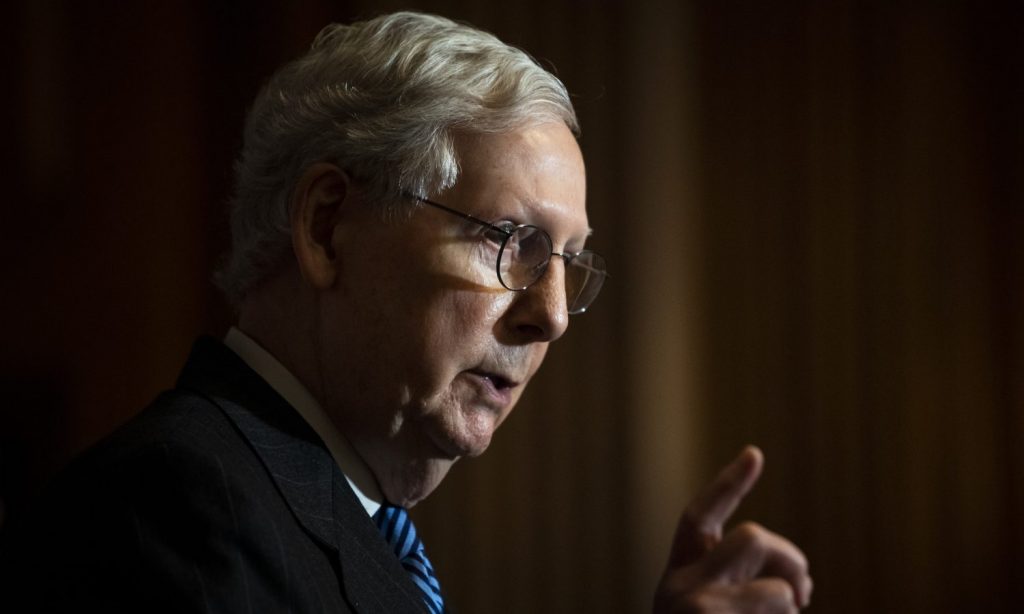
Fortunately, there is a chance that more money is coming. President Trump delivered a speech via video on Tuesday calling for Congress to increase the stimulus check amount from $600 to $2000. That’s what Democrats were pushing for all along, but Republicans, namely Senator Mitch McConnell, just weren’t going for it. It means Trump might not sign the latest relief effort (tucked inside a government spending bill) until they are willing to hash out a plan that will actually help Americans. One thing is sure, it’s either high time for relief or simply time to get high.
Among a host of other benefits, cannabidiol fights several tobacco withdrawal symptoms like anxiety, insomnia, headaches, and high blood pressure.
Many non-contagious ailments cause millions of deaths worldwide. Unfortunately, tobacco addiction stands among the top triggers of such diseases. Each year, over seven million people die of tobacco-related complications. In the U.S. alone, more than 40 million adults have a nicotine addiction. Worse yet, tobacco addiction therapies don’t seem to be efficient, for the most part.
Smoking cessation drugs don’t bring assured results in the long run. But there is a promising solution to this problem. CBD (cannabidiol) is an active ingredient derived from the hemp plant and widely used for medical purposes today. So can it cope with tobacco addiction? How to quit smoking cigarettes with the help of CBD oil? Read further to find all this out.
Is CBD Addictive?
As most of us know, smoking marijuana leads to addiction. Is CBD addictive then? In reality, it’s not. Cannabidiol belongs to non-toxic cannabis ingredients and doesn’t alter your brain function. Therefore, you can’t develop a CBD addiction. Additionally, cannabidiol can alleviate the psychoactive effects of THC (tetrahydrocannabinol), which is the main active ingredient of recreational marijuana.
How CBD Helps You Quit Smoking
Photo by Michal Wozniak via Unsplash
1. CBD Battles Tobacco Withdrawal Symptoms
Nicotine is as addictive as hard drugs like cocaine. That’s why it’s so hard to quit smoking. Once you try to cease this deadly habit, you will face an almost impenetrable barrier of withdrawal symptoms. It’s not just the urge for another cigarette. Tobacco withdrawal develops within several days and involves headaches, increased appetite and irritability, anxiety, insomnia, high blood pressure, and depression.
The worst part is that you may feel this nightmare for weeks. If it was easy to withstand this period, smoking would not become a global concern.
So how can CBD help you overcome nicotine addiction? The matter is that CBD regulates the sleep/wake cycle, pain, mood, and satiety. It combats headaches, promotes restful sleep, and regulates blood pressure. Given that, CBD can relieve some physical symptoms of nicotine withdrawal, helping you get through this period without much struggle.
2. CBD Cigarettes Can Ease Tobacco Cravings
You pull out a cigarette from the pack, light it, and take a peaceful, long, and warm puff. You have been doing this for years, day after day. Stopping this is unimaginable: this ritual is engraved in your mind. It’s a part of your identity. But you could try a CBD cigarette instead of a regular one if you feel a desperate urge to smoke. It can become your first step toward overcoming tobacco addiction. By smoking the best CBD cigarettes, you no longer receive nicotine, which is much healthier. Additionally, CBD prevents most nicotine withdrawal symptoms from devastating your body and mind.
Therefore, you can preserve the smoking habit while replacing regular cigarettes with a much healthier alternative. It’s much easier to quit smoking this way than just bring a sudden drastic change to your routine.
Photo by Irina Kostenich via Unsplash
3. CBD Helps You Relax
Cannabidiol has evident, well-studied anxiolytic properties. Both animal and human studies show that CBD reduces anxiety equally to diazepam, a common sedative drug. For instance, CBD brings relief to people with public speaking anxiety. Also, cannabidiol shows immense efficiency against post-traumatic stress disorder (PTSD).
All in all, it’s a powerful stress-relieving supplement that will help you cope with panic attacks and depression resulting from smoking cessation.
4. CBD Reduces Cigarette Consumption
Researchers revealed a direct dependence between CBD intake and cigarette consumption. Thus, a 2013 study showed that tobacco-dependent individuals reduced cigarette consumption by an impressive 40% while taking CBD. Furthermore, CBD minimizes the pleasure of smoking cigarettes. In other words, nicotine won’t give you that pleasure if you take CBD.
A recent study has shown that smokers who took CBD felt less motivated to smoke cigarettes.
Under this trial, 30 smokers took 800 mg of CBD after overnight cigarette abstinence. The participants reported that they felt less pleasure from watching other people smoking. In other words, it was easier for the participants to ignore cigarette stimuli.
As for cigarette cravings and withdrawal, there was no significant difference between CBD and placebo treatment whatsoever.
However, researchers investigated short smoking abstinence periods (11 hours). It’s an insufficient time for the most physical nicotine withdrawal symptoms to occur. It might be a possible reason for such observations on CBD efficiency against tobacco withdrawal within this study.
Photo by an dooley via Unsplash
How to Take CBD for Tobacco Addiction
So, as we’ve found out, CBD helps you quit smoking. But how to take cannabidiol to overcome nicotine addiction? Here’s a step-by-step guide:
Choose High-Quality Products
There is one rule you should always follow: buy CBD cigarettes, tinctures, vape oils, and other products from reliable and reputable brands. For this, you have to check:
The THC content in each product. It must be less than 0.3%.
The hemp source. Prioritize brands with in-house hemp fields in the US or Western Europe.
Certifications and drug tests. It’s always better to choose certified products that meet the US hemp cultivation standards and undergo regular third-party lab tests.
Adjust CBD Doses Gradually
‘How much CBD should I take to combat my tobacco addiction?’, you may ask. The accurate dosage depends on your metabolism, weight, and the intensity of cigarette withdrawal complications like headaches, poor sleep, high blood pressure, etc.
Thus, you should consult your practitioner to decide on the initial dose and increase it slowly for better results. You can start with 12-15 mg of CBD per day to see how your body reacts to cannabidiol. If such a dose works fine for you, you can begin taking more CBD to reduce salience of cigarette stimuli.
The Bottom Line
CBD can become a viable solution for cigarette quitters. First, cannabidiol fights several tobacco withdrawal symptoms like anxiety, insomnia, headaches, and high blood pressure. Second, it helps you ignore cigarette cues. Third, CBD cigarettes can become a temporary healthy alternative to regular cigarettes on your way to smoking cessation.
Finally, CBD reduces stress, helping you cope with the emotional pressure. Given that, CBD is your option to break the suffocating chains of addiction and breathe freely in all senses of this word.
Despite opioids being the primary pharmaceutical analgesics for treating pain in the U.S., alternatives like cannabis are gaining more interest and attention, especially due to its analgesic effects.
Not only can chronic and acute pain cause physical, mental, and emotional damage, but it can also significantly interfere with people’s well-being and quality of life. Can you relate?
According to one study that focused on chronic and acute pain across 42 countries, it was found that 20.6% of young people experienced chronic pain that resulted in headaches, backaches, or stomach issues. Nowadays, unfortunately, chronic and acute pain are at the forefront of many people’s lives, but alternative medicines like cannabis continue to gain popularity.
So far, cannabinoids like THC and CBD have demonstrated medicinal and therapeutic properties through numerous clinical trials and studies, but how can this holistic herb help treat pain?
Chronic Pain Versus Acute Pain
Acute pain and chronic pain range in severity and intensity, and they share similarities and differences. For example, acute pain tends to arise suddenly with the cause of it being something specific. Usually, this type of pain is sharp, but on average, it doesn’t stick around longer than six months or so. There are several causes of acute pain, and some of the most common ones include surgery, burns or cuts, broken bones, labor and childbirth, and even dental work.
Chronic pain is a different story though since this type of pain is unfortunately ongoing and usually lasts longer than six months. To top it off, even after an illness or injury that caused the pain goes away or has healed, the pain itself can continue and persist. According to the Cleveland Clinic, chronic pain is linked to numerous medical diseases and conditions such as cancer, arthritis, migraines, fibromyalgia, and back and nerve issues. However, it’s possible to experience chronic pain even if there’s no prior injury, illness, or body damage.
The Ongoing Relationship Between Cannabinoids & Pain
Although there are over 100 cannabinoids found within the cannabis plant, Cannabidiol (CBD) has demonstrated its plethora of medicinal and therapeutic benefits starting with its analgesic properties.
According to one report, it was revealed that cannabinoids are effective and safe when treating neuropathic pain, and additional evidence points to cannabinoids being potentially used as analgesics for helping treat this type of pain. Neuropathic pain is unique because it can be acute or it can become chronic, and thus far, it has been confirmed that cannabis provides clinically significant analgesia.
Due to cannabis’s analgesic properties, health issues like migraines, back and nerve pain, arthritis, gastrointestinal cramps, muscle spasms, and other ailments can be potentially treated.
Photo by Ake via rawpixel.com
In addition, Multiple Sclerosis is one condition that affects millions yearly, and it causes back and muscle pain and unpredictable spasms. Fortunately, though, cannabinoids are forging a path as being a helping hand for MS patients. One study revealed that cannabinoids are effective for lessening pain, muscle spasticity, and tremor for MS patients.
Besides Americans, Canadians have taken an interest in cannabinoids and their medicinal value as well. For instance, numerous Canadian hospitals in Quebec allow patients to consume cannabis via vaporizers for pain relief, and several hospital pharmacy departments even control and dispense cannabis akin to opioids for treating pain.
Noteworthy Findings About Cannabinoids and Pain
Thus far, there’s evidence surrounding cannabinoids’ ability to provide pain relief in cancer patients through binding to the body’s CB1 receptors. Then, within tumor-afflicted mice, cannabinoids showed their efficacy in increasing the threshold at which pain is perceived. Although the latter discovery focused on mice subjects, the study’s findings shine a light on the possibility of the results being applicable for humans too.
Despite opioids being the primary pharmaceutical analgesics for treating pain in the U.S., alternatives like cannabis are gaining more interest and attention, especially due to its analgesic effects. To avoid potential adverse side effects, inefficacy, and/or the risk of addiction, more individuals are pursuing cannabinoids rather than opioids.
2020 has ushered in an era of remote work. Here’s what that means for our future.
While most of us would like to scrap this year from the record books and forget it ever happened, there are some good things that are worth preserving. Working from home became the default and although many companies didn’t have a smooth transition, after an almost full year of it, most got the basics down.
While you might miss your commute and your coworkers, there are perks of working from home, especially if you’ve found ways of maintaining a healthy work-life balance.
In an article published on CNN, writer Kathryn Vasel spoke with industry experts who came up with some of the main changes that will likely carry on and expand in the coming year. Here are some of our favorites:
Flexibility
Photo by Vlada Karpovich via Pexels
Now that employers know that their employees can effectively work from home, you can expect more flexibility in the coming years. While this will all depend on where you work, employers might adopt a hybrid approach, one where employees can come in to the office several days a week while working from home on their remaining work days.
This approach requires a lot of communication from everyone involved and a different way in which productivity can be measured, but it’s the direction the world appears to be headed in right now.
Expanded health care
Photo by Daria Shevtsova via Pexels
A lot has been said about working parents and the challenges of working from home when surrounded by your kids. While there are no concrete plans, human resources officer Melanie Tinto says that soon companies could provide their workers with additional benefits “like tutoring assistance, financial planning, parenting hotlines and more mental health benefits for the entire family.”
Different offices
Photo by Matthew Henry via Burst
Now that remote work has been expanded and improved, industry experts believe that companies will reevaluate their real state. “There’s going to be a big reconfiguration,” said Chester Spatt, finance professor at Carnegie Mellon.
There will also be a reevaluation of perks like office gyms, office happy hour and free snacks since people will be spending more time split between their homes and their office. Team work spaces will likely be prioritized over solo work spaces, since offices will now be spots were people collaborate and carry out meetings, while homes will be the spots for the bulk of solo work.
Unlike the breathalyzer, which can detect alcohol impairment within seconds, Indiana’s new drug test experiment only shows that a motorist has used drugs.
As more states work to loosen their marijuana laws, and in many cases, make it part of legal society, some are still clinging to antiquated Drug War concepts in an attempt to disrupt progress. Indiana is one of those states. Not only are officials refusing to consider legitimizing cannabis for medicinal or recreational purposes, they are also, at the same time, imposing policies that will undoubtedly lead to more marijuana-related arrests.
The state recently announced that law enforcement agencies are now using a new roadside drug detection tool to stop drugged driving. However, the test is seriously flawed and could put innocent people in jail.
More than 50 police forces all over the state (including Evansville, Fort Wayne, Indianapolis, Lake County and Muncie) have started using a roadside drug detection device that can determine, within minutes, whether a person has illegal substances coursing through their veins.
The device, known as the SoToxa Mobile Test System, is supposed to sniff out drivers high on cocaine, opiates, meth, and, of course, marijuana. The test’s manufacturer touts its ability to flag stoned motorists within five minutes by testing their saliva. The problem with this technology is that it scans explicitly for the presence of illegal drugs, not intoxication, making it possible for more sober motorists throughout Indiana to be prosecuted for stoned driving in 2021.
What’s the difference between presence and intoxication?
Unlike the breathalyzer, which can detect alcohol impairment within seconds, Indiana’s new drug test experiment only shows that a motorist has used drugs. In the case of a marijuana user, they may have smoked pot within the last 24 hours or so — long enough to be free of the intoxicating effects — but they could still fail this roadside sobriety check.
Swab tests like this one look for THC that lingers in the saliva before the body metabolizes it. However, the test doesn’t indicate when the pot consumption occurred. Therefore, a driver who smoked weed yesterday could be dragged to jail today, the same as the person driving around under the influence.
Photo by kaboompics via Pixabay
Not only is this roadside test unfair, but it’s also supported by a mostly unbeatable system.
Indiana has a zero-tolerance policy for drugged driving, as outlined in Indiana Code Annotated, Section 9-30-5-1 and Section 9-30-5-2. No matter how much of an illegal substance a motorist has in their body, they are going to jail for stoned driving if a cop pulls them over and asks them to take a sobriety test.
A first offense is the equivalent of a DUI for alcohol. It is punishable with up to 60 days in jail and fines reaching $500.
But in most cases, jail isn’t the concern; it’s the compromise to staying among society that takes its toll. Typically, the offender can escape two months in county lockup by agreeing to a year-long probationary term. The stipulations of that agreement often come with community service hours, a license suspension, drug and alcohol classes, fees and fines, random drug tests, and monthly visits with a probation officer. It’s a total abstinence program, too, so not only does the offender have to refrain from using marijuana, but they also have to stay away from alcohol.
Photo by bluegame/Getty Images
And the program is expensive. The average DUI conviction in Indiana can cost a person in upwards of $10,000 by the time it is all said and done. Failing to uphold any part of the agreement (not paying fees on schedule or failing a drug test) can result in further disciplinary action, including jail time.
Ever since neighboring states like Illinois and Michigan legalized marijuana for recreational use, there has been a lot of pressure on Indiana to do the same. The argument is that Hoosiers will inevitably traffic marijuana into Indiana from legal states, which could run law enforcement ragged.
Cannabis advocates believe Indiana should legalize it, giving police forces more time to focus on serious crime and allow the state to benefit from millions in tax revenue. But neither the State Legislature nor Governor Eric Holcomb is interested in this plan. Instead, their attitude seems to be more about increased enforcement — creating ways to simplify how cops make marijuana-related arrests. After all, prohibition can be as big of a money-maker as legalization. Police agencies, prisons, and even politicians continue to make millions of dollars by keeping marijuana in the underground. Meanwhile, otherwise law-abiding, tax paying citizens often get caught paying the tab.
“The good news is that this isn’t your typical DUI case because you haven’t been accused of driving with alcohol in your system; you’ve been accused of having marijuana in your system,” according to the website of Terre Haute-based attorney Rowdy G. Williams. “There isn’t a breathalyzer that can detect the amounts of marijuana you have in your system, and because marijuana can remain in your system for an extended period of time if you are a habitual user, you might not have been high at the time of your arrest. Your lawyer can also argue that your stop was unlawful if law enforcement had no probable cause to pull you over.”
Kate and William started dating in college. But it took forever for the future King to pop the question. Here’s why.
In the grand scheme of things, delaying to decide whether or not you want to spend the rest of your life with another human being is nothing. But when you’re a royal and all eyes are on you to pick a princess, it’s a lifetime. Here is why Prince William waiting 7 years to propose to Kate.
Even though Prince William and Kate Middleton started dating in 2003 while attending college, Will waited until 2010 to pop the question.
During a post-engagement interview, William said he decided to propose when he did because “it just felt really right.” Can’t argue with that.
But some people are arguing the length of time he waited before asking Kate to marry him. Was he having second thoughts? Did he settle? Was he considering other options?
A book from royal expert Katie Nicholl, Kate: The Future Queen, appears to hold the answer. Nicholl says it was simply a case of William not wanting to go through a divorce like his parents did.
Photo by WPA Pool/Pool/Getty Images
“Forever scarred by the pain of his parents’ divorce, it was essential to William that when he married, it would be for life,” writes Nicholl.
And it’s a good thing the couple waited as long as they did. The two went through a brief breakup in 2007 when, according to the rumor mill, William had a wandering eye. They also shacked up with each other during school, which wasn’t exactly royal protocol at the time.
According to Nicholl, “Before William asked Kate to marry him, he wanted to be sure it was what she really wanted. By living together, Kate could decide whether it was, and as William later recalled ‘back out’ if it wasn’t. “
Of course, any royal watcher is aware of infidelity rumors that have plagued William. But if any couple can make their marriage work, it’s likely the Duke and Duchess of Cambridge.
The crux of the case involves the federal-state law conflict that arises in legalized cannabis states because the federal Controlled Substances Act does not preempt state legalization of cannabis possession.
In Maryland, there is currently a lawsuit pending over medical cannabis patient reciprocity in the state. This follows a national trend of residency-related legal challenges in the cannabis industry.
The Maryland state legislature defined qualifying patients as any “individual” who obtains a recommendation pursuant to a bona fide patient-physician relationship by a certified provider. Despite the legislative intent, the Maryland Medical Cannabis Commission (MMCC) issued an administrative hold that barred out-of-state patients from registering as patients in Maryland and if appropriate, from receiving a patient identification card necessary to obtain medical cannabis. The MMCC’s administrative hold has now been in effect for over 3 years with no end in sight. Maryland dispensaries located in the Tri-State (MD-VA-PA) area have suffered economic losses due to the discrimination against out-of-state patients because the dispensaries anticipated both in-state and out-of-state patient access to the program in their business plans.
At an initial hearing in September, the Maryland Attorney General argued that the lawsuit challenging Maryland’s residency requirement should be dismissed because (they argued) state regulators were concerned about the (now-rescinded) Cole Memorandum. This was allegedly to mitigate federal enforcement risks regarding “conflicting federal-state laws.”
Unfortunately, the State forgot about the Rohrabacher-Farr Amendment, which provides protection from federal prosecution for state-compliant medical cannabis patients and state officials, and the Court even made a point to ask the State Attorney General why recreational states allow non-residents to purchase cannabis while visiting the state, within specific limits. The judge denied the defendant’s motion to dismiss the lawsuit and instead allowed the lawsuit to move forward, with trial set for mid-May of 2021.
The crux of the case involves the federal-state law conflict that arises in legalized cannabis states because the federal Controlled Substances Act (CSA) does not preempt state legalization of cannabis possession. In Doe v. Bolton, the Supreme Court of the United States held that the state of Georgia could not prohibit nonresidents from using its abortion clinics, although the case was decided before the U.S. Supreme Court issued a decision in the most infamous abortion rights case, Roe v. Wade.
Photo by Esther Kelleter/EyeEm/Getty Images
In another landmark case involving the right to obtain state welfare benefits as a new state resident, Shapiro v. Thompson, the Supreme Court held that California could not require new citizens to reside in the state for one year prior to obtaining state welfare benefits because the requirement violated the fundamental right to travel embedded in the U.S. Constitution.
In another Supreme Court case, Saenz v. Roe, the Court held that the United States Constitution guarantees the right to travel among the states and more specifically, (a) the right of a citizen from one state to enter and leave another state; (b) the right to be treated as a welcome visitor and not an unfriendly alien while temporarily present in a second state; and (c) the right to be treated like other residents of a state if one elects to become a resident of another state.
We will continue to monitor developments in this residency case in Maryland. These residency challenges are not limited to Maryland though. They have been popping up across the country. Recently, my colleague wrote about a lawsuit challenging the Washington state residency requirements for individuals looking to invest or own a licensed marijuana business in the state. You can read about how the legal issues in that Washington lawsuit differ from the Maryland challenge here.
Emily Burns is a recognized expert on cannabis-related legal, regulatory, and policy issues, having worked with a wide range of individuals and entities in the public and private sector. She has particular expertise with respect to federal and state regulation of cannabis and industrial-hemp derived products containing non-psychoactive cannabidiol (“CBD”) following passage of the 2018 Farm Bill legislation.
This article originally appeared on Green Light Law Group and has been reposted with permission. You can contact Emily at info@gl-lg.com or (503) 488-5424.
How do you explain your marijuana use to a parent or guardian who grew up indoctrinated by Reefer Madness-era propaganda? We’ve got you covered.
We’ve all been there. Your mom finds a bong stashed under a pile of dirty laundry in the corner of your bedroom closet—and, suddenly, you find yourself playing a game of 20 questions. While cannabis use for under the under 23 can make play a part on brain development, you will need to share what you are thinking.
“How could you do this to me?”
“What would your soccer coach say?”
“Are you high right now?”
“Weed is a gateway drug. What’s next? Heroin??”
Without the necessary preparation, you might find yourself scrambling for excuses—or pinning blame for your perfectly natural habit on external forces. You were “holding onto it for a friend,” right? You’ve “never actually smoked weed.” You were just curious. Or, the classic rebuttal: You put the joint in your mouth, but never actually inhaled. Duh, mom.
The fact of the matter is, you did/do consume cannabis. And state-level legal restrictions notwithstanding, there’s nothing wrong with that. But how do you explain your marijuana use to a parent or guardian who grew up indoctrinated by Reefer Madness-era propaganda? We’re here to help, with hard facts you can bring to the dinner table.
Nobody Has Ever Died From A Marijuana Overdose. Ever
Listen, if you’ve got a loving parent who cares about your well being, don’t fault them for falling victim to the prohibitionist propaganda that’s dominated TV and online advertising over the past 50+ years. In subtle (and less subtle) ways, anti-weed campaigns have vastly exaggerated the dangers of cannabis, making it seem—to some—that even a few puffs can lead you down a dark, dangerous path. Maybe your body metaphorically deflates, as one sensationalized anti-weed commercial insinuated. But decades of research, including a 2017 report published by none other than the Drug Enforcement Administration (DEA) itself, has made one fact clear: nobody has ever died from a marijuana overdose.
Photo by CapturedNuance/Getty Images
Marijuana Is Not A Gateway Drug
Raise your hand if you’ve heard the term “gateway drug” applied to marijuana before. It refers to a phenomenon that goes something like this: You consume a substance, and—benign as it may be—you’ll inevitably crave more potent (and potentially more dangerous) alternatives. But here’s the thing: When it comes to cannabis, the “gateway drug” theory has been thoroughly debunked. Not only is there a lack of evidence that marijuana use correlates with the subsequent use of “hard” drugs, there’s a growing body of research indicating the very opposite.
Study after study has revealed that individuals in states where marijuana laws are less restrictive are less likely to die from, or misuse, opioids, for example. And many patients are also more likely to use cannabis as a substitute for countless pharmaceuticals, which frequently carry far more serious side effects—in addition to the risk of overdose.
Marijuana Isn’t Just THC
“The marijuana I smoked in my day was way less potent than the stuff you have today.” I’ve heard this refrain more times than I can count. And to the credit of earlier generations, they’re right. The average concentration of THC, the main psychoactive ingredient in cannabis, is approximately three times higher these days than it was as recently as 1995, according to one study. That said, increased THC potency isn’t a great excuse for opposing cannabis reform. Yes, today’s cannabis is, generally, more potent than the weed your parents or grandparents smoked. But as patients and caregivers around the country will tell you, weed isn’t just THC.
There are literally hundreds of ingredients in cannabis, including the non-psychoactive compound cannabidiol (CBD), which is known to treat conditions like inflammation, pain, and anxiety. You don’t have to smoke a massive, high-THC joint to derive health benefits from cannabis—and, so, explain that to your parents. If your mission is sincere: To improve your health, pharmaceutical-free, then read up on lesser known ingredients in cannabis like CBD in order to inform your parents about the other ways this plant can help. There are plenty of high-CBD, low-THC strains and products to choose from.
Photo by Shopify Partners via Burst
Weed Is Safer Than Booze
This is probably the easiest fact card to pull, but if you’ve got a parent who detests marijuana—but finds a glass of wine at dinner comforting and socially acceptable—it might be worth challenging some societal norms here. Marijuana is about 114 times less deadly than alcohol, according to a 2015 study. And even that statistic is a bit misleading because marijuana is not physically addictive in the way that other drugs are, and there’s no known amount of cannabis that can cause a fatal overdose among humans.
Now compare that to alcohol. How many Americans die from alcohol-related deaths per year? About 88,000. What about marijuana? Zero. I’m not trying to say that nobody should drink a glass of wine over dinner. But what might be useful, in a constructive conversation with your parents, may be to point out that one perfectly legal (and arguably dangerous) substance is available nationwide for those 21 or older. Yet mere possession of the other substance—marijuana—can still land you in jail in a substantial (though shrinking) number of states around the country. Does that really make sense?
Let’s Talk About The Medical Benefits Of Cannabis
Yes, at the federal level, marijuana remains Schedule 1—the most strict category under Drug Enforcement Administration (DEA) guidelines. The federal government maintains that marijuana is a dangerous and medically useless drug, and its laws governing weed reflect that position. Still, that hasn’t prevented private institutions, or researchers in other countries, from investigating the plethora of health benefits that compounds in cannabis may provide for patients.
Let’s quickly review a few conditions cannabis use is known to treat, which have been firmly established through peer-reviewed research: pain (both physical and neuropathic), muscular spasms, epilepsy, post-traumatic stress disorder (PTSD), and nausea.. Maybe you don’t have one of these conditions—or maybe your state doesn’t recognize your particular condition as qualifying factor for medical marijuana authorization. But all you need to know is that, no matter what Attorney General Jeff Sessions says, there’s an expansive body of research linking cannabis use to the treatment of various mental and/or physical ails.
All of this is to say that consuming cannabis isn’t singularly about getting high. Strains, dosing, and forms of consumption matter. There shouldn’t be any shame in getting high for the sake of getting high, but if you’re trying to convince your folks that your weed habit is normal, offering a brief overview of its proven medical benefits could be useful.
Photo by rgbspace/Getty Images
This Isn’t About Politics Anymore
Stigmas around marijuana use haven’t disappeared just because more states have legalized the plant. Many of those stigmas have roots in antiquated political ideologies. If you’ve got wonky parents who lean right and oppose weed, it might come as a surprise to them there’s growing bipartisan support for cannabis reform. Many Democrats, Independents, and Republicans alike have evolved on their position when it comes to cannabis policy.
A 2017 Gallup poll found, for the first time, that a slim majority of conservatives support federal marijuana legalization. And if you take a broader look at public opinion polling, 64% of Americans believe that marijuana should be legalized, according to that same survey. Maybe citing polls isn’t the most effective tool in your arsenal of facts to bring to the table, but it could give helpful pause for thought.
You Don’t Have To “Smoke” Marijuana To Benefit
Listen, putting smoke in your lungs isn’t the healthiest form of cannabis consumption. When you talk to marijuana opponents, it might be useful to inform them that bongs, blunts, and joints aren’t the only ways you can administer cannabis these days. There are so many other options. Topical creams, gel capsules, sublingual sprays, tinctures—these are just a few examples that demonstrate the versatility of cannabis consumption in the 21st century.
For someone who isn’t particularly familiar with the modern cannabis market, this could be an easy way to pave a middle ground. Let’s say you’re making headway—you’re parents have listened to you go through the facts about cannabis and they seem more open-minded (which is the goal here)—but they’re still reluctant to let you smoke a joint out of fear of possible adverse health effects. Well, if you’re earnestly seeking cannabis a medical option for you, tell them about these other forms of cannabis administration. It could ultimately push the conversation forward.
Photo by succo via Pixabay
The Legal Case For Cannabis
One major priority for parents is to keep their kids out of trouble. And so one of the most essential facts you need to keep in your pocket is the legal status of cannabis at the state and local level. This is going to vary widely, because while cannabis is now legal in some form in 30 states, there are different rules dictating who can legally consume, where they can consume, and what, if any, penalties there are for possessing or consuming cannabis. Yes, marijuana is banned at the federal level. If that’s a deal-breaker for your parents, then consider going back through this list and then make a reasoned case for why that shouldn’t be the case in the first place.
That said, there’s a little thing called state sovereignty that ought to be part of that conversation. Educate your parents about what your state and local marijuana laws allow or prohibit. With so many states permitting cannabis use, either for medical or recreational use, this kind of information may prove key to resolving any latent concerns about your personal use of the substance. And, hopefully, it can give your parents some peace of mind.
This Won’t Always Be The Easiest Conversation
Years ago, my mom found my bong, stowed away in my closet, and confronted me about it—tears already rolling. This was well before I started reporting on the health benefits of cannabis, learning more and more as I went. So I can appreciate that this conversation can be awkward and difficult. But even with the limited facts I knew at the time, the tone of the conversation took a 180-degree turn. It became a productive and open discussion about what is, fundamentally, a non-toxic, non-addictive plant.
I can’t promise that you’ll have the same experience—but one thing I wish I had at the time of the confrontation was a one-sheet of facts I could share with her, to make a better case and enlighten her about how the prohibitionist propaganda she grew up accepting was dead wrong, in a polite and constructive manner. Well, here’s that one-sheet for you when the time comes. Facts are facts—and the facts are on our side here.