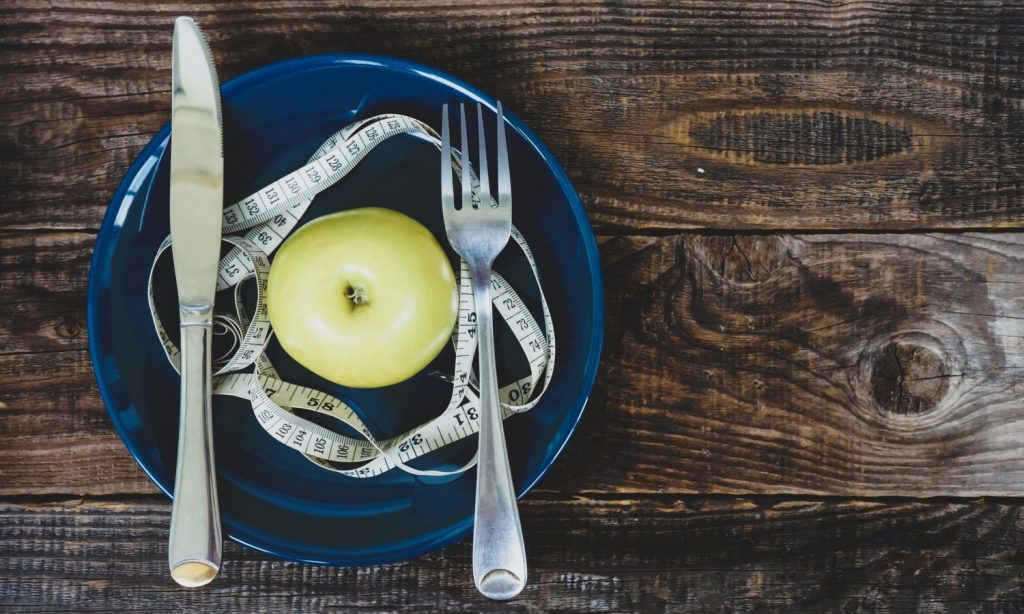
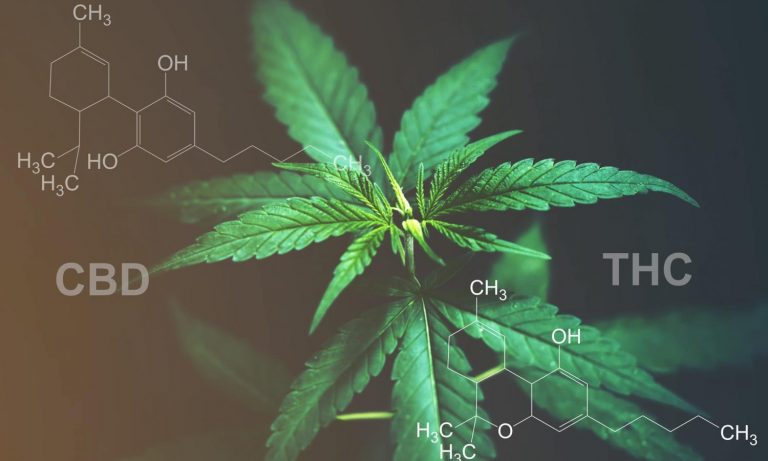
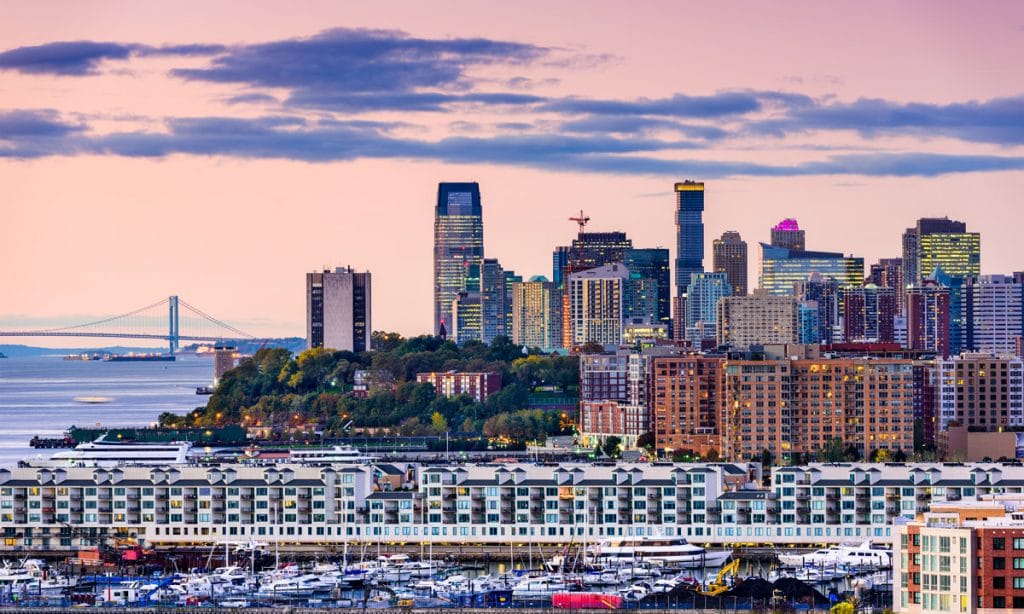
A new study shows that it doesn’t take much to live longer and increase health.
Multiple studies have been conducted on the dangers of sedentarism, and how this is related to health risks and death. This year, with the pandemic and the closure of many offices and public spaces, health experts are concerned about this reduced activity, and how this might impact the long term health of people of all ages. But do this for 11 minutes daily and live longer. A new study published in the British Journal of Sports Medicine shows some hopeful results.
The study was conducted by the Norwegian School of Sports Medicine, and relied on the data gathered by activity monitors, which accurately measured the amount of time people spent moving or sitting down.
Researchers analyzed more than 50,000 subjects mostly comprised of middle-aged people that lived in Europe or the United States. This method, unlike previous studies that rely on self-reported evidence, was more objective and hopeful in the picture it painted.
Photo by Islam Hassan via Unsplash
Results revealed differences depending on the amount of activity that people engaged in, but it still painted a good picture for anyone who tries their best to move a bit. While participants who exercised over 35 minutes a day reaped the best benefits and had increased lifespans, people who complied with just 11 minutes of movement a day, even if it consisted of a brisk walk, experienced noticeable positive results regardless of the amount of time they spent sitting down.
Researchers and health experts often link sedentarism with death, and suggest that people should make the time to maintain an active lifestyle, at times setting unrealistic goals for some people. While physical activity should always be encouraged, results like the ones provided by this study show that all movement, no matter how intense, produces positive and significant results. The study also provides an accessible way to get people to move and workout, since 11 minutes is much less daunting than other numbers.
It is possible that the same roadblocks that stood in the way of progress in previous years will rear their ugly heads again.
There is a lot of pressure on New York this year to legalize marijuana. Lawmakers have spent the past couple of years kicking the idea around, but the state Legislature can’t seem to agree on what it’s going to take to make it happen. There are too many cooks in the kitchen, and they all have an idea of how legalization should be drafted. Yet they end every session with nothing on their plate. Meanwhile, the pandemic is killing the economy, and the state budget is in dire straits. It is why lawmakers from both sides of the aisle are reportedly ready to get it done once and for all.
But will they?
Governor Andrew Cuomo is ready, willing and able to sign a bill into law that establishes a taxed and regulated marijuana market. He was once dead set against legal weed, but then had a change of heart after a report that he commissioned showed a legal system outweighing prohibition. Now, Cuomo wants to legalize cannabis more than ever to help New York recover from the economic setbacks it has experienced since the whole coronavirus debacle took hold. He has faith that 2021 will be the year the legislative suits in Albany finally take this issue up a notch.
“I think this year it is ripe because the state is going to be desperate for funding. Even with Biden, even with the stimulus, we’re still going to need funding,” Cuomo said during a radio program in November. “I think we’re going to get there this year.”
Legislation calling for the legalization of marijuana is waiting for lawmakers to consider once the session begins. Senator Liz Krueger recently submitted a bill that is identical to the one from last year in hopes that it will catch a much-needed break. The proposal is similar to other legalization schemes that we’ve seen across the United States. It would allow adults 21 and over to buy weed (similar to how they do beer), and it would give them the freedom to engage in home cultivation.
At a basic level, Krueger’s bill is precisely what the state is looking to put on the books. But while lawmakers talk a big game about their preparedness to make New York the next legal state, it is possible that the same roadblocks that stood in the way of progress in previous years will rear their ugly heads again.
In addition to not having the legislative support to take this concept to the top, lawmakers argued for a longtime about the design. There were disagreements about how tax revenue should be allotted, how to deal with communities ravaged by prohibition, and some just wanted to ensure they created a fair system that didn’t put the industry exclusively into the hands of rich white men.It was a fiasco.
Photo by Aaron Burson via Unsplash
But this year, the word on the street is that New York is motivated to legalize marijuana to keep pot money from pouring out. Lawmakers were worried that residents would take advantage of New Jersey’s newly legal pot market and spend millions of dollars over there. But that isn’t even an issue anymore — not really.
Although New Jersey voters approved a ballot measure in the November election to legalize weed — something that was supposed to be official as of January 1 — the state legislature failed to approve the necessary regulations to make it so. Now, legalization could remain in a bizarre purgatory well into 2021.
It’s a situation that may give New York lawmakers an excuse to slow down on the cannabis issue and fight for personal agendas. We could see more arguments about what marijuana legalization should look like in the Empire State, and it could mean that legislative forces end up bungling marijuana legalization again.
Still, money could motivate political figures not to nitpick and inspire them to follow common sense. The state is in the hole to the tune of more than $10 billion because of the coronavirus. It is in desperate need of new revenue streams to get back on track. The cannabis industry could be of some help. Reports show that legal weed could bring in around $300 million in tax revenue each year.
And while it would take years before the impact made a difference in the budget, the reaping of those benefits are only held back the longer prohibition stands. Meanwhile, Illinois, which opened its legal pot market in January 2019, just sold half a billion dollars of cannabis.
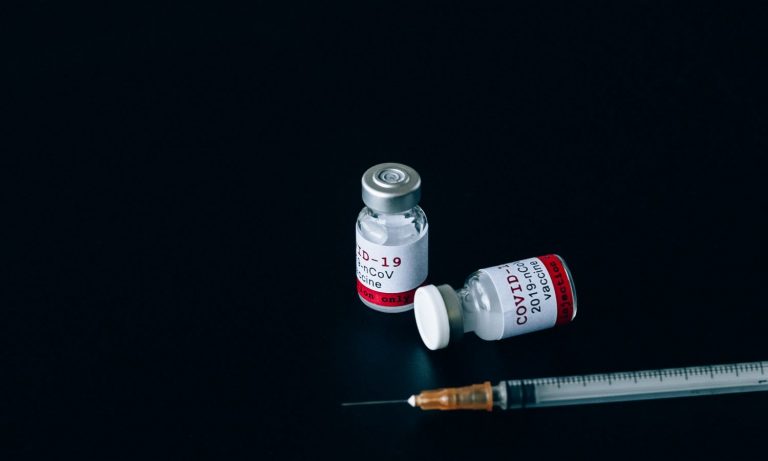
The slow progression of the COVID-19 vaccine and the rising number of cases have health experts looking into other methods for vaccinations.
In the United States, some seniors and frontline workers have received their initial dosages of the COVID-19 vaccine and are now waiting for their second round. Amidst rising cases, the U.K. has decided to shift their initial plan, holding on to their second round of shots in order to focus all of their energy on providing more initial rounds of vaccines to more people.
The rollout of COVID-19 vaccines has not gone according to plan in the U.S., with less vaccinations than expected and rising numbers of COVID-19 cases all over the country. It was expected that by 2021, 20 million vaccines would have been distributed. But in reality, only about 4 million people have been inoculated.
Due to how unexpected the process has turned out to be, many health experts are wondering if the approach to vaccinations should change. A scenario that could play out would be to move forward and give the first round of shots to more people, not knowing when they’d receive their second shots or if it would be administered after three weeks, which is the amount of time that has been studied by the makers of the vaccine.
Photo by Testalize via Unsplash
These discussions have generated some controversy, with medical experts and important health organizations coming forward with their opinions. Pfizer and BioNtech suggest sticking to the conservative approach, suggesting sticking to the initial vaccine schedule. “The safety and efficacy of the vaccine has not been evaluated on different dosing schedules as the majority of trial participants received the second dose within the window specified in the study design,” the companies said in a joint statement.
The FDA agrees with them, explaining that it’s too early to change vaccine schedules, stating that, “Without appropriate data supporting such changes in vaccine administration, we run a significant risk of placing public health at risk, undermining the historic vaccination efforts to protect the population from COVID-19.”
Still, despite the stress that a change like this could produce, some health experts think that switching up vaccination schedules could be an effective way of coping with the current crisis. Evidence from clinical trials suggests that after 10 days of receiving the first round of shots there is some immunization.
For now, these scenarios are theoretical. What government officials can do is try to speed along the process of vaccination distribution and inoculations, encouraging people to come in to get their shots and providing funding for local health departments.
It’s so important as you go out looking for great food, great wine, or great CBD, that everything is selected with the idea of getting the very best products for your body.
Today, I’d like to share with you a really great letter we got in the mail bag from an incredibly conscientious consumer, which is where I think most of you are. Everybody is working so hard to fill their bodies with great nutrition, really valuable organic foods, and it’s also important that our CBD products are equally valuable and supported by the right testing and appropriate farming techniques.
It matters very much to me that the insecticides, pesticides, and heavy metals are tested in every single batch of CBD that comes into my system. This writer in Texas started to use CBD, but noticed that it wasn’t giving her the results she was looking for. Let me tell you part of her message to me, and then I’ll tell you the rest of the message later.
“I just started taking CBD four nights ago, hoping it would help with pain and inflammation in my legs and arms that often makes me restless and unable to sleep well. The CBD oil I bought is 1,000 milligram per bottle of CBD flower isolate in olive oil. The dosage in one dropper full is 20 milligrams, which I measured to be about 30 drops. I took 10 drops. Each of these four nights I have had worse insomnia, only getting two to three hours of sleep. Is CBD too excitatory for my system? Should I take it only during the day, or should I only take two or three drops?”
In this particular case, I think there may not be quite enough CBD getting into her system. Ten to 20 milligrams is often where people start, and frequently the amount of CBD goes up considerably from there. In a number of my patients, 50 to 100 milligrams a day for management of insomnia is not unusual.
I went to an event in New York with some Canadian scientists who are saying that the “sweet spot” for dosing for chronic anxiety is falling somewhere around 300 milligrams a day in divided doses. That seems like a lot to me, but it probably suggests that I may not be using enough for some of my patients who are dealing with a significant amount of anxiety.
If you’re not getting results on a small amount, one of three things is happening:
You’re not taking enough
Something else is happening that’s contributing to the underlying problem right now, and we’re blaming it on the CBD.
You don’t have CB1 and CB2 receptors in your body at a level that you’re going to have a significant result. Considering it only works for 80% of people, 20% of people try and they don’t like the feeling they get a decent feeling at all.
Consider all of those factors as you’re working on this. I don’t think it’s reasonable to start at five or 10 milligrams and then feel like it’s not working or that it’s working opposite for you. I doubt at that level that there’s a significant effect really going on at all. The next paragraph says,
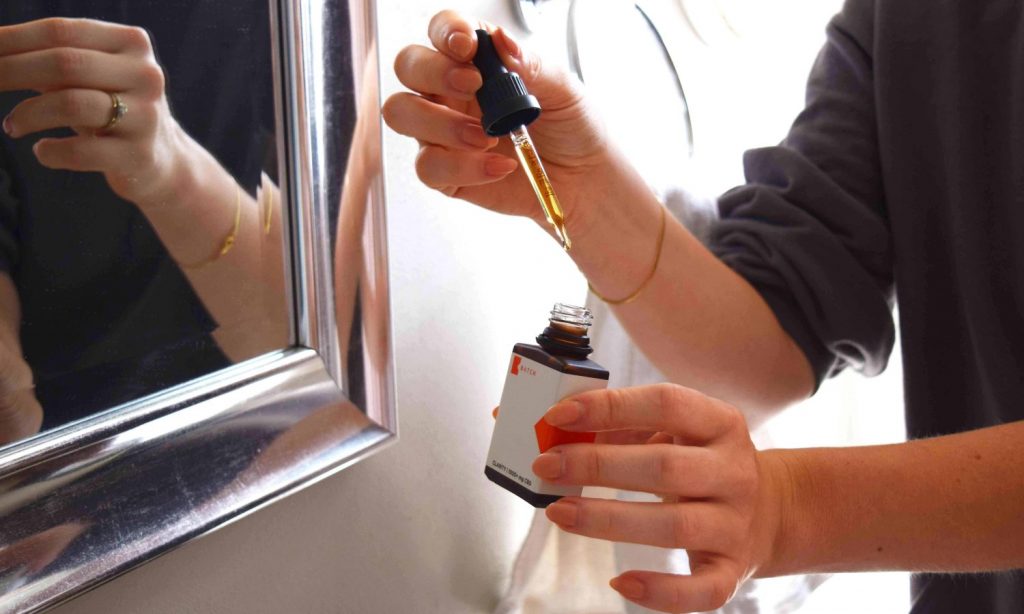
“Of course, we live in Texas and medical cannabis is not available. But, after researching, we found a company who made a great product and they use third party testing for heavy metals and chemicals for microbial contamination, and each bottle has a batch number so you can read the test results for yourself.”
It’s so important as you go out looking for great food, great water, a wonderful bottle of wine, or your CBD, that everything is selected with the idea of getting the very best products for your body.
In the front of your mind, it’s important that you choose a good product because the CBD molecule is the same. Finding one that’s concentrated effectively so you’re not having to drink a half a bottle in order to get a reasonable serving, or finding one that’s been properly sourced and farmed, these are very important questions as you proceed to which brand you’d like to choose.
Photo by BATCH by Wisconsin Hemp Scientific via Unsplash
She also says that her husband started taking the product and had wonderful results for his autoimmune arthritis and psoriasis, and then also pointed out that some of these products in MCT oil can cause problems for people who may have coconut allergies, so keep that in mind too, that sometimes the carrier oil could be a problem in terms of stimulating allergies.
If you’re not getting a result, take a little bit more time to think about the serving size. Make sure that you’ve truly titrated to a high enough amount so you can assess whether or not it’s working.
Then, always remember to find a great product, a quality product that you can love. Thanks again, and for more information on how CBD and other cannabinoid formulations work for you and for your family, check out cbdandcannabisinfo.com.
This year, the cannabis world has welcomed so many famous people. Some decided to become part of the industry as brand ambassadors, while others launched their own brands. Musicians, actors and athletes have expressed their love for the plant.
But why now?
Was it because the stigma around cannabis has faded more than ever before? Or, was it because of industry growth, which thus presented lucrative opportunities?
1933 Industries Inc. (OTCQX:TGIFF) CEO Paul Rosen told Benzinga that “the industry has crossed a tipping point from an object of curiosity to a recognized credible emerging asset class promising the potential of high growth.”
He explained that the COVID pandemic has enabled celebrities with new ways to monetize their brands, such as podcasts, Twitch performances and content subscription service OnlyFans.
For most celebrities, money is one important motivator.
“This is just another way for a celebrity to leverage their own brand equity and to be crass to make money,” Rosen says. “They all have their own reasons, but behind the individual narratives the one common denominator is money which as far as I can tell celebrities like as much as anyone else.”
But there’s at least one celebrity who is more spiritually motivated by cannabis.
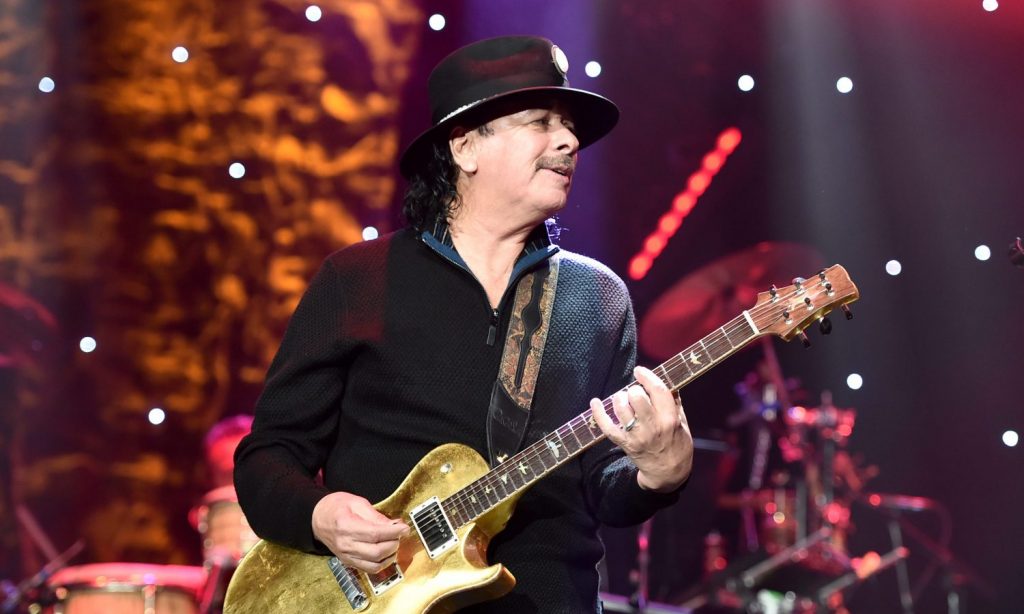
Carlos Santana
Last week, guitar legend Carlos Santana spoke with Benzinga bout his creating high-quality cannabis and CBD brands via a partnership with Left Coast Ventures. In October, Mirayo by Santana — a line of cannabis products influenced by musician’s Latin heritage and dedication to spiritual well-being — was launched.
Santana grew up familiar with the plant’s healing properties, thanks to his mother. Throughout his career, he talked about the benefits of cannabis. From alleviating pain and stiffness to awaking consciousness and creativity.
Photo by Alberto E. Rodriguez/Getty Images for The Recording Academy
It is certain, Santana’s approach to cannabis is spiritual.
“Cannabis is a window or a door to different awareness of consciousness,” Santana says. He created Mirayo, which means “my ray” to help people find the light inside them.
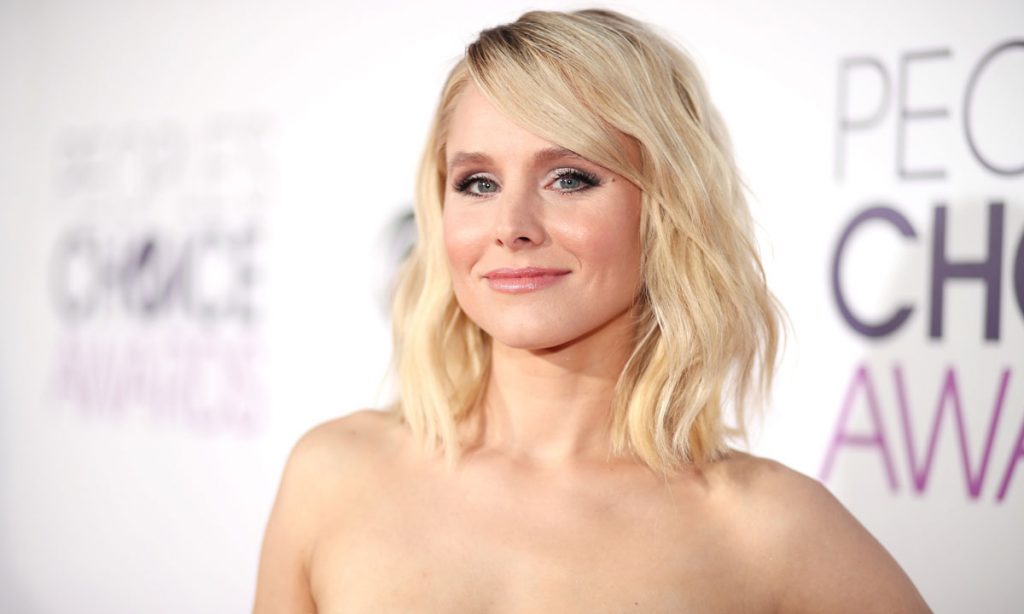
Kristen Bell
Kristen Bell, star of Happy Place and Disney’s Frozen, teamed up with Cronos Group Inc. (NASDAQ:CRON) to launch a CBD skincare brand Happy Dance.
“I don’t need another paycheck, so how are we going to do good in the community here,” she said. The Veronic Mars actress is reportedly engaged in all steps of creating the new brand.
She also chose to collaborate with A New Way of Life Entry Project, an organization that provides housing and pro bono legal services for women restoring their lives after prison.
Photo by Christopher Polk/Staff/Getty Images
The three initial products are cruelty-free and vegan, with affordable price tags. The company is donating one percent of profits from all products sold on the brand’s website to A New Way of Life Entry Project.
“As a working mom, I turned to CBD skincare as a way to turn down the volume of my life and CBD products have since become an essential part of my self-care routine,” Bell says.
In 2020, many celebrities looked after Santana or those who joined the space even before him — such as Seth Rogen and Evan Goldberg, and Snoop Dogg, and Karan Wadhera.
Celebrity Newcomers
In July,Killer Mike and El-P — the rappers known collectively as Run the Jewels — partnered with a lifestyle and cannabis brand Cookies, and its sister brand Lemonnade, to launch its first cannabis strain Ooh La la.
In June, Wu-Tang Clan member Method Man launched a cannabis business with a goal to encourage more black ownership join the industry. The company was named Tical (like his 1994 solo debut album) which stands for “Taking Into Consideration All Lives” and it succeeded to raise $300,000 for its initial launch.
Timed to coincide with the premiere of her latest stand up special, “Chelsea Handler: Evolution,” Sweet Flower joined forced with the comedian to introduce the Evolution Kit, a curated set featuring Handler’s favorite cannabis products.
Screenshot via chelseahandler/Instagram
At least two Academy Award Winners have attached their names to cannabis brands.
Nicole Kidman, who won Best Actress for The Hours, became the first-ever brand ambassador of The Sera Labs Inc., a health, wellness and beauty company known for its CBD products. Sera Labs was acquired by CURE Pharmaceuticals Holdings (OTCQB:CURR) for $20 million. Kidman “easily” agreed to endorse the company’s topical products.
“With my injury last year, I experienced the benefit of CBD wellness products firsthand,” she shared.
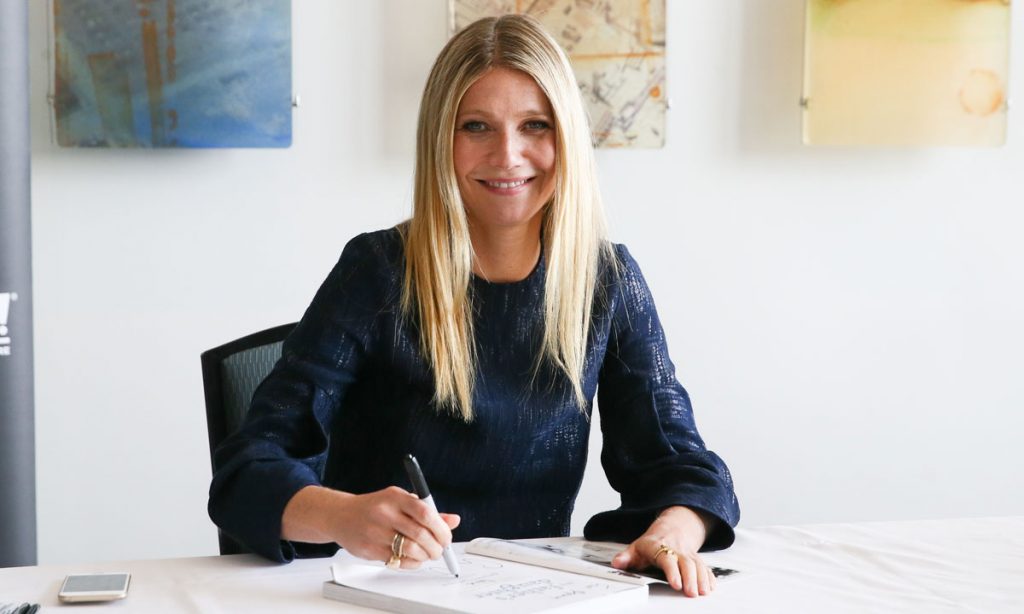
Goop CEO Gwyneth Paltrow, who won the Best Actress Oscar for Shakespeare In Love, invested in cannabis beverage brand Cann. Other big names joined her including Ruby Rose, Rebel Wilson, Darren Criss, Baron Davis, Tove Lo, Casey Neistat, and Calesha Murray (aka Bre-Z).
Photo by Terry Wyatt/Stringer/Getty Images
Paltrow said that cannabis is a “hero ingredient of the future.”
Grammy Award-winning artist and radio personality Khaled Mohamed Khaled— better known as DJ Khaled — recently partnered with CBD company Endexx Corp. (OTC:EDXC)to launch a new CBD company with products expected to hit shelves in 2021.
“I was drawn to Endexx Corporation because they’re an innovative company that has proven they have the keys to deliver consistently, top of the line, high-quality products,” Khaled said.
Industry Veterans Also Grabbed Headlines
Some celebrities joined the industry earlier, but made some major business moves this year.
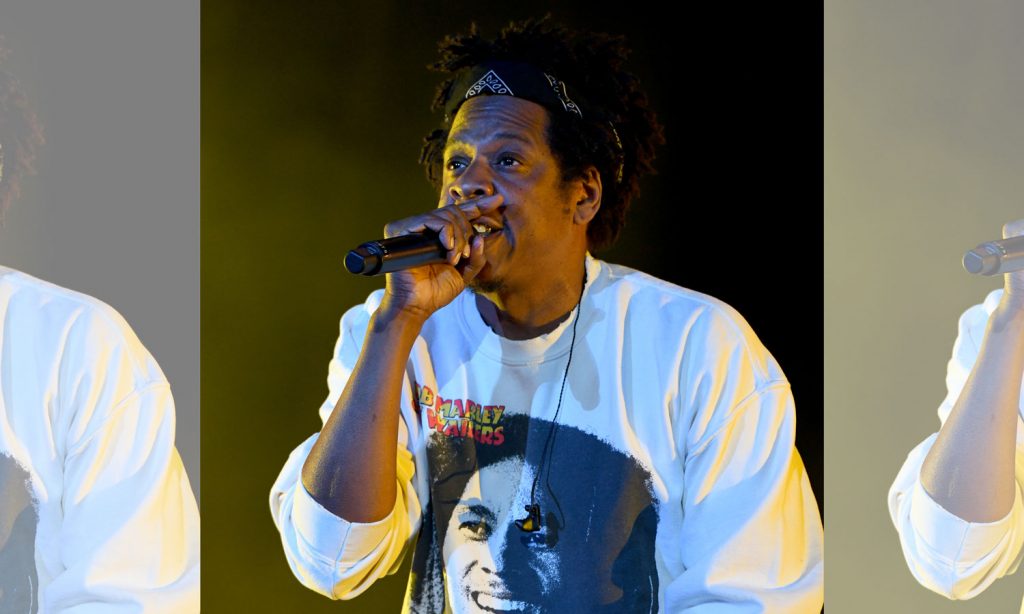
For example, music industry mogul Shawn Carter, known widely as Jay-Z, joined the newly formed cannabis company last year. The venture was formed via a partnership between Caliva, Left Coast Ventures, Subversive Capital Acquisition Corp. (OTCQX:SBVCF) and Roc Nation, Jay-Z’s entertainment company. This December, after 18 months of methodical strain pick up and cautious cultivation, cannabis products from Jay-Z cannabis line Monogram finally reached the shelves.
Photo by Craig Barritt/Stringer/Getty Images
Back in February 2018, the “Domestic Goddess” Martha Stewart took an advisory role at Canopy Growth Corp (NASDAQ:CGC) to help with developing a new line of CBD products across various categories. This year, Stewart launched several CBD products, including a holiday-inspired CBD gummies line.
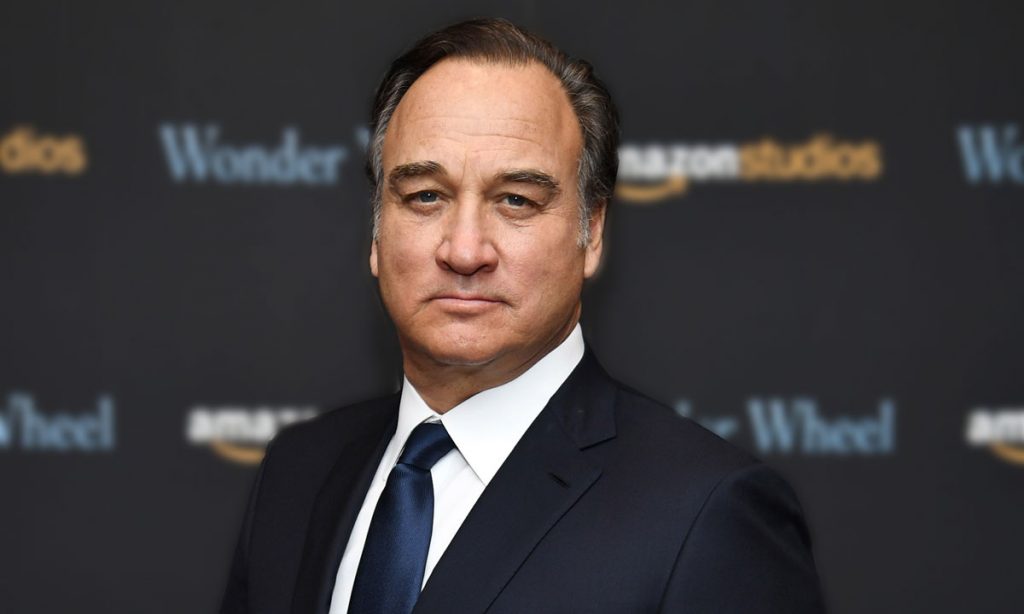
An American actor, comedian, and musician, known for starting in According to Jim, and Saturday Night Live, Jim Belushi joined the cannabis industry back in 2015 as a legal cannabis farmer with a 48-plant crop.
Belushi told Benzinga that his mission in the industry is “to break even — because the purpose, the power of this plant, serves the greater good.”
Photo by Dimitrios Kambouris/Staff/Getty Images
In 2020, Belushi’s Farm partnered with Curaleaf Holdings Inc. (OTCQX:CURLF) to create a vape pen for the Oregon cannabis market.
Former NBA star and four-time champion, John Salley is no stranger to the cannabis industry. He has taken up several cannabis ventures in the previous years. Salley, who is also a member of the Benzinga Cannabis Advisory Council this year announced his plans to create a health insurance package for cannabis enterprises, their workers, and cannabis users.
“We’ve literally got to a point where we can insure cannabis smokers and cannabis companies,” Salley said.
Furthermore, this October, Salley became the vice president of business development at CBD-concentrated wellness company, The Anthos Group. At The Anthos Group, Salley will help launch a new brand focused on the needs of athletes.
Does A Name Make A Difference?
One question that comes up with this subject is: How important is a famous face behind a brand and does it make a difference?
“They are celebrities for sure, but then there are the rare few that have created a devoted community,” Holistic Industries’ CEO Josh Genderson says. “Jerry Garcia is at the top of the list when you think of cannabis culture and raising consciousness about cannabis in the U.S.”
Garica, leader of the psychedelic rock band The Grateful Dead, is the latest on a list of late celebrities whose likeness has been used on legal cannabis products — others include Bob Marley and Jimi Hendrix.
Genderson told us that the company was reached out by a few celebrities through the years with the idea to partner on a new collection, but the company decided to collaborate with Garcia’s family, introducing the new line in 2020.
“Jerry’s fan base is diverse in generation, geography and almost every other demographic,” Genderson says. “What we all share is a sense of belonging to the unique community Jerry helped build. We wanted to give fans something new to celebrate in Garcia Hand Picked, while also creating something that would appeal to people who aren’t fans yet but know enough to try the products and engage with the brand. From eco-friendly packaging to Jerry’s original artwork, quotes from Jerry and suggested playlists for each strain, Garcia Hand Picked products and merchandise were designed specifically for the fans.”
A Long Shadow
Does celebrity involvement mean that smaller brands are in danger of being overshadowed if they don’t have celebrity backers?
Rosen doesn’t think so. He believes authenticity is the key.
“Consumers are super savvy and they have to love the product first and foremost not the spokesperson. I think this is a time and place event and over time I don’t believe that a good brand needs a celebrity to validate it unless the authenticity of the celebrity is beyond dispute,” Rosen says.
“Do I want to smoke a $50 monogram joint because it has Jay-Z’s fingerprints on it? No doubt many will but the premium price likely is not borne out so much by the superior quality of the product as it is by the cool factor associated with an icon like Jay Z,” he adds. “And to answer my own question, I definitely want to try one of those $50 joints by Jay Z, but I doubt I would make a habit out of it. As much as I am a massive Jay Z fan, that shit is just too expensive.”
Indeed, famous names help spread the word on weed. So while the cannabis space appears big enough for both celebrity-backed and non-celebrity-backed brands, celebrity influence on breaking the stigma around the plan shouldn’t be underestimated.
As for whether the trend will continue in 2021, Rosen expects it will.
“To quote the philosopher Eric Hoffer when people are free to do as they please they usually imitate each other,” he says. “So absolutely yes more will follow out of a sense of FOMO and opportunity.”
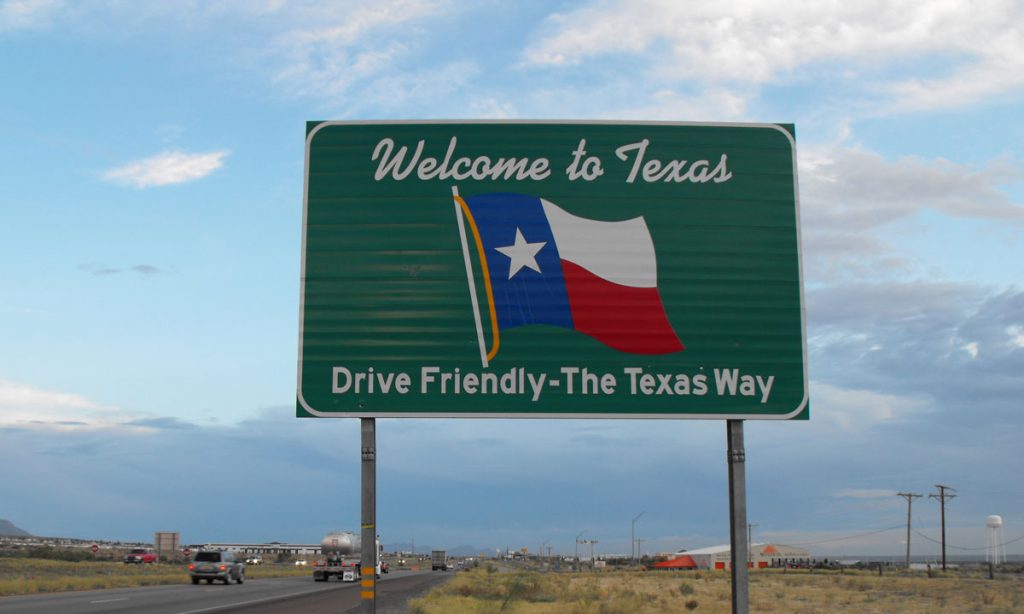
It remains to be seen just how far the Texas Legislature will run with marijuana legalization this year, but one thing is certain: residents think it’s a good idea.
Everything is bigger in Texas — just not when it comes to marijuana.
It has been five years since the state put a restrictive medical marijuana program on the books, one that caters only to the sickest of the sick and still only services roughly 3,000 people. The program is so measly by today’s stoner standards that we don’t hear too much about it.
Meanwhile, Texas police are still arresting close to 100,000 people every year for weed. So, don’t you dare mention legalizing marijuana like they are doing in those northern states. No sir, most officials just aren’t about that life. But it’s a brand spanking new year, and lawmakers are pushing a slew of pot-related measures that they hope will turn Texas into the Stoned Star State.
There have already been somewhere around 20 pot-related bills filed in the state legislature. Some look to decriminalize the herb and keep non-violent marijuana arrests to a minimum. Others will try to expand the medical marijuana program to serve more people. Lawmakers are also throwing caution to the wind and attempting to legalize the leaf in a manner similar to alcohol.
And while most of this legislation will bite the dust soon after the 87th session begins, lawmakers think that some might stick.
Senator José Menéndez would like to see his bill (SB 90), which calls for an expansion of the state’s failing medical marijuana program, make it out of the state legislature alive in the next few months.
As it stands, the state’s medical marijuana program allows people with epilepsy, multiple sclerosis, incurable neurodegenerative diseases, ALS, terminal cancer and autism to gain access to CBD oil that contains 0.5% THC. However, SB 90 would enhance the program by adding post-traumatic stress disorder (PTSD) and a few other health issues to the list. It would also remove the cap on THC and permit registered medical marijuana participants to engage in home cultivation.
Photo by Madhu Shesharam via rawpixel.com
It would be a positive move for Texas. Not only for patients wanting to use marijuana as an alternative to prescription drugs, but also for the economy. A recent study from Research Dive shows that expanding statewide medical marijuana programs can stimulate economies ravaged by COVID.
On the other hand, some lawmakers think it is time to grab the bull by the horns and establish a taxed and regulated marijuana market.
Representative Joe Moody recently introduced a bill designed to legalize marijuana for people 21 and over. The bill would allow adults to grow a certain number of plants at home for personal use. It also calls for the tax revenue generated from the legal cannabis industry to go towards a public school teacher’s fund. Furthermore, Moody says, Texas could really benefit from the jobs and overall economic boon the cannabis industry would ultimately bring to the Lone Star State.
Photo by Flickr user Tim Patterson
“As we see a number of states engaging around the country in a retail market, this is no longer an experiment,” he told the Texas Tribune. “It is also no secret that we are heading into some rough economic waters and we need to explore every possible revenue stream.”
Another lawmaker believes the state might have a better shot at simply decriminalizing small time marijuana possession.
Representative Erin Zwiener recently introduced a measure (HB 441) that would allow petty pot offenses to be punishable with a ticket instead of being dealt with in the criminal justice system. Considering that many state prosecutors have already started abandoning pot cases due to a lack of resources, lawmakers might be apt to support the creation of a uniform policy that stops people from getting busted for marijuana. It’s a plan that’s long overdue, Zwiener says.
“Our current cannabis laws don’t make sense,” Zwiener said in a statement. “We’re leaving dollars on the table, wasting public safety funds on enforcement, and saddling Texans with unnecessary criminal records that harm their ability to find work and housing. It’s time to bring our cannabis laws into the 21st century, and I’m eager to get to work on reducing penalties for possession of cannabis.”
It remains to be seen just how far the Texas Legislature will run with marijuana legalization this year, but one thing is certain: residents think it’s a good idea. Some of the latest statewide polling data show that 62 percent of Texans favor legalizing recreational marijuana and taxing it for the benefit of the state. A recent economic analysis shows that doing so could generate $1 billion in annual tax revenue.
Even if the stars align, 2021 may not produce sweeping reform like some hope for. If reform doesn’t happen this year, it will happen eventually, possibly in 2022.
Cannabis industry professionals tell Benzinga that 2021 should be a year of ongoing regulatory movement even as uncertainty lingers due to the Jan. 5 Georgia Senate runoffs. Experts in the space predict a year of reform, setting up for continued progress throughout the decade.
“Get out your flapper girl dresses and top hats; the roaring ’20s are going to be fueled by weed, not booze, this century, and 2022 will be the starting point,” Harborside Inc co-founder Andrew DeAngelo also elaborated says.
“From a regulatory perspective, more retail will be licensed in 2021 in all legal states, but they may not open until 2022,” he adds. The next waves of markets to open should increase inclusive ownership by 2022.
Several States To Look At
Keep your eye on the Northeast, sources say. It’s ripe for growth after New Jersey passed its ballot measure in November.
Alyssa Jank, U.S. Cannabis Manager at Brightfield Group, says New York and Pennsylvania will follow suit in 2021, along with Maryland and Connecticut.
“All of these states are bordering, or very near, New Jersey, and they likely realize that they will miss out on a big chunk of tax revenue to New Jersey if cannabis is not legalized in their states,” Jank said.
Reform could also occur beyond the Northeast as well.
Morgan Fox, Director of Media Relations for the National Cannabis Industry Association (NCIA) says states with short legislative sessions and supportive lawmakers could make moves in the next 12 months. He highlighted New Mexico, which nearly passed a bill in 2020, and South Carolina, which prefiled two medical bills for the 2021 session.
Any movements in 2021 are likely to come from the legislature, with little chance that a ballot initiative comes up next year.
Looking ahead to 2022, Fox says, “There will almost certainly be several state ballots the following year, including in places like Idaho and Nebraska that were denied the ability to get on the ballot this year.”
It will take time to implement any laws that pass in 2021, likely delaying its immediate impact.
Federal Government Predictions Difficult Until After Georgia Runoffs
Jank says that any future Green Waves would be federal government-led.
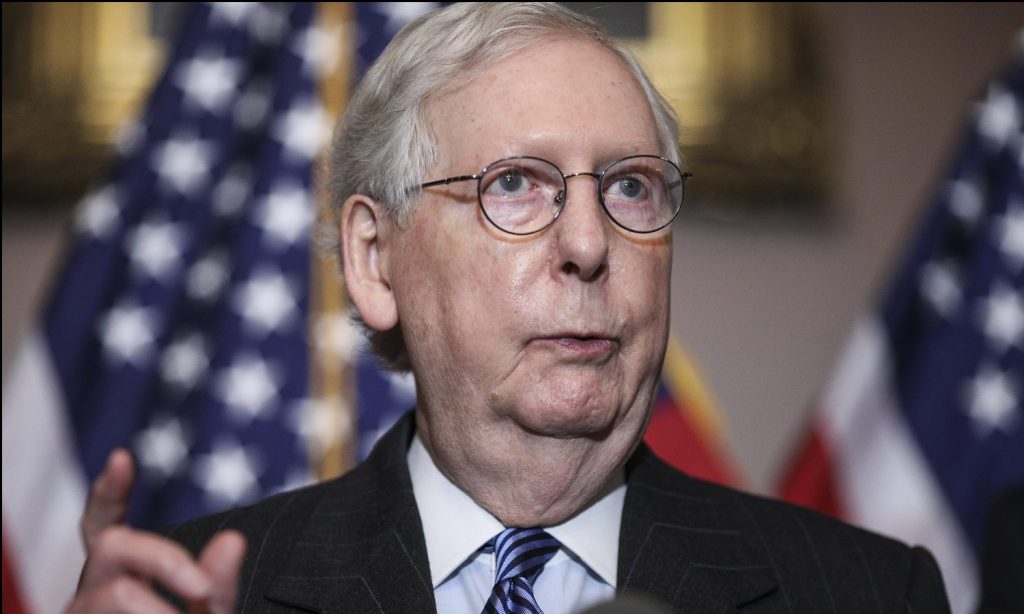
Reggie Snyder, an Atlanta-based partner at the firm Taylor English, believes that another Green Wave is possible in 2021 but is dependent on several factors, including the Georgia runoffs. That’s because federal cannabis reform is unlikely to occur under a GOP-held Senate led by Mitch McConnell.
“If the Republicans maintain control of the Senate, then no currently pending marijuana legislation is probably going to make it through,” he says. The recently House-passed MORE Act is awaiting a vote, as is the SAFE Banking Act and several other pieces of legislation.
“All of them are sitting there waiting their turn, but they won’t get any real consideration,” says Snyder should Republicans maintain a Senate majority.
Photo by Tom Brenner-Pool/Getty Images
“Should [McConnell] remain in a position to block even a vote, Executive Orders would be needed to provide the industry with the tax and banking relief it desperately needs,” says Patricia Baldwin Gregory, general counsel for Pennsylvania’s Keystone Canna Remedies.
While it has been long-asserted that a GOP-held Senate would pass on legislation, the Senate did approve legislation in December that expands the research of medical cannabis in the U.S.
Even if the stars align, 2021 may not produce sweeping reform like some hope for.
If reform doesn’t happen this year, it will happen eventually, possibly in 2022, Snyder says.
“I think [2021] will be a transitional year, one of adjustment for the Biden administration and whomever he appoints to the various positions,” he adds.
Looking Towards 2022
DeAngelo expects the coronavirus pandemic to continue to affect the market until at least the second quarter. The cannabis sector will rebound in the back half of the year, leading to more robust growth and increased revenues.
“I am not seeing a wave, but a rising tide,” he says expecting 2022 to mark the biggest wave the reform movement has seen so far.
“The pandemic will be behind us, new retail will be opening all over from licensing that occurred in 2021, and the rest of the supply chain will easily keep up, if not have oversupply,” DeAngelo says, citing increased competition and more knowledgeable consumers to help make the market flourish.
International markets in Mexico and Portugal are other nations that may also lead the cannabis industry into “its roaring ’20s,” he says.
Anxiety and depression are commonly associated with the disease. It may be marijuana’s anti-anxiety effect that helps more than its appetite stimulating properties.
Aside from the euphoria, probably the most common effect of cannabis is — to avoid using a medical term — munchies. The substance has shown good results treating patients suffering from wasting diseases, such as AIDS, by reducing nausea and increasing appetite. It has promising potential treating Anorexia Nervosa, one of the most common and dangerous eating disorders, but it isn’t a cure and the science isn’t complete
Anorexia is a mental illness. It kills more than 12% of sufferers with 6% committing suicide. Psychotherapy is the usual treatment as there are no medicines approved to combat it.
But that may be why some patients report that cannabis helps. Anorexics may be hungry, but will themselves not to eat. Anxiety and depression are commonly associated with the disease. It may be marijuana’s anti-anxiety effect that helps more than its appetite stimulating properties.
Photo by maksim kulikov/Getty Images
Most states that allow the use of medical marijuana don’t consider Anorexia to be a qualifying condition. And New Mexico only considers it suitable for “Severe Anorexia” which has no medical definition.
As with many proposed medical uses for cannabis, actual clinical testing its application on Anorexia sufferers has been hindered by its status as a Schedule I Drug. In addition to being legal, the designation means it has no medical use
This despite the fact that at least one study has shown that moderate cannabis users have lower rates of obesity than those who never use it. Complicating the issue of weed and appetite is the drug Rimonabant. Dubbed “Anti-THC” large doses of it suppressed appetite, with some users reported their weight loss programs being three times as effective. It was never allowed in the U.S. and European authorities took it off the market after being linked to depression and suicide.
The Hemp Act of 2020 proposes four significant amendments to the federal laws currently governing the production of hemp, including increased THC concentrations.
As reported by Hemp Grower magazine, Senator Rand Paul of Kentucky introduced legislation on December 15 that would amend the definition of hemp from .3% THC to 1% THC. The bill would also make other major changes to the USDA’s interim final rule, which would affect hemp growers, processors, manufacturers, and shippers. The legislation is titled the Hemp Economic Mobilization Act (the “Hemp Act of 2020”). The Hemp Act of 2020 proposes four significant amendments to the federal laws currently governing the production of hemp.
First, the Hemp Act of 2020 would amend the federal definition of hemp by striking “.3 percent” and inserting “1 percent.” As hemp businesses know, the 2018 Farm Bill defines hemp as cannabis sativa with a delta-9 THC concentration of not more than .3 percent on a dry weight basis. The USDA then adopted a “total THC” testing requirement that further burdened growers and others in the industry.
As we wrote back in January 2019, the .3% threshold was created by a Canadian researcher in the 1970s who set a dividing line of .3% between hemp and marijuana for purposes of establishing a biological taxonomy. The dividing line was never intended to be used as a practical measure for countries to differentiate between hemp and marijuana for commercial purposes. We at the Canna Law Blog wholeheartedly support changing the threshold from .3% to 1%.
Second, the Hemp Act of 2020 would require testing of hemp-derived products rather than the hemp flower or plant itself. The USDA interim rule requires that growers test hemp plants within 15 days of the anticipated harvest. As we have explained, this can prove an impossible obstacle for growers in some circumstances. The Hemp Act of 2020 proposes a significant statutory fix. Current law requires a State or Tribal plan to include a “procedure for testing . . . delta-9 tetrahydrocannabinol concentration levels of hemp produced in the State or territory of the Indian tribe” (italics added). The Hemp Act of 2020 would replace “hemp” with “products derived from hemp plants” (italics added again.)
This would be a huge change — essentially placing the onus for THC testing compliance on hemp processors and product manufacturers instead of growers. What is not apparent is how this change would affect hemp growers who do not sell their harvest to processors or manufacturers such as those who sell hemp flower direct to consumers. (Notably, smokable hemp flower is not legal to sell in Kentucky, the home of the legislation’s author, Rand Paul).
On its face, the proposed legislation reads as though such hemp (even in states where smokable hemp is legal) need not undergo any testing, unless “products derived from hemp plants” is interpreted to mean bucked and trimmed flower for sale to consumers. But this reading seems at odds with the intent of the proposed change as Rand Paul’s office describes the legislation as “Providing a statutory fix to this problem [the 15-day harvest testing requirement], by testing the final hemp-derived product rather than the hemp flower or plant itself, [which would] ease the burden on farmers.” We hope and anticipate this ambiguity would be addressed if the legislation moves forward.
Third, the Hemp Act of 2020 would require a seed certificate copy when transporting hemp from farms to processing facilities to certify the hemp was grown from seed containing not more than 1% THC on a dry weight basis. This would be a new requirement whose purpose is to protect shipments of hemp from seizure by law enforcement because the hemp appears to be marijuana.
Photo by CasarsaGuru/Getty Images
Fourth, the Hemp Act of 2020 would provide a statutory measurement of uncertainty (“MU”) in testing of not greater than .075% and give growers and processors more comfort. Presently, neither the law nor the interim rules provide clear guidance on the applicable MU, although the rules use an example of +/- .05%.
This issue goes to laboratory testing– labs must explain the MU associated with the test as part of determining whether a given sample is within the “acceptable hemp level.” The USDA gives an example: if a test results in .35% THC with a .02% MU, the range is .33% to .37%, so the sample does not meet the definition of hemp. Under the 2020 Hemp Act, a sample that tests at 1.074% THC may still qualify for hemp if the MU is .075%.
One significant issue not addressed in the Hemp Act of 2020 is the Liquid Chromatography Factor, 0.877. This goes to the requirement that hemp be tested for its total THC and how that should be done. You can read more about that here.
Nonetheless, all in all, the enactment of the Hemp Act of 2020 would be a boon for the hemp industry. You can sign a petition supporting the change from .3% THC to 1% THC here and, of course, contact your Congressional Representatives to express support for the bill.
For more on hemp-CBD and legislation and litigation impacting the industry in the United States and internationally, see:
While marijuana should have been legal for residents as of New Year’s Day, all the political figures responsible for making that happen failed.
Marijuana was supposed to be legal in New Jersey at the turn of the New Year, but it isn’t safe to use it just yet.
When the voters hit the polls in the November 2020 general election, they overwhelmingly supported a ballot measure calling for the existence of a taxed and regulated pot market. It basically called for adults 21 and older to have the right to purchase weed like they would alcoholic beverages.
Somewhere around 2.7 million voters said yes to pot. And they expected to get it come January 2020. But despite being given two months to reach some agreement on the rules surrounding reefer, New Jersey lawmakers have failed to show the state how the legal system is going to work.
“There are no implementing laws and there are no regulations by the new commission that’s being created,” Robert Williams, a retired constitutional law professor at Rutgers Law School, said in an interview with the Asbury Park Press. “It’s an odd situation, actually, that the people can vote for something and literally the Legislature can block it by doing nothing.”
While marijuana should have been legal for New Jersey residents as of New Year’s Day, all the political figures responsible for making that happen failed. State lawmakers and the Cannabis Regulatory Commission were charged with hashing out the legal framework for how marijuana would join civil society. Still, arguments over taxes and reparations for communities abused by the drug war have prevented them from coming to terms. The outcome means that marijuana exists in a bizarre political purgatory that could prevent it from actually going legal well into 2021.
Even state lawmakers understand just how inefficient they are at realizing legalization. It’s the reason a slew of separate proposals have been championed as of late to decriminalize small-time possession and put a leash on cannabis arrests. But the state legislature can’t even get it together long enough to see those to fruition.
The situation is frustrating enough, as is. But toss in the fact that Governor Phil Murphy and the State legislature have been trying for years to legalize weed, and frustration doesn’t even begin articulating the scene. Embarrassing and incompetent does. The whole reason the voters were asked to decide on legal weed is that lawmakers couldn’t seem to agree on whether they should do it and how it should be established.
Photo by SeanPavonePhoto/Getty Images
It’s now 2021, the voters have spoken favorably, and the suits are still standing in the way of progress.
Until lawmakers and regulatory officials can get it together on legal marijuana, state prosecutors still consider it a crime.
“All of the state’s criminal laws relating to marijuana continue to apply, until, among other things, the Legislature enacts a law creating that regulatory framework,” Attorney General Gurbir Grewal said in a statement. “It is important that residents accurately understand the current situation, so they do not inadvertently engage in criminal conduct relating to marijuana — conduct that may be legal in the future once the Legislature acts, but is not presently legal based on [November’s] vote.”
The attorney general’s office also said it would issue some additional guidance on pot prosecutions, but only after lawmakers made good on their end. For now, law enforcement has “broad discretion” on how they treat low-level marijuana offenses. They can choose to arrest these people, slap them with a fine or just forget about it altogether. But it’s going to take putting the legal system into place before cannabis users can be sure their actions won’t be considered criminal.