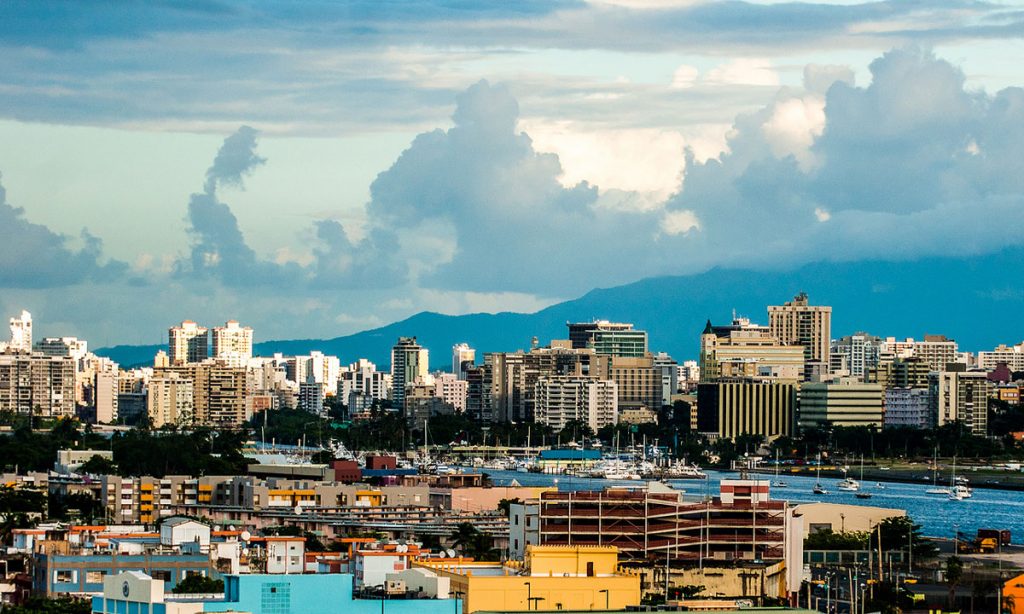
As more U.S. states—even highly conservative ones—welcome recreational cannabis, the pro-statehood party may increasingly warm up to legalization.
Last month, in Puerto Rico: November Surprise for Recreational Cannabis?, we proposed that a victory by opposition candidate Charlie Delgado “might be Puerto Rico’s best shot at recreational cannabis legalization.” As of 2:00 PM local time on November 5, Delgado has not conceded the race. However, the results so far suggest that the island’s next governor will be Pedro Pierluisi, who previously served as Puerto Rico’s congressional delegate. While in Congress, Pierluisi caucused with the Democrats, but his main affiliation is with the pro-statehood New Progressive Party (PNP).
At first glance, a Pierluisi administration does not appear to bode well for cannabis legalization. Back in 2015, Pierluisi expressed “concern” over then-Gov. Alejandro García Padilla’s executive order legalizing medical cannabis. In 2013, he plainly stated he was against cannabis decriminalization.
Of course, five or seven years is a long time in politics, especially when it comes to issues where public opinion is fast-shifting. It is therefore possible Pierluisi’s views on cannabis have evolved since then. However, there is no indication of such a shift in the public record.
At this stage, it is hard to envision any impetus for cannabis reform from the governor’s mansion. The legislature, however, might be a different story. Delgado’s party, the Popular Democratic Party (PPD) appears set to take a greater number of seats than the PNP in both chambers, plus there will be a greater third-party presence than in years past; the PPD may need to work together with these parties to achieve working majorities.
Alexandra Lúgaro, the leader of one of the newly represented parties, is openly in favor of cannabis legalization, as is the leader of the Puerto Rican Independence Party (PIP), Juan Dalmau (the PIP has been around since 1946, but under Dalmau its gubernatorial vote grew sixfold).
Photo by Fickr user Ricardo’s Photography (Thanks to all the fans!!!)
Overall, forces outside the traditional PNP-PPD duopoly had an unprecedentedly strong showing in this year’s elections. Pierluisi will surely be aware of the fact he was elected with around 33% of the vote, compared to the 42% received by former Gov. Ricardo Rosselló in 2016. Lúgaro took over 14% of the vote and Dalmau was not far behind, while another third-party candidate won a further 7% of the vote, showing a growing desire for nontraditional political alternatives. It is reasonable to expect Pierluisi will look for ways to counter this rising tide. At a minimum, it may give him pause before opposing measures seeking to legalize recreational cannabis.
Even within the PNP there might be changes. As more U.S. states—even highly conservative ones—welcome recreational cannabis, the pro-statehood party may increasingly warm up to legalization.
Fred Rocafort is a former diplomat who joined Harris Bricken after more than a decade of international legal experience, primarily in China, Vietnam, and Thailand. This article originally appeared on the Canna Law Blog and has been reposted with permission.
Disclaimer:The views expressed in this article solely belong to the author and do not necessarily represent those of The Fresh Toast.
There are many other factors involved in influencing levels of violence, but clearly the Drug War does not contribute to social peace, and we need to learn from other countries.
While I am deeply sympathetic with the slogan “No Justice! No Peace!” I’m afraid they have it backwards.
The United States, the self-proclaimed “leader of the Free World” has less than 5% of the world population, but almost 25% of the world’s prison population. We are indeed, Number One! USA! USA! We even have more prisoners than China.
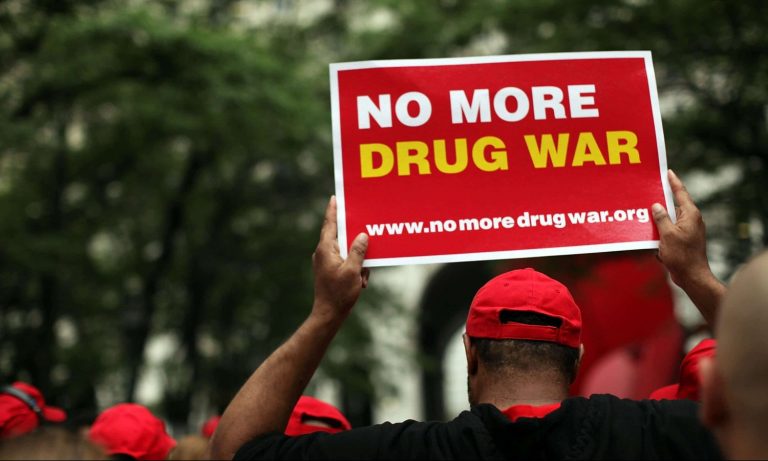
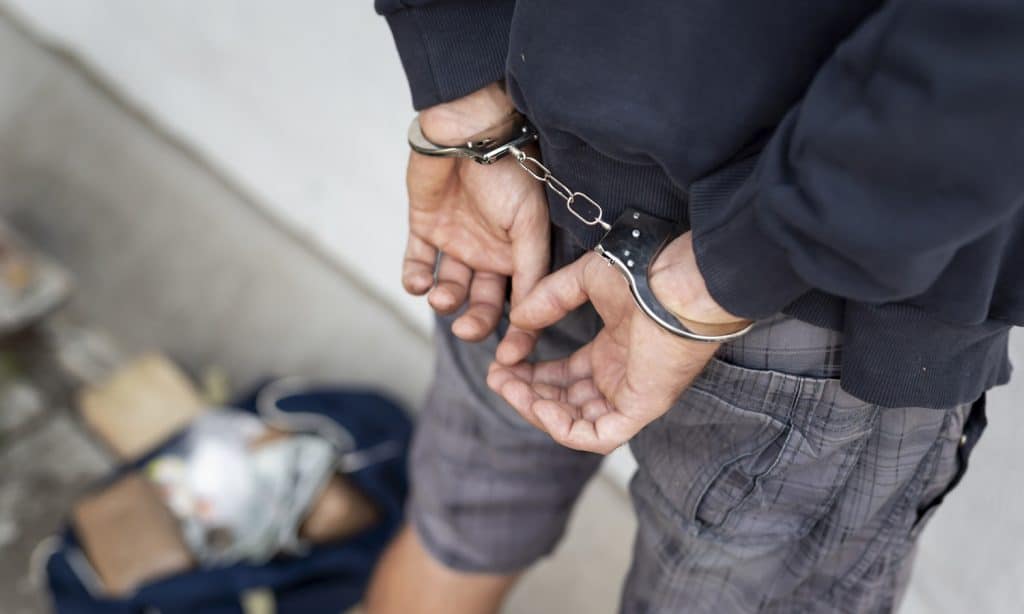
The violence of the Drug War manifests itself in several ways, but the major part of “law enforcement” violence does not involve police shootings that provoke violent demonstrations, but rather the peaceful arrests of over half a million marijuana users who go quietly because they do not have any choice.
These “non-violent” arrests exceed the total number of arrests for all violent crimes combined. They also represent a huge waste of law enforcement resources that could have been much better utilized in dealing with actual violent crimes.
According to Statistica, “There were 101,120 strong-arm robberies in the United States in 2019. A strong-arm robbery involves the perpetrator using a weapon (either real or fake) in combination with a threat of force…”
Of course, those numbers only include those robberies reported to the police, so they do not include robberies committed within the contraband drug markets.
Now consider Portugal’s experience. Twenty years ago, it “decriminalized” possession of all drugs.
“Decriminalization does not mean no penalties, just no incarceration. People caught possessing or using illicit drugs may be penalized by regional panels made up of social workers, medical professionals and drug experts. The panels can refer people to drug treatment programs, hand out fines or impose community service.
“A lot of the benefits over the years from Portugal’s policy shift have come not from decriminalization per se, but in the expansion of substance-use disorder treatment. Such a move might bring the most tangible benefit to the United States.”
“In turn, the country made financial investments in harm reduction and treatment services. Research in the United States shows a dollar spent on treatment saves more than a dollar in crime reduction.
“Opioid overdose deaths fell after Portugal’s policy change. So did new cases of diseases associated with injection drug use, such as hepatitis C and H.I.V. This latter change could also be a result of increases in needle exchange programs in the country. Those programs often meet opposition in the United States, but a cost-effectiveness analysis published in 2014 replicated the research of others in finding that a dollar invested in syringe exchange programs in the United States saves at least six dollars in avoided costs associated with H.I.V. alone.
“Harm reduction through needle exchanges and greater treatment availability are among the reasons for the wide disparity in drug overdose deaths between the United States (with a rising and staggering total of nearly 72,000 last year) and European countries like Portugal (which typically has well below 100 such deaths a year). These reflect a different mind-set on addiction; in Portugal, it’s treated strictly as a disease.”
It is also important to note that Portugal ranks third on the “Global Peace Index” among all countries. The United States ranks 128th, just ahead of Saudi Arabia! Mexico is 140th. The Netherlands, where cannabis has been sold over-the-counter for decades, ranks 17th.
Of course, there are many other factors involved in influencing levels of violence, but clearly the Drug War does not contribute to social peace, and we need to learn from other countries.
So far, election has been brutal, affecting everything from our our motivation to our appetite and sleep. Marijuana can help you win the battle.
November just started but it feels like it’s been going on forever. The super slow results and razor thin margins have likely inspired a thousand panic attacks. For many of us, it’s been very difficult to concentrate and to not succumb to our worst impulses — mainly the constant refreshing of interactive maps and eating all the junk food in sight. Even if it feels like the country is falling apart, it’s important to take care of yourself and your relationships. Here are ways marijuana can help you with election stress.
While the herb can be a great escape mechanism, it can also be a constructive way of grounding yourself in the present and curbing other coping mechanisms that are more harmful.
It can curb your drinking
Photo by Jetta Productions/Getty Images
2020 has had no mercy. The gloves have been off since March, pummeling us with a barrage of COVID-19 cases and uncertainties. The elections are much of the same, giving us a free pass to drink earlier every day. While drinking does help to make us feel better in the short term, marijuana might play a more effective role in the long term, eliminating hangovers, treating your body more kindly and preventing sad drunken episodes. Next time you feel yourself itching to reach for that bottle of wine or that whisky you’ve been saving for a special occasion (the end of the world counts), reach for a joint instead. Your body will thank you.
If you’re someone who feels anxiety in the pit of your stomach, hindering the desire to eat, marijuana might help; THC, the psychoactive component in marijuana, has been shown to stimulate appetite.
According to a 2015 Yale study, neurons in the brain that are normally involved in suppressing appetite were being tricked by THC. Lead author Tamas Horvath of the study explains it this way:
“It’s like pressing a car’s brakes and accelerating instead. We were surprised to find that the neurons we thought were responsible for shutting down eating, were suddenly being activated and promoting hunger, even when you are full. It fools the brain’s central feeding system.”
Marijuana is an interesting compound; while it makes a lot of people feel good, it also makes a lot of people feel paranoid. That’s not what you want mid-elections. Manage your intake and have a talk with your budtender. As long as you keep an eye on your dosage, you’re likely to avoid bad reactions. Marijuana can help you have engaging conversations with friends, enjoy the outdoors , or help you get lost in a video game, book or movie. When used correctly, it’ll rein in your brain when it feels like going to the doom and gloom place.
The right strain and dosage of marijuana can help you relax — something you might be needing after the very intense week we’ve all had. Consider the method of consumption: If you’re having an edible, be patient and eat it during the earlier part of the day. If you’re smoking, pace yourself through the night and keep yourself hydrated. The idea is to relax, not to knock yourself out. Unless that’s what you want, in which case, go for it.
Perhaps the most common ailment affecting many of us is insomnia. After a week of staying up and watching the news, it might be difficult to get back to your normal sleep schedule. While marijuana can do a lot of the work for you, another thing you can use to your advantage is devising a sleep routine and avoiding screens while in bed. Difficult, but not impossible. Here are 5 more tips to help you fall asleep faster.
There is a lot of talk, but what is being done about cannabis social equity. Let’s get one thing straight — the world needs marijuana. Even as far back as 485 BC (just about 1,500 years ago), Greek historian Herodotus described the pot- smoking rituals of ancient Scythians.
In China, archaeologists uncovered evidence of cannabis use dating back 2,500 years. When considered in this light, cannabis is a human right — and a sacred one at that.
What does all of this have to do with social equity in the cannabis industry here and now?
Today, cannabis is a commercial product grown and sold for profit. After years of prohibition, prosecution, and lurking in the shadows, the cannabis industry is finally stepping out into the light under lawful retail regulations set forward by several states.
However, the means of commercially producing, selling, and profiting from cannabis are, so far, incredibly concentrated in the hands of white business owners. Recent figures put white ownership at a staggering 99% industry-wide.
Cannabis cultivation has an ancient legacy going beyond race, color, or creed. Despite that, in America’s burgeoning multi-billion dollar cannabis economy, your likelihood of involvement, ownership, and success depends on your skin color.
Without social equity in the cannabis industry, people of color will continue being shut out of an exciting economic opportunity that has, in large part, been built with their hands.
What does social equity look like in practice? Who qualifies for social equity, and who doesn’t? These are essential questions — and we’re going to tackle them.
Below, you’ll also find a guide to social equity programs in legal cannabis states like California, Illinois, and Michigan.
Why the cannabis industry needs social equity programs
Throughout the war on drugs era, the heavy-handed enforcement of marijuana prohibition resulted in the lopsided criminalization of people of color.
Despite a near equal propensity between whites and people of color for possessing marijuana, police have historically targeted Black and Latino communities when doling out criminal repercussions.
Since white folks have traditionally received a pass from police, prosecutors, and judges, their records remain largely clean. On the other hand, people of color are disproportionately arrested and charged for the same crimes in extraordinarily high numbers.
When speaking of social equity, what’s at stake isn’t only who does and doesn’t have a clean enough record to participate in the legal cannabis industry. The impacts of racial profiling, disproportionate imprisonment, and institutional racism are also felt economically.
Here in 2020, rich white men are again on the cusp of complete monopolization of yet another lucrative industry. Social equity programs are the best chance for people of color to slow down the cannabis industry’s monopolization — and give a greater diversity of interests a seat at the table.
Are social equity programs working?
State legalization of cannabis is a relatively recent thing. California kicked off the movement back in 1996 by becoming the first medical marijuana state, but in 2012 Colorado went the whole nine yards by legalizing recreational cannabis.
The other eight states, along with Washington DC, all followed suit between 2012 and 2016. So, concluding whether the nascent social equity programs in those states are working or not is a big ask.
In states like California, Michigan, and Illinois, where racial diversity is high, progressive efforts are being made to enforce social equity programs statewide. For instance, Illinois has rolled an expungement initiative into its cannabis business licensing procedures, but it’s simply too soon to measure the material effects the programs are having.
As an aside, the continuation of racially-motivated policing means that even with social equity programs in place, their effects are hampered without police reform.
Challenges for social equity programs
Standing in the way of designing, implementing, and garnering participation in social equity programs are a few major challenges.
Racial assumptions about black business owners. As reporter Amanda Lewis puts it, “black people who sell pot are dangerous criminals and white people who do the same are goofy hippies.”
Racial inequality is already rooted in the cannabis industry. With white ownership of cannabis businesses already high (99%), social equity program recipients face a steep entry barrier.
Social equity programs are unproven. Owing to their very recent implementation and lack of statewide cohesion, social equity program effectiveness is an unknown quantity.
Skepticism on behalf of people of color. After years of systemic racism that continues to this day, participation turnout for social equity programs might be low as Black, Latino, and other marginalized groups harbor deep skepticism toward the state.
Solutions for creating social equity programs
As states continue to legalize cannabis, they’re increasingly faced with fairly implementing legalization. However, lawmakers need to be held accountable for doing so, which requires people of color to make their voices heard.
Outreach to Black and Latino communities. As the two communities most deeply affected by the dark legacy of the war on drugs, reaching out to Black and Latino communities about social equity programs can be a game- changer.
Supporting police reform. Social equity programs alone don’t do enough to end the paradigm of disproportionate policing and racial profiling in Black and Latino neighborhoods. Police reform, criminal record expungement, and social equity programs go hand in hand.
Community support for increased SE programs. Communities need to rally around and signal support for increased resources toward social equity programs. Writing to lawmakers and voting in candidates who support legalization and greater industry access for non-white participants is a must.
Supporting Black businesses. Regardless of whether or not a Black-owned cannabis business relied on social equity to get established, they should be financially supported by their communities.
Photo by Clay Banks via Unsplash
Social equity programs in legal states
California
In 2018, the state of California approved bill SB 1294, otherwise known as the Cannabis Equity Act. While the act was regarded in some corners as a big step
forward toward achieving greater Black cannabis business ownership in the state, it effectively put the onus of responsibility at the city level.
California cities must create local social equity program models, then apply to the state for the funding allocated by SB 1294. In effect, if a California city doesn’t have the resources, knowledge, or desire to pursue a social equity program for its constituents, then it either won’t do it, or will create a poorly designed and ineffective program as Los Angeles recently did.
Oregon
With a low barrier to entry that includes the nation’s lowest cannabis business licensing fees and no business permit issuance limits, Oregon is at the top of the heap when it comes to social equity.
Unlike other states with overly restrictive and competitive social equity programs, Oregon is fostering a small-business friendly climate with a focus on minority ownership. However, despite the progress being made in major cities like Portland, racial profiling in Oregon is still an ongoing and, in some cases, intensifying problem that adds to the social equity problem.
Washington
On October 26th, 2020, Washington’s Social Equity in Cannabis Task Force is set to have a historic meeting with the goal of creating recommendations to the governor. The process of creating recommendations is meant to guide the state’s social equity guidelines going forward pursuant to the passage of bill HB 2870.
Despite the good intentions, the SECTF can only make recommendations but has no power beyond that. Aside from the lack of power, there are early allegations that the SECTF will make regulations favoring a limited number of participants and insiders.
Colorado
Colorado passed SB 224 which, amongst other regulations, imposed a requirement for the state to begin issuing micro business licenses designed to give people in “low-income areas” a shot at getting a cannabis biz license. Apparently, in Colorado, “low-income” means Black, Latino, or indigenous, since
there is scant language in the bill referring to race or the war on drugs, but plenty about people who don’t have or make money.
The bill offers help getting a $10,000 cannabis business license, but the assistance stops there. As several have pointed out since the enactment of SB 224, the business license is the least costly aspect of getting a cannabis business off the ground, so whether the assistance can amount to tangible help is questionable.
Nevada
In 2017, Nevada passed AB 422, an after-thought bill without real goals, targets, or commitments but packaged to resemble something like a social equity program.
However, Nevada’s prohibitively expensive $250K cannabis business license and restrictive issuance mean that today, the state has a grand total of one Black-owned retail business. There are efforts underway to distribute more money to war on drug victims, such as the Cannabis Equity and Inclusion Community, who are trying to change that.
Michigan
Considering the failings of states like Colorado and Nevada, Michigan has started with a robust social equity initiative that looks like a step in the right direction.
Currently, social equity program applicants can get cannabis startup fees reduced by up to 75% when taking factors like community, marijuana arrest record, and caregiver status into account.
However, as is the case elsewhere, receiving a grant to pay for startup fees is only a fraction of the total assistance needed to get a cannabis business off the ground. Some business models requires hundreds of thousands if not millions of dollars to launch, but the state doesn’t have provisions for aid beyond business licensing.
Illinois
Today, Illinois is far and away providing the best social equity program framework in the nation. Under current guidelines, applicants are eligible for increased assistance based on a variety of factors such as one’s community
resources, how much the applicant was affected by marijuana policing, and if the applicant will employ a majority of their workforce from war on drugs-affected areas.
All in all, the program is progressive where others are not, and is assisted by the state’s cannabis tax provision which sends 25% of revenue grants designed to improve economic development in hard hit areas. Those who qualify for social equity programs can also submit applications for cannabis-business loans — a major breakthrough for diversifying business ownership.
Other states
Maine, a nearly 95% white state, did not include social equity provisions in its recreational cannabis bill, and still lags far behind the rest of the nation in doing so.
Vermont hasn’t formally begun recreational cannabis sales yet, but it doesn’t look like the incoming bill will significantly address social equity.
Massachusetts may be small, but it’s looking to make a large impact on the country’s social equity programs. The state has set aside cannabis delivery business licenses exclusively for minority businesses, though it still does not have a model in place for great access to capital.
Washington DC has provisions in place for funneling cannabis sales tax back into the communities hardest hit by the war on drugs. The bill also expunges marijuana offenses, allows anyone with a misdemeanor to work in the cannabis industry, and requires 60% of owners, employees, and applicants to be DC residents.
Feeling stressed out? Some workouts are better than others for making you feel better. Here are some you can try out.
Workouts are recommended for improving almost every ailment, whether it’s physical or emotional. Although the advice is a little annoying, it remains truthful, especially when discussing stress, depression and anxiety. These emotions are crippling and make it difficult for people to stay focused and to carry on with their days.
Moving around and breaking patterns in your brain is simple, just as long as you get yourself moving. While anxiety and stress might make you want to freeze and stay still, this is the perfect moment to introduce some movement, with the more engaged you are the better.
Here are 5 workouts that are perfect for stress relief:
Yoga
How Marijuana Can Improve Your Home Workouts
Those who love and practice yoga know that while it’s a great workout for your body, improving your strength and mobility, it’s an even better workout for your brain. Commonly paired with meditation, yoga makes you feel more relaxed and asks you to stay focused and to keep your brain in a quiet state for long periods of time. It’s a great activity to commit to if you’re looking for some quick tranquility.
Running is much easier outdoors than on a treadmill, even when accounting for adverse weather. Treadmill running is a challenge for those who aren’t used to it, giving you one view and one pace that can quickly grow boring. When running outdoors, your surroundings play a role in keeping your brain occupied with the obstacles on the road allowing your brain to stay rooted in the present.
Playing sports
Photo by William Stitt via Unsplash
Sports tend to be communal activities. Even if you’re playing golf or tennis, where there’s no need for teams, any sport provides you with a goal. This makes it easier to have fun and to get lost in whatever it is you’re doing, making the time fly by and making you work harder without noticing the effort you’re putting in.
HIIT workouts (high-intensity interval training) are awful, but in a good way. Even though they push your body and muscles to the point of exhaustion, they are extremely rewarding, especially once you get the gist of the routine. These sessions burn a great amount of calories and will leave you feeling like you’re an Olympic athlete after you’re through.
Kettlebells
Photo by dubajjo via Pixabay
Weightlifting tends to demand some concentration, requiring you to stay focused on your muscles, keep track of your sets and reps, and focus on breathing…all of which relieve stress and anxiety. Kettlebell exercises must be done a certain way to be effective, asking you to be in tune with your body in order to have a successful workout and avoid any injuries. Plus, you’ll look like a badass using them.
Disclaimer:The views expressed in this article solely belong to the author and do not necessarily represent those of The Fresh Toast.
Six months after Breonna Taylor was killed, another incident involving police in Louisville, Kentucky, occurred. Here’s why it’s important.
Louisville, Kentucky got unwanted national publicity after Breonna Taylor, a 26-year-old unarmed African-American nurse , was fatally shot while she was sleeping in her apartment on March 13 by white plainclothes officers on a “no-knock” drug raid (no drugs were found).
The raid was such a fiasco legally that it still isn’t clear who was responsible for what, but because of the national publicity, Louisville has at least banned “No Knock” warrants.
So it is especially outrageous that another incident in Louisville has not been reported anywhere except for the Louisville Courier Journal, which recently reported:
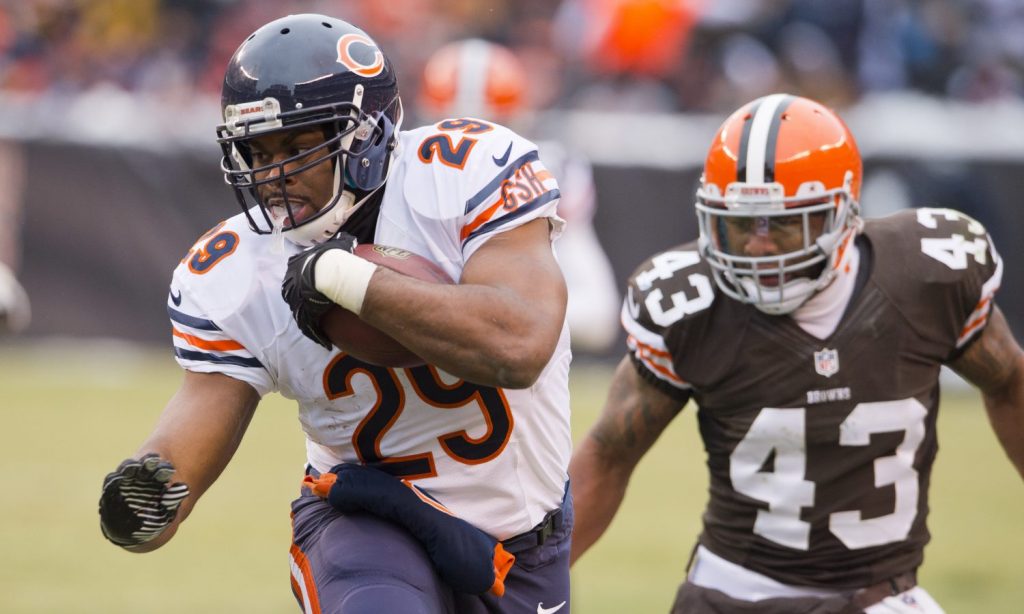
“Former NFL running back Michael Bush was alarmed and bewildered in late September when Drug Enforcement Administration agents cornered him as he was walking his dogs, but he said he knew what to do.
He’s one of the most recognizable athletes of the past 20 years to come out of the city of Louisville…
Bush is over 6 feet tall and built like a former professional athlete. There aren’t many people who look like him in his Louisville neighborhood, he said. But that didn’t help him on Sept. 30 when he was confronted by the DEA.”
Photo by Jason Miller/Getty Images
The DEA?? The Drug Enforcement Administration is a federal agency!!!
“It was around 1 p.m., Bush said, when he decided to take his dogs for a walk before a 2:30 p.m. business meeting. He’d walked around the block and down an alley near his home when all of the sudden, he said, three cars rolled up.
“‘Unmarked police’,” Bush said this week, recounting the incident. ‘They start to grabbing and reaching — you know, ‘Hands behind your back’ — and I’m like, ‘Nah, you all got the wrong dude today. This ain’t going down this way.’
“‘I’m like ‘What, did somebody call you all?’ They said ‘No, you fit the description.’ Of who? Of what? There’s nobody in this area that looks like me. There’s nobody in this area that’s built like me.’
“Bush was near his Louisville home. He hadn’t brought along an ID for what was supposed to be a quick stroll around the block.
“‘I was like, ‘You need to Google this name,'” he said. “‘Do whatever you all need to do. Talk to somebody, because it ain’t me.’”
“The people who’d confronted him weren’t with Louisville Metro Police, Bush said he later learned. They were with the DEA. And after their brief encounter, they left without identifying themselves.”
Photo by Mark Wilson/Staff/Getty Images
For Fiscal Year 2019, the DEA had a budget of over $3.1billion, and over 10,000 employees, and they were looking for a big, black guy in an alley and mistook a local football hero for someone who was supposedly armed and dangerous.
But who was really “armed and dangerous?” It wasn’t Mr Bush.
Ms. Taylor’s tragic death was the result of an incredibly botched local police raid, and the outrage that has provoked — especially in the African American community — is perfectly understandable. However, what happened to Mr. Bush might be even more disturbing at a national level, even though no one was injured.
Do Americans really want three cars full of federal agents stopping people in alleys because they think someone looks like someone?
Does someone have to get killed for Americans to see how dangerous the Drug War is to everyone?
Cannabis stocks have been red-hot following Tuesday’s election. The skyrocketing marijuana group has been led by Aurora Cannabis Inc., which is up 135% in the past two days alone.
Voters in New Jersey, Arizona, South Dakota and Montana legalized recreational marijuana use on Election Day, while South Dakota and Mississippi also legalized medical marijuana.
The new state cannabis laws will expand the legal U.S. marijuana market, but the massive moves in weed stocks suggest something may be brewing that is much larger than the handful of states that voted to legalize on Tuesday.
On Thursday, DataTrek Research co-founder Jessica Rabe said there are three big-picture takeaways for cannabis stock investors from Tuesday’s election results:
One in three Americans now lives in a state in which recreational marijuana is legal. Not only has the latest vote expanded the number of legal cannabis customers, Rabe said it has also applied significant pressures to neighboring states not to follow suit and not miss out on the business opportunities and tax revenues.
Cannabis legalization is no longer a “blue state” phenomenon given marijuana measures passed easily in the conservative states of South Dakota, Montana and Mississippi. While more than three out of four Democrats support cannabis legalization, recent polls have found that slightly more than half of Republican voters now support it as well.
Even though it appears likely Republicans will maintain control of the Senate, voters in the red states mentioned above are sending a clear message to Washington that cannabis legalization is an increasingly bipartisan, national issue.
“The more states that legalize recreational marijuana — especially populous ones like New Jersey (8.9 million people) and Arizona (7.3 million) this election — the more pressure it puts on the federal government to address the issue,” Rabe said.
The ultimate prize for cannabis stock investors isn’t adding a handful of new U.S. states to the mix every few years. The catalyst that could completely change the industry is full U.S. federal legalization, and investors seem to see Tuesday’s election results as potentially bumping up the timeline for that outcome.
ICYMI: Here are the headlines making news this week on The Fresh Toast.
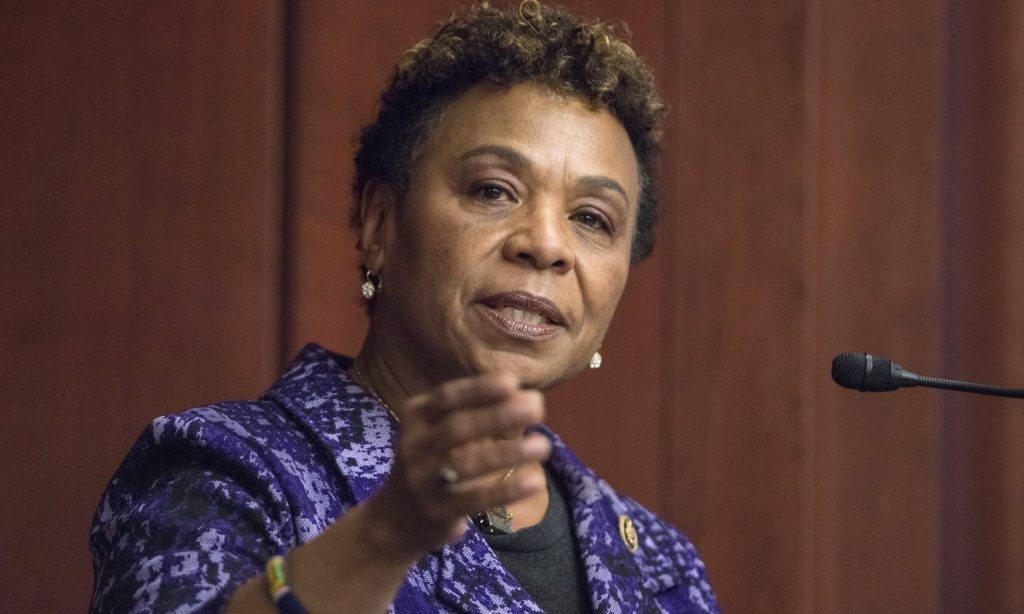
The means of commercially producing, selling, and profiting from cannabis are, so far, incredibly concentrated in the hands of white business owners; “The American people have made their feelings known—over 30 states have some form of legal cannabis. This is not a taboo issue anymore,” says CA Congresswoman Barbara Lee; and six months after Breonna Taylor was killed, another incident involving police in Louisville, Kentucky, occurred. Here’s why it’s important.
Let’s dive into these stories and more as we round up the top five headlines on The Fresh Toast this week:
Why Social Equity Matters For Cannabis, And What States Are Doing About It
Photo by Priscilla Du Preez via Unsplash
Let’s get one thing straight — the world needs cannabis. Even as far back as 485 BC (just about 1,500 years ago), Greek historian Herodotus described the pot- smoking rituals of ancient Scythians.
In China, archaeologists uncovered evidence of cannabis use dating back 2,500 years. When considered in this light, cannabis is a human right — and a sacred one at that.
What does all of this have to do with social equity in the cannabis industry here and now?
Exclusive Q&A With Congresswoman Barbara Lee: ‘Cannabis Is Not A Taboo Issue Anymore’
Photo by Leigh Vogel/Getty Images
It was about a year ago when the House Judiciary Committee passed H.R. 3884, the Marijuana Opportunity Reinvestment and Expungement (MORE) Act, by a vote of 24-10. The MORE Act is one of the most comprehensive marijuana reforms bills ever introduced in the U.S. Congress.
The MORE Act aims to correct the historical injustices of failed drug policies that have disproportionately impacted communities of color and low-income communities by decriminalizing marijuana at the federal level, reassessing marijuana convictions, and investing in local communities. U.S. Senator Kamala Harris (D-CA) introduced the companion bill in the Senate, now with seven Democrat Senators co-sponsoring.
Here’s What’s At Stake For Marijuana Legalization In The 2020 Election
Photo by adamkaz/Getty Images
Everything is at stake for marijuana legalization across the United States in this election. Not only do a handful of states have voter initiatives on the ballot aimed at legalizing the leaf for medicinal and recreational use, but the prospect of legalizing at the federal level has also landed in the chamber of American politics.
It all depends on how the Senate and presidential elections shake out, dictating how soon our prohibition nation becomes the Land of the Weed. But if this election is anything like times past, there are bound to be some small victories by the end of the day.
Why Prince William Didn’t Tell Anyone He Had COVID-19
Photo by Jack Hill – WPA Pool/Getty Images
You would hardly know William was sick back in April; he participated in over a dozen telephone and video call engagements during the month, including opening Nightingale Hospital Birmingham at the NEC via video on April 16 and appearing alongside Stephen Fry during a Comic Relief sketch on April 23.
A source tells The Sun, “William was hit pretty hard by the virus – it really knocked him for six.
“At one stage he was struggling to breathe, so obviously everyone around him was pretty panicked.
“After seeing medics and testing positive – which was obviously quite a shock given how fit and healthy he is – William was determined it should be business as usual though.
Does An NFL Star Have To Get Killed For The U.S. To See How Dangerous The Drug War Is?
Photo by Michael M. Santiago/Getty Images
Louisville, Kentucky got unwanted national publicity after Breonna Taylor, a 26-year-old unarmed African-American nurse , was fatally shot while she was sleeping in her apartment on March 13 by white plainclothes officers on a “no-knock” drug raid (no drugs were found).
The raid was such a fiasco legally that it still isn’t clear who was responsible for what, but because of the national publicity, Louisville has at least banned “No Knock” warrants.
So it is especially outrageous that another incident in Louisville has not been reported anywhere except for the Louisville Courier Journal, which recently reported:
“Former NFL running back Michael Bush was alarmed and bewildered in late September when Drug Enforcement Administration agents cornered him as he was walking his dogs, but he said he knew what to do.”
Some analysts predict that legal weed is on its way to becoming a $9 billion market. So, not many states — or the federal government — will not be able to ignore the economic benefits
While the federal government still considers marijuana to be a dangerous drug, the rest of America isn’t so crass. Five more states just legalized the leaf in Tuesday’s election, making it where one in every three Americans now lives in a state where marijuana is no longer bound by prohibition. But what’s next for marijuana legalization?
Some believe that such a substantial victory means that cannabis reform is poised for more progress in the coming year. We’re talking about more states with influence putting pot laws on the books and, perhaps, even a situation where Congress is finally forced to take a careful look at the issue. Although there is still a great deal of uncertainty about how this could or will shake out, you can bet there is plenty on the horizon for marijuana legalization in the United States.
One thing you can almost count on is New York finally working toward a fully legal market. Although lawmakers haven’t been able to come to terms on it for the past couple of years, New Jersey’s newfound legal status might pressure them to take another look. Voters in the Garden State overwhelmingly approved a measure on Tuesday that makes the cultivation and sale of cannabis a fully legal industry. If New York doesn’t do the same, the state will be forced to contend with interstate drug trafficking, and ultimately exhaust police resources needed for violent crimes.
New York Governor Andrew Cuomo knows this is true. He told public radio station WAMC earlier this week that he believes legislators are going to have to find the inspiration to approve pot legalization in 2021 or else. More than anything, he said, the state needs the tax revenue from the cannabis industry to help repair the economic downtrodden brought on by the coronavirus.
“I think this year it is ripe, because the state is going to be desperate for funding, even with [Joe] Biden, even with stimulus, even with everything else, we’re still going to be desperate for funding — and it’s also the right policy,” he said.
The recent cannabis victories in Arizona, Montana, Mississippi and South Dakota will also warm neighboring states to the possibility of marijuana legalization, as well. We anticipate there will be a slew of pot-related proposals introduced by state legislators in the coming months and into next year.
Photo by dvulikaia/Getty Images
But the biggest question about the future of marijuana is when will Uncle Sam make the call to legalize nationwide?
Well, that could be awhile.
Even though we still don’t know for sure who will lead the U.S. for the next four years, that’s okay. Because the outcome of the presidential election doesn’t matter much in the grand scheme of marijuana reform. Neither Donald Trump nor Biden supports the legalization of weed. Trump still thinks the issue should be left up to the states, while Biden, a hardcore drug warrior back in the day, doesn’t believe establishing a taxed and regulated system is the right way to go. Instead, he has agreed to work on some sort of decriminalization measure — one that would eliminate the criminal penalties for small-time pot offenders.
While it sounds like a good first step, it wouldn’t necessarily bring about substantial change. It would still be up to the states to decide whether to ease their pot laws. Fortunately, it’s looking like Biden is destined to become the next president of the U.S.. So we will likely hear more about his federal decriminalization plan in the next few months. Unfortunately, he might not have the clout to get it done.
Why?
We still don’t know whether the Democrats or Republicans are going to control Congress. As it stands, the Democrats dominate the House, but the battle for the Senate is a near draw. If the Republicans take control, marijuana reform will be in bad shape for the next several years. Senate Majority Leader Mitch McConnell was just reelected, and he has sabotaged every marijuana-related measure that has crossed his desk. Even if House Democrats work with Biden to decriminalize marijuana, it’s possible and highly likely that those efforts will be futile once they reach the Senate.
Photo by Bulat Silvia/Getty Images
That is unless by some miracle the Democrats end up winning control of both Houses. If that happens, we would undoubtedly see major progress for marijuana reform at the national level. It’s even possible that congressional leaders could convince Biden to go along with a more comprehensive plan during his administration. That could mean nationwide legalization before 2025.
For now, however, we wait. Regardless of what happens with the federal government, rest assured more states will get on board with legalization starting next year. Some analysts predict that legal weed is on its way to becoming a $9 billion market. So, not many states will be able to ignore the economic benefits too much longer. And by all accounts, neither will the federal government.
What’s next for marijuana legalization – a big battle for sure.
What’s next for marijuana legalization with the industry is getting bigger and the public is warming to legal cannabis.
It’s a shame that more states’ initiatives did not make it to the ballot, in most cases because of COVID-related challenges.
As I write this on the afternoon of November 5, the U.S. Presidential election is undecided with razor-thin margins separating the candidates. Some say there will be a resolution in the next day or so, others think that legal challenges and recounts could extend that for weeks.
Most cannabis industry players sought a Biden victory, though as we indicated in prior missives, there is very little daylight between Trump and Biden on the issue of cannabis legalization. What really matters is the Senate, which appears more likely than not to remain in Republican hands. This may well hamper the efforts of those seeking to end federal prohibition of weed.
The bigger news this week, of course, is that all state voter referendums on legalizing medical or adult use cannabis did pass. Arizona, New Jersey, South Dakota and Montana all approved permitting adult use of cannabis. That brings to 15 (plus DC) the number of states with legal recreational marijuana.
Mississippi and South Dakota also approved legalizing medical marijuana; yes SD did both on the same day! As a result, 36 states (plus some territories) now have legalized therapeutic use of cannabis.
Photo by adamkaz/Getty Images
It will take a bit of time for each of these states to push through legislation and regulations to implement their new programs. And it is a shame that more states’ initiatives did not make it to the ballot, in most cases because of COVID-related challenges to gathering signatures to mandate a referendum.
Many are particularly excited about the markets that will develop in Arizona and New Jersey. The Garden State, in particular, not only has a large population but its legalization is likely to yield a domino effect putting pressure on New York, Pennsylvania, Connecticut and Rhode Island to follow suit. All those states seem poised and ready to do so in the next year or two. The NY Governor’s top aide on the issue has all but promised to bring New York legislation, which did not cross the finish line in 2019 or 2020, to fruition by late spring.
There is another important location to watch: Mexico, where the legislature imminently is on the verge of approving adult use legalization. The Mexican Supreme Court ordered the action but has extended the time to act on multiple occasions. Technically we are past the most recent deadline of October 24, but the legislators are working feverishly to get the job done.
When both our North American neighbors have federally legal adult use, will the US Congress (or the next President) feel the pressure to do the same? Stay tuned.
David N. Feldman, Esq. is a partner in the boutique law firm Hiller, P.C. and is Co-Founder and CEO of Skip Intro Advisors LLC.