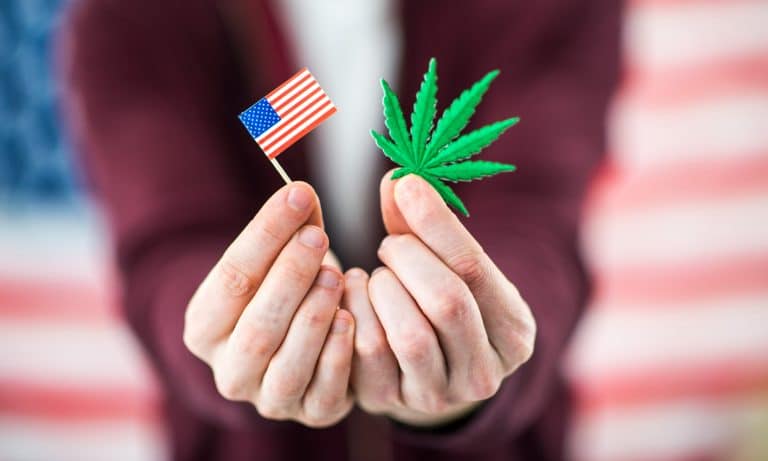
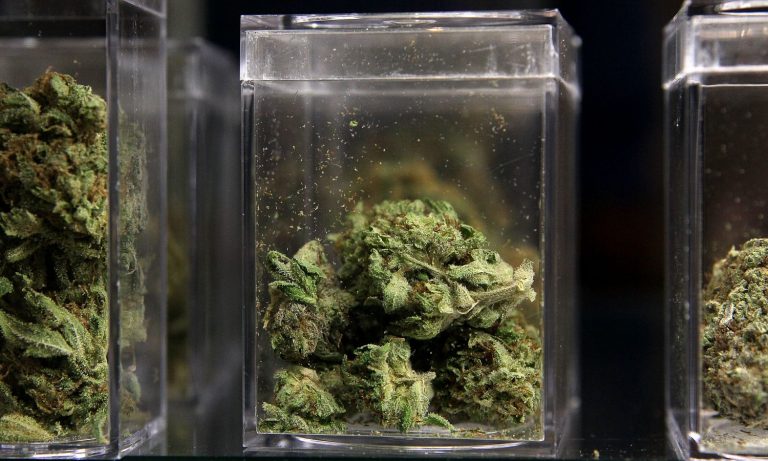
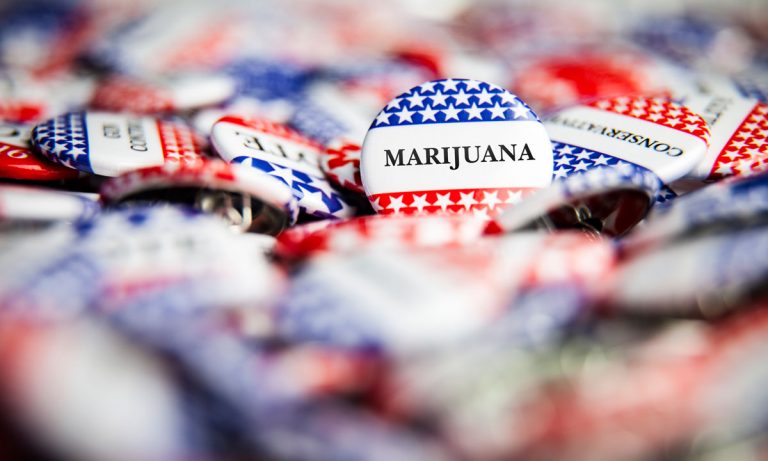
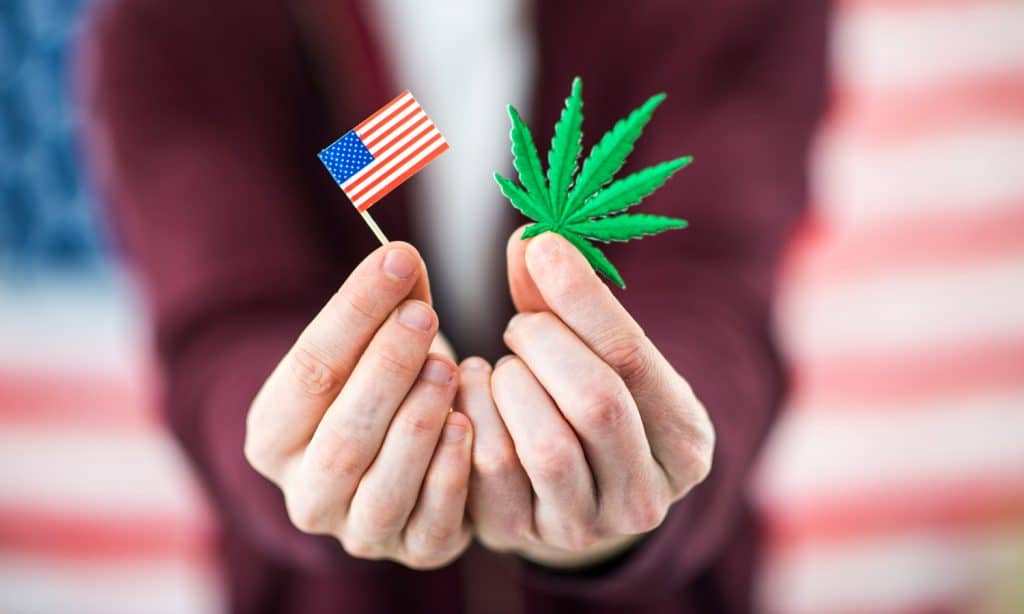
Following the latest round of state recreational legalizations, about 31% of the U.S. population will now live in states with legal access to recreational cannabis.
Cannabis stocks rebounded on Thursday after initial election disappointment on Wednesday.
Votes are still being counted, but marijuana investors don’t seem likely to get the “blue wave” Democratic sweep they had hoped for. However, state cannabis measures passed in five different states, and Joe Biden appears to be on the brink of securing the White House, opening the door for potential federal cannabis reform measures down the road.
Bullish Election Results
On Wednesday, executives from Curaleaf Holdings Inc and Green Thumb Industries Inc told Cantor Fitzgerald that the election results could ramp up pressure for federal U.S. cannabis reforms.
“Both speakers believe that under a Biden WH and Republican-controlled Senate, banking reform would pass in early 2021 and would be included in a COVID relief package (Sen. Toomey from PA will chair the Senate Banking Committee, and this is seen as a positive change vs. Sen. Crapo from Idaho),” Cantor analyst Pablo Zuanic wrote in a note.
In the longer-term, Zuanic said industry insiders are hopeful some form of legislation making cannabis federally permissible could pass following the 2022 midterm elections.
ETFMG Alternative Harvest ETFMJ 10.41% was up 5.8%.
Amplify Seymour Cannabis ETF CNBS 10.23% was up 5.4%.
AdvisorShares Pure Cannabis ETFYOLO 9.35% was up 4.3%.
Benzinga’s Take: Following the latest round of state recreational legalizations in New Jersey, South Dakota, Montana and Arizona, about 31% of the U.S. population will now live in states with legal access to recreational cannabis. But on a federal level, cannabis investors must now wait out the official results of the U.S. presidential and Senate races to eliminate the possibility of any last-minute surprises in the vote counts.
Marijuana has amassed some great wins during this year’s election. And people are celebrating far and wide. Especially on Twitter.
Say what you will about the chaos surrounding the elections, but already they’ve marked a turning point in America’s position on marijuana. No matter how conservative the state, the majority of American voters supported marijuana, suggesting that we’re entering a new phase of the conversation on a federal level.
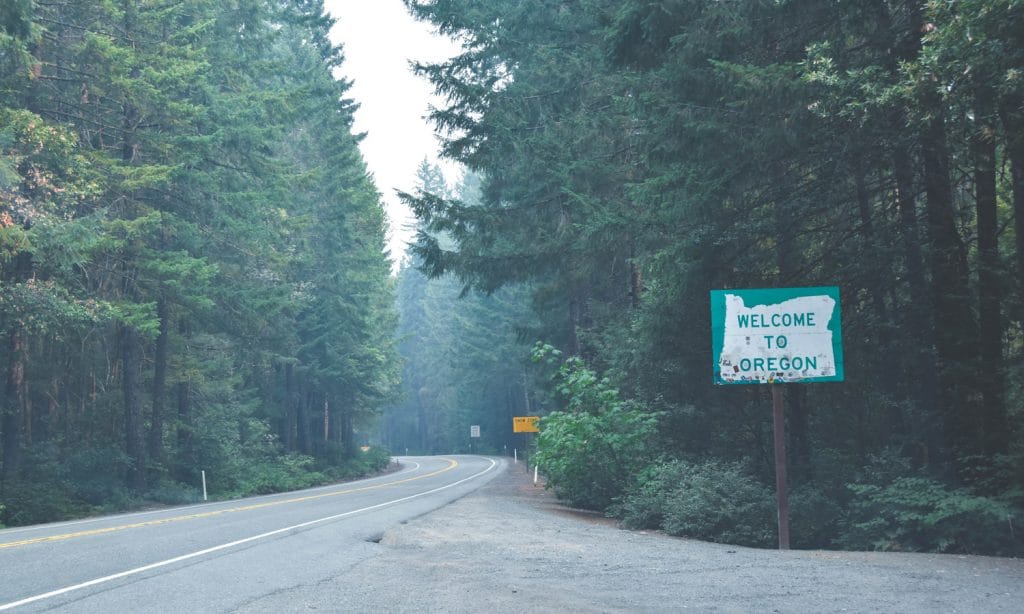
States like Arizona, New Jersey, South Dakota and Montana legalized recreational marijuana, while Oregon decriminalized all drugs, a giant step in curbing drug related arrests and changing perceptions regarding drug addiction.
Naturally, Twitter was hilariously elated. Many people, including celebrities, celebrated wins and shared hope for future victories in states that have still not legalized.
Here are some of our favorite tweets celebrating marijuana’s big win in this year’s elections:
Ongoing election results in swing states are getting under the skin of many Americans, but especially the Trump administration.
It’s been an agonizing few days for many of us, as we await election results to roll in. But it’s been especially harrowing for Trump supporters as Joe Biden’s numbers continue to creep closer to President Trump’s in swing states. A humorous note was a Trump advisor laughed at during election lawsuit hearing.
It may be why Former Trump acting Director of National Intelligence and current Trump Advisor Richard Grenell is a little bit on edge today. He lashed out at reporters who, during a press briefing this morning about alleged voter fraud in Nevada, asked a very simple question: What’s your name?
It was one of the first questions a reporter threw out as Grenell began his presser:
After he stepped away from the podium, reporters kept asking him to give his name, which is a standard query from any journalist who wants to accurately attribute information. Instead of answering, he snapped at them.
“Listen, you’re here to take in information!” Grenell shouted.
And when the press pool let out a collective laugh at his obnoxious directive, he got even angrier and demeaning, yelling, “Go do your jobs!.”
You can take a listen here:
"What's your name?!?!
Journalists try to get Ric Grenell to identify himself at the Trump campaign's Nevada lawsuit presser. He refuses to give his name, saying they're here "to take in information" pic.twitter.com/x1ururSzJK
After the press conference, NBC’s Jacob Soboroff pressed Grenell to back up his claims of voter fraud. As you can imagine, that went over well.
NBC's @jacobsoboroff chases down Trump campaign officials Ric Grenell and Matt Schlapp, pressing them for evidence of their claims of fraud in Nevada. They provide none and pile into a van.#election2020pic.twitter.com/tZlFDDQSQT
Richard Allen Grenell (born September 18, 1966) is an American political operative and public relations consultant who served as Acting Director of National Intelligence in President Donald Trump’s Cabinet in 2020. A member of the Republican Party, Grenell served as the United States Ambassador to Germany from 2018 to 2020 and as the Special Presidential Envoy for Serbia and Kosovo Peace Negotiations from 2019 to 2021. And as a Trump advisor laughed at during election lawsuit hearing for this reason.
Note: If you don’t want to give your name, maybe don’t give journalists a reason to splash it all over the news for a story that makes you look petty.
Need a cheap distraction? Here are 5 streaming services that are free and provide decent content.
If we have a surplus of anything in 2020 it’s streaming services. Options abound, and it’s a little overwhelming. Nowadays, people need to have several different subscriptions to keep up with original programming and the shows and movies everyone is talking about, which makes it easy for costs to pile up.
But there are a lot of streaming services out there that are free. Despite the fact that you have to cope with their ads, they can complement your regular Netflix and Hulu binges, giving you some variety. Here are 5 of the best free streaming services:
Containing a collection of movies and shows that are not as robust as anything a paid streamer can provide, IMDb TV can still fulfill some of your entertainment needs. The listings of movies and shows changes periodically and features more obscure content than Netflix would. Still, it’s a good option for movie lovers, since it at times has a list of films that are way better than the ones provided by Netflix and other popular streamers.
Tubi is another streamer that has movies and shows. The catch is that it also has a ton of ads. While the shows may lack some seasons of TV, their programming is deeper than the one provided by some paid services.
While not exactly free, Peacock allows you to access about a third of their catalogue by simply creating an account and a password. The service is owned by NBCUniversal, so most of their catalogue is comprised of their content.
VRV is a strange streamer, publishing written content while also giving users a catalogue of niche programming. The majority of their stuff focuses on anime, gaming and cartoons. With an account and a password, you’ll have access to thousands of programs for free. If you pay a little more, you’ll have access to more and won’t have to cope with ads.
Twitch
For people who are interested in eSports and watching people play video games, there’s no better place than Twitch. Known for its real-time gaming broadcasts and owned by Amazon, Twitch is a space where people can also upload their own videos of drawings, gaming, and more.
If you’d rather limit the amount of smoke you inhale, try one of these popular ways to ingest marijuana without filling your lungs.
No matter how safe cannabis vaping and smoking may be, there will always be people who either err on the side of caution or who don’t like the sensation of smoke or vape in their lungs.
This doesn’t mean they can’t enjoy the effects of cannabis, though. There are many ways to get lifted — some take longer than others, but also often last longer as well. Pick the method that best suits your cannabis fueled lifestyle.
Tinctures
Photo by HighGradeRoots/Getty Images
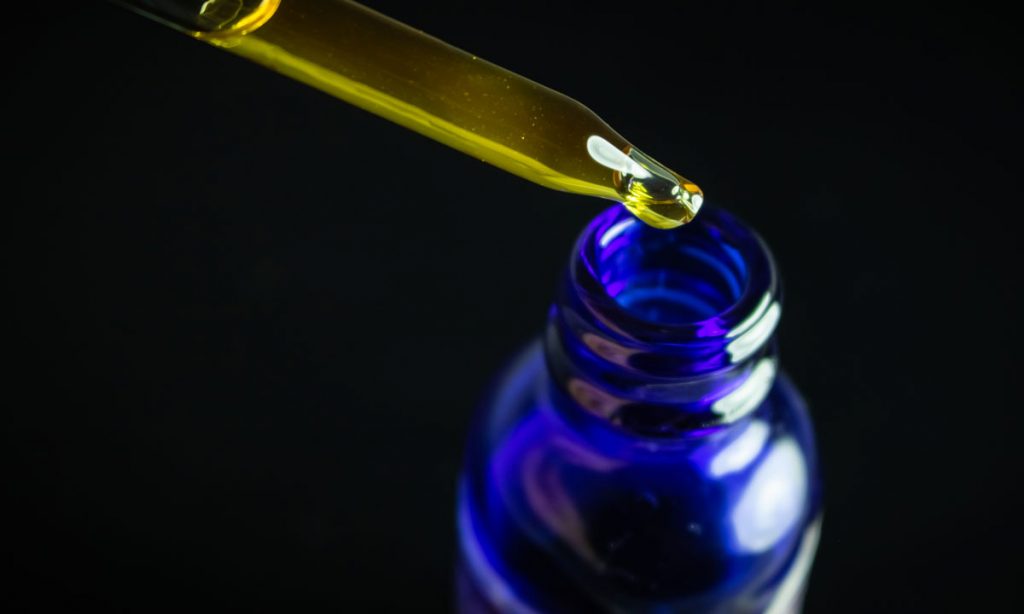
THC or CBD laden tinctures come in many different strengths, so ask your local budtender how much of the liquid should be ingested on your first go. Remember, you can always use more a little later. Some of the many beauties of using tincture is that it kicks in pretty fast, so you know where your headspace is landing and when and how much more (or less next time) to take, that it’s highly portable and discrete, it often comes in flavors that are either mild or pleasant and it typically comes with a dropper for measured dosages.
If you’re a wiz in the kitchen and like a full body high, making your own cannabis infused foods is a rewarding enterprise. You can make something as basic as pot brownies or use clarified ghee butter to really up your savory game. Use about a gram of ground cannabis flower per serving size and don’t forget to decarboxylate first. If you live near a dispensary, you can leave it to the professionals and get exact measures of cannabinoids, ratios of THC and CBD as well as a variety of flavors and textures to choose from.
Though for many the idea of inserting cannabis into the buttock is, well, not high on their list, cannabis suppositories are miracle workers for many, especially the very ill. They bypass the liver and go straight to work on ailments like liver cancer, fibromyalgia, seizure disorder and hemorrhoids. Usually about the size of the top section of a pinky finger, the usage isn’t as unpleasant as one might worry and the potent effects of the smooth, concentrated medicine are undeniable.
Transdermal Patches
“Photo by B. Boissonnet/Getty Images “
Though a slow release of THC, CBD, CBN or a combination of cannabinoids, transdermal patches deliver the beneficial parts of the plant directly to the bloodstream. They’re effective, discrete and the perfect choice for someone new to the experience of cannabinoids. The effects come on like you’re having a regular smoke sesh, but everyone passing the joint has a story to tell and getting lifted is a slow roll process. Long lasting and easy to use, the patch makes it so you don’t have to think twice about your usage while you go about your day.
Topicals
Photo by Hemptouch CBD via Unsplash
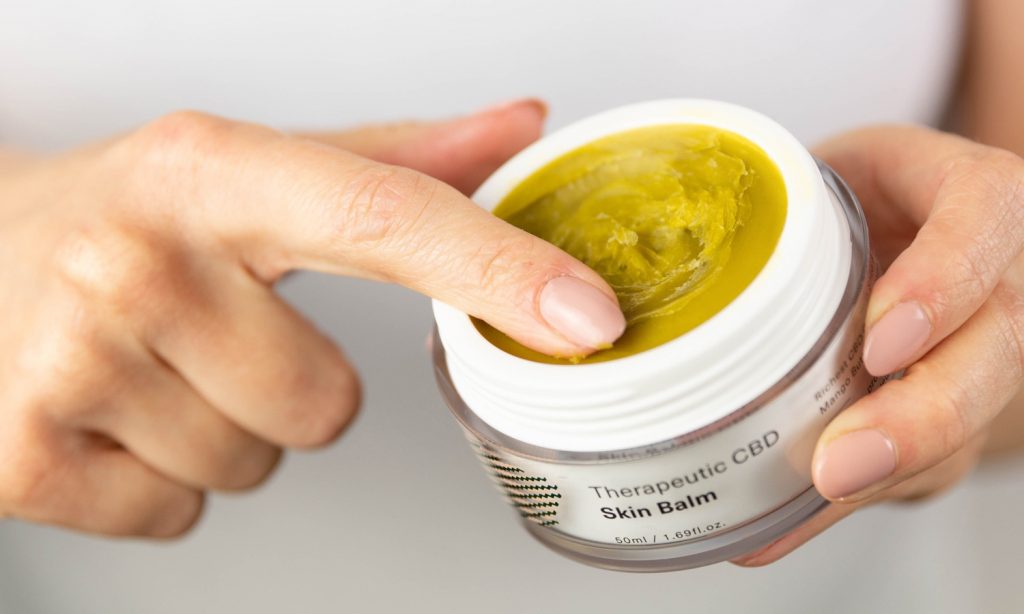
If you’re using cannabis to ease aches and pains and aren’t concerned with getting high, topicals are your best bet. Living in a legal state means that you can obtain a rub or cream with activated THC in it, which works wonders and is non psychoactive when applied topically.
CBD creams are also good and the cannabidiol goes to work on inflamed joints right away. Read the ingredients, though. Some topicals come with different herbs and additives that increase their effectiveness. Also look for the words “full spectrum” when choosing a salve, lotion or other type of topical.
Voters in Oregon have approved two measures that mark an unprecedented change in the history of U.S. drug policy.
Measure 110, which passed with 58.8% positive votes, decriminalizes the possession of small amounts of all illegal drugs. It also creates a support program for drug abuse and addiction.
The drugs included are cocaine, heroin, oxycodone, methamphetamine and LSD, among others.
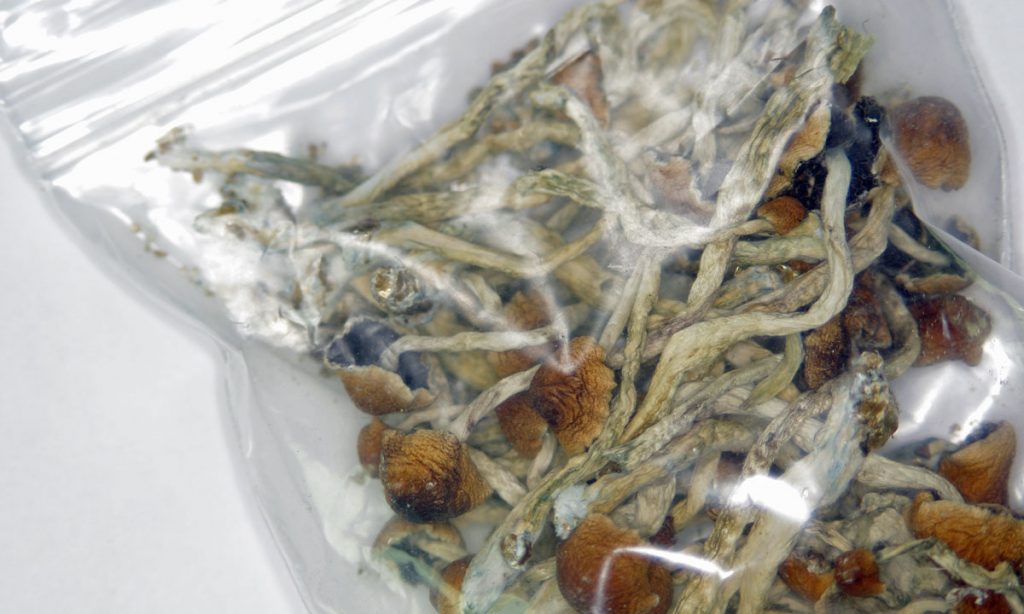
A second measure was also approved in the state, creating a program for the therapeutic use of psilocybin — the active ingredient in “magic mushrooms.”
Washington DC also voted on a similar initiative to make all psychedelic plants and fungi a lowest law enforcement priority, while five new states have passed cannabis legalization measures this election.
Photo by everett mcintire via Unsplash
Oregon Measure 110: Decriminalize All Drugs
Oregon has historically been a pioneer of progressive drug policy. The state was the first to decriminalize the possession of small amounts of cannabis in 1973. A medical marijuana program was established in 1998 and adult-use cannabis was successfully legalized in 2014.
Now, the Beaver State will reduce penalties on other schedule 1 substances.
Measure 110 decriminalizes possession of small amounts of illegal drugs including cocaine, heroin, oxycodone, methamphetamine and LSD. The idea behind the legislation is to treat drug addiction as a public health issue, removing it from the criminal justice system.
To accompany this goal, the measure creates a series of “Addiction and Recovery Centers” throughout the state, funded by tax dollars from legal cannabis sales, which would be re-allocated into a new $57 million fund.
A 2019 report by the Oregon Criminal Justice Commission noted that the state “ranks among the most challenged states in the nation for substance abuse and mental health problems, while at the same time ranking among the worst states for access and engagement with care.”
Measure 110 works by making possession of small amounts of these substances a Class E Violation, instead of a Misdemeanor. This reduces penalties to a $100 fine or the option to enlist in one of the “Addiction and Recovery Centers.”
The campaign was backed by a $500,000 donation from the Zuckerberg-Chan Initiative, a nonprofit led by Facebook Inc. CEO Mark Zuckerberg and his wife Priscilla Chan.
Under Measure 110, selling or manufacturing schedule 1 drugs remains a criminal offense.
Photo by farmer images/Getty Images
Oregon Measure 109: Legalize and Regulate Therapeutic Psilocybin
In another landmark vote, Oregon has become the first state to set up a program that regulates psilocybin, the active psychedelic ingredient in “magic mushrooms.” The measure was approved by 55.8% of voters.
The substance was scheduled by the federal government in 1970, but recent research has shown it may have very promising potential in the treatment of several psychiatric disorders including depression, anxiety, addiction and PTSD.
Until now, only smaller jurisdictions had passed decriminalization measures concerning psilocybin. These are Denver, Oakland, Santa Cruz and Ann Arbor.
While Measure 109 does not legalize the substance, which remains a Schedule 1 drug under federal law, it creates a state-licensed psilocybin-assisted therapy system.
Patients over the age of 21 will be allowed to buy, possess and use psilocybin under the supervision of trained facilitators, while manufacture, delivery and administration of the drug will be allowed at supervised, licensed facilities.
Measure 109, however, does not require participants to prove an ailment to qualify for the therapy, as psilocybin also takes part in many “spiritual” and ritual practices. This means the measure opens the possibility for an eventual adult-use market of psilocybin products in Oregon.
The measure sets up a two-year period to develop the program and put it in action.
The voters have approved all of the proposals to legalize the leaf put before them across the U.S., proving that weed is no longer a divisive issue.
While there is still a great deal of uncertainty over whether President Trump or Democratic candidate Joe Biden will actually run the country for the next four years, one thing is for sure: marijuana was the biggest winner in the 2020 election.
The voters have approved all of the proposals to legalize the leaf put before them across the United States, proving that weed is no longer a divisive issue. All we can say is it’s a brave new world out there today, friends. Welcome to it.
New Jersey
Following years of failed attempts by the state legislature, New Jersey finally put the question of fully legal marijuana on the ballot this year. And the voters turned out in overwhelming support for it too. The state’s constitution will now be amended in a way that permits the production and sale of cannabis throughout the state. It will also give adults 21 and over the freedom to buy it. But the outcome is not cut and dry. Jersey lawmakers must still pass a bill to set the new weed laws in stone. That could happen as early as this month, or, considering what we’ve seen from legislative forces in the past concerning weed, it might get dragged out indefinitely.
NORML executive director Erik Altieri is hoping for swift action, “Garden State voters spoke resoundingly. They are demanding their lawmakers end the failed policy of marijuana criminalization, and instead pursue a more sensible path of regulation and legalization.”
Arizona
Arizona voters also came out in droves to approve a measure aimed at legalizing marijuana for recreational use. The ballot measure (Proposition 207) has been greenlit, allowing adults to possess up to one ounce of weed at a time. It also gives way to a licensing system that will open the state up to retail sales. According to reports, medical marijuana dispensaries may be allowed to open up to the recreational pot crowd as early as March.
The new law also allows adults to grow up to six plants at home for personal use. It will also allow people convicted of certain pot crimes to have their records cleared by the courts. In just 24 hours, Arizona moved from some of the country’s harshest pot laws to some of the best. “Until now, Arizona had imposed some of the strictest prohibition laws in the country; in some instances, the possession of even small amounts of marijuana was classified as a felony,” said Altieri. “By rejecting this failed policy, no Arizonan going forward will be saddled with a criminal conviction for engaging in the personal possession or cultivation of cannabis, or face the lifelong stigma that comes with it.”
Photo by Stefani Reynolds/Getty Images
South Dakota
South Dakota is another state that wasn’t messing around about changing its pot laws. Voters turned out on Tuesday to support two different measures aimed at legalizing either recreational or medical marijuana. Instead of picking one, however, they voted in favor of both. Now the state must implement a commercial cannabis system and a medical marijuana program. It means that adults 21 and over will have the freedom to possess up to an ounce of weed and grow three plants at home for personal use. Those who want cannabis for therapeutic purposes will need to get a doctor’s permission to participate. The state has until next October to put the medicinal side of things into place. The recreational end could take longer.
“South Dakotans sent an unequivocal message in support of allowing patients the ability to legally access it under the advice of their physician,” Altieri said. “When operational, this program will provide lab-tested medical cannabis products to thousands of South Dakotans who can benefit from them. These patients cannot wait, and voters were right to take action to make this access a reality.”
Mississippi
While the issue seemed at first to have the odds stacked against it, the majority of Mississippi voters came out on Tuesday and said that they wanted medical marijuana. The voters had the opportunity to pick two measures — one opening a system for some 22 qualifying conditions and another for the terminally ill — and in the end, they chose the most comprehensive plan.
The new law will give patients with conditions such as cancer, chronic pain, and PTSD the ability to use medical marijuana with permission from a doctor. “Initiative 65 puts the needs and interests of patients first,” said NORML Deputy Director Paul Armentano. “This was a grassroots effort to provide patients with access to a treatment option that patients already enjoy in 34 other states and in the District of Columbia.” The state must have the program regulations in place by the summer of 2021.
Montana
Voters across the Treasure State showed up Tuesday to end marijuana prohibition once and for all. Through two separate amendments, the voters approved the production and sale of marijuana to adults 21 and over. These people will have the right to possess, use, and grow weed at home starting at the beginning of next year. “This result illustrates that support for adult-use marijuana legalization extends across geographic and demographic lines,” said Altieri. “Marijuana legalization is not exclusively a ‘blue’ state issue, but an issue that is supported by a majority of all Americans — regardless of party politics.
By approving these voter-initiated measures, Montana now joins the growing list of states that have recognized that it is time to end marijuana criminalization and move forward with a new approach.”
It’s common to gain weight when your routines change or you’re feeling stress. Here’s how to forgive yourself if you’re a little heavier than usual right now.
Food is one of the simplest ways in which we can make ourselves feel good. During this year, with a pandemic, an election, global warming and many more concerns to cope with, food is one of the simplest and most reliable sources of comfort.
Pandemic weight gain has been a much discussed topic, with people attaching cutesy names to it (such as “the COVID-19” or “the Quarantine 15”) and devising workout plans to quickly get rid of the extra weight. While intentions are good, most of these explanations don’t account for the fact that we’ve been spending more time indoors, and that some people are better at coping with this than others.
Weight gain due to COVID restrictions is a reality that’s grown into yet another source of stress for many. Still, it should be seen as what it is: a change that pales when compared to the larger stressors that surround us.
Here’s how to forgive yourself regarding your pandemic weight gain and how you can re-frame your way of thinking so that you can be as healthy and happy as you can during these weird times:
We tend to be tough on ourselves, especially when it comes to our weight. Keep in mind the year you’ve had and the circumstances that surround you. A bit of weight gain is no cause for a mental breakdown and can be lost in natural ways as long as you set realistic goals. Weight gain is nothing to be ashamed of and it’s a stressor that takes a lot of brain space that could be spent on thinking on other more productive things.
Work out for the right reasons
Photo by Julia Ballew via Unsplash
While working out is healthy and good for your physical and mental health, it’s not about compensating for what you’re eating or even about losing weight. Exercise should be done for health benefits and how good it feels to move around and achieve goals that you didn’t think were possible. Try to change your way of thinking regarding bodies and approach exercise as something joyful, not a means to an end.
Avoid relating your eating to stress and be mindful of your meals. Stay in the present and focus on the fact that food and nourishment contribute to a happy lifestyle, that eating connects you to others, and that it’s a privilege that not everyone gets to enjoy. Try to eat vegetables and plant-based foods if you’ve never been one to do so, discovering new things that you’ll most likely enjoy. Being hangry isn’t a sign you’re on the right track like some diets would have you believe.
Several states are voting on legalizing weed, not to mention federal marijuana legalization could finally come into focus.
Everything is at stake for marijuana legalization across the United States in this election. Not only do a handful of states have voter initiatives on the ballot aimed at legalizing the leaf for medicinal and recreational use, but the prospect of legalizing at the federal level has also landed in the chamber of American politics.
It all depends on how the Senate and presidential elections shake out, dictating how soon our prohibition nation becomes the Land of the Weed. But if this election is anything like times past, there are bound to be some small victories by the end of the day.
Four States Voting on Marijuana Legalization
We could see four more states with legal marijuana laws on the books at the end of this election. Arizona, South Dakota, Montana, and New Jersey are all considering proposals aimed at legalization for recreational purposes. This means legalizing pot for adults 21 and older in a manner similar to alcohol. Meanwhile, Mississippi is asking voters if people should be allowed to have cannabis for medicinal use. So, which of these jurisdictions stands a fighting chance at making legal weed a reality? Well, after some careful consideration, this is what we’ve come up with.
Arizona, which already has a medical marijuana program, tried once and failed to legalize for adult use. The voters just weren’t into this concept at the time. However, they might be ready for it now. Some of the latest polls show roughly 56 percent of the voters support legalization this time around. If we had to pick one state with the best chance, Arizona would be ranked in the top three.
South Dakota voters must consider a couple of different proposals. One aims to legalize for medicinal use. The other measure looks to take things a step further by legalizing for adult-use while also putting together a therapeutic program. It’s possible that both initiatives could receive enough votes to pass. If that happens, South Dakota would have to figure out how to implement both a system that allows people to gain access to weed for various ailments and one that lets them buy it as though it was beer. Some argue that having conflicting measures on the ballot only serves to confuse the voter. And that could sabotage both proposals by the end of the day. This is just one of the reasons that we don’t see South Dakota legalizing anything this year.
Montana also has two initiatives on the ballot this election calling for legal marijuana. They are both geared toward adult-use, yet they each have a slightly different view on how that should happen. Again, dueling ballot measures could throw the voting public into a tailspin and completely wreck any chance the state has of actually pulling it off. But the initiatives seem to have substantial support from the voting public.
We can easily see Montana going the distance this election.
After years of trying to get marijuana legalization done through the state legislature, New Jersey lawmakers finally handed it off to the voters. The state, which has had a medical marijuana program for years, is asking voters, “Do you approve amending the Constitution to legalize a controlled form of marijuana called ‘cannabis’?” If they do, the folks in charge of the medical marijuana program will have to get the adult-use system off the ground. Some of the latest polls show that two-thirds of the voters support the cause, which is why we see it passing. If it happens, the Garden State would be the largest eastern state to establish a taxed and regulated market, perhaps pressuring neighboring states to get more serious about doing the same in 2021.
Mississippi is only pushing for medical marijuana in this election. Voters will get to decide on two initiatives — one that allows patients to use weed for some 22 qualifying conditions and another exclusively for the terminally ill. It remains to be seen just how much support there is for either measure. We don’t see it happening for them this time around. But if we’re wrong and one of the proposals happens to pass, more southern states could move in this direction next year.
Photo by FatCamera/Getty Images
Federal Marijuana Legalization Could Finally Come Into Focus
Neither President Trump nor his Democratic opponent, Joe Biden, wants to legalize marijuana at the federal level. That’s the cold hard truth. Trump wants to continue putting it in the hands of states, while Biden, a hardcore drug warrior during his time in Congress, still thinks that taxing and regulating the herb like alcohol would be a bad idea. However, if there was a lesser of two evils, Biden would be it. He’s not likely to jump onboard a proposal aimed at full-blown legalization, but he has agreed to decriminalize pot possession nationwide. This would mean no more jail time for small time cannabis offenders, while black market drug dealers would continue to be prosecuted as usual.
Still, Biden is a huge let down for pot reform, especially since the Democrats are in a position to take over both the House and Senate in 2021.
Having Democratic control on Capitol Hill means that we could see a measure designed to legalize cannabis at the federal level being pushed through almost effortlessly. But if it lands on the desk of either Trump or Biden, rest assured it will never see the light of day. The only hope the cannabis community has is putting Biden in the White House and perhaps convincing him to take a more progressive position during his administration. Otherwise, it could be another four years before we advance the cannabis debate.
Meanwhile, more than 60% of the population thinks the nation should go for it. We will see just how strong we stand following election results.
“The American people have made their feelings known—over 30 states have some form of legal cannabis. This is not a taboo issue anymore.”
It was about a year ago when the House Judiciary Committee passed H.R. 3884, the Marijuana Opportunity Reinvestment and Expungement (MORE) Act, by a vote of 24-10. The MORE Act is one of the most comprehensive marijuana reforms bills ever introduced in the U.S. Congress.
The MORE Act aims to correct the historical injustices of failed drug policies that have disproportionately impacted communities of color and low-income communities by decriminalizing marijuana at the federal level, reassessing marijuana convictions, and investing in local communities. U.S. Senator Kamala Harris (D-CA) introduced the companion bill in the Senate, now with seven Democrat Senators co-sponsoring.
If Senator Kamala Harris wins her shot at vice president, it’s likely that the bill will be taken up in the Senate soon. If Harris doesn’t win, but the Senate flips to a Democrat majority, Minority Leader Chuck Schumer (D-NY) has promised to advance the bill.
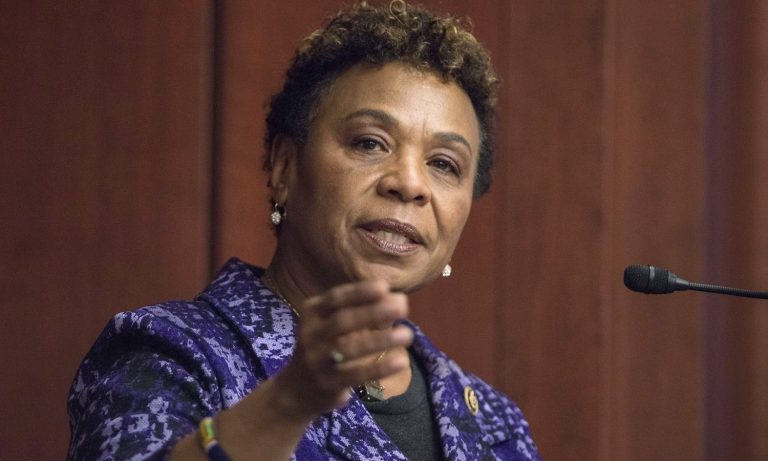
This traction for the legalization of cannabis has had the solid commitment of Congresswoman Barbara Lee (D-CA-13), who currently serves on the Budget Committee and the powerful Appropriations Committee, which oversees all federal government spending. She serves on three subcommittees (Vice Chair, State and Foreign Operations; Labor, Health and Human Services, Education; and Agriculture, Rural Development, Food and Drug Administration) of the Appropriations Committee.
“This is an incredible step forward in righting the wrongs of the failed and racist War on Drugs. The federal government has lagged behind as states continue to modernize how we regulate and decriminalize cannabis. As Co-Chair of the bipartisan Cannabis Caucus, I’ll keep pushing to ensure Congress makes our cannabis policies fair, equitable, and inclusive. I applaud Chairman Nadler for his leadership, and look forward to seeing the Marijuana Opportunity Reinvestment & Expungement (MORE) Act get a vote on the House floor.”
Photo by vladans/Getty Images
The Fresh Toast conducted an exclusive interview with her on the eve of this year’s election.
The Fresh Toast: What is your reaction to the recent statement by Minority Leader Chuck Schumer that he will push through the MORE Act immediately if/when the Democrats get a majority in the Senate? Has Schumer softened his stance about marijuana legalization over the last few years? Will his recent statement help bring more “fence sitters” into the dialogue?
Congresswoman Barbara Lee: The American people have made their feelings known—over 30 states have some form of legal cannabis. This is not a taboo issue anymore. The more members of Congress take into account the overwhelming popularity on this issue, there won’t be many “fence sitters.” This is a common sense issue of racial justice that will be solved once and for all soon enough.
TFT: What has been the source of the real resistance to the MORE Act in your opinion? Is Congress just opposed to giving any traction to any marijuana-related bill?
BL: The American people are in desperate need of relief. The House has been working with laser-like focus to deliver relief, and that’s evidenced by us passing COVID relief legislation twice in the last eight months. I have received an ironclad commitment from our leadership that the MORE Act will come to the floor by the end of the year, and I’m confident in that.
TFT: How significant is the social equity part of this bill? Do you think having that as part of the bill has given congressmen and women a sort of “cover” to support the bill? What can it do to really help end the war on drugs, in your opinion?
BL: This bill includes provisions derived from my RESPECT resolution and the Marijuana Justice Act, which would take cannabis off of Schedule 1 and develop a trust fund for more communities of color to access this multi-billion dollar industry. In this moment in history where racial justice is in the spotlight, this is exactly the kind of legislation needed to deliver restorative justice to the communities most impacted by the failed war on drugs.
Photo by Doug Berry via Getty Images
TFT: What is your working relationship with Senator Kamala Harris? Briefly describe your history with her, and your take on what she will be like as a vice president. Her MORE Act was seen as a bold step forward in marijuana legalization efforts. Is she setting the stage for more bold actions like this in the future? If so, what are they?
BL: Senator Harris has been a close friend of mine for years, and I couldn’t be prouder of her. She is a fierce prosecutor who stands strong for social justice, and as Vice President she will be no different. If the Biden/Harris ticket wins, she will inspire a whole new generation of young women of color to achieve what she’s achieved and push for radical change. I’m proud to give her my full support and I’m positive that she will continue fighting for justice if sent to the White House.
TFT: We are seeing incredible sales and tax revenue figures for marijuana in California, Illinois, Colorado and other states. How important is that to Congress as they look to help the American people recover from the economic devastation from COVID? Will that serve to give the MORE Act more traction?
BL: The American people are suffering as a result of the economic and public health catastrophe that is COVID-19. The cannabis industry, which is seen as essential in many places around the country, is one of the most lucrative and important industries in California. The House included them in our latest relief package, because the cannabis industry has had difficulty staying afloat due to their status, deeming them ineligible for federal aid. Mitch McConnell and Senate Republicans have a duty to their constituents to pass the Heroes Act and deliver for the American people. Too much is at stake.