Friday, June 19, 2026
Home Blog Page 48

Golden Globe Winner Hacks Treats Marijuana Like Normal

Some people take New Year New You to a different level – here is what you should know about cannabis and plastic surgery.

The annual Golden Globes award ceremony was held Sunday night and among the winners were cannabis. Held since 1944 to honor artists, writers and other creatives, it celebrates film, television and streaming. Founded by the Foreign Press Association, it is now run by the Golden Globe Foundation. This year, in a nod to the mainstream acceptance, Golden Globe winner Hacks treats marijuana like normal, making it an unacknowledged winner. The show, lead by the talented Jean Smart, is clever, witty and takes the mundane and is laugh out loud funny.

The HBO Max series offers a nuanced portrayal of marijuana use within its comedic narrative, reflecting evolving attitudes towards cannabis in contemporary television. The show has been cutting edge and pushed both stars into the limelight with their witty jokes and strong plot lines.

In “Hacks,” marijuana serves as a tool for character development, particularly for Ava Daniels, played by Hannah Einbinder. Ava’s cannabis use is presented as part of her lifestyle, contributing to her characterization as a young, somewhat stereotypical twenty-something writer. This portrayal aligns with Einbinder’s real-life experiences, as she has openly discussed using marijuana in her youth to counteract the effects of ADHD medication.

The show cleverly uses marijuana to highlight generational differences between Ava and Deborah Vance, played by Jean Smart. While Ava’s casual attitude towards cannabis use is representative of younger generations, Deborah’s reactions provide insight into older perspectives on the drug. This contrast serves to underscore the generational conflicts and evolution central to the show’s premise. Today, even the AARP support marijuana use.

“Hacks” incorporates marijuana into its storylines with a sense of normalcy, often using it as a source of humor. For instance, Deborah questions Ava about room service charges, revealing Ava’s marijuana-induced munchies. This approach to depicting cannabis use aligns with a broader trend in television, where marijuana is increasingly being written into storylines of both dramas and comedies.

The show also touches on the medical aspects of marijuana use. In one episode, Ava discloses her marijuana use to an ER doctor, alongside other substances. This scene, while played for laughs, subtly acknowledges the growing acceptance of marijuana as a topic of open discussion in medical settings


By incorporating marijuana into its narrative without heavy-handed moralizing, “Hacks” reflects the changing attitudes towards cannabis in society and media. This approach contrasts sharply with earlier television depictions of marijuana, which often portrayed it in a negative light or as the subject of “very special episodes”.
“I have a cast and crew that were sent from heaven, especially my costar, Hannah Einbinder,” Smart said while accepting the award for best performance by a female actor in a television series

Justin Trudeau’s Long Involvement With Cannabis

After 15 years as Prime Minister, he is stepping down…here is a look back on Justin Trudeau’s long involvement with cannabis.

Justin Trudeau’s journey with cannabis legalization in Canada is a story of personal experience, political conviction, and transformative policy-making. As the son of former Prime Minister Pierre Trudeau, Justin’s perspective on marijuana was shaped by a family incident involving his younger brother Michel. In 1998, Michel Trudeau was caught with marijuana during a traffic stop. Thanks to their father’s connections and resources, the charges were dropped.

This event highlighted the inequalities in Canada’s drug laws, where those with means could avoid consequences while others faced criminal records. Justin Trudeau later reflected on this, stating, “That’s one of the fundamental unfairnesses of this current system is that it affects different communities in a different way”.

RELATED: Marijuana Users Gain Less Weight Than Non-Users

Trudeau’s personal history with cannabis extends beyond family experiences. In 2013, he admitted to smoking marijuana at a dinner party in his Montreal home in 2008, after he had already been elected as a Member of Parliament. In a sign of changing norms,
the admission, while controversial, did not significantly impact his political career.

As Liberal Party leader, Trudeau campaigned on a platform of cannabis legalization during the 2015 federal election. His approach focused on regulation and harm reduction rather than economic benefits. Trudeau emphasized two main goals: minimizing underage access to marijuana and reducing criminal activity surrounding illegal marijuana trade.
After winning the election, Trudeau’s government took concrete steps towards legalization. In 2016, a task force was created to explore the issue. The following year, the Cannabis Act was introduced in Parliament, allowing for the sale and possession of up to an ounce of marijuana for anyone over.
On October 17, 2018, Canada became the second country in the world, after Uruguay, to legalize recreational cannabis nationwide. This move was seen as a bold reform, distinguishing Trudeau’s administration from previous governments. The legalization process wasn’t without challenges. Provinces were given significant responsibility for regulating sales, leading to some friction with the federal government .Additionally, Trudeau faced criticism from both supporters and opponents of legalization.

Following legalization, Trudeau’s government announced plans to create a simplified, free process for pardoning individuals with simple possession records. This move aimed to address the historical inequities in cannabis law enforcement.Trudeau’s approach to cannabis legalization reflects a combination of personal experience, pragmatic policy-making, and a commitment to social justice. By moving from prohibition to regulation, Canada under Trudeau’s leadership has embarked on a significant social and legal experiment, the results of which continue to unfold.

As Trudeau ends one chapter and starts another, he will continue to be a champion of cannabis.

Sherry Is Becoming A Thing Again

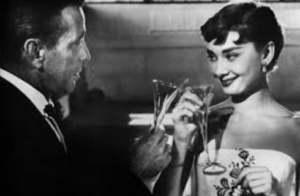
Once seen only in black and white movies, sherry has now become a star in the craft cocktail scene.

Once seen only in black and white movies, sherry is becoming a thing again. From the fortified wine from Spain’s Jerez region, it is experiencing a renaissance in North America, particularly among younger consumers and wine enthusiasts. This resurgence is reshaping the perception of sherry and driving growth in the market.

RELATED: Marijuana Users Gain Less Weight Than Non-Users

The traditional image of sherry as a drink for older generations is rapidly changing. Young people in the US are increasingly embracing sherry, with consumption on the rise. This shift is particularly evident in the on-trade sector, where sherry’s popularity is growing in tandem with the increasing number of tapas bars and improved knowledge among sommeliers and restaurateurs.
The sherry wine market is showing promising signs of growth. Projections indicate a growth rate of 10.2% from 2025 to 2030. This growth is attributed to various factors, including the increasing popularity of sherry as an accompaniment to meals and its perceived health benefits.

While sweet sherries have long dominated the US market, there’s a growing interest in dry styles among younger consumers. This trend is part of a broader shift in consumption patterns, with drinkers becoming more adventurous and seeking out diverse flavor profiles. The movement towards dry sherries is seen as a positive development for the category’s long-term prospects.

Sherry’s versatility in food pairing is attracting attention from sommeliers and food enthusiasts. Plus, with the continued raise of craft beverage, sherry has been a rising star in cocktail scene, introducing it to a new audience of mixology enthusiasts.

The perceived health benefits of sherry is also buzzing as Gen Z and younger Millennials are switching to less harmful products. This gave rise to the California Sober movement. Sherry contains antioxidants called polyphenols that may help control cholesterol levels. Polyphenols may prevent the oxidation of low-density lipoprotein (LDL), which is associated with heart disease. Sherry may also increase the body’s production of high-density lipoprotein (HDL) cholesterol, which is associated with longevity and a decreased risk of coronary artery disease.

If you want to try sherry, here are some tips. The correct way depends on the type: dry sherries like Fino and Manzanilla should be served chilled in a small glass, while sweeter sherries like Pedro Ximénez can be enjoyed at room temperature or slightly warmed;generally, a white wine glass is preferred to fully appreciate the flavors, and it’s best to serve sherry with food, particularly tapas for drier styles and richer dishes for sweeter options.

Chef Justin Khanna has worked in some of the top restaurants in the world and keeps his fingers are trends shared “Enjoying a well-made Sherry with food feels like spending time with most interesting person at a party. The versatility too makes it a stand-out as an ingredient in a cocktail, featured as part of a wine pairing in a tasting menu, or simply sipped over ice at the start of a meal. It’s high time that Sherry gets a rise in popularity, especially without the hefty price tag of other spirits.”

Can Cannabis Help Your Dry January

Dry January is increasing popular, but can cannabis help make it not seem so long?

Since it premiered in 2013 in the UK, it has grown increasingly popular. It received a boast  after the covid pandemic when alcohol consumption and sales increased exponentially. The trend has stuck around though, thanks to younger generations. Alcoholhelp.com says 35% of Gen-Z aged 21-24 practiced Dry January in 2024.  While it is known alcohol it is not healthy, taking a 31 day break can be difficult. Can cannabis help your Dry January?

RELATED: Marijuana Users Gain Less Weight Than Non-Users

Cannabis can serve as an effective substitute for alcohol during the month, providing relaxation and social lubrication without the negative impacts associated with drinking. Many individuals find that cannabis helps them unwind after a long day, much like how they might have previously used alcohol.  Oils, gummies, and vapes tend to be the healthiest options to avoid lung damage or extra pounds.  Microdosing has become increasingly popular also.
The US Is About To Be Sandwiched Between Two Countries With Legal Weed — Is It Next?
Photo by Carol Yepes/Getty Images

For those experiencing alcohol cravings during Dry January, cannabis may help. It can assist in managing withdrawal symptoms such as anxiety and nausea, making the transition to sobriety more manageable. While some may worry you are trading bad habits, marijuana’s effect on the body is less damaging.

Cannabis, particularly strains high in CBD, can offer a sense of relaxation similar to alcohol but without many of the adverse effects. It’s a natural way to de-stress and wind down, helping participants navigate the challenges of abstaining from alcohol..

RELATED: Holiday Hangover? Here’s How To Stop It Before It Strikes

Cannabis can enhance social interactions without the negative impacts of alcohol. Some strains can provide an energy boost and mental clarity, helping users navigate social events more comfortablyCannabis and hemp are great substitutes for house parties or on a Friday night. These products come in various flavors and can provide a refreshing experience without compromising on taste or effects.

The California Sober movement has become popular, especially among Gen Z. It recongizines marijuana is a healthier alternative to booze. Additionally, it is far less addictive than alcohol, with alcohol use potentially resulting in significant and potentially fatal physical withdrawal, which is not observed with marijuana.  As a sign of the benefits it brings, legal cannabis sales usually tend to spike in January.

New Year New Cocktails To Try

Now is the time to introduce something new and fresh to your drink menu – try out these new cocktails!

January is the time to introduce new things into your life.  While 80% of those who join gyms drop out in 3 months, other habits tend to continue. Taking a break from social media is another popular resolution along with drinking more water. They are easier to implement.  But if you are already enjoy a cocktail or two – why not resolve to try new ones?  Here are some New Year new cocktails to try and expand your palate.

RELATED: Beer Sales Flatten Thanks To Marijuana

Brazen Hussy

A hussy is awoman who behaves in a disrespectful or inappropriate way or who has many casual sexual relationships. Sounds like the perfect drink to start 2025.  Bold, sassy, and potent!

Ingredients

  • 1.5 ozs vodka
  • 1.5 ozs triple sec
  • Fresh lemon squeeze
  • Lemon wedge

Create

  • Combine ingredients in a mixing glass and add ice
  • Stir for 20 seconds
  • Strain into a rocks glass with ice
  • Garnish with lemon wedge

Zombie

This drink will put you on another plane. Taken from the Caribbean traditions of rum and voodoo, this Zombie lives up to all expectations.

Ingredients

  • 1 oz dark rum
  • 1 oz light rum
  • 1/2 oz golden rum
  • 1.2 oz apricot brandy (or any brandy in a pinch)
  • Juice form 1/2 lime
  • 1 teaspoon Grenadine
  • 1/2 pineapple juice
  • 1/3 oz overproof rum
  • 1/2 simple sryup
  • Pineapple wedge for garnish

Create

  1. Combine all ingredients except overproof rum and pineapple wedge in shaker
  2. Add ice
  3. Shake until well mixed
  4. Pour into tall highboy without straining
  5. Using the back of a spoon, float the overproof rum on top
  6. Add pineapple wedge for garnish

Lady of Leisure

January is the time to return to work….won’t it be great to be a lady (or lord) or leisure?  Here is a drink which is indulgent, delicious and tasty. Feel like the 1% with one of these.

Ingredients

  • 2 oz vodka
  • 1/2 oz raspberry liqueur
  • 1/4 oz Cointreau
  • Dash on lemon juice
  • Orange twist

Create

  1. Combine all ingredients in shaker with ice
  2. Shake for 20 seconds
  3. Strain into a martini glass
  4. Garnish with organza twist

RELATED: Rainy Weather Cocktails

Gin & Sin

Everyone is so “good” in January – exercising, starting healthy habits, reading more, trying to “lean in”….why not break the trend with this Gin and Sin.  Embrace your own path.

Ingredients

  • 2 ozs gin
  • 1/2 oz orange juice
  • 1/2 oz lemon juice
  • 1 teaspoon grenadine
  • Orange slice

Create

  1. Combine all ingredients in a shake with ice
  2. Shake vigorously
  3. Strain into martini glass
  4. Garnish orange slice

Have a great holiday season!

How Long Does Marijuana Stay In Your System

It is a quiet question people want to know – how long does cannabis stay with you

The most common reason a police officer pulls a car over is speeding. Exceeding the posted speed limit is considered the primary reason for traffic stops by most law enforcement agencies. But once pulled over, the officials can asks for tests.  Also, many companies (including parts of the federal government) still conduct drug testing. Marijuana’s presence in the human body can be detected for varying lengths of time, depending on several factors. Understanding how long does cannabis stay in your system is crucial for both medical and legal reasons.

RELATED: Marijuana Users Gain Less Weight Than Non-Users

There are a variety of factors in play which determines how long cannabis is in your system. THC, the primary psychoactive component in marijuana, is metabolized by the body into various compounds. Some metabolites have half-lives of 20 hours, while others can last 10-13 days. Complete elimination can take between five and 65 days, depending on individual factors.
Different drug tests have varying sensitivity levels and detection windows. Urine tests are the most common and can detect marijuana use from a few days to over a month after last use. Blood tests are less common (and more expensive) but can indicate recent use, making them useful for situations like DUI cases.

green leaf plant

Like alcohol, there are a variety of factors which goes into how long it can stay in your system. Alcohol can stay in your system from 12-48 hours. Edible marijuana products can stay in your system longer due to the way they’re metabolized. A 10mg THC edible can remain detectable for 4-12 hours, with higher doses potentially extending this timeframe.

The variables influence how long marijuana remains in your system include:

Frequency of Use: Chronic users retain THC longer than occasional users. First-time users may clear THC in about 3 days, while daily users could test positive for up to 30 days or more.

THC Concentration: Higher potency marijuana leads to longer retention and slower elimination.

Body Composition: THC is fat-soluble, so individuals with higher body fat percentages may retain it longer.
Metabolism: A faster metabolism tends to eliminate THC more quickly.
Hydration: Proper hydration can influence the rate of THC elimination.
Genetics: Some individuals may be predisposed to metabolizing marijuana more quickly or slowly.
Consumption Method: Inhaled marijuana reaches the bloodstream faster than ingested forms.

The duration marijuana stays in your system is highly variable and depends on numerous factors. While casual users may clear THC relatively quickly, frequent users can test positive for weeks after their last use. Understanding these factors can help individuals make informed decisions regarding marijuana use, especially in contexts where drug testing may occur.

What To Know About Marijuana And Plastic Surgery

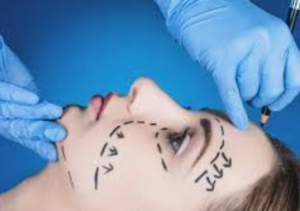
Some people take New Year New You to a different level – here is what you should know about cannabis and plastic surgery.

New Year resolutions are a thing for some people. There is a huge rush in fitness, but roughly 80% of new gym goers who join in January quit within five months.  Some go another route with a new haircut, embracing the “I only keep what brings me joy”, and others go for a more permanent change. The holidays, especially post Christmas, are the busiest time of year for cosmetic enhancements. There were over 26 million cosmetic and reconstructive plastic surgery procedures performed in the US in 2022. This represents an increase of 19% from 2019. As cannabis is becoming increasing popular, in some cases it replaces alcohol and tobacco, here is what to know about marijuana and plastic surgery.

Florida has the most plastic surgeries per capita followed by California, New York and Texas. Three of them having access to legal cannabis and California and New York are fully recreational. Compared to other “vices”, marijuana is less of a threat, but there are some things you need to know.

Tobacco is the worst for the skin and surgery. Smoking can cause the skin to age faster, leading to wrinkles, loss of elasticity, and pigmented spots. It can cause the skin to appear sallow, and can discolor the fingers and nails of the hand that holds the cigarette. It also makes it harder for the body to heal, which can increase the risk and recovery from   infections. 

Alcohol can make the skin puffy . Since it causes inflammation, it can slow healing and increases pain and discomfort. It can also deplete the body of vitamins and minerals needed for tissue repair. It also thins the blood, which can make coagulation after surgery more difficult. This could lead to excessive bleeding after surgery.

Cannabis can actually help the body since may help reduce inflammation including acne and hair issues. But if you are going to have a procedure, here is what you should know.

The American Society of Plastic Surgeons (ASPS) recommends stopping marijuana and CBD use for at least two weeks before and after surgery. Cannabis can reduce the effectiveness of anesthesia, potentially requiring higher doses and increasing the risk of complications.

To promote a smooth recovery and reduce risks, patients should disclose all cannabis use to healthcare providers. This would include frequency of consumption and type of product use.

Discuss with the health care profession weaning or stopping cannabis use at least 14 days prior to surgery. You should be able to resume two weeks post surgery.
Open communication between patients and healthcare providers is key to ensuring safe procedures and optimal outcomes in plastic surgery.

Fitting Marijuana Into Your Winter Arc Routine

Having a winter arc has become a fitness trend, here is how to take it up a notch by using marijuana.

The Winter Arc is a viral TikTok trend encouraging people to focus on health and wellness during the winter months. The trend is a self-improvement challenge that involves setting intentions and making changes to habits to get ahead on fitness and wellbeing goals. Incorporating marijuana into your winter arc can enhance your personal growth journey and help you navigate the colder months with greater ease and enjoyment. With shorter day and chilly temperatures, cannabis can be a valuable tool for relaxation, creativity, and self-improvement. Fitting marijuana into your winter arc routine can give you an extra boost.

RELATED: Marijuana Users Gain Less Weight Than Non-Users

Cannabis can be integrated into this process to help maintain focus and motivation. First, Dry January has a rival with California Sober. Gen Z has especially embraced the trend of replacing alcohol with cannabis.  It is healthier and helps avoid weight gain.
Consider using sativa strains like Tangie or Lemon Haze to boost energy and creativity when tackling your objectives. These strains can be particularly helpful for morning routines, providing a lift to start your day on a positive note.
Photo by Alexander Mils via Unsplash

For evening routines, indica-dominant strains like Northern Lights or Granddaddy Purple can aid in relaxation and stress relief. These strains can be excellent for winding down after a productive day, helping you reflect on your progress and prepare for restful sleep.

Don’t let the cold keep you indoors. Cannabis can enhance winter outdoor activities, making them more enjoyable and invigorating. Strains like Jack Herer or Green Crack can provide focus and energy for winter sports such as skiing or snowboarding. For more leisurely activities like winter hikes, CBD-dominant strains like Harlequin or ACDC can offer relaxation without intense psychoactive effects, allowing you to stay present and connected with nature.

RELATED: Holiday Hangover? Here’s How To Stop It Before It Strikes

Incorporate CBD-infused bath products or topicals to soothe sore muscles and dry skin. Cannabis-infused teas or hot chocolate can provide a cozy and relaxing evening ritual. These practices can help combat winter blues and keep you on track with your personal growth goals.

Use cannabis to enhance mindfulness practices like meditation or yoga. This can help you stay centered and focused on your winter arc goals. Additionally, cannabis can spark creativity, potentially inspiring new hobbies or projects that align with your personal development objectives.

Always consider health factors when using cannabis. If you’re using it for medical purposes, consult with a healthcare professional to ensure it aligns with your treatment plan.

By thoughtfully integrating cannabis into your winter arc, you can create a holistic approach to personal growth that embraces both the challenges and opportunities of the season. Whether you’re focusing on productivity, wellness, or creativity, cannabis can be a valuable ally in your journey towards self-improvement during the winter months.

Jimmy Carter Was An Ally Of The Cannabis Industry

His post presidency secured his legacy as a great humanitarian, but while president, he wa an ally of cannabis.

While Jimmy Carter legacy as a president is mixed, his actions as a former president has positioned him as a one of the great global humanitarians.  Humble, filled with common sense and a strong backbone, Carter stood for his beliefs.  Coupled with his wife Rosalynn, spent the years of his presidency working to make the world a better place.  From Habitat for Humanity to the Carter Center, who wanted to help everyday people. One of those groups were military veterans. He was the first major political to help push medical marijuana.  Yes, Jimmy Carter was an ally of the cannabis industry, and we owe him a debt of gratitude.

Jimmy Carter’s presidency marked a significant shift in the United States’ approach to cannabis policy. During his 1976 campaign, Carter endorsed the decriminalization of marijuana on a state-by-state basis, aligning with recommendations from the National Commission on Marijuana and Drug Abuse. This stance was revolutionary for its time, as eight states had already decriminalized marijuana by 1977.

Upon taking office, Carter maintained his progressive stance on cannabis. In a 1977 address to Congress, he argued that penalties for cannabis use should not outweigh the actual harms of consumption. Carter appointed pro-decriminalization advisors, including British physician Peter Bourne as his “drug czar” to head the Office of Drug Abuse Policy. Carter’s administration made concrete steps towards cannabis reform. The president supported replacing imprisonment with civil fines for possession of one ounce or less of cannabis and removing federal penalties for such possession.

Additionally, the Carter administration founded the Compassionate Investigational New Drug program in 1978, which provided federally-produced cannabis products to a limited number of patients. However, Carter’s momentum on decriminalization faced significant obstacles. Opposition came from various quarters, including law enforcement, conservative politicians, and grassroots parents’ groups . The resignation of Peter Bourne in July 1978, following controversies surrounding his alleged drug use, dealt a severe blow to the administration’s drug policy efforts.

Conservative politicians, such as future president Ronald Reagan, used their platforms to attack Carter for being “soft” on cannabis. Congress ultimately ignored Carter’s support for decriminalization, alarmed by a sharp increase in cocaine use and viewing cannabis as a gateway drug.
Despite these setbacks during his presidency, Carter has maintained his progressive stance on cannabis in the years since leaving office. In 2012, speaking to a CNN panel, he expressed support for the legalization of marijuana. He stated, “I’m in favor of it. I think it’s OK,” and suggested that states like Washington could serve as experimental grounds for cannabis regulation.
Carter’s approach to cannabis policy was ahead of its time, combining public health considerations with a more lenient stance on possession. While his efforts during his presidency were ultimately thwarted by political opposition and shifting public opinion, his continued advocacy in later years has contributed to the ongoing dialogue on cannabis reform in the United States

Start 2025 Prepped And Ready With Marijuana Microdosing

After the holidays, January is a tough with returning to a work routine and the weather…but there is something to help.

Th holiday is time of time off, festive actives and anticipation.  But starting 2 January, it is back to work and long work days, delayed projects and credit card bills, but there is good news. If you want to be focused and more upbeat, start 2025 prepped and ready with marijuana microdosing. As we look ahead, microdosing marijuana is emerging as a promising method for achieving calm and focus in our increasingly hectic lives. This approach involves consuming small, controlled amounts of cannabis to harness its therapeutic benefits without experiencing the intense psychoactive effects typically associated with larger doses.

RELATED: This Natural Cannabinoid Makes You Feel Happy

Microdosing marijuana allows individuals to fine-tune their cannabis experience, achieving a delicate balance between sensory enjoyment and therapeutic benefits while minimizing unwanted side effects. By opting for carefully calibrated doses, users can maintain focus and functionality throughout the day, making it an ideal choice for work or other daily tasks.

Best Ways To Make The First Part Of The Week Positive

One of the key advantages of microdosing is its potential to alleviate anxiety and stress while promoting relaxation. Studies have shown that low doses of THC can dampen negative emotional responses without significantly impacting performance. This subtle effect can help individuals navigate stressful situations with greater ease and maintain a sense of calm throughout their day.

For those seeking to enhance their productivity and creativity, microdosing marijuana may offer a unique advantage. Some tech workers have reported that small doses of cannabis provide a creative edge, potentially boosting mental functioning and innovative thinking. While more research is needed to confirm these effects, many users find that microdosing helps them maintain focus and clarity without the distracting “high” associated with larger doses.

RELATED: Holiday Hangover? Here’s How To Stop It Before It Strikes

Each year the cannabis industry continues innovations in microdosing products and delivery methods. Precise dosing options, such as low-THC edibles, vapes, or concentrates, will make it easier for users to find their optimal microdose and maintain consistency in their regimen.

It’s important to note that the effects of microdosing can vary from person to person, and finding the right dose may require some experimentation. Generally, microdoses range from 1 to 5 mg of THC, depending on individual tolerance and desired outcomes.

As always, it’s advisable to consult with a healthcare professional before incorporating microdosing into your wellness routine. By offering a more subtle and controlled approach to cannabis consumption, microdosing may help individuals navigate the challenges of modern life with greater ease and clarity

Don't Miss Your Weekly Dose of The Fresh Toast.

Stay informed with exclusive news briefs delivered directly to your inbox every Friday.

We respect your privacy. Unsubscribe anytime.