Saturday, December 13, 2025
Home Blog Page 5

The Inconsistency About Cannabis And Guns

Exploring the inconsistency about cannabis and guns, where freedom for firearms clashes with outdated marijuana laws

In the ongoing culture‑war of American politics, few issues highlight the contradictions within the conservative, pro‑Second Amendment world quite like the pairing of gun ownership and marijuana use. the inconsistency about cannabis and guns makes for odd political alliances.

On the one hand, many on the Right argue vigorously that the individual right to keep and bear arms must be protected from government infringement. Yet on the other, that same political cohort often supports strict federal prohibitions preventing lawful — and even state‑legal — cannabis users from purchasing firearms. By contrast, alcohol use, which is legal nationwide, is rarely treated as a disqualifier for gun ownership despite strong associations with firearm violence. That contrast raises questions about consistency, principle and policy.

RELATED: Immersive Events Redefine Millennial Nights

Here are some of the relevant statistics:

  • According to the Centers for Disease Control and Prevention (CDC) and the Substance Abuse and Mental Health Services Administration (SAMHSA), in 2024 about 22.3 % of Americans aged 12 or older (roughly 64.2 million people) reported past‑year marijuana use.

  • Meanwhile, alcohol remains more widely used: in 2024, approximately 134.3 million Americans aged 12 or older reported past‑month alcohol use.

  • On firearms and substance risk: Alcohol misuse is documented to elevate the risk of firearm injury or death through homicide, suicide or unintended injury. For example, one advocacy page reports that alcohol misuse accounts for more than 140,000 deaths annually in the U.S. and that introducing firearms to alcohol‑misuse situations increases serious injury or death risk.

Will the Supreme Court Hear Litigation To De- Or Re-Schedule Marijuana?
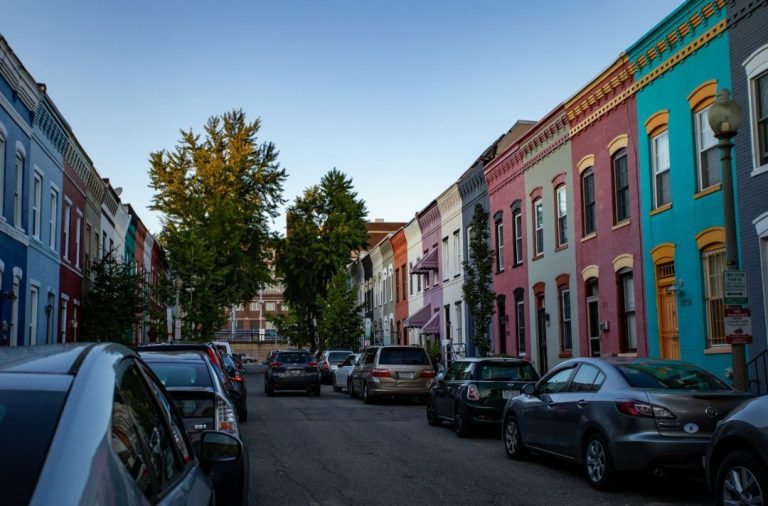
Photo by Claire Anderson via Unsplash
  • By contrast, cannabis incident data tied to firearms (for example, use of marijuana plus gun‑possession) are far less publicly quantified, though one Hawaii report found that of some 23,528 firearm permit applications, 519 (~ 2.2 %) were denied — and of those, 211 (~ 40.7 %) were due to the applicant’s status as a medical‑marijuana patient.

What emerges: legal alcohol is widespread, common among gun‑owners, and strongly implicated in firearm‑related violence; cannabis is increasingly used, often legal at the state level, but its users are often precluded from gun rights under federal law.

At the federal level, under the Gun Control Act of 1968, 18 U.S.C. § 922(g)(3) prohibits any person who is an “unlawful user of or addicted to any controlled substance” from possessing a firearm. Because cannabis remains a Schedule I controlled substance federally, state legal‑use does not override the restriction.

In recent years, courts have challenged this blanket prohibition. For example:

  • The Fifth Circuit Court of Appeals has held that applying § 922(g)(3) to someone who uses marijuana but isn’t intoxicated at the moment may violate the standard set in New York State Rifle & Pistol Association v. Bruen (2022) because firearm regulations must be consistent with historical traditions.

  • The Eleventh Circuit Court of Appeals ruled in August 2025 that medical‑marijuana users in Florida had plausibly alleged that the federal prohibition violated their Second Amendment rights.

  • And the Supreme Court of the United States has agreed to review whether regular marijuana users can legally own guns, with arguments expected in early 2026.

Thus, the legal collision is clear: dozens of states permit adult‑use or medical cannabis; federal law bans gun ownership by cannabis users; and courts are now reconsidering the constitutional footing of that ban.

RELATED: The Connection Between Country Music And Cannabis

From the vantage of many conservative advocates, gun rights are sacrosanct: the individual right to own firearms for self‑defense, deterrence of tyranny, and personal liberty. Meanwhile, proponents of cannabis reform argue that legal adult‑use meets the same liberty standard — and yet those who support gun rights often also support or accept federal cannabis prohibition that strips gun rights from users, even when state‑legal.

The contradictory posture arises when one considers: if gun ownership is a fundamental individual right irrespective of political views, why exclude lawful adults simply because they also use cannabis? Especially when alcohol use, far more prevalent and demonstrably tied to firearm violence, does not (in most cases) lead to automatic loss of gun rights. That asymmetry suggests an underlying value‑judgment: alcohol is socially accepted (and taxed) despite risk; cannabis is socially stigmatized even as laws evolve. The Right’s selective focus — defending guns fiercely while accepting restrictions for cannabis users — raises questions about consistency of principle.

This contradiction has real‑world consequences: legal ambiguity for millions of Americans, a patchwork of state laws vs. federal restrictions, and potential erosion of trust in institutions when liberty claims are applied unevenly. For the Right’s long‑term credibility on individual rights, the question becomes: can you credibly champion “freedom to keep and bear arms” while endorsing a regime that denies that freedom to law‑abiding adults because of a behavior (cannabis use) that’s legal in many states?

In short: to claim consistency, the pro‑gun conservative movement must either defend gun rights across the board(including for cannabis users) or explain why this particular group is different. Until then, the contrast between alcohol, cannabis, and firearms under the law remains a striking example of “rights for some, restrictions for others.”

Making Your Cannabis Dollars Stretch During The Shutdown

Learn how to save and make your cannabis dollars stretch during the shutdown

As the government shutdown drags on, its effects are rippling far beyond the halls of Washington. Federal workers face unpaid leave, small businesses see delayed contracts, and everyday Americans are feeling the pinch as essential services slow. Grocery prices have risen and rent, gay and utilities bills remain fixed so many people are finding creative ways to stretch their income.  Here is some help in making cannabis dollars stretch during the shutdown.

RELATED: How Marijuana Can Heighten Intimacy With Your Partner

Marijuana use has gained in popularity and has started replacing alcohol.  Cannabis consumers aren’t immune to economic pressures. With dispensary prices steady or slightly rising, maximizing the value of each purchase has become a priority. Thankfully, there are several strategies to help your cannabis last longer without sacrificing the experience.

Photo by 2H Media via Unsplash

Here are some practical ways to save money while still enjoying a buzz.

Consider a Vape
Vaping cannabis is often more efficient than smoking. Vapes heat the flower to a temperature that releases cannabinoids without burning the plant material, meaning you can use less for the same effect. Portable vapes also let you microdose throughout the day, giving a longer-lasting, controlled experience.

Microdosing for Maximum Impact
Instead of large sessions that burn through your stash, try microdosing — small, measured amounts of cannabis that provide subtle effects. Microdosing not only extends your supply but can enhance focus and creativity without overwhelming sedation. Millennials, in particular, are embracing this approach as a mindful way to enjoy cannabis while staying productive.

Mix Methods
Combine concentrates with flower. Adding a small amount of concentrate to your joint, bowl, or vape session can boost potency without needing extra flower. This “stretching” method is popular among budget-conscious cannabis users.

RELATED: The Connection Between Country Music And Cannabis

Store It Right
Cannabis loses potency when exposed to light, heat, or air. Use airtight containers, store in a cool, dark place, and avoid excessive handling. Proper storage ensures every gram remains effective longer.

Explore Infusions and Edibles
If you legally have access to cannabis-infused products, these can offer longer-lasting effects than smoking alone. A little goes a long way, and dosing carefully can make your purchase last days instead of hours.

While the government shutdown may be causing economic stress, savvy cannabis users are finding ways to enjoy their favorite plant responsibly and cost-effectively. By embracing vapes, microdosing, and smart storage, you can make every gram count — and keep your wallet and your high happy.

Hemp Is Being Helped By GOP Senator

Hemp is being helped by GOP Senator Rand Paul, boldly tying government funding to hemp’s survival

In a surprising twist of Senate strategy, hemp is being helped by GOP Senator. Randy Paul has positioned himself as the unlikely champion of hemp — threatening to keep the federal government shutdown alive unless protections for the industry are secured. With the Republican Party controlling the White House, the Senate and the House of Representatives, this move shows how intra-party battlegrounds can shape policy and put unexpected players into the spotlight.

RELATED: Immersive Events Redefine Millennial Nights

With Republicans holding the presidency oand congress, the GOP nominally holds the power to end the shutdown. But power isn’t the same as unity. While GOP leaders are pushing to fund the government, the details of what gets included in the continuing resolution remain hotly contested. Sen. Paul has effectively leveraged that dynamic by tying the fate of government-funding legislation to the fate of hemp policy.

Hemp Is Being Helped By GOP Senator

Paul warned that unless the hemp industry’s interests — particularly around hemp-derived THC products — are expressly protected, he may withhold his support for bringing the government back online. According to industry coverage, he’s told leadership that “we can do this the easy way or the hard way. The easy way is I give my consent, and the hard way is I don’t.” The result: a fresh sense that even with unified Republican control, the party must manage internal dissent if it hopes to reopen the government.

Back in 2018, the Hemp Farming Act of 2018 (part of the larger Farm Bill) removed hemp — defined as cannabis sativa with less than 0.3 % THC — from Schedule I drug status, opening the door for industrial uses and new product development. Since then, the hemp industry has evolved far beyond fiber and seed. Now, hemp-derived cannabinoid products — including gummies, beverages, extracts and even low-dose THC items — have flooded the market, gaining significant consumer traction.

One of the key sticking points in Washington is the proposed language in appropriations bills that would redefine “hemp” by eliminating any “quantifiable amount” of THC or THC-adjacent cannabinoids. The industry argues that such a definition would effectively bury the current hemp-derived products sector. Paul, fending for his state’s hemp farmers, said a tighter definition would “devastate” Kentucky’s hemp economy.

RELATED: The Connection Between Country Music And Cannabis

It’s not just niche farms anymore. Hemp-derived products are moving into mainstream retail channels and becoming a consumer trend. For instance, Total Wine & More now features hemp-derived THC beverages and other innovative hemp products on shelves, marking a signifier of how widely accepted the category has become. Retail articles highlight that “mainstream retailers like … Total Wine … are joining the THC Beverage Retail Revolution, signaling that hemp-derived cannabis drinks have officially entered the mainstream.” The combination of broad availability and elevated consumer demand helps explain why Paul is motivated to keep fighting for protections — this isn’t a fringe industry anymore.

Paul’s core demand: don’t let the appropriations process or continuing resolution sneak in language that guts hemp-derived products by redefining hemp in a way that would ban many existing products. Instead, he proposes that Congress delay sweeping changes, conduct studies, and give the industry breathing room. Marijuana Moment+1
For the hemp industry — and for retailers — the stakes are high. A ban on “any quantifiable THC” could force many products off shelves, disrupt supply chains, jeopardize investments and cost farmers and businesses tens or hundreds of millions of dollars.

Photo by traffic_analyzer/Getty Images

For younger and middle-aged consumers, this isn’t just about farmers and policy wonks. Hemp-derived products tie into wellness trends (CBD, functional beverages), alternative consumables (micro-dose THC drinks), and retail culture (finding such items in familiar stores). The mainstream move of hemp means suddenly your local beverage aisle or specialty store might carry hemp-derived options alongside other lifestyle products.
So when Paul threatens to use a shutdown as leverage, it’s more than politics — it’s about whether your next casual drink could be a hemp-derived beverage, or whether those products could vanish or shift dramatically in how they’re regulated.

As the shutdown drags on and GOP leadership wrestles internal divisions, Paul’s blockade of hemp-related changes creates a scenario where even a party with full control doesn’t necessarily have full command of the agenda. If he holds out, the shutdown could persist until either leadership makes a deal on hemp — or until Paul relents.
For hemp brands, retailers and consumers, the message is: Washington is watching. The definition of hemp, the regulation of THC-adjacent products and the channels of mainstream retail are all in flux. Millennials who have embraced hemp as lifestyle, beverage or wellness category should keep their eye on Capitol Hill — because their everyday options might hinge on how this fight resolves.

In the land of majority rule, one senator is reminding his party control doesn’t equal consensus — and the hemp industry just became the rope he’s pulling on.

Marijuana Has Way Taken Over Cigarettes

Marijuana Has Way Taken Over Cigarettes — new data shows weed now dominates America’s smoke culture

For the first time in recent memory, marijuana has way taken over cigarettes in the United States. This is a shift with cultural, commercial and public-health consequences. And yes, it covers “this doesn’t count because  I only have a cig when out drinks with certain friends.” A new analysis of national survey data shows “cannabis-only” past-month use rose sharply between 2015 and 2023 while cigarette-only use declined, leaving more Americans who report using marijuana than those who say they smoke cigarettes.

RELATED: How Cannabis Can Help Combat Fall Respiratory Ailments

Why the swap? Several forces converged. Legalization and normalization have removed stigma for many adults, especially younger and middle-aged cohorts, and product innovation (vapes, edibles, concentrates) has made cannabis easier to use discreetly. At the same time, decades of public-health work — taxes, smoke-free laws, advertising restrictions and education campaigns — have steadily pushed cigarette smoking down from its 20th-century highs. The World Health Organization and recent U.S. studies document that tobacco use continues a long-term decline even as absolute numbers remain large.

But don’t read this as cigarettes being dead. The tobacco industry remains rich and politically powerful. U.S. economic data show tobacco sales, production and related revenues continue to generate billions annually — and the industry still lobbies, litigates and markets aggressively around the world. That money buys influence in policy debates even as overall smoking prevalence falls. Public-health advocates warn industry resources make ending tobacco harms a slower, ongoing battle.

Is marijuana really “healthier” than cigarettes? Short answer: in some respects, yes — but it’s complicated. Decades of evidence tie combustible tobacco to lung cancer, chronic obstructive pulmonary disease (COPD) and clear excess mortality; those links are far stronger and better quantified than most evidence for cannabis. Major reviews (including the National Academies’ 2017 report and more recent reviews) find mixed evidence: cannabis carries respiratory and mental-health risks, and heavy use can lead to cannabis use disorder, but population-level cancer and long-term mortality links are not as clear as they are for cigarettes. In other words: marijuana may be less deadly for some outcomes, but it is not risk-free.

RELATED: The Connection Between Country Music And Cannabis

For Millennials and Gen-Z readers, the headline is a cultural one: weed has entered the mainstream in a way cigarettes haven’t in decades. For clinicians and lawmakers, the headline is a caution: shifting use patterns bring new questions about addiction, impaired driving and long-term health that require smarter surveillance — and a public conversation that’s honest about both benefits and harms.

The Perfect Cup Of Cannabis Tea

The perfect cup of cannabis tea, a warm, relaxing autumn drink to reduce anxiety, better than alcohol for women.

As the leaves turn amber and the air gains a crisp autumn bite, many of us reach for a steaming mug of something warm. Traditionally, it might be wine, cider, or a fancy cocktail—but this fall, there’s a new contender stealing the spotlight. Let us introduce you the perfect cup of cannabis tea. Beyond its comforting warmth, cannabis tea offers a gentle way to relax, ease anxiety, and skip the post-drink hangover.

RELATED: Immersive Events Redefine Millennial Nights

Cannabis tea is quickly becoming a wellness staple for Millennials and Gen Z women seeking a calm, cozy ritual. Unlike alcohol, which can disrupt sleep, spike anxiety, or leave you groggy, cannabis-infused tea can provide a soothing, mindful experience. Its cannabinoids interact with your endocannabinoid system, helping to regulate mood, reduce stress, and create a gentle sense of calm—perfect for autumn evenings when Netflix and fuzzy socks are calling.

Is Marijuana Messing With The Environment
Photo by underworld111/Getty Images

For those new to cannabis tea, there are two popular ways to brew it depending on your taste preference.

The Classic “Weedy” Brew

If you enjoy the signature earthy cannabis flavor, this is your go-to. Start by gently simmering 1 gram of decarboxylated cannabis in a cup of water with a teaspoon of coconut oil or butter (to help absorb cannabinoids). Let it steep for 15–20 minutes, strain, and sip slowly. The result is a robust, herb-forward tea with a calming buzz perfect for winding down after a hectic day.

The Light & Floral Option

Not a fan of the “weed” taste? You can soften it with complementary flavors like lemon, rose, or chamomile. Brew your cannabis with dried chamomile flowers, a slice of lemon, or a few rose petals. Add honey or your favorite natural sweetener. This version masks the cannabis flavor while keeping its calming effects, making it a chic, Instagram-worthy wellness drink.

RELATED: The Connection Between Country Music And Cannabis

Beyond taste, cannabis tea is versatile: you can enjoy it morning or night, hot or iced, solo or with friends. And unlike cocktails, it won’t leave you dehydrated or foggy—making it ideal for women balancing careers, social lives, and self-care routines.

As the season shifts, swapping a glass of wine for a cup of cannabis tea could become your new autumn ritual. It’s cozy, calming, and comforting—a simple way to sip your stress away while embracing the cooler months.

How Cannabis Can Help Combat Fall Respiratory Ailments

How cannabis can help combat fall respiratory ailments  easing congestion, inflammation, and seasonal discomfort.

Autumn is here, which means pumpkin spice lattes, crunchy leaves and football. It also means a new set of illnesses, here is how cannabis can help combat fall respiratory ailments. Leaving summer behind and a change in weather and social environments means the  inevitable flu, cold, and RSV season. While most of us reach for chicken soup or a hot toddy, more Americans are turning to cannabis to ease symptoms and even cut back on alcohol.

RELATED: Fall For These Autumn Cocktails

Before you light up, here’s an important distinction: smoking cannabis can irritate your lungs and worsen coughs and sore throats. But non-smoking options—think gummies, edibles, and tinctures—may help you feel better without the harsh hit to your respiratory system.

Cannabidiol (CBD), a non-psychoactive compound in cannabis, has natural anti-inflammatory properties. This means it may help calm swollen airways and relieve some of the stuffy, congested feeling. And for those achy bodies arriving with colds or the flu, both CBD and THC can offer mild pain relief.

Sleep is another key ingredient for recovery, and cannabis may help here too. THC can promote relaxation and improve sleep quality, letting your body fight off infection while you catch up on Zzzs.

Cannabis gummies are also becoming a go-to for folks looking to cut back on alcohol. Swapping a post-work beer or cocktail for a gummy can deliver relaxation and stress relief without the hangover, liver stress, or calorie load that comes with booze.

Some studies suggest cannabis can reduce alcohol consumption when used responsibly, and anecdotal evidence from Reddit and wellness blogs backs this up. People report better sleep, a calmer mood, and an easier time sticking to lower-alcohol routines.

RELATED: The Connection Between Country Music And Cannabis

If you’re new to cannabis, start low and go slow. Gummies and edibles make dosing easy, and you can choose products higher in CBD for inflammation relief or THC for sleep and relaxation. Avoid smoking or vaping while sick—your lungs will thank you.

Cannabis isn’t a miracle cure for colds, the flu, or RSV, but it may help ease symptoms and reduce alcohol use in a pinch. Pair it with plenty of fluids, rest, and basic cold-season hygiene, and you could have a smoother autumn than ever before.

Guess What Is Threading Its Way Back To Being Popular

Guess what is threading its way back to being popular — Gen Z’s surprising new obsession is sew cool.

In a generational twist, young Americans are falling in love with their grandparents’ pastimes. From vinyl records spinning on turntables to typewriters clacking again on dorm desks, Generation Z and Millennials are breathing new life into analog culture. Now, they’re taking nostalgia one step further. You will never guess what is threading its way back to being popular now – sewing machines.

Across TikTok, Instagram, and even in big-box aisles at Costco, sewing is emerging as the latest hands-on hobby to stitch its way back into mainstream life.

RELATED: Immersive Events Redefine Millennial Nights

From gardening and journaling to reviving the look of thrifted 1980s windbreakers, Gen Z has turned “old-fashioned” into “on trend.” This generation values individuality, sustainability and creative expression — all things found in vintage-inspired pursuits. Just as vinyl and Polaroid cameras have made a comeback, sewing fits perfectly into the same ethos: it’s tactile, personal, and proudly non-digital.

The resurgence of hands-on creativity isn’t random. It’s a counterbalance to a world that’s often fast, online and disposable. In a sense, young people aren’t just buying less — they’re making more.

Costco’s sewing machine

Why Sewing Is Trending Again

1. Crafting identity and self-expression
For many, sewing is a declaration of independence from fast fashion. Customizing or making your own clothing offers a sense of empowerment — a creative outlet says, “I made this.” On social media, this translates into content celebrating originality, individuality and style over mass production.

2. Sustainability and slow fashion
Gen Z and Millennials care deeply about sustainability. Sewing gives them a way to reuse, repurpose and repair, rather than toss and replace. Visible mending — repairing clothing in a way shows off the stitches as part of the design — has become a viral movement on TikTok.

3. Screen-break creativity
With most of life lived online, sewing provides an analog escape. It’s hands-on, calming and meditative — a way to literally disconnect from screens. A recent Fortune article noted  many young adults are learning to sew “to get off their phones and save money.”

4. The social media effect
TikTok and Instagram have made sewing trendy, not tedious. Hashtags like #sewingtutorial, #upcycledfashion and #thriftflip are filled with videos showing transformations from thrift-store finds to high-fashion looks. Tutorials and time-lapse reels make the craft feel approachable and rewarding — especially when the finished product is instantly shareable.

RELATED: The Connection Between Country Music And Cannabis

When a major retailer starts stocking modern sewing machines, you know something’s changing. Costco now offers sleek, computerized models like the Singer Heavy Duty 8832 and Brother XR3340, complete with LCD screens, hundreds of stitch patterns, and built-in quilting options. These aren’t your grandmother’s machines — they’re tech-forward tools align with the DIY spirit of younger shoppers.

The fact Costco, known for bulk groceries and electronics, now markets sewing machines signals just how mainstream this revival has become. The craft aisle isn’t just for hobbyists anymore — it’s for creators, side-hustlers and trendsetters.

On Instagram and TikTok, sewing creators are building large, loyal followings. Whether it’s a 20-second video of a thrifted denim jacket getting a new lining or a full tutorial on turning curtains into dresses, sewing content fits perfectly into Gen Z’s creative economy. It’s visually satisfying, shareable, and aspirational in a grounded way — making something from nothing.

Younger users are even reframing the stereotype of sewing as something only grandmothers do. Many proudly show off learning from older relatives while adding a modern twist, connecting generations through thread and fabric.

The Odds Of The Feds Making A 2025 Cannabis Change

The Odds Of The Feds Making A 2025 Cannabis Change explored through politics, markets, and investor predictions.

As the races toward the finish line, investors, policy wonks and marijuana consumers are asking the same question: what are the odds of the Feds making a 2025 cannabis change? Short answer: possible, but far from certain — prediction markets and recent signals put the odds in the low-double digits, while loud political and legislative headwinds keep the outcome uncertain.

RELATED: The Connection Between Country Music And Cannabis

Prediction markets give the cleanest single-number read: traders on Polymarket currently price the chance the Drug Enforcement Administration (or another federal process) will reschedule marijuana this year at roughly 18%. That market — “Weed rescheduled in 2025?” — settles on official government action by Dec. 31, making it a useful, real-time barometer of collective expectations.

Speaker Mike Johnson

Two dynamics are driving optimism. First, signals from the executive branch — including public comments from White House-adjacent figures and renewed attention from the administration — have signaled openness to reform, keeping the rescheduling conversation alive. Second, high-profile statements and advocacy (and even polling) have pushed cannabis onto the political agenda, prompting some lawmakers and officials to call for a clearer federal framework.

But the path to action is narrow. Key congressional players have moved to constrain agency flexibility: the House Appropriations Committee has advanced language aimed at blocking Department of Justice funding for reclassifying marijuana, a direct check on executive action. That kind of legislative resistance reduces the chance the DEA or DOJ can unilaterally reschedule this year.

The DEA’s own process and timing add more friction. Rescheduling entails administrative reviews, hearings and legal steps typically take months — and while the agency has periodically updated stakeholders, there’s no guarantee a final rule can be completed and implemented before year-end.

RELATED: The VFW Stands Up For Marijuana

Equities and cannabis ETFs have been volatile in response to policy chatter. Major pot names — Tilray, Canopy Growth, Cronos and others — have seen price swings tied to headlines, earnings and policy signals; some firms even reported notable gains after pro-reform statements and positive quarterly results. Market trackers and analysts continue to flag these stocks as sector plays to watch, but caution regulatory uncertainty keeps valuations jittery.

Combine a roughly 18% market-implied chance, vocal White House signals and strong investor interest, but also legislative pushback and a slow administrative process, and the most realistic forecast is modest odds of federal movement before December 31. In plain terms: meaningful federal change this year is possible — not impossible — but bettors and investors should expect bumps, delays and political counter-moves rather than a clean, guaranteed policy win.

Happy International Champagne Day

Happy International Champagne Day — discover fun facts, history, and expert tips to drink it right.

Not matter what you think of the state of the world, there is a reason to celebrate – Happy International Champagne Day! Today, champagne lovers around the world are raising a glass. The the annual celebration of the world’s most iconic sparkling wine — and a perfect excuse to toast life’s bright spots, big and small.

RELATED: The History Of The Cocktail Party

International Champagne Day falls every year on the fourth Friday in October. The celebration started in 2009 when wine educator Chris Oggenfuss launched a simple online campaign encouraging champagne fans to connect and share their love for the drink. The idea fizzed — literally — and quickly grew into global tastings, parties and social media cheers from New York to Nice.

But the story of champagne stretches back much further. Bubbles first appeared in French wine cellars during the 1500s, when monks in Limoux noticed a naturally sparkling wine forming in barrels. By the 17th century, the vineyards of Champagne, France had perfected the art — though early winemakers considered those bubbles a mistake. Thankfully, the world disagreed.

Happy International Champagne Day

From royal coronations in Reims to red-carpet movie premieres, champagne has long been synonymous with success. By the 1800s, French houses like Moët & Chandon and Veuve Clicquot turned sparkling wine into a global luxury symbol — one standing for joy, elegance, and a little bit of rebellion.

Marketers helped, too. The 20th century saw champagne splashed across everything from Formula 1 podiums to wedding receptions, cementing its reputation as the go-to drink for life’s milestones.

If you’re celebrating today, serve your champagne right:

  • Chill, don’t freeze. The sweet spot is 45–50°F — cold enough to keep the bubbles fine and lively.
  • Ditch the flute. Experts now favor tulip-shaped glasses which capture aroma while keeping the fizz.
  • Ease, don’t pop. Gently twist the bottle (not the cork) until it sighs, not explodes.
  • Sip soon. Once opened, champagne loses its sparkle quickly — a good reminder to savor the moment.

And yes, it pairs with more than caviar. Try it with salty chips, sushi, or even fried chicken — the crisp acidity cuts through rich flavors perfectly.

RELATED: Immersive Events Redefine Millennial Nights

Not every bubbly is champagne. The name is legally protected: only sparkling wine made in France’s Champagne region, under strict rules, earns the title.

That’s why prosecco comes from Italy, cava from Spain, and sparkling wines from California or Oregon proudly bear their own regional identities. All share the sparkle, but only one can claim the Champagne name — a mark of geography, heritage and meticulous craft.

So whether you’re brunching with friends, toasting a promotion, or just surviving another workweek, today’s the day to pop something special.

Champagne isn’t just for the rich or famous — it’s for moments worth remembering. And if there’s one thing millennials know well, it’s how to make even an ordinary Friday sparkle.

What To Know About Cannabis And A Brain Aneurysm

Discover what to know about cannabis and a brain aneurysm—risks, recovery, and medical cautions.

When celebrity Kim Kardashian recently revealed she was diagnosed with a small brain aneurysm—reportedly detected during a routine MRI and attributed by her doctors to stress—her disclosure sparked interest in a condition most people don’t know much about. A brain aneurysm is a bulging or ballooning blood vessel in the brain, which can be life-threatening if it ruptures. With growing interest around cannabis use—both medically and recreationally—it’s worth exploring what to know about cannabis and a brain aneurysm.

RELATED: The Science Behind Cannabis And Happiness

A brain aneurysm (sometimes called an intracranial aneurysm) occurs when a weakened area of a blood vessel in the brain bulges outward. If the aneurysm ruptures, it can lead to a major bleed called a subarachnoid hemorrhage—a medical emergency. Many aneurysms remain small and never rupture, but risk factors include high blood pressure, smoking, genetic predisposition, and possibly vascular stress. Kim Kardashian’s case underlines how even individuals with public profiles and access to healthcare can face this silent risk.

What To Know About Cannabis And A Brain Aneurysm

Cannabis—or more precisely its components such as cannabidiol (CBD) and tetrahydrocannabinol (THC)—has been studied for a variety of health issues. For some conditions like chronic pain, certain forms of epilepsy, or spasticity in multiple sclerosis, cannabinoids may offer symptomatic relief. There is emerging evidence medical marijuana can improve quality of life for some patients: reducing pain, improving sleep or mood, and even decreasing reliance on opioids in certain contexts.

In the broad sense, in jurisdictions across the U.S., many patients use it under medical supervision for conditions like migraine, nausea from chemotherapy, or chronic neuropathic pain. “Medical” use does not equate to “safe in all contexts”—especially when other serious medical issues are present.

When it comes to brain aneurysms—particularly after diagnosis or treatment—the research raises caution flags about cannabis use:

  • Studies show people who have had an aneurysmal subarachnoid hemorrhage (a burst aneurysm), cannabis users had higher rates of delayed cerebral ischemia (DCI)—a serious complication which can lead to poor outcome. One large study found cannabis users had about a 2.7 times greater risk of DCI compared with non-users.
  • Other studies link recreational cannabis use to a higher likelihood of having an aneurysm rupture in the first place—one estimate suggested about an 18 % increased risk.
  • Research also suggests cannabis affects vascular tone, cerebral blood flow, mitochondrial function in brain cells, and may contribute to vasospasm (narrowing of blood vessels) or oxidative stress—mechanisms which are particularly concerning in someone with a vulnerable blood vessel wall.
  • One review warned even for unruptured aneurysms, if cannabis is used, individuals should be aware they may face worse outcomes should rupture occur.

RELATED: Evidence About Burning Mouth Syndrome And Cannabinoids

If you or someone you know has been diagnosed with a brain aneurysm (ruptured or unruptured), here are some practical steps:

  • Talk to your neurologist/neurosurgeon about cannabis use. The research suggests elevated risks in people with aneurysms who use cannabis.
  • Avoid assuming “medical use = safe.” Even if you’re using cannabis under a physician’s care, an aneurysm changes the risk profile.
  • Focus on established risk-reduction: control blood pressure, stop smoking, manage cholesterol, avoid stimulants. These traditional strategies remain foundational.
  • If you have an untreated aneurysm and are considering cannabis for medical reasons, proceed with caution.Ask your medical team about the specific size, location, treatment plan of your aneurysm and whether there are recommended restrictions.
  • After an aneurysm rupture or treatment, strongly consider abstaining or closely monitoring any cannabis use. The data indicate increased complication rates in this particular setting.

The public disclosure by Kim Kardashian highlights how common aneurysms may be, but it also reminds us the decision to use cannabis in a medical context should be made carefully. While cannabis offers genuine medical benefits for some conditions, when a brain aneurysm is in the picture—especially one which has ruptured or is being observed—caution is warranted. Speak with a neurologist familiar with cerebrovascular risk, weigh the benefits and the unique risks, and make an informed choice rather than assuming “legal = safe.”

Don't Miss Your Weekly Dose of The Fresh Toast.

Stay informed with exclusive news briefs delivered directly to your inbox every Friday.

We respect your privacy. Unsubscribe anytime.