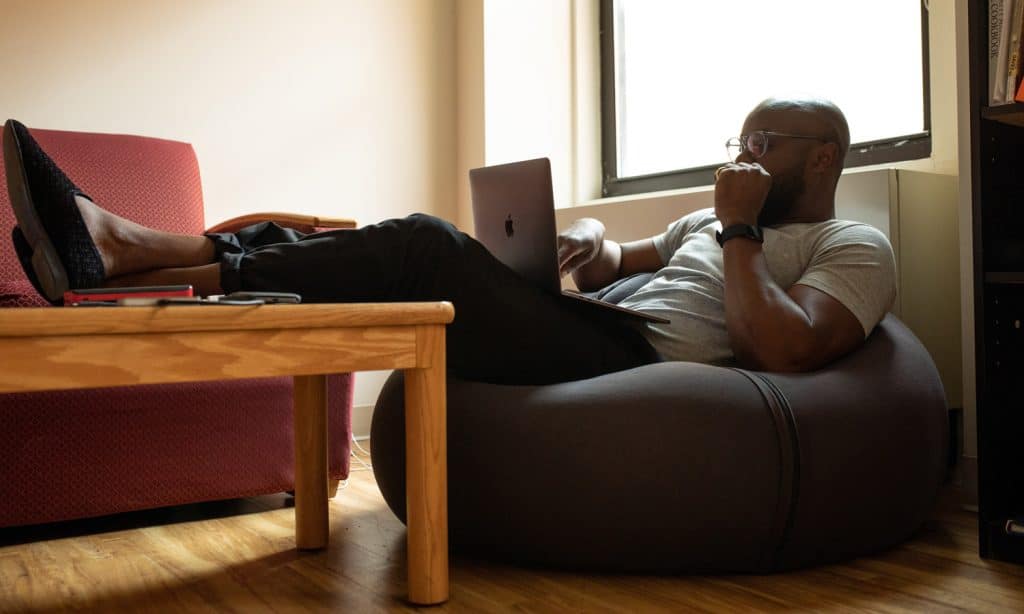
As we’re adapting to the coronavirus, it’s important to be mindful of other people when stepping outside of our homes.
Going outside of your house is not only a precious activity, but also one that exposes you to other people and their ways of social distancing. Once outside you’re faced with hundreds of different reactions, whether they’re of people jumping out of your way or stepping too close to you.
One of COVID-19’s most significant impacts is the ways in which it affects our behavior in public. While different states are mandating the use of face masks and maintaining 6-feet of distance between yourself and others, most people don’t know what to do when faced with a packed elevator or a crowded aisle at the supermarket.
Here are some social distancing etiquette basics we should all start practicing:
Whether they’re elevators, supermarket aisles or sidewalks, your best bet is to avoid crowded spaces, giving people enough room to move about, while protecting yourself. If you’re waiting on an elevator to get to your apartment, consider waiting until the elevator is relatively empty or using the stairs.
Respect the boundaries of essential workers
It’s very important for everyone to be as nice and respectful as possible with others, especially to essential workers who spend their days tending to grocery stores, which are big hot spots for anxiety. Don’t crowd these workers when they’re stocking up on groceries and try to keep your distance from them and from others at the store. If someone steps up too close to you, try to stay calm and ask politely if they could give you some space.
There’s a lot of information out there regarding runners and bikers and their germs, with some claiming that due to the speed in which they’re moving, their droplets can travel farther distances. If you’re someone who’s exercising outdoors, be sure to use the streets and to leave the sidewalks for pedestrians. Run against the flow of traffic, that way you’ll be able to spot oncoming cars and stay safe.
Remember that we’re all new to this
We’re all new to social distancing guidelines, meaning that it’s very likely for everyone to overreact and forget about the appropriate way to behave in public. Try to avoid confrontations with others and cut people some slack; this is a very stressful time for everyone and it’ll take us a little while to get used to the ways in which the new world works.
Using serological testing can elevate better data for public health practitioners as well as patient tracking to allow for the identification of who has been infected by COVID-19.
“Every step we have taken as part of our approach to COVID-19 testing has been a careful balancing of risks and benefits in order to meet the urgent public health needs as we combat this new pathogen.” (FDA)
The U.S. Food and Drug Administration (FDA) announced in mid-April news around COVID-19 antibody tests (or serological tests) with both their function and availability. Tackling the complexity of informing the public about testing capacity and approval of certain tests, the FDA explained these a few vital positions:
Those interested in submitting a test for approval with the FDA may request FDA authorization through the emergency use authorization (EUA) process. More information around EUAs and the four that have already been approved (as of April 18th) is located here. In their declaration, the FDA explained, “We are working around-the-clock to review EUA submissions quickly and we continue to take steps to ensure the process is as streamlined and efficient as possible.”
In partnership with the National Institutes of Health’s National Cancer Institute (NCI) and National Institute of Allergy and Infectious Diseases (NIAID) and the Centers for Disease Control and Prevention (CDC), the FDA has formed a collaboration to evaluate serological tests for developers. The FDA cited that performance tests are beginning “soon” and that they expect to see results, “shortly-after.”
Explaining the need for both flexibility and speed, the FDA incorporated feedback from the medical community, as well as states and test developers. Using the feedback, the FDA is working to actively provide laboratories and health care providers (HCPs) with, “early access to these tests with the understanding that the FDA has not reviewed or authorized the tests.” Meaning that while the FDA is following its own EUA process, some tests may be available to healthcare clinics and professionals that have not been vetted in their normal process.
The FDA explained further that it has issued, “a policy explaining that FDA does not intend to object when developers of serological tests market or use their tests without prior FDA review” when three points are present. These are:
1.) The tests are validated by the developer to determine they are accurate and reliable
2.) Notification of the developer’s validation is provided to the FDA
3.) Tests must be labeled appropriately
The FDA also shared that its policies do not apply to at-home testing because of challenges in accuracy.
Using serological testing can elevate better data for public health practitioners as well as patient tracking to allow for the identification of who has been infected by COVID-19 and individuals with antibodies that can be used to manufacture convalescent plasma, which in early results has been effective in those fighting the disease.
Colorado State University researchers found that CBD caused cell death in glioblastoma, a rare and intractable form of brain cancer.
Cannabidoil (CBD) has emerged in recent years as an alternative medicine for hard-to-treat illnesses like epilepsy, with the Food and Drug Administration (FDA) approving cannabis-derived medications, like Epidiolex. Studies have also demonstrated cannabis as a possible supplemental treatment in cancer patients, though researchers caution there have been no definitive conclusions. But data suggests CBD cold be useful treatment in rare brain cancer.
Those two trends influenced a new study, published in the FASEB Journal, that found CBD as an effective therapy in a rare form of intractable brain cancer called glioblastoma. A highly deadly disease with low survival rates, glioblastoma affects both humans and dogs. Once discovered, it spreads rapidly through the brain and proves difficult to slow down. This study, scheduled to be presented at medical conference canceled due to the coronavirus pandemic, provides a possible improvement in fighting glioblastoma.
“Further research and treatment options are urgently needed for patients afflicted by brain cancer,” Chase Gross, a student at Colorado State University’s Doctor of Veterinary Medicine/Master of Science program, said in a statement. “Our work shows that CBD has the potential to provide an effective, synergistic glioblastoma therapy option and that it should continue to be vigorously studied.”
Gross, alongside fellow CSU researchers, exposed human and canine glioblastoma cancer cells to variations of CBD. One test included a 100% pure CBD isolate while another used a CBD extract that included other natural cannabinoids, such as THC and CBG. Both versions of CBD proved successful in slowing the cancer’s overall cell growth and inducing apoptosis, or cell death.
Photo by Tinnakorn Jorruang/Getty Images
Researchers noted that the difference in anti-cancer properties between CBD isolate and CBD extract were negligible. They also documented how CBD caused apoptosis by enlarging the intracellular vesicles in the cancel cell membranes, which eventually began to bulge and break down.
Other studies have seen apoptosis in cancer cells, but scientists remain conflicted about how this process works. The CSU researchers suggested the nature of CBD’s anti-cancer properties involves the cannabinoid’s ability to target mitochondria, otherwise known as a cell’s energy station. CBD causes mitochondria to malfunction, the researchers believe, and eventually induce cell death. They researched this conclusion because their experiment showed CBD-treated cells had significantly lower mitochondria activity levels than normal.
“CBD has been zealously studied in cells for its anticancer properties over the last decade,” Gross added. “Our study helps complete the in vitro puzzle, allowing us to move forward in studying CBD’s effects on glioblastoma in a clinical setting using live animal models. This could lead to new treatments that would help both people and dogs that have this very serious cancer.”
With such a devastating disease, we hope research proves CBD cold be useful treatment in rare brain cancer.
Marijuana is a developing sector for apps, with just few of them having staying power. Here are several you should know about.
In the span of a just a short couple of years, marijuana apps have taken off, with many startups hitting it out of the park with great ideas only to lose steam a couple of months later. Tackling social media hubs to generate connections with dispensaries in your state, these apps are meant to provide content for all sorts of cannabis enthusiasts.
Apps are some of the easiest and most convenient ways of obtaining information, getting to know more like minded people and nurturing your hobbies. Hare are 4 weed apps you should check out:
Potbot is a great app for medical cannabis newcomers. The app provides you with a personalized cannabis recommendation based on your ailments, experience with marijuana, and more. Once you input your information, PotBot will provide you with an ideal cannabinoid level, showing you popular strains that have this.
High There! Started off as a dating app for smokers, and later expanded into more. The app now describes itself as a social media hub for anyone who’s interested in cannabis, providing a straightforward way of obtaining marijuana resources, a place to talk weed and to connect with others.
This app encourages all sorts of users to track their progress with marijuana and CBD, sharing this data with doctors and cannabis researchers in order to expand on our cannabis knowledge. The more you use the app, the better equipped it is to provide recommendations and to highlight trends you’ve experienced while documenting data on the app.
This app was designed for cannabis home growers, allowing you to track your activity, take photos of your crops and monitor their development, all conducted in a private manner. The app provides you with reminders to water and monitor crops and with different virtual tools that will increase your odds of success.
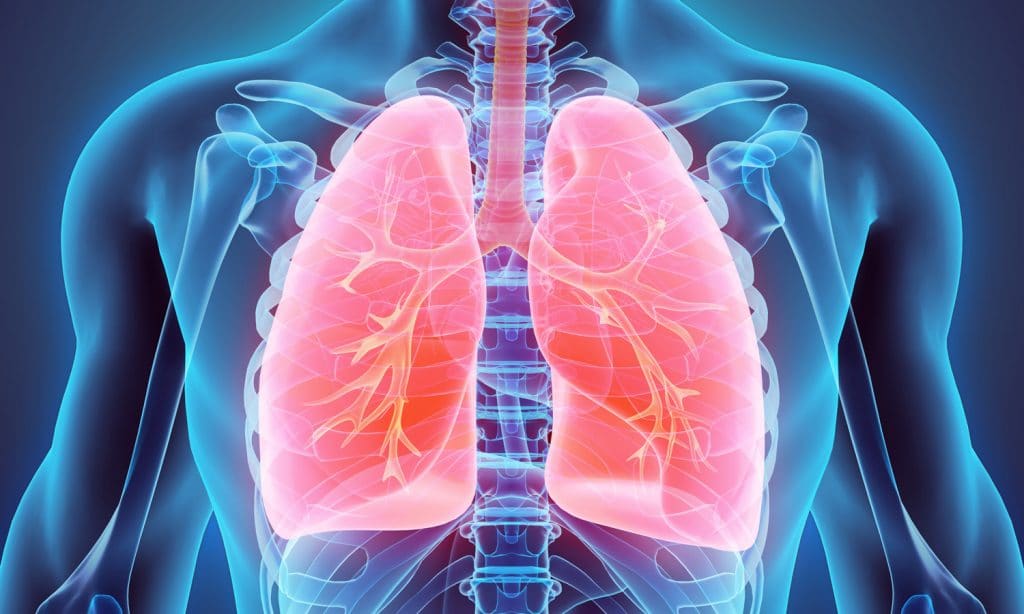
Deep breathing techniques allow people to improve the flow of oxygen in their bodies, helping them to relax. But it’s not a miracle cure.
At the onset of the pandemic, your parents or grandparents might have sent you a not very legitimate looking screenshot or block of text discussing the benefits of deep breathing and how it can improve lung functioning and determine whether or not you’ve been affected by the coronavirus. Now that more time has passed we know not to trust alarmist social media posts. Still, is there some truth to these statements?
While deep breaths won’t work any miracles or cure your lungs from the damage of the coronavirus, experts say that these exercises can help you manage the symptoms of any respiratory disease while also providing tons of anxiety relief.
People with chronic lung conditions know of the importance of breathing patterns and how they can help you control some of the symptoms, such as asthma and chronic obstructive pulmonary disease.
Vadana Patel, a pulmonologist, spoke with the Huffington Post and explained that when lungs are inflamed it becomes harder for them to provide oxygen to your body. When practicing deep breathing techniques you’re forcing your lungs to increase the amount of oxygen that enters your body. “Exercise programs are called pulmonary rehabilitation. For patients, we often recommend things like pursed lip breathing to control breath,” explains Patel.
Photo by JP Yim/Stringer/Getty Images
When it comes to anxiety and stress relief, deep breaths also play a key role, which is why they’re such a big part of all kinds of meditation and yoga practices. Learning to time your breaths allows you to calm down and to regain some control. They can also help you battle anxiety if you’re feeling stressed out right now.
Breathing techniques have been discussed a lot since the appearance of the coronavirus, and are effective ways of regaining calm and improving your lung functioning. While they are not determinant factors for people who already have the coronavirus, they might help them stay calm and take care of the other symptoms that are plaguing their bodies.
Deep breaths are good for any situation even if they won’t be able to temper some of the more serious side effects of the coronavirus. Still, since the pandemic is expected to stay with us for a while, there’s no harm in practicing deep breaths and working on improving the health of our lungs.
Companies continue to make egregious medical claims about their CBD products, which is a great way to receive FDA scrutiny.
The FDA continues to hound CBD companies. We advise many of our clients, and particularly our clients the CBD and skincare spaces, on how to navigate the complex state and federal regulations that apply to marketing and labeling their products. And one of the persistent concerns we address from clients in this industry is how to run a compliant business that does not wind up on the receiving end of an enforcement action from the Food and Drug Administration (FDA). Some related topics we’ve written on are CBD comestibles, CBD pet products, CBD in alcohol, and CBD topicals.
We’ve also written about the enforcement actions issued by the FDA to CBD companies, including those issued to CBD companies selling topical products, and on April 23, 2020, the FDA announced its latest round of enforcement. In this case, letters were issued to CBD companies claiming that their products could treat medical conditions, including opioid addiction, or serve as an alternative to opioids. The fact that these claims won’t fly should be obvious to everyone in the industry by this point, but alas, companies continue to make egregious medical claims about their CBD products. This is a great way to receive FDA scrutiny.
“The opioid crisis continues to be a serious problem in the United States, and we will continue to crack down on companies that attempt to benefit from selling products with unfounded treatment claims,” said FDA Principal Deputy Commissioner Amy Abernethy, M.D., Ph.D. “CBD has not been shown to treat opioid addiction. Opioid addiction is a real problem in our country, and those who are addicted need to seek out proper treatment from a health care provider. There are many unanswered questions about the science, safety, effectiveness and quality of unapproved products containing CBD, and we will continue to work to protect the health and safety of American consumers from products that are being marketed in violation of the law.”
This round of warning letters were issued to two companies:
BIOTA Biosciences, LLC of Washington state, which markets and distributes injectable CBD products as well as an injectable curcumin product. The products are marketed for serious diseases and as an alternative to opioids. BIOTA Biosciences markets private label CBD and wholesale CBD extracts, and their products include beverages, bulk CBD extracts, and water-soluble CBD, as well as injectable curcumin.
Homero Corp DBA Natures CBD Oil Distribution of New Hampshire, which markets and distributes CBD products as a treatment to opioid addiction as well as other serious diseases. The company is an own label distributor for CBD products as well as a retailer for Green Roads CBD products.
Photo by Sohini via Unsplash
Here are some examples of the types of statements that got both of these companies into hot water (the kinds of statements that no CBD company should be making on their websites or in their marketing materials):
Fighting the opioid epidemic . . . BIOTA Biosciences produces and distributes effective all-natural alternatives with no side-effects. Join the growing ranks of pain, oncology, psychiatry, naturopathy healthcare professionals utilizing BIOTA Sterile CBD Vials.”
VISION: OPIOID-FREE FUTURE . . . Our goal is to supply the world with pharmaceutical grade, all natural products containing cannabidiol and other natural compounds. We believe strongly that pharmaceutical grade hemp oil will drastically reduce the need for opioid-based pain relief and eliminate the global opioid epidemic by providing a safe and natural alternative . . . Get in touch with us to learn more about how our continuous research & development into increasing the bioavailability of natural compounds with high therapeutic potential and our private label cbd products can help to solve this global issue.
CBD . . . and its ability to suppress pain and aid in the detoxification processes has highlighted it as a promising therapeutic for a wide array of disorders such as epilepsy, including many challenging neuropathy conditions. When patients consider trying a new therapeutic like CBD, there are many options for delivery that can be more efficacious to the patient. One delivery option is BIOTA CBD Sterile Vial Therapy.
Natures Pure CBD has had success in alleviating severe withdrawal symptoms associated with opiate dependency. Natures Pure CBD also has taken off the ball and chain around the opiate addicts’ neck and has relieved the addiction totally by using Natures Pure CBD restoring the person back to a quality of life worth living.
The Opiate addiction rate of recovery is low and Natures Pure CBD oil offers promise for those suffering from chronic opiate use.
Natures Pure CBD oil works for these medications which all have addictive properties to them: opium, fentanyl, heroin, hydrocodone, oxycodone, methadone, morphine and hydromorphone. Natures Pure CBD Oil has been effective in the treatment and eradication of opiate use.
The list goes on, and we recommend that every company operating in the hemp-CBD space take the time to review the letters issued to all of these companies in order to understand the types of statements that are impermissible. The FDA has continually reiterated its position that CBD products cannot be marketed for therapeutic or medical uses without having been reviewed for safety and effectiveness by the FDA. This requirement applies to all CBD products, including topical products, cosmetic products and comestible products.
Making claims about your products that place them within the definition of a “drug” is certain to land you in the FDA’s crosshairs. Thoroughly reviewing packaging, marketing copy, and websites for these types of claims will be crucial for every company offering topical CBD products for sale. We also recommend speaking with an attorney well-versed in this subject if you are uncertain about the ways in which you are marketing your products.
Alison Malsbury is an attorney at Harris Bricken, a law firm with lawyers in Seattle, Portland, Los Angeles, San Francisco, Barcelona, and Beijing. This story was originally published on the Canna Law Blog.
Contact highs comments are common, with a lot of people claiming lightheadedness when near people who are smoking cannabis.
The smell of weed can sometimes make you feel like you’re high, especially when in a closed environment, such as a weedy dorm room or a packed concert. But can people really get high without smoking or is this more of a mental thing?
Contact highs cause a lot of stress for people, making them wonder if they could fail a drug test or get high without meaning to. Luckily, experts know some of the answers to these questions.
A study conducted in 2015 ran two experiments where cannabis smokers and non smokers were put together in a room. In both scenarios, the smokers smoked around 10 joints each and sat around a table, surrounded by nonsmokers. The difference between the two experiments was the ventilation of the room; the first experiment had regular ventilation and the second had none at all. Results showed that nonsmokers from the second test showed some presence of THC in their urine and blood samples.
“Exposure to second-hand cannabis smoke in an unventilated chamber the size of a small room produced minor increases in heart rate, mild to moderate subjective drug effects, and minor, but detectable, levels of performance impairment on some behavioral/cognitive assessments,” wrote researchers. These results weren’t reflected in the first round of experiments.
Despite the popularity of shotgunning, it turns out that second-hand highs are very hard to stumble upon. When people smoke weed and exhale it, only a very small amount of THC comes out. With no detectable amounts of THC, there’s no high for the bystanders to pick up on and get high from, especially when located in a room momentarily or with a normal amount of ventilation.
In conclusion, it’s pretty hard to get high off marijuana if you’re not an active participant.
The FDA has broken down several of its guidelines, creating a step-by-step resource for trials being conducted in language directly to study sponsors.
In late March, the FDA issued Guidance for Industry, Investigators, and Institutional Review Boards via their Guidance Document, entitled, “FDA Guidance on Conduct of Clinical Trials of Medical Products during the COVID-19 Public Health Emergency.”
Created to offer direction and assistance in ensuring the safety of COVID-19 trial participants, while maintaining compliance, the guidance offered support around trials scheduled or trials occurring during the global health crisis.
Focused on maintaining safety procedures, the FDA has broken down several of its guidelines in the document, creating a step-by-step resource for trials being conducted in language directly to sponsors.
Here are two points of consideration for study sponsors, institutional review boards and investigators:
If sponsors are deviating or modifying protocol-specific procedures due to COVID-19 safety factors, the FDA has asked sponsors to document the specific changes and the reason for each change. The FDA further explained, “For a study-wide change in protocol conduct, protocol amendments that are necessary to prevent Contains Nonbinding Recommendations 12 imminent hazards to trial participants can generally be immediately implemented with subsequent submission and formal approval by the IRB/IEC and notification to FDA through filing a protocol amendment to the investigational new drug (IND) or deviation from the investigational device exemption (IDE).”
If urgent situations occur, sponsors should contact the lead reviewer of the study. If FDA feedback is needed on a proposed future study (or modifications are being requested on a current study,) the FDA is asking for sponsors to complete a Pre-Submission document. (Information around the document needed can be found here and here.)
If a trial has a specific COVID-19 impact, (due to the public health emergency,) the FDA declared that sponsors should describe three things:
Contingency measures implemented when the study is disrupted due to the pandemic
A full list of all participants affected by the disruption with a unique subject number identifier (as well as by investigational site) and also a description of how the individual’s actions or participation were altered
An analysis that cites specific information that addresses the impact of COVID-19 on the study. The FDA expands on the direction, saying, “Robust efforts by sponsors, investigators, and IRBs/IECs to maintain the safety of trial participants and study data integrity are expected, and such efforts should be documented.”
The FDA has the document in its entirety available online. Included in the document is a Q&A, addressing questions from sponsors and those involved in the studies that address remote capabilities and acceptable alternatives due to the pandemic.
The FDA is taking comments on their guidance. Insights may be submitted online here while questions on clinical trial conduct during the COVID-19 pandemic can be emailed to: Clinicaltrialconduct-COVID19@fda.hhs.gov.
Residents in legal states are using cannabis for medical needs such as anxiety, pain relief, and sleep disorders.
There was an initial rush to stockpile legal recreational cannabis when the coronavirus pandemic first hit the United States. Sales boomed at first, but leveled out once state governments considered marijuana stores an “essential business.” In places like Las Vegas and Denver where sales rely on cannabis tourism, sales even declined.
Medical marijuana sales, however, have told a different story. According to the Phoenix New Times, medical marijuana sales reached an all-time high in March. Raul Molina, who owns Mint Dispensary in Tempe, said sales have risen by 50% since the pandemic started. Data isn’t yet available from the Arizona Department of Health Services, but sales are expected to increase in April as well.
“Sales for the first two weeks was a little bit like the toilet paper sales at your local Costco,” Molina told CBS 5. “Everybody came in trying to pick up as much as they could.”
Florida has experienced a similar surge. Sales have risen by 30% since the state’s first case of the coronavirus seven weeks ago. The state has issued 300 new medical marijuana per day since mid-January, totaling 30,000 total new patients in Florida. Marijuana deliveries have doubled or tripled in the state, according to Vinit Patel, who serves as Curaleaf’s Florida Operations Manager.
Photo by beusbeus/Getty Images
“We saw a tremendous spike in sales actually. Probably the first week of April, last week of March, when all of this news really started to become real here in the state of Florida,” Patel told WTFS Tampa.
Gov. Charlie Baker closed all Massachusetts recreational marijuana stores in the state last month, becoming the only recreational state to shut down operations. Medical dispensaries remain essential businesses, though, and residents have responded by registering for medical cards. The Boston Globe reports card registrations have increased by 245% in the past month.
“The increase doesn’t surprise me — we’ve always believed that more than a majority of [recreational] customers are using cannabis for medical needs such as anxiety, pain relief, and sleep disorders,” David Torrisi, the president of the Commonwealth Dispensary Association, told the Globe. “There’s a direct relation to the recreational shutdown.”
The pandemic is forcing us to spend all of our time apart, which is why you should schedule a weed video call with your friends soon.
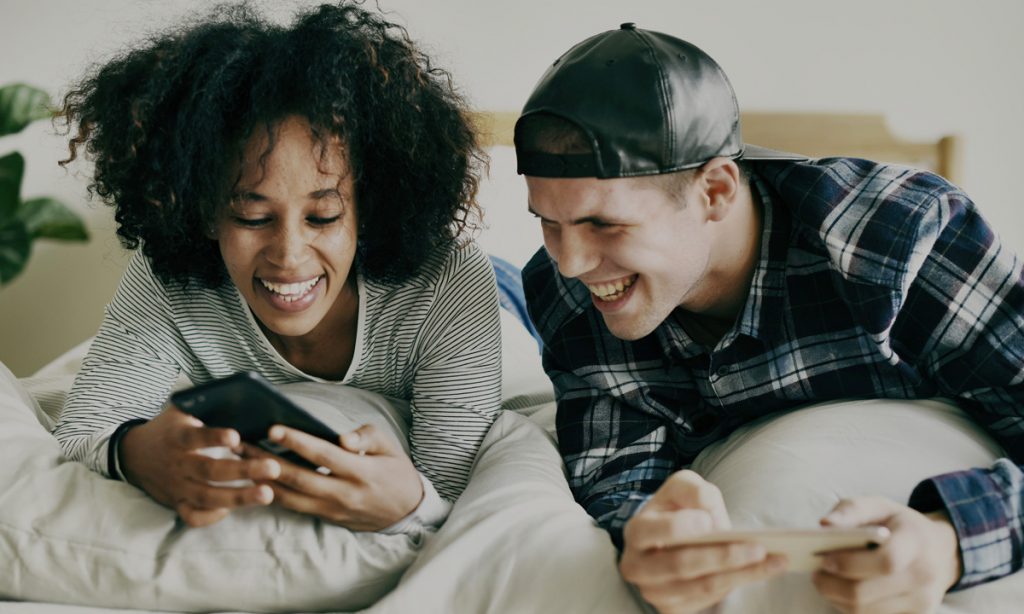
Social distancing guidelines have kept us from doing most of the things that bring joy to our lives. While the coronavirus has thrown a wrench in those plans for the foreseeable future, making us question the act of smoking and of sharing saliva with others, consuming marijuana among friends remains a great bonding activity, one that can still be conducted while in quarantine. So here is why you should consume marijuana with friends online.
A large part of the appeal of smoking marijuana is to share a bonding experience with friends and loved ones. Sharing a joint provides a very different high than the one you’d experience alone, similar to drinking.
When getting high with your friends, it’s common for everyone to experience the same kind of high, whether it involves a giggle fit or an introspective high where you spend hours talking about random stuff.
Here are 3 reasons why you should schedule a weed Zoom appointment with your closest friends as soon as possible.
If you’ve never smoked weed with friends through video chat, and why would you have, this is the perfect occasion. The video call will make you feel closer to your friends and once the initial awkwardness passes, you’ll feel close to normal, like you’re actually splitting a joint with friends and not stuck at home in a pandemic.
It’ll provide a nice alternative from regular Zoom appointments
Photo by Allie Smith via Unsplash
After a month spent in quarantine you might have reached your video call limit. Although apps like Zoom and Skype are helping us stay sane, it’s possible than one of your friends or family members might be abusing their video call privileges. Adding a joint in the mix might help you relax and have a good time, erasing the barrier that naturally pops up when you’re communicating through a screen.
It’ll make it less likely for you to have a bad high
Although most seasoned marijuana users don’t usually struggle with bad highs, these can occur when trying out a new strain, a new method of consuming cannabis or when you’re feeling anxious or stressed out. Our mindsets are kind of unpredictable right now, which is why smoking marijuana with friends might be your best and most comfortable option.