Monday, June 22, 2026
Home Blog Page 556

Here’s How You Can Stop Yourself From Overthinking

An overactive mind can affect us in different ways, distracting us for a couple of hours or  influencing our daily lives.

Overthinking can materialize in a variety of forms. We’ve all experienced it, and it’s mostly harmless. The process might cause us to lose a little sleep, but then we’re back to normal and we forget about whatever it is that was bothering us in the first place.

On more serious occasions, the process of overthinking doesn’t stop and it becomes a compulsion. Instead of working  through the issues that are clearly bothering us, this process traps us into a cycle of discomfort and negative thoughts that can make us feel ill and out of control. Psychologists call this “rumination” and it’s closely tied to depression and anxiety.

Buzzfeed asked different psychologists and experts for their best advice on controlling these types of thoughts and dealing with them in a healthy way. Check out some of their most helpful tips:

Identify it

Once you know that overthinking and ruminating provides no benefits or opportunities for solving your problems, you can begin to identify these thoughts and stop yourself from spiraling out of control. “Once a ruminative thought becomes repetitive (or starts out that way) we need to catch it and convert it into a useful problem solving task — by posing it as a problem that can be answered as opposed to one that cannot be,” says psychologist Guy Winch.

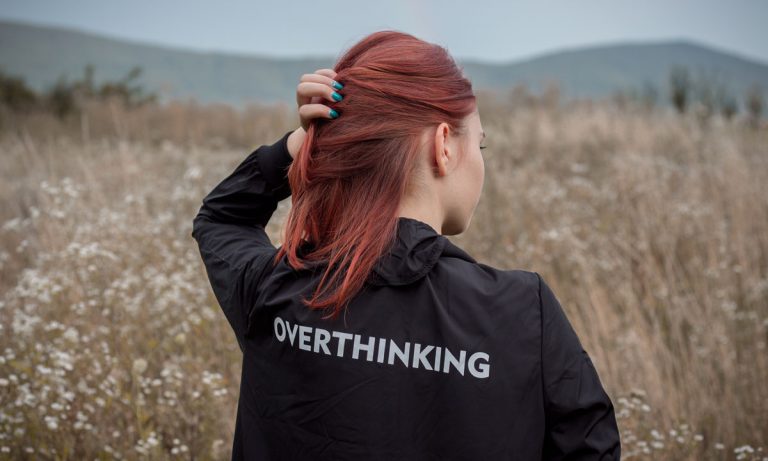
5 things to do if you wake up feeling anxious
Photo via rawpixel.com

RELATED: Elevate Your Mood And Decrease Stress With These 2-Minute Stretches

While it’s easy to say that you’re just going to stop these thoughts from happening, in reality it’s not as simple. Winch recommends changing the phrasing in your head. “Convert, ‘I can’t believe this happened’ to ‘What can I do to prevent it from happening again?'”

Distract yourself

Instead of berating yourself for having these kinds of thoughts, try to distract yourself with something that’s fun and a little challenging. “A two to three minute distraction such as a puzzle, memory task, anything that requires concentration can be enough to break the compelling pull ruminative thought,” explains Winch. The more we practice this, the less these type of thoughts will pop up in our heads.

Journal your thoughts
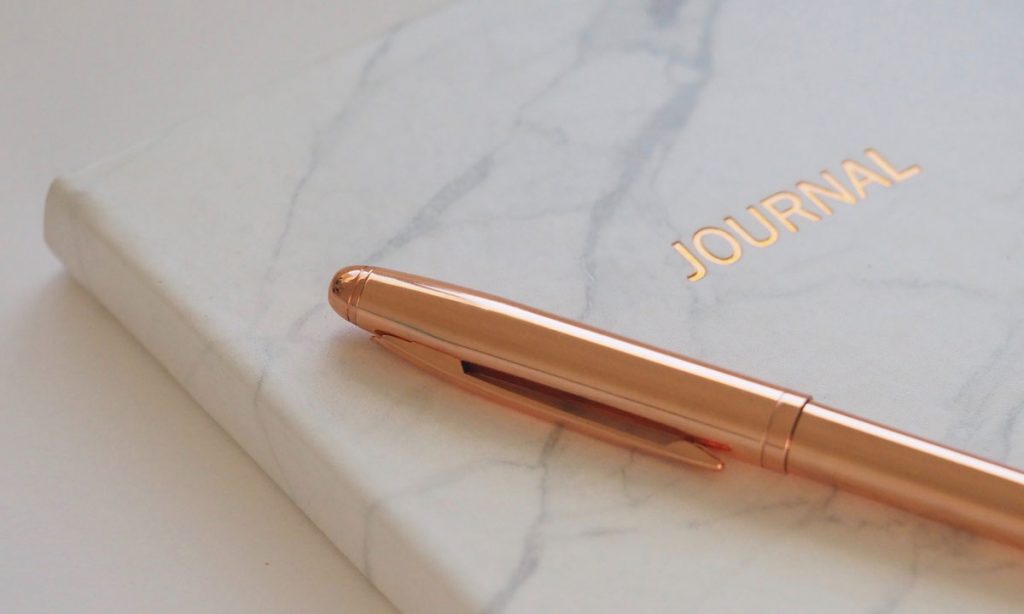
journaling can improve your love life
Photo by Plush Design Studio via Unsplash

RELATED: How To Practice Gratitude In Times Of Grief And Uncertainty

Journaling is a common therapeutic practice for a reason. Writing down your thoughts gives you some perspective and allows you to pinpoint the source of your anxiety. Doing this will allow you to view these thoughts through a different lens, and to notice how much they appear.

Ask for help if you need it

If the ruminating still continues despite practicing meditation and journaling, maybe it’s time to talk to someone or seek help from a professional. These types of thoughts are very harmful to your health and your brain, and you should take care of yourself.

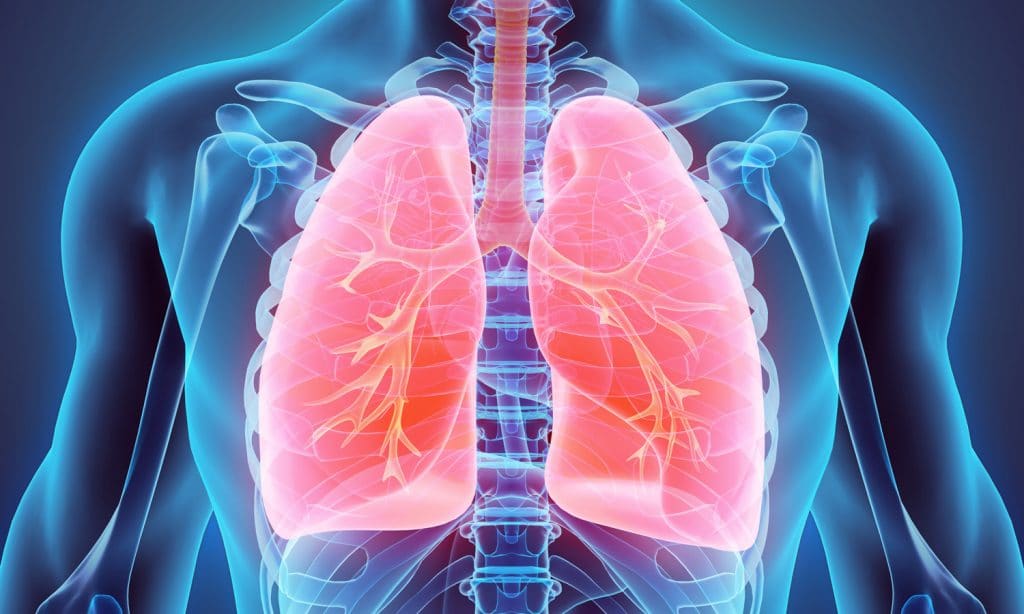
Stem Cell Secretions May Be The Key In Curing Pulmonary Fibrosis Damage

Those living with pulmonary fibrosis can develop other conditions, such as lung cancer, blood clots, pneumonia or high blood pressure.  

Could stem cell secretions actually deliver a substance that can repair lung injuries for those with damage from pulmonary fibrosis? A recent study conducted at North Carolina State University examining a new form of inhalation therapy in rodents concludes that, “the work could lead to more effective, less invasive treatment for human pulmonary fibrosis sufferers.”

According to Mayo Clinic, pulmonary fibrosis is a disease that affects the lungs after tissue becomes damaged. The tissue becomes thicker, decreasing lung function and causing shortness of breath in many individuals.

Almost always fatal and non-curable, pulmonary fibrosis affects about 100,000 Americans today, according to the U.S. National Library of Medicine – Genetics Home Reference. Cited as a degenerative disease, or a condition that worsens over time, GHR also explained that those living with pulmonary fibrosis can develop other conditions, such as lung cancer, blood clots, pneumonia or high blood pressure:

The course of the disease is highly variable; some affected people become seriously ill within a few months, while others may live with the disease for a decade or longer.”  

This recent study, published in the journal Nature Communications, features the work of over a dozen researchers led by Ke Cheng, Professor of Regenerative Medicine at NCSU. Developing spheroid-produced lung stem cells (LSCs), the team was able to utilize the cells and test secretions through a “stem cell sauna,” or nebulizer treatment that allowed the mice and rats to inhale the therapy.

RELATED: Did Scientists Cure Type-1 Diabetes?

Knowing the therapeutic benefits of inhalation therapy, the team found that certain secretions from the stem cells had better benefits than others. These secretions, (LSC-Sec and LSC-Exo) showcased that the cells offered medicines which helped tissue to heal, easing inflammation.

How Does Smoking Marijuana Affect Your Lungs Exactly?
Photo by JP Yim/Stringer/Getty Images

“The mixture of cells in LSCs recreates the stem cells’ natural microenvironment — known as the stem cell niche — where cells secrete exosomes to communicate with each other just as they would inside your body,” says Cheng. “LSCs secrete many beneficial proteins and growth factors known collectively as ‘secretome’ — exosomes and soluble proteins which can reproduce the regenerative microenvironment of the cells themselves. In this work we took it one step further and tested the secretome and exosomes from our spheroid-produced stem cells against two models of pulmonary fibrosis.”

RELATED: Will Using Marijuana Reduce My Lung Capacity?

Looking to expand their testing to chronic obstructive pulmonary disease (COPD), acute respiratory distress syndrome (ARDS), and pulmonary hypertension (PH), the team is looking forward to researching how inhalation therapy can help ease disease in the lungs and perhaps offer a cure for those suffering with the many types of pulmonary fibrosis.

Co-author Kenneth Adler, Alumni Distinguished Graduate Professor at NC State, explained, “The finding that products released by lung stem cells can be just as efficacious, if not more so, than the stem cells themselves in treating pulmonary fibrosis can be a major finding that can have implications in many other diseases where stem cell therapy is being developed.”

What Are Sound Baths And Do They Work?

0

Although sound baths have recently entered the mainstream, sound therapy practices have existed for thousands of years.

Despite how eccentric it appears, sound therapy is a wellness technique that has existed for thousands of years. Despite the name, sound baths don’t involve any water; practitioners put themselves in a relaxing state, surrounding themselves with sounds from instruments and human voices.

It’s very likely that you’ve been exposed to sound therapy at some point in your life, whether you were aware of it or not. A sound bath of sorts would be the relaxing soundtrack you listen to while getting a massage or when attending a yoga class.

“Sound Therapy has been used for thousands of years in many different cultures all with the same intention; to move us from a place of imbalance to balance,” yoga teacher and sound bath practitioner Puranshant Kaur told Virgin.com. “The sound stimulates our circulation and immune system, cleanses our energy meridians, and helps to release emotions stored in our body like anger, stress and trauma. Sound also balances both hemispheres of our brain, promoting deep relaxation.”

RELATED: Here’s How You Can Stay Fit Without Spending A Lot Of Money

Studies show that soothing music has positive effects on our systems, activating sensory pathways that compete with pain pathways. While no disease will be cured by listening to music, many symptoms like chronic pain, depression, anxiety and PTSD can be relieved when you help your body relax.

Sound baths differ depending on who’s conducting them, but most sessions last between 45-60 minutes, and can have different themes that fuel them. In conversation with The Huffington Post, sound bath facilitator Anne Bergstedt said that she chooses a positive theme to center people throughout her sessions.

What Are Sound Baths And Do They Work?
Photo by Manuel Cossio via Unsplash

“The sound stimulates our circulation and immune system, cleanses our energy meridians, and helps to release emotions stored in our body like anger, stress and trauma. Sound also balances both hemispheres of our brain, promoting deep relaxation,” explains the article.

RELATED: 5 Things You Can Do To Revamp Your Spring Cleaning

People’s experiences are varied, with most entering a deep state of relaxation. Others have more intense responses, such as tears, bursts of creativity or falling into a deep sleep.

While the term sound bath might sound a little funny, it’s a practice that provides similar effects to meditation. Strangers to it might find the whole thing puzzling, but the overall results tend to speak for themselves.

Are Smokers And Vapers More At Risk For Covid

As coronavirus causes respiratory illness, smoking and vaping could worsen symptoms associated with COVID-19.

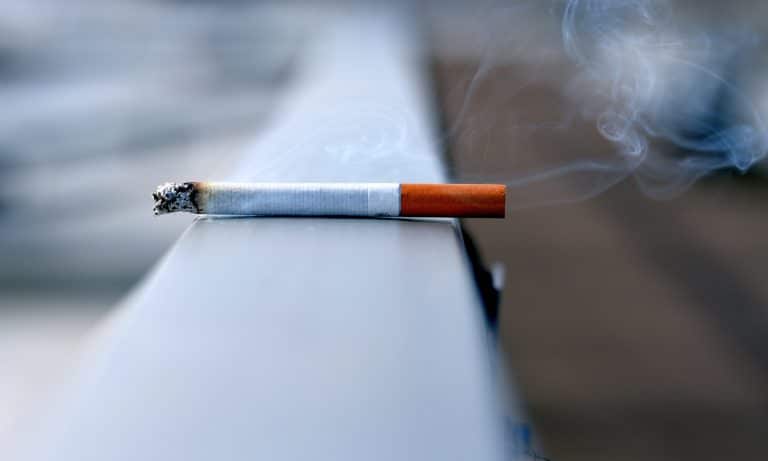
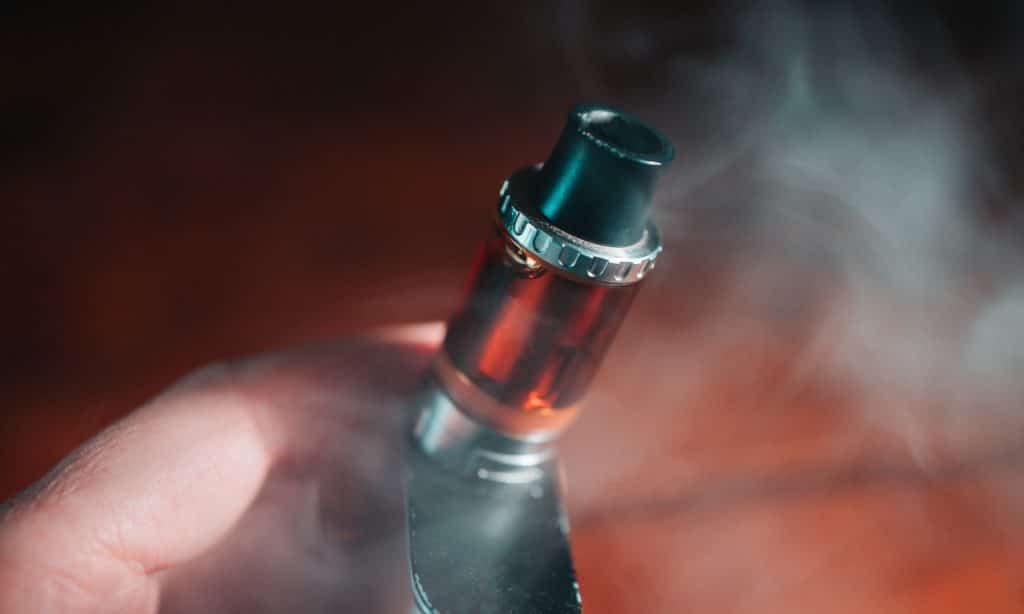
Following the initial E-cigarette or Vaping product use Associated Lung Injury (EVALI) outbreak, which caused severe and possibly fatal lung infections in otherwise healthy individuals, vaping sales and use momentarily dropped. Predominantly connected to THC vaping products purchased on the black market, EVALI caused a spike in Google searches for “quit vaping” as vapers tried to reduce their chances of contracting the illness.

A similar pattern is likely to emerge in response to the coronavirus, according to Bill de Blasio. The New York City Mayor held a press conference Sunday announcing that smoking and vaping increases potential risk for coronavirus. COVID-19 attacks the lungs and causes shortness of breath, coughing, and fever in patients.

“If you are a smoker or a vaper, that does make you more vulnerable,” de Blasio said. “If you are a smoker or a vaper this is a very good time to stop that habit and we will help you.”

RELATED: Doctor’s Advice On How To Ease Anxiety Around Coronavirus

During the press conference, de Blasio added that those with compromised immune systems and diabetes are more at risk. This is especially true for anyone over the age of 50 with pre-existing conditions like heart or lung disease.

Washington State Bans Flavored Vapor Products
Photo by Tom Eversley/EyeEm/Getty Images

Though de Blasio didn’t make a distinction between consuming marijuana or tobacco, or between smoking or vaping, research does indicate some differences.

A study published in the American Journal of Preventive Medicine at the end of last year reported those who smoked cigarettes and vaped nicotine simultaneously were 3.3 times as likely to develop a respiratory illness when compared to nonsmokers. Those who only smoked cigarettes were 2.5 times more at risk while those exclusively vaping 1.3 times to experience lung complications.

In addition, researchers found vaporizers did not help cigarette smokers from quitting. The study, which collected data from participants over a three-year-period, showed that 91.2% of vapers still smoked traditional tobacco products like cigarettes by the end of the trial period.

RELATED: Vaping Could Be Worse For Your Heart Than Smoking Cigarettes

“Although switching from combustible tobacco, including cigarettes, to e-cigarettes theoretically could reduce the risk of developing respiratory disease, current evidence indicates a high prevalence of dual use, which is associated with increased risk beyond combustible tobacco use,” the study’s authors wrote.

“In addition, for most smokers, using an e-cigarette is associated with lower odds of successfully quitting smoking.”

How To Stop Your Phone From Consuming So Much Data

If you don’t have an unlimited cellphone plan, it’s easy to go over your data limit. Here’s how you can avoid this.

Most telecommunications companies try to sell you on unlimited plans, whether you’re paying for your own smartphone or you’re a part of a family plan. It makes sense: the more advanced your smartphone is, the more data it tends to demand, and the more time users spend on these devices.

But there are still plenty of plans out there that put a cap on data usage, making it easy for you to end up paying extra fees for breaking the terms of your contract. Here’s what you can do to prevent this from happening:

Use Wi-Fi

How To Stop Your Phone From Consuming So Much Data
Photo by Paul Hanaoka via Unsplash

RELATED: 5 Things Not To Do When Using Your Work Computer

Instagram stories are time consuming, making it really easy for you to waste all your data in a particularly boring afternoon. If you don’t want this to happen, the first thing you should do is connecting to Wi-Fi. Be safe when doing this though, avoiding the use of bank services or other delicate platforms when not in your house or a trusted friend’s place. Public Wi-Fi spots like coffee shops aren’t safe places to access delicate information.

Keep an eye on your data usage

If you’ve received a notification from your cellphone provider about your data usage, it’s important to find the source. This might be an obvious  one, like binging shows on your phone with no Wi-Fi, or they may be less obvious, such as scrolling through Instagram for long periods of time.

For iPhone devices, check out this guide. For devices that run on Android software, you can learn more here. You can also download your cellphone provider’s app to keep track of what’s consuming most of your data, and how much data you have left on your monthly bill.

Manage your app settings

hers all you need to know about tiktok the next big social media app
Photo by ROBIN WORRALL via Unsplash

RELATED: 5 Newsletters You’ll Love In 2020 (Yes, Newsletters!)

After you’ve learned what goes on behind each app, you can try setting limits on them. When it comes to social media or streaming apps, which might autoplay videos as you scroll, you can go to the settings and turn off this feature. Avoid streaming without Wi-Fi since this consumes tons of data.

For apps like Spotify and Apple Music, make sure that your settings are set so that you can only download music and podcasts when connected to Wi-Fi.

Change your data plan

Lastly, if none of this works or sounds too extreme, you might have to change your data plan. Recurring penalties tend to be more expensive than paying for an unlimited plan, so make a budget and go through your best options. You can also try looking into a smaller telecommunications company which might provide your same plan with better pricing.

Where Is Florida In The Fight For Marijuana Legalization

The overwhelming majority of Floridians support legal cannabis, yet the state legislature and Department of Health have done everything possible to make access to this plant as cumbersome as possible.

Florida is currently a legal medical marijuana state, but with some twists. The road to get here wasn’t easy, and there is still a long way to go before Floridians have any form of adult use or recreational cannabis available to them.   

In November of 2016 Floridians voted on a constitutional amendment to introduce medical cannabis to the state. The amendment passed with 71.3% of voters in favor of the initiative.   

The first major obstacle for patient access was the way the Florida legislature implemented the newly passed constitutional rights. Florida is a truly vertically integrated state, with license holders responsible for all levels of the cannabis industry, from cultivation to processing, all the way through dispensing the medication to patients. This is still the case here, with the Office of Medical Marijuana Use originally only issuing 4 licenses and slowly adding more as the patient count grew.

Florida currently has 22 licensed Medical Marijuana Treatment Centers (MMTC, Florida’s legal term for these vertically integrated cannabis companies), with only 13 actively dispensing products to the now 300k+ patients, according to statistics.  

RELATED: As The Presidential Election Looms, Where Is Florida In Their Legalization Of Marijuana?

Beyond the limited number of available companies to purchase their cannabis, patients in Florida have also had to tackle a number of issues surrounding what the “powers that be” in the Florida Department of Health would allow for delivery method. When the first crop of cannabis companies began dispensing products here in Florida, they were limited to vapeable concentrates and tinctures.

Florida Won't Legalize Marijuana In 2020 Here's Why That's A Good Thing
Photo by Lance Asper via Unsplash

Even beyond that, for the first several months of sales, the MMTCs were only allowed to sell CBD to an in-person patient but could deliver THC products to patient’s homes. Floridian’s didn’t have access to whole flower medication for nearly three years until a lawsuit from Cathy Jordan ruled that the limitations in place by the state were unconstitutional.  

Floridians are still waiting for approval of rules to allow legal sales of edibles, which have only recently received proposed rules. Recent attempts at getting adult use ballot initiatives onto the 2020 ballot have also run into some complications, with the Make It Legal Florida petition qualifying for Supreme Court review but failing to get the signatures required to make it onto the ballot.  

RELATED: Florida Won’t Legalize Marijuana In 2020 — Here’s Why That’s A Good Thing

There are also currently a few measures being floated throughout the Florida legislature regarding placing a 10% cap on THC products — potentially making medical cards free for veterans — and an additional adult use ballot initiative called Regulate Florida that has also qualified for Supreme Court review, but failed to make the required signature count to make the 2020 ballot.  

Basically, the overwhelming majority of Floridians support legal cannabis, yet the state legislature and Department of Health have done everything possible to make access to this plant as cumbersome as possible. From limited store choices to arbitrarily complex and slow approval processes for getting a product from R&D to consumers, it seems like Florida is dead set on making it as hard as possible for patients.

So, while Florida is technically a legal medical state, it is far from a perfect or comprehensive system, and it is standing in the way of the will of its own citizens.  

What To Know About CBD Canned Drinks

Some experts predict CBD canned drinks will rake in $11 million in sales by 2025. Here’s what you should know about these products.

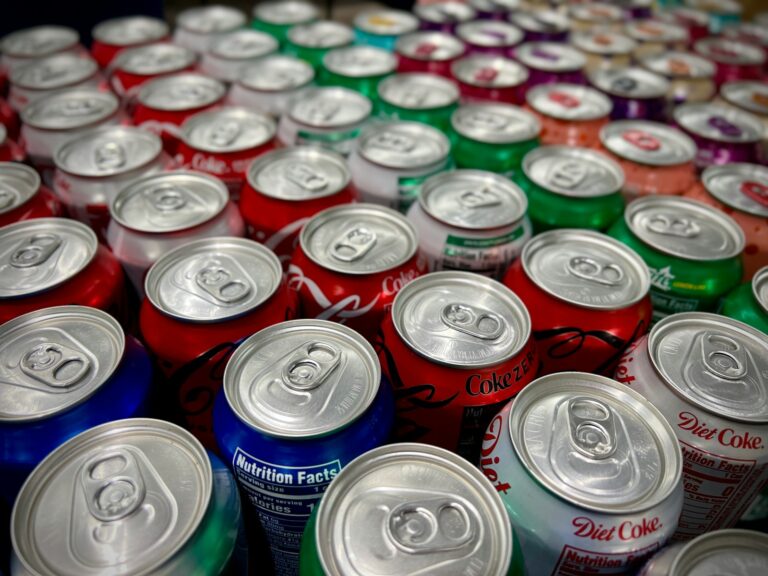
Cannabis canned drinks have run into a few snags along the way. Product makers aren’t able to get the dosage right and it seems like the cans themselves might also be a problem, tampering with the THC in the product. But when it comes to CBD, plenty of businesses say that their cans contain between 20-25mg of the compound in a wide variety of flavors.

CBD canned drinks are the latest CBD product to enter the market, which, according to The Outside, are expected to make $11 million in sales by 2025. Here’s what you should know about these products.

Pricing

Prices range from 20 to 100$ per box, having a wide range of options for people to choose from. Still, prices are high when compared to other canned drinks on the market, including alcoholic beverages. CBD companies must ensure that their products produce significant results. As of yet, these claims have not been supported by science.

CBD in liquid form

RELATED: Are CBD-Infused Alcohol Beverages Legal?

While there’s not a lot of science to support most of the claims made about CBD, product makers of CBD canned drinks claim that the compound is very effective when consumed in liquid form, allowing for the body to absorb its anti-stress and anti-inflammatory benefits rapidly and efficiently.

What about the cans themselves? 

Experts believe that the material used to make the cans can remove some of the effects of THC, sucking out the benefits and reducing their potency.

“Our theory is the cannabis material, the droplets, will stick to the liner and cling on it. When you open the can to take a drink, it will lose its potency,” says Harold Han, founder of cannabis company Vertosa. CBD canned drink makers have not addressed these claims, so we don’t know if this problem is limited to THC or if it extends to different cannabis compounds.

RELATED: Solving For CBD’s Funky Taste Before Beverages Can Go Mainstream

Consuming CBD in a can sounds like a promising idea, one that lends itself to producing quick therapeutic effects. Still, unless we get the science, we remain in the dark with these kinds of products. Although there’s almost nothing that suggests that CBD is harmful for your health, there is evidence that indicates these products might just be a waste of money.

Science Confirms CBD Could Helps Neurodegenerative Diseases

While more research is necessary, a new study confirms CBD contains neuroprotective potential against degenerative diseases, such as Alzheimer’s and Parkinson’s.

Back in 2003, the U.S. Department of Health and Human Services was granted a patent for the neuroprotective capacity of non-psychoactive cannabinoids. You are not reading that incorrectly. An arm of the federal government, which classifies marijuana as an illegal substance with no accepted medical value, has technology rights to CBD’s ability to protect the brain.

“Cannabinoids are found to have particular application as neuroprotectants, for example in limiting neurological damage following ischemic insults, such as stroke and trauma, or in the treatment of neurodegenerative diseases,” reads patent No. 6,630,507.

RELATED: Can Medical Marijuana Actually Kill Cancer Cells In The Brain?

A new study from Korean scientists published last month in the Cannabis and Cannabinoid Research journal aimed to dive deeper. While the federal government owns this patent, the scientific community has released mixed results on this phenomenon. Variables like brain cell types and experimental conditions have led to “different and somewhat contradictory results,” the researchers wrote, with the goal of understanding whether or not CBD held any potential in protecting brain cells against oxidative stress.

5 Common Myths About Hemp Oil And CBD Oil
Photo by Tinnakorn Jorruang/Getty Images

The answer, it turns out, is yes — a possible link between CBD and slowing brain cell death exists.

“The use of low-concentrated CBD significantly rescued the neurons from the oxidative stress, confirming its neuroprotection capability,” researchers concluded.

RELATED: Can CBD Negatively Affect How Your Body Processes Medication?

For the study, researchers tested what effects varying levels of CBD molecules had on hydrogen peroxide (H2O2), or oxidative stress. The molecule is considered a pathological culprit in neurodegenerative diseases like Alzheimer’s, Parkinson’s, Huntington’s, and ALS. Tested under “in vitro” conditions, or in a petri dish, researchers found the antioxidant properties of CBD provided hippocampal neurons a protective layering from the initiation and progression of apoptosis, or cell death, caused by oxidative stress.

Researchers acknowledged more examination is necessary, as the brain contains complex structures and networks that could influence such results. They added possible avenues of further study could be around the administration of CBD — that is, if taking CBD by smoking, eating edibles, or applying topically could impact its effect on the brain. But the study concluded that CBD does contain neuroprotective potential worthy of further exploration.

Did Scientists Cure Type-1 Diabetes?

A team of researchers developed new protocols for generating human stem cells to allow the body to heal damage caused by diabetes in mice.

Could a type-1 diabetes have a cure on the way? A new study featured in Nature Biotechnology showcases findings that are causing a stir in the diabetes community and beyond. 

Researchers looked to examine human pluripotent stem cells (hPSCs) in more depth to analyze cell replacement therapy as a treatment for diabetes. Past studies have featured hPSCs and showed promise as well, leading researchers to continue down the path of better understanding the cell-sequencing and how a solution might look and act within the human body.

The research, just finalized in 2020, built-on what previous teams have found and utilized the already known link between diabetes and cell replacement therapy, while also understanding and modeling other cell behaviors.

RELATED: Using Medical Marijuana To Treat Diabetes

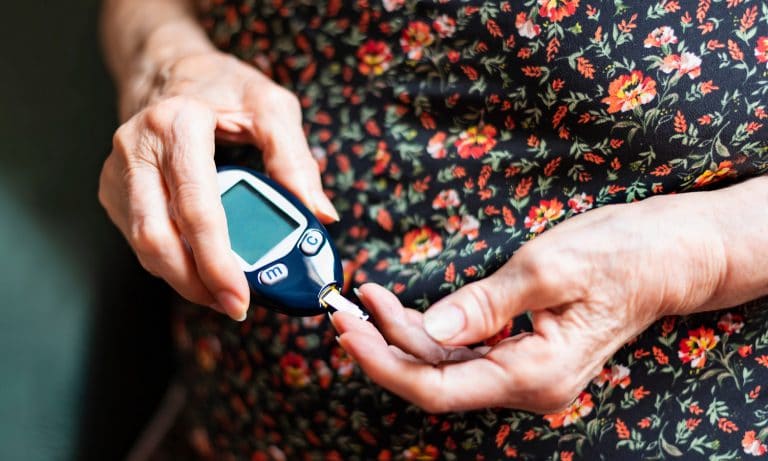
In short, the team developed new protocols (or solutions) for generating human stem cells to allow the body to heal damage caused by diabetes in mice. The results were remarkable. In mice, the stem cells that were implanted in the cytoskeleton, or inner layer of the cell, cured diabetes, keeping blood sugar levels stable for over 9 months.

CBD Oil May Eliminate The Need For Insulin
Photo by stevepb via Pixabay

Older research featured in the proceedings of the National Academy of Sciences of the United States of America (PNAS) looked at the unknown consequences of diabetes killing pancreatic β cells and the damage of molecular degeneration. They looked to a type of stem cell, or pluripotent cells (cells that have the capacity to self-renew), to see how they could use the cells to help “reprogram” cells to regenerate those damaged by diabetes.

Identifying new cells modeling, the research team paved a new path to better understanding stem cell therapy with diabetes in 2009 with new technology that allowed for better recreation and usage of stem cells.

RELATED: Inflammation & Obesity: Can Cannabis Help Break The Cycle?

What’s next? The research team is looking to replicate findings in larger animals to better understand the complexities involved and hoping to be able to replicate the same results to eventually allow for human trials. With just under 10% of the population living with diabetes, according to the Centers for Disease Control, (CDC) a cure would change the life of millions.

According to the World Health Organization (WHO,) diabetes has been on the rise since the early 1980’s with 108 million individuals living with diabetes in 1980 to 422 individuals in 2018. Causing blindness, kidney failure, and stroke, diabetes is a major concern in countries with both higher and lower incomes. 

Joe Biden’s Conflicting Opinions About Marijuana

The current frontrunner for the Democratic nomination can’t keep his story straight about cannabis reform.

Joe Biden wishes you would stop reminding him he once qualified cannabis as a “gateway drug.” At a Las Vegas town hall last November, Biden stated he couldn’t support federal marijuana legalization because he wasn’t sure if weed was a gateway drug. Joe Biden conflicting opinions about marijuana are concerning the industry and the public.

“There’s not nearly been enough evidence that has been acquired as to whether or not it is a gateway drug,” he said at the time.

The comment opened up Biden to attacks from more left-leaning opponents, and he’s been trying to walk it back ever since. “I don’t think it is a gateway drug,” he told reporters a week later. “I said some say it’s a gateway drug.”

Ever since then, Biden has walked a fine line between supporting marijuana reform, but not full-blown legalization. In a recent interview with The Shade Room, Biden once again felt the need to defend himself about marijuana.

“When you talk about marijuana, everybody says, ‘Biden says it’s a gateway drug’. I don’t think it’s a gateway drug.”

RELATED: Is Donald Trump To Blame For Plunging Canopy Growth Stocks?

Biden went on to repeat his official platform position, which is to decriminalize cannabis nationwide and expunge prior marijuana convictions. States can decide to legalize adult-use cannabis under Biden’s plan, and he would move cannabis to a Schedule II drug, which would lift many restrictions currently in place around marijuana research.

joe biden realizes anti marijuana stance is politically toxic and now supports decriminalization
Photo by Ethan Miller/Staff/Getty Images

However, Biden can hardly blame reporters and voters for misunderstanding this position. Just last weekend, he mistakenly said he would legalize marijuana before correcting himself.

“There is evidence that we have to do some more study on the impact on mental acuity,” he told KMOV-TV in St. Louis Saturday. “And so I would legalize — I would decriminalize and I would provide for the ability of the researchers to get in and make sure we got it right this time.”

This isn’t the first time Biden’s made this mistake either. Last month, Marijuana Policy Project’s Don Murphy asked the candidate about his “hawkish” cannabis policy. He repeated it his policy platform, before stating twice he doesn’t believe marijuana is a “gateway drug.” Then he added this interesting nugget.

“I think it is at the point where it has to be, basically, legalized,” Biden said in a recording obtained by Politico.

RELATED: Another Survey Shows Teen Marijuana Use Declines After Legalization

Following the results of Super Tuesday last week, advocates across the country have become dismayed about substantial federal marijuana reform occurring this year. Thanks to a sweeping comeback by Joe Biden, Democratic candidates that supported major reform, like Pete Buttigieg and Elizabeth Warren, have dropped out of the race. President Donald Trump, meanwhile, has aligned himself as anti-marijuana in recent months, reversing previous promises to let states decide legalization.

The only major candidate left in the race that supports full marijuana legalization is Bernie Sanders, who says he would remove cannabis as a Schedule I drug through executive order his first day in office. Whether Biden would legalize or decriminalize marijuana as President remains open to interpretation of his above statements.

Don't Miss Your Weekly Dose of The Fresh Toast.

Stay informed with exclusive news briefs delivered directly to your inbox every Friday.

We respect your privacy. Unsubscribe anytime.