A team of Australian scientists found ‘insufficient evidence to provide guidance on the use of cannabinoids for treating mental disorders.’
In recent years, scientists have asked the federal government to remove cannabis as a Controlled Substance so that they can more effectively study its effects. Studying marijuana is notoriously difficult and scientists often receive less than ideal cannabis flower from the government to conduct research. In some cases, the weed is moldy and flowers are ground with stems and seeds, which makes it difficult to conduct precise research.
As marijuana explodes into the mainstream and becomes a preferred medicine to treat certain conditions, we need more research before making definitive claims. A recent study around the efficacy of treating anxiety and depression symptoms with marijuana would agree with that sentiment. In what is being called the most comprehensive review around marijuana and mental health, researchers say the evidence isn’t there.
“There remains insufficient evidence to provide guidance on the use of cannabinoids for treating mental disorders within a regulatory framework,” the study’s authors wrote.
Published in the Lancet Review, a team of Australian scientists collated data from 83 previous studies on medical marijuana’s effects on mental health. They wanted to know how medical cannabinoids affected conditions such as ADHD, PTSD, depression, anxiety, Tourette syndrome, and psychosis. They did find positive results in some cases, such as studies where pharmaceutical CBD-THC reduced symptoms of anxiety and PTSD, and one where patients with psychosis saw some benefits. Overall the literature failed to meet the standard criteria necessary for a drug to be considered safe and effective for widespread use.
Photo by Xavier Sotomayor via Unsplash
“Clinicians and consumers need to be aware of the low quality and quantity of evidence for the effectiveness of medicinal cannabinoids in treating mental health disorders and the potential risk of adverse events,” the authors wrote.
Research where marijuana improved mental health conditions often correlated with using cannabis to treat other diagnoses. For example, patients who were prescribed marijuana to treat multiple sclerosis or chronic pain saw a reduction in those symptoms, which then improved their mental health conditions.
The other complication around medical literature regarding marijuana is that scientists often utilize observational models as a loophole to conduct research. In these cases, they can’t control the quality of cannabis being used by participants. Of the 83 studies the Australian scientists reviewed, only 40 were randomized controlled trials, which is the “gold standard” in drug research testing. In randomized controlled trials, participants don’t know whether they’re receiving the drug or not. Researchers behind the study suggested a placebo effect could be occurring in some anecdotal reports of marijuana improving mental health conditions.
“In light of the results of this comprehensive review and meta-analysis, it would be hard for practitioners to justify recommending the use of cannabinoids for psychiatric conditions at this time,” Dr. Deepak Cyril D’Souza, who serves as a professor of psychiatry at Yale University, noted in a commentary that accompanied the new study.
Experts say it’s likely that the solvents used in vape cartridges, such as propylene glycol, ethylene glycol, and vegetable glycerin, are the culprits.
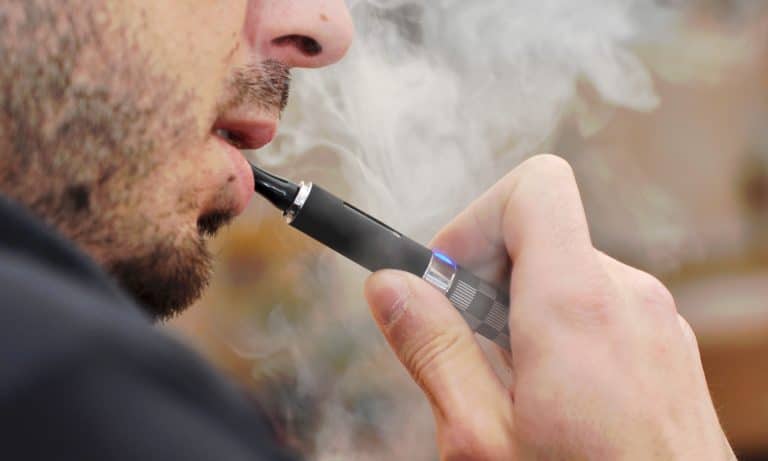
The term “vape tongue” or “vaper’s tongue” is being thrown around a lot lately. But what is it, exactly? While the condition is nothing new, it’s gaining in popularity as the consumption of cannabis rises, especially among younger users.
Vape tongue a side effect of vaping that causes users to lose flavor sensitivity in their tongues. The good news is that this condition is temporary and that it has a quick and easy solution; once people stop vaping, they regain their taste buds’ functions within a couple of weeks time.
Insider spoke with Dr. Erich Voigt, who said that among the symptoms associated with vaping, like nausea, chronic coughing and trouble breathing, vape tongue is the least discussed. Vape tongue “isn’t something people come into a specialist’s office to fix because it’s a more mild symptom and they deal on their own,” he explains.
While the condition hasn’t been studied, vape tongue is experienced by those who vape cannabis and tobacco, meaning that it’s unrelated to the substance itself. According to experts, it’s likely that the solvents used in vape cartridges, such as propylene glycol, ethylene glycol, and vegetable glycerin, are the culprits. One theory suggests that these liquids can coat the tongue and prevent it from experiencing flavors as it normally does. These solvents could also inflame your nose, affecting your sense of taste even more.
While it might take some years to learn about the short and long term side effects of vaping, it appears that at least your tongue and taste buds are safe.
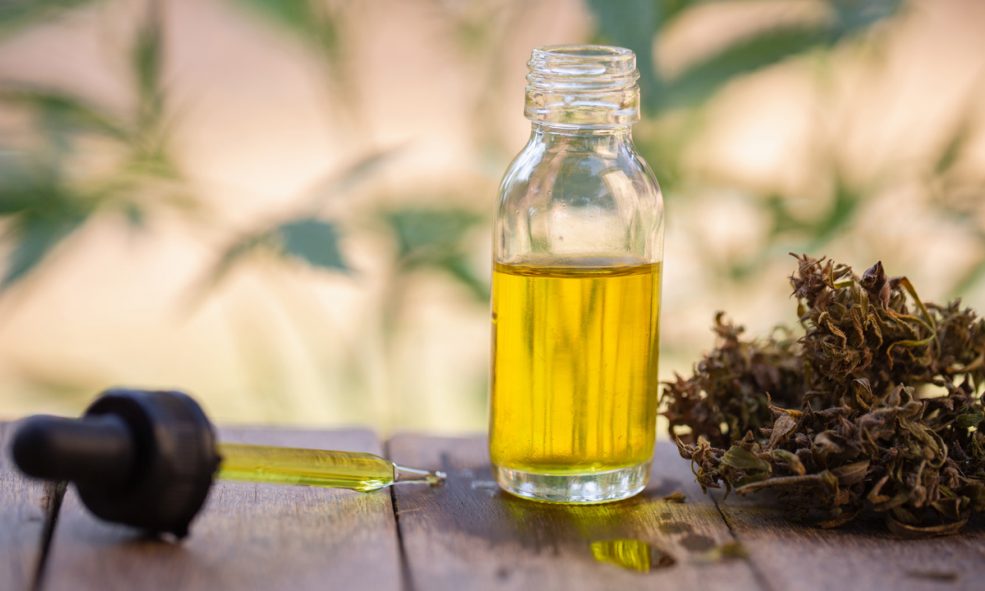
The cannabis plant has a multitude of uses beyond getting people high, including making textiles, paper, biofuel, and oils for a range of applications, from industrial lubricant to skin moisturizer. However, as the popularity of cannabis-infused products grows, so does confusion over terminology, leading some consumers to purchase something that is made from cannabis, but isn’t what they expected. There is one part of the plant gaining in popularity, what is hemp oil?
One example is hemp oil, which can contain CBD, depending on what part of the cannabis plant is used to produce it. It is made from the stalks, leaves and flowers of the plant contain CBD, a popular cannabinoid gaining popularity as of late, and hemp seed oil, which is cold pressed from cannabis seeds and does not contain any CBD.
Whether it contains CBD or not, still contains a lot of substances thought to be beneficial to the skin, such as fatty acids like omega-6 and omega-3, vitamin E, and linoletic acids. Hemp oil moisturizes skin and is chock full of substances thought to restore and improve skin appearance. Hemp seed oil can also be consumed as food, such as a substitute for olive oil.
Hemp oil containing CBD will have much the same benefits of hemp seed oil but with the added effects that many experience with CBD, notably a reduction in inflammation. The seeds, by nature, do not contain THC or CBD, but other parts of the cannabis plant do contain either substance, or both. CBD’s impact on the skin’s health and appearance is not quite fully understood, but studies are promising, with CBD showing a positive effect on acne and psoriasis.
Consumers should carefully inspect the labels of any products claiming to have hemp products and any product claims. Products with it will not have CBD and may not have any of the properties of a hemp oil containing the popular cannabinoid. You should have some knowledge know about what is hemp oil.
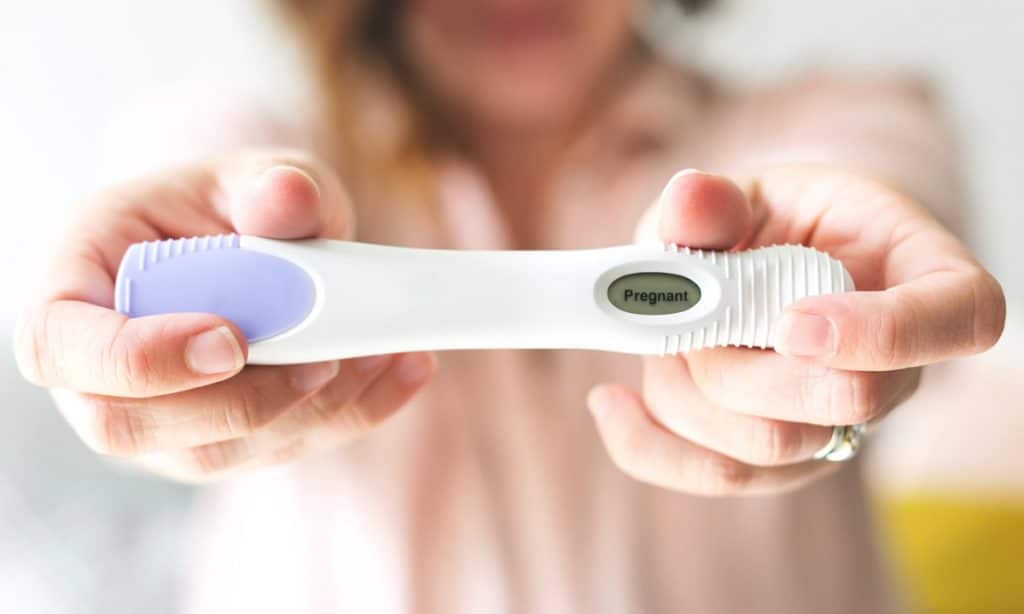
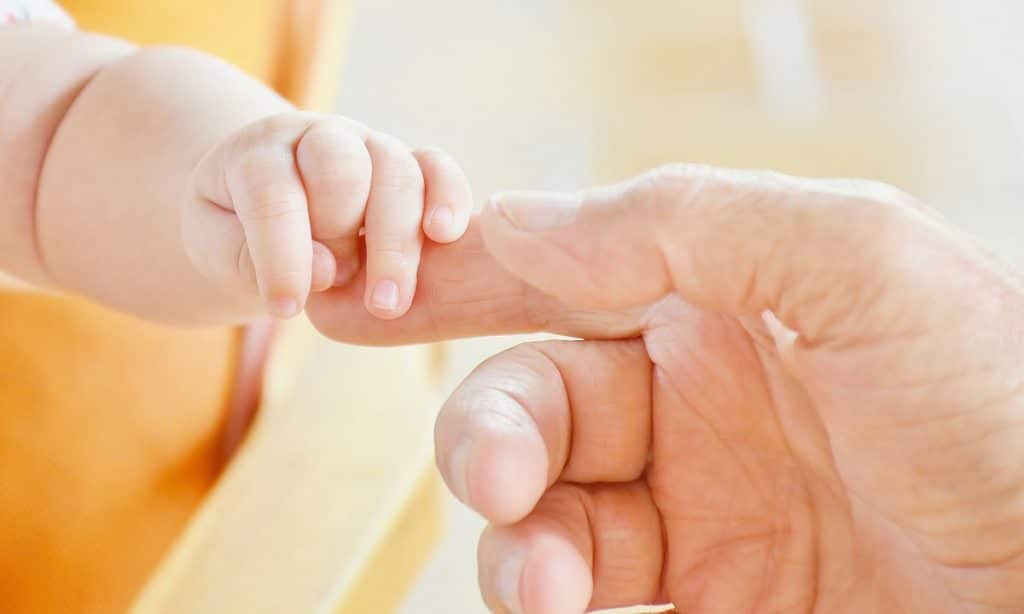
Some women choose to consume cannabis during pregnancy and while breastfeeding, but a few studies indicate that this could cause developmental problems and cognitive deficits.
On a worldwide scale, an estimated 211 million pregnancies occur annually and about 6.2 million of those pregnancies occur in the U.S.. Although many pregnancies are unplanned, there’s a significant number of new births every day. The ages of expecting mothers varies, and numerous soon-to-be mothers are unaware that they’re pregnant for quite some time. Therefore, they may choose to consume drugs including cannabis for medical and/or recreational purposes during their first stage of pregnancy.
Although cannabis and various cannabinoids are medically beneficial for consumers, according to recent research findings, these substances could negatively impact a fetus and a newborn. Regardless, some women choose to consume cannabis during pregnancy and while breastfeeding, but a few studies indicate that this could cause developmental problems and cognitive deficits.
Preview of Data on Cannabis Usage During Pregnancy and Breastfeeding by AAP
In August 2018, the American Academy of Pediatrics (AAP) announced and released their guidelines on the topic of cannabis usage amongst pregnant and breastfeeding women, which are the first guidelines AAP has ever released. These guidelines are in the form of recommendations, which are based on an analysis of the present research regarding cannabis’s impact on pregnancy, breastfeeding, and childhood development. Currently, there’s little evidence on the usage of cannabis during pregnancies. Nonetheless, the guidelines/report expresses that refraining from consuming all forms of cannabis during pregnancy and breastfeeding is the best choice. This is partially due to THC’s ability to cross the body’s placenta.
In addition, this recommendation builds upon additional studies that focused on newborn babies, which found that newborns who were exposed to cannabis in utero experienced different irregularities including unusual sleep patterns as compared to newborns who weren’t exposed to cannabis in utero.
Furthermore, one recent study was published in the Journal Pediatrics around the time of the AAP report, and it focused on breast milk content amongst fifty women who consumed cannabis via smoking, edible ingestion, and other methods. Between 2014-2017, fifty women provided fifty-four samples of breastmilk, which were analyzed by San Diego’s Mommy’s Milk Lab, which is a human milk research biorepository at the University of San Diego. After analyzation, it was discovered that THC was present in 63 percent of the breast milk samples up to six days after the women reported their cannabis usage. It was also found that nine percent of the samples had significant concentrations of cannabidiol.
Then, the researchers attempted to calculate how much THC a newborn would consume from that concentration. Breastfeeding frequency, quantity of ingested milk, and other factors were considered during this calculation. Although AAP’s report and the recent Journal Pediatrics study contain noteworthy information, several questions are left unanswered.
Unanswered Questions & Study Limitations
Researchers only focused on two cannabinoids, THC and CBD, even though there are many other cannabinoids present in the cannabis plant. There’s also room for additional research regarding any possible complications that can occur due to cannabis consumption by pregnant and breastfeeding women. Also, most researchers depended on data from mothers who reported using cannabis during and after pregnancy. In general, one of the study’s main limitations is the researchers’ reliance on women remembering their exact cannabis usage, dosage, and/or cannabis exposure and then reporting it.
Additionally, the researchers didn’t test the levels of THC and other cannabinoids that were found in the breastfed newborns themselves. But rather, they relied on their own projections. It’s also unclear regarding the specific levels of THC and CBD found in breast milk samples. Unfortunately, we don’t know why one-third (37 percent) of the samples don’t have measurable levels of cannabinoids. It doesn’t stop here though because we don’t know how cannabinoid metabolites accumulate in a child, how a child metabolizes these substances, the excretion speed, if they accumulate, and the length of time it hypothetically stays in a child.
Photo by Sarah Pflug via Burst
Thus far, potential infant exposure to cannabis via breastfeeding isn’t entirely understood. There’s also limited data on the potential neurobehavioral impact that can occur from infant exposure to cannabis via breastmilk. Overall, the AAP report had various limitations including the fact that not all breast milk samples were directly observed. On top of this, no infant plasma samples were taken, and instead, assumptions were made regarding potential infant THC exposure.
Last but not least, the following statement was made about other information we don’t know: “The extent of oral absorption in breastfeeding infants, metabolism and accumulation patterns, and pharmacologic effects of even low levels of cannabinoids on neurodevelopment in infants are unknown.”
Neurodevelopmental Concerns in Infants Due to Maternal Cannabis Consumption
Moreover, it has been found that cannabinoids, especially THC can interrupt normal axonal growth and development in the developing human brain. How does THC make its way to a fetus and infant though? Well, THC and other cannabinoids can enter a mother’s breast milk supply due to the breasts’ blood vessels that provide access to the glands where milk is produced. This particular access permits chemicals and various medications in the blood to move into the breastmilk. However, this depends on the size of the cannabinoid, the concentration of it in the mother’s bloodstream, and whether the chemical or medication is conjoined to proteins and fats. Overall, THC is extremely soluble in fat, and breast milk has a high fat content as well.
Due to THC’s ability to interrupt normal axonal growth and development in the human brain, we must know the short and long-term developmental effects that can occur in infants exposed to cannabinoids via breast milk. So far, there are concerns about potential neurodevelopmental and behavioral consequences from prenatal exposure to cannabis. However, there’s limited data that reveals THC’s ability to transfer into human milk. There’s also no evidence regarding the safety or harm of cannabis during lactation. Unfortunately, current data is inadequate to assess the impact cannabis has on infants by their mothers during breastfeeding. Therefore, maternal cannabis usage is discouraged during pregnancy and breastfeeding.
However, we know that a child’s brain quickly develops when its main form of nutrition is human breast milk. So, if the child absorbs THC from its mother, this could alter brain development. Various researchers involved in other studies claim that prenatal cannabis exposure could inhibit brain development leading to cognitive and behavioral function deficits. But, the developmental infant deficits that were found in a previous study was during a time when cannabis concentrations were one-third of what they are today. As a result, there’s an essential need for additional research on neurodevelopmental outcomes in infants who are breastfeed by cannabis consuming mothers.
Photo by RitaE via Pixabay
Also, oftentimes, cannabis is grown alongside the usage of herbicides, pesticides, rodenticides, and fertilizers, and many of these are toxic and unhealthy. Thus, if mothers consume that kind of cannabis, their fetus and soon-to-be infant could be exposed to those toxins too.
Recommendations for Future Soon-to-be Mothers
Overall, cannabis is the most commonly reported recreational drug consumed by pregnant and lactating women, and up to thirty-six percent of women reported consuming cannabis at some point during their pregnancy. Whereas, eighteen percent reported consuming cannabis while breastfeeding. Due to the limited data on potential adverse effects on fetuses and newborns from maternal cannabis usage, it’s advised to refrain from consuming the herb.
Both the American Academy of Pediatrics and the American College of Obstetricians and Gynecologists advise counseling mothers to avoid all cannabis consumption during pregnancy and breastfeeding. The AAP report also mentions that women should be aware of the lack of definitive research on this particular topic. It’s suggested that all women take time to learn more about the possible adverse effects that THC and other cannabinoids can have on a future child’s development.
To this day, cannabis is still classified as a Schedule I substance by the U.S. DEA. Therefore, there are many blockades that keep researchers away from performing more extensive and detailed research on the link between cannabis usage, pregnancy, and breastfeeding. In the meantime, proper education is essential and questioning recent studies and reports is strongly advised.
A new study finds that even if parents limited marijuana use to high school, their kids were more likely to use cannabis than other groups.
A primary focus among health professionals and scientists as marijuana goes mainstream is limiting adolescent cannabis usage. There’s still plenty we don’t understand about how cannabis works with the brain and body, but one thing researchers assert is that adolescent use irrevocably changes the teenage brain.
Studies have shown differences in brain structures between nonusers and those who used in high school, including reductions of the amygdala and hippocampus. These structures control emotional regulation and memory, respectively.
This is why researchers recently focused on how substance use from a previous generation impacted the next. The study, published in Psychology of Addictive Behaviors, examined how various marijuana use patterns in parents affected their children using or not using cannabis. This study builds upon a previous paper that established subsets of marijuana users.
Users were divided into four unique groups: “chronic” (habitual, continuous users), “late onset” (those who begin consuming in late teens and early 20s), “adolescent-limited,” (who only used as teenagers), and “nonusers.”
Photo by Darrin Harris Frisby/Drug Policy Alliance
As Futurity highlighted, this research really began back in the 1980s. Researchers tracked fifth graders at several Seattle elementary schools and followed their substance use patterns, developing data as to how alcohol and cannabis affected mental health, economic earnings, and later substance abuse problems. Once these individuals had kids, researchers started interviewing their children. As of publication, 360 children completed interviews as researchers began asking them about alcohol starting at age 6 and cannabis at age 10.
You might predict, as researchers did, how chronic use impacted kids. Compared to children of nonusers, kids of “chronic users” were 4.5 times as likely to use marijuana and 2.75 times likely to use alcohol.
Here’s what surprised researches. Kids whose parents only smoked during adolescence were 2.5 times as likely to use cannabis and 1.8 time to use alcohol. Even when scientists tested against parents’ current marijuana use, these rates held true. Children of “late-onset” users, however, were least likely to use marijuana, as were those of nonusers.
“The really important takeaway is that parent history of marijuana use is an important risk factor for kids,” Marina Epstein, a project director at the Social Development Research Group at the University of Washington, told Futurity.
Where do the 2020 presidential candidates stand on marijuana reform? Here is a summary, in order of ranking.
In a recent 13-part series, we reviewed the stance of each of the 2020 presidential candidates’ on marijuana, and we assigned each candidate a letter grade corresponding with our analysis. Our grading criteria is as follows:
Current stance on marijuana: What have they recently said about marijuana legislation? When did they adopt this stance? We awarded higher grades to candidates who currently support legalizing marijuana and even better grades if they have openly supported legalization for more than just the past couple years.
Website and social media: Did the candidate include marijuana on their website? How often do they mention marijuana on social media? We used the candidates’ websites and social media as a litmus test of their dedication to the legalization of marijuana. While most candidates have expressed support for legalization, some only speak on the issue when prompted or have very few statements on the matter. If a candidate does not actively advocate for marijuana, we doubt their conviction.
Past legislative history: How many marijuana-related bills did this candidate introduce, sponsor or sign? Did this candidate legislate the War on Drugs? How much opportunity did this candidate have to legislate bills? We considered the legislative history of each candidate to determine whether they would be likely to take real action to legalize marijuana as president.
Past rhetoric: What has the candidate said about marijuana over the course of their political career? What about the War on Drugs? The views of most candidates have evolved over time, but we gave lower grades to candidates with a history of strong anti-marijuana remarks.
Below is a final summary of the candidates, in order of ranking.
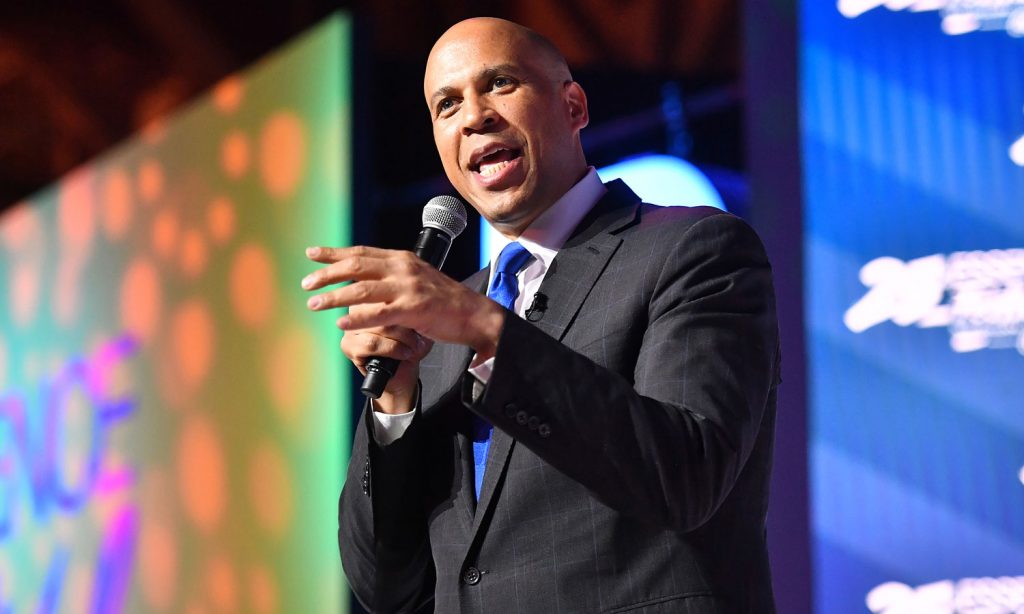
Conclusion: From the beginning of his career in the Senate, Booker has dedicated substantial effort towards legislation focused on criminal justice reform, including the legalization of marijuana. He is not only an outspoken advocate of legalization but he has taken the lead on legislation to reform marijuana laws. When it comes to cannabis, there is no better presidential candidate than Cory Booker.
Conclusion: We award Gabbard an A+ grade for making marijuana legalization central to her platform and for her extensive record of legislative action on marijuana. Gabbard has clearly demonstrated her commitment to legalizing marijuana and we believe that she would see the job through if elected president.
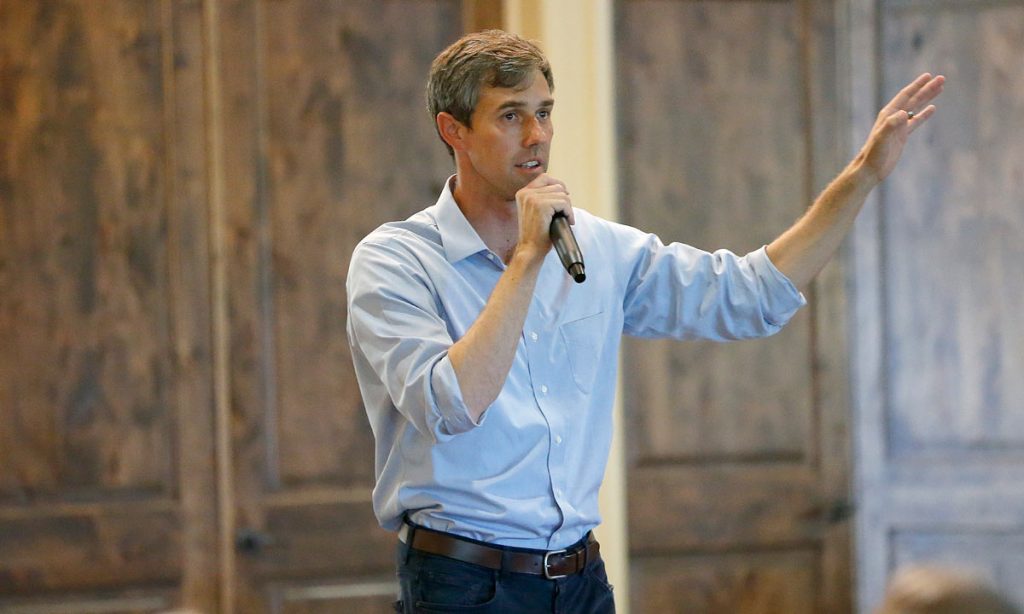
Conclusion: O’Rourke receives an “A+” grade because he has been dedicated to legalizing marijuana and ending the War on Drugs since long before he ran for president. His call for a discussion of marijuana in 2009 clearly shows O’Rourke is not simply pro-legalization to win over voters.
O’Rourke genuinely believes in legalizing marijuana because he saw the consequences of its prohibition in his hometown of El Paso. We are confident that a President O’Rourke would fight hard to legalize cannabis and for that we give him an A+.
Conclusion: Sanders receives an “A” grade based on his nearly flawless support for cannabis for the last 20 years. His record of pro-legalization legislation is remarkable and cannabis legalization is a central part of his platform as a presidential candidate. Though Sanders supported a couple bills early in his career that were inconsistent with his criminal justice platform, his two decades of pro-legalization legislation and rhetoric demonstrate his dedication to cannabis legalization and convince us that a Sanders presidency would be great for cannabis. His very recent release of a progressive and detailed national legalization plan (which happened after we initially assessed his views), should probably vault him into A+ status.
Conclusion: Warren receives an “A-” grade on cannabis. She obviously wants to come across as a longtime advocate for marijuana reform. Despite her claims, however, Warren did not consistently support legalization of marijuana before 2016. Fortunately, Warren’s recent legislative action surrounding marijuana is promising and Warren intends to legalize marijuana by executive order if elected president.
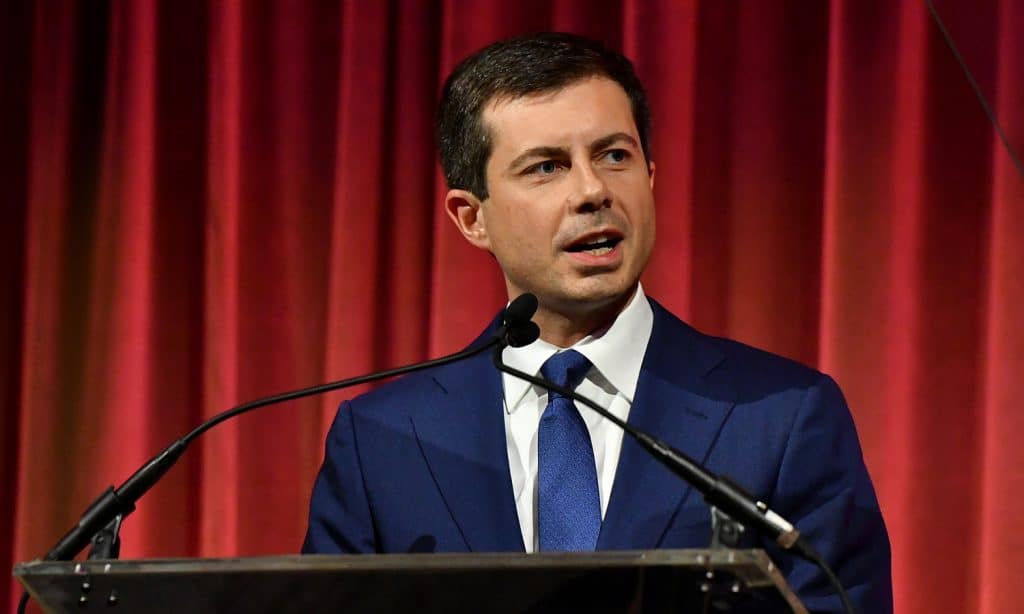
Conclusion: Buttigieg receives a “B+” grade. Over the course of his short and mostly innocuous political career, Buttigieg has not accumulated enough of a record on marijuana to determine the depth of his convictions regarding cannabis, but he has consistently stood for legalization since announcing his presidential candidacy. We do downgrade him for not actively addressing legalization on social media, which seems to indicate that this issue is not a high priority for him. In his favor, Buttigieg has openly supported legalization and his plan to address the War on Drugs and its aftermath is quite comprehensive.
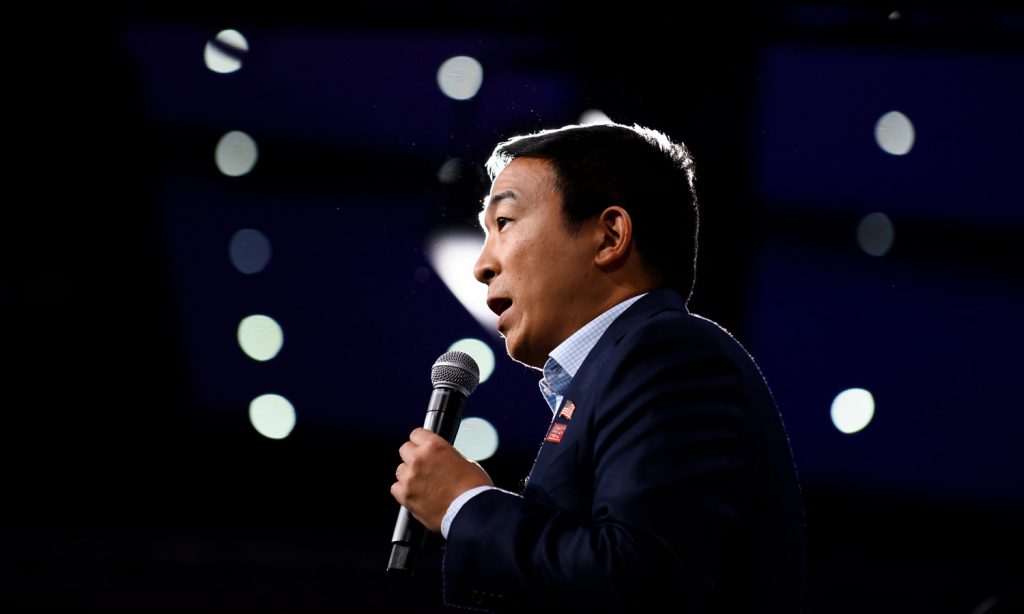
Conclusion: Yang receives a “B+” grade. Yang’s rhetoric is promising, but he lacks a legislative record on marijuana reform and criminal justice reform is not one of his “Three Big Policies.” His views on cannabis are good, but it is not clear how important they are to him. As president, Yang would likely be an advocate for legalizing marijuana, but it is unclear whether he is dedicated enough to make it happen.
Photo by Stephen Maturen/Stringer/Getty Images
Julian Castro, former Mayor of San Antonio and former U.S. Secretary of Housing and Urban Development
Grade: B-
Conclusion: Julián Castro receives a “B-” grade because his support for the legalization of marijuana is not an important part of his platform and because he has no legislative record on the issue. Castro has openly supported legalizing marijuana on his social media, but he does not mention marijuana on his website and only recently did he wholeheartedly express support for legalization at the federal level. He also omits key aspects of criminal justice reform from his platform. Overall, as president we think Castro would support legalizing marijuana, but we question his enthusiasm on this issue.
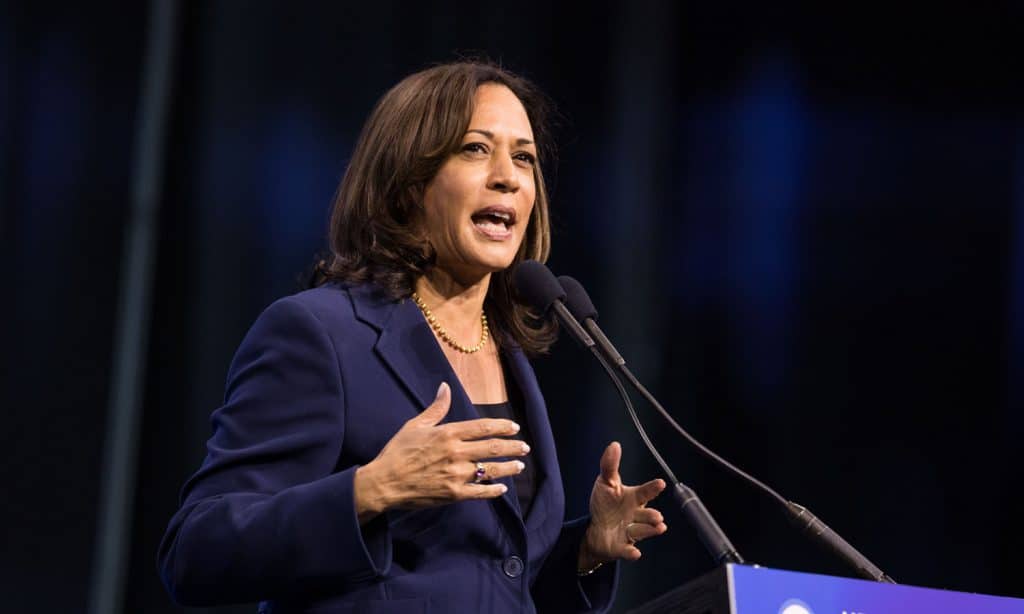
Conclusion: Harris receives a “B-” grade. As a presidential candidate, Harris is now outspoken in her support of legalizing marijuana as part of her criminal justice reform platform. Additionally, her recent sponsorship of the Marijuana Justice Act of 2019 demonstrates her willingness to take legislative action.
However, Harris’ less-than-stellar history on cannabis should make people wonder whether she really believes in legalization and how deeply. To put it bluntly, she may be fine on cannabis right now, but her history is cause for concern. Her past opposition to legalization as an attorney followed by inaction during the early part of her career as senator does not and should not inspire confidence in Harris as an advocate for legalization.
Conclusion: Conclusion: Klobuchar receives a “C+” grade because of her less-than-stellar history on cannabis and for her silence on legalization. Though Klobuchar stated support for legalizing marijuana, she obviously wants to distance herself from the issue by excluding any mention of marijuana from her social media and website.
Klobuchar’s legislative history is also disappointing. Before 2018, the senator did not sponsor any bills related to marijuana. She has recently signed on to marijuana-related bills, but she is the only Democratic presidential candidate in the senate who chose not to co-sponsor The Marijuana Justice Act.
Her pro-legalization stance, communicated in a single “statement” sent to The Washington Post, is not convincing. She comes across as having softened on legalization more for political reasons than out of any true commitment and she has done very little to demonstrate that she really wants to legalize marijuana.
Tom Steyer, former hedge fund manager and founder of NextGen
Grade: C-
Conclusion: We give Steyer a “C-” because he has only directly addressed his views on marijuana once. He also does not address criminal justice reform on his website or in his rhetoric.
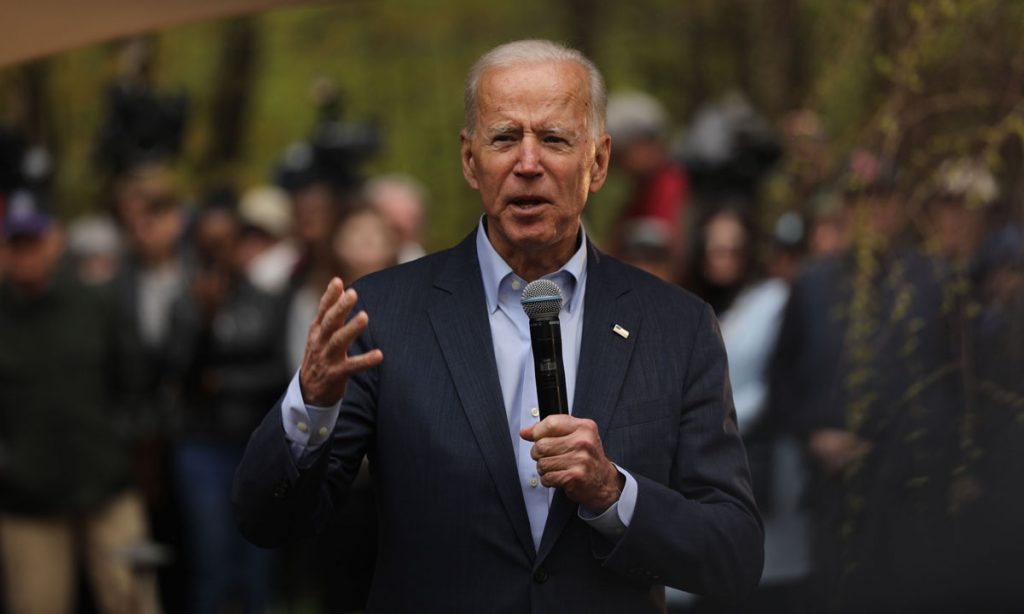
Conclusion: Biden receives a “D” grade for his views on cannabis because he both fails to recognize or acknowledge its medicinal uses and because he is the only prominent Democratic Party presidential candidate who does not support cannabis legalization. The only thing Biden has going for him is a stated desire for criminal justice reform, which saves him from a failing grade.
Conclusion: Donald Trump receives a “D” grade because his administration rescinded the Cole memo and called for a crackdown on legalization states and because he broke his campaign promise to let states decide whether or not to legalize. More generally, his promise to let states choose whether to legalize would still leave marijuana illegal at the federal level. His inconsistency on cannabis is the biggest issue. He will say one thing and then do something completely different. His actions often do not match his words.
As with most choices, it’s going to depend on what supplies you have on hand, your mood and even what day it is. So enjoy all methods responsibly and on your own time.
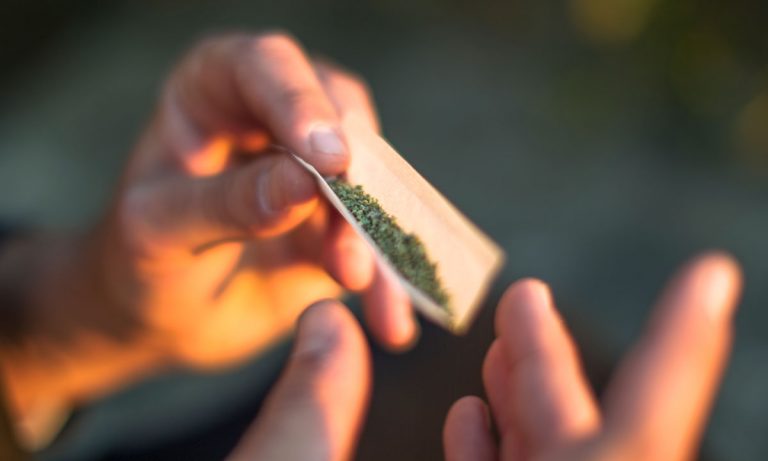
Everyone has their favorite way to become altered, and if you’re rolling up, you have choices that must be made on the fly. Namely, how are you going to wrap up your weed and are you going to be a purist or are you going to use a little buzzy tobacco mixed in with the marijuana?
First, in case uninitiated, what are the real differences here? A joint is wrapped in a paper or sheath that is often made of hemp, but also comes in flavors and see-through wraps that have more novelty appeal. A blunt is rolled inside a cigar wrap, which gives non-tobacco smokers an extra buzz and lends a leathery, somewhat sophisticated, taste to the experience, though they also come in flavors like vanilla and cognac. And the spliff. Most often rolled in Europe, a spliff is a joint mixed with a little tobacco.
So as you can see, a lot of this has to do with personal preference and even how big a group is imbibing. A blunt wrap might make it around the room a few more times due to size and a slow burn, but is everyone gathered down with the tobacco wrap? Similarly, if you’re going to roll a spliff, make sure that there are no ex-cigarette smokers who wouldn’t want the temptation or that there’s no one simply opposed.
If tobacco offends you and you don’t like processes or chemicals much either, rolling a joint with raw hemp papers is your best bet. They are au natural and there is even a popular brand of rolling papers named RAW that makes it all the easier to pick up at the head shop. And if you are going the raw route, you might as well make it purist all around. Get some organic, terpene rich cannabis from your local head shop before rolling up!
So what are some advantages of the spliff? Namely a smoother smoke. The cannabis nubs and shredded tobacco co-mingle to make a more uniform smoke, which means fewer runs in the papers and more even hits. Just work about a quarter of a cigarette out of its sheath and mix the tobacco with your cannabis before rolling and you’re ready to go!
As with most choices, it’s going to depend on what supplies you have on hand, your mood and even what day it is. So enjoy all methods responsibly and on your own time. They’re tried, true and just waiting to be rolled up and smoked up.
According to two new studies, owning dogs improved people’s cardiovascular systems, making them 21% less likely to die.
You don’t have to be a scientist to know that hugging and kissing a dog provides most people with a rush of happy chemicals. Specifically oxytocin, if you want to get technical. Now, two new studies have proven this, suggesting that these kinds of natural uppers not only make us feel good, but could also help us lead longer lives.
Published in the journalCirculation: Cardiovascular Quality and Outcomes, the studies looked into the lives of 100,000 people with cardiovascular disease over a period of 12 years. Even after variables like age, socioeconomic and marital status, demographic, and location were accounted for, having a pet still improved the subject’s health. Results from the study said that pet owners were 21% less likely to die when compared to their counterparts.
“When you look at the big picture and look at all the evidence around dog ownership and cardiovascular health, it’s pretty clear the signal is real and likely causal,” explained study author, Dr. Dhruv Kazi. Although the research is not definitive, Kazi sees a link between good health — at least in people with cardiovascular diseases — and having a dog.
Speaking to NPR, Kazi lays out why this connection might exist and why caring for dogs is good for people’s health. “We’ve known forever that owning a dog increases one’s physical activity. Regardless of weather, you have to get out and walk the dog. Otherwise, you might be tempted to stay home and watch TV,” he explains.
Other positive outcomes of owning a dog include spending time outdoors, which has always been correlated with better health, and the beneficial effects that they have on people with mental health disorders like depression, anxiety, and more. Evidence also says that owning a dog reduces blood pressure and improves people’s cholesterol profile, thus having a large impact on cardiovascular health.
If you were stopping yourself from getting a dog because of finances or stress, take all of this data into account. You may have to pay some vet bills and clean up some messes, but you’ll get some good heart health and oxytocin-inducing cuddles.
Poor headwinds and outsized influence of individual investors have dropped valuations at multiple cannabis companies.
To understand why investors and financial analysts have cooled on the cannabis industry, just look at the jobs. Previously, marijuana businesses were all growth. If you needed a job and wanted to change fields, cannabis was fertile soil for a fresh start. While you can still find work in cannabis, the biggest players aren’t hiring like they used to.
Close to 600 cannabis industry workers have lost their jobs in the past few weeks, according to Business Insider. Layoffs hit everyone from CannTrust to Pax, meaning venture capital won’t save you from the recent downturn in cannabis. But in all cases a similar culprit to blame—the uneasy operating environment of a cannabis business.
Inconsistent regulations, high licensing fees, and media backlash from the vaping illness crisis all factor into the tricky variables inside the cannabis industry. Add in lower-than-expected retail sales in legal markets like Canada and California, and the inability to raise capital from regular investment means due to federal laws prohibiting cannabis banking, and you can understand why everyone isn’t as hot on cannabis as they once were.
Take The Marijuana Index, for example. The index is a composite of major cannabis stocks in the United States and Canada, including CannTrust, Canopy Growth, and Aurora Cannabis. After hitting a high in January this year, the index has lost 60% of its value, dropping to its around the same valuation it had close to two years ago. That’s not good, folks.
Photo by Bloomberg Creative Photos/Getty Images
Bloomberg reported that the investment community is blaming mom and pop investors for the cratering of pot stocks. Canadian retail investors, not major institutions, increasingly dominate the public float at many companies. Individual investors, as a result, carry an outsized influence than publicly traded companies would like.
“The stock price is driven by Canadian retail investors, and that Canadian retail investor is a fickle, ignorant investor that doesn’t really understand what they’re investing in,” Jeff Mascio, CEO of the Denver-based Cannabis One Holdings Inc., told Bloomberg.
One investment analyst told Business Insider the up-and-down, unpredictable nature of the cannabis industry has created a “toxic” environment for businesses. But Nicholas Vita, CEO of the New York-based Columbia Care Inc., said that could all change if certain players enter the fray.
“If the U.S. investing community, particularly the U.S. institutional investing community, decides to lean in, you’re going to see a massive spike in valuations,” he told Bloomberg.
The discrepancy between federal and state laws has created a quagmire of problems for college students.
In states that have legalized recreational or medical marijuana, a gray area exists. Federal law still qualifies cannabis as an illegal Schedule I drug, which means marijuana is highly prone to abuse and has no accepted medical usage. To protect the rights of citizens in places like California or Colorado, Sens. Elizabeth Warren and Corey Gardner proposed the STATES Act, which would recognize marijuana legalization in states and prohibit federal persecution.
But the STATES Act remains stalled in Congress, despite Donald Trump saying he’d likely support the bill. As a result, the gray area between federal and state marijuana laws remains. All of which has led to a wake of confusion and outcry to how policies are being enforced, according to the Associated Press.
College campuses have long struggled in its responses to legal marijuana. Oklahoma universities announced medical marijuana was banned on its campuses after it was legalized in the state. Because state universities receive federal grants to fund their programs and research, many universities believe they must follow federal law to keep that money. This has caused students at Oklahoma a litany of problems, as they can’t access their medicine if they stay on campus all day for classes.
Those students, however, can find workarounds to treat their medical conditions. For example, Oklahoma City Public Schools allow a primary caregiver to come on campus and deliver the medicine in a closed room, so long as no one at the school, including nurses, handles the medicine.
Photo by Vasily Koloda via Unsplash
University students pursuing degrees in nursing or other medical professions don’t have that luxury. Many school policies dictate these students undergo drug testing. Students that have received approval from health professionals at their colleges to use medical marijuana receive a different message later on. Once those tests come back positive, higher-ranking officials step in to deliver disciplinary action. Students in Arizona, Connecticut, and Florida have all suffered this problem and some have even taken to filing lawsuits against their schools.
“Universities can effectively decriminalize it, de-punish it and make it not something they focus on,” Jared Moffat, campaigns coordinator for the Marijuana Policy Project, told the AP.