Friday, June 19, 2026
Home Blog Page 876

California Carr Fire: When Cannabis Crops Go Up In Smoke

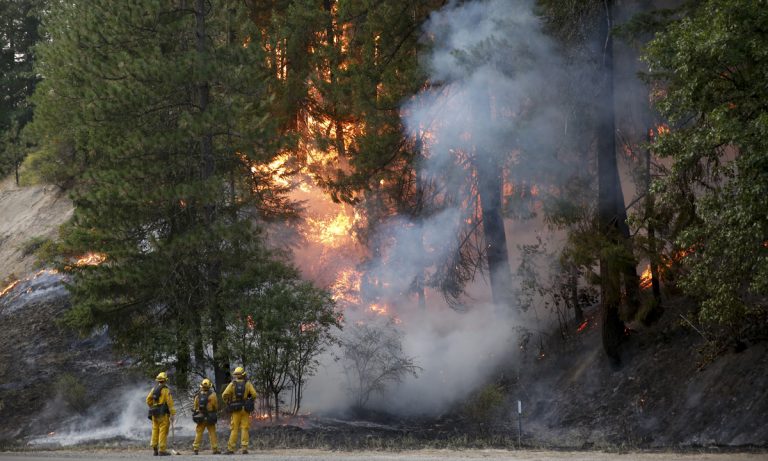
Cannabis Cultivator Hilary Clarkson witnessed smoke encroaching from the fires up north about a week before they reached her. One morning she woke up at 7 a.m. in the San Lorenzo Valley in the Santa Cruz Mountains to see ash falling everywhere. Since Clarkson was off the grid, her family was not evacuated. She had to drive through 3.5 miles of flames to get to safety. Now, a year later, additional California fires rage on, threatening and burning a whole new harvest.

At the time, Clarkson was the operations manager of Old School Farms, a licensed medical marijuana farm formerly in Santa Cruz Mountain Organic Growers’ Service. Half of her cannabis crop, even though it didn’t burn down, was destroyed by smoke damage.

“We had already harvested and were trimming. We saved at least half of our crop because it was already encapsulated in storage tubs when we evacuated,” says Clarkson.

During the week-long evacuation, meth-heads who knew there was abandoned cannabis in the area attempted to loot the farmers’ harvests. Cultivators who were defending their property fired gunshots to ward off looters. “It was pretty harrowing,” says the self-described, peaceful “hippie chick.”

Clarkson was so traumatized by last year’s California wildfires that she packed up and relocated to Maine. Some of her friends and fellow farmers remained.

Redding is currently being devastated by the Carr Fire. Many residents blame the fires on climate change, which has prolonged the fire season.

“Whenever you’re near a California wildfire, you run the risk of losing power for multiple days. We’ve had our plants in the dark for several days, which caused our plants to have major stress-created pollination and minor mold issues,” said Ray Schiavone, CEO, and Co-founder of Tahoe Hydroponics.

Tahoe Hydroponics are collaborating with their friends over at Alien Labs to raise money for families who are negatively affected by the Carr fire.

“Nothing is more heartbreaking than hearing about people losing their lives, especially the children in the Carr Fire. We send condolences to everyone who has been negatively affected,” says Schiavone.

At press time, they have raised almost $8,000 so far, via a GoFundMe account.

Idris Elba Responds To James Bond Rumors; Meghan Markle’s Dad Hung Up On Prince Harry

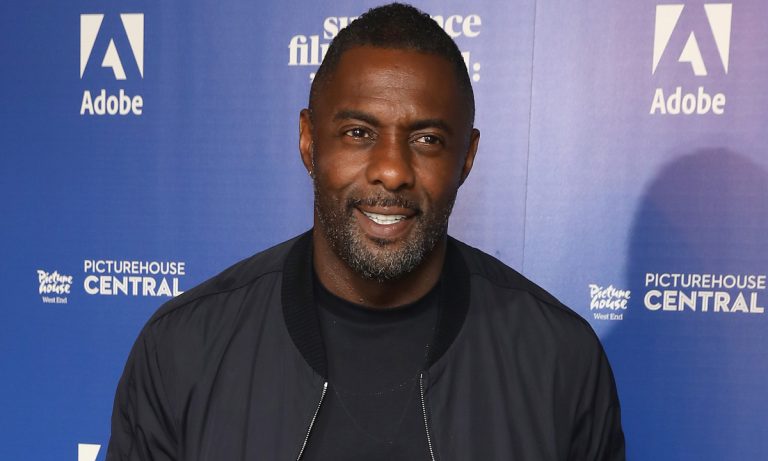
IDRIS ELBA RESPONDS TO JAMES BOND CASTING RUMORS WITH CRYPTIC TWEETS


On Sunday, the star posted a series of cryptic tweets in which he poked fun at the idea. The first was a heavily filtered selfie of the top half of his head with the caption, “my name is Elba, Idris Elba.”

Hours later, the star got even more vaguer firs sharing an image of the rap group Public Enemy followed quickly by one of their lyrics, “Don’t Believe The HYPE…”

https://twitter.com/idriselba/status/1028552314183999488

As previously reported, director Antoine Fuqua discussed the possibility during a conversation with producer Barbara Broccoli who said “it is time” for a “non-white actor” to play the iconic character. Fuqua allegedly said the move “will happen eventually” and Elba is reportedly the first choice to take on the role.

https://twitter.com/idriselba/status/1028622960913997825

MEGHAN MARKLE’S DAD CLAIMS HE HUNG UP ON PRINCE HARRY DURING CALL ABOUT STAGED PAPARAZZI PHOTO


In a new interview with The Mail on Sunday, published on Saturday, the Duchess of Sussex’s 74-year-old father claims that he lied and “hung up” on Meghan’s now-husband after a phone call about his photo scandal.

“Harry told me that I should never go to the press. That it would end in tears. He said, ‘They will eat you alive,’” Thomas says, admitting, “He was right.”

Harry reportedly called Thomas to ask if the reports of him staging photos were true, to which Thomas claims that he lied to the Prince, telling him that he “was being measured for a hoodie.”

After the news broke, Thomas says that the couple called him again while he was recovering from a heart attack and that Harry reportedly told him, “If you had listened to me this would never have happened.”

Thomas then claims he replied, “Maybe it would be better for you guys if I was dead… then you could pretend to be sad,” and hung up on Harry.

“I’m not mad at Harry. I’m not mad at Meghan. I love them. I wish them well,” he said. “But as for the rest of it, f**k it. I’m done.

Facts Before Indulging In A Marijuana Edibles

There is a significant uptick in “unexpected highs” among inexperienced marijuana consumers, especially when it comes to marijuana edibles.

As more and more cannabis-infused foods enter the legal marijuana market, a new study suggests there is a significant uptick in “unexpected highs” among inexperienced marijuana consumers. So here are some facts before indulging in a marijuana edible.

The study from RTI International and published in Drug and Alcohol Dependence, finds that some novice marijuana consumers are unable to figure out a satisfactory dose and wind up having a negative experience.

“Marijuana users who reported using new marijuana products or edibles were at greater risk of experiencing an unexpected high, regardless of their age, gender, education, mental health status, or amount of marijuana consumed in the past month,” said Jane Allen, author of the study.

“States that have legalized marijuana for recreational use are thinking about how they can prevent negative public health outcomes,” Allen said. “One way we can help them do that is to study consumer perceptions of marijuana, including product packaging, required warning labels, and consumption advice so states can refine how they communicate marijuana information to the public. Effective communication should help to reduce unexpected highs.”

According to the study, most research subjects merely slept off the uncomfortable sensation. The research highlights an important point as more Americans are exposed the edible cannabis: Eating weed has a totally different effect than smoking it.

Here are some handy tips for the novice:

Do Your Homework

A smart newcomer to cannabis should take the time to study up on edibles. Most states require dosing guidelines limiting one dose to 10 milligrams of THC. There is a reason behind the regulation. For many experienced consumers of edibles, 10 milligrams may not be much at all.

But for the beginner, 5 milligrams may be just what the doctor ordered. If you are buying from a reputable retailer, the edible will be properly packaged with labeling information. Read the label. Know what the dose is.

Eat Before You Eat

On an empty stomach, edibles will pack a more powerful punch. Make sure you have something nutritious in your system before eating a medicated brownies or any other edible. You know when you have a prescription that recommends that you take the medicine “with your meal”? Think of edible cannabis the same way.

Get Comfortable

Find a relaxing location that has a comfortable place to sit. And be prepared to stay in the same place for a while. When medicating with edibles, time is your friend. First of all, it will take 45-60 minutes for the edible to kick in. And once you start feeling the intoxicating effect, plan on the experience to last a few hours.

Start Small

This goes back to Rule 1 and the Homework Clause. There is no need to take a full dose right off the bat. If you are new to the experience, it’s best to gradually introduce THC into your system. Begin with half a dose. Microdosing cannabis the first few times is a great way to figure out your optimum dosage. Just a two or three small bites from an edible may be all you need to start feeling the effects.

Don’t Mix With Booze

Combining alcohol with edible cannabis is not recommended. Sipping a beer while toking on a joint is one thing, but introducing booze to an edible session is a no-no. For most beginners, the result is an uncomfortable spinning sensation. Drink water or fruit juice instead.

Listen To Your Body And Remain Calm

Even if you do everything correctly, you still may feel jittery or anxious. Remember: This is not uncommon and it is not something to get concerned about. If you are feeling out of sorts, try to relax and remain calm. Drink some water, sit down, close your eyes and take a few breaths. Remind yourself that nobody had died from a marijuana overdose. If you are uncomfortable, know that the experience will be over soon.

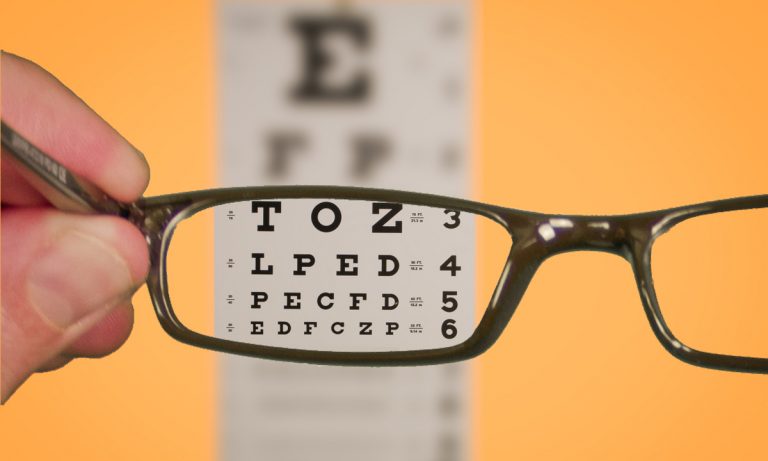
Medical Impact Cannabis Has On Eyes And Vision

Although cannabis cannot cure eye diseases, it can help provide significant relief and improve one’s quality of life.

At an early age, most of us are taught that we have five senses, and vision is one of those. However, as of recently, some scientists believe that humans have anywhere from 14-20 senses. Overall, though, each of our senses are our main contact to the environment we live in. The most essential sense is our vision, especially because we perceive up to 80 percent of all impressions and occurrences through sight. What is the medical impact cannabis has on eyes and vision?

Although our vision helps us in more ways than we might realize, there are several eye issues that can occur at any time like glaucoma, neurodegenerative blindness, and diabetic retinopathy. Despite how serious these eye diseases are, alternative forms of medicine, like cannabis, can help.

Eye Diseases that Cannabis Can Help Treat

Cannabis is a powerful plant that can help treat various medical conditions including different eye diseases. Some of these diseases include glaucoma, neurodegenerative blindness, and diabetic retinopathy. Below is a breakdown of how cannabis can help treat these three eye diseases.

Glaucoma

For those who don’t know, glaucoma is an eye disease that damages the optic nerve. Unfortunately, glaucoma is a leading cause of blindness on a worldwide scale.  As far back as the 1970s, researchers have been examining the impact cannabis has on glaucoma. One experiment found that among sixteen human subjects, when cannabis was inhaled, intraocular pressure was reduced (IOP). This is significant because intraocular pressure contributes to both degeneration and pain associated with glaucoma.

After cannabis usage, several of the subjects experienced relief for three-four hours post-consumption. Also, subjects who had glaucoma and high blood pressure experienced the longest lasting and most significant outcome. Then, research that was conducted in 1980 and 2000 confirmed these findings.

Neurodegenerative Blindness

In addition, regarding neurodegenerative blindness, research findings from 2014 proposed that cannabis-based medicine could slow down degenerative blindness. The research that was conducted in 2014 focused on rats as test subjects, and they were administered a synthetic cannabinoid over a three-month-time span. Once the cannabinoid administration ended, it was found that the treated rats had 40 percent more photoreceptors than the non-treated subjects. This indicates that cannabis-like therapies and cannabis-based medicine could slow down the speed of ocular degeneration in neurodegenerative blindness.

Diabetic Retinopathy

Cannabis can help treat diabetic retinopathy, but this disease is different than other eye diseases. Diabetic retinopathy is a side effect of diabetes, which causes damage to the retina’s blood vessels. The retina is the light-sensitive part of our eyes, and in cases of diabetic retinopathy, the eyes’ nerve cells start dying, which significantly impacts the individuals’ eyesight.

Related Story: How Cannabis Affects Eye Health

Fortunately, though, a 2006 preclinical study discovered that Cannabidiol (CBD) could help protect diabetics’ eyes. Since CBD is a strong antioxidant, it’s believed that this cannabinoid can reduce some of the retina’s toxicity, which usually contributes to degeneration. Also, additional studies discovered that cannabis including Cannabidiol contains effective neuroprotective antioxidants, which could help treat different age-related conditions besides just bad vision.

The Role Our Endocannabinoid System (ECS) Plays in Eye Health

Moreover, it has been found that cannabis can affect every organ in the body, which includes the eyes. In general, preclinical investigations indicate that the ECS plays an essential role in our vision. Cannabis counterparts like cannabinoids can effectively tap into the body’s ECS, which is sometimes referred to as a cellular communication network. Then, different cannabinoids interact with the ECS through the engagement of a cannabinoid receptor. Thus far, it has been discovered that the eyes express high levels of the cannabinoid receptor known as CB1.

Additionally, the brain’s vision processing centers include an abundance of these receptor sites. Cannabinoid receptors are more powerful than one may think though, especially because researchers found that cannabinoid receptors can moderate the eye’s response to light. This finding was pulled from a 2016 primate study, which found that the manipulation of cannabinoid receptors alters the way electroretinographic waves pass through the eye’s retina.

However, the exact ways that cannabis impacts our eyesight requires additional investigation and examination. Regardless, the research findings that have been released thus far offer a significant reason to investigate cannabis and its cannabinoids for the treatment of different eye diseases.

Other Ways Cannabis Can Impact Our Vision

On another note, after consuming cannabis, the following can occur: red eyes, allergies, enhanced night vision, and visual processing. So far, it has been found that cannabis can lower one’s blood pressure. As a result, the eye’s capillaries and blood vessels dilate, which leads to red eyes. The wider the capillaries, the more blood flows into the eyes, which reduces intraocular pressure. Individuals with glaucoma and other painful ocular conditions could benefit from this though, especially because the eyes relax after cannabis usage.

Other experiences that can occur after consuming cannabis is an allergic eye reaction. This could be due to several factors including a triggered allergy to smoke, residual molds, or perhaps the cannabis strain itself. A few signs of allergies includes redness, inflammation, itchiness, tearing, and dryness.

Regarding night vision, according to laboratory research, cannabinoid receptors were found to help the eyes respond to light. The engagement of cannabinoid receptors is believed to enhance the eyes’ ability to see in low-light conditions. In the last three decades, various researchers reasoned that cannabis could improve night vision. Then, after a 2004 small scale-study was performed, a dose-dependent relationship between cannabis usage and improved night vision was found.

Related Story: Did You Know That Marijuana Can Give You Night Vision?

Lastly, cannabis has an impact on visual processing, especially due to recent evidence that proposes that the ECS adds to visual development within our brain. Specifically, one 2015 study discovered that babies who were subjected to cannabis in utero tested much higher in visual processing exams. Also, babies who were exposed to cannabis were found to possess improved global motion perception. This finding isn’t meant to promote cannabis usage during pregnancy. But rather, this finding goes to show that cannabinoids and the body’s ECS can help our eyes and brain make better sense of visual information.

Overall, aside from cannabis’s ability to help treat different eye diseases, this powerful plant can also improve our night vision and visual processing. Although cannabis cannot cure eye diseases, it can help provide significant relief and improve one’s quality of life. Rather than taking your eyes for granted, appreciate the vision you have, and remember that cannabis is there to help in a natural and effective way.

10 Types Of Marijuana That Will Make You Feel More Peaceful

Life can get stressful, and the weight of work and responsibilities can bring you down. Don’t worry, you’re not the only one, which is why we’ve compiled this handy list of different types of marijuana that create a peaceful vibe and help you deal with all the stress.

Know that there are multiple ways to consume marijuana, you can eat or drink it, rub it into your skin, vape, smoke and much more. Ask the budtenders at your local dispensary which products have the strains listed and then pick how you want to put it into your body.

Need help finding a dispensary? We got you. Just visit our directory.

So now, sit back, relax, and let these 10 different types of marijuana take you to a peaceful state of mind:

via GIPHY

PVC OG

This type of marijuana was developed to provide focus for people who need it, without compromising any of their productivity, which is a common side effect for most medications that fight off anxiety and stress.  

Juliet

Juliet is a sativa dominant hybrid with a sweet berry aroma that uplifts your mind and body, giving your brain the necessary energy to focus, inducing a happy and calm high. It also sharpens your senses in a comfortable psychoactive experience, which is a fancy way of saying that Juliet is GREAT for social situations. Isn’t that amazing? 

Green Python

Aside from having a super badass name, Green Python is full bodied and produces a different range of effects that mainly succeed in getting your cerebral juices flowing and facilitating entrance into the ultimate state of chill.

White Fire Alien OG

This type of marijuana has a delicious lemony flavor that takes you to a full body high, removing all forms of pain, anxiety and tension. There’s no better way to cap off a stressful day of work than with some of this White Fire Alien magic.

Brooklyn Mango

via GIPHY

Like its name suggests, this hybrid strain mixes great things: fruity and tropical flavors with a diesel and stronger kick, giving your body a feeling of relaxation, and gifting your brain with a surge of power.

Frosted Freak

With citrusy and pine mint flavors this herb delivers powerful results that show themselves in several ways, like increasing your appetite, relaxing your muscles and calming down your nerves.

Madzilla

This monster indica strain carries a sweet pine aroma and an earthy taste that will relax muscle pains and relieve physical stress in no time. 

The Grunk

This type of marijuana has a sweet aroma with a nice skunky feel that creates a delicious burst of grape flavors when you exhale. The Grunk relieves body pain and lifts mental anxiety, giving your body the best and most loving treatment.

Maui Pineapple Chunk

Like its name indicates, this hybrid has sweet and sour flavors of the island where it comes from, taking your head far far away from stress.

Super Jack

via GIPHY

This sativa blend has a spicy and great aroma that will definitely spark up your creativity and lift up you energy, all the while calming your anxiety and giving you strength to power through the day.  


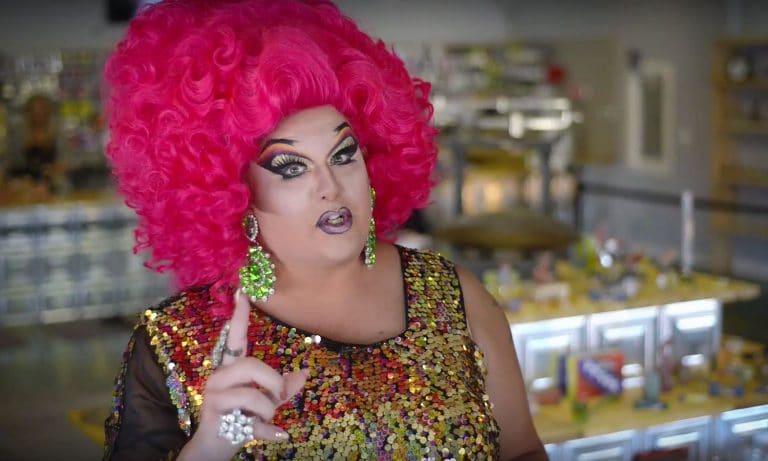
Your First Visit To a Marijuana Dispensary Explained By A Drag Queen

Have a state that is just legalized weed?  Or just canna curious or a canna newbie?  Want to learn how to consume without smoking?  Let us explain how to purchase legal weed on your first visit to a marijuana dispensary.

The first visit doesn’t have to be scary.  This video will not only provide laughs, but give you the skills to to confidential go to a dispensary and make a purchase!


Starring Brian Peters/aka Mama Tits. Follow her on Twitter and Facebook
Video by Thor Radford/Radford Creative

Marijuana, also known as cannabis, has seen a significant shift in its legal status in recent years. All of Canada and parts of  the United States has seen growing legalizing both medical and recreational use.

This change in legislation has led to the emergence of marijuana dispensaries, where individuals can legally purchase cannabis products. Here is an overview of what marijuana dispensaries are and how many exist in the US and Canada.

What are Marijuana Dispensaries?

Marijuana dispensaries are establishments that are authorized to sell cannabis products to consumers. These dispensaries can vary in their offerings, ranging from medical marijuana dispensaries that cater to patients with specific medical conditions to recreational dispensaries that serve individuals looking to use cannabis for non-medical purposes. 

These establishments provide a regulated and legal means for individuals to access cannabis products.  The number of legal dispensaries in the US is constantly changing.

RELATED: Unlicensed Shops in NYC Are Doing Better Than The Naked Cowboy

In 2018, Canada became the second country in the world to legalize recreational marijuana nationwide.  Since then, the number of marijuana dispensaries in Canada has grown steadily. According to Health Canada, as of July 2023, there are over 1,200 authorized cannabis retailers across the country

Vegas Weed Museum Will Feature Hunter S. Thompson

While casino power players in Las Vegas continue opposing cannabis in Sin City every chance they get, the rest of the town appears earnest to embrace the plant. In fact, Las Vegas is home to Cannabition, an immersive marijuana-themed art museum touted as the first of its kind. They unveiled its first major exhibit this week and it doesn’t disappoint, though, it might inspire some old-school fear and loathing. Yes, the Vegas weed museum will feature Hunter S. Thompson, the icon marijuanja figure.

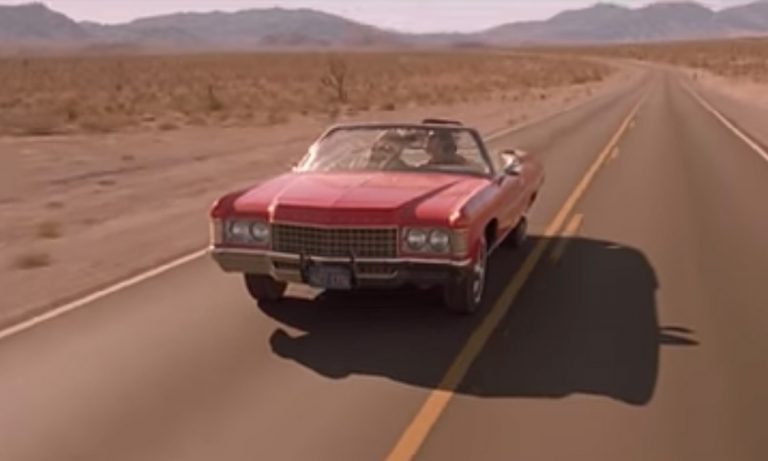
Hunter S. Thompson’s iconic 1973 Chevrolet Caprice “Red Shark” convertible arrived in Vegas ahead of Cannabition’s opening later this month. Referenced in Thompson’s landmark book Fear and Loathing in Las Vegas he’d “rented off a lot on the Sunset Strip,” the car became a symbol of the gonzo journalist’s rebellious spirit and brash attitude.

Two decades following the release of the book, Thompson’s close friend bought him his own “Red Shark” to cruise around in. Before being donated to Cannabition by Thompson’s widow, Anita Thompson, the car had been parked at Owl Farm, his gonzo compound in Woody Creek, Colorado where the journalist lived from 1969 until his death. Thompson’s personal “Red Shark” also appeared in the film adaption of Fear and Loathing, which starred Johnny Depp as Thompson.

“I continue Hunter’s work by bringing awareness of marijuana laws that target minorities and destroy families all over this country for possession of this plant,” Anita told Forbes. “The ‘Red Shark’ is a symbol of our journey together as active citizens to stop putting responsible smokers in jail. Cannabition is also doing this work in a way that is fun and informative for guests.”

Never-before-seen photos and home videos will also appear alongside the exhibit. The “Red Shark” will be just one of the more than 20 “unique monumental art pieces” displayed in Cannabition. Visitors to the art museum will also witness “the world’s largest bong, a nine-foot-tall 420 installation and a slide that ends into a pool of foam ‘nugs’,” according to Forbes.

“Cannabition was born out of a natural progression of dedicated work to become an innovator of socialized cannabis. But since that’s not a reality yet, this idea was the next best opportunity to give visitors to the tourism capital of the world,” Cannabition Founder JJ Walker told Forbes. “We want to open the minds of the curious and pay homage to the plant and people who have redefined its role in society. Our hope is to inspire a new era of cannabis enthusiasts and experiences.”

Lyft Offers $50K Of Ride Credit As First Dispensaries Prepare To Open In Massachusetts

0

In an effort to help curb impaired driving in Massachusetts, Lyft is teaming up with the state’s Chiefs of Police Association and Massachusetts Cannabis Reform Coalition to promote sobriety behind the wheel.

It’s part of a larger campaign by the state to warn people about the potentially fatal dangers of driving while high, now that recreational weed is legal in Massachusetts. The state’s “drive sober” push includes this PSA:

Says Lyft, “With recreational marijuana dispensaries opening in Massachusetts, we’re doing our part to combat intoxicated driving by committing $50,000 in ride credit to people in Massachusetts who pledge not to drive intoxicated.”

Anyone who pledges on social media to not drive high will receive $4.20 in fare credits.

“Impaired drivers risk irreparable harm to both themselves and those they share the road with. As recreational marijuana dispensaries open in Massachusetts, remember to plan ahead before consuming cannabis. Lyft is a great way to get a responsible ride home,” said Chief Mark Leahy, Executive Director of the Massachusetts Chiefs of Police Association.

Law enforcement officials are reportedly still trying to figure out how to test for people’s impairment level. And according to WBUR, last year, the state’s Supreme Judicial Court ruled field sobriety tests can’t be used to determine if someone is high or not.

Major Richard Ball, a commanding officer with Massachusetts State Police, told WBUR that for now, it’s important that people are educated enough to not get behind the wheel.

“We’ll do the best we can to make sure that we follow the protocols that we’re supposed to follow,” he said. “But we’re trying to get the message out to say: ‘Understand that you can’t smoke a joint and jump in your car and drive.’ It’s illegal and it’s dangerous.”

DEA Jeopardizing Marijuana-Related Veteran PTSD Studies

Cannabis researchers need product to conduct their research. That sentiment might seem obvious, but don’t tell the Drug Enforcement Agency (DEA). Back in the final months of Barack Obama’s presidency, they announced it would license more growers to supply marijuana for scientific research. Of course turns out the DEA jeopardizing marijuana-related veteran PTSD studies, sentencing the Americans who served to a longer time of hell from the ailment.

More than two years have passed, and scientists are still waiting on the DEA to issue those licenses. Dr. Sue Sisley is acting as principal investigator for a landmark study on the effects marijuana has on veterans with post-traumatic stress disorder. Along with the Multidisciplinary Association for Psychedelic Studies, Sisley fought for years to attain federal approval to begin the study.

Sisley and her team’s research have been underway for a year now, but their development could be in jeopardy, thank to bureaucratic roadblocks.

“Until the DEA licenses other growers for research, we’ll continue to be stuck in limbo, not able to do what the medical community has been demanding,” Sisley told Stars and Stripes.

Via Stars and Stripes:

The National Institute on Drug Abuse – the only federally approved source for marijuana – is providing marijuana for the study now. However, NIDA, a government research institute, is allowed only to provide marijuana for academic research, not commercial sales, which would be necessary for the next phase of the study, said Brad Burge, communications director for MAPS.

The U.S. Food and Drug Administration requires Phase 3 trials to be conducted with the same product that would be commercially available if the trials proved marijuana safely and effectively treated PTSD.

According to Sisley, there’s really no “study drug” to conduct Phase 3 trials for marijuana-related research. Last week eight Senators, five Democrats and three Republicans, sent a letter to Attorney General Jeff Sessions asking to finalize their decision on the licenses. The Senators added in the letter they knew 26 applications had been filed. They asked for a decision by Aug. 10, which has now passed and still no word.

“Our nation’s need for meaningful, federally sanctioned research is critical,” the Senators wrote in the letter. “Research and medical communities should have access to research-grade materials to answer questions around marijuana’s efficacy and potential impacts, both positive and adverse. Finalizing the review of applications for marijuana manufacturing will assist in doing just that.”

Woman Fired For Consuming Cannabis After Work Is Not Going Down Without A Fight

Do you know how many people consume cannabis in the United States? Although the cannabis plant isn’t federally legal here, it’s medically and/or recreationally legal in select states. According to 2017 findings, there are close to 40 million cannabis consumers in North America, which equates to about 22 percent of all worldwide cannabis users. Out of the U.S. states that have recreationally legalized cannabis, Massachusetts is one of them. Although cannabis can be legally consumed for recreational purposes in Massachusetts, this is not to say that state employers won’t fire their employees for this personal choice. Bernadette Coughlin is one individual who lost her job because she tested positive for cannabis on a drug test after she had a work accident.

Background Of Bernadette Coughlin’s Work Accident And Lost Job

Bernadette Coughlin is a 55-year-old woman who occasionally consumes cannabis in her free time, which is perfectly legal in Massachusetts. One day at work, Coughlin experienced a fall in the hospital kitchen where she worked day in and day out. After her fall, Coughlin’s employer required her to take a drug test, which then led to Coughlin getting fired this past May. Since Coughlin’s drug test revealed that cannabis was in her system, her employer wasn’t willing to reason with her even though she consumed cannabis after her work shift ended.

On the other hand, if Coughlin decided to consume another drug like alcohol or tobacco, the story would end very differently. Unfortunately, as a result of the fall Coughlin experienced at work, she broke her arm, and she had to undergo physical therapy. The termination from her job was life-altering to say the least, especially because Coughlin lost both her benefits and her salary.

Initially, Coughlin thought she’d continue her job at Sodexo hospital until she retired. However, life had different plans for her. Now, Coughlin has embarked on the job hunt, and she’s a bi tuneasy and anxious about the employer who will hire her next, which is what most of us would probably feel like if we were in her position.

Coughlin’s Continuing Fight Against Her Employer—Sodexo

Moreover, after Coughlin was fired, she fought back by persistently pleading with Massachusetts lawmakers to fix the state’s issue with their cannabis laws. Even though cannabis usage is legal in Massachusetts, numerous employers in the state and other states have severe rules in place regarding cannabis consumption. Coughlin’s fight didn’t stop there though. For example, she and her husband spent time flooding state official’s offices with numerous emails and phone calls.

In addition, currently, Coughlin has a pending arbitration claim against Sodexo, which is the multinational corporation she worked for. According to Coughlin’s lawyer, her case is partially centered on whether Sodexo violated her privacy via drug-testing her an entire week after her fall. Also, there was no evidence that indicated Coughlin being impaired while on the job.

Then, on Tuesday, July 3, Coughlin and her husband met up with Steve Hoffman, chairman of Massachusetts’s Cannabis Control Commission. Hoffman expressed that he feels bad for the situation Coughlin is in. Unfortunately, though, under Massachusetts law, employers have the right to restrict recreational cannabis usage. Hoffman also went on to mention that protections for employees is a key aspect that Massachusetts legislature should consider moving forward.

Other Individuals Who Were Also Fired For Cannabis Consumption

Sadly, Coughlin isn’t the only person who was fired due to her personal choice of legally consuming cannabis. For example, in 2010, a Colorado customer service employee who worked for a satellite TV provider was fired from his job after testing positive for cannabis. However, he possessed a state registered medical cannabis card, and he was still fired. Then, in 2015, an Oregon television anchor was fired based on similar circumstances.

Although Massachusetts state laws provide some employee protections for individuals who are medical cannabis cardholders, this didn’t do any good for Bernadette Coughlin.

Attempted Bills To Fix This Issue

On another note, there are several people in office who are motivated to help people like Coughlin and others with similar situations. For example, state Senator, Barbara L’Italien mentioned that it’s essential for lawmakers to figure out a solution to this issue. She went even further by pushing for an amendment to be added onto an opioid bill. If it passed, it would’ve given legal protections to individuals like Coughlin and others who were in similar situations. Unfortunately, though, the amendment that L’Italien proposed didn’t pass through the stages it needed to.

However, a bipartisan bill is in the works, and specifically in the House of Representatives. The bill would forbid federal agencies from refuting or terminating civil servant employees in U.S. states where cannabis has been legalized. However, this bipartisan bill would only provide protections for federal employees. Not only is this ironic because cannabis is a federally illegal substance, but it’s also unfair and unequal.

Aside from this bill, Senator Elizabeth Warren and Senator Corey Gardner worked together to introduce a bill that would force the U.S. federal government to respect and honor state cannabis laws. However, both the bipartisan and non-bipartisan bills wouldn’t completely protect individuals like Coughlin.

Coughlin’s Workers’ Compensation Claim

Originally, Coughlin thought Sodexo would challenge her workers’ compensation claim. However, after a Boston Globe story was released about this situation back in June, Coughlin received a check. This means that workers’ compensation will cover a portion of Coughlin’s lost wages and medical costs due to her fall. With time, Coughlin will most likely get a new job offer, especially due to the experience she has. But, it may be a while before she gets herself back to where she was before her fall.

What would you do if you were in Bernadette Coughlin’s situation? Would you fight back too and stand up for your rights? Let us know in the comments.

Don't Miss Your Weekly Dose of The Fresh Toast.

Stay informed with exclusive news briefs delivered directly to your inbox every Friday.

We respect your privacy. Unsubscribe anytime.