Friday, June 19, 2026
Home Blog Page 875

Andy Cohen Is Livid Over Luann de Lesseps Interview; Will Jen & Ben’s Divorce Be Dismissed?

ANDY COHEN LIVID LUANN DE LESSEPS DOES FIRST POST-REHAB INTERVIEW WITH MEGAN KELLY – EXCLUSIVE


“Luann is a Bravo star and her first interview should be with Andy Cohen on his late-night Bravo show WWHL. This isn’t right and Andy is livid,” sources tell NAUGHTY GOSSIP. “Andy made her a star and he should be the first interview she does. Period.”

Luann de Lesseps will sit down on Tuesday for her first interview since entering rehab, Page Six is told.

The “Real Housewives of New York” star — who went into treatment back in July — will appear on NBC’s “Megyn Kelly Today” to discuss her recent struggles.

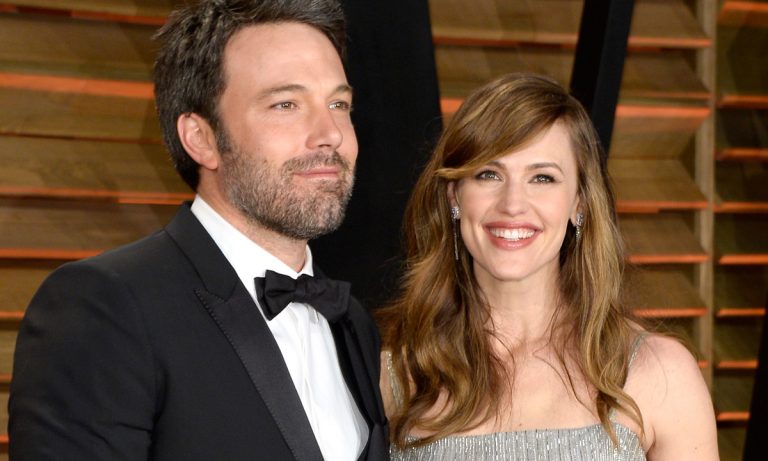
JENNIFER GARNER & BEN AFFLECK’S DIVORCE MAY BE DISMISSED FOR LACK OF FOLLOW THROUGH


The Superior Court of Los Angeles county filed Garner and Affleck a notice outlining the necessary steps for their divorce to be finalized, according to court papers obtained by The Blast. Supervising Judge Thomas Lewis also said the court “may dismiss” the case “for delay in prosecution” if they fail to provide the necessary documents.

However, a source tells PEOPLE the former couple is taking their time with the divorce as they navigate the best path for them and their three kids — daughters Violet, 12, and Seraphina, 9, and son Samuel, 6.

“There is no rush here,” the source says. “They continue to figure out ways of working together as a family and this is what works for them. They are doing what’s best for their family.”

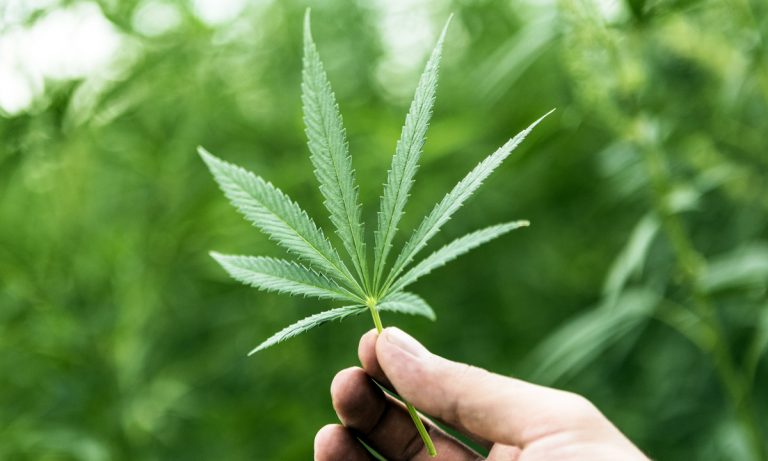
Californians Still Prefer Buying Marijuana That’s Off The Grid

You might think legalizing recreational marijuana would change the buying habits of consumers. But according to a new survey commissioned by California-based weed delivery platform Eaze, that’s not the case.

One of their in-depth surveys on the high cost of legal cannabis sheds some light on how many people are still buying herb the way they have always done prior to legalization.

Other than financial reasons, the survey does not delve too deeply into the reservations people have about buying legal weed, such as having to give up their second amendment right to keep and bear arms or the violation of HIPAA laws that data mining of medical marijuana users causes.

From Marijuana Business Daily’s point of view, consumers buying weed on the black market is cause for concern. Why are people who have been smoking pot all along not jumping on the legal weed bandwagon? How dare they not pay higher prices and obscene taxes? Don’t they know shareholders need profits?

Reality check: Why should consumers pay higher prices for a lower quality product?

According to the survey, “A significant portion of California consumers who still purchase cannabis from unlicensed sources are satisfied with those sources and are not incentivized to change.”

No kidding.

“Nobody buys from the dispensaries in California,” says former California-based cannabis cultivator Hilary Clarkson.

The survey also finds that nearly 1 in 5 consumers (18 percent) have purchased from an unlicensed source in the past three months;  85 percent of those are completely or very satisfied with their purchase experience; 84 percent of those consumers are highly likely to purchase from the same unlicensed source again.

The study, conducted by New Jersey-based Marketview Research, concluded that 10 percent of the respondents surveyed consume non-recreational cannabis in California. Considering only 1,419 people were interviewed, it is more likely that the figures -and the people those figures represent -are much higher.

Does this common street knowledge necessarily require market research? Growers in California are being railroaded. They are being squeezed out by canna-corporations. Stamping out independent growers goes against the ethos that has been deeply ingrained in cannabis culture for decades before the canna-corporations came along. Simply put: not everyone who smokes pot or “consumes cannabis,” as it has been corporately rebranded, wants to drink the marijuana marketing Kool-Aid.

Clarkson witnessed farms that have been in families for generations put out of business by Prop 64.

“Legalization destroyed a whole culture that was built over decades. People who had generational farms were crushed. Kids who have grown up as farmers now face unemployment. Should they go work at Starbucks?” asks Clarkson. “Farming is such a healthy lifestyle and canna-corporations have destroyed it.”

Proponents of legal marijuana claim that it is mold free. Unless a consumer has access to a lab to spot check their cannabis, the way raves in Europe used to have on-sight MDMA pill testing, consumers will have to take a corporation’s word for it. Corporations never lie.

“I have a mold allergy, and I have been smoking hydro daily, delivered by bike messenger for over 20 years. No ill side effects to report yet,” said a pot smoker in Los Angeles.

Let us say for argument’s sake that more expensive legal weed is mold-free; it is not pesticide free. (Ziggy Marley is an advocate for pesticide-free herb.)

More cons of buying legal weed: It costs more; it is putting a choke hold on independent cultivators in California; the taxes are high; registering for a medical marijuana card violates patients’ privacy; medical marijuana cardholders are not allowed to own a firearm; the list of complaints goes on.

Legal weed has harmful impacts on the environment as well.

“Legal cultivators are required to take their plant waste and mix it with 50% non-plant waste such as dirt, soil, leaves and other compost. Then it gets put into trash bags, and it goes in a dumpster, to be compliant with the current regulations,” said Wil Ralston, President of SinglePoint.

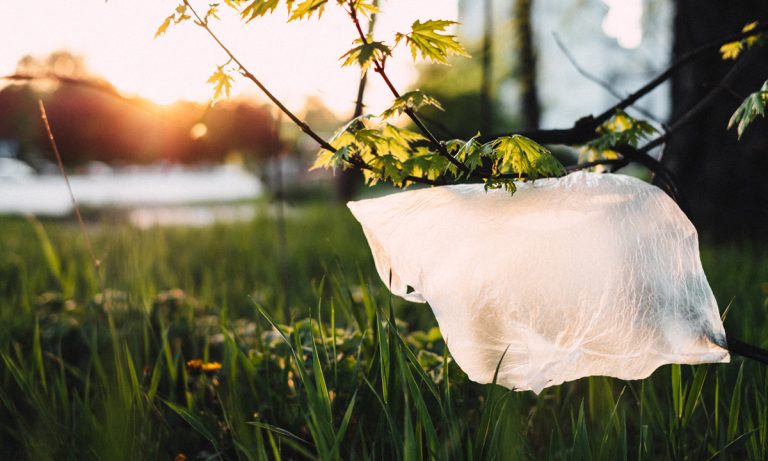
Throwing cannabis farm refuse into non-biodegradable trash bags is a ridiculous way of disposing of the compostable material.

For now, if canna-corps want to win over more California consumers, they will have to come up with higher incentives than claiming to curb mold.

“The new laws are actually feeding the black market, and it snapped right back!” says Clarkson. “Even before legalization, it was legal to sell two ounces in California. Now, by making it illegal to purchase outside a dispensary, they want $300 to $420 an ounce. The going rate is $100 an ounce anywhere for cash in Cali, so legalized dispensaries charging three to four times as much for medicine is just criminal.”

5 Social Media Cues Your Significant Other Is Not Into You

0

It’s no secret social media was designed to create transparency. Often times, way more than we asked for. But that shouldn’t apply to your love life. If you’re in a relationship, you don’t need to broadcast it to the world in order to legitimize it. But keeping it a secret? That’s a warning sign if there ever was one.

The dating site Plenty of Fish takes social media cues seriously when it comes to relationships, whether they’re brand new or comfortably worn in. Here are five red flags they say you should keep an eye out for if you’re seeing someone.

They’re not accepting your friend request 

Nobody expects a friend request after the first date, but after a year of dating? Come on, now!  If you’ve been seeing someone for a year or so and they won’t accept you on Facebook or reciprocate your follow on other social media platforms,  this isn’t good. According to Plenty of Fish, “Whatever reason they come up with, this may be a red flag that they want to hide the fact they are in a relationship. There is a difference between keeping things private and keeping things a secret, one is used to protect, the other is used to deceive.”

Accepting someone’s friend request — someone you’re sleeping with — shouldn’t be an issue.

https://giphy.com/gifs/90s-cruel-intentions-xT0BKpl4Ve8N4iBWqk

They’re commenting on inappropriate pictures

It’s odd how many people don’t realize you can see exactly what Instagram photos they’re liking and commenting on. It’s usually not a big deal, we all like dumb stuff now and then, but if your SO is engaging with sexualized photos or other accounts that appear to be NSFW, listen to your gut.

Says PoF: “If your partner is actively engaged in conversations with these people, or slipping into their DM’s, you may want to have a conversation about their activity. Each partner should always be accountable to actions and how they affect the other person. Interacting with accounts that are disrespectful to your relationship is not OK.”

They are addicted to social media

This may seem like a no-brainer, but it’s becoming increasingly difficult to tell who’s addicted to social media and who just uses their phone a lot (almost everyone). But if there is an actual addiction involved, that could spell disaster for your relationship because if you’re in a relationship with your phone, you’re likely unable to connect with people IRL.  Plus, says PoF, it could give you false cues about your own life. “Social media often fails to show the bad, or tougher days people have which ultimately causes people to compare their lives to one that only looks perfect on the outside. There is no such thing as perfect.”

https://giphy.com/gifs/kim-kardashian-instagram-aLIUDNfhjY9CU

They have reconnected with exes

“Social media is not an invitation to connect with the past just because you now have access to it. Chatting to exes can lead to temptation to pick up where you left off,” warns PoF. Not to mention, it’s completely disrespectful to the relationship you’re actually in. If you wouldn’t introduce your current SO to the ex you’re thinking about reconnecting with on social media, it’s probably not a good idea to go down that road.

You don’t exist on their social media

It’s one thing to keep your relationship on the DL, but if your SO appears to be single and ready to mingle to the rest of the world, that’s a bad sign. There’s a difference between keeping a relationship — especially a new one — quiet. But hiding it is another story…with a likely sad ending. According to PoF, “there should always be transparency about the fact that you are in a relationship. A subtle caption, a casual photo or mention are easy ways to communicate this to the public eye.”

You Want to Work In Weed? Here’s Some Advice

As states medicalize and legalize cannabis at a rapid clip, many people are eager to join the Green Rush. If working in cannabis sounds like your dream job, but you don’t know where you fit in, read on.

When considering a career in cannabis, it’s important that you align yourself with the movement that created all the new opportunities. Marijuana advocates have labored down a long, hard road to get us where we are now, and continue to do so. One of the best ways to break into the industry is by volunteering for a compassionate organization first.

But before you start submitting resumes and even before putting said resume together, first look at your own skill sets, really consider where you might add the most value and then begin by networking.

Getting to know the community around you and as a whole is essential to entering the work space. Join legalization groups on Facebook, LinkedIn and organizations like NORML. Reach out to people simply by leaving a comment on their Instagram feed or by commenting thoughtfully on their newest blog post.

Whether you’ve been waiting tables, trading on Wall Street, creating social media or actually have a green thumb, apply the skills you have to the direction you go with marijuana. The industry needs public relations gurus and webmasters as much as it needs dispensary managers, budtenders and distributors.

Once you’ve established and educated yourself in the community, then start researching companies and organizations in your area or conduct nationwide searches if you are able to contribute remotely or have the luxury of being mobile. When you’ve found some dreamy positions to apply for, personalize your cover letter to each place and be sincere. Personality and a compassionate comportment go a long way in this industry.

Don’t be afraid to sell yourself, but also don’t sell your soul. There are a lot of businesses out there that only aim to capitalize on a burgeoning market. You don’t want to go down the road of profiting off of patients who are being taken advantage of or to be aligned with a company that is clearly in it for the wrong kind of green.

The cannabis plant deserves our utmost respect and working in its field can be rewarding on many different levels, from helping strengthen the sick to building up a startup with the right intentions, you can be the difference needed in a brand that is truly high-minded. Research cannabis placement agencies, enter cannabis as a keyword in job searches and best of luck!

Bitcoin Billionaire Loses $24 Million In Apparent Scam

We all know that scams come from all sorts of places, including situations where you thought you were safe, such as investing money in a “legitimate” business.

The Bangkok Post reports that Aarni Otava Saarima, a 22 year old Bitcoin billionaire, lost 5,564.4 coins while investing in what he believed to be legitimate casinos and companies. At the time, the amount of coins was equal to $24 billion dollars.

Over a six month investigation, Thailand’s Crime Suppression Division discovered that Saarima was approached by a group of nine individuals that met up with him and convinced him to send them the Bitcoins.

Saarima believed he was investing in different businesses, including a casino and a new cryptocurrency called Dragon Coins. The scammers had him convinced that his investments could help the casino accept this cryptocurrency as a form of payment. With every new payment made, the scammers converted the Bitcoins into cash and transferred it to different accounts, even investing some money on plots of land.

At the moment, three suspects have been arrested, including Thai actor, Jiratpisit ‘Boom’ Jaravijit, and one of his siblings.

Investigators from Thailand say that the fact that Bitcoin was involved complicated matters in unexpected ways. Since cryptocurrency is extremely difficult to trace, the money trail had to be carefully investigated, delaying the arrests for seven months.

New Zealand Just Banned The Use Of Plastic Bags

0

In hopes of reducing plastic pollution, New Zealand joins a short list of countries in banning the use of plastic bags. Prime Minister Jacinda Ardern announced the government’s plan last Monday, giving retailers six months to stop handing out single-use plastic shopping bags. In a year, New Zealanders hope to phase out plastic bags completely.

New Zealand is a large country surrounded by water, so their contribution to the cause is significant. “We’re phasing-out single-use plastic bags so we can better look after our environment and safeguard New Zealand’s clean, green reputation,” said Ardern in a press release. “Every year in New Zealand we use hundreds of millions of single-use plastic bags — a mountain of bags, many of which end up polluting our precious coastal and marine environments and cause serious harm to all kinds of marine life, and all of this when there are viable alternatives for consumers and business.”

Rumours of the plastic bag ban have been circulating for a long time, with thousands of New Zealanders marching the streets and signing petitions to enable it.

The government plans on working with retailers and the community in order to get rid plastic bags and in finding the appropriate replacements. The Prime Minister said that even though it’s great that a large amount of people are onboard with the change, it’s important for everyone to start changing their shopping habits as soon as possible in order to adapt smoothly to the coming changes.

Other countries that have banned plastic bags include China, Kenya, and Australia, which made the news earlier this year due to “bag rage,” the phenomenon where some costumers abused workers from markets and stores because they didn’t want to bring their own bags from home. You can’t win them all.

Why Have No States Legalized Marijuana Use For Pets?

Medical marijuana has been legalized, in some form, in 30 states across the U.S., but those laws only apply to humans. The legislation that allows doctors to prescribe patients marijuana to treat their ailments says little to nothing about using cannabis or CBD to treat pets. As a result, veterinarians have remained reticent to even discuss cannabis-related solutions to owners regarding their pets.

Dr. Jeffrey Powers is the chair of the American Veterinary Medical Association’s subcommittee on cannabinoids. He told Reuters that vets are fearful engaging in cannabis-related treatment could jeopardize their professional license with federal authorities. In fact, many vets have been instructed by their state veterinary boards not to even mention it as a treatment option, according to Reuters.

That includes a cannabis-friendly state like California. In a statement, the state’s Veterinary Medical Board told Reuters “veterinarians are in violation of California law if they are incorporating cannabis into their practices.” While conversations have started about introducing a bill in California that would legalize vets including cannabis as a treatment option since early this year, progress appears to be slow moving.

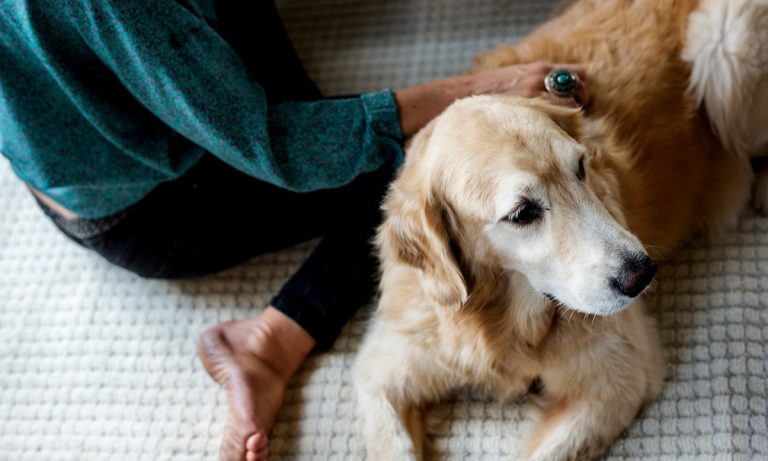
Instead, owners are currently responsible themselves for using cannabis or CBD to treat their pet. Colorado State University veterinary medicine researchers surveyed 1,068 dog owners nationwide this years, and nearly 80 percent admitted they purchased hemp and/or cannabis products for their pets. In addition, pet owners reported that pot products were nearly 44 percent more effective for a dog’s pain relief and 41 percent more effective for anxiety than conventional medicines,” writes Reuters.

Last year, Project CBD interviewed Dr. Gary Richter, DVN, who is an integrative medicine veterinarian based in Oakland and believes that cannabis is part of the holistic approach to animal medicine. He discussed how those interested in treating their pets with cannabis products should proceed.

“If at all possible talk to a veterinarian,” Richter said. “Cannabis is medicine and its dosing should be carefully calculated. It’s important to know the concentration of THC and CBD in milligrams for one’s pet. Once you have that information, you can look for a product that suits your pet’s needs. When in doubt, err on the side of under-dosing because you can always slowly increase the dose and monitor the effect.”

Because CBD and cannabis products are readily available for patients to use on their pets, and pet owners report them being more “effective” and are probably cheaper than going through a vet, there isn’t the same activist push for legislation. Until that happens, not much will change, as both the federal government and state veterinary boards oppose its usage on animals. There are vets fighting on behalf of rescheduling cannabis for pets other than California, but human usage has taken the priority in cannabis legalization activism for now.

Microsoft’s Underwater Data Center Live Broadcast!

In true Microsoft form, the company has a dramatic way of storing its data — inside an underwater datacenter that’s located near the Scottish coast. The datacenter was sunk in June 2018 with a pair of cameras that provide a live view on the structure and the fish that swim around it. Now is seems Microsoft’s underwater data center live broadcast for all to hear!

This data center is part of Project Natick, a study that’s being conducted in order to determine the feasibility of subsea data centers powered by renewable energy. According to Microsoft’s site, Project Natick wants to improve the quality of the Internet for populations that live near large bodies of water, predicting that future demands of the internet will be larger and people will need to have data resources located close to them.

Project Natick’s data centers plan on using green energy, which cause no harm to the water or sea life that surround them. “A Natick datacenter co-located with offshore renewable energy sources could be truly zero emission: no waste products, whether due to the power generation, computers, or human maintainers are emitted into the environment,” states Project Natick’s website.

The live-feed of the center shows nothing crazy and has no purpose besides showing the world some cute fish swimming around a big structure. Occasionally, a large fish will pop up, but that’s pretty much it. For a relaxing and a kind of “wow-technology-is-crazy” experience, check out the live feed on Project Natick’s website.

So when you are bored, you can tune into Microsoft’s underwater data center live broadcast.

India State Moves To Decriminalize Drugs

In a surprise recently, India state moves to decriminalize drugs as they face a crisis. Sikkim chief minister Pawan Chamling in an official release announced that the state would no longer prosecute drug users, but rather look at them as patients to encourage treatment options instead of utilizing the current punishment of incarceration and a fine. Traffickers and dealers, however, will face even harsher penalties.

In an effort to engage youth, Chamling also said that he was in the process of reaching out to Bollywood star Sanjay Dutt to come to Sikkim and energize the message of resisting drug dependence.

These moves come at a time while India is facing its own opioid epidemic. In 2017, while the top two substances that were most popular in India as a whole were ganja then hashish, the next two most popular were opium and then opium’s mean derivative, heroin. Heroin may not have been as abundant as weed, but its use in India has experienced a sharp spike along with prescription opiate based pills.

India has a rich history in cannabis, starting thousands of years ago and in religious settings. When the 1961 international treaty Single Convention on Narcotic Drugs put marijuana in a category with hard drugs, the Indian delegation balked at the narrow mindedness of the idea and the lack of respect for their culture and religious practices.

The traditional ganja laced drink bhang was then left out of the bondage by which cannabis and other drugs were tied. In 1985 the Indian government passed the Narcotic Drugs and Psychotropic Substances Act. Bhang was still excluded from being considered a drug, though regional bans did ensue over time.

As India as a whole works to re-legalize cannabis, this move by Chamling to decrim all drugs is a step in a similar and good direction. Using Portugal as an indicator, decriminalizing drug use means fewer cases of HIV/AIDS, fewer deaths and a better relationship between the government and its people.

Though the U.S. seems to be a long way from decriminalizing drugs, there are ways to get involved and spread the message that incarceration for victimless crimes is not the answer. Contact your local representatives, join forces with the Drug Policy Alliance and remember the wisdom in Sikkim’s government action. Though prosecuting dealers more harshly likely won’t do much to deter use, fewer people will be in jail and more will be getting treatment.

India state moves to decriminalize drugs and time will tell the success.

Why George R.R. Martin Can’t Help Killing ‘Game Of Thrones’ Characters

Everyone remembers where they were and who they were with the first time they witnessed the Red Wedding. “The Rains of Castamere,” recently rated by The Ringer as the third best episode in TV in the 21st century, marked a turning point for anyone watching “Game of Thrones.” If Ned Stark’s execution was a warning shot, the Red Wedding represented how real the stakes were in this show, regardless if you were a book reader or show watcher.

Give credit — or perhaps, blame — to the story’s author, George R.R. Martin. The writer has almost become a meme for his willingness to kill characters and inability to “finish the books, but he assigns inspiration to another highly-praised fantasy storyteller, J.R.R. Tolkien. As Martin revealed during The Great American Read, an eight-part PBS series around America’s 100 favorite novels, Tolkien was a huge influence on the type of bold storytelling choices found in A Song of Ice and Fire.

Martin encountered Lord of the Rings for the first time in junior high school, and “by the time I got to the Mines of Moria,” Martin said. “I had decided this was the greatest book that I had ever read.”

Via PBS:

…and then Gandalf dies! I can’t explain the impact that had on me at 13. You can’t kill Gandalf! I mean, Conan [the Barbarian] didn’t die in the Conan books, y’know. Tolkien just broke that rule, and I’ll love him forever for it. Because the minute you kill Gandalf, the suspense of everything that follows is a thousand times greater. Because now anybody could die. Of course that’s had a profound effect on my own willingness to kill characters at the drop of a hat.

You can watch the full interview below and check out the full PBS list of America’s 100 favorite novels here.

Don't Miss Your Weekly Dose of The Fresh Toast.

Stay informed with exclusive news briefs delivered directly to your inbox every Friday.

We respect your privacy. Unsubscribe anytime.