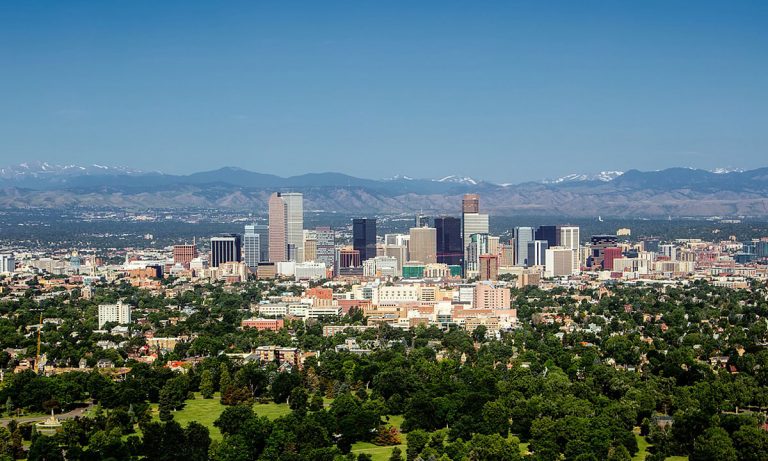
The cannabis industry has been filling the coffers of Denver’s city budget since legalization began in January 2014. The city collects nearly $45 million a year from marijuana, nearly doubling its revenue in just four years.
In the first three years of the “grand experiment,” the vast majority of the money was funneled to one-off projects such as paving roads. Nearly all of the state’s portion of cannabis tax revenue is earmarked for education. But now, Denver is beginning to spread the wealth around.
“As the cities and states have more experience in this situation, you’ll see them begin to leverage these dollars,” said Denver Mayor Michael Hancock.
According to a report on Denver TV station Fox31, a wide variety of much-needed city projects are about to get an infusion of revenue. The report revealed that funds will be used to replace aging irrigation systems and other infrastructure projects in dire need of repair.
One of the more interesting uses of the marijuana funding will help historic sites get a makeover. According to Fox31:
This year, for the first time, the Denver Parks and Recreation department is benefiting big. They are receiving four million dollars in funding.
“This is where they started to build out the benches for the seating that would eventually become the stadium of Red Rocks today,” Shannon Dennison, Cultural Resource Administrator with Denver Mountain Parks said.
The very men who built the iconic Red Rocks Amphitheatre lived in nearby barracks during the Great Depression.
“The Civilian Conservation Corps was based here. There were about 200 young men who were out of work in the country who came here,” Dennison said.
The Mount Morrison Civilian Conservation Core Camp was built in the 1930s thanks to federal funding. More than 80 years later, the camp will be revamped courtesy of $500,000 from Denver’s cannabis industry. “It’s really going to give us the ability to keep this place going for another hundred years,” Dennison said.
Here are some of the other infrastructure projects, according to Fox31’s report, that will receive marijuana funding:
$600,000 to fix the boardwalk at Sloan’s Lake.
$750,000 to fund a new irrigation system at Harvard Gulch North.
$400,000 thousand dollars to provide a facelift to the park Asbury and Tejon, located on the southern end of Denver.
$1.7 million dollars will fund the crumbling 1oo-year-old terracotta walls at Sullivan Gateway.
“No matter what your stance is on marijuana, those tax revenues are coming back to the Parks and Rec department to help us get projects done that would not have been done before,” Gilmore said.
In a move that solidified the actions of the Senate, the US House of Representatives approved a bill this week that would allow terminally ill patients to have access to experimental drugs not yet branded with FDA approval. The proposal, known as the “Right to Try Act,” is now on its way over to President Trump for a signature. He is expected to sign the bill without issue.
“We also believe that patients with terminal conditions should have access to experimental treatments that could potentially save their lives,” Trump said earlier this year during his 2018 State of the Union address. “It is time for the Congress to give these wonderful Americans the ‘right to try.’ ”
Although 40 states have right-to-try laws on the books, a change in federal code would allow terminally ill patients in states without those laws easier access to experimental medications. There would be no application process, nor would patients need to register on some pesky database. They would simply work with their doctor and a pharmaceutical company to obtain the drug. But there are some stipulations. The drug must be “investigational” and have cleared at least Phase 1 of clinical trials.
Marijuana fits the bill of an investigational drug. There have been a small group of studies conducted throughout the years seeking to nail down the therapeutic benefits of the plant –enough to qualify the herb under the Right to Try Act. Sadly, however, this means a person will need to be close to death before marijuana is technically legal for them to use at the federal level.
And, believe it or not, prospective Right-to-try patients will first need to fail with every approved treatment option before being given the green light to use medical marijuana. This is not as big of an issue in states with cannabis laws on the books than it is in areas of total prohibition.
As it stands, the FDA has the power to fast track experimental medications for terminally ill patients. But again, only after all approved treatment options have been exhausted.
The agency claims it approves nearly every application that crosses its path. Last year, it approved 1,831 of the 1,842 filed, according to the latest data.
“I’m in favor of pathways that allow patients with terminal disease to get access to products that might be in development,” FDA Commissioner Dr. Scott Gottlieb said in a recent interview with CNN Chief Medical Correspondent Dr. Sanjay Gupta. “That’s why we have an expanded-access pathway.”
Interestingly, there is some opposition to right-to-try. Some say it will only give people false hope.
“The problem becomes that you have a lot of false hope as a terminal cancer patient. You want to cling to anything that’s going to sound like it’s an opportunity to live longer or have a better quality of life,” Michael Becker, a cancer patient, told NPR. “That hope can sometimes cover up the realities of some of the more sinister aspects of getting a drug, which are things go wrong. So I could take a drug that was purported to help me, and it may actually make my condition worse.
No question is off limits, and all questions will remain anonymous. This week’s topic: questions to ask yourself before you have sex with someone.
No, but really — how does a person have better sex or a better relationship? The Fresh Toast has enlisted Rachel Krantz, a sex writer and proud canna-enthusiast, to help readers out with some answers as its sex columnist. No question is off limits, and all questions will remain anonymous. Please send your sex and relationship inquiries to editor@thefreshtoast.com. Now, onto this week’s topic: questions to ask yourself before you have sex with someone.
Q: I saw your article a while back on questions you should ask someone before you have sex with them, and I try to follow the advice. I guess what I’m wondering is, are there any questions I should just be asking myself? Like, the other night I slept with someone I was feeling sort of ambivalent about, but it had gotten so far that I felt like I kind of owed him or something. I’m wondering if you have any tips for checking in with yourself in moments like this.
A: The situation you describe is so relatable, I think especially for women. Often, it can be difficult to separate what we actually want from our fears of seeming mean or “like a tease.” Here are some tips for questions you can ask yourself when you’re deciding in the moment whether to sleep with someone. (I am writing this as much to remind myself as I am for you — so please don’t be hard on yourself if you ever struggle with this.)
Do I Feel Comfortable Talking To This Person About Safe Sex?
In the article you referenced, I give a list of questions I think you should ask someone before you have sex with them, like when they’ve last been tested and whether they have any STDs. Take some time to review those, and in the moment you’re deciding, ask yourself not only whether you know the answers to these questions yet, but also whether you feel comfortable brining them up in the first place.
If you already had the conversation, do you trust their answers? Did you feel they were appreciative of your asking, or did they seem weirded-out and threatened? Someone worth sleeping with shouldn’t make you feel awkward about asking about their STI status or about safe sex practices. If they were cool about it and you felt very weird about asking anyway, it could also be a sign that there isn’t a lot of comfort for you in the dynamic yet, and you might be jumping the gun.
Will It Bother Me If I Find Out They Are Sleeping With Other People?
Another question I suggest you ask a potential partner is whether they are currently sleeping with anyone else. A question you can ask yourself, however, is whether you’d be OK with finding out they are sleeping with other people after you have sex.
If so, it’s important to communicate before you have sex what you would expect to know from them. Would you like to know about any new partners they have after you sleep together? Would you like to become monogamous after sleeping together? These are all important things to know going in, because once you have sex, things can get a lot more complicated.
Do I Trust This Person To Be Honest With Me?
If you were to ask the person to answer any sensitive questions about their health, sexual preferences, or how many partners they have, do you trust they are giving you the whole truth? Do you sense that they would keep telling you the whole truth? Trust your gut on this one. If you doubt their honesty, that’s a sign it might be too soon.
If We Sleep Together & They Ghost, Will I Regret This?
Unfortunately, this is always a possibility, because people are rude. Even if it seems highly unlikely, if this worst-case scenario were to happen, would you regret your decision to sleep with them? Or would you know that you were doing it because you really felt like having sex and it was a genuine expression of your own desires?
I find I only regret sexual actions when I feel like I wasn’t being true to myself in some way, or was acting for other people’s benefit instead of my own. Which brings me to…
Am I Doing This Because I’m Worried About Seeming Like “A Tease”?
This is such a hard dynamic to avoid — especially when you’re a woman raised to think you owe men something once you “let” things get beyond a certain point. Are you about to have penetrative sex only because he just went down on you for half an hour and you feel “bad,” even though you’re not really ready? Time to communicate that and put the brakes on things. I don’t care if you brought him into your room and he gave you an hour-long massage. You never owe anyone sex, and the idea of “being a tease” is really often just coded language for “being a woman who says no when she doesn’t want sex.” All you owe someone is your open communication and honesty.
If you’re having this dialogue in your head and are unsure how pressured you’re feeling, tell them! How they react will speak volumes about their character. (Just beware feeling like you “owe” someone a reward for good behavior if they are cool about not pressuring you.)
Am I Only Doing This Because I Need An Orgasm Right Now?
Sometimes we have sex before we’re ready just because we’ve been doing other stuff for a few hours, and we’re horny. If this sounds familiar, ask yourself this question in the moment. If you are just having sex because you want an orgasm but aren’t really ready emotionally (been there) is there another lower-risk activity you can suggest, like mutual masturbation? That way, there will be some closure and release to the night without your feeling like you’ve reached the point of no return by default.
Am I Doing This For Reasons That Are Kind To This Person And Myself?
Are you just having sex because you’re trying to get over an ex? To prove to yourself you’re desirable? Because this person seems hot but boring enough that you won’t catch feelings? Whatever the reasons may be, it’s important to check in with yourself that they are kind to both yourself and your potential partner. It’s totally OK if you’re about to have sex for less-than romantic reasons, so long as both people are on the same page and the attitude is one of mutual respect.
Do I Feel Safe, Respected, And Like I Want To Give Enthusiastic Consent?
This is probably the most important item. You should feel all of these things before you have sex, even if it’s casual. Do you want to give a clear and enthusiastic go-ahead, or are you allowing yourself to be swept up in someone else’s preferences? There’s nothing wrong with being a little submissive at heart, but you should be clear that what you’re about to do is what you actually want to be doing — not just something you’re doing to accommodate someone else. I repeat: you don’t owe anybody anything besides your honesty, kindness, and communication. Period.
Come all ye bathroom breakers and freeloaders and loiters, the great green goddess of Starbucks welcomes ye. Or something like that. Last week Starbucks announced to employees that anyone can hang in their stores or patios, use the bathroom, even if they haven’t purchased anything.
“Any person who enters our spaces, including patios, cafes and restrooms, regardless of whether they make a purchase, is considered a customer,” Starbucks said in an email to employees, reports CNN.
The policy changes comes on the heels of social media dismay after two black men were arrested at a Philadelphia Starbucks. Protestors shouted, “Starbucks is anti-black!” at the time, though the men have since settled with the city of Philadelphia.
“We want our stores to be the third place [between work and home], a warm and welcoming environment where customers can gather and connect,” the new policy reads on the Starbucks website.
In return, the company said it “respectfully” requests customers to “behave in a manner that maintains a warm and welcoming environment.” Specifically, that means using spaces as intended, being considerate of others and acting with respect and responsibility. The company said that it has also provided its employees (known as “partners”) with “guides on how to address disruptive behaviors.”
Starbucks executive chairman Howard Schultz hinted at these impending changes last month, indicating the coffee chain might soon open its bathrooms to everyone. Previously Starbucks had a loose policy on bathroom usage, which ultimately lay at the discretion of individual store managers.
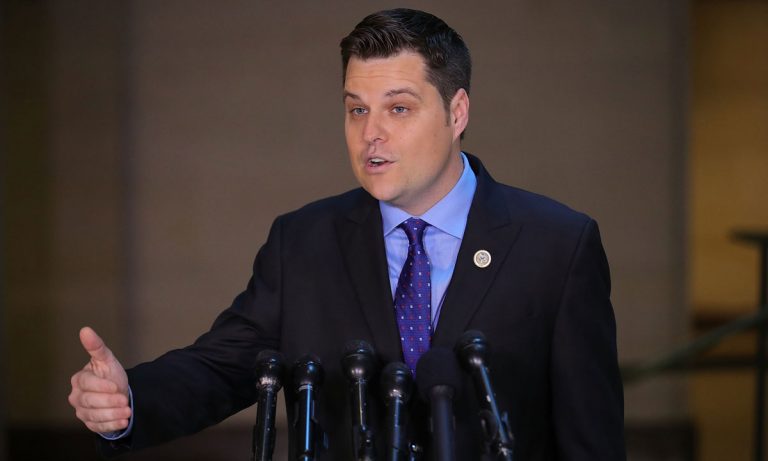
Calling Florida Rep. Matthew Gaetz an avid Trump supporter is practically an understatement. Gaetz was among the 18 Republican congressman who nominated Trump for a Nobel Peace Prize in March, and the Republican freshman often receives a phone call from Trump following a cable news TV hit. As GQ labeled him last month, he is “the Trumpiest congressman in Trump’s Washington.”
Almost at odds with the President and his Cabinet’s policies, however, is Gaetz’s dogmatic and vocal activism toward cannabis. Just this past weekend Gaetz attended the American Medical Marijuana Physicians Association’s conference in Miami to explain the current workings of cannabis legislation and how doctors can positively impact its legalization. Make no doubt about it, Gaetz is at the forefront of a national marijuana campaign.
“A lot of people think we can’t pass cannabis reform in a GOP controlled congress,” the former House member in the state of Florida, told the Tampa Bay Times. “It reminds me of when Governor Scott sent his Surgeon General to testify against my Florida legislation—and then took credit for it when debating Charlie Crist. This issue is moving fast. It turns out people like freedom.”
Just this past month Gaetz introduced the Medical Cannabis Research Act of 2018, which aims to liberate federal restriction and resources toward studying marijuana. Currently scientists only have one source of marijuana for clinical research in the United States—the University of Mississippi marijuana research center. But as Gaetz bemoans in his announcement of the bill, that cannabis given to scientists is “subpar,” “weak and often moldy,” as Dr. Sue Sisley and her colleagues learned firsthand when they had the cannabis independently analyzed by a laboratory.
As interest in cannabis research has risen in the scientifically community in recent years, in conjunction with legalization trends, the 12-acre farm in Mississippi can’t keep up. “[F]ederally-grown cannabis is scarce; not enough is grown,” Gaetz attests.
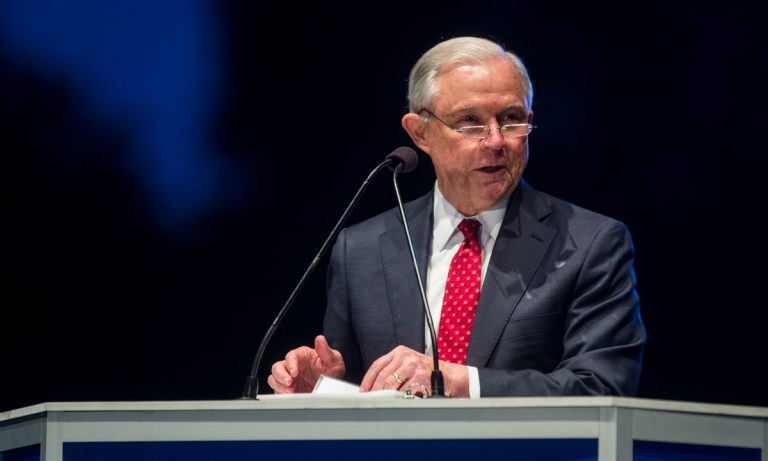
The congressman’s proposed bill also places a somewhat direct jab at Attorney General and noted marijuana prohibitionist Jeff Sessions, whom Gaetz prods and provokes at every opportunity. The potential legislation would “require the Attorney General to annually assess whether there is an adequate and uninterrupted supply of research-grade cannabis, and to ensure that there are at least three federally approved manufacturers at any given time.”
The legislation would not affect federal or state laws on cannabis, though. But this bill could provide an opportunity for politicians to attain scientific ammunition when it comes to future marijuana legalization efforts.
“The federal government has lied to the American people for a generation about the medical properties of cannabis,” Gaetz told TBT. “We have a moral obligation to democratize access to research so that innovators can unlock cures to improve quality of life for millions.”
It has been a little over a month since President Trump supposedly promised to stop his attorney general, Jeff Sessions, from unleashing an unsavory wrath against states that have legalized marijuana. For the past year, Sessions and the Department of Justice have been searching for a sellable weapon in the interoffice war to bring down legal weed.
But with the president telling states they are safe to continue the cultivation and sale of marijuana, in spite of the fact that the herb remains a banned substances in the eyes of the federal government, the consensus is that pot reform has cleared yet another major hurdle. So why is the cannabis community still talking about Jeff Sessions?
Nobody really knows how much truth is in the president’s so-called promise to allow legal weed to continue without some sort of a crackdown. At the beginning of 2018, Sessions rescinded an Obama-era a document called the Cole Memo that allowed states to experiment with the legalization of marijuana through a series of modest guidelines.
But even with Trump signaling safety for the legal pot culture, there is still no replacement policy in place, not even one as non-biding as the Cole memo, to serve as an act of good faith. Considering the flip-flopping the president has done since taking office, it would not surprise anyone at this juncture if the words, “I never said legal marijuana was safe” came oozing from his mouth.
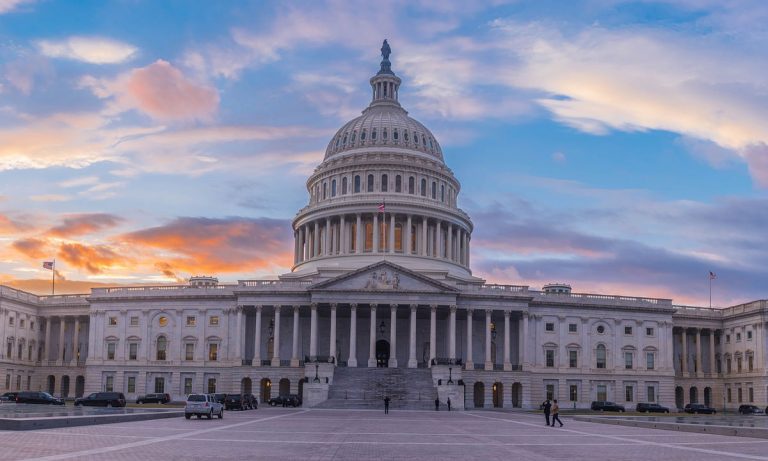
Fortunately, some strides have taken place on Capitol Hill to keep the half-cocked Department of Justice at bay for a little longer.
The US House of Representatives Committee on Appropriations for Commerce, Justice, Science, and Related Agencies (CJS) recently voted to allow medical marijuana protections (Rohrabacher-Blumenauer) to be included with the new federal budget bill that is set to expire in September. This is the only legitimate measure the cannabis community has had in the past few years to stop any sort of legal voodoo from coming down on law-abiding medical marijuana patients and the businesses that serve them. But there was some uncertainly over whether the protections would be given the opportunity to be renewed this time around.
Still, there is nothing concrete is place to protect those states that have legalized the leaf for recreational purposes. And it is not likely that this sector of the cannabis industry will be protected by a measure similar to the Rohrabacher-Blumenauer amendment anytime soon. These types of proposals have missed every single time they have ever been introduced in recent years.
The only way the gnashing teeth of Jeff Sessions can truly be stopped is if Congress passes legislation aimed at legalizing marijuana nationwide. Some seem to believe the country has a fair shot at seeing that happen in the near future. But it will not be possible until Congressional leaders, like Senator Majority Leader Mitch McConnell, change their tune. McConnell said recently that he does not “have any plans to endorse the legalization of marijuana.”
So, it’s not Jeff Sessions the cannabis community should be concerned about – its Congress.
If you’ve ever fantasized about mailing delicious smelling letters – who hasn’t? – US Postal Service has got your back, releasing stamps that when scratched smell like the world’s greatest and most summer-y invention: ice cream.
This scratch-and-sniff ice cream stamp collection is called “Frozen Treats Forever,” so be sure to keep them away from children who’ll want to eat them, use them as stickers or tattoos, and give them other uses that don’t involve mail.
The stamps feature illustrations of frosty, colorful, icy pops on a stick. Today, Americans love cool, refreshing ice pops on a hot summer day. The tasty, sweet confections come in a variety of shapes and flavors.”
A press release from USPS claims that the stamps will be released on June 20th to celebrate summer, and that they’ll contain 10 different illustrations of delicious looking ice cream, including popsicles and colorful frozen pieces of fruit. The booklet, designed by South African artist Margaret Berg, will be launched at Austin’s Thinkery Children’s Museum and will also be available for online purchases.
Bustle reports that this isn’t the first time USPS has gotten creative with their stamps. A while back they launched a pretty successful series of stamps featuring Disney Villains, including characters like Scar from The Lion King and Ursula from The Little Mermaid.
“Frozen Treats Forever” marks the first time that USPS releases stamps that smell, so hopefully the experiment will result in sweet and yummy scents. Scratch-and-sniff items mostly smelled strange when I was little.
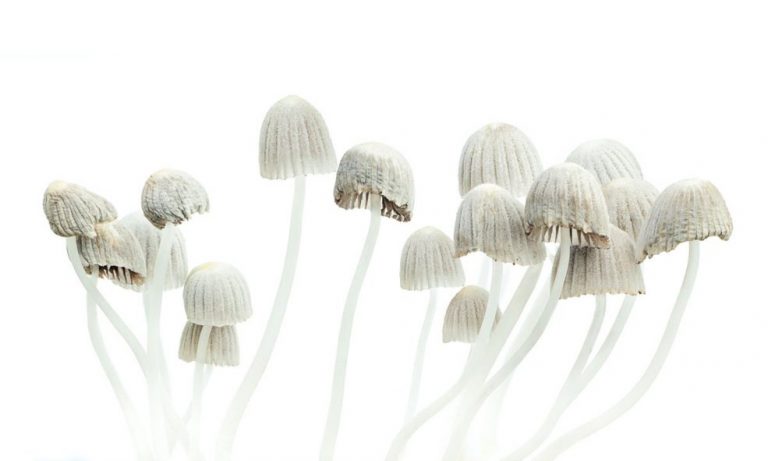
Could magic mushrooms be the next cannabis? In terms of setting the fungus free to consenting adults that is. Shrooms’ inevitable rise to slots on ballots is off to a humble start, but it’s a start that’s been in the works for decades.
The Multidisciplinary Association For Psychedelic Studies (MAPS), which is at the forefront of psychedelic research, conducted a study at John Hopkins University that found that using mushrooms containing the psychedelic ingredient psilocybin for anxiety had long lasting effects, even after one dose in a therapeutic setting.
This is the type of ballot measure for which Oregon is now gathering signatures. It will be an uphill battle, as fewer people are educated about magic mushrooms than they are about cannabis and the cost to gather enough signatures will be steep.
Denver, Colorado is also hoping to make the ballot with an initiative that would allow the possession and cultivation of psilocybin mushrooms. Unlike Oregon, where a doctor must recommend the fungi and then be taken under the supervision of a registered therapist, Denver shrooms would be taken both medically and recreationally.
Mushrooms are a powerful psychedelic, but in smaller or more moderate doses they can lead to self realizations, a deeper spiritual connection to the people, objects and music that surround you, breathing or melting walls and other mild hallucinations. Often a trip is followed by vivid dreams that are ethereal in themselves.
They also have the potential to experience an uncomfortable or “bad” trip. Setting is very important when it comes to shrooms, as are the people accompanying you. Perhaps that’s why Oregon is taking its first foray into mushroom legalization with therapeutic caution.
It wasn’t too long ago that California tried legalizing psilocybin mushrooms across the board for adult use and failed. But much like the cannabis movement, there will be false starts, hurdles and the great need to educated the people before they vote.
Mushrooms of this variety have been anecdotally shown to help with anxiety, PTSD, depression and other psychological ailments. They are often used via microdosing or in small increments to reap the benefits without fear of going overboard. There are so many wonderful applications for magic fungi, let’s hope Oregon and Denver are the tip of a revolution.
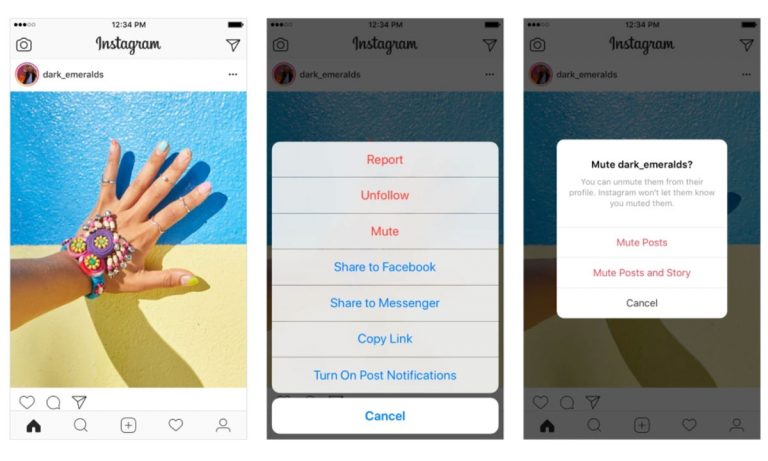
We all have that fitness-obsessed friend we’ve been dying to unfollow, or that distant relative that sets your teeth on edge with their political posts. Sadly, while unfollowing users should be no big deal, people get really offended. Luckily, Instagram is ready to give us all that we need, creating a mute button that allows you to avoid user’s posts in the most passive aggressive of ways; without them knowing a thing about it.
This mute feature isn’t anything new; previously Instagram allowed you to mute stories and prevent people from seeing your stories. This new ability to mute posts completes the Instagram circle of denial, and now you can go live your best life without worrying about your sensitive friends.
Buzzfeed reports that this feature was added to give users a more “personalized experience,” and that it was also something that users requested frequently. “We’ve also heard it may be a useful tool for managing complex social dynamics,” said a rep from the company, tactfully expressing that sometimes you’re just sick of people and don’t want to see their freaking posts.
The feature works easily. Tap on the Instagram app and tap on the three dots on the right corner, right next to the user you want to mute. Then select “mute,” allowing you to block the user’s posts, stories or both.
Instagram claims that the mute feature will take a few weeks to reach everyone’s phones, so don’t freak out if it’s not available at the moment.
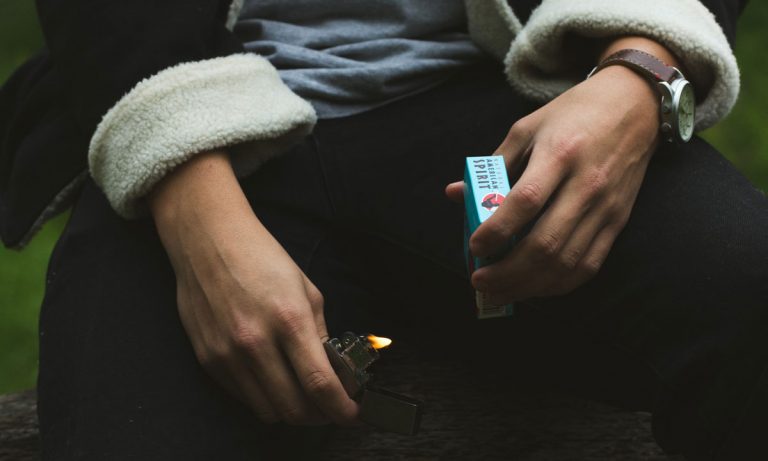
Good news for all you struggling to kick the tobacco habit: Cannabis shows promise for treatment for tobacco addiction.
Cannabidiol, commonly called CBD, has been demonstrated to completely disable the trigger for relapse in most smokers who have quit, according to researchers.
The study, published in the journal Addiction, supports other scientific data suggesting that tobacco users who used a CBD inhaler whenever they felt like lighting a cigarette cut their consumption by 40 percent in one week.
Researchers say CBD could play a transformational role in eliminating the habit of smoking tobacco. Nearly 5 million people die around the world each year due to tobacco-related illness, 500,000 of them in the U.S.
“These findings suggest that cannabidiol has promise as a novel treatment for tobacco addiction,” said Dr. Tom Freeman, a senior academic fellow at King’s College London, who helped conduct the study. “It might be particularly effective when abstinent smokers are exposed to cues that trigger relapse, such as when they are with a friend who lights a cigarette, or in a particular place they associate with smoking,” he added.
The findings have been examined by other scientists and there is excitement in the medical community. “Taken together, these studies suggest CBD could play a key role in helping people to give up smoking,” said Professor Yasmin Hurd, director of the Addiction Institute at the Mount Sinai hospital network in New York.
And Dr. Amir Englund, of King’s College London, said: “These findings are exciting as they suggest CBD may interfere with some of the underlying mechanisms behind tobacco addiction and could potentially be a treatment for people who are trying to quit.”
Researchers cautioned that more studies are required to confirm whether CBD is an effective treatment for giving up smoking.