Friday, December 19, 2025
Home Blog Page 11

End-of-Summer Digital Detox Is 2025’s Coolest Trend

0

A digital life can be overwhelming – to relax your body and mind – this trend has taken off.

As summer winds down, a growing number of Gen Z and Millennials are swapping screen time for “offline time”—a lifestyle choice of equal parts nostalgic throwback and mental health boost. Dubbed the End-of-Summer Digital Detox, this trend encourages people to disconnect from constant notifications, algorithm-curated feeds, and endless scrolling, and instead embrace IRL (in real life) experiences before autumn responsibilities set in.

RELATED: The History Of The Cocktail Party

The appeal is obvious: summer is the perfect time to recharge away from devices, but August’s last stretch offers the ideal moment to make it memorable. Digital burnout is real—according to the American Psychological Association, more than 50% of young adults report screen time contributes to stress and anxiety. By intentionally unplugging, you create space for deeper connections, better sleep, and a clearer mind heading into fall.

End-of-Summer Digital Detox Is 2025’s Coolest Trend

The magic of a digital detox isn’t about doing less—it’s about doing more offline. Here are some of the most talked-about and surprisingly stylish activities making waves among detox devotees:

  • Read a Book or Print Magazine
    Nothing says “slowing down” like flipping real pages. Whether it’s a glossy fashion magazine from your local bookstore or a classic paperback, the tactile experience beats blue light any day.

  • Host a Backyard Picnic with Analog Vibes
    Bring friends together for an outdoor spread—but make it device-free. Think disposable film cameras for photos, vinyl records for music, and handwritten recipe cards.

  • Night Hikes and Stargazing
    Late summer skies are perfect for spotting constellations. Without a phone in hand, the stars are brighter, conversations deeper, and the memories more vivid.

  • Farmer’s Market Day
    Stroll through a local market, taste fresh seasonal produce, and chat with vendors. It’s a slow-paced reminder of how good face-to-face interactions feel.

  • Crafting or DIY Projects
    From candle-making to building your own terrarium, hands-on activities scratch the creative itch without the distraction of incoming messages.

  • Board Game Marathon
    Skip the gaming console for an old-school board game night—Monopoly, Scrabble, or a stack of thrift-store finds.

RELATED: Mixed Messages From The Feds About Cannabis

While the aesthetic of “offline chic” is filling Instagram feeds (ironically), the movement is rooted in something more lasting: the realization of constant connection isn’t the same as meaningful connection. By stepping back from the digital world, even for a weekend, people are rediscovering joy in the tangible, the imperfect, and the unfiltered.

The End-of-Summer Digital Detox isn’t just a passing hashtag—it’s a mindset. And as we move into the busy fall season, the people who unplug now may just find themselves better equipped to stay balanced, focused, and creative all year long.

Latest Data Reveals Youth Marijuana Use

The government has released  data on youth cannabis use – and the numbers are not surprising

One of the concerns over legalizing marijuana is use among the under 21, now the latest data reveals youth marijuana use. Despite expanding access, use among young people is not surging. According to the Substance Abuse and Mental Health Services Administration (SAMHSA), past-year marijuana use among individuals aged 12 to 20 declined to 16.7 percent in 2024, the lowest level seen in four years—even as more states legalize cannabis for adults.

RELATED: Guess Who Is A Big Supporter Of Legalizing Marijuana

This finding runs counter to fears legalization would automatically spark a spike in adolescent use. In fact, the report reveals a drop from 17.9 percent in 2021 and 19.2 percent in 2022, signaling a downward trend in youth consumption despite broader adult access.  It has long been a talking point of those opposing legalization it will cause youth use to soar, but the federal government consistentl shows a decline in use.

Latest Data Reveal Youth Marijuana Use

Data from the Centers for Disease Control and Prevention (CDC) reinforce this trend. Their Youth Risk Behavior Survey shows past-month marijuana use among high school students fell from 23 percent in 2013 to 17 percent in 2023, as alcohol use also declined. Another CDC report focusing on early legalizing states—Colorado, Oregon, and Washington—found no uptick in adolescent usage following legalization.

These government sources highlight legalization, when paired with education and regulation, does not necessarily translate to increased youth consumption. For further reference, SAMHSA’s National Survey on Drug Use and Health (NSDUH)—which provided these results—is available at SAMHSA.gov. Additionally, youth data from the CDC’s YRBSS (Youth Risk Behavior Surveillance System) offers more granular insights.

  • Fully legalized (recreational + medical): 24 states and the District of Columbia have legalized both medical and recreational marijuana.

  • Medical-only legalization: 40 states permit medical cannabis use, while medical-only laws remain in effect where recreational laws have not been adopted.

RELATED: Mixed Messages From The Feds About Cannabis

At the federal level, marijuana remains a Schedule I drug under the Controlled Substances Act, alongside substances like heroin and LSD. But change may be on the horizon. President Trump has confirmed his administration is “looking at” rescheduling marijuana—from Schedule I to Schedule III—and expects to make a determination in the coming weeks.

This review follows a prior process initiated belatedly under the Biden administration: in August 2023, the Department of Health and Human Services recommended rescheduling, and the DEA began rulemaking including hearings—though the process is now paused pending appeals.

A successful reclassification could pave the way for more medical research, easier banking access for cannabis businesses, and tax benefits for the industry—without fully legalizing marijuana at the federal level.

Watching a Meteor Shower With An Edible Is Next-Level Awesome

Summer always has a galactic treat – but seeing it with a little something extra makes a meteor shower mind-blowing.

Every summer, nature puts on a show which rivals any fireworks display — the meteor shower. Whether it’s the Perseids in August, the Geminids in December, or a random burst of cosmic magic, shooting stars can make anyone feel small in the best possible way. But for many in the cannabis-friendly crowd, there’s a growing trend – watching a meteor shower with an edible is next-level awesome!.

RELATED: The History Of The Cocktail Party

First, let’s get the obvious out of the way: edibles hit differently than other forms of cannabis. Instead of a quick rise and fall, they tend to produce a slow-build, full-body high which can last hours. This makes it perfect for meteor watching, which is all about patience and presence. The best shows can run all night, and an edible’s effects let you truly settle in under the sky without constantly checking the time.

Edibles also heighten sensory perception — making the contrast of dark night skies and sudden streaks of light even more vivid. The faint twinkle of distant stars? Mesmerizing. The unexpected flash of a meteor breaking apart in the atmosphere? Absolutely thrilling. Many users say cannabis enhances their sense of wonder, making them feel more connected to the universe and less distracted by everyday worries. In other words, it’s not just a high — it’s a cosmic mood boost.

There’s also the bonus of meteor showers are best experienced away from city lights, often in quiet, remote areas. An edible pairs perfectly with this kind of setting. You’re not juggling rolling papers or worrying about wind like you might with smoking, and there’s no telltale cloud or smell. Just you, a blanket, maybe some snacks, and the night sky stretching endlessly above.

RELATED: The Science Behind Cannabis And Happiness

For Gen Z and Millennials — generations often valuieng experiences over possessions — this combo fits right in. It’s low-cost, low-impact, and ridiculously memorable. A single evening can become the kind of story you tell for years: “Remember the night we drove out to the middle of nowhere, ate those gummies, and saw like ten shooting stars in a row?” It’s a little bit of science, a little bit of magic, and a whole lot of good vibes.

Of course, as with all cannabis use, the key is moderation. Start small, especially if you’re new to edibles, and make sure you’re in a safe, legal environment. Bring friends, a comfortable setup, and maybe a thermos of hot chocolate — because yes, the stars look even better when you’re cozy.

A meteor shower is already a rare and beautiful gift from the universe. Add the right edible, and it can feel like the cosmos is putting on a show just for you.

Industry Eyes White House Around Cannabis Rescheduling

Industry eyes White House as cannabis rescheduling with a mixture of hope and wariness

The marijuana industry eyes White House around cannabis rescheduling as it continues in a years long holding pattern, Wall Street analysts are weighing in on whether the White House will finally make a decisive move. According to investment bank TD Cowan, there’s now a 60% probability the President will issue an order requiring the DEA to reschedule cannabis, likely moving it from Schedule I to Schedule III under the Controlled Substances Act.

That shift could have major implications—opening the door for reduced tax burdens on cannabis companies and signaling a broader federal softening on marijuana policy. But while the outlook is optimistic, analysts caution that history suggests a degree of skepticism is still warranted.

RELATED: The History Of The Cocktail Party

TD Cowan notes  while the President has recently expressed support for rescheduling or even legalizing cannabis, his track record tells another story. During his first term, he made similar statements but took no substantive action. In fact, many of his nominees to key federal positions were openly opposed to cannabis reform or leaned toward skepticism.

Legal Weed Is Making An Impact On The Billion Dollar Sleep Market
Photo by Cavan Images/Getty Images

The cautionary tone comes from a “long history of false optimism” around the President and cannabis policy. Industry veterans recall several moments when business leaders left White House meetings confident reform was coming—only for nothing to materialize. “This is not unique to the President,” TD Cowan adds, drawing parallels to Senate Minority Leader Chuck Schumer’s stalled 2022 effort to secure cannabis banking reforms, which many believed was within reach but ultimately fizzled.

Even so, the political calculus could favor action. Rescheduling cannabis could give the President a quick, headline-grabbing win that resonates across party lines. It might also shift media coverage away from less favorable topics, including ongoing trade disputes, tariff policies, and the revived scrutiny over the Epstein controversy.

RELATED: Mixed Messages From The Feds About Cannabis

From a market perspective, moving cannabis to Schedule III would be more than symbolic. It would end the IRS’s application of 280E tax rules to cannabis businesses, potentially freeing up millions in annual cash flow for operators. For investors, that kind of regulatory shift could spark renewed interest in a sector battered by oversupply, limited access to banking, and patchwork state-level rules.

Still, as TD Cowan warns, “optimism must be tempered.” With campaign season heating up, policy promises can be as much about political theater as legislative reality. The cannabis industry, long accustomed to slow federal movement, will be watching closely—hoping that this time, talk turns into action.

Marijuana Might Be A Better Hurricane Party Guest

All over the coast they seem to pop up with a storm arrives, but instead of booze, marijuana might be better.

The season is in full swing and the first big storm has formed. But when a hurricane barrels toward the coast, many communities turn to a surprisingly time-honored ritual — the hurricane party. Neighbors gather, share food, and ride out the storm together. While alcohol has long been a staple at such gatherings, more people are discovering cannabis can be a calmer, safer, and even more practical choice during the long hours of waiting.

RELATED: The History Of The Cocktail Party

Alcohol can quickly dull reaction time, cloud judgment, and lead to risky decisions. During a hurricane, when conditions can change in an instant, maintaining some clarity is crucial. Cannabis, depending on dosage and strain, generally produces less severe physical impairment, allowing partygoers to stay more aware of weather updates and ready to act if the situation changes. This can make it easier to pivot if evacuation or immediate action becomes necessary.

Legal Weed Is Making An Impact On The Billion Dollar Sleep Market
Photo by Cavan Images/Getty Images

Hurricanes are stressful — the combination of howling winds, pounding rain, and uncertainty about damage can fray nerves. Cannabis is known for its ability to ease anxiety for many users, helping replace tension with a sense of calm. relaxation can make a big difference in the group atmosphere, fostering connection and keeping panic at bay while the storm rages outside.

One of the most common consequences of a hurricane isn’t direct destruction, but power outages. Without air conditioning, refrigeration, or even a fan, sleeping can be miserable. Cannabis can help induce restful sleep despite heat, humidity, and noise, which is a welcome relief when you’re trying to rest in the middle of an extended blackout. Unlike alcohol — which often disrupts deep sleep — cannabis can help users get the restorative rest they need to stay alert and resilient.

RELATED: Mixed Messages From The Feds About Cannabis

In many major storms, the majority of residents in affected zones lose electricity for hours or even days. After Hurricane Irma in 2017, millions in Florida endured days without power in sweltering late-summer heat. In one infamous incident, a large apartment building’s backup generator failed, leaving dozens of residents trapped in elevators and hallways with no light, AC, or communication — a sobering reminder hurricanes often test endurance more than anything else.

In that environment, staying relatively clear-headed, managing anxiety, and getting some rest can be more valuable than chasing the buzz of strong drinks. While every hurricane party is unique, those choosing cannabis over alcohol often find they’re better able to ride out the storm calmly — and remember it clearly when the skies finally clear.

The Odds of Cannabis Rescheduling

The Administration is hinting about being open to rescheduling – the betting markets aren’t

Despite campaign promises, the current administration has made zero movement on cannabis rescheduling or any relief.  Leaders have even been known to say progress needs to be repealed, so they industry crossed their fingers and are holding their breath. But what are the odds of cannabis rescheduling?

As Washington plays its long game on cannabis policy, anyone trying to place a bet — literal or figurative — needs to understand the levers which move markets. Rescheduling marijuana from Schedule I to III (or descheduling it altogether) is no single act of presidential will: it’s a legal, scientific and political sieve. Here are the key factors driving the “odds” markets and pundits watch.

RELATED: GOP Senator Rides To The Rescue Of Hemp

First, the administrative roadmap matters. The Biden administration asked HHS and the Attorney General to review marijuana’s classification; HHS recommended moving cannabis to Schedule III and the DOJ/DEA issued a formal notice of proposed rulemaking — steps which create a legal timetable and public record investors and bettors can price in.

Photo by 2H Media via Unsplash

Second, scientific and regulatory endorsements carry weight. HHS and FDA evaluations find “accepted medical use” or manageable public health risks make it easier legally to reclassify a drug — and they reduce political risk for a President who wants to claim an evidence-based approach. Administrative backing is why many analysts view rescheduling as procedurally plausible even if politically fraught.

Third, the politics — both partisan and populist — shape the tail risk. Congressional pushback, pro- and anti-legalization lobbying, and changing agency leadership can slow or stall rescheduling even after agencies finish technical work. Recent reporting shows a robust anti-legalization counter-movement and procedural hurdles in agency hearings could delay outcomes. Those dynamics widen the odds range and lengthen timelines.

Fourth, the legal process itself is a drag on quick outcomes. Rule-making, notice-and-comment periods, administrative hearings and possible judicial review create long windows where new information — court decisions, staffing changes, election results — can swing markets. Prediction markets typically discount long, legally complex outcomes because the information flow is slow and lumpy.

Polymarket, one of the fastest-growing decentralized prediction markets, thrives on politically charged, binary-outcome questions — from election results to Supreme Court decisions. Cannabis rescheduling fits the bill: a concrete policy decision with a clear yes/no resolution and a definable deadline. Once the DEA sets a final action date, expect a market to open where traders can wager on whether rescheduling happens before the deadline. The volatility of political and legal developments would make it one of the more active contracts, with odds shifting on every new filing, leak, or press statement.

RELATED: The Science Behind Cannabis And Happiness

Finally, public opinion and electoral calculation matter. Broad public support for legalization gives political cover, especially when the change can be framed as criminal-justice reform or pro-small-business tax relief. But close or contentious state votes, and targeted anti-reform campaigns, can make lawmakers and presidents more cautious — and that caution is reflected in slimmer betting odds.

What this means for would-be bettors: look for administrative milestones (HHS/FDA reports, Federal Register notices, DEA hearings) as the most reliable catalysts shifting probabilities. Prediction markets and bookies will move when those documents or hearing outcomes arrive — until then, odds will reflect process risk as much as policy intent.

The Science Behind Cannabis And Happiness

People search for it endless but struggle…so what is the data behind marijuana and happiness

According to the 2024 World Happiness Report, only about 42% of adults globally describe themselves as “very happy”—a number which dips even lower among younger generations facing rising stress, financial uncertainty, and burnout. With happiness becoming an active pursuit rather than a passive state, cannabis is gaining attention as a potential tool to help bridge the emotional gap.

But what is the science behind cannabis and happiness. Marijuana has gained popularity not just for its recreational use but for its potential benefits on mental well-being. As more Millennials explore holistic approaches to happiness and stress relief, science is beginning to shed light on how cannabis interacts with the brain to promote positive feelings.

RELATED: New Data About Cancer And Cannabis

Marijuana primarily works through the endocannabinoid system (ECS), a complex cell-signaling network regulating mood, appetite, sleep, and stress. The ECS includes cannabinoid receptors, particularly CB1 receptors in the brain, which are activated by THC, the psychoactive compound in marijuana. When THC binds to these receptors, it boosts dopamine—a “feel-good” neurotransmitter—which can lead to enhanced mood and feelings of pleasure.

According to a 2022 report by the National Institute on Drug Abuse (NIDA), moderate use of marijuana may produce short-term euphoria, increased sociability, and a sense of relaxation. These effects can mimic the kind of mood elevation people associate with happiness.

Mental health is a growing concern among Millennials, with nearly 60% reporting feelings of stress or anxiety, according to Mental Health America (MHA). Studies suggest marijuana may help ease symptoms of anxiety and depression when used responsibly.

A study published by the Journal of Affective Disorders found cannabis use was associated with a significant reduction in self-reported levels of depression, anxiety, and stress in real-time, particularly among individuals who used strains high in CBD and low in THC.

Another report from SAMHSA.org (Substance Abuse and Mental Health Services Administration) noted while marijuana is not a cure for mental illness, certain components like CBD (cannabidiol) show promise in supporting emotional balance without the psychoactive “high.”

It’s important to note marijuana isn’t a magic solution. The key is moderation and mindful use. A 2023 meta-analysis highlighted while occasional use may enhance short-term mood, chronic or heavy use could blunt the brain’s natural dopamine production over time, potentially impacting long-term happiness.

When used as part of a balanced wellness routine—including exercise, sleep, mindfulness, and social connection—cannabis can complement efforts to boost emotional well-being.

RELATED: Forget Ozempic Cannabis Can Help You Get a Summer Body

For those navigating fast-paced, digitally saturated lives, marijuana may offer a scientifically backed way to slow down and reset—if used intentionally. While more long-term studies are needed, early research shows cannabis can be a valuable tool in the mental wellness toolkit.

As always, consult a healthcare professional, and consider your state’s legal guidelines before incorporating marijuana into your lifestyle. Happiness isn’t one-size-fits-all—but for some, cannabis could be part of the equation.

The Best Hacks To Sleep In Summer Heat

A good night’s sleep in a gift, especially in the summer heat – here are the best tips for a good night’s sleep

When summer temperatures soar, getting a good night’s sleep can feel impossible. More than one in three adults say they don’t get the recommended amount of sleep each night. During hot weather, this struggle intensifies: 46% of people who sleep “typically hot” report subpar sleep, compared to just 29% among those who don’t—an increase of 17%. Tossing, turning, and waking up drenched in sweat is not just uncomfortable—it can also leave you feeling drained the next day. But with the best hacks to sleep in your summer heat, you can cool off and sleep soundly.

RELATED: This Natural Cannabinoid Makes You Feel Happy

Choose Breathable Bedding

Your sheets and bedding play a huge role in temperature regulation. Swap out flannel or polyester sheets for light, breathable fabrics like cotton, bamboo, or linen. These materials wick away moisture and allow air to circulate, helping your body cool naturally during the night.

Chill Your Pillow

If your head feels hot, the rest of your body will, too. Look for pillows designed with cooling gel or breathable mesh. For a DIY approach, pop your pillowcase in the freezer for 15 minutes before bed. It can offer surprisingly effective, short-term relief.

bed, sleep, girl, asleep, sleeping position, sleeping girl, bedding, white sheets, tired, pillow, duvet, blanket, relax, woman, rest

Use a Fan Strategically

A simple box or oscillating fan does more than just circulate air — it can cool your entire body. Place a bowl of ice or a frozen water bottle in front of the fan for a DIY air conditioner effect. Ceiling fans should spin counterclockwise to push cool air down.

Try CBD for Sleep Support

CBD (cannabidiol), a non-psychoactive compound from hemp, has gained popularity for promoting relaxation and reducing anxiety — two key elements for better sleep. Many users report falling asleep faster and staying asleep longer with CBD oils, gummies, or capsules. Especially in hot, restless nights, CBD may help calm the mind and body enough to ease into sleep more comfortably. Always consult your doctor before starting any new supplement.

“Sleep is when the body does its most critical healing and repair work—physically, mentally, and emotionally. That’s why we developed our Sleep Gummies with such care. The blend of cannabinoids helps calm the nervous system, release physical tension, and encourage deeper rest.” shared Jammie Treadwell, Co-Founder and CEO of Treadwell Farms.

They have gummies which help to promote sleep by marrying fruit and cannabinoids. The two work together to help users fall asleep faster and stay asleep longer. Each gummy also includes real pineapple juice powder to boost natural melatonin production and support the body’s circadian rhythm.

RELATED: Fun Life Lessons Learned From Spaghetti Westerns

Cool Down Before Bed

Lowering your core body temperature before sleep is key. Try taking a lukewarm (not cold) shower about 30 minutes before bed. This helps release heat and signals your brain it’s time to rest. Cold foot baths or damp washcloths on your neck and wrists can also help.

Block the Sun During the Day

Preventing heat build-up starts early. Keep curtains or blinds closed during the day to block sunlight. Blackout curtains are especially effective in keeping rooms cool and dark — ideal for better sleep.

RELATED: The Best Refreshing Cocktails

Freeze Your Sheets

For temporary relief, seal your top sheet in a plastic bag and place it in the freezer for 30 minutes before bed. It won’t last all night, but it can help you drift off faster.

Stay Hydrated — But Smartly

Drink plenty of water throughout the day, but ease up right before bed to avoid disruptive bathroom trips. Staying hydrated helps regulate your body temperature and prevents overheating.

With these simple and effective hacks, you can sleep cool, stay refreshed, and wake up ready to take on the summer days ahead.

The History Of The Cocktail Party

Enjoyed by many, few know the history of the cocktail party.

They have been in movies, television, books and entertaining lore. The cocktail party has long been a symbol of stylish socializing, boozy drinks and snappy dressing. But beyond the clink of glasses and carefully crafted drinks what is the history of the cocktail party? It stretches back over a century — shaped by culture, rebellion, and even literature.

RELATED: Mixed Messages From The Feds About Cannabis

Though it may seem like a classic product of mid-century America, the cocktail party’s roots go back to the early 20th century, during the height of Prohibition. Between 1920 and 1933, when alcohol was outlawed in the United States, private homes became the center of secret gatherings. Hosts served bootleg liquor in mixed drinks designed to mask harsh flavors, and the concept of informal, standing-room-only gatherings with drinks and hors d’oeuvres began to take shape.

One of the first formal mentions of a cocktail party appeared in 1917, when a St. Louis socialite, Mrs. Julius S. Walsh Jr., invited 50 friends over for drinks at noon. The event was so novel, it was reported in the local press — and the idea quickly gained traction among fashionable urbanites.

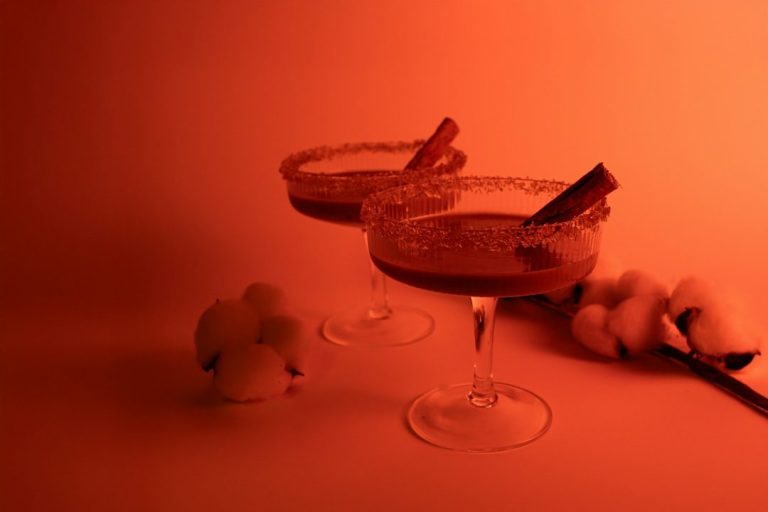
woman holding martini glass

As the cocktail party spread, it also made its way into literature. British novelist Evelyn Waugh chronicled this scene with razor-sharp satire in works like Vile Bodies (1930), a novel that follows a generation of wealthy, fashionable young Londoners — the so-called “Bright Young Things.” Their lives, filled with late-night parties, hangovers, and existential drift, mirrored the ways cocktail culture was becoming a stand-in for both freedom and distraction.

Waugh didn’t invent the cocktail party, but he helped define its mood — one of stylish detachment, cleverness, and fleeting pleasure. In his world, a drink in hand often masked deeper anxieties about identity, class, and purpose.

The theme continued in post-war literature. In 1949, T.S. Eliot wrote The Cocktail Party, a play that used a seemingly mundane social gathering as the stage for deeper philosophical reflection. By then, the cocktail party had become not only a social ritual but a cultural symbol.

RELATED: Celebrate With These Simple Classic Cocktails

The cocktail party was becoming a symbol of adult sophistication, evolving into the highball-and-canapé affairs seen in mid-century homes and on shows like Mad Men.

In the 1950s and ’60s, cocktail parties were nearly ubiquitous in American life. With martini shakers, canapés, and dress codes, these gatherings were seen as sophisticated yet convenient — an alternative to formal dinners that still allowed for meaningful conversation and social networking.

RELATED: The Best Refreshing Cocktails

Today’s cocktail parties look different, but the spirit remains. Millennials and Gen Z have embraced the format in their own way, favoring craft cocktails, alcohol-free options, and more relaxed settings. Whether hosted in small apartments, grand living rooms, private clubs, on patios, or at pop-up bars, the goal is the same: to connect.

As social life continues to evolve, the cocktail party endures — a lasting tradition that proves good company and a well-poured drink never go out of style.

Cannabis Fine Dining Is The New Hot High-End Experience You Need

Cannabis fine dining is redefining gourmet culture and the culinary experiences that go far beyond edibles.

As cannabis continues to weave its way into everyday life, one cultural trend is quietly heating up in foodie circles: cannabis fine dining. Far beyond brownies and gummies, chefs across legal states are now embracing marijuana as a sophisticated ingredient—infusing it into multi-course tasting menus, private dinners, and curated culinary events designed to delight both the palate and the mind. Cannabis fine dining is the new hot high-end experience you need this summer.

RELATED: Science Says Cannabis Can Be Making Us Healthier

The rise of cannabis fine dining is the natural evolution of two powerful cultural movements: the legalization of marijuana and the explosion of food culture on social media. Together, they’re giving rise to a new kind of high-end experience where taste, aroma, and terpenes take center stage.

Cannabis Fine Dining Is The New Hot High-End Experience You Need

Forget the dry space cake of years past. Today’s cannabis dining is about nuance. Chefs are treating cannabis like they would wine or truffles—considering how specific strains and terpene profiles can enhance flavors, elevate dishes, and create a holistic sensory journey. Some menus even list the mood or sensation associated with each course: calm, creative, euphoric, or dreamy.

At these events, the cannabis isn’t always psychoactive. Many chefs offer low-dose THC or CBD options—or even fully non-psychoactive pairings—so guests can savor the experience without getting overwhelmed.

Cannabis dining experiences are popping up across California, Oregon, Colorado, and more recently in places like Michigan and New York. From private supper clubs to full-service restaurants like the Original Cannabis Café in West Hollywood, the trend is gaining traction fast. Pop-up events often feature celebrated chefs collaborating with cannabis brands and budtenders to deliver a well-rounded, educational experience.

These events also offer safe, legal spaces for consumption—something still rare in most public settings.

This trend isn’t just about getting high—it’s about elevating the cannabis experience into something communal and creative. Millennials and Gen Z, who have driven the craft cocktail and natural wine movements, are now applying the same mindset to cannabis. It’s about quality, taste, experience, and yes—Instagram appeal.

RELATED: The Science Behind Why Music Sounds So Much Better When You’re High

Cannabis dining also appeals to the wellness-forward mindset of younger consumers. Low- or no-alcohol lifestyles are on the rise, and for many, a microdosed infused dinner offers a more balanced and mindful night out.

Despite the excitement, cannabis dining isn’t without complications. Regulations on on-site consumption vary dramatically by state—and even by city. Chefs often work in legal gray areas or operate as private events to comply with local laws. But as legalization expands and social consumption lounges gain ground, the infrastructure for cannabis culinary culture is quickly building.

Cannabis fine dining is redefining how we eat, socialize, and experience cannabis. It’s a flavorful, intentional, and communal approach to marijuana use—perfect for those who want to savor both the food and the feeling.

As more states embrace legalization, don’t be surprised if cannabis tasting menus become as common as wine pairings. For now, this budding trend is one of the most exciting (and delicious) intersections of cannabis and culture in 2025.

Don't Miss Your Weekly Dose of The Fresh Toast.

Stay informed with exclusive news briefs delivered directly to your inbox every Friday.

We respect your privacy. Unsubscribe anytime.