Thursday, April 2, 2026
Home Blog Page 12

What To Know About Green And BlackOut Wednesday

Here’s what to know about Green and Blackout Wednesday, the biggest pre-holiday celebration and how to enjoy responsibly.

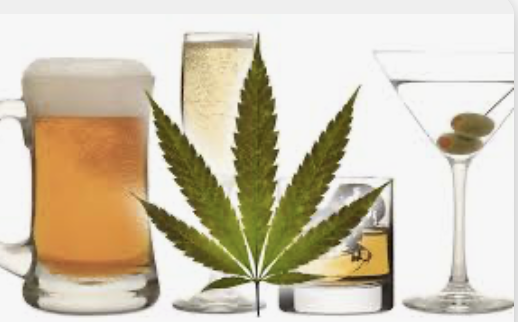
Thanksgiving is upon us with cooking, shopping, family and expectations.  It is a werired work which includes prep, work and so much more.  But what to know about Green and Blackout Wednesday.  This week comes with two unofficial holidays which have rapidly grown in cultural and economic importance: Green Wednesday and Blackout Wednesday. Both fall on the day before Thanksgiving and both spotlight the unique way America kicks off the long holiday weekend—with shopping, cannabis, alcohol, and celebrations. For many consumers, this night is a chance to reconnect with friends and jump-start the season. But understanding their histories and how to participate responsibly can make all the difference.

RELATED: Can Microdosing Marijuana Help You

Green Wednesday is a relatively new cultural phenomenon. Coined around 2012 by the cannabis delivery company Eaze, it became the cannabis industry’s answer to Black Friday. It has since grown into one of the biggest sales days of the year, driven by deals, promotion, and the fact many Americans want a calmer, less stressful Thanksgiving. Green Wednesday is now one of the top three cannabis retail days in the U.S., alongside 4/20 and Black Friday. In many states, dispensaries report spikes in sales of edibles, vapes, low-dose products, and wellness-oriented items.

Photo by Roberto Machado Noa via Getty

Blackout Wednesday, by contrast, has a longer and more complicated history. It began in the early 2000s when police departments and bar associations noticed the night before Thanksgiving had become one of the biggest drinking events of the year. Because so many people return to their hometowns, it became a massive reunion night. It also became associated with binge-drinking, DUIs, and overcrowded bars—which helped give it the nickname “Blackout Wednesday.”

Part of the draw is timing. The Wednesday before Thanksgiving is uniquely suited for celebration:

  • Most people have Thursday off.
  • College students return home.
  • Families reunite.
  • Retailers and bars roll out major deals.

But the cultural shift away from heavy alcohol consumption and toward cannabis is also noticeable. Green Wednesday is often framed as a calmer, more wellness-oriented alternative—one focused on relaxation instead of excess.

RELATED: Can Cannabis Or Alcohol Help With Colds

Whether someone chooses cannabis or cocktails, the real key is pacing and awareness. Here are a few safety-centered tips:

  • Plan transportation early—ride shares, designated drivers, or walking.
  • Hydrate and eat—especially for alcohol consumption.
  • Choose lower-dose cannabis products if you’re inexperienced.
  • Avoid mixing alcohol and cannabis, as it intensifies impairment.
  • Have a limit before you start.
  • Keep gatherings about connection, not consumption.

Green Wednesday and Blackout Wednesday reflect the way holiday traditions evolve. They can be fun, celebratory, and even reconnect us with old friendships and familiar places. But the goal should always be enjoying the moment—not waking up the next day wishing you dialed it back. With a thoughtful approach, both days can be safe, festive, and memorable traditions starting the holiday weekend on the right path.

Traveling With Cannabis And CBD

Holiday guide to traveling with cannabis and CBD, microdosing gummies, easing family anxiety, navigating airports smarter.

The holidays are prime travel season — packed airports, crowded train stations and frayed nerves as families reunite. With the stress, what about traveling with cannabis and CBD. After all, they serve alcohol on the plane. For many Americans who use cannabis or CBD medically or recreationally, thoughtful, low-dose strategies — especially microdosing and small edible formats like gummies — can help manage travel stress, ease social anxiety at family gatherings and make transit days calmer. But travel with cannabis remains a patchwork of state and federal rules, and smart planning is essential.

RELATED: How Cannabis Can Help A Family Thanksgiving

Federal law still classifies marijuana as illegal, which means when you pass through a federal checkpoint (airports in particular), you’re technically subject to federal rules. The Transportation Security Administration (TSA) says officers do not search for marijuana — their primary mission is security — but if illegal substances are discovered during screening, TSA has the option to refer the matter to local law enforcement, although in most states where it is legal is this enforced. Outcomes vary by airport and the laws of the state where you land. International travel with cannabis is always illegal.

Public opinion has shifted dramatically: large recent polls find a vast majority of Americans support legalizing marijuana for medical or recreational uses. That cultural shift is one reason airports and some local enforcement have de-prioritized routine marijuana enforcement in legal states.

Traveling With Cannabis And CBD

Microdosing — taking very small amounts of THC or low-dose CBD repeatedly to get mild calming effects without intoxication — has become a popular strategy for social anxiety, focused relaxation and travel stress. Early research and user surveys suggest many people find microdosing helpful for reducing situational anxiety (like holiday travel), though clinical evidence is still evolving and results vary by individual. CBD-only microdosing is another option for people who want relaxation without THC’s psychoactive effects; products like low-dose tinctures or single-count gummies make dosing predictable and portable. Medical sources urge caution: the evidence is mixed and more study is needed, so start low, go slow, and test at home before trying a dose on travel day.

Gummies and other edibles are popular for travel because they’re discreet and easy to dose. If you carry edibles:

  • Keep products in original, labeled packaging if possible (helps show legal purchase in some states).
  • Know dose per gummy and start with a microdose (often 2.5–5 mg THC) if you’re aiming for calm, not intoxication.
  • Consider CBD-only products for daytime travel or when you must be fully alert.

There’s confusion about K9 units: some airport and federal canine teams are trained to detect narcotics, while others (and many TSA-owned dogs) focus primarily on explosives detection. As legalization has spread, some drug-detection programs have shifted their training priorities; nevertheless, law enforcement canine teams (and Customs/Border Protection narcotics dogs) can and do detect narcotics, including cannabis when trained for it. In short: don’t rely on any loophole — a canine alert or a discovered edible can still trigger police involvement.

RELATED: 8 Wacky Things To Know About Thanksgiving

The takeaway: many travelers find cannabis or CBD (especially microdosing and measured gummies) a genuinely helpful tool for holiday travel and family stress — but the legal landscape is uneven, and federal rules still govern many checkpoints. With smart dosing, careful packaging and an awareness of state vs. federal rules, you can use cannabis or CBD to smooth holiday journeys while minimizing legal risk.

How Cannabis Can Help A Family Thanksgiving

Discover how cannabis can help a family Thanksgiving feel calmer, lighter, and far less stressful this holiday season.

Thanksgiving is one of America’s most cherished holidays, but it also ranks among the most stressful. Family dynamics, hours of cooking, crowded homes, and the pressure of hosting can create tension before the turkey even hits the table. As attitudes around marijuana continue to shift, many adults are turning to it as a healthier, calmer way to manage the holiday’s emotional demands. Here is how cannabis can help a family Thanksgiving. From macrodosing for anxiety relief to choosing gummies over cocktails, cannabis is increasingly becoming part of the modern family coping toolkit.

RELATED: Immersive Events Redefine Millennial Nights

One of the biggest reasons people incorporate cannabis into holiday gatherings is to manage stress. The practice of macrodosing—using a moderate, intentional dose which is stronger than microdosing but still well below the level associated with being fully “high”—has gained traction for its ability to reduce anxiety without impairing social function. Unlike microdosing, which typically offers subtle effects, macrodosing provides a more noticeable sense of calm and emotional balance. For many adults, especially those navigating big personalities or long-standing family tensions, this controlled approach helps create a smoother, more relaxed holiday experience.

how cannabis can help with a family Thanksgiving

Cannabis can also help keep the peace when conversations turn heated. Thanksgiving is notorious for discussions drifting into politics, family disagreements, and old resentments. A measured cannabis dose can help people stay grounded, patient, and less reactive. Many adults say it helps them disengage from escalating arguments or simply listen without feeling the need to “win” the moment. With 88% of Americans now supporting marijuana legalization in some form, cannabis is no longer the controversial topic it once was—making it more welcome at gatherings than some political debates.

Another benefit is the growing shift away from alcohol, which has long dominated Thanksgiving celebrations. While wine, cocktails, and festive punches remain staples, they sometimes lead to arguments, sloppy moments, or hangovers dimming the holiday spirit. More hosts are now offering cannabis gummies or low-dose edibles as a calmer alternative. Gummies offer consistent dosing, slow onset, and no risk of overpouring—a major advantage for guests who want to “take the edge off” without sliding into drunken territory. Without alcohol’s depressant effects, people often maintain clearer conversations and create fewer messy incidents.

RELATED: The Connection Between Country Music And Cannabis

Then there’s the matter of overeating—a Thanksgiving tradition in its own right. While cannabis is often linked to the munchies, certain cannabinoids, especially THCV, can help regulate appetite. Many consumers report balanced, intentional dosing helps them avoid stress eating and stay mindful at the table. And those who choose cannabis over alcohol often find they have better control over cravings and portion sizes.

As legalization spreads and stigma fades, cannabis is becoming a thoughtful tool for a calmer, more enjoyable Thanksgiving. Whether it’s helping reduce anxiety, easing family tensions, preventing arguments, or offering a healthier alternative to alcohol, cannabis is proving it can bring a little more peace to the holiday table.

Marijuana And McDonalds Are Joining The Pickle Craze

From McGrinch Meals to THC-infused pickles, marijuana and McDonalds are joining the pickle craze this season.

America is deep in a pickle moment. Dill has unexpectedly become the flavor of the year, showing up in everything from chips and dips to candy canes and cocktails. Now, two powerhouse industries are leaning in – yes marijuana and McDonalds are joining the pickle craze. The famed burger chain, home of the Golden Arches, just rolled out its much-buzzed-about McGrinch Meal, and the cannabis sector is releasing a wave of dill-flavored products designed for pickle-loving consumers. Together, they’re turning the 2025 holiday season into a brined, bold, and slightly bizarre cultural phenomenon.

RELATED: Can Microdosing Marijuana Help You

The McGrinch Meal, available for a limited time, is McDonald’s must-try holiday special. Built around the booming demand for tangy, salty flavors, the meal features a crispy chicken sandwich dripping with dill-pickle sauce, extra pickle medallions stacked on top, and a side of pickle-seasoned fries. Even the drink gets festive with a neon-green lemonade featuring a tart, dill-forward “holiday splash.” The idea taps directly into America’s revived affection for pickles, a trend driven partly by social media challenges, partly by nostalgia, and partly by the rising popularity of fermented foods.

Marijuana And McDonalds Are Joining The Pickle Craze

Meanwhile, the cannabis market—always quick to spot a cultural moment—has launched its own pickle-inspired lineup. Edible companies are releasing THC-infused pickle chips, dill-pickle gummies, and even cannabis-infused brine shots. Vape makers aren’t far behind, experimenting with terpenes which mimic herbal, tangy, vinegar-bright aromas. Some dispensaries are hosting “Pickle & Puff” events, pairing dill-themed snacks with THC products designed to boost appetite, enhance flavor, or simply make the whole pickle craze more amusing than it already is. The cannabis industry’s embrace of the trend fits perfectly with consumers who love novelty products as much as they love the holiday munchies.

For pickle fans, the timing couldn’t be better. The holidays are traditionally about indulgence, and this year’s pickle explosion offers a new twist on seasonal flavor. Dill has gone from deli staple to cultural mascot, bringing together fast food fans, cannabis consumers, and curious foodies in a briny celebration.

RELATED: 4 Delicious CBD Smoothie Recipes To Blend Up This Week

And the scale of America’s pickle passion is enormous — Americans consume on average about 9 pounds of pickles per person each year, according to USDA research. It adds up to literally billions of pickles enjoyed across the country annually — a testament to just how deeply pickles are woven into the fabric of U.S. snacking culture.

And in the end, the pairing is almost too perfect: the McDonald’s McGrinch Meal, dripping with pickle goodness, and marijuana’s dill-infused creations make for the ultimate holiday munchies feast—tangy, festive, and unmistakably 2025.

8 Wacky Things To Know About Thanksgiving

Learn wacky things you don’t know about Thanksgiving and its traditions, from three-day feasts to pop culture chaos.

A vast majority of Americans, approximately 91-94% celebrate Thanksgiving, and most incorporate some form of the holiday’s traditional elements. It is a holiday steeped in history, family, and, let’s face it, way too much food. But beyond the turkey and pumpkin pie, the holiday has some little-known facts might surprise even the most devoted pilgrims.  Here are 8 wacky things to know about Thanksgiving.

RELATED: Don’t Cook, 5 Things To Bring For Thanksgiving

The First Thanksgiving Was Basically a Three-Day Party
The 1621 harvest celebration in Plymouth wasn’t your standard family dinner. It reportedly lasted three days and included not just turkey, but seafood, venison, and corn. That’s right, if you think your cousin’s extra sidedish is a lot, imagine a 17th-century feast with wild fowl, fish, and deer all in one place.
Today it has become more than just a feast—it’s a major celebration for both alcohol (Blackout Wednesday) and cannabis consumption (Green Wednesday). While traditional turkey dinners and family gatherings dominate, many Americans now pair their meals with craft cocktails, wine, and beer, or explore cannabis-infused edibles and beverages. This growing trend reflects a shift toward mindful indulgence, where holiday relaxation extends beyond food, turning Thanksgiving into one of the busiest days for both alcohol and cannabis use nationwide.

8 Wacky Things To Know About Thanksgiving

Turkey Didn’t Always Take Center Stage
Believe it or not, the original Thanksgiving meal might not have featured turkey at all. Early settlers served whatever was in season, meaning seafood and other wild birds often stole the spotlight. Turkey eventually became the icon we know today.
Thanksgiving tables are embracing more diverse flavors. Roughly one in five now serve untraditional side dishes, ranging from vegan creations to Asian-inspired recipes. A recent survey found 55% of Americans are open to trying dishes from different cultural backgrounds, reflecting a growing trend of culinary experimentation. Holiday meals are becoming a space for creativity, cultural exchange, and personal expression, adding new flavors to classic celebrations.
Presidential Turkey Pardons Are Surprisingly Recent
Every year, the U.S. president spares a turkey’s life in a quirky ritual. This tradition didn’t officially begin until the 1940s, and some turkeys now enjoy celebrity status, traveling and appearing in public events as part of the holiday festivities.
Macy’s Parade Wasn’t Always About TV Fame
The first Macy’s Thanksgiving Day Parade in 1924 was a clever marketing ploy to bring shoppers to the store—not the media spectacle it is today. Giant balloons like Snoopy and Spider-Man now dominate the streets, but it all started with simple floats and marching bands.
Fresh Cranberries Can Bounce
Yes, you read that correctly. Fresh cranberries contain tiny air pockets, making them bounce like little red balls. Next time you’re prepping your cranberry sauce, toss a few for a surprisingly fun science experiment.
A cranberries are now more than an unloved sauce, they’re stepping into the spotlight in creative ways. Beyond the classic side, these tart berries are being used in festive cocktails, adding a bright, tangy flavor to spirits and mocktails alike. They’re also valued for their digestive benefits, helping settle a heavy holiday meal. From infused syrups and juices to innovative garnishes, cranberries are proving themselves as a versatile, healthful, and flavorful star of the holiday table.

RELATED: Can Marijuana Help A Post-Thanksgiving Detox

Stuffing Has a Risky Side
Cooking stuffing inside the turkey can be risky, as bacteria from the bird can contaminate it. Modern chefs often bake stuffing separately, but many traditionalists insist on the classic inside-the-bird method.  And FYI, the three most popular dishes for the big meal are turkey, mashed potatoes, and stuffing.
Football on Thanksgiving Started as Amateur Fun
The NFL’s Thanksgiving tradition didn’t begin until the 1930s. Before then, football was mostly a local amateur or college affair. Today, Thanksgiving games and halftime snacks are as much a part of the holiday as mashed potatoes and gravy.
And lastly, if you thought Thanksgiving mishaps were just family arguments, think again. The classic 1978 WKRP in Cincinnatiepisode featured live turkeys being dropped from a helicopter—turkeys which, famously, could not fly. Chaos ensued, creating one of TV’s most hilarious and enduring Thanksgiving moments. It’s a reminder turkey traditions don’t always go as planned!
Whether you’re a history buff, foodie, or just love quirky trivia, these Thanksgiving facts show the holiday is more than turkey and pie—it’s full of odd, fascinating, and downright wacky traditions which have stood the test of time.

What The Bible And Early Christianity Say About Cannabis

Renewed interest in Turkey’s Nicene Creed anniversary highlights debates over what the Bible and early Christianity say about cannabis.

Religion is in the headlines again as the anniversary of the Council of Nicaea (and Pope Leo’s trip) and renewed interest in the Nicene Creed spotlight how early Christian leaders shaped doctrine still influencing billions today. But one question modern readers often ask—especially amid changing laws and attitudes—is what the Bible and early christianity say about cannabis. While Scripture speaks extensively about wine, healing plants, personal conduct, and community responsibility, it is silent on marijuana specifically. Yet the silence has not prevented centuries of debate.

RELATED: Can Microdosing Marijuana Help You

Cannabis was known in parts of the ancient Near East, used in textiles, oils, and occasionally medicinal preparations. But unlike wine, olives, figs, or incense, cannabis is not directly mentioned in the Hebrew Bible or New Testament. Early Christian writings, including those formalized centuries later at Nicaea, focused on defining the divinity of Christ, church hierarchy, and doctrine—not herbal substances.

Some modern scholars point to the Hebrew term kaneh-bosm (“aromatic reed”) in the Old Testament anointing oil recipe as a possible reference to cannabis. Most linguists, however, link the word to calamus or lemongrass. In other words, there is no clear historical or doctrinal statement on cannabis from early Christianity.

A cultural shift is reflected in national polling showing alcohol use declining while cannabis use—particularly in legal and medical contexts—continues to rise. Wellness-focused adults increasingly prefer marijuana’s lower calorie impact, more predictable effects, and the ability to tailor dosage. Faith communities are also engaging with this trend. Pastors and theologians note believers who avoid heavy drinking for spiritual or health reasons sometimes view moderate cannabis use as comparable to taking a sleep aid or pain reliever. The guiding idea echoes Scripture’s longstanding teaching on alcohol: the issue is not the plant itself but whether its use reflects self-control, care for the body, and respect for others.

What The Bible And Early Christianity Say About Cannabis
Pope Leo

While cannabis is absent, alcohol is not. The Bible frequently acknowledges wine as part of daily life, ritual, and celebration. Jesus famously turns water into wine, and Paul encourages Timothy to use “a little wine for the sake of your stomach.”

At the same time, drunkenness is strongly condemned. Both Old and New Testaments warn believers about losing self-control, harming others, and becoming dependent. These teachings have shaped centuries of Christian attitudes toward moderation—teachings many believers admit are not always followed closely. Surveys regularly show Christian communities vary widely: some practice total abstinence, others embrace moderate consumption, and still others treat alcohol casually.

As medical marijuana becomes widely legalized, Christian ethicists increasingly frame the issue through the lens of healing. The Bible repeatedly affirms the use of natural plants for health and calls believers to care for the sick. Early Christian communities used herbal remedies freely; church fathers wrote about medicine as part of God’s provision.

For many modern believers, medical cannabis fits within this tradition when used responsibly and under medical supervision. Others remain cautious, echoing concerns similar to those once raised about alcohol or tobacco.

RELATED: Science Give Marijuana Users Some Good Heart News

Perhaps the clearest biblical guidance relevant to today’s cannabis debate is Jesus’ instruction in Matthew 7: “Do not judge, or you too will be judged.” Early Christianity emphasized compassion, humility, and supporting neighbors rather than policing personal behavior.

In an era of shifting laws and cultural norms, many theologians argue this teaching should guide discussions more than any search for ancient prohibitions. Where Scripture is silent, Christians are called to emphasize wisdom, moderation, care for health, and respect for others.

As debates continue in both religious and political spheres, the biblical message may be less about the plant itself and more about the enduring principles of responsibility, healing, and community.

How a GOP CBD Crackdown Could Affect America’s Pets

Learn how a GOP CBD crackdown could affect America’s pets as owners face shrinking wellness options.

As conversations in Republican-led states and within segments of the party intensify around restricting access, one group often left out of the debate is America’s beloved animals.  Here is how a GOP CBD crackdown could affect America’s pets. With CBD widely used to ease anxiety, pain, inflammation, and age-related discomfort in animals, a potential ban—or tighter federal and state restrictions—could create a major ripple effect for millions of pet owners, many of whom identify as Republican.

RELATED: Can Microdosing Marijuana Help You

Pet ownership is one of the strongest lifestyle common denominators in the United States. Roughly 66% of American households have at least one pet, and surveys consistently show Republicans are slightly more likely than Democrats to own pets, and to own multiple pets. Dogs, cats, horses, and even aging farm animals have increasingly benefited from CBD products marketed specifically for animals. These products are non-intoxicating and contain minimal or no THC, the compound associated with cannabis’s psychoactive effects.

How a GOP CBD Crackdown Could Affect America’s Pets

For many owners, CBD has become part of a normal wellness routine. It is commonly used to help manage chronic joint pain in older dogs, reduce mobility issues in senior cats, calm pets with storm or firework anxiety, and support animals recovering from surgery. In horses, CBD is often used for inflammation, joint stiffness, and post-exercise recovery. Veterinarians—while restricted in how openly they can recommend CBD depending on state laws—frequently acknowledge many of their patients show improved comfort and lower stress levels when CBD is part of their care plan.

A significant portion of CBD buyers for pets are middle-aged or older adults who have aging animals at home. These owners often rely on CBD as a safer, gentler alternative to prescription sedatives, long-term NSAIDs, or opioids, all of which can carry risks for senior pets. For them, a GOP-driven CBD ban could mean returning to less effective or potentially more harmful interventions.

RELATED: Can Cannabis Or Alcohol Help With Colds

Many Republican lawmakers support CBD access as part of the hemp industry, a major agricultural sector in GOP-leaning states. However, other conservative blocs have more recently pushed for restrictions, citing purity concerns, inconsistent regulation, and fears of unregulated derivative products entering the market. A broad CBD ban—whether intentional or the result of sweeping legislation targeting hemp derivatives—would leave pet owners with far fewer options and likely drive demand toward unregulated or black-market alternatives.

For now, the future of CBD access remains uncertain. But what is clear is that millions of pets—particularly older ones managing chronic pain or anxiety—could feel the consequences first. And with a large share of those pets living in Republican households, the debate over CBD is quickly becoming far more personal than political.

What’s On The Table For GameStop’s Trade In Day

Wondering what is on the table for GameStop’s Trade Anything Day? See what you can and can’t trade.

GameStop, a retailer best known for turning used video games into a form of alternative currency, is leaning all the way into the joke—and the marketing opportunity—with its newly launched Trade Anything Day. The concept is as simple as it is amusing: bring in almost anything, and GameStop will give you store credit for it. Yes, really….so what’s on the table for GameStop’s Trade in day?

The company has encouraged customers to dig deep into junk drawers, forgotten closets, and emotional baggage. And based on early reports, people certainly are.

RELATED: Marijuana Pops Up In These Popular Video Games

While GameStop still gives the most value for electronics and games, the store’s guidelines indicate Trade Anything Day truly stretches the imagination. Here are some examples of what is eligible:

✔ Old phones
Have a Samsung Galaxy from 2013 sitting in a sock drawer like a retired pet? Bring it in.

✔ Floppy disks
Finally—your stash of Windows 95 startup disks can serve a purpose other than confusing Gen Z.

What's On The Table For GameStop's Trade In Day

✔ Things your ex left at your house
That hoodie, that DVD they never picked up, that mug they insisted was “decorative”—GameStop will take it. Unsurprisingly, they do not provide emotional compensation.

✔ Old board games
Dusty Monopoly sets, incomplete Trivial Pursuit boxes, and that Risk board missing half the armies are all fair game.

✔ Taxidermy
Yes, you read that right. GameStop’s quirky trade-in policy has reportedly welcomed the occasional mounted deer head or a scene of dancing mice —because one person’s trophy is another person’s store credit.

✔ DVDs, CDs, gadgets, cables, controllers
If it once plugged in, lit up, or made a noise, odds are they’ll consider it.

✔ Random household items
Reports include kitchen utensils, lava lamps, garden gnomes, and at least one singing fish plaque. The company says the item simply needs “resale or recycling potential,” which is corporate for “we’ll figure something out.”

Items You Cannot Trade—No Matter How Hard You Try

Yes, there are limits. GameStop specifically excludes anything that could cause legal, sanitary, or moral dilemmas. For example:

✘ Weapons – No swords, no nunchucks, and definitely no crossbows.
✘ Food or perishables – Even if it’s “collectible cereal.”
✘ Live animals – This includes but is not limited to snakes, hamsters, or that goldfish you won at a carnival.
✘ Hazardous materials – Batteries are fine; uranium is not.
✘ Anything illegal – If you need to ask if it’s allowed, the answer is no.

RELATED: Can Microdosing Marijuana Help You

The promotion is clearly designed to drive foot traffic and social buzz, jumping off GameStop’s reputation for quirky customer interactions. It’s also a clever recycling and re-use initiative: one person’s abandoned Walkman is another person’s retro treasure.

GameStop hasn’t released data on the most common or strangest accepted items yet, but judging by social media, the competition is fierce. If you’ve ever wanted to trade your way into a new game using only the contents of your junk drawer, this is your moment.

Underpinning Trade Anything Day is more than just marketing bravado — it’s part of a broader effort led by Ryan Cohen, GameStop’s executive chairman-turned-CEO, to completely reinvent the company. Since taking the helm, Cohen has driven a ruthless cost-cutting strategy, shutting hundreds of underperforming stores and tightening the company’s expense structure around “extreme frugality.”

Simultaneously, he has pivoted GameStop’s core business toward high-margin collectibles and trading cards, striking a partnership with PSA to grade cards in stores — a move that has helped fuel a significant boost in the company’s profitability. GameStop has also made bold capital allocation decisions: under Cohen’s direction, the company now has the authority to use its cash stockpile to invest in public markets, including buying Bitcoin as a treasury asset. The overall goal, Cohen says, is to transform GameStop from a declining brick-and-mortar video game retailer into a lean, liquid, and digitally savvy business — one that can survive long term, even in the fast-moving world of gaming and collectibles.

Bring what you can, don’t bring what crawls, and may the store credit gods be ever in your favor.

Are Expensive Salads On The Way Out

0

With rising prices reshaping habits, the question grows louder — are expensive salads on the way out for good.

Once a reliable sign of upscale casual dining — the $12–$18 “power” salad, piled with avocado, microgreens and protein — are expensive salads on the way out? After years of steady growth as consumers chased healthier, Instagram-ready meals, several data points and industry signals suggest demand is softening and menus are shifting to broader, more value-oriented offerings.

Salad chains like Sweetgreen and fast-casual brands who helped normalize high-priced salads are feeling the squeeze. Sweetgreen, the poster child for premium salads, reported a sharp drop in same-store traffic and recently posted a double-digit decline in comparable sales, prompting analysts to question whether consumers are tiring of paying top dollar for leafy bowls.

RELATED: Can Microdosing Marijuana Help You

Why now? Inflation, menu fatigue and shifting demographics all play a role. Restaurant prices climbed through 2024–25, squeezing discretionary dining budgets; consumers increasingly compare a $15 salad to cheaper, filling alternatives and to the cost of cooking at home. National trend reports show salads remain common on menus, but average ticket growth is modest — consumers paid about $11–$12 on average for salads in mid-2024, a small increase rather than runaway inflation. The gap between premium offerings and what customers are willing to pay is narrowing.

Demographics matter. Younger consumers — Gen Z and budget-conscious Millennials — helped fuel plant-forward menus but are simultaneously the cohorts most likely to cut back on eating out during economic uncertainty. Many prioritize variety, flavor and value over expensive perceived “healthy” status symbols. Meanwhile, older diners who once favored pricier entrées may be trading down or choosing different formats such as family plates, pizza and bowls which feel like better value.

The city factor is important too. High-cost dining markets such as Seattle are amplifying the problem: residents there already pay well above the national average for takeout and dining, prompting price sensitivity and less frequent restaurant visits. Local restaurant surveys show many operators planning more price increases, reduced hours, or menu trimming as sales soften — a pressure cooker for operators who once relied on high-margin salad offerings.

Is this unique to salads? Not entirely. The industry is witnessing a broader recalibration: premium menu items were up-priced during the pandemic and staffing-cost surge — from specialty bowls to some protein-heavy dishes — are being reexamined. Chains and independents are diversifying menus and adding value items or bundling to keep traffic steady. Some operators are shortening menus to focus on core sellers and launching promotions to lure budget-minded customers back.

RELATED: What About A Cannabis Cocktail/ Holiday Party

What comes next for the salad? Expect evolution rather than extinction. Salads that offer clear value — protein-forward bowls, shareable composed plates or hybrid items that feel like a meal — will persist. Operators that reprice smartly, highlight local or seasonal ingredients, and integrate loyalty or bundled offers may revive demand without alienating loyal customers. For diners, the era of paying a premium simply for a bowl of greens may be giving way to a more pragmatic, flavor-forward, and value-conscious salad scene.

What’s Up With Marijuana Pouches

From ballparks to boardrooms, people are buzzing about a new way to chill — what’s up with marijuana pouches?

A discreet new cannabis trend is making its way from dispensary counters to golf bags, office drawers, and weekend festivals  what’s up with marijuana pouches. These tiny, tea-bag-like packets are designed to deliver THC or CBD through the mouth — no lighter, rolling papers, or vaporizer required.

They look strikingly familiar to longtime users of chewing tobacco. In fact, the new cannabis pouches borrow both the form and ritual of traditional dip — but swap out tobacco for cannabinoids.

RELATED: Can Microdosing Marijuana Help You

Each pouch contains a mix of plant fiber, flavoring, and an extract of THC, CBD, or other cannabinoids. You tuck it between your gum and lip, where the active compounds absorb through the mouth’s lining. Within minutes, users may feel a mild buzz or relaxing effect, depending on the blend.

It’s a smoke-free, spit-free alternative to joints, edibles, or vaping. For some, it’s about discretion — there’s no odor, no paraphernalia, and nothing to draw attention.

Old-school chewing tobacco or “dip” involved shredded tobacco leaves, often accompanied by a telltale bulge in the lip and a constant need to spit. It carried serious risks: gum disease, oral cancer, and addiction tied to nicotine.

marijuana leaf
Photo by Olena Ruban/Getty Images

Marijuana pouches, by contrast, contain no tobacco or nicotine. They’re marketed as cleaner, safer, and more convenient. The packaging — sleek tins with mint or citrus flavors — feels more like craft gum than contraband. But health experts caution “safer” doesn’t mean “risk-free.” Research is still sparse on the oral and long-term effects of absorbing THC or other cannabinoids this way.

The user base for marijuana pouches is diverse and growing fast:

  • Former smokers and vapers looking for a discreet, lung-friendly alternative.
  • Older professionals who enjoy cannabis but prefer not to smell like it or disrupt their day with edibles.
  • Outdoor and sports enthusiasts — golfers, skiers, anglers — who like a mild, portable buzz without smoke.
  • Ex-tobacco users who miss the oral ritual of dip or snus but want to avoid nicotine.

Retailers say many first-time pouch buyers are people who haven’t visited a dispensary in years but are curious about new, low-profile formats.

Nicotine pouches are regulated by the FDA; cannabis pouches aren’t — at least not clearly. Some are made from hemp-derived compounds claim to be federally legal under the 2018 Farm Bill. Others contain delta-8 or delta-9 THC, which can fall into murky legal territory depending on the state.

RELATED: What About A Cannabis Cocktail/ Holiday Party

Labeling standards vary widely. Some brands include lab-tested THC and CBD levels, while others make vague claims about potency. Consumers should look for third-party testing certificates and verify products comply with local cannabis laws.

Marijuana pouches are the modern cousin of old-school chew — compact, discreet, and increasingly mainstream. They cater to an audience wanting control, convenience, and subtlety.

But with minimal regulation and limited research, users should approach these products with caution. Until clearer standards emerge, the best rule is simple: know what you’re putting under your lip before you pop it in your mouth.

Don't Miss Your Weekly Dose of The Fresh Toast.

Stay informed with exclusive news briefs delivered directly to your inbox every Friday.

We respect your privacy. Unsubscribe anytime.