Tuesday, December 23, 2025
Home Blog Page 1134

How This Senior Dog Was Saved With Medical Marijuana

Sweet Georgia Brown, my 14-year-old dog, had a stroke. We were on our daily walk to the park when she suddenly couldn’t stand. Her back leg stiffened like a plank, she couldn’t focus her gaze and things got worse. She lost control of her bladder, her eyes darted side to side—I thought, this is it.

Georgia’s brain was severely swollen, and if the swelling wasn’t reduced it could have resulted in brain damage or … that really could have been it. Fortunately, being in marijuana-friendly Seattle, her veterinarian asked what we thought about an emergency intervention using medical marijuana. He could not prescribe it, but said, if we got the right dose, it may be more effective than any pharmacy grade medicine he could offer. 

He was right. Thanks to a selected cannabis extract, within 24 hours she regained her vision and motor control. My husband helped her to re-learn some basic motor functions, and now, 18 months later, she has a few age-associated challenges but is otherwise healthy and happy.  

Witnessing Georgia’s recovery made me think, as the news about medical marijuana and its efficacy in treating human ailments continues to spread, what about our furry friends? Does cannabis hold potential to make their lives better? And if so, what potential risks should be considered? 

We do know that all invertebrate animals have endocannabinoid systems, a group of receptors that interact with the naturally occurring cannabinoids our bodies produce. These systems affect pain, sleep, appetite, mood and memory. This is the reason that so many human patients are finding relief for their ills with medical marijuana — like pain, skin conditions, GI ailments, and inflammation­. Why would we not hold the hope that pets could gain relief just as humans do when it comes these ailments?

It does not come without risks whether the ingestion is planned or sneaky and opportunistic on the part of the pet. According to The American Society for the Prevention of Cruelty to Animals, ASPCA, dogs that consume cannabis can experience: “Prolonged depression, vomiting, incoordination, sleepiness or excitation, hypersalivaton, dilated pupils, low blood pressure, low body temperature, seizure, coma, death (rare).”  

The ASPCA does not distinguish between decarboxylated cannabis or raw/dry cannabis. “Decarbed” cannabis has been heated to make its THC bioavailable and ready for absorption. The THC in raw/dry cannabis has not been activated. This is one reason why an animal consuming “medibles” is so much more affecting than eating raw or dry cannabis.

Dr. Ahna Brutlag, a board-certified veterinary toxicologist with the Pet Poison Hotline said they have seen serious increases of pets consuming cannabis:

“Over the past 6 years, we’ve had a 448% increase in cases mostly in the US (some from Canada). The biggest shift, for us, has been the source of marijuana to which pets are exposed. Five to seven years ago, most of our consultations involved pets ingesting dried plant material/buds. Today, the majority of our cases involve pets ingesting edible marijuana products. As many of these ‘medibles’ also contain chocolate, this can pose an additional risk for poisoning, especially for dogs and cats. “

Any responsible pet owner should guard their cannabis like the medicine it is and prevent accidental ingestion by both pets and children. Pet owners should also work with a veterinarian for professional advice and guidance. It is best not to risk the well-being of our furry loved ones by allowing accidental ingestion or experimenting when it comes to appropriate products or dosage. You love them too much for that risk.

What You Should Know About Marijuana And Anorexia

Given the proven power of cannabis to promote weight gain in chemotherapy and AIDS patients, it’s reasonable to ask whether weed might help in cases of anorexia nervosa. The clinical evidence, though slight, is a resounding No! No, no, no, no, no. It is a bad idea. Terrible. Wretched. Did we mention it’s not so great?

The source of this alarm is a 1983 study of 11 subjects who added doses of THC to their standard anorexia treatment. None gained any weight, but three experienced “significant psychic disturbance,” including “paranoid ideations.” In other words, they had the dope fear, and they had it bad.

Munchies-induced eating can help some people who suffer from anorexia reexamine their loathing of food and even enjoy it again.

Unlike AIDS and chemo patients, who want to eat but are too nauseated or lack hunger signals, an anorexic’s identity is tied to the desire not to eat. That’s essentially the whole illness. Anorexia is about control—counting calories, disciplining appetites, compelling the body to fit the dictates of the will. Accordingly, while, in some cases, the intoxicant aspect of marijuana can ease that ironclad self-discipline and allow an anorexic to let go, in other instances, it poses a terrifying threat to the sense of self.

Similarly, munchies-induced eating can help some people who suffer from anorexia reexamine their loathing of food and even enjoy it again. With others, however, the postprandial remorse only intensifies the negative emotions associated with the disease. It can even lead to self-harm.

Anecdotally, marijuana has helped individual anorexics. But the clinical evidence suggests that more than a quarter of those who try the cannabis cure will have horrifically bad experiences. Those are not inspiring odds.

Cali Wants To Put Cancer Warning Labels On Coffee

Not to be a downer, but swinging into our fave coffee shop and enjoying that carefree feeling of pre-work euphoria may become a little stickier. California may soon be putting warning labels on their coffee. Nothing like a health warning to get you going in the morning.

The culprit? Acrylamide. It’s a cancer-causing chemical used mainly in certain industrial processes like food packaging and treating wastewater. It’s also a natural byproduct of the roasting (including coffee) process. And according to the American Cancer Society, it’s also not uncommon to find trace amounts of the carcinogen in many pantry staples.

Acrylamide can also form in some starchy foods during high-temperature cooking, such as frying, roasting, and baking. Acrylamide forms from sugars and an amino acid that are naturally in food; it does not come from food packaging or the environment.

Acrylamide doesn’t appear to be in raw foods themselves. It’s formed when certain starchy foods are cooked at high temperatures (above about 250° F). Cooking at high temperatures causes a chemical reaction between certain sugars and an amino acid (asparagine) in the food, which forms acrylamide. Cooking methods such as frying, baking, broiling, or roasting are more likely to create acrylamide, while boiling, steaming, and microwaving appear less likely to do so. Longer cooking times and cooking at higher temperatures can increase the amount of acrylamide in foods further.

It’s not even clear if acrylamide in food raises cancer risk. And according to the ACA, since acrylamide was first discovered in certain foods back in 2002, “there are currently no cancer types for which there is clearly an increased risk related to acrylamide intake.”

According to the LA Times, the lawyer taking on the coffee industry, Raphael Metzger, said the bigger picture is not to punish coffee shops, but to get the industry to remove the chemical from coffee completely.

“I’m addicted — like two-thirds of the population. I would like the industry to get acrylamide out of the coffee so my addiction doesn’t force me to ingest it.”

The Council for Education and Research on Toxics has been pushing for a state-wide mandate on coffee warning labels since 2010, even though it’s been proven that the low level of acrylamide in coffee does not pose any health risks, unless you drink 100 cups a day. As absurd as warning labels at Starbucks may sound, the coffee industry is actually on the losing end of this argument and needs to win this next round at trial, which resumed September 25.

What Marijuana Did For This Alzheimer’s Patient Will Give You Hope

We already know marijuana shows promise for memory boosting benefits and oxidative stress related to aging. But for the elderly suffering from late-stage diseases like Alzheimer’s, marijuana can still bring relief.

For 77-year-old Maine resident Dair Gillespie, taking daily cannabis tinctures orally offers her relief from advanced Alzheimer’s. Her spouse Ann Leffler helps her take the medicine and watches as it eases her suffering.

As Bangor Daily News reports:

Gillespie accepted the tincture calmly, holding it for several seconds before swallowing with no sign of distaste. The tincture in the bottle smelled mild and fresh. Sometimes, the morning dose is all Gillespie needs. But often, if she’s getting restless or worked up, Leffler will give her another, smaller dose mid-afternoon. It takes about a half hour for the subtle effects to show up — a more relaxed facial expression, a loosening of her clenched hands, a readier ability to focus on a familiar face or hold a cup.

“On cannabis, she’s very, very different,” Leffler said, screwing the dropper-top back on the one-ounce bottle. The drug has drastically reduced Gillespie’s overall agitation and combativeness. It’s made it easier for her to eat and sleep, and easier for caregivers to tend to her many needs. And, far from making her sleepy or “out of it,” Leffler said, cannabis has restored a small bit of awareness and responsiveness to her dear one. “She is much less anxious, much less fearful,” Leffler said. “She’s much more ‘there’ — she’ll laugh, she’ll smile, sometimes she’ll say a word or two that can be understood.”

Since 1999, medical marijuana has been legal in Maine but was only attainable from licensed growers or with a physician certification to grow your own. Patients gained more autonomy in 2012, when eight dispensaries opened in Maine, allowing caregivers and patients to purchase cannabis more easily.

Although Gillespie spends her last days resting, she’s still doing important work, as one of just a few people in Maine certified for medically prescribed marijuana to treat Alzheimer’s symptoms. She may not have the active, academic life she did before, but she’s still a trailblazer.

7 CBD Strains That Will Help You Cope With Anxiety

While a lot of people enjoy the haziness that THC is known for, but many users feel impaired by the paranoia and aren’t able to enjoy the therapeutic properties of the plant. Luckily for all, marijuana has got our backs and has the ability of tending to everyone’s needs. Strains that contain high amounts of CBD won’t stimulate your brain as much, and will allow you to enjoy the relaxing properties of the plant.

Here are 7 CBD strains that you can enjoy without fear of a cloudy brain or paranoia:

CBD Critical Cure

https://giphy.com/gifs/applemusic-dope-jessica-alba-3o7aCUmRZwQOcMyM1i

This indica dominant strain is known for its calming and sedative effect. It may produce a slight effect on the brain, but it’s main job will be to leave you relaxed, making it the perfect addition to a stressful or long day.

Harlequin

https://giphy.com/gifs/city-bus-doll-B0vFTrb0ZGDf2

This famous CBD strain has a 5:2 ratio of CBD to THC, producing an almost imperceptible psychoactive high. Harlequin produces energizing effects that will lift up your mood and help you get rid of all types of anxiety.

Harle-Tsu

https://giphy.com/gifs/will-ferrell-lol-weed-Ct2fBe0rc69nq

This hybrid is perfectly balanced, producing a high that’s not sedative but that’s also not energizing.

Ringo’s Gift

https://giphy.com/gifs/cheezburger-dog-chill-refrigerator-3oEjHPfJMUjwpENBBu

This hybrid is mostly used medicinally since it has a 24:1 ratio of CBD to THC, producing relaxing results that won’t get to your head.

Sweet And Sour Widow

https://giphy.com/gifs/broadcity-season-3-episode-3ohjUSBeFRiX4C5Gww

This strain balances CBD and THC, acting as a perfect strain for amateurs and first time cannabis users. It produces slightly euphoric effects that are also relaxing and don’t lead to anxiety.

Stephen Hawking Kush

https://giphy.com/gifs/dancing-dance-woo-zQLjk9d31jlMQ

This strain offers relaxing effects that contain a lot of CBD, making you feel happy and like you’ve got nothing to worry about.

ACDC

https://giphy.com/gifs/vh1-basketball-wives-3o7buiEVyi9GAXgzw4

This strain is perfect for day use, having a 21:1 ratio of CBD to THC while also producing relaxing and uplifting effects.

California Likely To Outlaw Marijuana Edibles Appealing To Children

We’ve written before about California’s extremely onerous proposed advertising restrictions, but last week, California’s legislature gave its final approval to another restrictive piece of legislation, Assembly Bill 350, that would ban edibles that appeal to children.

These types of legislation are nothing new. In Washington State, for example, cannabis processors must obtain approval from the Washington State Liquor and Cannabis Board (LCB) for all marijuana-infused products, labeling, and packaging before offering these items for sale to licensed retailers. And specifically, the LCB rules prohibit any marijuana product from being “designed to be especially appealing to children.”

Every state that has legalized cannabis in some capacity has adopted rules aiming to keep cannabis out of the hands of children – a priority that states must consider regulating in accordance with the 2013 Cole Memo. But the question of how to accomplish this – how onerous edibles regulations must be – has been highly controversial. Maureen Dowd’s infamous New York Times piece recounting her traumatizing “overdose” on marijuana-infused chocolate was one of many that helped fuel the fire of fear surrounding cannabis edibles.

But in California, at least until now, cannabis edibles have been completely unregulated. Infused products that look exactly like the candies we all know so well – gummy bears, lollipops, etc. – have been a staple in California dispensaries, and form the basis of many businesses. But it was only a matter of time before the state cracked down on these types of products, which can arguably be easily confused with the candy our children love.

The purpose of AB 350 is to flesh out the requirements for edible cannabis products produced by Level 1 (nonvolatile) and Level 2 (volatile) manufacturers pursuant to the Control, Regulate and Tax Adult Use of Marijuana Act (AUMA).

The legislation provides that edible cannabis products shall be:

  1. Not designed to be appealing to children or easily confused with commercially sold candy or foods that do not contain cannabis. Cannabis products shall not be made in the shape of a person, animal, insect or fruit;
  2. Produced and sold with a standardized concentration of cannabinoids not to exceed ten (10) milligrams of THC per serving;
  3. Delineated or scored into standardized serving sizes if the cannabis product contains more than one serving and is an edible product in solid form;
  4. Homogenized to ensure uniform disbursement of cannabinoids throughout the product;
  5. Manufactured and sold under sanitation standards established by the State Department of Public Health, in consultation with the Bureau, that are similar to the standards for preparation, storage, handling, and sale of food products;
  6. Provided to customers with sufficient information to enable the informed consumption of the product, including the potential effects of the cannabis product and directions as to how to consume the cannabis product; and
  7. Marked with a universal symbol, as determined by the State Department of Public Health through regulation.

Although AB 350 will throw a wrench in the business plans of many currently operating cannabis manufacturers, we aren’t surprised in the least to see California adopting these types of restrictions aimed at keeping cannabis out of the hands of children. We’ll be keeping a close eye on whether Gov. Brown signs this bill, how broadly the state interprets these provisions, and what products ultimately will and will not be allowed.

This story first appeared on the Canna Law Blog

Pete Davidson Discusses Marijuana And Borderline Personality Disorder

Saturday Night Live returns this weekend and among the prominent rising stars of the cast will be Pete Davidson. The stand-up comedian announced earlier this year in an Instagram post that he’d quit marijuana and was sober for the first time in eight years. But as he relayed in a recent episode of WTF with Marc Maron, cannabis might not have been his problem after all.

The “Resident Young Person” at SNL revealed that he’d been diagnosed with borderline personality disorder.

His move to enter rehab was sparked around September/October of last year, where he “stared having these mental breakdowns where I would, like, freak out and then not remember what happened after. Blind rage,” Davidson said.

Though he was in the midst of a happy relationship with Cazzie David, the daughter of famous comedian Larry David, Davidson was looking for a relief from his mental lapses.

“I never really did any other drugs, so I was like, ‘I’m gonna try to go to rehab. Maybe that’ll be helpful,'” Davidson said. “So I go and I get off weed. They told me there, they’re like, ‘You might be bipolar,’ and I was like, ‘OK.’ So they’re like, ‘We’re gonna try you on these meds.’ And then I got out, and then I started smoking weed again—and I’m on meds.”

Following one admittedly dark episode, Davidson was officially diagnosed with BPD. He admitted to Maron that he’s still getting a handle on embracing his new situation.

“[My medication] is working, slowly but surely,” he said. “I’ve been having a lot of problems. This whole year has been a [bleeping] nightmare. This has been the worst year of my life, getting diagnosed with this and trying to figure out how to learn with this and live with this.”

At least he seems to have found a way to cope with his struggles:

Undoing The Negative Impact Of Marijuana On The Teenage Brain

They told us that smoking marijuana was doing irreparable harm to our brains. It the equivalent of putting an egg in a hot frying pan. “This is your brain on drugs.” Yes, that’s the one.

If you grew up in the 1980s it was hard to avoid. Millions of taxpayer dollars were spent by Partnership for a Drug-Free America creating a professional propaganda machine to drive home the message. The War on Drugs would protect us. They had to arrest millions of Americans practicing what should have been their protected civil liberty to consume. It was for our protection. More importantly, it was for the kids. Afterall, you don’t want them to have permanent brain damage.

For years we have heard about the possible connection between adolescent cannabis use, schizophrenia and other psychoses. Researchers initially believed there could be a causality relationship, that cannabis use increased the user’s risk of developing certain mental health conditions. As time has gone by and more studies have been conducted, others have wondered if patients were simply self-medicating in a response to symptoms of psychosis that already existed.

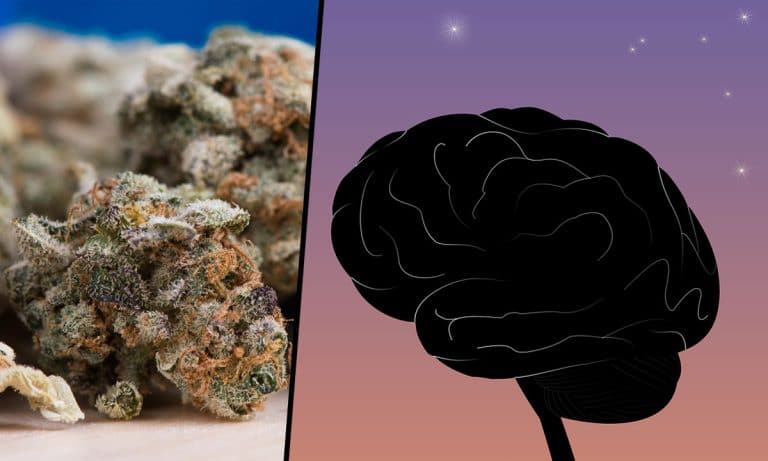
Cannabis does impact the endocannabinoid system, which helps regulate sleep, appetite, and plays a major role in neurotransmission or how the brain communicates. This is the same system that doctors believe plays a major role in what is happening in the brains of those experiencing psychosis. 

Animal based research found that “there is evidence suggesting that chronic exposure to the primary psychoactive phytochemical in cannabis, tetrahydrocannabinol (THC), increases the long-term risk of psychiatric diseases, including schizophrenia.” Others have found that this risk increases in adolescents who have a specific variant of one gene.

Science may have struck another damaging blow to the propaganda machine. It seems that harm done to the brains of adolescents who used cannabis may be reversible. A Canadian team has been taking a deeper look at schizophrenia by focusing on the neurotransmitters or chemical messengers in the brain.

In previous work, the team observed that animals that consumed THC over long periods of time had changes to their brain’s prefrontal cortex, increasing dopamine production. Dopamine is a neurotransmitter that helps facilitate reward/feedback, emotion and physical movement. This increased their interest and they kept digging.

More recently they investigated another neurotransmitter called GABA, an inhibitory neurotransmitter that plays a moderating effect in the brain’s chemical signaling. They discovered that rats exposed long term to THC had less GABA, causing their dopamine levels to spike and creating a “hyper” state more likely to lead to symptoms of psychosis.

The reason that is a big deal is that GABA levels can be balanced with medicines currently available. With the right dosing, the hyperactive brains could be brought back into a normal range, effectively “fixing” the problem.

“What is important about this study is that not only have we identified a specific mechanism in the prefrontal cortex for some of the mental health risks associated with adolescent marijuana use, but we have also identified a mechanism to reverse those risks.” — Prof. Steven Laviolette

Like much good research, this leads to a better understanding but creates additional questions. The same team is planning to next study how this connection between cannabis, dopamine and GABA effective treatment options for depression, addiction, anxiety, and other mental health conditions. Considering how many people collectively suffer from those conditions, they should have no difficulty securing funding for years to come.

Here’s to more rigorous investigative science and less eggs in frying pans seeking simply to scare us into compliance. We have had enough of all that.

Study: Legal Marijuana Decreases Reliance On Opioids And Other Drugs

The murky legality of marijuana means that physicians are allowed only to recommend, not prescribe, it, and users, even when medically justified, may try to hide their tracks.

“People are really using marijuana as medicine and not just using it for recreational purposes.” That’s the conclusion of Ashley Bradford of the University of Georgia, lead author of a study on the impact of medical marijuana and opioid use.

Bradford and her research team examined prescription rates between 2010 and 2013 in jurisdictions that had medical marijuana laws. While they found that overall rates were steady, in all but one of the nine categories where the FDA has approved cannabis medication, pharmaceutical prescriptions declined.

The largest results were registered with anxiety, nausea, and psychosis, all of which declined annually by more than 500 prescriptions per doctor. Seizure prescriptions dropped by 486, and painkillers by a stunning 1,826 per doctor.

The one anomaly is glaucoma, which jumped by 35. But the team had anticipated that: To completely treat the degenerative eye disease, cannabis must be administered every hour or two, which is an unsustainable pace (although for some of us it may be an aspiration). Nevertheless, the buzz about cannabis medicine might have motivated more patients to consult their doctors; hence the rise in prescriptions.

While the study mostly welcomes the changes, it does find some cause for concern. The murky legality of marijuana means that physicians are allowed only to recommend, not prescribe, it, and users, even when medically justified, may try to hide their tracks.

“What does this mean?” speculates co-author David Bradford. “Do you then go less frequently to the doctor and maybe your non-symptomatic hypertension, elevated blood sugar and elevated cholesterol go unmanaged? If that’s the case, that could be a negative consequence to this.”

How Microdosing Marijuana Could Help You

“With microdosing,” one Rolling Stone article says, “people are getting the maximum benefit from the minimum amount, without becoming stoned, paranoid or lethargic.”

There’s a new golden rule taking over the world of cannabis: less is more. That’s right, newcomers and seasoned stoners alike are discovering ways to reap the benefits of marijuana without unwanted psychoactive effects, proving that, as always, that slow and steady wins the race.

“With microdosing,” one Rolling Stone article says, “people are getting the maximum benefit from the minimum amount, without becoming stoned, paranoid or lethargic.” After all, the goal of all medicine is to look for the minimum effective dose. And cannabis is no different. While it differs from person to person, a microdose is considered anything under 10mg, with doses like 2.5mg and 5mg being among the fan favorites. So where to begin?

Related: This Guy May Run For Florida Governor On Pro-Marijuana Platform

Well, take your pick really… The possibilities are endless, but lucky for you, we rounded up a few new products to help with the breakdown.

Stillwater

If you’re looking for a microdose experience that begins your day with clear-headed creativity and an energetic boost, you’re in luck. Stillwater’s latest innovation introduces the first cannabis-infused instant coffee sticks, and combines the productive focus of a low dose of THC with your favorite caffeinated buzz. Clockwork Coffee fully dissolves in seconds, contains no fat, calories or sugar, and comes in two dosages: Balanced 5 (a microdose of 5mg THC and 5mg CBD) and Pure 10 (10mg THC). Enjoy it hot, cold, at home, or on the go… Just add water and start feeling the effects in as little as twenty minutes. Coffee not your cup of tea? Check out their line of infused teas, Stillwater (2.5mg THC and 2.5mg CBD) and Whitewater (10mg), featuring delicious flavors like Mellow Mint, Gentle Green, and Blissful Black.

Sweet Grass Kitchen

You probably already know these guys for their fresh-baked lineup of cannabutter-infused confections, but how about their new treat on the block? This summer, Sweet Grass Kitchen announced their first-ever, distillate-infused Fruit Snacks. Made with real fruit juice, these mixed berry-flavored gummies are equal parts refreshing and delicious, and offer an uplifting microdose at 5mg. While their cannabutter goodies offer a sativa-dominant mind and body high, the effects of distillate are more cerebral. Expect a motivating high, one the Sweet Grass folks have dubbed “The Tuesday Night High,” aka perfect for getting sh*t done. Looking to start even lower? Rip the Fruit Snack in half or try out their 2.5mg Buttermelts, the cannabis equivalent to a beer or glass of wine. Available in White Russian, Mojito Mint, and Moscow Mule.

Stratos

We’ve heard the debate again and again. #PotOverPills… #PlantsOverPharm…you know, all those clever hashtags trending in the stoner Twittersphere as of late. Well, no matter your side of the coin, how about a company that’s merging the two? Stratos THC pills are the ideal approach for the newcomer, old timer, and probably just about everyone in between looking for a familiar method that’s dose-accurate as well as discrete. Even if the idea of pills freaks you out, let’s talk about just how accurate these doses are. Compared to the state industry requirement of +/- 20 percent of dose reproducibility, Stratos’ products test within TWO percent. (Translation: these guys know their stuff… And coming from the world of medicine, would you expect anything less?).

Related: Senator Cory Gardner Signs Pro-Cannabis Research Bill

In 2014, they set out to create a line of pharmaceutical-grade THC and CBD infused tablets that consumers could rely on for consistency and effect. Today these products are available in 5mg microdoses (and higher), and catered towards your desired outcome: Sleep, Relax, Energy, and various CBD:THC ratio products.

GoFire

So far, this microdose guide has given you ways to drink it, eat it, and pop it. What did we tell you? Endless possibilities. Last, but not least, of course…? Smoke it if you got it. Or in this case, vape it. Before you go thinking, what could possibly make this vaporizer hold its own against an ever-growing ‘planet of the vapes,’ well, there’s a lot actually. For starters, it began with a unique mission to build a medicinal vaporizer from the ground up. And now, it’s finally coming to fruition. In just a few months, GoFire will release the first intelligent vaporization device with a personal dosing app designed to give you “a dose of confidence,” and, let’s face it, much much more. Its unique microdosing technology allows you to mindfully control every dose in 5mg increments. Plus, with the accompanying Bluetooth-enabled smartphone app, you can visually track what’s working for any given ailment, and learn from every dose. Compatible with loose leaf, extracts, and specially designed oil cartridges, the device also allows you to personalize the temperature settings to create an experience that’s just how you like it. In the end, it’s about control. GoFire wants to quantify consumption so the consumer feels comfortable knowing they’re getting the same thing every time. Keep your eyes peeled for its upcoming launch!

Don't Miss Your Weekly Dose of The Fresh Toast.

Stay informed with exclusive news briefs delivered directly to your inbox every Friday.

We respect your privacy. Unsubscribe anytime.