Sunday, December 21, 2025
Home Blog Page 124

What To Keep In Mind When Using Cannabis To Sleep

Need to feel more rested? Keep this in mind when using cannabis to help you clock in your eight hours.

Cannabis and sleep are great partners. Like most sleep aids, it takes a while to crack the code, once you do it, you’ll be having the most sound nights of your life. Just ask any friend who regularly smokes weed or that person who fell asleep in the middle of a party because the weed they smoked was a bit too relaxing. But here is what to keep in mind when using cannabis to sleep.

Anecdotal evidence from people who have trouble sleeping shows how effective cannabis can be, helping users feel relaxed and allowing them to achieve hours of uninterrupted rest. Despite marijuana’s powerful sleep-inducing effects, it’s important to understand that the relationship between cannabis and sleep isn’t as clear-cut as so many believe it is. There are studies that have shown that prolonged marijuana use, or marijuana abuse, can interrupt people’s sleep habits and deteriorate them.

Here are 7 things you should keep in mind when using marijuana for sleep:

THC Vs. CBD

4 Things CBD Won't Help You Achieve In 2022
Photo by Elsa Olofsson via Unsplash

RELATED: What To Know About Using Cannabis For Sleep During These Sleepless Times

The answer to this question depends on your approach to sleep. If you want immediate relief, THC is the way to go. It’s the compound that has long been linked with better sleep, knocking people out pretty quickly, especially if they don’t have too much of a tolerance for it. If you’re looking for a long-term solution, you should choose CBD. This element could help you battle anxiety and help you feel more relaxed, thus making it more likely for you to get sleep in the future.

Dosage

hemp CBD
Photo by Marti157900/Getty Images

Dosage, along with your level of experience with marijuana, matters when it comes to using the herb before bed. If you smoke too little, you might feel no effects. If you smoke too much, you might find yourself tossing and turning with weed-induced paranoia. If it’s your first time using marijuana for sleep, try your best to create a relaxing environment and avoid overstimulating yourself with too much screen time or alcohol. Pace yourself with your marijuana intake and be aware of your body and its cues; that way you’re better equipped to jump into bed once it feels right.

Method Of Consumption

Weed Edibles Have Sold Really Well During The Pandemic
Photo by Jonathan J. Castellon via Unsplash

The way in which you consume marijuana will affect how fast or intense your reaction will be. If you consume an edible, be sure to give your body a few hours to experience effects. If you’re vaping or smoking, there’s more control and less planning necessary.

Type Of Cannabis Matters

Pros And Cons Of Smoking CBD Joints
Photo by GRAS GRÜN via Unsplash

RELATED: Why The Latest Study Saying Cannabis Is Bad For Sleep Is Deeply Flawed

Whether you’re consuming a product that’s THC or CBD-based, or you’re consuming sativas or indicas, it’s important to know that all types of cannabis provide different effects. Indicas are the strains that tend to affect the body in relaxing and heavy ways, producing sleepy effects. Still, it doesn’t mean that a sativa strain or a hybrid won’t make you feel sleepy. Marijuana is a trial and error type of substance; try different options and keep track of what works for you and what doesn’t.

Marijuana Hangovers

5 Ways To Beat A Hangover That Actually Work
Photo by fizkes/Getty Images

RELATED: Marijuana Hangovers Are Real: What You Need To Know

If you’re not much of a nighttime marijuana consumer, the groggy feeling you might experience when you wake up can be puzzling. Although not as strong or common as regular hangovers, weed hangovers exist. Although not completely understood, these are more likely if you’ve been consuming low-quality marijuana. To cope with them, be sure to drink lots of water, eat healthy goods and monitor your cannabis intake throughout the day.

Changes In Sleep And Dreams

sleep
Photo by Andrea Piacquadio from Pexels

RELATED: Does Using Cannabis For Sleep Cause Crazy Dreams?

One of the most noticeable effects that cannabis has on sleep is the lack of dreams. This is due to cannabis limiting REM sleep, which is the stage of sleep where dreams are likely to occur. Scientific studies have found that REM sleep is important for learning and resting. There’s much we don’t understand when it comes to the relationship between cannabis and sleep. It’s important to monitor your marijuana usage and your sleep habits, especially if you feel like the sleep you’re having is not restful or good for you.

It’s All Up To You

Adults In Legal Marijuana States Don't Have 'Buyer's Remorse,' Poll Finds
Photo by monkeybusinessimages/Getty Images

Lastly, it’s super important to highlight that cannabis is a very personalized experience. What might work for me might not work for you. This is why we need more cannabis research and something that can help us understand the plant better, thus, helping us achieve its potential.

How Cannabis Helps Treat Head Injuries

Traumatic brain injury (TBI) is one of the leading causes of death worldwide in individuals under the age of 45. Triggered by concussions from car accidents, falls, violent contact sports, explosives or by gunshot and stab wounds, TBI affects over 2.5 million Americans and Canadians annually. It is the most commonly identified cause of epilepsy among adults. A question is how cannabis helps treat head injuries

The social and economic costs of TBI are considerable given that many who survive severe head injuries suffer permanent behavioral and neurological impairment that adversely impacts learning and memory and often requires long-term rehabilitation. An estimated 4 million to 6 million Americans are on disability because of TBI. Even so-called mild cases of TBI can result in post-traumatic seizures, refractory cognitive deficits, and lower life expectancy.

Treatment modalities for TBI are limited with few satisfactory pharmaceutical options available. Surgical intervention, which entails the removal of parts of the skull to reduce intracranial pressure, is an emergency, life-saving measure, and the aftermath can be gruesome.

But hope is on the horizon, thanks in part to U.S. government-sponsored scientific research – and to extensive anecdotal accounts from medical marijuana patients – which highlight the potential of cannabinoid-based therapies for TBI.

The patent

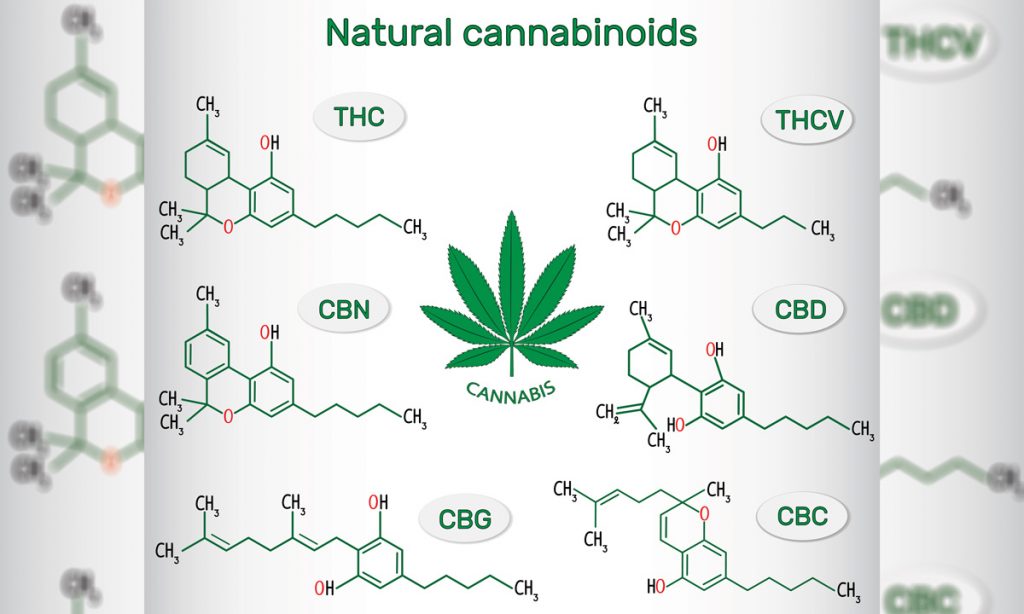
In 1998, the Proceedings of the National Academy of Sciences published a groundbreaking report on the neuroprotective properties of cannabidiol (CBD) and tetrahydrocannabinol (THC), two major components of marijuana. Co-authored by a team of researchers (AJ Hampson, M Grimaldi, D Wink and Nobel laureate J Axelrod) at the National Institutes of Mental Health, this preclinical study on rats would form the basis of a U.S. government-held patent on “Cannabinoids as antioxidants and neuroprotectants.”

The patent indicates that CBD and THC were found “to have particular application as neuroprotectants … in limiting neurological damage following ischemic insults, such as stroke or trauma.” These plant cannabinoids were also deemed useful for treating other neurodegenerative conditions, “such as Alzheimer’s disease, Parkinson’s disease and HIV dementia.”

Whereas TBI results from an external blow to the skull, a stroke is caused internally by an arterial blockage or rupture. But TBI and stroke share many of the same pathological features and aberrant molecular mechanisms.

TBI and stroke are both acute and potentially lethal injuries, involving a primary ischemic insult that interrupts cerebral blood flow and destroys brain tissue. This is followed by a secondary injury cascade that, if unchecked, can ricochet for several weeks or months, resulting in more brain damage, motor impairment and other adverse “downstream” effects, such as poor concentration, irritability, and sleep problems.

Whether the cause is an occluded blood vessel or blunt external force, the initial trauma triggers a complex sequence of molecular events characterized by the massive release of glutamate (an excitatory neurotransmitter) and the overproduction of reactive oxygen species (free radicals) and other inflammatory compounds. Excessive glutamate and oxidative stress, in turn, lead to microvascular injury, blood-brain barrier breakdown, swollen brain tissue, mitochondrial dysfunction, calcium ion imbalance, neurotoxicity and cell death. The secondary injury cascade is associated with the development of many of the neurological deficits observed after a TBI or a stroke.

Cannabinoids to the rescue

A 2014 article in American Surgeon examined how marijuana use affected people who suffered a traumatic brain injury. “A positive THC screen is associated with decreased mortality in adult patients sustaining TBI,” the study concluded.

According to this noteworthy report by UCLA Medical Center scientists, TBI-afflicted individuals who consume marijuana are less likely to die and more likely to live longer than TBI patients who abstain.

How does cannabis, and THC, in particular, confer neuroprotective effects?

Plant cannabinoids such as THC and CBD mimic and augment the activity of endogenous cannabinoids that all mammals produce internally. Endogenous cannabinoids are part of the endocannabinoid system (ECS). The ECS regulates many physiological processes that are relevant to TBI, such as cerebral blood flow, inflammation, and neuroplasticity.

A 2011 article in the British Journal of Pharmacology describes the ECS as “a self-protective mechanism” that kicks into high gear in response to a stroke or TBI. Co-authored by Israeli scientist Raphael Mechoulam, the article notes that endocannabinoid levels in the brain increase significantly during and immediately after a TBI. These endogenous compounds activate cannabinoid receptors, known as CB1 and CB2, which protect against TBI-induced neurological and motor deficits.

THC activates the same receptors, with similar health-positive effects.

Of knockout mice and men

CB1 receptors are concentrated in the mammalian brain and central nervous system. Preclinical research involving animal models of TBI and stroke has shown that heightened CB1 receptor transmission can limit harmful excitotoxicity by inhibiting glutamate release. CB1 receptor activation also dilates blood vessels, thereby enhancing cerebral blood flow (and oxygen and nutrient supply to the brain).

But these beneficial physiological changes were not evident in genetically-engineered “knock out” mice that lack CB1 receptors. Without these crucial receptors, an animal is less able to benefit from the neuroprotective properties of endogenous cannabinoids and plant cannabinoids.

In 2002, the Journal of Neuroscience reported that the impact of induced cerebral ischemia is much more severe in CB1 knockout mice than in “wild type” mice with cannabinoid receptors. The absence of CB1 was shown to exacerbate TBI-related brain damage and cognitive deficits, indicating that cannabinoid receptors play an important role in neuroprotection.

The CB1 paradox

By manipulating cannabinoid receptors and other components of the endocannabinoid system with synthetic and plant-derived compounds, medical scientists have been able to reduce brain injury in animal experiments.

But CB1 proved to be a tricky target.

In 2013, the International Journal of Molecular Science reported on how TBI is affected by diurnal variations of the endocannabinoid system. It turns out that the recovery and survival rate of concussed lab rats is significantly higher if a TBI occurs at 1 am, when CB1 receptors are least robust, as compared to 1 pm, when CB1 receptor expression peaks.

This finding was somewhat perplexing given the protective function of the endocannabinoid system against brain trauma.

The ECS is a complex, front-line mediator of acute stress, and the pivotal role of the CB1 receptor is contingent on several variables, including time of day, the phase of the ischemic injury, and endocannabinoid concentrations in the brain. Small and large amounts of cannabinoid compounds produce opposite effects.

When excess glutamate is released, CB1 activity increases to reduce excitotoxic neurotransmission. But CB1also regulates apoptosis (cell death), acting as a switch between cell survival and cell death. Extreme CB1activation could trigger cell death even while it reduces glutamate release. It’s possible that a weak CB1antagonist (that partially blocks CB1 transmission) might limit apoptosis while still reducing glutamate excitotoxicity.

CB2 and neurogenesis

After an initial infatuation with CB1, medical scientists shifted their attention to the CB2 receptor as a drug development target for treating TBI. The CB2 receptor modulates immune function and inflammation. It is expressed primarily in immune cells, metabolic tissue, and the peripheral nervous system.

CB2 receptor expression, unlike CB1, does not vary according to the hour of the day. But during and after severe head trauma, CB2 receptor expression is dramatically “upregulated” in the brain, which means that these receptors rapidly increase in number and density in response to TBI. According to a 2015 study in Neurotherapeutics, “Upregulation of CB2 with no changes in CB1 have been found in TBI.”

Preclinical research has shown that CB2 receptor signaling mitigates many of the molecular processes that underlie neuronal deterioration and cell death after TBI. In 2012, the Journal of Neuropsychiatric Research reported that CB2 receptor activation attenuates blood-brain barrier damage in a rodent model of TBI. Two years later, the Journal of Neuroinflammation noted that the CB2 receptor is instrumental in regulating inflammation and neurovascular responses in the TBI-compromised brain. Genetic deletion of CB2 worsens the outcome of TBI in animal tests, underscoring CB2’s neuroprotective function.

Other studies have shown that CB2 receptor activation promotes cell repair and survival following an ischemic injury. CB2 receptors are present in progenitor (“stem”) cells and are instrumental in driving neurogenesis (the creation of new brain cells). Neurogenesis enhances motor function and overall recovery after TBICB2 knockout mice have impaired neurogenesis.

Shipwrecked

Research involving animal models has shed light on the pathological processes that ensue after a closed head injury. But promising leads focusing on the CB2 receptor have not translated into successful clinical results. As Italian scientist Giovanni Appendino remarked: “If drug discovery is a sea, then CB2 is a rock that is surrounded by shipwrecked-projects.”

But why? For starters, preclinical models only partially reproduce a disease. And synthetic cannabinoids that target a single type of receptor only partially reproduce the multifunctional activities of endogenous cannabinoids and the broad spectrum profile of plant cannabinoids.

Endocannabinoids and phytocannabinoids are “pleiotropic” agents that interact directly and indirectly with several receptors – not just CB1 and CB2 – which also contribute to remediating the neurodegenerative cascade that ensues after a stroke or TBI.

It appears that an exogenous cannabinoid, either synthetic or plant-derived, may need to engage both CB1and CB2 (directly or indirectly) and perhaps other pathways, as well, to confer a clinically-relevant neuroprotective effect. A synthetic single bullet aimed at CB2 or another target is simply not as versatile or as effective as a whole plant synergistic shotgun or a multidimensional endogenous entourage.

A promiscuous compound

How cannabis helps treat head injuries is perhaps through cannabidiol They are considered to be a promiscuous compound because it produces numerous effects through dozens of molecular pathways. Writing in 2017, Mayo Clinic neurologist Eugene L. Scharf noted that the scientific literature has identified more than 65 molecular targets of CBD. This versatile plant cannabinoid is highly active against brain ischemia, modulating many of the molecular and cellular hallmarks of TBI pathology.

CBD has been shown to reduce brain damage and improve functional recovery in animal models of stroke and TBI. According to a 2010 report in the British Journal of PharmacologyCBD normalizes post-ischemic heart arrhythmia and limits the size of damaged tissue when administered after a closed head injury.

What’s more, CBD produces no intoxicating side effects, no THC-like high. And CBD use does not lead to tolerance.

A damaged brain can be remarkably plastic, but there is only a circumscribed window of opportunity (the “platinum ten minutes” or “golden hour”) for therapeutic intervention to prevent, attenuate or delay the degenerative domino effect that occurs during a secondary injury cascade. Cannabidiol expands that window of opportunity. Researchers have learned that CBD can convey potent, long-lasting neuroprotection if given shortly before or as much as twelve hours after the onset of ischemia.

Although it has little direct binding affinity for cannabinoid receptors, CBD confers neuroprotective effects and other benefits via several non-cannabinoid receptors. In 2016, scientists at the University of Nottingham (UK) reported that CBD protects the blood-brain barrier from ischemia-induced oxygen and glucose deprivation by activating the 5-HT1A serotonin receptor and the PPAR-gamma nuclear receptor. CBD also acts through numerous receptor-independent channels – for example, by delaying endocannabinoid “reuptake,” which increases the concentration of neuroprotective endocannabinoids in the brain.

Spanish scientists, presenting at the 2016 conference of the International Cannabinoid Research Society, compared the impact of CBD and hypothermia (cooling) on newborn piglets deprived of oxygen because of an ischemic injury. Hypothermia is typically the go-to therapy for treating newborn infants after a stroke. But in this animal model, the administration of CBD was more effective than hypothermia in protecting neonatal brain function. Preliminary data suggests that a synergistic combination of CBD and hypothermia may produce the best results.

CBD for CTE

Chronic traumatic encephalopathy (CTE), a particularly severe form of TBI, is caused by the accumulation of numerous concussions, which increases the risk of neurological problems later in life and hastens the progression of dementia. Football players are particularly vulnerable given the violent nature of the sport.

After years of official National Football League neglect and cover-up, a cascade of suicide and mental health disorders among former star athletes has generated public attention. So has CBD. The anecdotal benefits of CBD-rich cannabis oil for CTE are well known among football players, boxers, and other professional athletes who are prone to head injuries.

CBD, in and of itself, has a unique, broad-spectrum profile that can augment multiple aspects of our innate, endocannabinoid biology. As a single-molecule compound, CBD has delivered impressive neuroprotective results in preclinical experiments. But let’s not forget about THC, given that TBI patients who tested positive for THC did better than TBI patients who abstained from cannabis.

The entourage effect is real. CBD works even better when combined with THC and other constituents of the cannabis plant. Beyond CBD and THC, dozens of cannabis components with specific medical attributes interact synergistically so that the therapeutic impact of the whole plant is greater than the sum of its parts.

For many TBI patients, it’s late in the game and the clock is ticking. A phytocannabinoid remedy that combines CBD and THC and acts at multiple targets simultaneously would seem to be an ideal therapeutic candidate to treat TBI. Thus far, however, there have been no FDA-sanctioned clinical trials to ascertain the efficacy of whole plant, CBD-rich cannabis oil for traumatic brain injury. And in many places, cannabis is still not available as a legal therapeutic option.

Complementary Therapies for TBI

A pathology as complex as a stroke or a traumatic brain injury can benefit from a multifaceted treatment regimen that encompasses a combination of healing modalities, including:
• Whole plant cannabis oilCBD-rich extracts with as much THC as a person is comfortable with.
• Terpenes. Cannabis products and strains with beta-caryophyllene and terpinolene.
• Diet. A high fat/low carbohydrate/low sugar diet with plenty of leafy greens, omega 3 oils (DHAEPA), and fermented foods (probiotics).
• Nutritional supplements and antioxidants. Magnesium, vitamin D, curcumin, glutathione – and melatonin to restore circadian rhythms and sleep.
• Ancient therapies. Acupuncture, exercise, and caloric restriction (fasting), which increase endocannabinoid levels.
• Modern therapies. Neurofeedback, low-level laser therapy (photobiomodulation), hyperbaric oxygen, traßnscranial direct current stimulation, flotation tank therapy, and hypothermia (cooling).


Simple Tricks To Appear Smarter In Work Meetings

0

We all want to shine in our work meetings. Here are some tricks that’ll help you sell the part.

While intelligence is useful and important for doing most things in life, it’s not the same as appearing to be smart. Whether on Zoom or in person, how we come across in meeting determines success.  So here are some simple tricks to appear smarter in work meetings.

Appearing smart is a talent that demands a little bit of bluffing and a little bit of confidence. You don’t have to know the answer, you just have to look like you know the answer. This trait is especially useful in work meetings, whether these are held in a professional office or virtually.

Author Sarah Cooper wrote an entire book about this called “100 Tricks To Appear Smart in Meetings”, which provides helpful tricks for when you’re put in the spotlight and aren’t feeling like the smartest person in the room.

Draw a Venn diagram

Who doesn’t love a Venn diagram? These helpful little charts are cute, easy to understand and instantly make you appear a lot smarter. They also help you to draw conclusions, which is kind of their purpose. This trick works if someone asks your opinion, you suggest a Venn diagram, draw it and just watch as your coworkers struggle to land on the most appropriate labels.

Pretend to take notes

Photo by rawpixel.com

RELATED: Here’s Why Answering Your Boss’s Late Night Email Is Not A Good Idea

Notepads are very helpful nowadays, especially since it makes it obvious that you are, in fact, taking notes and not scrolling through social media. Write down bullet points and key words. This trick, aside from making you look smart, will also help you focus on the task at hand and keep you from thinking about random things.

Ask the speaker or presenter to go back a slide

For some reason, this makes it look like you’re the person who’s paying the most attention out of everyone else in the room. It’s also a perfect opportunity to know what’s actually being discussed. Two birds, one stone.

Repeat what the speaker said

Photo by Sarah Pflug via Burst

RELATED: 5 Tips To Help You Get Work Done When You’re Working Remotely

Repetition is a useful tool. It helps you to remember things and also makes you appear like you’re interested. Or that you’re slow, it all really depends on the context. For this technique to work, you have to sell the part, repeating the phrase back to the speaker as a question or as a way of highlighting the fact that what they’ve just said is important.

Be honest and laugh at yourself

If someone asks what you’re thinking and you were just day dreaming about your dog, try to be honest and humorous, explaining that you missed the last question or that you’re very stressed out by the state of the world. At this moment, there’s nothing more sincere and relatable than that.

Hope you enjoy the simple tricks to appear smarter in work meetings, good luck!

People With These Disorders More Likely To Overuse Cannabis

One of marijuana’s most common medicinal uses is to provide relief for conditions like depression and anxiety. But a recent study people with these disorders are more likely to overuse cannabis within a short span of time. It can lead to cannabis use disorder and poor relief from the initial symptoms they were treating.

The study, published in JAMA Network Open, followed over 200 adult patients in Boston who were all looking for their medical marijuana cards. They were divided into two groups: one who was given their medical marijuana cards immediately, and another, who had to wait 12 weeks to get their cards.

RELATED: Study: Brain Stimulation Reduces Marijuana Use By 60% In Schizophrenia Patients With Cannabis Use Disorder

seniors and cannabis
Photo by RODNAE Productions from Pexels

The study shows that those who obtained their medical cannabis card immediately were more likely to develop cannabis use disorder, a condition where people depend on the drug to feel better. When using marijuana for anxiety or depression, their risk of cannabis use disorder increased by 20%.

Other findings made by researchers include the fact that those who obtained their medical cards immediately didn’t report better mental health, but they did report better sleep habits and better overall health. Despite the fact that cannabis is often recommended for treatment for people with affective disorders, the study found that the plant didn’t provide the positive results that were expected.

“Our study underscores the need for better decision-making about whether to begin to use cannabis for specific medical complaints, particularly mood and anxiety disorders, which are associated with an increased risk of cannabis use disorder,” said lead author Jodi Gilman.

RELATED: Are E-Cigarettes A Gateway To Weed? It Depends On This, Says New Study

The scientific data on cannabis and mental health remains in its early stages. Though much anecdotal evidence correlates the two, when it comes to science and facts, there remain a lot of questions. While some studies have found positive connections between cannabis and affective disorders, others have found the opposite. It’s important for cannabis to be researched extensively, especially if people are planning on replacing their usual medications with cannabis.

Ways To Use Hemp Oil To Look Younger

Whether you’re looking to treat a specific skin condition, or simply want to improve your health regime, there’s a lot that hemp seed oil can do! 


The number of years you’ve been alive doesn’t necessarily tell how old you are on a biological level. An international study found that some people age up to three times faster than others. If you could change how old is your body, would you? Especially your skin?  Here are ways to use hemp oil to look younger and slow the aging process.

Some of the participants in the study were 38-years-old but had a biological age of close to 60! The results prove that age-related decline is already happening in young adults who haven’t even begun to encounter age-related diseases.  

5 Common Myths About Hemp Oil And CBD Oil
Photo by Tinnakorn Jorruang/Getty Images

If you want to stay younger for “longer, then hemp oil could be the perfect answer. Rich with linoleic acids, the oils found in hemp could help slow down the aging process.  

What other ways can hemp seed oil improve your life? Read on to find out some of the top hempseed oil benefits.

Best Way to Use Hemp Oil for Body Care 

Moisturizer

Let’s start by talking about the different ways hemp oil can help your skin. Instead of overwhelming your skin with more grease, hemp seed oil will help influence your skin’s oil production while maintaining its pH. 

By letting your body know that it can back off on producing oil, problems like acne can begin to subside. It’s not that your skin won’t produce any more oil. Rather, your body will begin to produce the right amount of oil.  

RELATED: What Is Hemp Oil, What’s In It, And Is It Good For Your Skin?

When you use hemp seed oil topically it helps strengthen your skin by collecting water from nearby sources. When you ingest hemp seeds orally it has the opportunity to work directly with your endocannabinoid system, helping balance things out. 

By combining topical and oral applications you’ll be able to get the best of both worlds! You can also get CBD bud if you want to smoke hemp using chillums. 

Atopic Dermatitis 

Did you know that hemp seed oil has vital omega-3 and omega-6 fatty acids? Consuming both of these nutrients can help your body in several ways, such as treating atopic dermatitis.  

Before you start using hemp seed oil to treat any type of condition, check with your dermatologist first. It’s always a good idea to make sure that the oils won’t interact negatively with any medications you might already be taking. 

CBD Oil And Its Potential Aa A Psoriasis Treatment
Photo by Catherine Falls Commercial/Getty Images

Treating Psoriasis

Do you or someone you know suffer from psoriasis? Psoriasis causes extra cells to begin building upon the surface of your skin. The result is dry, itchy red areas that usually have a scale-like appearance. Currently, there isn’t a cure for psoriasis. 

RELATED: New Study Finds Hemp Oil Can Help Treat Chronic Neuropathic Pain

However, hemp oil may be able to help slow down the excess production of skin cells. By balancing out your skin cell production, your body can finally begin to heal.  

If you’re dealing with a severe case of psoriasis, talk to your dermatologist about using hemp oil lotion and directly eating hemp seeds. 

Try Hemp Oil Yourself 

Whether you’re looking to treat a specific skin condition, or simply want to improve your health regime, there’s a lot that hemp seed oil can do! 

Remember to reach out to your doctor before you start using hemp seeds in your daily life. After getting the green light from your doctor, look for a reputable supplier online so you can start enjoying a healthier lifestyle.  

What Are Cannabis Strains Phenotypes And Cultivars?

0

Ready to start experimenting with growing  cannabis and maybe trying a new cannabis cultivar.

When shopping for cannabis strains, you will notice that there are many other terms that are used to describe them. These include phenotypes, chemotypes, genotypes, and cultivars. These are also important terms to know if you want to grow your own cannabis. Here’s insight into what are cannabis strains phenotypes and cultivars.

marijuana
Photo via Pixabay

Cannabis Strains and Cultivars

Cannabis strains are the variation names formed by cultivars, and any offspring that has resulted from these modified plants. They can be produced through regular breeding or other more modern methods, sometimes they can also occur through genetic mutations.

cannabis strain name, such as Blue Dream, Afghan Kush, or Sour Diesel refers to the characteristics retained by the strain. There are almost 1,000 cannabis strains known today, which are further classified into one of three categories: sativa, indica, or hybrid. Generally speaking, sativa cannabis strains are known for their energizing and uplifting qualities when consumed, while indica strains are more sedating and relaxing – suitable for nighttime use. Meanwhile, hybrid strains combine effects of both.

With cannabis use becoming more widespread around the world, there is always a new strain to try and look forward to as breeders explore making their own.

Botanically speaking, strains and cultivars refer to plants that were sexually breeded by seed propagation. Selected plant seeds, such as those chosen because they express certain characteristics, are used to create another generation. During sexual reproduction of cannabis plants,  mutations can occur though they usually affect just one plant which the breeder can usually remove from the rest of the population.

At the end of the day, both cannabis strains and cultivars are exactly the same thing. Scientists tend to use the term cultivars, while strains are a more popular mainstream term.

When shopping around for cultivars, here are some things to think about or ask the breeder:

Genetic lineage: Understanding the genetic lineage of a cultivar will help you identify any that are familiar. There are also numerous phenotypes possible for a cultivar, so it isn’t enough to know them by name.

Laboratory testing: If you are interested in learning about a strain’s effects in detail, a laboratory test will be able to tell you more specifically about its THC and CBD content as well as its cannabinoids and terpenes.

Effects: The way to know the effect of a cultivar is to research what consumers say. This will help you understand if you have specific needs that the strain can or can’t meet, and if other consumers are able to satisfy their needs with that strain. It’s a good place to start though people will have varying effects because there are other factors that impact how we feel when we consume a strain such as our own endocannabinoid system which is different from other people’s endocannabinoid systems.

Leaf variety: In some cases you can easily tell the leaf variety by looking at the plant, other times it won’t be as obvious so you would have to ask. If it has big fat buds, they are likely to possess the same genotypes and phenotypes as broad leaf cultivars (BLV) while those with long, thin buds and leaves will have the characteristics of a narrow leaf cultivar (NLV).

Cultivar Shapes and Sizes

Aside from the psychoactive characteristics, cultivars and strains are also identified by their physical characteristics. As mentioned, there are broad leaf (BLV) cultivars which are fat and bushy plants with wide leaves, while the narrow leaf (NLV) are skinny and lanky plants with thin leaves. Broad leaf plants are known to have sedating and calming effects while narrow leaf plants are uplifting and energizing.

RELATED: What Are Skunk, Haze, And Kush Cannabis Strains?

Keep in mind that while these are the common effects that are associated with said cultivars, it’s not limited to these. They do guide the phenotypes and varietals that breeders want to grow, though. For this reason, breeders now can create strains or cultivars that are uplifting and energizing, while being mildly sedating. This has led to the growth of the hybrid cultivar market where you can now buy many backcrosses and mixes for a uniquely enjoyable experience.

marijuana cannabis joint
Photo by Cavan Images/Getty Images

Phenotypes, Genotypes, Chemotypes

Earlier, we mentioned that cultivars or strains are classified based on their observable effects: uplifting, sedating, etc.

These phenotypes are essentially the obvious traits of a plant, which are associated with the effects they have on the consumer. On the other hand, a genotype is the genetic makeup of the plant and its internal blueprint which was passed down from its ancestors. A genotype indicates the list of possible characteristics that a plant may have and pass on to its offspring though a cannabis genotype will be influenced by the environment in which it is grown. The overall smell, shape, and color of a plant will all be impacted by the environment in which cannabis has been grown.

RELATED: Cannabis, Marijuana And Hemp — What Is The Difference, Exactly?

A chemotype refers to the chemical makeup of the plant, or what chemical components and cannabinoids are found as well as its quantity. Specifically, this would tell you how much CBD or THC a plant has, as well as its cannabinoids and terpenes. There are around 85 known cannabinoids all of which have various health benefits and effects while terpenes contribute to the unique smells of the strain as well as influence its therapeutic and psychoactive effects.

Differences in the Same Cannabis Strain

It’s not uncommon for you to discover that upon buying another batch of Lemon Kush, it tastes, looks, and feels different from the last batch you bought, which you absolutely loved. This can happen because environment and genetics will affect the strain, thus the end result is a plant expressing different phenotypes.

Now that you are armed with information, you’re ready to start experimenting with growing your own or perhaps trying a new cannabis cultivar.

This article originally appeared on Cannabis.net and has been reposted with permission.

Is It Legal To Send Marijuana Or Edibles Through The Mail?

0

Individuals who are caught shipping marijuana, even from one legal state to another, can be prosecuted by the federal government.

Is it legal to send marijuana or edibles through the mail? The legalities of traveling and shipping cannabis or products made from it can be overwhelmingly confusing. There are many things to consider, and these are important to know especially for medical patients who rely on cannabis for managing diseases, have trouble getting to a dispensary near you, or need to dispose of marijuana after traveling to a cannabis-friendly state.

The short answer is: no, it’s illegal to ship marijuana products and edibles within the United States. At the time of writing, marijuana is still a federally illegal substance which means that it is illegal in the eyes of the federal government. The United States Postal Service (USPS), as well as other private postage companies, are managed and controlled by the government. If there is any criminal activity that has been discovered, coursed through the mail, it can lead to federal criminal offenses, which are discussed in the United States Code 1716.

USPS
Photo by Joel Moysuh via Unsplash

Individuals who are caught shipping marijuana even from one legal state to another can be prosecuted by the federal government. This can also lead to state charges based on the quantity of illegal drugs. However, if you are caught mailing cannabis within a state where cannabis is already legal, the best course of action would be to seek the help of a drug defense attorney.

The current law states that shipping 50 kilos of marijuana through the UPS can lead to as much as 5 years in prison with a fine of up to $250,000. Both FedEx and UPS don’t allow shipping products that are not federally legal, though the USPS has to get a search warrant while FedEx, UPS, and other private couriers don’t. That means that they can open your package if they think that it’s necessary to do so. Keep in mind that postage workers are also given a reward, sometimes to the tune of $50,000, if they are able to identify packages that contain marijuana and report the people behind it.

Edibles

Since many people have been able to get away with traveling internationally with edibles in their suitcase, you may think that it’s okay to mail it. However, the answer is still no.

Edibles with THC is still federally illegal, and since the US postal service is an agency of the federal government, anyone caught can be subject to hefty fines and may even risk jail time. Both the recipient and the shipper can be punished.

Hemp and CBD

Mailing raw hemp plants can only be done legally for pre-approved individuals or companies within the United States. The UPS can already accept any product made from hemp as well as CBD, based on state and federal laws. However, the responsibility of ensuring compliance is all in the hands of the shipper, so it’s best to research the current Food, Drugs, & Cosmetics Act.

RELATED: It’s Official: Cannabis Vaping Products Cannot Be Shipped Via USPS, Including Hemp-CBD

According to the Hemp Farming Act of 2018, CBD is legally considered as any product made from hemp which contains under 0.3% THC. Even though CBD can be produced from other plants that have a higher THC content, only a few places can legally sell CBD made from marijuana as opposed to hemp. But CBD products aren’t as tightly regulated in areas where recreational or medical marijuana has already been legalized.

One also has to keep in mind that CBD must be legal in the place of origin as well as its destination. There are still some states that unfortunately prohibit the sales of CBD products while complex restrictions in various locations can make shipping more confusing than it should be.

UPS
Photo by Maarten van den Heuvel via Unsplash

Currently, the USPS requires businesses that ship CBD to make sure that all state, federal, and local laws have been complied with though this isn’t limited to the THC content in each product. The proper documentation is also critical for compliance. This is why it’s become easy for online cannabis businesses to ship out raw hemp or other hemp-based products.

RELATED: What Happens If You Try To Sneak Edibles Onto A Plane?

It’s also important to note that marijuana businesses are treated differently compared to individuals who may want to ship marijuana, hemp, or edibles for personal reasons. Again, while many people have gotten away with doing so in the past, remember that this could be a matter of luck. You would have to ask if getting caught would be worth it. After all, if you are traveling to a destination where it’s legal for recreational use, you’re better off just buying it there.

Since the laws regarding the transportation of marijuana is constantly changing, the best thing to do would be to consult a lawyer before you try to do so yourself. This can save you the headaches and legal trouble that could arise out of doing it incorrectly or illegally.

Legal States

Buying marijuana and THC products online is easy to do so in states where it’s legal. Heck, you could even have it delivered straight to your door with no questions asked except that you do have to prove you are at least 21 years of age to do so. Additionally, city and state laws may vary especially when it comes to the amount that you can buy, own at home, and where you can smoke cannabis.

Many licensed dispensaries provide safe and secure options for purchasing marijuana online and having it delivered. Just be sure that you are buying from a company that is reputable. As always, research the current laws in your area.

Steps To Help You Avoid Sugary Foods

Sweet foods are the best. People dream of a doughnut with a side of ice cream and cookies and whipped cream. Sadly though, this isn’t possible if you want your body to remain sort of healthy and to function properly. Studies have shown strong relationships between sugar and myriad of conditions, like diabetes, heart disease, cancer and tooth health. We all know this information yet we still find it really hard to quit. Here are some steps to help you avoid sugary foods.

While quitting sugar completely is practically impossible, there are ways of reducing your intake without making you hate life and not indulge on delicious things. While we shouldn’t eat ice cream every day, there’s nothing wrong for you to create an ice cream space in your life, which will make you enjoy it more without any of the guilt.

Avoid sugary drinks

https://giphy.com/gifs/coke-7-eleven-big-gulp-YTP1bzTfdYY36

RELATED: American Toddlers Are Eating More Sugar Than The Adult Recommendation

Sugary drinks make up a large percentage of our sugar intake. To be exact, sodas are the third largest provider of calories to Americans. They’re super bad for you. Try swapping sodas and sweet drinks with teas and water infusions. This is a tough change to make but it’s one of the most effective ways of controlling your sugar intake.

Don’t shop when you’re hungry

https://giphy.com/gifs/DYB6Z6cTCWVe8

If you go to the supermarket when you’re hungry you’re just going to go for the most delicious looking items and put them in your cart. Try shopping with a full stomach and purchasing lots of fruits, veggies and proteins, all with the purpose of constructing a healthy and filling menu for your week.

Trick your tastebuds

https://giphy.com/gifs/j0a8Kr0uDKQec

Sugar cravings are inescapable, so it’s important to trick your body into believing it’s satisfying it’s craving without actually doing it. Have some tea and try out different flavors so you avoid getting bored. For a sweet flavor, add a spoonful of honey or the sweetener of your choice.

Have a savory breakfast

https://giphy.com/gifs/picklerandben-kelliepickler-benaaron-picklerben-400KafqLmKxDiQ1Cou

RELATED: Study: Sugar Is Worse For Your Brain Than Marijuana

If you start off the day by eating delicious pancakes, you’re gonna have a tough time finding anything better and more fulfilling. When you eat a sweet breakfast you’re setting your standard for the day, giving your body license for hundreds of sugar cravings. try out savory dishes like omelettes or eggs with a side of veggies which are very filling and delicious.

Sleep

https://giphy.com/gifs/black-and-white-disney-cartoon-Mdf5yBfAciSGc

Weirdly enough, studies have found a relationship between lack of sleep and sugar cravings, making these cravings more powerful if you’re not well rested. Sleeping late and getting little amounts of sleep has also been related to a larger appetite. Outsmart your body by being conscious of the amount of sugar you’re consuming and by ensuring that you’re sleeping seven to eight hours.

Marijuana Hot Sauce For Taco Tuesday!


Hot sauce is one of the best things on the planet. It is so popular 74% of people like to put hot sauce on their food — and 45 percent of those said they do so once a week or more Hot sauce be put on almost anything to give it some heat, flavor, and zing! And it is just in time for marijuana hot sauce for Taco Tuesday!

While most people prefer to put hot sauce on expected foods, like tacos (66 percent), burritos (60 percent) and meat (57 percent), some people do the unexpected and dash it on chips (30 percent), popcorn (17 percent) and even ice cream (8 percent)!

But back to Taco Tuesday, here are two receipts to make your own hot sauce, you can customize it to exactly how you want in terms of both flavor and heat.

pile of chili

Basic Tomato-Based Cannabis Infused Hot Sauce Recipe

A basic tomato-based hot sauce recipe is a staple in every kitchen. It’s simple, easy to make, and has the best flavor that you can put on anything.

Ingredients:

  • 3 large tomatoes
  • 3-5 garlic cloves, depending on how much garlic flavor you want
  • 1 small white onion
  • 1 tablespoon sugar
  • 2 tablespoons white vinegar
  • 2 hot chilis of your choice (remove the seeds for a milder heat, and keep them for more spice)
  • Cannabis-infused oil

Process:

  1. Rinse the fresh ingredients well. These include the tomatoes, peppers, and onions.
  2. Chop the tomatoes and onions into small quarters.
  3. Peel the garlic and leave them whole.
  4. Cut the chilis up into tiny pieces.
  5. Put the tomatoes, peppers, garlic cloves, and onions into the medium pot. Place just enough water to cover the ingredients.
  6. Boil the pot in medium heat. Once it starts boiling, reduce the heat then allow the mixture to simmer for around 15 minutes. The tomatoes should be softened by then.
  7. Once the tomatoes are soft, scoop out the ingredients and put them into a food processor. Add the sugar, white vinegar, and a teaspoon of salt to taste.
  8. Add around a tablespoon of cannabis-infused oil.
  9. Blend everything together until the texture is homogenous and smooth. Add a few drops of water each time if it’s too thick.
  10. Use a clean teaspoon to taste the sauce, and see if it comes out to your desired taste. Season, add salt, sugar, or chopped up chilis if needed.
  11. Pour the hot sauce into an airtight container. Refrigerate for at least one hour before using.

RELATED: People Who Use Weed Also Do More Of Another Fun Thing 

Experiment with Marijuana and Mangoes Under Quarantine
Photo by Fedor via Unsplash

Mango Hot Sauce

If you like flavors of the tropics, then mango hot sauce is for you. This hot sauce will transport you to the Caribbean, and it’s just as versatile as a basic tomato hot sauce. Use weed-infused mango hot sauce on pizzas, tacos, or buffalo wings to infuse a fruity punch to your food.

Best of all, this recipe contains mango: a fruit that’s high in myrcene, a terpene that is famous for its ability to enhance your high.

Ingredients:

  • 3 ripe mangoes, sliced and peeled
  • 4 habanero peppers, de-stemmed (you can keep some seeds if you want stronger heat, but you can remove them to make it less spicy)
  • 1 medium white onion, chopped
  • 1 large carrot, chopped
  • 1 inch ginger thumb, grated (you can use a larger ginger if you enjoy its flavor)
  • 6-8 garlic cloves, peeled and chopped
  • 3 cups white vinegar
  • Vegetable oil
  • 2 tablespoons of cannabis-infused coconut oil
  • Vegetable oil

Process:

  1. Heat some vegetable oil on the skillet over medium heat.
  2. Toss in the garlic, onions, ginger, and carrots. Sautee until fragrant and slightly brown.
  3. Add the coconut oil, vinegar, 1.5 cups of water, and habanero peppers. Gently mix with a spatula and allow the mixture to simmer until all the vegetables have softened, around 10 minutes.
  4. Remove the skillet from the heat and let it cool.
  5. Place the mixture and the mangoes in the food processor, and blend until smooth. You may need to use a strainer to remove mango fibers if necessary.
  6. Allow the sauce to cool. Add salt and season if needed.

Taco Tuesday, marijuana and a good hot sauce – can the day get any better?

This article was created in partnership with Cannabis.net


Is Vacuum-Sealing Your Cannabis Worth It?


Correctly storing your cannabis is critical for ensuring its freshness and quality. Proper storage is also crucial for helping your weed last much longer, whether you are looking to store it for a few days or for the long-term. How you store your weed has a tremendous impact in its potency and flavor. But is vacuum-sealing your cannabis worth it? Or it is an urban legend? Some season cannabis users swear by it, but is it just hype?

The general thought is vacuum-sealing vegetable is considered generally a safe and effective way to preserve food, reduce waste, save money, and help you make healthier food choices. This goes all the way back to simple canning. And many people resort to the good old-fashioned and reliable method of storing their weed in an air-tight jar.

Difference Between A Marijuana Dispensary And A Liquor Store
Photo by mikroman6/Getty Images

The rules surrounding cannabis storage aren’t complicated. One, you simply have to keep it in a cool place because hot and high temperatures will degrade the terpenes and dry out the cannabis. Keep the pot away from a water system, heater, or under the sun. Similarly, you want to avoid keeping your cannabis in freezing temperatures too since they can cause the trichomes to burst and significantly reduce the potency of cannabis. This is why many opt to keep it in a drawer or dark closet.

Two, keep the cannabis in a dark place. Ultraviolet light exposure can break down the valuable terpenes and cannabinoids in your pot. Containers should always be placed in a dark but clean place.

Last but not least, keep moisture away. Moisture is the quickest way to make your buds moldy because trapped moisture makes it the perfect breeding grounds for mold. The ideal humidity ranges from just 59 to 63%; if it’s less humid than this, it can cause the weed to become too dry.

When it comes to other products such as oils, tinctures, and edibles, they may have their own guidelines provided by the manufacturer. For example, edibles may need to be refrigerated. Be sure to check before storing them your own way.

What About Vacuum-Sealing Your Weed?

Many seasoned cannabis enthusiasts have turned to vacuum sealing in order to keep their bud fresh for a long time.

Vacuum sealing is already widely used for keeping goods fresh including meat and other types of food. It can be a beneficial way to store weed especially if you purchase it in bulk, which can save you money. The process of vacuum sealing any product is effective for ensuring freshness and crispness, since it keeps the item airtight. It will prevent mold from growing while also preventing it from drying out, all while improving its longevity.

RELATED: Does Weed Go Bad? Here’s How To Identify Old Marijuana

Vacuum sealers range in price from $50 up depending on the brand and size. Before you make a purchase, be sure to choose a vacuum sealing model that is made specifically for food since other makes are intended for non-perishable or non-edible items. Despite its high price tag, avid cannabis consumers can greatly benefit from regularly vacuum sealing your cannabis flower as well as certain types of concentrates.

There are also vacuum sealers that are designed to seal jars. This is another great way to keep buds in optimum shape and condition for up to a year. One reason why cannabis users prefer not to use plastic or other pouches when vacuum sealing them is because the process may end up crushing and compressing some of the bud, but in reality, that’s not such a big problem when you are going to end up smoking or burning them anyway.

RELATED: Rehydrating Marijuana: How To Bring Your Stale Weed Back To Life

Typically, people use plastics when vacuum sealing goods but when it comes to cannabis, it’s recommended to avoid using plastic because it can damage the trichomes. There are other packaging options such as compostable and recyclable pouches that are food-grade too.

marijuana joint
Photo by RODNAE Productions from Pexels

Long-Term Storage

Vacuum-sealing your cannabis can help guarantee that flower can be kept for as long as a year without losing its potency.

However, if you intend to be getting from your sealed stash occasionally, you are better off sealing several smaller jars or pouches instead of just one large one. Keep in mind that every time you open the vacuum-sealed container, continual air exposure can lead to lost freshness, flavor, and potency.

Vacuum sealing is also a wonderful way to keep a big batch of edibles fresh and tasty for long periods of time. This also applies to cannabis butter, so if you’ve just made a huge batch, just wrap the butter in parchment paper and seal it in a pouch which you can then place in the freezer until your next use.

Prevents Loud Odor

Aside from that, another benefit to vacuum sealing your weed is that it prevents the odor from getting out. It’s essentially odor-proof once it’s in the bag or jar because the molecules have no way of escaping and letting people know that there is weed around.

Once you do open the container, the fragrance and aroma remains intact, so there’s no need to worry about losing its terpenes. It’s hard to keep the smell down if you buy weed by the ounce or in bulk, and sometimes you just want to stay discreet, right? Vacuum-sealing is the way to go.

Conclusion

So, is vacuum sealing your weed worth it?

If you frequently buy by the ounce or in bulk, or simply want to always ensure your personal stash stays fresh for a long period of time, then the answer is yes. The initial investment for a vacuum sealer is small compared to the benefits you will get knowing that you can smoke weed whose terpenes and cannabinoids are intact even as much as a year later — all without having to worry about the smell leaking.

This article was created in partnership with Cannabis.net

Don't Miss Your Weekly Dose of The Fresh Toast.

Stay informed with exclusive news briefs delivered directly to your inbox every Friday.

We respect your privacy. Unsubscribe anytime.