Saturday, December 13, 2025
Home Blog Page 20

Any Hope From The Administration On Cannabis

Part of the cannabis industry went big for the current administration – and fingers are crossed it will pay off.

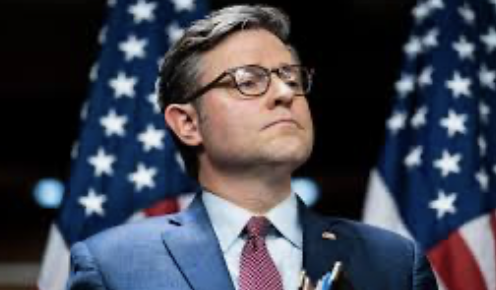
Mom and pop businesses employing hundreds of thousands of people are worried about what the administration is going to do about cannabis. While over 80% of the public say it should be legalized and even other part of the government are supporting medical marijuana. The future is unknown. The appointment of Terrance Cole as President Donald Trump’s nominee to lead the Drug Enforcement Administration (DEA) has brought both optimism and skepticism to the ongoing debate over federal cannabis rescheduling. But is there any hope from the administration on cannabis? A significant portion of the industry backed the winning ticket, certain it would mean success for marijuana.  The recent movement to help veterans with medical marijuana seems positive and data based. All hope is turned to the DEA pick now.

RELATED: Cannabis Is Way Better And Safer Than A Honey Pack

Cole’s recent comments during his Senate confirmation hearing have sparked discussion about the Trump administration’s stance and the future of cannabis policy at the federal level. Cole stated reviewing the stalled marijuana rescheduling process would be “one of my first priorities” if confirmed, acknowledging “it’s time to move forward” after repeated delays in the administrative process. This has offered a glimmer of hope to advocates who have long awaited progress on the issue. However, Cole repeatedly declined to commit to supporting the specific proposal to move cannabis from Schedule I to Schedule III, a recommendation initiated under the Biden administration and backed by the Department of Health and Human Services (HHS).

Terrance Cole, DEA pick

But Cole has emphasized the need to review the science and consult with experts before making any decisions.

Cole’s long career in law enforcement and his previous public statements reveal a traditionally conservative stance on cannabis. He has linked marijuana use to health risks and youth suicide, and has used hashtags such as #justsayno and #notlegal4distribution in social media posts. This history has led some observers to question whether his stated willingness to prioritize the rescheduling review will translate into meaningful action or simply maintain the status quo.

The cannabis rescheduling process has been mired in delays. A scheduled hearing to assess the Biden-era rescheduling proposal was canceled pending an interlocutory appeal, leaving the matter in the hands of the incoming Trump administration. Former DEA and HHS officials have warned that, without proactive support from President Trump himself, the process could stall indefinitely or be suspended altogether if the administration reinterprets prior legal arguments.

“While Mr. Cole may have told Senate Judiciary Committee members with regard to rescheduling cannabis, that “it’ll be one of my first priorities” upon being confirmed, he failed to commit to Schedule III. While that may not seem like a big deal, but it is huge since a move to Schedule II would effectively have no positive impact whatsoever” shared Andrew Cooper, from Falcon Rappaport & Berkman LLP, a major cannabis law firm.

RELATED: Forget Ozempic Cannabis Can Help You Get a Summer Body

Thousands of mom and pop businesses, Industry stakeholders and advocates are cautious. While Cole’s remarks about moving the process forward are welcomed, his refusal to endorse the Schedule III proposal and his historical opposition to reform temper expectations. Many believe the Trump administration’s overall approach remains uncertain.

The Wackiest Cannabis Laws

Sometimes you just have to scratch your head at how lawmakers allow this to happen….

Marijuana has become mainstream with 88% of the US population supporting some form of legalization, Canada was the first major nation to go fully legal and other countries are the world are opening up.  But while the average person waits, lawmakers have been downright odd in how they treat the green plant and how the public learns about it.  They have passed some of the wackiest cannabis laws which leaves businesses and consumers alike scratching their heads. Cannabis laws are a patchwork of contradictions, quirks, and outright oddities. From draconian punishments to loophole economies, here are some of the wackiest cannabis regulations found across the globe.

RELATED: Cannabis Is Way Better And Safer Than A Honey Pack

In the U.S. capital, adults can legally possess and grow cannabis, but selling it recreationally is technically prohibited. This has led to a bizarre workaround: shops sell overpriced items like art, t-shirts, or stickers, and “gift” cannabis as a free add-on. These so-called “gifting dispensaries” operate openly, advertising cannabis gifts while skirting direct sales laws. Efforts to crack down have failed, as lawmakers worry bans would simply push the trade underground or into delivery services, making regulation even harder.

North Carolina maintains strict prohibition on traditional marijuana, even for medical use. Yet, stores legally sell THC-A flower-a non-psychoactive precursor to THC that becomes intoxicating when smoked. This means you can buy and smoke THC-A products for a legal high, while possession of regular marijuana remains a criminal offense. The result is a confusing legal landscape where enforcement is inconsistent and often disproportionately targets minorities.

Nevada is home the largest dispensary in the world Planet 13 and soon, Cannabition, an immersive experience…but it doesn’t keep the state from being wacky. English teaches must have craft the cannabis regulations which include the fonts used on dispensary signs. Only two fonts are allowed-neither can be decorative or appealing to minors, and script or “fun” fonts are banned. The state prefers sans-serif fonts like Times New Roman or Arial, and signage must not give a humorous impression. This is a rare example of typography being codified into drug policy.

RELATED: Mixed Messages From The Feds About Cannabis

Michigan clings to the pre-text, less fluid spelling era.  The states adheres to the archaic spelling “marihuana” in its laws, a holdover from the 1937 tax act. Even modern legislation, such as the Michigan Medical Marihuana Act of 2008, uses this spelling, making it a unique linguistic relic in American cannabis law.

When you like outside the US, it continues to be wacky. India criminalizes most cannabis products but makes a unique exception for bhang, an edible made from cannabis leaves. Bhang is legally sold and consumed, especially during religious festivals, while cannabis flowers and resin remain strictly prohibited. This creates a patchwork of state-by-state rules and a thriving, semi-legal market for bhang. You could say they are doing a bhang up job.

RELATED: Forget Ozempic Cannabis Can Help You Get a Summer Body

Jamaica decriminalized small amounts of cannabis in 2014, granting Rastafarians the unique right to use and cultivate marijuana for religious purposes. While the general population faces limits, Rastafarians can legally grow and use cannabis as part of their spiritual practice, a hard-won victory after decades of persecution.

Singapore’s cannabis laws are among the harshest in the world. Any involvement with marijuana-regardless of amount-can result in years of imprisonment, heavy fines, and even public flogging. Police conduct random drug checks, and tourists can be detained for up to 30 days without bail or legal representation. The law does not distinguish between personal use and trafficking, leaving sentencing up to police discretion.  While a bit less restrictive, there are strict rules on when and where you can consume alcohol in public areas, including a ban on drinking in public places between 10:30 PM and 7:00 AM.You can drink alcohol in licensed premises during their permitted hours, or in private places like your home. 

Feds More Open To Medical Marijuiana For Veterans

Despite Congress dragging their feet, the medical community and the VA are more open to cannabis

Military veterans across the United States are seeing growing support from both the federal government and the medical community in their pursuit of medical marijuana as a treatment option for various service-related conditions. While challenges remain, significant progress has been made in policy, advocacy, and research, offering hope and new options for those who have served. In fact, a federally funded study indicates areas with higher veteran populations tend to have more medical marijuana doctors. This suggests a potential correlation between the prevalence of qualifying conditions for medical cannabis among veterans and the presence of clinicians to be able add it to their treatment.

RELATED: Mixed Messages From The Feds About Cannabis

The U.S. Department of Veterans Affairs (VA) has taken meaningful steps to ensure veterans are not penalized for participating in state-sanctioned medical marijuana programs. Veterans will not be denied VA benefits due to marijuana use, and VA providers are encouraged to discuss cannabis use openly with their patients as part of comprehensive care planning. This approach helps ensure that veterans receive holistic and individualized treatment, integrating all aspects of their health and wellness.
medical marijuana
Photo by CapturedNuance/Getty Images

The medical community has increasingly recognized the unique needs of veterans, especially regarding chronic pain, PTSD, and other conditions where traditional medications may fall short. Healthcare professionals are encouraged to work collaboratively with veterans, discussing the risks and benefits of medical marijuana and tailoring treatment plans to individual needs. This patient-centered approach ensures that veterans receive safe, effective, and appropriate care, with medical professionals offering guidance on dosage, potential interactions, and monitoring outcomes.

In some states, such as Illinois, veterans receiving care at VA facilities can apply for medical cannabis programs without a separate physician certification, streamlining access and reducing bureaucratic hurdles. Additionally, advocacy groups and researchers are partnering to collect data and drive further improvements in access and education, ensuring that veterans’ voices are heard and their experiences inform policy and practice.

RELATED: Economics Puts Pressure On The Feds To Move on Marijuana

Veterans’ organizations and advocates have played a crucial role in advancing medical marijuana access. Groups like the Disabled American Veterans (DAV) have called for more research into the efficacy of cannabis for treating service-related conditions and supported legislation to expand access and knowledge. Personal stories from veterans who have found relief through medical cannabis are helping to reduce stigma and encourage others to explore this option as part of their recovery journey.

While federal law still classifies marijuana as a Schedule I substance, the combined efforts of lawmakers, medical professionals, and veteran advocates are paving the way for meaningful reform. Ongoing research, bipartisan legislation, and a commitment to individualized care are helping veterans access the treatments they need and deserve, fostering hope and healing for those who have sacrificed so much.

Forget Ozempic Cannabis Can Help You Get a Summer Body

This magical weight loss pills are a hot right now – but a green plant can get your body right without side effects.

Summer is peaking through and people are starting to think about swimsuit weather. Achieving a summer body is about more than quick fixes-it’s about embracing a holistic, sustainable approach supporting both your physical and mental well-being. March and April follows December as busy times at gyms as people begin to feel summer. But some people want a silver bullet with all the benefit without much effort. Roughly 1 in 8 US adults have used pills for weight loss or diabetes treatment. But forget Ozempic cannabis can help you get a summer body.

RELATED: How Hemp Helps You Sleep

While medications like Ozempic have gained popularity for weight loss, combining cannabis, CBD, and movement offers a natural and effective path to a healthier, more vibrant you. Some type of exercise is required with m to get your body in the hard body shape, but doing it with marijuana and movement is much healthier than weight loss drugs. While some weight loss drugs can be effective, they are not always stomach-safe and cause series gastrointestinal problems – at home and in public. 

woman wearing red bikini during daytime

Cannabis and its non-intoxicating component, CBD, are gaining attention for their potential health benefits. CBD in particular is celebrated for its anti-inflammatory, antioxidant, and potential anti-obesity properties. While research is ongoing, CBD has been shown to help reduce stress, anxiety, and pain-common barriers to maintaining a regular exercise routine and healthy lifestyle. By supporting better sleep and easing post-workout soreness, CBD can help you recover faster and stay consistent with your fitness goals.

Some studies suggest that CBD may help convert white fat into brown fat, which is more metabolically active and helps burn calories-though more human research is needed to confirm this effect. Additionally, CBD’s ability to reduce inflammation and oxidative stress may support better exercise performance and recovery, helping you push harder and see results faster.

Unlike medications which may come with side effects or require ongoing prescriptions, integrating cannabis, CBD, and movement into your lifestyle empowers you to take control of your health naturally. Regular movement paired with the supportive properties of CBD can improve your mood, enhance recovery, and help you maintain a healthy weight without drastic interventions

RELATED: CBD Can Help Your Feet Look Better For Spring

Regular physical activity remains one of the most reliable methods for shedding fat, building lean muscle, and boosting your mood. Whether it’s hiking, swimming, cycling, or high-intensity interval training (HIIT), moving your body consistently helps burn calories and sculpt your physique. Outdoor activities in the summer not only make workouts more enjoyable but also connect you with nature, increasing motivation and overall well-being. Studies show that exercise alone, especially when performed for longer durations, can lead to significant weight loss and improvements in aerobic fitness and muscle tone.

Building your summer body isn’t about shortcuts-it’s about creating habits that last. By staying active, exploring the wellness benefits of cannabis and CBD, and embracing the joy of movement, you can achieve a summer body that’s not only fit, but also balanced and resilient-no prescription required.

CBD And Cannabis To The Allergy Rescue

Roughly 25% of people suffer spring allergies – but there is something which can help.

Spring brings blooming flowers and warmer days—but for many, it also means the return of sneezing, itchy eyes, and relentless nasal congestion. While over-the-counter allergy medications can help, they often come with side effects like drowsiness and dry mouth. Increasingly, people are turning to natural alternatives like CBD and cannabis to find relief from seasonal allergies.  But luckily, there is CBD and cannabis to the allergy rescue.

RELATED: How Hemp Helps You Sleep

According to the Centers for Disease Control and Prevention (CDC), approximately 25.7% of adults in the United States experience seasonal allergies.  The prevalence of spring allergies varies by factors such as age, sex, and race.It is estimated that: 
    • 29.9% of women experience seasonal allergies.
    • 21.1% of men experience seasonal allergies.
    • 28.4% of non-Hispanic white adults experience seasonal allergies.
    • 24.0% of non-Hispanic black adults experience seasonal allergies
    • 18.8% of Hispanic adults experience seasonal allergies. 

CBD And Cannabis To The Allergy Rescue

CBD (cannabidiol), a non-psychoactive compound found in the cannabis plant, is gaining attention for its anti-inflammatory and immunomodulatory properties. Inflammation is a key driver of allergy symptoms—when you encounter pollen or other allergens, your immune system releases histamines and other chemicals that cause swelling and irritation. CBD may help by:

  • Reducing Inflammation: Studies suggest that CBD can lower the pro-inflammatory compounds that block your sinuses and tighten your airways, potentially easing nasal congestion and sinus pressure.

  • Acting as a Natural Antihistamine: CBD’s ability to modulate immune responses may help decrease histamine production, which is responsible for sneezing, itching, and watery eyes.

  • Supporting the Immune System: CBD interacts with your endocannabinoid system (ECS), a network of receptors that helps regulate immune function. By influencing the ECS, CBD may help balance your immune response to allergens, reducing the severity of allergy symptoms.

Cannabis contains a variety of cannabinoids, including CBD and CBG (cannabigerol), both of which show promise for allergy relief. These compounds work together to:

  • Modulate Immune Function: By interacting with the ECS, cannabinoids can help regulate the immune system’s reaction to harmless allergens, preventing the overreaction that leads to allergy symptoms.

  • Alleviate Skin Reactions: Topical cannabis products may reduce allergic skin reactions like rashes, hives, and swelling by calming local inflammation.

  • Improve Sleep Quality: Allergies can disrupt sleep due to congestion and discomfort. Low-dose cannabis edibles may promote relaxation and better sleep, helping your body recover and cope with allergy symptoms

RELATED: Cannabis Is Way Better And Safer Than A Honey Pack

Practical Ways to Use CBD and Cannabis for Allergies

  • CBD Oils and Edibles: These are popular choices for allergy sufferers, as they avoid irritating the respiratory system and offer consistent dosing.

  • CBD Nasal Sprays: Specially formulated sprays can target nasal congestion directly, providing localized relief without the drowsiness associated with traditional antihistamines.

  • Microdosing Edibles: Starting with low doses of cannabis edibles can help manage symptoms without unwanted side effects like grogginess or brain fog.

Why choose CBBD and cannabis over traditional allergy medications? Unlike many over-the-counter allergy meds, CBD does not typically cause drowsiness or dry mouth, allowing you to stay alert and active throughout the day. CBD is derived from hemp or cannabis plants and is generally well-tolerated, making it an appealing option for those seeking natural remedies. And beyond allergy relief, CBD and cannabis may also promote relaxation, improve sleep, and support overall well-being during allergy season.

Another Federal Agency Helps Cannabis

The Voice Of America has helped mainstream cannabis by sharing the health benefits

Another federal agency helps cannabis. Voice of America (VOA), the U.S. government’s international broadcaster, has played a significant role in informing the world about the evolving landscape of cannabis policy and culture in the United States. Through its balanced and accessible reporting, VOA has highlighted the remarkable shift in American attitudes toward cannabis, as well as the broader implications for health, politics, and society.

RELATED: Mixed Messages From The Feds About Cannabis

The Voice of America (VOA), a US government-funded international multimedia broadcaster, was established in 1942 during World War II to counter Nazi propaganda and provide the German people with accurate of news and information. Its initial focus was on broadcasting to Europe and North Africa, expanding to include various languages and formats. Over time, VOA became a key tool in American foreign policy, particularly during the Cold War, aiming to promote American values and understanding abroad. 
marijuana leaf
Photo by Olena Ruban/Getty Images

One of VOA’s strengths is its focus on clear, factual storytelling resonates with both domestic and international audiences. For example, VOA has reported daily marijuana use in the U.S. has surpassed daily alcohol use for the first time, reflecting a profound change in social norms and acceptance of cannabis. This milestone underscores how cannabis is no longer a fringe issue but a mainstream topic affecting millions of Americans.

VOA’s coverage also emphasizes the rare bipartisan consensus forming around cannabis reform. Recent polls show that 88% of Americans support at least partial legalization, making cannabis one of the few issues that bridges political divides in a polarized nation. By interviewing advocates, policymakers, and everyday citizens, VOA provides a platform for diverse voices and encourages informed public debate.

RELATED: Economics Puts Pressure On The Feds To Move on Marijuana

Furthermore, VOA has shed light on the positive impacts of cannabis legalization and regulation. States that have legalized cannabis have replaced criminal markets with regulated businesses, ensuring product safety, accurate labeling, and restricted access for minors. This regulated approach not only protects consumers but also generates tax revenue and creates jobs, contributing to local economies.

Lion’s Mane And Cannabis

As people look for better options in chronic pain, sleep aides and more – Lion’s mane and cannabis keeps popping up.

In the US, around 38% of adults use some form of complementary and alternative medicine (CAM), including approaches like acupuncture, chiropractic care, and herbal supplements. This number has been on the rise, with a notable increase in the use of complementary health approaches like yoga, meditation, and massage, as well as a rise in their use for pain management. Lion’s mane and cannabis are two natural substances gaining attention for their unique health benefits and diverse uses. While both have roots in traditional medicine, modern research is uncovering how each can support wellness—often in complementary ways.

RELATED: How Hemp Helps You Sleep

Some users combine cannabis and lion’s mane mushrooms to harness their synergistic effects. Lion’s mane’s neuroprotective and cognitive-boosting properties may complement cannabis’s mood-enhancing and pain-relieving effects, offering a holistic approach to mental wellness, neurological recovery, and stress management. This combination is particularly attractive to those seeking natural alternatives for brain health, anxiety, and chronic pain.

Lion's Mane and Cannabis

Cannabis, derived from the Cannabis sativa plant, is used both recreationally and medicinally. Its primary active compounds, THC and CBD, offer a wide range of effects:

  • Pain Management: Cannabis is widely used to treat chronic pain. Studies show it can be effective and may be a safer alternative to opioids and benzodiazepines, which carry a higher risk of overdose.

  • Sleep Aid: Many users report improved sleep quality and reduced sleep disturbances, with cannabis helping people fall asleep faster and potentially benefiting those with sleep disorders like restless leg syndrome.

  • Anxiety and Mood: CBD, a non-intoxicating component of cannabis, has shown promise in reducing symptoms of generalized anxiety disorder, panic disorder, social anxiety, OCD, and PTSD.

  • Other Medical Uses: Cannabis and its derivatives are used to reduce nausea and vomiting during chemotherapy, stimulate appetite in HIV/AIDS patients, and manage symptoms of multiple sclerosis, epilepsy, and more.

Lion’s mane mushrooms (Hericium erinaceus) are prized in traditional Chinese medicine and are now being studied for their potential health benefits:

    • Cognitive Enhancement: Lion’s mane contains compounds (hericenones and erinacines) that stimulate the growth of brain cells and support nerve regeneration, which may help improve memory, focus, and overall cognitive function.

    • Neuroprotection: Animal studies suggest lion’s mane may protect against dementia, reduce mild symptoms of anxiety and depression, and help repair nerve damage, making it a candidate for supporting brain health and potentially staving off neurodegenerative diseases.

    • Anti-Inflammatory and Antioxidant Effects: Lion’s mane is rich in antioxidants and anti-inflammatory compounds, which may help combat chronic inflammation and oxidative stress—factors linked to heart disease, arthritis, and cancer.

    • Metabolic and Digestive Health: Research indicates lion’s mane may help regulate blood sugar, manage diabetes, and protect against stomach ulcers by inhibiting harmful bacteria and strengthening the stomach lining

RELATED: Cannabis Is Way Better And Safer Than A Honey Pack

Feature/Benefit Cannabis Lion’s Mane Mushrooms
Main Uses Pain relief, anxiety, sleep, appetite, recreation Cognitive support, neuroprotection, mood
Psychoactive Effects Yes (THC); No (CBD) No
Key Compounds THC, CBD Hericenones, erinacines, beta-glucans
Pain Management Strong evidence Potential via nerve repair
Cognitive Benefits Some (CBD, THC for mood) Strong (memory, focus, nerve growth)
Anti-Inflammatory Yes Yes
Legal Status Varies by region Widely available as supplement
Cannabis and lion’s mane mushrooms each offer distinct and potentially complementary benefits. Cannabis excels in pain management, sleep, and mood regulation, while lion’s mane shines in cognitive enhancement and neuroprotection. As research continues, both substances are poised to play significant roles in natural health strategies for mind and body

Pope Francis Expanded Thinking On Medical Marijuana

While the Catholic Church is not a fan of cannabis, his compassion allowed the Pope to consider medical marijuana to relief suffering.

Pope Francis emerge as one of the most influential global leaders advocating for compassion, mercy, and justice. Since his election in 2013, his papacy has been marked by a profound commitment to the poor, social justice, and pastoral renewal, reshaping the Catholic Church’s engagement with the world and inspiring millions across faiths and cultures.  He rarely lost sight of individual suffering as he steered the Catholic Church in changing times.  While not a fan of cannabis, Pope Francis expanded thinking on medical marijuana. The world lost a leader who approached change with heart….and always wished better for his fellow man.

RELATED: Is The Catholic Church Adjusting Its Marijuana Stance

Pope Francis’s leadership is deeply rooted in the principle of mercy. He famously declared an Extraordinary Jubilee of Mercy in 2015, urging the faithful to rediscover God’s compassion and to embody it in their daily lives. His encyclicals, such as Evangelii Gaudium and Fratelli Tutti, call for an “outgoing Church” that reaches the existential peripheries, offering refuge to the marginalized and suffering. Francis’s focus is not only on spiritual renewal but also on practical action—he consistently champions the cause of the poor, migrants, and those on society’s fringes, insisting that the Church must be a beacon of hope and a force for justice.

Pope Francis’s compassion extends beyond the boundaries of the Church. He has been a tireless advocate for peace, interreligious dialogue, and environmental stewardship. His efforts to foster understanding among different faiths—evident in historic meetings with leaders of other religions and his signing of the “Document for Human Fraternity”—have set a new standard for religious cooperation and mutual respect. His encyclical Laudato Si’ links care for the environment with social justice, underscoring the interconnectedness of all humanity and the planet.

While Pope Francis is celebrated for his compassionate leadership, his stance on drugs, including marijuana, is nuanced and firmly rooted in Catholic teaching. Francis has consistently opposed the legalization of recreational drugs, including marijuana, arguing drug addiction causes profound harm to individuals and communities. He has stated unequivocally: “Drug addiction is an evil, and with evil there can be no yielding or compromise”. His concern is especially acute regarding the impact on young people and the poor, who are often most vulnerable to the destructive consequences of drug abuse.

Regarding medical marijuana, the Catholic Church acknowledges the use of medical marijuana may be morally permissible on strictly therapeutic grounds, provided it is carefully supervised and genuinely serves the good of the patient. The Catechism of the Catholic Church states, “The use of drugs inflicts very grave damage on human health and life. Their use, except on strictly therapeutic grounds, is a grave offense”. Thus, while Pope Francis opposes recreational use and broad legalization, the Church does not categorically reject the medical use of cannabis if it is proven effective and administered responsibly for legitimate medical reasons. Considering the reach and power of the papal voice, offering an option to look at marijuana for its health benefits can sway many governments.

RELATED: Marijuana Use And Guy’s Member

Pope Francis’s leadership is a testament to the power of compassion in action. He has reminded the world that true greatness lies in service, humility, and solidarity with the suffering. While he remains cautious about solutions like medical marijuana, his overriding message is clear: say “yes” to life, love, and the dignity of every person. In a divided world, his witness continues to inspire hope and a renewed commitment to building a more just and compassionate global community.

This Easter Actor Has Been Playing It Forward

This actor found fame in a classic Easter movie – and has spent the rest of his life playing it forward.

It was an epic movie on a grand scale which captured audiences. Since then, it has become a staple for Easter. But there is one star in the movie who took the message of helping your fellow man to heart. This Easter actor has been playing it forward and continues to have an impact on the entertainment industry. Eugene Mazzola, who played Pharaoh’s son continues his passion and, to date, has more than 52 acting credits plus a TV series under his belt and even more credits behind the camera.  And at each step, he offered a hand to lift up others.

RELATED: This Epic Love Story Is Being Set To Music

Mazzola’s big break came in the Oscar winning powerhouse. Cecil B. DeMille’s The Ten Commandments (1956) is a monumental epic chronicling Moses’ journey from Egyptian prince to deliverer of the Hebrews, culminating in the reception of the Ten Commandments and the Exodus. Renowned for its grand scale, lavish sets, and memorable performances, the film was a box office sensation—becoming the most successful film of 1956 and one of the highest-grossing of all time when adjusted for inflation. The stars included Charleston Heston, Anne Baxter and Yul Brunner.  Its ongoing popularity is fueled by annual television broadcasts during Passover and Easter, cementing its status as a cultural and religious touchstone for generations.

Born into a family steeped in the film industry, Mazzola’s father started out as an actor in the 1920s, moving behind the camera in the ‘30s.  While his father was at 20th Century Fox during the depression and WW II, his brothers and sister all worked as background or day players in the studios. The system at the time was the studios brought the employees’ children in to work.  For better or worse, the studios were family run and populated.

Lola Moore, a kids’ agent and a family friend, starting sending me out on interviews. At one and half years old Mazzola was brought in to work on Asphalt Jungle (1949).  As a baby there wasn’t much to do on camera but cry in a crib.  He went on to be hired onto Wait ‘Till the Sun Shines Nellie (1951). Despite his young age, he could memorize dialogue, hit marks and emote. A director’s dream from a three-and-a-half-year-old kid.  It was in Cry of the Hunted (1952) where the casting directors realized the camera really liked the young actor. And like today, he takes direction, a needed and useful skill when in from of the camera.  Star level arrived when when he was cast in The Ten Commandments (1955). 

After the movies success, he did movies and TV.  He signed up with a “super agent” at the time and changed his professional name to Eugene Martin. Even though he had great credits as a child, according to the agent it was less ethnic.  Looking back, that was problematic for many reason.

After serving in Vietnam in 1970, he decided to expand past acting but stay in the industry. While attending college, he ended up as a production accountant on a film directed by Peter Fonda and line produced by his brother, Anthony.

This lead to his role as a production assistant on TV commercial sets.  It wasn’t long before he started scrambling up the ladder – assistant directing, production managing, and ultimately producing.  In 1976 he produced my first feature film. He also met his wife, Zita Mazzola, and together they continued to expand into the industry and mentor, help and guide hundreds of others in the craft.

While working on a film near Seattle, he fell in love with the area. They moved to the area in   1981 with the goal to build a studio compound to serve the Northwest.  They wound up starting Seattle Cine Rental to support the growing NW film industry., which became the Cine Companies. For nine years it was the largest grip and lighting company on the west coast.  That company was bought by Pacific Grip and Lighting and remains the largest G&E company in the Northwest.

Currently, they have a production company, Mazzola Filmworks. The goal is to continue promoting and supporting the film industry and people in the Northwest.

RELATED: Cannabis Is Way Better And Safer Than A Honey Pack

Mazzola shared “I think every job we take makes a difference, not just to our advancement but to the people you are privileged to work with.  This is especially true in the film business.  I learned from my family the importance of respecting the contribution of every person in the crew and cast, even the background actors.”

Yes, the film industry is generally considered a very challenging and competitive industry to be successful. Today, film is having to figure a a broader path as streaming emerges as another entertainment option. It requires a significant amount of hard work, determination, and often luck. While it’s not impossible to succeed, the path to becoming a successful filmmaker or actor is often long and demanding. Having the Mazzalos as a mentor has been beneficial for hundreds of actors, directors, and behind the scenes artists.

420 Across Cannabis Comes To Crosswords

Another step in the mainstreaming of cannabis, the plant has its own set of crossword puzzles!

Looking for a last minute Easter or 420 gift for the marijuana aficanado? You can stop into Barnes and Nobles or another independent bookstore and pick up unique treat.  420 across cannabis comes to crosswords and can be found at mainstream retailers. The world of crossword puzzles is experiencing a fresh and exciting twist with the rise of cannabis-themed crosswords, delighting both word enthusiasts and cannabis aficionados alike. This new wave reflects not only the growing acceptance of cannabis culture but also the enduring popularity and adaptability of the crossword puzzle itself.

RELATED: This Epic Love Story Is Being Set To Music

Crossword puzzles have a rich and storied history. The earliest forms date back to the 19th century, with simple word squares appearing in children’s books and magazines. The modern crossword, however, was born on December 21, 1913, when Arthur Wynne, a journalist for the New York World, published his “word-cross” puzzle—diamond-shaped and clue-driven, it set the template for the pastime we know today. The name soon flipped to “cross-word,” and by the 1920s, newspapers across America and Britain were featuring crosswords daily, each developing their own distinctive styles and rules. The crossword’s popularity soared, offering comfort and distraction during turbulent times such as World War I and II. Over the decades, the puzzle evolved, spawning cryptic crosswords in Britain and themed puzzles that reflect every imaginable interest.

Enter cannabis crosswords—a playful, educational, and timely evolution. As cannabis has become more mainstream, so too has its presence in popular culture and media. Cannabis-themed crosswords now appear in magazines, online platforms, and even published books, such as “Cannabis CrossWords & More” by Gail Marie Beckman, a seasoned cruciverbalist who crafts custom puzzles for all occasions. These puzzles blend cannabis terminology, history, and science with the classic challenge of wordplay, making them a hit at cannabis events, dispensaries, and among enthusiasts seeking a fun way to test their knowledge.

The appeal is multifaceted: cannabis crosswords offer a lighthearted way to learn about the plant, its uses, and its legal landscape, while also providing the cognitive benefits and relaxation that crosswords are famous for. They foster community, spark conversation, and celebrate the intersection of two vibrant cultures—wordplay and cannabis.

RELATED: 5 Morning Activities To Help You Feel Happier

As both crossword puzzles and cannabis culture continue to thrive, their union in cannabis-themed crosswords is a testament to the enduring power of play, curiosity, and connection.Whether you’re a seasoned solver or a curious newcomer, these puzzles invite everyone to “hash out” their knowledge and enjoy the high-minded fun.

Don't Miss Your Weekly Dose of The Fresh Toast.

Stay informed with exclusive news briefs delivered directly to your inbox every Friday.

We respect your privacy. Unsubscribe anytime.