Joining thousands of mom-and-pop businesses and American households, cannabis is another industry hit hard by the shutdown
As more Americans reexamine their relationship with alcohol, a growing number are discovering another benefit from cannabis users. The green plant might offer a surprising nighttime benefit — better, more restful sleep. While both substances can make you feel relaxed, the way they affect your body and brain overnight couldn’t be more different. For many users, the difference is showing up as deeper sleep, clearer mornings, and better mental health overall.
When you drink alcohol, it can initially make you drowsy and help you fall asleep faster. But studies show alcohol disrupts normal sleep cycles — particularly the REM (rapid eye movement) stage vital for memory, mood, and brain restoration. As alcohol is metabolized, it can cause restless tossing, dehydration, and frequent awakenings throughout the night. The result? You might “sleep” for eight hours but wake up feeling like you barely rested.
Cannabis, on the other hand, tends to work differently. Certain cannabinoids, particularly THC and CBD, interact with the body’s endocannabinoid system — the network that regulates stress, pain, and sleep. THC can help shorten the time it takes to fall asleep and extend deep, slow-wave sleep, the stage associated with physical repair. Meanwhile, CBD, the non-intoxicating compound, can ease anxiety and reduce nighttime rumination, two of the biggest barriers to drifting off. Unlike alcohol, cannabis does not interrupt REM sleep in the same way, and users often report waking up feeling more refreshed and alert.
Of course, not all strains or consumption methods affect sleep equally. Heavy THC use or stimulating sativa strains may have the opposite effect, increasing alertness or vivid dreams. Experts recommend lower doses and indica-dominant or balanced strains for bedtime.
The growing interest in cannabis as an alcohol alternative ties into a broader trend: the prioritization of mental wellness and recovery. Quality sleep is foundational to health — it improves immune function, mood regulation, memory, and even metabolism. When people trade late-night drinks for mindful cannabis use, they may not only avoid the hangover but gain one of life’s most underrated luxuries: truly restorative rest.
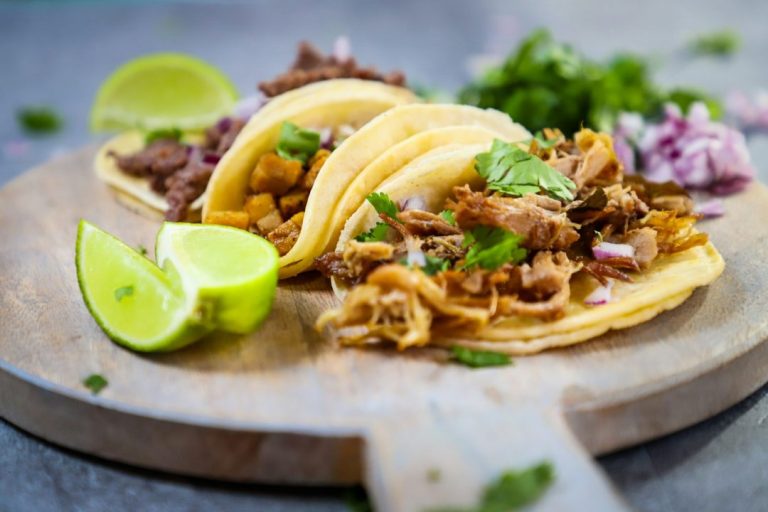
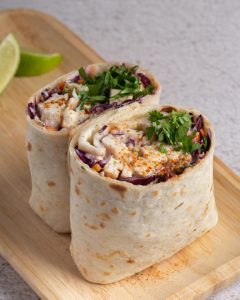
From fiery tacos to creamy guacamole here how marijuana enhances Mexican cuisine and tips on the perfect strain for your meal.
Cannabis enthusiasts and food lovers alike have long known marijuana can heighten the senses, making ordinary meals feel extraordinary. And when it comes to pairing cannabis with cuisine, what is better than Mexican food and marijuana. Few options excite the palate quite like rich, spicy and occasionally heat. From flavor-bursting tacos to creamy guacamole, the vibrant flavors of Mexican dishes interact uniquely with marijuana, creating a culinary experience both satisfying and unforgettable.
The combination of cannabis and Mexican food isn’t just about indulgence—it’s about the science of flavor. Spicy foods, like jalapeño-studded salsas or chipotle-infused tacos, can intensify the effects of marijuana. Capsaicin, the compound giving chili peppers their heat, triggers endorphins in the body, which can enhance the euphoric and relaxing sensations of cannabis. Meanwhile, fatty ingredients common in Mexican cooking, such as cheese, avocado, and sour cream, can help THC—the active compound in marijuana—bind more efficiently in the body, potentially creating a deeper, longer-lasting experience.
For those experiencing the classic “munchies,” Mexican cuisine is an ideal choice. The combination of textures—crispy tortillas, tender meats, and fresh, crunchy vegetables—satisfies cravings on multiple sensory levels. Dishes like loaded nachos, enchiladas, and street-style tacos offer both comfort and excitement, ensuring every bite keeps the taste buds engaged while complementing the heightened senses cannabis brings.
Some cannabis enthusiasts even select strains to pair specifically with their Mexican meal. Fruity, uplifting strains like Blue Dream or Pineapple Express can enhance lighter dishes such as ceviche or fish tacos, accentuating citrus and fresh flavors. On the other hand, earthy, relaxing strains like Northern Lights or OG Kush may pair better with heartier, spice-heavy foods like chiles rellenos or carne asada, allowing the warmth and depth of the dish to meld with the mellowing effects of the strain.
Beyond flavor, the cultural synergy between Mexican cuisine and cannabis is intriguing. Both have histories of social enjoyment and communal sharing. Tacos, tamales, and margaritas can turn any cannabis session into a lively gathering, encouraging conversation and celebration.
Whether it’s the tangy zest of salsa, the creamy richness of guacamole, or the fiery kick of a habanero, Mexican food provides the perfect canvas for cannabis enthusiasts to explore taste, aroma, and sensation. The next time you’re planning a night of culinary indulgence, consider pairing your favorite strain with a plate of authentic Mexican cuisine—it’s a combination promising both satisfaction and delight.
Does Jonathan Bailey consume weed? Inside the Sexiest Man Alive’s candid reflections on fame, sobriety, and self-discovery.
When People magazine crowned him as its 2025 Sexiest Man Alive, it seemed a natural step for the 36-year-old British actor whose blend of charm, talent, and authenticity has captivated global audiences. Known for his breakout role as Lord Anthony Bridgerton in Netflix’s Bridgerton and soon to appear as Fiyero in the highly anticipated Wicked film adaptation, he has evolved from stage favorite to full-fledged international star. Yet, behind the red-carpet polish, he has also been candid about self-reflection, sobriety, and finding balance amid fame. But the question is – does Jonathan Bailey consume weed?
Bailey’s career trajectory has been steady and deliberate. A former child actor, he built his reputation in British theatre before landing television roles in Broadchurch and Crashing. His portrayal of the complex and brooding Anthony Bridgerton propelled him into global recognition, paving the way for roles in major studio projects and leading-man status. The Jurassic Park reboot is only one of his successes.
In a January 2024 Instagram post, Bailey wrote being “seven months off booze and one month off cannabis is teaching me a lot about myself that I’ve either forgotten or never knew in the first place.” The thoughtful caption suggested the actor was confronting his emotions and learning to live without substances, implying past cannabis use but current abstinence at the time.
While Bailey didn’t dwell on specifics, his honesty stood out in an industry where stars often hide their struggles. The admission offered a glimpse of vulnerability from an actor better known for precision and poise on screen. It also mirrored a broader cultural shift among entertainers choosing transparency about mental health and substance use.
Crowned Sexiest Man Alive by People in 2025, Bailey accepted the honor with good humor, calling it “surreal and flattering.” Yet he emphasized his focus remains on storytelling rather than celebrity. “Fame is an illusion you have to navigate with care,” he told The Guardian earlier this year, noting life in the spotlight can test one’s sense of identity.
Today, Bailey seems intent on redefining success on his own terms — choosing mindfulness, personal growth, and authenticity over excess. His openness about stepping away from substances adds another layer to his image: not just a sex symbol, but a modern star willing to confront himself honestly and publicly.
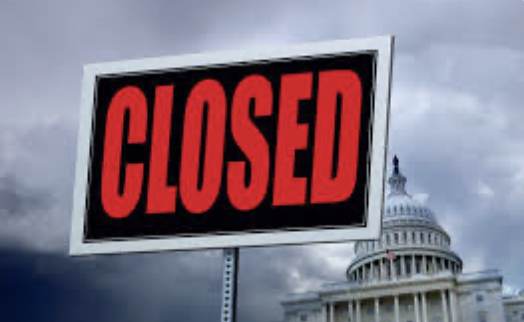
Joining thousands of mom-and-pop businesses and American households, cannabis is another industry hit hard by the shutdown
The ongoing federal government shutdown which began October 1, 2025 is reshaping spending behavior in several consumer categories — notably those tied to discretionary goods such as marijuana and alcohol. With paychecks delayed for hundreds of thousands of federal workers, and everyday Americans facing persistent inflation and rising costs, spending is beginning to come under strain. And with thousands of mom and pop businesses, cannabis is another industry hit hard by the shutdown like retail, grocery and dining.
According to a survey by Ipsos in October 2025, a majority of people at every income level reported cutting back on at least one expense amid economic uncertainty, tariffs and the shutdown. Another data point from TransUnion shows that 52 % of consumers in Q2 2025 reduced discretionary spending — the highest share in months.
The shutdown’s direct ripple effect on consumer wallets is real. Roughly 700,000 federal employees are furloughed, and nearly as many working without pay — which means delayed incomes and fewer dollars available for non‑essentials. Even more broadly, the Council of Economic Advisers warns that a month‑long shutdown could reduce U.S. consumer spending by as much as $30 billion.
For the cannabis industry (medical and recreational both), the implications are significant. While the sector continues to grow in many states, the shutdown is freezing key reform efforts — for example, regulation of hemp‑derived THC and federal policy remains in limbo. Concurrently, budget‑tight consumers are being more selective with how they deploy their discretionary dollars.
Photo by Jeff Vinnick/Stringer/Getty Images
While exact national figures for cannabis spending drops during the shutdown are not yet published, the confluence of reduced incomes + high living costs + regulatory uncertainty suggests a tightening belt is very much in play. Retailers and dispensaries in profit‑sensitive markets may feel the pinch first.
It’s worth emphasising the income angle here. According to data from the Federal Reserve’s Economic Well‑Being of U.S. Households in 2024 report, 39 % of adults live in families with incomes of $100,000 or more. By contrast, the implication is that around 61 % of adults live in households with income under $100K. Those households are less buffered from shocks like a missed paycheck, rising utility bills, or price increases.
On inflation specifically, a note by RBC points out that Americans earning less than $100K have seen grocery prices rise 33 % since 2019, compared to 25 % for those earning more than $150K. In short: the under‑$100K cohort is both larger in number and under more cost‑pressure.
Given this, it’s no surprise we see signs of belt‑tightening amongst this group. The KPMG Consumer Pulse Survey reports that “consumers expect to spend less across most categories this summer — except increases in groceries and automotive.” KPMG
For cannabis vendors, this means a shifting consumer base: more value‑seeking, more conservative purchasing, more emphasis on cost‑efficiency (as the Fresh Toast article highlighted). Alcohol spending may also be more vulnerable. While long‑term data show alcohol consumption trending down in some segments, the immediate dynamic here is one of substitution or reduction: when paycheck‑uncertainty and rising rent/food bills dominate, spending on “extras” tends to drop.
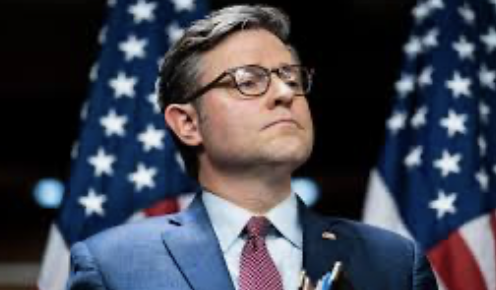
The shutdown exposes a deeper fault‑line: public policy and everyday economic reality are diverging. The Speaker of the U.S. House of Representatives, Mike Johnson, has adopted a hardline posture on several fronts — including opposition to major healthcare subsidies, blocking full funding of federal agencies and resisting broader cannabis reform efforts. In doing so he appears detached from both: the majority of Americans who earn under $100K and are scrambling to make ends meet, and the broader public’s shifting views on medical marijuana and hemp reform.
While polls show majority support for medical cannabis access and broader reform, the GOP Congress remains stalled. That impasse matters because for the cannabis industry — which is still suffering under federal ambiguity — policy action isn’t just nice‑to‑have; it’s a lifeline. The leadership’s lack of responsiveness to that reality sends a signal beyond the Hill: it tells everyday consumers, and businesses, that their pressures may not be fully appreciated by those in power.
If the shutdown persists, we can expect:
Further reductions in discretionary spending among households under $100K as paychecks and benefit flows remain uncertain
Slower growth for cannabis retailers in mature markets, a greater emphasis on value plays and lower‑price substitution
Elevated risks for the industry as regulatory and policy advances are paused, making cost control and margin optimization more urgent
A heightened political risk for leadership whose policy stance appears misaligned with the economic burdens faced by a majority of Americans
The shutdown isn’t just a headline about federal funding. It is a real‑world brake on consumer spending, a warning sign for lifestyle markets like cannabis and alcohol, and a reminder policy‑making ignoring everyday economic pressures runs the risk of being out of touch.
From whimsical thought to success, the idea developed while stoned is paying off with major sponsorship.
Sometimes those “what if?” ideas starting mid-sesh actually turn into something brilliant. As an example, the idea developed while stoned is paying off for there buddies. Just ask Pete Davidson and Colin Jost. What began as a hazy, half-joking idea while consuming cannabis — to buy an old Staten Island Ferry — has now become one of the best “high-deas” to ever float into reality.
Back in 2022, Davidson and his pal Colin Jost impulsively bought a decommissioned Staten Island ferry for $280,000. At the time, even their Saturday Night Live castmates weren’t sure if it was a punchline or a midlife crisis in motion. Davidson himself admitted it wasn’t exactly a sober moment of inspiration. “It was definitely one of those ideas that seemed genius at the time,” he joked later.
But here’s the twist: the offbeat purchase just turned into a marketing goldmine. The ferry — once destined for scrap — is now being transformed into a floating entertainment venue. And in the latest proof this high-idea turned high-value, Nike just inked a deal to advertise on it. Yes, Nike. The global sports giant saw enough cool factor (and cultural relevance) in Davidson’s drifting dream to climb aboard.
In fiscal year 2025 (ended May 31, 2025), Nike spent $4.689 billion on marketing, which they refer to as “demand creation expense”. In fiscal year 2024, the amount spent was $4.285 billion.
It’s a perfect example of how cannabis-fueled creativity can sometimes spark surprisingly good business instincts. The old ferry, now renamed the Titanic 2 (because of course it is), is set to host comedy shows, concerts, and exclusive events — think floating SNL energy with a downtown edge. Davidson and Jost’s offbeat vision could soon be New York’s most unlikely hotspot.
And while the move might have seemed reckless, it reflects something larger happening in pop culture: the normalization of cannabis and its creative influence. For decades, cannabis users were dismissed as lazy or unrealistic. Yet some of today’s best ideas — from tech startups to entertainment ventures — have emerged from relaxed, imaginative brainstorming sessions.
Pete Davidson’s ferry adventure proves that not every “stoned idea” sinks. Some actually sail — and make money while doing it.
The Feds foul play around cannabis exposes misinformation, fear tactics, and how Washington ignores 88% of Americans
While nearly 88% of Americans support some form of legal cannabis, the old guard in Washington continues to misrepresent the will of the people. This isn’t a quiet disagreement over policy — it’s a stubborn act of defiance by a political class clinging to outdated narratives, using fear and misinformation to stall progress. The Feds foul play around cannabis includes misleading federal ad campaigns to state-level repeal efforts and congressional inaction, the message from the establishment is clear: even overwhelming public consensus won’t shake their prohibitionist reflex.
The federal government’s recent “Make America Fentanyl Free” initiative sounds like a noble effort — until you look closer. The campaign warns Americans fentanyl-laced cannabis is contributing to a spike in overdose deaths, echoing rhetoric found on official websites like Get Smart About Drugs, a DEA-linked platform.
But credible health experts and toxicologists have called this claim a myth. Studies and verified cases show virtually no evidence of widespread fentanyl-contaminated marijuana. The CDC’s own overdose data reveal more than 100,000 overdose deaths annually are overwhelmingly tied to synthetic opioids, not cannabis. By folding marijuana into the fentanyl crisis narrative, the campaign blurs science and fear — conflating a regulated, state-legal product with the nation’s deadliest illicit drugs.
In Massachusetts, prohibitionists are running a petition drive critics say tricks voters into repealing the state’s adult-use cannabis law — one which passed in 2016 with 53.6% support. The so-called Coalition for a Healthy Massachusetts has been accused of presenting the petition as a measure to “protect youth” and “prevent fentanyl exposure,” when in reality it would end the state’s $1.6-billion legal cannabis market.
Industry advocates and civil-rights leaders argue this fear-based language mirrors the federal fentanyl narrative — a coordinated effort to weaponize overdose panic against legitimate regulation and equity programs have taken years to build.
At the center of the federal gridlock is House Speaker Mike Johnson, a staunch opponent of cannabis reform who has consistently voted against legalization and banking protections. Johnson has blocked the SAFE Banking Act — a bipartisan bill allowing legal cannabis businesses access banking services — from reaching a floor vote, despite majority support in both chambers. He’s also refused to advance measures like the MORE Act and the Medical Marijuana and Cannabidiol Research Expansion Act, effectively freezing all momentum toward federal reform.
Johnson’s leadership ensures even modest, widely supported reforms remain in limbo. His record earns him an “F” rating from cannabis policy groups and makes him one of the most significant obstacles to aligning federal law with public opinion.
When the federal government claims “drug overdoses are due to fentanyl-laced marijuana,” and state actors use similar rhetoric to roll back legalization, it’s more than misinformation — it’s policy manipulation. The consequences are profound:
Public confusion: Americans are told cannabis is linked to deadly fentanyl overdoses, though data show otherwise.
Policy paralysis: Federal leaders block reform while invoking the specter of addiction and moral decline.
Economic harm: Legal markets — and the jobs, tax revenue, and social-equity progress they bring — are jeopardized by political gamesmanship.
With almost nine in ten Americans favoring legalization — and over half living in states where cannabis is legal — continued federal obstruction is untenable. The real crisis isn’t cannabis; it’s an outdated federal narrative refusing to evolve with science or society.
Until Washington stops peddling fear and starts listening to its citizens, the gulf between federal prohibition and public reality will only grow wider. It’s time to replace misinformation with evidence, prohibition with regulation, and political posturing with policy actually serving the American people.
Can cannabis help you survive Daylight Savings Time? Discover how it eases sleep, stress, and sluggish mornings
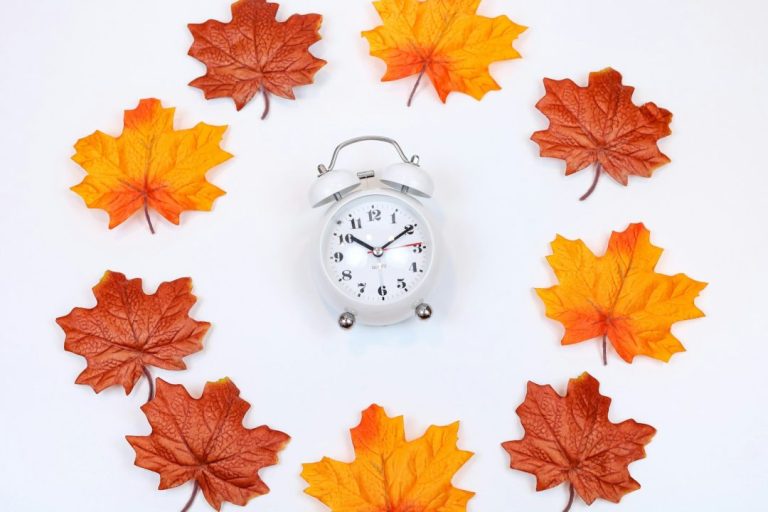
Twice a year, millions of Americans grumble as the clocks shift for Daylight Savings Time (DST). This weekend marks the annual “fall back,” when most of the country gains an hour of sleep, but our internal clocks aren’t always so quick to reset. From sluggish mornings to restless nights, the change can wreak havoc on mood, energy, and sleep. But can cannabis help you survive daylight savings time?
Daylight Savings Time was first proposed by Benjamin Franklin in 1784 as a way to save candles and make better use of daylight. The U.S. formally adopted it during World War I to conserve fuel and again in World War II. Today, nearly every state observes it (except Hawaii and most of Arizona). Originally meant to save energy and increase productivity, DST has become controversial, with studies suggesting it can actually disrupt human health and safety more than it helps.
Photo by underworld111/Getty Images
Human bodies run on a 24-hour circadian rhythm — a natural sleep-wake cycle driven by light exposure. When we shift the clocks, even by an hour, that rhythm gets out of sync. The result? Fatigue, mood swings, increased stress hormones, and, for some, higher risks of heart attacks and car accidents immediately following the time change. Sleep experts say it can take several days — sometimes up to two weeks — for the body to fully adjust.
Cannabis may offer a modern tool for this age-old annoyance. Studies suggest certain cannabinoids, especially CBD (cannabidiol) and THC (tetrahydrocannabinol), can influence the body’s endocannabinoid system — the internal network regulating sleep, appetite, and mood.
CBD, known for its calming and anti-anxiety properties, can help reduce stress and promote better-quality rest without the intoxicating effects of THC. Meanwhile, low to moderate doses of THC can help users fall asleep faster and experience deeper sleep cycles, particularly for those who suffer from insomnia or restless nights.
Experts recommend timing and dosage carefully. CBD is often best taken an hour before bedtime to relax the body, while THC may work better for those who need to initiate sleep. Cannabis users should avoid heavy consumption or overly potent strains, which can cause grogginess or interfere with REM sleep.
Beyond cannabis, good sleep hygiene helps the transition. Limiting screen time, avoiding caffeine after noon, and exposing yourself to natural morning light can all help the circadian system realign.
As Americans continue to debate whether Daylight Savings Time should stay or go, one thing is certain, the grogginess is real. For those looking for a natural way to rebalance their body clock, cannabis might just make “falling back” a little easier.
From Gen Z to Boomers, cannabis helps the young and old sleep better — here’s what science says.
New research from University of Michigan (U-M) is adding nuance — and a dose of caution — to an increasingly popular trend: using marijuana to help you sleep. But what is interesting is cannabis helps the young and old sleep. Yes, whether you’re a 20-something struggling with late-night screen time or a 60-plus professional battling early-morning wake-ups, they are turning toward the green plant to help with a sound snooze.
According to the U-M’s psychiatry department, initial results suggest that cannabis may help people fall asleep faster and improve sleep quality in the early part of the night. But the benefit doesn’t necessarily carry through the whole night. The research points to more awakenings and fragmented sleep in the latter part of the night for some users. Yes, cannabis appears to help some people sleep, at least initially, but the story is far from straightforward. The U-M team emphasize the evidence is still in its infancy; usage has raced ahead of science.
Photo by Kindel Media from Pexels
For Gen Z or Millennials juggling business and baby-boom-aged parents, sleep is often elusive. Older adults, meanwhile, may contend with chronic pain, insomnia or medication-side-effects. That’s why the notion of a plant-based sleep aid is appealing across the age spectrum. The U-M research suggests those with chronic pain, anxiety or certain sleep disorders may experience more noticeable benefit. But for otherwise healthy sleepers, the upside may be limited, and in some cases, temporary.
But like most sleep aids, what works at first may wear off. Routine cannabis use for sleep may lead to diminished benefit over time, and insomnia can return — sometimes when use is stopped abruptly. The mode of use matters too: inhaling cannabis may bring faster onset of sleepiness, while edibles act more slowly but last longer.
Generational take-away: what each age group should know:
Younger adults (20s-40s): If you’re using cannabis to deal with irregular sleep patterns, late-night tech use or social jet-lag, it may help you get to sleep — but it’s not guaranteed to fix sleep quality or cycles long term.
Middle-aged adults (40s-60s): Those dealing with stress, pain or changing sleep rhythms might see a benefit — but must watch for dependence and tolerance.
Older adults (65+): If sleep disruptions stem from pain, sleep-apnoea or medications, cannabis might help but should be used under medical supervision. Long-term effects and interactions (e.g., with heart- or blood-pressure meds) are less well studied. Across all ages: better sleep hygiene (consistent bedtimes, reduced screen time, calming routines) remains foundational.
The U-M researchers urge caution: consult your doctor before using cannabis as a sleep aid. The sleep-inducing effect may not last, side-effects are still being mapped, and the optimal dosage/administration method is unclear. medicine.umich.edu For those who use cannabis for sleep, experts suggest treating it as a bridge, helping you establish better sleep patterns, rather than a permanent substitute for good habits. As one U-M sleep psychologist put it: “The research is still in its infancy, the availability of marijuana has really out-paced the science.”
whether you’re young or old, cannabis can help you sleep. But it’s no silver bullet. The short-term benefits may exist, but they are often offset by fragmented sleep later at night, possible next-day fatigue, and diminished return over time. In real terms: if you lean on it nightly, you may trade off one sleep problem for another.
The best approach? Use it cautiously, pair it with solid sleep hygiene, and keep an eye on how your sleep — and overall daily alertness — really responds.
How the dictionary’s new word and the secret language of cannabis reveal modern culture trends.
Language is always a bit of a lark, here is a peek at the dictionary’s new word and the secret language of cannabis. The dictionary recently added a new entry that’s already turning heads: “6 7”. The phrase is a popular, largely nonsensical Gen Alpha and Gen Z slang term stemming from a viral rap song and social media memes featuring NBA player LaMelo Ball. It has no fixed meaning, though some interpret it as “so-so,” and its primary purpose is to serve as an inside joke and a playful interjection in conversations to signal group membership and sometimes to playfully annoy adults.
For Millennials and Gen Z, it’s another shorthanded phrase floating around. In this new lexicon, there are subtle ways younger generations talk about marijuana without saying it outright. And like 6 & 7, this generation has transformed cannabis conversation into something playful, coded, and cultural.
For Millennials and Gen Z, cannabis isn’t just a plant—it’s a culture, complete with its own lexicon spanning playful slang, discreet references, and digital shorthand. Understanding this “hidden language” offers a window into how younger generations talk about, consume, and normalize cannabis in ways older generations never imagined.
Take, for example, words like “green,” “sticky icky,” “dank,” or “bud,” which are part of a flexible, evolving vocabulary signaling familiarity and community. But it doesn’t stop there. Millennials and Gen Z frequently use coded terms in text messages or social media to bypass restrictions or maintain privacy, turning ordinary words like “Netflix and chill” or “herbal tea” into cheeky euphemisms for cannabis consumption. The language can be playful, ironic, or even rebellious—a reflection of a generation who grew up amid shifting legalization policies and changing cultural attitudes.
Social media has accelerated this linguistic evolution. On platforms like TikTok, Instagram, and Discord, cannabis culture thrives through memes, hashtags, and emojis serve as shorthand for both discreet communication and cultural identity. The leaf emoji 🌿 or the “420” reference often functions as a subtle nod, creating an inclusive insider language resonating with peers but might fly under the radar of older generations.
Interestingly, Millennials are witnessing a linguistic bridge between Gen Z and older users. Whereas Boomers and Gen X primarily used straightforward terms like “marijuana” or “pot,” younger generations lean into a mix of humor, irony, and coded vocabulary. This shift reflects more than playful creativity—it signals a deeper change in cannabis normalization. Where older generations often framed cannabis in terms of legality or risk, Millennials and Gen Z describe it with nuance, culture, and even culinary flair, from “infused edibles” to “craft strains” and “microdosing.”
The evolution of cannabis language isn’t just about words—it’s about generational perspective. For older users, cannabis conversations were private, cautious, or stigmatized. Millennials and Gen Z, by contrast, have turned their lexicon into a form of expression, identity, and community. And as the dictionary updates to capture these shifts, it marks a cultural recognition of language which has long thrived outside the mainstream.
Cannabis has always been more than a plant—it’s a social marker, a generational signal, and now, officially, a dictionary-worthy phenomenon. The secret language Millennials and Gen Z share isn’t just clever slang—it’s a reflection of how culture, legality, and identity intersect in a world changing faster than ever.
Debunking cannabis in candy and other Halloween myths: what parents really need to know
Curious about the cannabis in candy and other Halloween myths? Every autumn, a familiar rumor surfaces on social media and in group texts: “Someone’s handing out weed candy to trick‑or‑treaters.” But here’s the short version: no credible evidence supports the claim. What’s actually going on is a modern twist on a long history of candy‑tampering folklore.
Long before cannabis entered the public conversation, concerns about Halloween treats were dominated by tales of razor blades hidden in apples, pins in chocolates, or poison in candy. Those fears are largely urban legend.
Where did it start? By the late 19th and early 20th centuries, as candy production grew industrial, some doctors and commentators began warning food adulteration was a hidden menace. The shift from small‑scale confectioners to mass manufacturing fueled distrust of what lurked inside sweets. In 1959, a California dentist, Dr. William Shyne, distributed laxative pills to trick‑or‑treaters in candy coatings—more prank than poison, but it entered the lore.
In 1970, a New York Times op‑ed asked whether the “plump red apple” might conceal a razor blade, feeding parental fear.
The most infamous case came in 1974, when an 8‑year‑old in Texas died after consuming a Pixy Stix laced with cyanide. But the twist is the child’s own father, Ronald Clark O’Bryan, was convicted—and later executed—for planting the poison to camouflage a murder as a “random” trick‑or‑treat crime.
Folklorists like Joel Best have traced dozens of reports of candy tampering from 1958 to 1983; but after investigation, none could be confirmed as a stranger’s random act of harm. Many turned out to be misattributed, hoaxes, or even children themselves adding dangerous objects and calling attention to it.
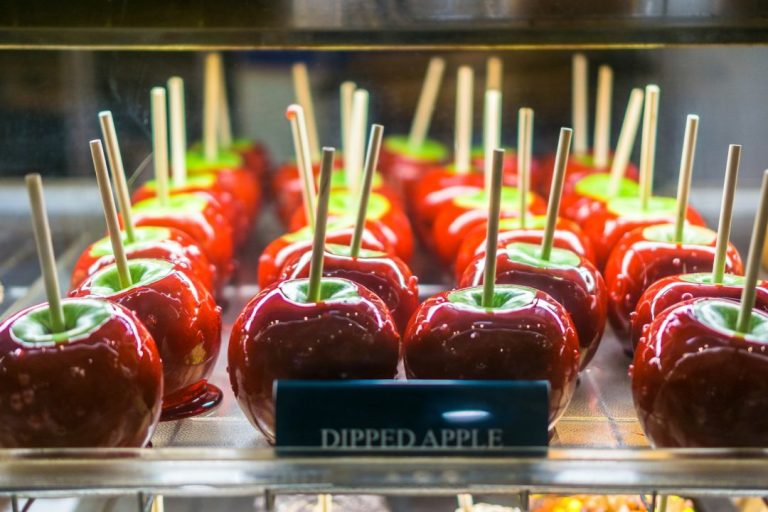
Over time, the razor‑blade apple myth became a cultural shorthand for parental anxiety. Ironically, apples were once common Halloween treats (candied or caramel apples). But the myth contributed to their decline as mass “give‑aways.”
The razor blade story is far from the only tale in the haunted folklore of Halloween sweets. Some of the persistent legends include:
Needles or pins in candy bars: Occasionally reported, but often traced to local pranks or “copycats” rather than sinister strangers.
Poisoned candy or drug‑laced treats: Tales of cyanide, lye, or drugs in sweets persist. But documented cases of poisoning via “random Halloween candy” are effectively non‑existent.
“Blue star” lollipop tattoos or poisoned tattoos: A variant rumor claims temporary tattoos handed out include psychoactive or toxic compounds—another version in the “urban legend about drugs” canon.
Mass poison scares tied to other events: For instance, after the 1982 Tylenol poisoning scandal (cyanide in over‑the‑counter pills), public fear of tainted consumables spiked—including Halloween candy warnings.
These legends flourish because of what folklorists call availability cascade—when a vivid fear is repeated often, people assume it must be true.
So where did the weed candy myth come from? It’s essentially a new costume draped over an old scare. As legal cannabis markets have emerged, the idea someone might hide THC or marijuana edibles in trick‑or‑treat bags has gained traction online — yet it fails under scrutiny:
No documented cases. No credible report shows strangers distributing cannabis treats to kids on Halloween.
Cost is prohibitive. Legal THC edibles are expensive under regulation and taxation—handing out full doses to many kids isn’t cheap.
Strict regulation and packaging. Dispensaries are required to use child‑resistant packaging, labeling, and maintain records—anonymously distributing to random children would breach every rule.
Severe legal risk. Distributing THC to minors is criminal; any plausible motive is overshadowed by the consequences.
Counterfeit vs. real product confusion. Some rumors mix in fake or illegal edibles mimicking mainstream candy, creating fear, but they are not part of regulated cannabis commerce.
Derived from older tampering myths and amplified by digital echo chambers, the cannabis candy scare is a modern variant—but one without substance.
A practical Halloween safety checklist might include: supervise routes, cross at well‑lit streets, have children wait until home to open candy, discard unwrapped or suspicious items, and of course, check for choking risks or allergens.
The myth someone is secretly giving cannabis candy to unsuspecting trick‑or‑treaters is more frightening than factual. It’s a modern reincarnation of a much older folklore of tainted treats, one built on fear, not evidence. The razor in the apple may be a chilling image, but it remains a legend, not a reality. This Halloween, the real risk is not a phantom dose of THC—but a car, a broken sidewalk, or too much sugar.
Let’s protect kids with real caution, not ghost stories.