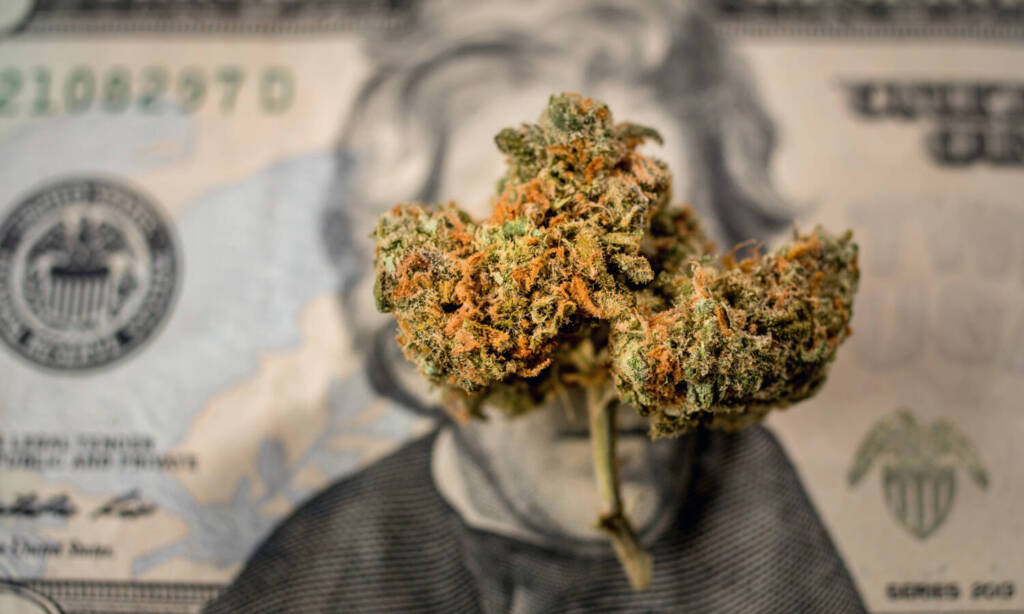
Quebec’s decision to ask for vaccine passports in order to purchase alcohol and cannabis has resulted in a significant surge in vaccination appointments.
The solution for pushing reluctant people to get their COVID-19 vaccine might just be weed. At least, according to a new measure taken by the Canadian government.
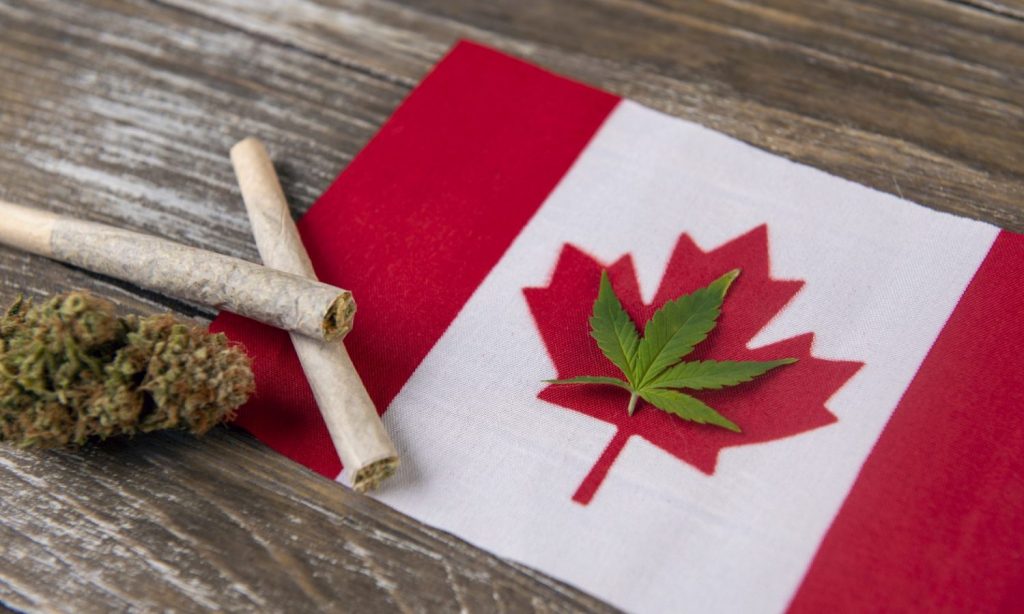
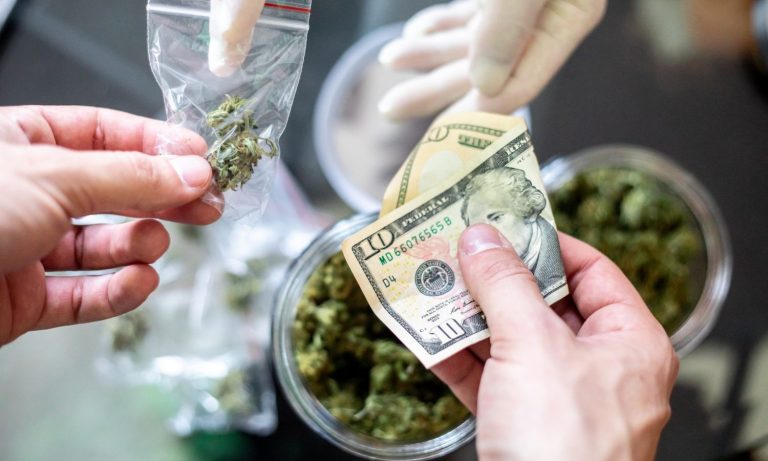
According to the Montreal Gazette, the province of Quebec instituted a rule this past Thursday that prevents people from purchasing alcohol and marijuana unless they have the COVID-19 vaccine. This decision has prompted a surge of COVID-19 vaccinations, with first appointments quadrupling within a day of the government’s announcement.
Per the health minister of Quebec, Christian Dubé, the average appointment rate was 1,500 people a day. Following the liquor stores and dispensaries’ requests for vaccine passports, these numbers soared to 6,000 appointments a day.
Quebec’s decision to ask for vaccine passports for alcohol and cannabis purchases will go into effect on January 18th. It was prompted by a significant surge of COVID-19 cases and hospitalizations due to the highly contagious Omicron variant, where cases soared from their standard 3,000 a day to 40,000. Quebec is home to Montreal, Canada’s second most populated city, having 1.8 million people.
“Yes, this is very difficult right now,” Dubé said on Thursday, per The Washington Post. “But we are taking all the measures, to make sure that we minimize the impact on our personnel, on our system.”
Quebec has the fifth-highest rate of complete vaccination across Canada’s provinces, with 78 percent of the population fully vaccinated at the start of this year. About a fifth of Quebec’s population is unvaccinated, yet they make almost half of all patients in intensive care.
The province is one of the strictest in terms of COVID-19 preventative measures, requiring people to show vaccination passports for most activities, including entering healthcare facilities, indoor sports venues, movie theaters, bars, and nightclubs. It also has a curfew from 10 p.m. to 5 a.m.
A cannabis dispensary at an airport? Could this be true?
Apparently, it could happen sooner rather than later. Where? Canada, of course, and most likely at the Prince George Airport (IATA: YXS) (ICAO: CYXS), which serves Prince George, British Columbia and the surrounding areas.
Photo by Marco López via Unsplash
The airport seeks to become the first in the world to have a retail weed shop on its premises, reported Prince George Citizen.
On Friday, the Prince George Airport Authority (PGAA) welcomed a new business partner, which is “pioneering cannabis for travel” — Copilot.
“The company approached us in early 2020 with a proposal to open the first cannabis retail store in an airport terminal worldwide, to our knowledge,” said Gordon Duke, CEO of the PGAA, which runs the airport. “We feel strongly that having Copilot here at YXS will enhance our services our other business partners provide to our passengers and the people of our region.”
The company needs a business license from the City of Prince George in order to open the shop at YXS this year. Fortunately, Copilot is on it. The business license is one of the final steps for the company, which has already met all other requirements, according to the outlet.
Duke added that Copilot will do business just like every other cannabis shop in Prince George, following all federal and provincial laws.
“We are really excited to partner with the YXS team and introduce Copilot to the Prince George community,” Copilot co-founder Reed Horton said.
Making Travel More Pleasurable
Horton co-founded Copilot with his college classmate Owen Ritz with the idea of making travel less stressful and more pleasant.
“We saw an opportunity to bring a safe and simple cannabis retain experience to airports across Canada and so in 2020 we founded Copilot,” Horton said. “We reached out to YXS later that year and have been working with the team ever since to bring our store to Prince George.”
Photo by Anete Lūsiņa via Unsplash
Horton pointed out that Prince George makes for an ideal location for Copilot’s first airport weed shop.
“We felt Prince George was the best place to start because of the size of the airport and the community culture,” Horton said.
“We felt the airport was large enough to have enough passenger traffic and enough flights to test out the different aspects of the business model but small enough where we would develop a community feel and it wouldn’t necessarily feel like our retail store was in a sea of other stores or that it was an overwhelming experience for other passengers given that is a very new concept.”
The plan is to locate Copilot’s marijuana shop before security to avoid making it available only for travelers, but the airport will remain a smoke-free environment except for indicated marked smoking areas.
One question comes to mind: Will the cannabis shop impact the number of travelers who will choose this airport?
After your glass accessories have been properly cleaned with these items, don’t be surprised when they feel like entirely new devices!
One of the most effective ways to consume cannabis from both an economic and an enjoyment standpoint is with a nice bowl or bong. The problem is that when they aren’t cleaned properly, it can lead to toxins like mold and bacteria being inhaled.
Fortunately, there are numerous products available on the market that can help cannabis consumers keep their glass accessories looking and functioning as good as new. It’s likely that you’ll already have some of these items lying around the house already.
Coarse Salt
Rock salt or epsom salt is essential in helping to make sure a bong is clean. The best practice for using coarse salt in the process of cleaning a bong is to ensure that the surface of the glass piece is submerged in the salt prior to soaking it in alcohol.
Coarse salt is essential in helping to absorb and remove stubborn resin that builds up on glass accessories. Salt is an abrasive that contains sharp edges capable of scraping away those small but stubborn stains. Combining it with an acidic substance like alcohol goes a long way in helping to restore glass accessories back to new.
Cotton Swabs
Cotton swabs are imperative for keeping glass accessories clean because they make it easy to reach the more restrictive areas of glass devices. Cotton swabs are especially important when cleaning glass bongs due to the many crevices present on devices with multiple components like honeycombs and downstems.
They’re also helpful when it comes to removing the resin that gets collected on the bowlhead of a bong after continued usage. Ideally, the cotton swab should be dipped in alcohol before being used to rid glass devices of build up and residue.
Photo by Cappi Thompson/Getty Images
Reusable Cleaning Caps
People that regularly take the time to clean their glass accessories realize how messy the process can get. That’s a problem that’s easily solved by using cleaning caps, which come in all sorts of shapes and sizes.
Cleaning caps are used to close the openings of glass accessories, making it easier to move the liquid contents in the device around without spilling anything. Since properly cleaning a glass device generally entails at least a small amount of alcohol, cleaning caps are essential in helping to keep the area around you free of alcohol, along with sensitive areas like the eyes.
Dish Soap
Regular dish soap can be instrumental in cleaning glass accessories. That’s especially the case after thoroughly cleaning the device thoroughly with alcohol salt beforehand. Cleaning a glass device with dish soap is vital for removing harmful bacteria around the mouthpiece of the device. After cleaning the glass device with dish soap it’s important to remember to rinse it out completely prior to letting it sit for a while to dry off before using it again.
After your glass accessory has been properly cleaned with the items mentioned, don’t be surprised when it feels like an entirely new device. That should serve as the perfect motivation for regularly cleaning your glass devices!
The holidays are the best times to get stoned and indulge in the best strains of cannabis. Every cannabis user knows that getting high is an enjoyable activity; the downsides only appear when they overindulge or get too high.
If you happen to be a person that rarely stays at home during the holidays or weekends, you have the highest risk of inadvertently becoming the center of attraction after getting too stoned at an event. For those that rarely leave the house, it’s also the same thing. The consequences of overindulging in cannabis are never worth it, and the feelings that come after can ruin the fun of the high quickly.
Photo by Alexandra Kirr via Unsplash
After the holidays, it is not unusual for sober individuals to come back to pot for a hit. For instance, some parents choose to try out cannabis during these times after a long drought because the holidays are long and the kids are out with friends or taking a vacation with other extended families.
Many fail to realize that cannabis had become more potent than when they were actively in the habit of smoking or using it. Some sober individuals indulge in an edible or two at parties without knowing what to expect.
Are you having a party anytime soon, and you’ll be having edibles and some forms of cannabis on the menu? Or are you a stoner who intends to use the holidays to get as high as possible? Then, you need some supplies to ensure your guests or you do not fall into the trap of getting too high. These supplies help consumers sober up quickly, but the success of each supply depends on the user’s tolerance, metabolism, and weight. The THC content of the cannabis consumed, as well as the amount of cannabis used, also matters.
First of all, you need to know that nothing can instantly sober you up when you’re far more stoned than you’re meant to be. By using these recommended supplies, you can only hope to come down from that high as quickly as possible.
Photo by Kinga Cichewicz via Unsplash
It is also important to mention that these tricks do not work all the time. There is very little scientific evidence to support their use. However, there are a few strange studies and surveys that back up the claims that these tricks can help a stoned person sober up quickly.
Lemon, ibuprofen, CBD, snacks, fluids, and black pepper are some things to keep on hand in case you or your guests overindulge in cannabis during the holidays.
Here are some easy and quick tips you can try out at any point when you get too stoned during this festive period.
Black Pepper
Almost everyone has black pepper spice in their kitchen. This spice has been observed to provide relief to people overcome by anxiety or paranoia induced by too much cannabis.
A 2011 study reveals that pepper and cannabis have similar chemical traits that cause both to bind to the same cannabinoid receptors. The near-instant relief black pepper provides can be traced to its terpene compounds. You either need to chew a few black peppercorns or grind them into a meal. Smelling ground black pepper also works.
CBD
This is the non-psychoactive compound in cannabis. The main factor that causes an individual to get too stoned is THC. What CBD does is that it reduce or counteract the effects of THC. It has been observed to reduce the adverse effects of paranoia and anxiety that surface when a person gets too stoned. This is one of the reasons why stoners are always advised to only use products with a balanced level of THC and CBD.
When you get too stoned, you can try to ingest CBD pills, oils, or gummies to feel relief. You can also use a CBD vapor pen. Having these products at hand could be instrumental in reducing the overbearing after-effects of THC.
Ibuprofen
Anti-inflammatory drugs like ibuprofen have the potential to block the massive buzz a person feels when they are overstimulated. This method is effective, and ibuprofen can be obtained over-the-counter at standard pharmacies. This drug can effectively halt the adverse effects of THC on a person’s cognition. It counteracts the stoned impact of marijuana.
Lemonade
Drinking lemonade is an effective way to offset the harmful effects of THC when one overindulges in weed. The counteractive attribute in lemonade can be traced to the terpenes present in the citrus. The presence of limonene terpenes in lemonade improves the user’s cognition and promotes alertness after consumption. It also lessens anxiety and paranoia.
Drinking lemonade also helps to reduce the cottonmouth that results from marijuana consumption.
Fluids and Snacks
Staying hydrated and well-fed before and after consuming cannabis is a good trick for sobering up. Snacks are always recommended regardless of how high a person is, like fluids like water or fruit juices.
A glass of water and a snack will help you calm down after you over-consume too much weight. It will also help you focus and regain balance after the lightheadedness that results from getting too high.
Photo by South_agency/Getty Images
Once you’ve tried the above, it is not a bad idea to try as much as possible to get comfortable. Take slow, deep breaths while lying down or sitting up. You could also take a bath or a shower. Some choose to call their friends and listen to them talk, while others look for other distractions that keep their minds off things.
As you do any or all of this, remind yourself with each breath that everything is going to be alright.
Bottom Line
Even the most seasoned cannabis users make the mistake of overindulging in flowers, edibles, and other forms of canna-derived products sometimes. Having the above tricks prepared each time you take a hit saves you from scrambling around to find a solution for how to sober up quickly.
Fortunately, there has never been a case of someone getting too high and finding themselves in the ER, nor has there been any fatal marijuana overdose. You need to understand that whatever discomfort you feel whenever you overindulge is the worst of it.
The legislation echoes a program launched in 2020 by neighboring Oregon, where a ballot bill allowed for the creation of a state-licensed psilocybin therapy program which is now in the final stages of its two-year set-up period.
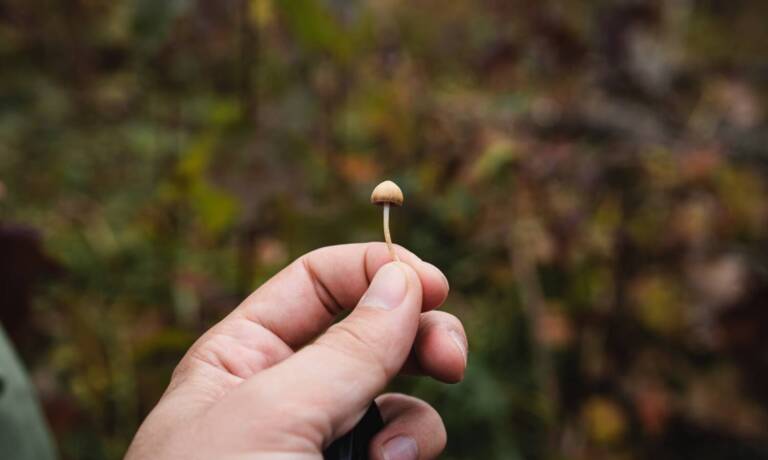
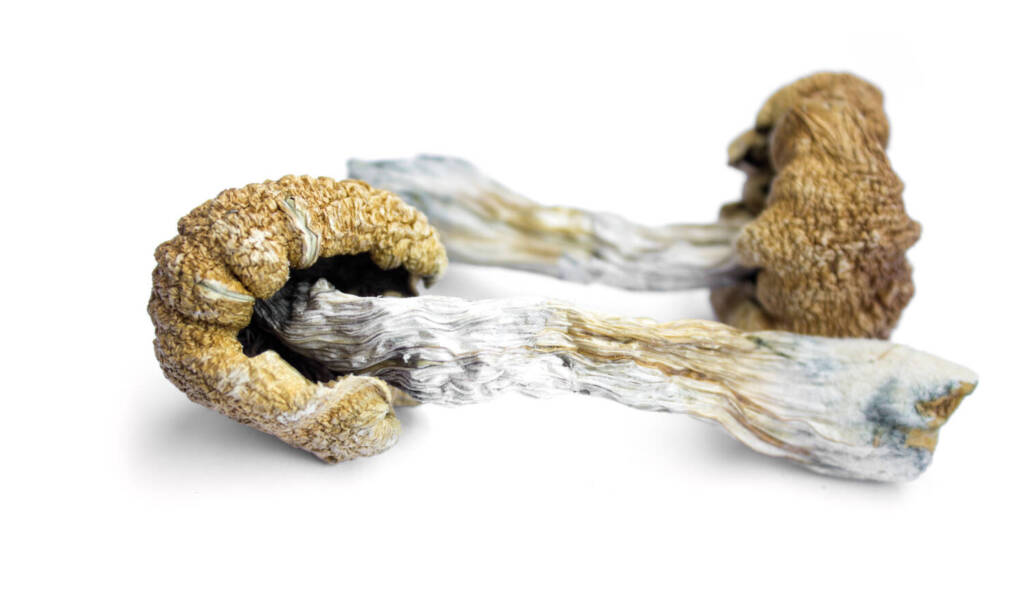
Adding to a wave of psychedelics legalization measures that are sweeping across the American Northwest, lawmakers in Washington State introduced a bill that would create a state-licensed program to provide medical treatment with psilocybin, the active compound in magic mushrooms.
The Psilocybin Wellness and Opportunity Act would legalize “supported psilocybin experiences” for adults 21 and older, who would be allowed to consume products containing psilocybin and psilocin, under the support of a trained and state-licensed service administrator, Marijuana Moment reported.
Photo by Zhifei Zhou via Unsplash
In October 2021, Seattle, the largest city in the state and northwest region, decriminalized the possession and personal use of natural psychedelic substances, launching a trend that is now expanding across the state.
The legislation echoes a program launched in 2020 by neighboring Oregon, where a ballot bill allowed for the creation of a state-licensed psilocybin therapy program which is now in the final stages of its two-year set-up period.
Photo by Oksana Smith / EyeEm/Getty Images
In Washington, patients would be referred to a licensed service center and those with limiting medical conditions could qualify for psilocybin treatment at home.
“This is a practice as old as humanity itself and it is time to incorporate this opportunity to heal into our toolbox here in Washington state,” Senator Jesse Salomon, one of the bill’s sponsors, told Marijuana Moment.
People on social media have discovered that doing this might increase the accuracy of at-home COVID-19 tests.
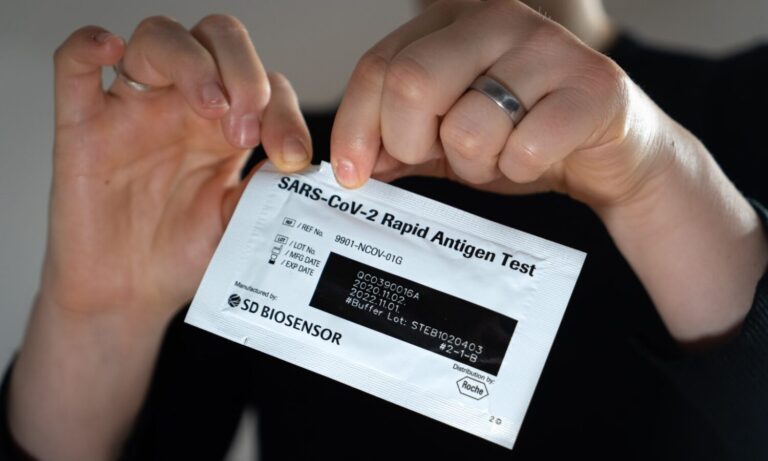
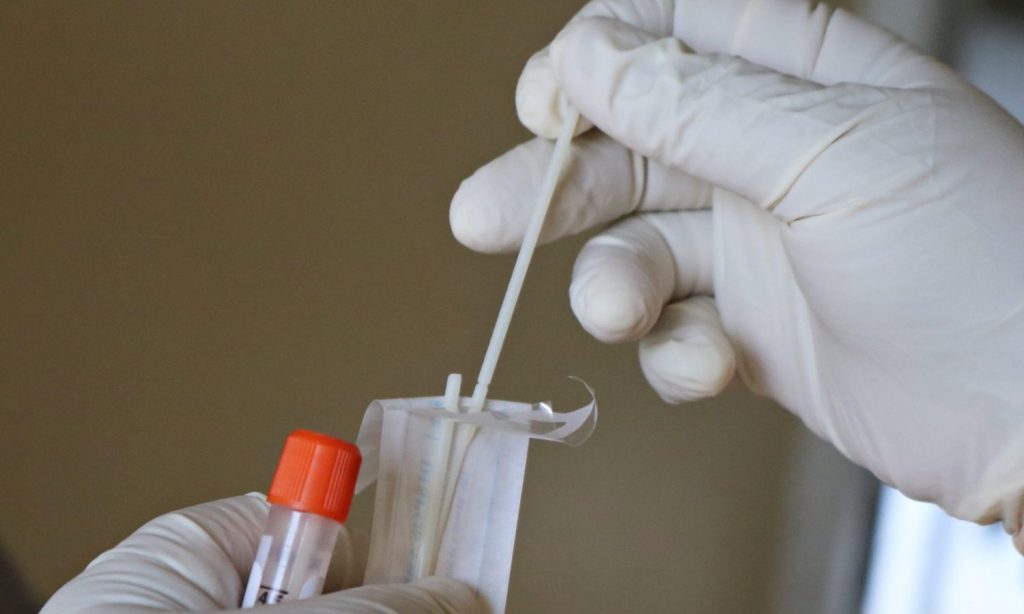
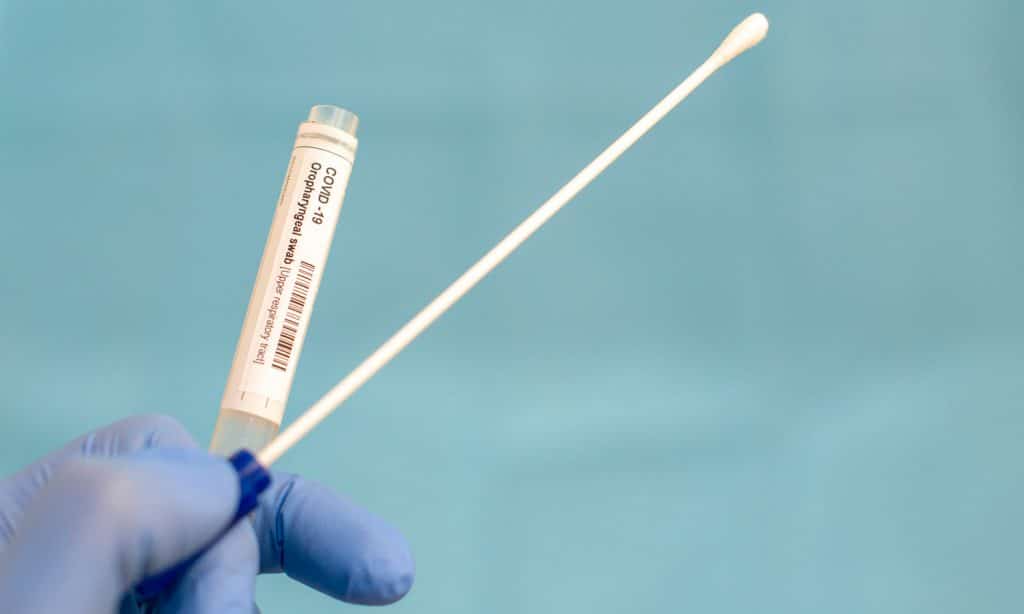
COVID-19 cases are on the rise, with the Omicron variant having most of the country under its grip. While states are clocking in wild numbers of COVID-19 cases, a trend on social media shows that, when it comes to the Omicron variant, a throat swab might provide more accurate evidence than a traditional nose swab.
While this unofficial way of testing for COVID-19 is not approved by health experts, infectious disease experts don’t find these results surprising, especially if the person who’s getting the test has a sore throat.
When speaking to Insider, disease experts suggest swabbing the throat first and then the nose when doing at home COVID-19 tests. “If you were my friend, I would say to you, ‘Yeah, I would suggest that you swab your throat first and then your nose,'” said epidemiologist Irene Peterson. If the test comes back positive she suggests getting a PCR test just to confirm.
Nose swabs have been the traditional way to test when discussing respiratory viruses, but the Omicron variant might be different, changing the way in which the virus replicates in the body. A December study from South Africa showed that saliva tests were able to pick up on 100% of Omicron cases; nasal swabs were able to detect 86% of them.
Omicron cases are a bit different than previous COVID-19 infections, with one of the most prominent and earliest symptoms being a sore throat. This suggests that people’s throats might be the place where there’s a higher viral load. Then there’s also the fact that a lot of people are vaccinated now, taking longer to develop nasal symptoms and resulting in false-negative nose swabs.
If you want to be as sure as you possibly can of your COVID-19 status, a throat swab won’t hurt. Allergist Purvi Parikh told the Huffington Post that she suggests avoiding eating, drinking, or brushing your teeth for 30 to 60 minutes before your throat swab.
It’s important to remember that at-home test kits were designed for the nose canal, and to be careful when swiping your throat. Open your mouth wide and gently swipe across the back of your throat, from tonsil to tonsil for several seconds. Try to avoid touching your mouth, teeth, and tongue. You can then proceed with your traditional nose swab.
Kansas Democratic leaders announced on Thursday that they will be introducing proposals to let voters decide on legalizing medical and adult-use marijuana in the state, reported Marijuana Moment. House Minority Leader Tom Sawyer (D) and Assistant Minority Leader Jason Probst (D) held a briefing on the plans.
“It’s time to give voters their opportunity to have their say and let the legislature know how they feel,” said Sawyer, noting that Republicans have had “very little interest in passing any sort of marijuana reform.”
Photo by FatCamera/Getty Images
Probst added that he was eager for people in Kansas to enjoy the same benefits as residents in other states.
“We are an island. We are surrounded by states who provide for their residents the things that they want,” Probst said. “And Kansas, leadership in this building, has decided they know better than Kansans what they should have.”
If approved in the legislature and then by voters in November, the laws would take effect in July 2023.
In May 2021, after many meetings to review a plethora of amendments to a medical cannabis legalization bill, a Kansas House Committee passed an overall measure, in a 13 to 8 vote. Sawyer said he was “hopeful” that the bill will be taken up and advanced through the Senate in 2022.
There’s a lot of misconceptions regarding CBD. Here are some things CBD won’t help you achieve in the new year.
CBD is a great cannabinoid, capable of treating the symptoms of a variety of conditions. There’s scientific evidence that shows that CBD can have a positive impact on complex conditions like fibromyalgia, sleep disorders, muscle spasticity, and more.
Over the past couple of years, CBD has become so prominent that it’s now being added into all sorts of things, from supplements to pet products. While the benefits of CBD are there, some companies are stretching them in far-fetched directions. It’s not a miracle cannabinoid, and it helps to have this mentality when first seeking it out. Here are 4 things CBD won’t help you achieve in 2022.
It won’t replace medicine
Photo by Erin Hinterland via Pixababy
While CBD might help treat symptoms of a condition, it’s not medicine and it likely won’t resolve a medical condition on its own. Claims that CBD helps reduce anxiety and improve sleep might have some merit, but claims that CBD cures cancer do not.
There’s moderate evidence that indicates CBD is helpful for treating anxiety, inflammation, and some forms of pain. Depending on the method of consumption, it can be ingested orally or applied topically, targeting different areas of your body. Do some research before you purchase, knowing why you’re buying the product and whether it will be effective or not. You should be extra careful considering how crowded and confusing the CBD market is. This guide can help.
If you want to get high, look elsewhere. While CBD can make you feel relaxed and loose, which is very pleasant, it’s not a psychoactive compound, meaning that your head will stay in its place. Still, a variety of CBD products contain small amounts of THC in order to boost their effects; if you consume a lot of these, you might feel a little high.
CBD functions differently than THC; it needs to build up in your body before you experience its full range of effects. The first time you use it, you might not experience an effect at all. Play around with it, keeping track of how you feel and giving it a few days of usage and playing around with the dosage.
Want more information on what CBD can and can’t do? Here are some recommended stories:
Lemonati Family Farms, a Michigan cannabis company, is releasing a new line of strains to help raise money and awareness about people behind bars for nonviolent cannabis offenses. The “Defiance!” series will use $1 from the sale of each item to support Freedom Grow, a nonprofit 501c3 that helps free cannabis prisoners, reported metrotimes.com
The strains are named after positions within the cannabis industry — “The Caregiver,” “The Grower,” “The Patient” and “The Plug.”
These are sold in cardboard milk cartons with a QR code on them that can be scanned to pull up the stories of each cannabis prisoner.
“Freedom Grow is thrilled to announce our relationship with Lemonati Family Farms,” Freedom Grow vice president Randy Lanier said in a statement. “We are grateful for their compassion, kindness, generosity, and willingness to pay it forward. It is a blessing to the many families still suffering from this failed War on Drugs.”
The Lemonati Family Farms’ website further explained:
“As states continue to legalize cannabis, there are still thousands of people in prison for nonviolent cannabis offenses. With your purchase, you are supporting a cannabis prisoner potentially facing a de facto life in prison.”
The Caregiver is a cross of strains strawberry shortcake and sunset sherbet, delivering three main terpenes that give cannabis its unique fragrance and flavor and different potential therapeutic benefits. Myrcene (found in hops, responsible for the peppery, spicy, fragrance in beer), Limonene (commonly associated citrus aromas), and Caryophyllene (with a spicy aroma, similar to cinnamon and cloves). ‘The Grower‘ strain comes from a cross between Zkittlez and Wedding Cake, two famous strains, delivering terpenes such as Myrcene, Caryophyllene, and Alpha-Pinene (delivering piney, floral, turpentine fragrances).
Perhaps you need to do some research about the brands you’re consuming and find out if the parent companies are allies of cannabis or simply allies of profits.
Someone once told me that the only true power the people ever had was where they spend their money. In other words, the consumer’s true power lies in their choice of supplier. In more simple terms, if there’s no one buying your stuff, you’re not making any money.
This is a consumer super power and while individually it might seem that one person’s action could not possibly make any significant impact on a business. The truth of the matter is that even if one person “finds a reason not to buy” from a particular brand, it could mean that “other people” could also find other reasons. When enough reasons to avoid a particular brand is adopted in the marketplace, a business essentially dies due to a lack of revenue.
Photo by Hillary Kladke/Getty Images
This is something that we as cannabis consumers should keep in mind as we enter into a new era of cannabis. While the victory for legal cannabis is still being fought on a federal level, big corporations are swooping in on the local legalized landscapes trying to gobble up the market before anyone else can get a chance to participate.
Companies like Acreage Holdings, where a Mr. John Boehner — former Republican Speaker of the House of Representatives and a staunch opponent of cannabis who flip flopped for a board position in the company — are suing local governments in order to keep them from creating “local residency clauses” within cannabis legalization. Essentially, these clauses would mean that a license holder would have to “have lived within the area” for a set period of time to quality.
This would immediately make it impossible for big conglomerates such as Acreage Holdings to operate within these areas. This is why last year they sued the district of Maine over these clauses as reported in Forbes:
A federal judge in the District of Maine ruled that residency requirements violate the U.S. Constitution’s dormant commerce clause, which reserves the power to regulate interstate commerce—which, even though interstate cannabis is illegal, extends to marijuana—to the federal government.
While Constitutionally speaking, Acreage Holdings does have a legal case and would probably win in the court of appeals, too. The point is that big faceless corporations tend to try to circumvent or bend the rules to suit their favor, and to think that within the realm of cannabis it would be any different would be naïve to say the least.
This brings us to the initial point: the super power of the consumer!
Ethical Cannabis Buying
You can’t blame a shark for mistaking a human for food when the human is swimming where the shark eats. Nor can you expect Wall Street millionaires to do ethical business practices when they can strong arm the law to their favor. Therefore, the responsibility of consumption lies squarely on the shoulders of the consumer — you should not be comfortable with buying weed from companies that places profits above people.
Making sure where you source your weed from should be a concern to you these days. While I’m not saying that corporate weed is a bad thing, I think that there could be plenty of benefits from a corporate cannabis company that spends money on R&D to create products catered to a wide demographic. However, these companies need to adhere to an ethical standard.
Photo by Tima Miroshnichenko from Pexels
We are currently in a major transition within society and within this transitory moment we have the opportunity to rewire the system entirely. This includes how we interact with businesses as consumers. If you find out that a particular company is mistreating their employees or another cannabis company is cutting corners, then it should be your duty as an ethical consumer to cease to consume their products.
As mentioned, this might not be enough to do any significant damage on an individual scale. However, you would be surprised to see how many people follow suit when they learn about the reasons of your personal boycott.
“Hey man, we should totally buy these!”
“Nah man, f’ that brand!”
“Huh why?”
“Well, they Xed, some Ys, in the Zs…”
And just like that, you begin a domino effect and create revenue disruption against the offending brand. It truly is the most effective way of taking action against corporations that violate social trust or try to game the system.
This is why it is important to be informed about the products you purchase. To blindly trust the corporations on any of the products they sell you is an ignorant approach to being an ethical consumer. The fact of the matter is that many of us still buy shit when we know it’s tainted with human suffering — as long as it’s fast and cheap, a little bit of suffering goes a long way!
Photo by Zummolo/Getty Images
However, when it comes to your weed – there is a sense of purity you’ll want to keep within the marketplace. If we leave cannibalistic corporations to dominate the cannabis marketplace, we’ll eventually end up with a handful of Monster Corporations with hardly any local competition. When that happens, these big corporations will try to buy up intellectual property and make it virtually impossible to make your own strains or competing products.
They will do this by lobbying to change laws and to make the legal point of entry into the marketplace unsustainably high so that the average Jane and Joe could not possible consider investing into the market.
Therefore, if you don’t like Big Corporations coming in and date raping the cannabis industry, perhaps you need to do some research about the brands that you are consuming and find out if the parent companies are allies of cannabis or simply allies of profits.
I’m not saying you should boycott or not — that is entirely your decision. However, you should be making those decisions as informed as possible.