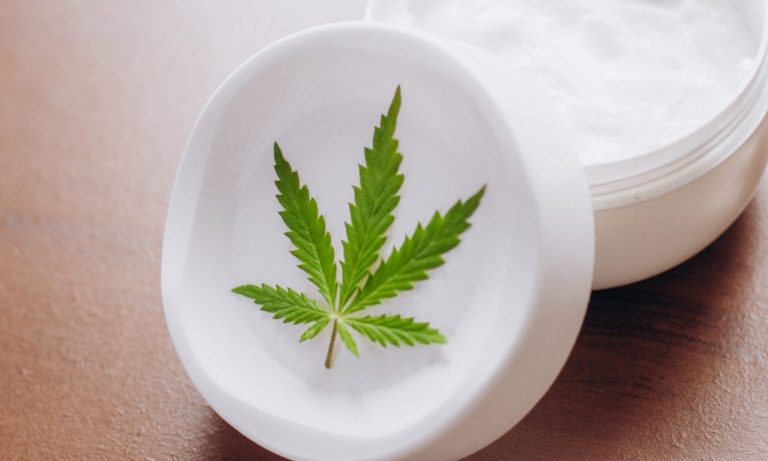
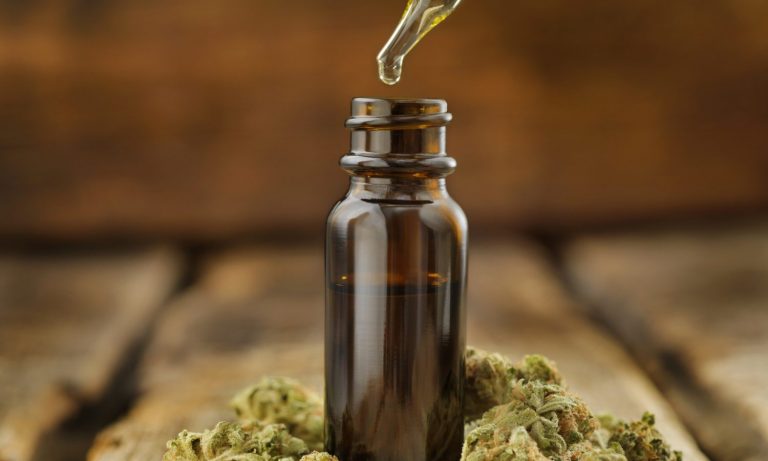
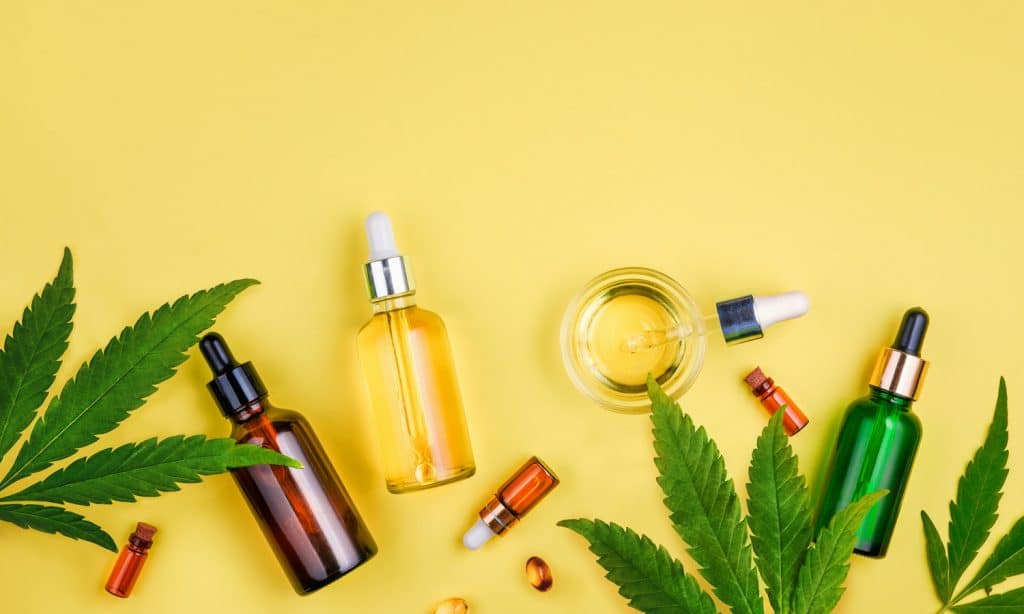
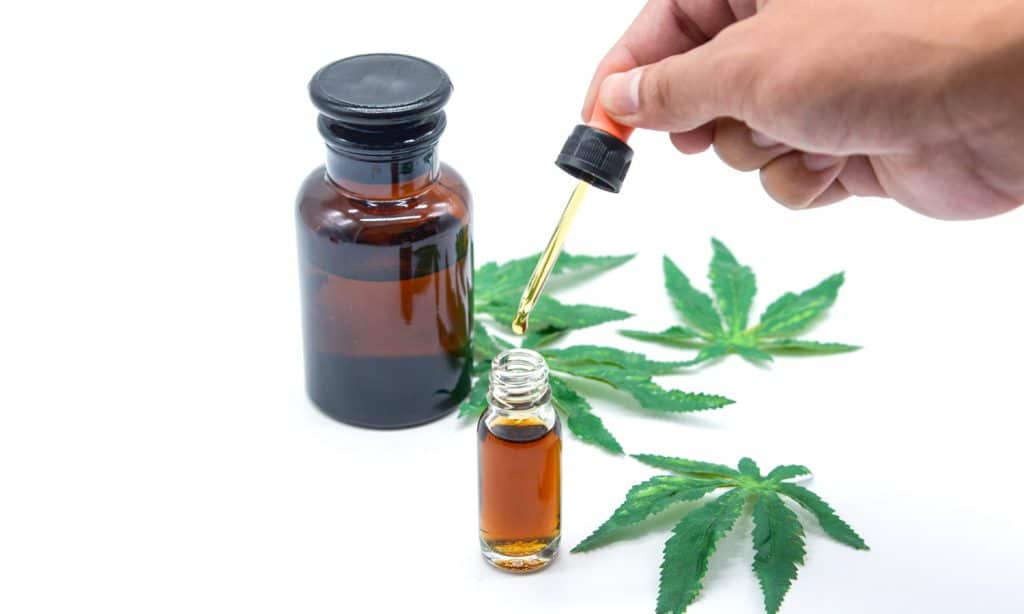
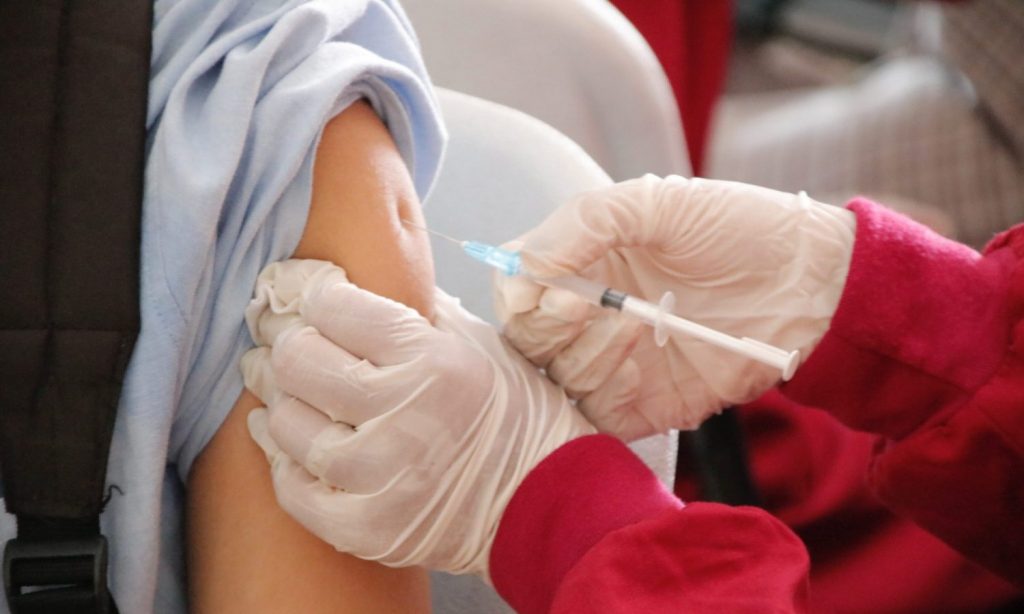
Applying CBD directly to the skin allows cannabinoids to attack problem areas directly at the source, which is why the majority of users treat CBD topicals as medicine.
By now, most people are probably familiar with CBD gummies and vapes, but topicals are slowly beginning to gain popularity, too. They’re easy to find and come in a variety of different forms, from lip balms to lotions. But what are CBD topicals and why the hype?
Although the CBD market is currently unregulated by the FDA, CBD products became federally legalized following the passage of the 2018 Farm Bill, which legalized the growing of hemp nationwide.
Since then, the market for CBD topicals has been hot and shows no signs of slowing down. The question is whether or not they’re worthy of all the buzz.
Photo by vadimguzhva/Getty Images
What Are The Ingredients?
CBD topicals typically contain a base of essential oils along with a mix of CBD extract and other plant extracts. There are two types of CBD topicals consumers should be aware of: full-spectrum and broad-spectrum. While full-spectrum products consist of the full plant, and all its natural chemicals, broad-spectrum CBD products contain everything except the THC contents present in full-spectrum products.
When it comes to CBD lotions, it’s not uncommon to find that many of them are similar to every other type of lotion that’s already on the market. They feature ingredients such as aloe vera, shea butter, and almond oil to provide a soothing experience that also possesses qualities that complements a skincare routine.
How Does It Make You Feel?
As is the case with most cannabis-related products, images of CBD topicals may lead the mind to consider them simply as nothing more than skincare products for stoners, but the reality is that they have no psychoactive effects whatsoever. While the case is likely different for THC topicals, applying CBD topicals won’t lead to a consumer getting high. Even full-spectrum CBD topicals contain less than 0.3% THC content.
The reality is that many people use CBD topicals for medicinal purposes (research pegs that number at 62%). CBD balms are effective when it comes to treating a number of medicinal conditions like chronic pain because applying it directly to the skin allows cannabinoids to attack problem areas directly at the source.
Who Should Use CBD Topicals?
CBD topicals can come in handy for numerous people, such as those who are suffering from arthritis or anyone on the lookout for a new moisturizer. CBD topicals solve a wide range of problems for people, which is one of the contributing factors in their rise in popularity in recent years. Additionally, they’ve even shown evidence of helping people who suffer from serious skin conditions like eczema and psoriasis.
The bottom line is that if you know yourself, you’ll always adjust accordingly to optimize yourself for maximum enjoyment/efficiency at life.
Why do you consume cannabis?
This question can be answered in many different ways depending on whom you ask. Someone with a medical condition could be using cannabis to tolerate the aches and pains of their illness. A recreational user might be using it to “blow off some steam” at the end of the week (i.e stress management). Others might be using it for religious or spiritual purposes.
The reason why we do anything is something we should all be consciously aware of. If you don’t understand why you are doing a particular activity or believing in a particular truth, then you’re running blindly in this ever changing world. We all have our assumptions.
Photo by PhotoAlto/Sigrid Olsson/Getty Images
Within the psychological community, understanding the “why” can inform researchers on the motivations of users, which could help them in various ways I suppose. Perhaps they need this data for intervention programs, or to understand the social context of cannabis. Nonetheless, it’s been a question that has been plaguing researchers for a while now.
Psychology Todayrecently published a blog that dealt with this very issue. They took data from four different studies attempting to solve this riddle and published some of the findings. In this article, we’ll be taking a closer look at the studies as well as the conclusions made by the researchers.
This will allow us to reflect on the data and compare our own motivations for consuming cannabis. While you may not agree with what will be discussed – bare in mind that these papers are typically based on secondary research. In other words, they rely on surveys and data collected from other sources which they use to build a “picture” of the average consumer.
College freshman motivations
Age does play a significant role for motivation. College freshmen will make drastic different decisions based on their social environment compared to a 38-year-old professional. And this 38-year-old will make completely different conclusions than his 65-year-old boss.
“The most frequently reported reasons included enjoyment/fun, conformity, experimentation, social enhancement, boredom, and relaxation. Regression analyses revealed that experimentation was consistently associated with less use and fewer problems whereas enjoyment, habit, activity enhancement, and altered perception or perspectives were associated with heavier use and more problems.”
Of course, when we’re looking at the paragraph above we see that there are six main categories which casts a wide net. Many college entering youth have already experimented with cannabis. These would be people who enjoy consuming cannabis simply for the act of “feeling high”. We could probably clump them together with the “problematic use group”.
This is because the test was designed by addiction “specialists,” and they associated elements such as socioeconomic status with these groups. This creates a subtle suggestion that those who enjoy smoking weed or who does it to “alter their perception” are typically people who are “worse off” than those who are simply experimenting.
Photo by Alexis Brown via Unsplash
In my experience, when people are experiencing “tough time” they do tend to use cannabis at a higher rate to cope with the increase in stress. Some might argue that this creates a dependence on cannabis. But when a person’s life turns around, their behavior changes as well. A snapshot from a survey would never be able to capture the depth and subtle nuances of life.
Social acceptance was another high ranking category in this age group and it makes sense. When you’re finally “out of the nest”, you need a conduit to engage with other people. If people are smoking weed, you may feel slightly more inclined to try it to “fit in”.
Of course, this is one of the dumbest reasons to consume cannabis, but I’m sure many people also use it to deal with social anxiety. After all, they are now “out on their own” or at the very best, “away from their parents” and have to make “adult decisions”. This can all be very scary, and weed can definitely be a means of working through this.
Typically, people wane off of heavier consumption after college, when real life happens.
Adults who smoke weed for a long time
Another study looked at older demographics trying to understand their motivations for consuming cannabis. Not surprisingly, there is a far more nuanced list of reasons than the college aged demographic. According to researchers:
“Top reasons for use pertain to relaxation and enhancement of recreational activities followed by coping with stress and anxiety. The frequency of respiratory and throat problems attributed to using cannabis underscores the perceived risk of pulmonary damage due to long-term heavy use. Whereas concerns about use levels nonetheless overshadowed other dependency indicators, including concern for personal health, however, no association was found between amounts nor frequency of use and the number of DSM-IV items reported by respondents. Users acknowledged and accepted the potential for dependence, adapting use levels accordingly when seen as problematic.”
Here’s a quick view on the other reasons not listed in the paragraph above;
As you can see, the list is quite varied, and as we have established in our opening paragraphs, depending on who you ask, you’ll get a different response.
Photo by Matthew Karila via Unsplash
This is because cannabis is a very adaptive substance. Since it helps stimulate the endocannabinoid system — the system that is responsible for maintaining the body in homeostasis — it can virtually help with any of the categories listed above.
However, considering that the three most prevalent of these are relaxation, enhancement of activities, and stress management, we can see two things:
Cannabis is being used as a means for people to unwind
This action of unwinding helps them alleviate stress
It’s pretty much the same as having a glass of wine at the end of a long day at work. There is nothing pathological about this. Even the researchers admitted that, “users are for the most part very self aware of their consumption habits, and alters their behavior when THEY see it as problematic.”
This is because consumption is a subjective practice. Perhaps you can wake up and take a few tokes of weed to get you inspired, while another must wait till the end of the day to unwind.
The bottom line is that if you know yourself, you’ll always adjust accordingly to optimize yourself for maximum enjoyment/efficiency at life.
For researchers, the “why” is still illusive because they look at cannabis use as a pathological activity. This is why it’s compared to the DSM-V all the time, because they think you’re “abusing drugs” when in reality you’re letting go and simply engaging with life. Framing matters.
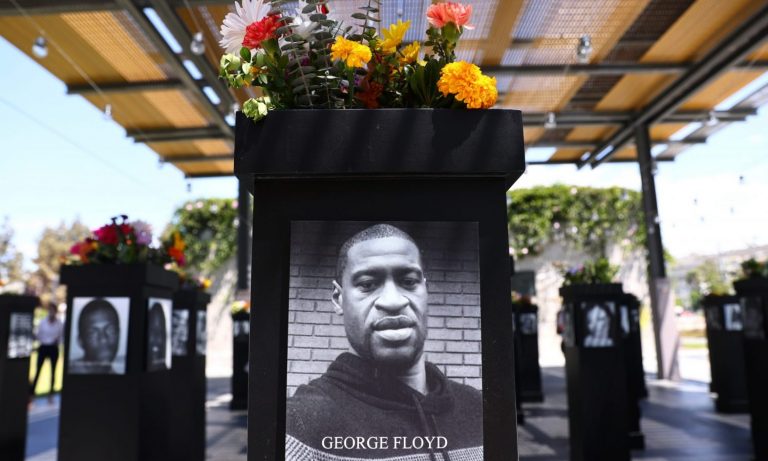
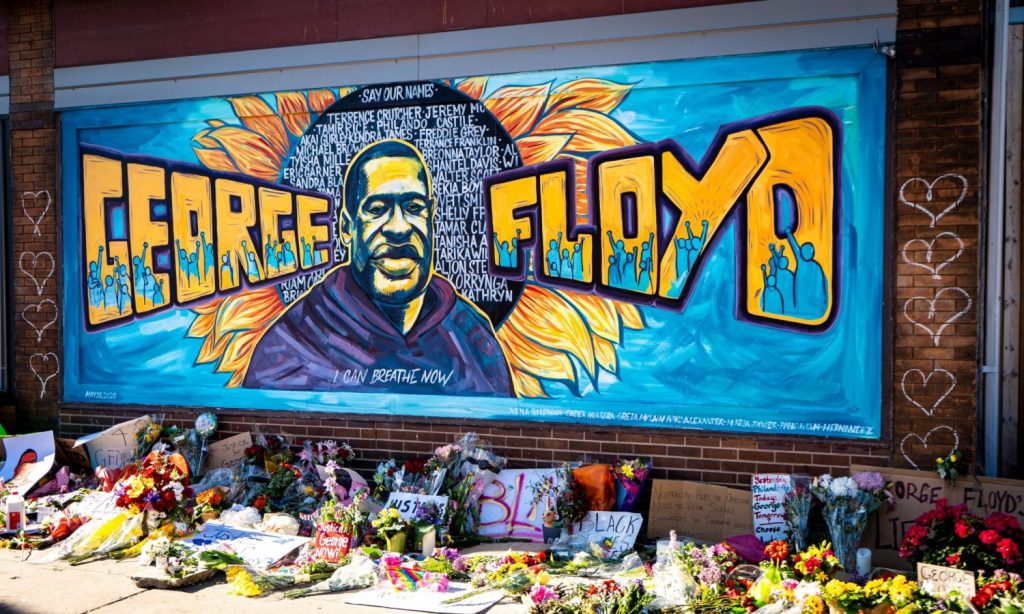
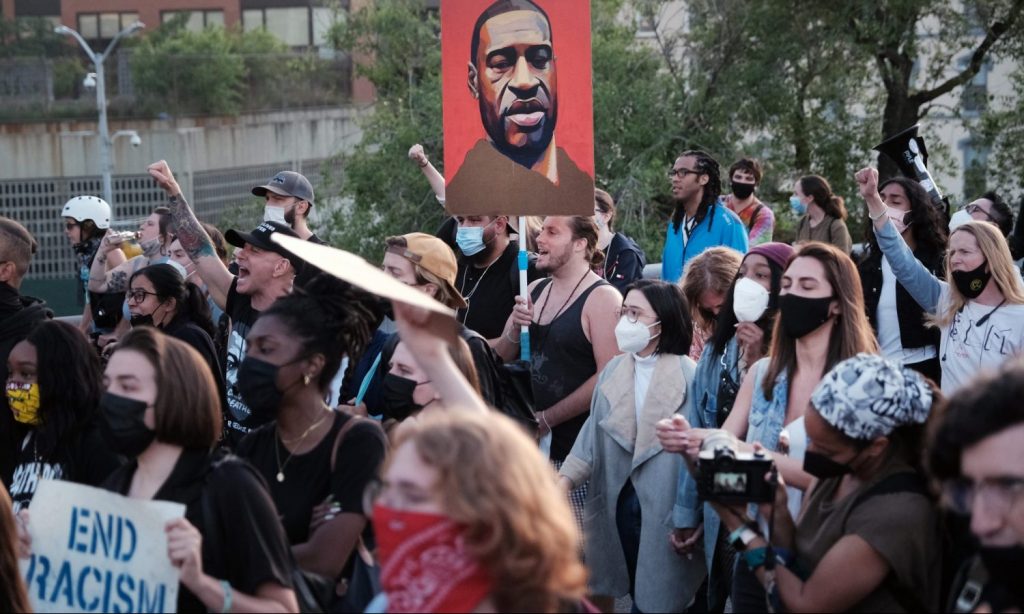
The deaths of George Floyd, Dennis Wayne Tuttle, and Rhogena Ann Nicholas show that the dangers posed by law enforcement through the War on Drugs are still very real and a defining civil rights issue of our time.
Last week the Texas Board of Pardons and Paroles recommended that George Floyd posthumously receive a full pardon for his 2004 drug conviction. Former Houston Police Department (HPD) officer Gerald Goines, who arrested George Floyd in 2004, is currently awaiting trial on two counts of felony murder stemming from a botched 2019 drug raid in which prosecutors allege Goines knowingly provided false evidence to obtain a no-knock warrant.
Since this revelation, more than 160 drug convictions tied to Goines have been dismissed by Texas prosecutors and another 1,400 criminal cases are under review. The unanimous recommendation to pardon George Floyd has been forwarded to Texas governor Greg Abbott for a final decision. The Texas Republican governor must now decide whether to clear the drug conviction that forever changed the path of George Floyd’s life, which ended with his tragic death at the hands of Minneapolis law enforcement.
Photo by munshots via Unsplash
The Effort to Posthumously Pardon George Floyd
Harris County District Attorney Kim Ogg wrote a letter to the Texas Board of Pardons and Paroles in April 2021 recommending that George Floyd receive a posthumous pardon. In February 2004, then Houston resident George Floyd was arrested for allegedly selling $10 of crack cocaine to a police informant who later sold the drugs to officer Goines. The alleged informant was never arrested or identified. Based on officer Goines’ testimony Floyd was indicted, and subsequently convicted and sentenced to 10 months in jail.
District Attorney Ogg’s letter to the Texas Pardons and Paroles Board goes on to explain that in January 2019, officer Goines was involved in a botched drug raid that left two citizens dead and four HPD officers wounded, including Goines himself. Harris County prosecutors now contend that Goines made false statements under oath to obtain the warrant for the raid. Ogg states in her letter to the Texas Pardons and Paroles Board: “Former officer Goines is not credible. We do not support the integrity of Mr. Floyd’s conviction and agree these circumstances warrant a posthumous pardon.”
The Pecan Park Raid & Police Coverup
On January 28, 2019, HPD officers executed a no-knock raid at a home in the Pecan Park area of southeast Houston in search of heroin. The homeowners, Dennis Wayne Tuttle and Rhogena Ann Nicholas, as well as their dog, were shot and killed by HPD officers during the raid. No heroin was found in the home and the “informant” who was the source of the information relied upon in the application for the no-knock warrant could not be located afterward. Goines later claimed there was no informant, and that he purchased heroin from the residence himself.
According to the initial account of HPD officers, the officers shot the victims because Tuttle was armed with a gun and Nicholas was reaching for an officer’s weapon. Families for the victims hired a forensic team to independently investigate the scene. The forensic team found no evidence that the victims fired at the officers but found evidence suggesting that police standing outside the home fired blindly into the residence.
Photo by Spencer Platt/Getty Images
On August 23, 2019, Goines was charged under Texas state law with two counts of felony murder. A fellow officer, Steven Bryant, was charged with tampering government documents for trying to help Goines in covering up the illegal obtained no-knock warrant. Both were arrested by the FBI a few months later in November 2019 with Goines being indicted for federal civil rights violations and obstruction of justice for falsifying government records.
Former HPD officer Steven Bryant would eventually plead guilty to a federal charge of falsifying government records. He admitted to doing so to protect former officer Goines. Bryant explained that during the raid he found the search warrant in the home and realized that Goines lied about making a heroin buy at the residence. Bryant then wrote a supplemental report falsely claiming to have accompanied Goines during the buy. During the attempted coverup Bryant claimed that heroin found in Goines’ car was from the alleged drug purchase, but the HPD now says that the heroin was from a different raid in which Goines also provided false information to obtain a warrant.
In January 2020, a Texas grand jury indicted Goines for felony murder and tampering with government documents. A press release from the Harris County District Attorney’s Office alleges that former officer Goines misrepresented the drug activities of the raid victims and lied about other information that was needed to obtain the no-knock warrant. Goines faces up to 99 years or life in prison for these charges. Since then, six additional former HPD officers have been indicted on 17 different counts relating to their roles in the botched drug raid.
The Continuing Threat of the War on Drugs
Texas Governor Greg Abbott must now decide whether to grant the posthumous pardon for George Floyd. The deaths of George Floyd, Dennis Wayne Tuttle, and Rhogena Ann Nicholas show that the dangers posed by law enforcement through the War on Drugs are still very real and a defining civil rights issue of our time.
Brett Mulligan joined Green Light Law Group in September 2021. He assists the firm’s litigation and transactional attorneys with legal research and drafting. You can contact him at info@gl-lg.com or (503) 488-5424.
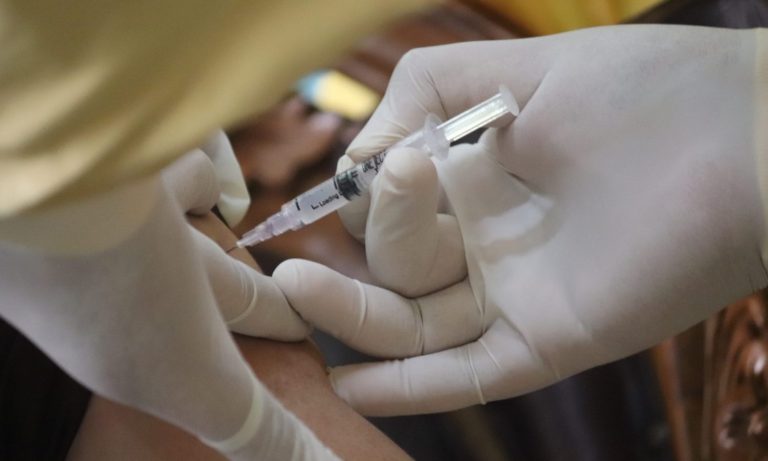
An FDA advisory panel voted unanimously for a round of booster shots of this vaccine, hoping to make it available for people 18 and older.
While booster shots are mostly approved for people over the age of 65 (also those who are immunocompromised or who are at risk of higher exposure due to their jobs), a Food and Drug Administration (FDA) panel recently approved a booster shot for the Johnson & Johnson vaccine.
Per NBC News, the FDA panel’s vote was unanimous and the decision is now expected to reach the FDA soon. They will then decide whether or not to approve the booster within the coming days. If approved, the Johnson & Johnson booster would be available for the 15 million people over the age of 18 who received the shot at some point during the past year.
According to the panel, this vote is warranted due to the Johnson & Johnson vaccine having a lower rate of efficacy. Studies have shown that a booster for these vaccines could increase their protection rate up to 94%. Still, the Johnson & Johnson vaccine wasn’t designed to be a two-dose vaccine. It functions differently than Moderna and Pfizer’s two-dosage immunization.
Despite evidence pointing to the contrary, Johnson & Johnson executives claim that a single dose remains effective, which drew criticism from the FDA. “I think, frankly, this was always a two-dose vaccine,” said Dr. Paul Offit, director of the Vaccine Education Center at Children’s Hospital of Philadelphia.
The Johnson & Johnson vaccine was 72% effective against moderate to severe disease, significantly lower than the 95% rate of protection granted by Moderna or Pfizer. According to data from the Centers for Disease Control and Prevention (CDC), the majority of breakthrough COVID-19 cases come from people who were vaccinated with the Johnson & Johnson vaccine.
If the FDA were to approve this ruling, people over the age of 18 could get their Johnson & Johnson booster within two months after their first shot.
Europe can use the U.S.’s experience as a blueprint to establish a competitive medical cannabis industry and as a lesson to avoid repeating any of their mistakes.
By Mitesh Makwana, Founder and Chairman of AltoVerde
There is no denying that the last few years have seen big strides made in the legalization of cannabis and the growth of a new industry. The U.S. legal marijuana industry was estimated at $13.6 billion in 2019 with 340,000 jobs devoted to the handling of plants, despite the plant being illegal under federal law as a Schedule 1 drug. Furthermore, a total of 35 states and the District of Columbia have legalized marijuana for medical use, 16 of which allow adults to legally use the substance for recreational use as of April 2021.
As for Europe, since the beginning of 2019, there has been a flurry of activity in mergers and acquisitions involving companies focused on medical cannabis in Europe with values above €5m. In total, north of €100m of new money has been invested in medical cannabis-focused companies across Europe over the past 18 months. While this represents a sharp increase compared with the period before 2019, Europe is still far from the levels experienced in North America. This article will address the key lessons that Europe can learn from the U.S., in order for its medical cannabis industry to reach similar heights.
Photo by Bet_Noire/Getty Images
Legal and Regulatory Landscape
As the U.S. cannabis industry has grown and evolved over the years, it has had to continuously adapt to an ever-changing landscape. Much of this landscape relates to the legality of the drug, as different states within the U.S. have different laws regarding the legality, use, distribution, and growth of the substance. While cannabis remains illegal at the federal level, a growing number of states allowed the growth of cannabis companies thanks to local legalization decisions at a state-level. This has made it very difficult for cannabis entrepreneurs to start and grow their businesses and has also acted as a deterrent to investors thinking about entering the industry. This extremely unpredictable regulatory framework has made the U.S. cannabis industry very hard to navigate.
Even if cannabis companies establish themselves in a state where it is legalized, they must still tackle a myriad of legal and financial barriers. One consequence of this is that many companies have been forced to raise capital from Canadian investors since Canada has already legalized cannabis and found a suitable structure to facilitate the industry’s growth.
If European governments are to build an efficient and high-growth medical cannabis industry for both companies and investors, they must establish a universal and easily applicable regulatory and legal framework. This framework should also be adopted into UK legislation to avoid cross-border complications. Europe should also ensure that the industry is accessible to a broader demographic and establish simplified regulations to prevent smaller companies from going bust to the benefit of a monopoly.
Regulate Taxes Appropriately
For the European legal cannabis industry to not only thrive, but drive out the illegal market, taxes must be kept at an affordable level. If taxes and, subsequently, the total cost of legal products are too high, consumers will continue to source from alternative sources and unregulated markets. By August 2018, California fell $100 million short of its projected annual tax revenue following marijuana legalization. It isn’t a coincidence that California has high marijuana taxes. An eighth-of-an-ounce (approximately 3.5 grams) that would cost $40 on the black market is around $70 in stores. Setting a lower tax revenue will serve the legal industry tremendously, attracting new consumers and driving out illegal sellers for good. Once the illegal market dries up, taxes can be reevaluated to ensure the legal cannabis industry remains sustainable.
To capitalize on legalization, Europe should stay clear of 40% taxes on medical cannabis, which is what they were in some part of California before reforms. As is predictable, high cannabis taxes encourage consumers to return to the black market. Conversely, levying high taxes on cannabis businesses, rather than on the consumer, can short supply. An earlier iteration of Washington state legislation levied 25% tax on cultivators, producers and retailers.
Photo by boonchai wedmakawand/Getty Images
Scale Strategically
Maximising production is, in and of itself, not a viable strategy. Cannabis producers will need to strategically differentiate themselves from their competitors to optimize production and establish a consumer base that will drive their business. By moving away from a trial-and-error model and refining product through scientific research, companies will be able to focus on product development that will set them apart from their competitors. Meeting a certain standard of product quality will also be key in standing out in a new market; measured against the growing number of high-quality cannabis products that will flow into the market, low-grade, mass-produced flower will be increasingly difficult to sell.
Access to Banking
If European governments succeed with the legalization of cannabis, the next area to be addressed, and possibly the one that will play the largest role in the industry’s growth, will be banking. As it stands right now, in most states in the U.S., cannabis companies cannot access banking services, blocking their access to much needed financing and investment opportunities. Opening banking up to European cannabis companies will also be paramount to seeing more cannabis companies make their entrance on the stock market, opening them up to the kind of investment that will kickstart innovation within the European cannabis industry. Only when cannabis is legalized across the whole of Europe, will investors gain the necessary confidence to accelerate the industry’s growth and drive innovation to reach the industry’s full potential.
It is imperative that all interested European parties, from banks and investors to longtime industry professionals and those with a keen eye on entering the industry for the first time, take note of the path forged by the U.S. as well as their missteps. Europe can use the U.S.’s experience as a blueprint to establish a competitive medical cannabis industry and as a lesson to avoid repeating any of their mistakes.
How do both plants interact and compare, and why are marijuana businesses interested in this synergy to create a wellness product?
If you have been paying attention to the fitness market, you must have heard of the term “functional fitness.” This term refers to training your body for the activities you perform daily. There’s also “functional nutrition,” a philosophy that boosts the utilization of food as medicine to avert and alleviate dietary and lifestyle-related illnesses.
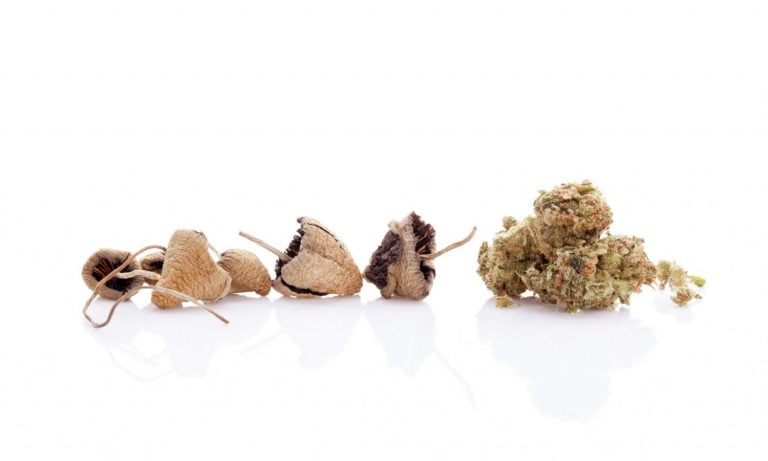
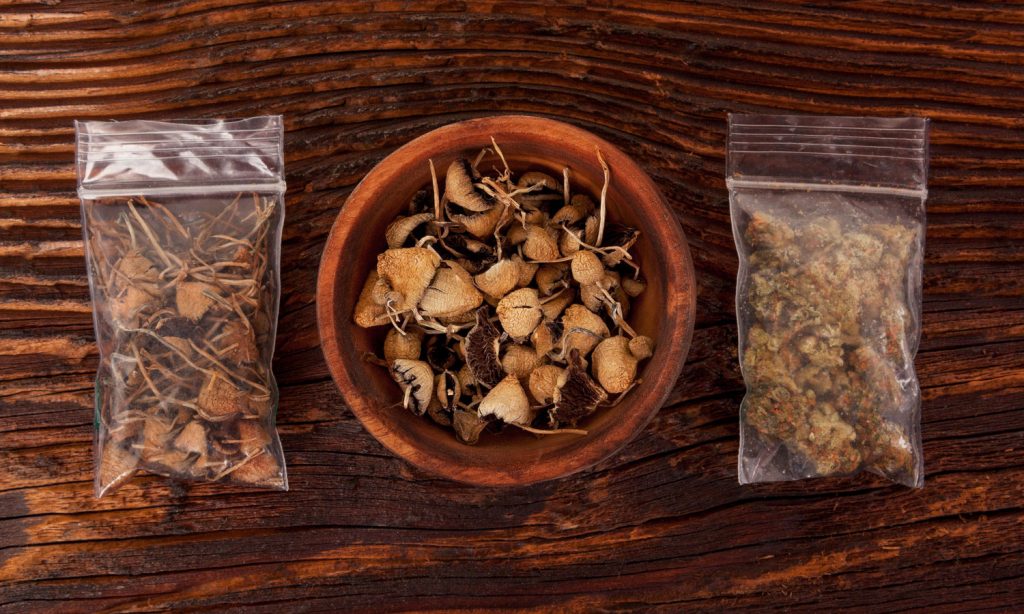
Within the last weeks, if you have walked down the aisle at Whole Foods, you would have seen “functional mushrooms” that contain beneficial substances that will positively affect your health. These are multitasking mushrooms that are beginning to appear everywhere, from candy bars to coffee. Initially, they were highly competitive against cannabis because of the way they took over the wellness industry.
However, numerous companies are beginning to blend together medicinal mushrooms, CBD and THC, leading to a super supplement, products for health-conscious consumers, and edibles.
Photo by eskymaks/Getty Images
Beyond Cookies
Cookies is an international marijuana brand that introduced Caps, a 3-in-1 capsule that mixes non-psilocybin fresh medical mushrooms with marijuana compounds. The mushrooms in the Cookies formula are high in ergosterol, beta-glucans, and full-spectrum. They are also grown to fullness, offered by mushroom extract manufacturer Nammex, and encapsulated by Blue River.
However, Cookies is not the only business venture mixing mushrooms with marijuana. TerraVita also offers two formulations: Shroom capsules with a mix of mushrooms and CBD and Relax CBD capsules. The TerraVita’s Shroom’s mix is rich in cordyceps, reishi, and lion’s mane in a distinct formula that boosts the immune system. The combination also relieves stress, works with a mixture of reishi with ayurvedic herb, ashwagandha and L-theanine to restore the body to a healthier state.
Additionally, Pantry’s Good Day Bites is also getting a lot of attention for their collection of bites rich in 1:1 THC: CBD with other functional mushrooms and adaptogens. The company desired the reached out to doctors, nutritionists, and Michelin star chef, Michael Magliano to create a collection of medicinal treats. The collection includes Cacao Keto Bites and Nite Bites that are rich in cannabinoids such as CBN and CBD.
At the Pantry website, you will find a dosage calculator that enables customers to calculate how many chocolates they can consume to get the good vibes they desire. Other companies like HempWorks, 7 Wonders Mushrooms, and Buddha Teas utilize functional mushrooms to create optimal health products. Additionally, more companies are joining the trend because it is now evident that cannabis mushroom products have the “hit” factor.
Photo by Taisiia Shestopal via Unsplash
Consumers will see more of such products that symbolize the collaboration between marijuana and functional mushrooms. Scientists are already researching it to keep up with the demand, and with a growing cannabis community, it is evident that these products will soar.
So what is the connection between mushrooms and cannabis? How do both plants interact and compare, and why are marijuana businesses interested in this synergy to create a wellness product?
Connection Between Mushrooms and Cannabis
Using cannabis and mushrooms depends on the kind of cannabis being used and the timing for your usage. The combination of mushrooms with CBD-based marijuana strains reduces certain uncomfortable feelings like anxiety and nausea, which happens to some people when they take only mushrooms.
However, things get interesting when you combine THC-rich strains with mushrooms, as you will increase the intensity of your marijuana experience. You may experience highly intriguing thought patterns with improved visual and auditory imaginations. This intensity may make you a little bit uncomfortable if it is your first time, but as time goes on, you will get used to it.
So if you discover that marijuana eases your anxiety and nausea, then using it before taking mushrooms enables your body to feel highly comfortable. However, if you are new to mushrooms, it is better to avoid utilizing marijuana. Before using it, you need to ensure that you have a clear-cut idea of how mushrooms affect your body.
When you use cannabis, when the effect of the mushroom kicks in (this should be 2 hours after consumption), the cannabis can boost the intensity of the experience. But when used 3-4 hours when the mushroom’s effects start to fade, marijuana can extend the experience.
Photo by Hector Roqueta Rivero/Getty Images
There is so much revenue and growth to be discovered from the cannabis industry, and one of the complementary sectors to explore is the “shroom boom” part of the psychedelic market. Mushrooms are already playing an integral role in pushing the cannabis industry forward. If you are an entrepreneur who wants t0 successfully launch into the cannabis sphere, this is a sector you should consider.
Mushrooms and cannabis have become a permanent fixture in the marijuana industry; they play a complementary role. Given what they offer customers, you will be making quite a lot of money should you invest. If you are growing cannabis for personal uses, then consider learning more about the mix of cannabis and mushrooms for a more exhilarating feel.
Although they are mainly used separately, cannabis and mushrooms spark creativity and offer you new perspectives. But when used together, thought you may feel uncomfortable at first, you will assimilate.
As more people call for legalizing cannabis, they are also calling for the legalization of psychedelics to give opportunities to adults who want to enjoy it for recreational purposes. Please educate yourself about this new synergy, know its benefits, and how the substances affect your health. The cannabis industry is ever-evolving. To remain abreast with new products, combinations, and initiatives, you’ve got to constantly lookout for information like what is contained in this article.
Bottom Line
Within the last few years, there has been an increase in the number of products churned out from the cannabis industry. In fact, if you have been following the trends, you will find that more products are a mix of cannabis and wellness substances that have become customer-favorites. If you are keen on experimenting with these new marijuana trends, give cannabis-mushroom products a try.
When applied to seniors, the plant’s effects can treat a variety of symptoms that affect them, including libido.
Cannabis and its effect on sex is a topic that is often discussed. But cannabis and its effect on the sex lives of seniors doesn’t get nearly as much coverage, but it should.
The range of which cannabis can affect someone’s sex life is wide, from simply helping people feel more turned on, to opening the mind to deeper intimacy and promoting mindfulness. When applied to seniors, cannabis can provide an even larger influence, offering relaxation and increased libido, while also treating symptoms that naturally appear as people grow older and their bodies start to change.
Forbes spoke with Ashley Manta, a coach that specializes in the “cannasexual.” She said, “Cannabis is so useful for seniors because it addresses the common things that get in the way of intimacy. For folks whose bodies are aging, one of the more common things is pain. Whether from arthritis, stiffness or an injury, pain can be very distracting when it comes to pleasure.”
She specifically calls out the benefits of topicals, which provide a localized effect and can prevent distracting head highs for those who aren’t used to them. “You can apply them directly to the places that hurt — elbows, knees or hips — and that can take a lot of the edge off,” she said.
Aside from body aches and pains, cannabis also has a variety of lubricants and intimacy oils that can help boost sex, especially post-menopausal women who sometimes experience decreased libidos. These oils can heighten arousal and provide different opportunities for bonding, whether that means an intimate massage or simply something new that couples can try out together.
Cannabis and its use on seniors is a topic worth pursuing and initiating. Studies show that cannabis use among seniors steadily increases year after year, with a majority of people growing more educated on the subject and learning to use the plant to their advantage. Cannabis’s influence can be beneficial for a variety of aspects in seniors’ lives, like treating chronic conditions or providing some escape from stress. Sex is the least discussed of these issues, but it’s just as important.
As more companies continue to get involved with cannabis, there will likely be more products designed to reach a variety of people, including older demographics who want to have sex because it’s fun and healthy, and it makes them happy.
Tinctures are a great way for cannabis consumers to partake in all the relief marijuana provides without the smell or the need for supplies like lighters and ashtrays.
Over the last decade or so as marijuana acceptance has steadily increased, consumers have had an increasing amount of options to choose from as far as method of consumption goes. As opposed to decades ago, nowadays many marijuana consumers can simply take a stroll into their local dispensary to be greeted by a smorgasbord of edibles, cartridges, extracts, and tinctures.
Although they’re relatively new to most cannabis consumers, tinctures are actually one of the oldest ways of ingesting marijuana for medicinal purposes. In fact records reveal before cannabis was deemed illegal, it was a fairly common treatment for both people and pets.
Thanks to the growing acceptance of medical marijuana, tinctures have again become a common method of pain relief. Both CBD and THC tinctures are popular methods for both relieving pain or simply relaxing. From the way they’re made to how they’re injected, marijuana tinctures are probably far from what you’re used to when you think about weed.
Photo by IRA_EVVA/Getty Images
How Marijuana Tinctures are Made
Tinctures are typically alcohol-based cannabis extracts, although sometimes they’re made with vegetable glycerin and oil. They’re made by grinding down the bud, then decarboxylating it by heat. Afterwards the grounded, dried, bud is soaked in high-proof alcohol, in a jar-tightened lid. After it’s been stored, it ideally sits in a cool, dark area for a couple of weeks being periodically stirred or shaken. Before use, any remaining flower can be filtered out using a coffee filter. Once the grounds have been filtered out, it gets transferred into a medicine bottle with a dropper for easy injection.
How to Take Tinctures
One of the great things about marijuana tinctures is the fact that there’s really no wrong way to inject them. They’re also a relatively discrete method of consumption. While it’s common for consumers to simply take them sublingually (underneath the tongue), it’s also common for them to be injected into foods, drinks and desserts. Even though there’s nor right or wrong way to ingest topicals, taking them with food may provide a different sensation than taking it on its own. That’s partly why it’s recommended that consumers who are new to marijuana tinctures may be better off starting with a lower dosage.
Marijuana tinctures are typically felt within the first fifteen minutes or so after ingesting them sublingually. The physical effects should last anywhere from a half an hour up to 3 hours. When they’re taken with food, it’s common for consumers to feel similar effects to that of eating an edible.
One of the reasons it’s suggested for newer consumers to start by taking a lower dosage is because a higher one could lead to unwanted side effects like paranoia and anxiety. By starting off with a lower dosage, consumers can always go back and take more if they’re after a stronger sensation.
Tinctures are a great way for cannabis consumers to partake in all of the relief marijuana provides without the smell or the need for supplies like lighters and ashtrays. Taking that into consideration, it wouldn’t be surprising to see more medical cannabis users trying tinctures as an alternative to smoking or vaping.
As boosters become available for more people, not everyone needs to rush out to get one. Here’s who can stand to wait a little longer.
While COVID-19 boosters are available for certain groups of people (mainly those most vulnerable), and we should all make the time to get our shot when it’s our turn, there are some variables we should consider. Experts agree that the people who are fully vaccinated and have coped with a COVID-19 infection should be last to get their booster.
The Wall Street Journal spoke with several experts who said that this group of people was more protected than the rest since they’ve already had three exposures to the virus (two vaccines, one infection).
“I wouldn’t ask them to get a booster dose. I think they just got it,” said Dr. Paul Offit, director of the Vaccine Education Center at the Children’s Hospital of Philadelphia. While Offit supports boosters for older adults, he believes it’s a bit early for the general public just yet.
In fact, Gary McLean, professor in Molecular Biology in London, said that fully vaccinated people who’ve had COVID-19 may not even need a booster. While vaccines produce an immune response to the virus’s spike protein, producing “spike-specific” immunity, an infection produces a more general immunity, which protects you from variants and more. The union of these two means that these people are very well equipped to battle the virus.
New data suggests that vaccine immunity starts to wane after five months of getting the shot, particularly in regards to the Pfizer vaccine. Still, experts claim that an antibody test might be the most accurate way of determining who needs the booster or not, since everyone’s body responds to the vaccine differently.
When discussing COVID-19, a day by day approach is the appropriate response. It’s important to keep up with the news and the COVID-19 rates in your area, that way you stay protected and know the activities that are safest to do.
While CBD itself is safe for dogs to consume, the booming CBD industry has spawned its fair share of bad actors and shady retailers.
The supplement industry is rife with unsupported health claims, mysterious ingredients, and trending controversies. As most wellness products are unregulated by the FDA, the market can be a bit of a Wild West for consumers, who are pretty much left to rely on their own wits and research.
Over the past year, we’ve talked to dog owners, read enough studies to melt our eyes, and kept up to date with the lead edge of cannabis research. All of which allows us to say confidently that CBD for dogs does indeed work—with some caveats. Here’s what we found.
Photo by Eric Ward via Unsplash
CBD is a legit, bioactive compound
When properly made (extracted from organic hemp and combined with a safe carrier oil), CBD is both safe and legal to consume in the US. Studies on CBD’s toxicity suggest that ill-effects only begin to occur at super-high concentrations of more than one hundred times the recommended amount which is generally 0.2 to 0.5 mg per pound of body weight.
Since the 2018 amendments to the federal Farm Bill, industrial hemp used to manufacture pet CBD can also be lawfully grown, sold, and bought across state lines, so there’s no need to worry about the legalities of giving your pet hemp-derived products.
Finally, repeated use and study of CBD in humans shows a clear bioactive effect in the vast majority of situations. Like all cannabinoid compounds from the cannabis plant, CBD is able to influence the endocannabinoid system, which is a key regulator of inflammation and homeostasis found in humans, dogs, mice, and pretty much all mammals. While extensive studies have not been done, anecdotal evidence of CBD oil for dogs suggests potential in the oil.
Photo by Joe Caione via Unsplash
But not all CBD products are created equal
While CBD itself is safe for dogs to consume, the booming CBD industry has spawned its fair share of bad actors and shady retailers, offering products that don’t match up to owner expectations. As a consumer, there are a few things you can do to make sure your dog is only consuming the best CBD items:
Look for CO2 extraction.
When it comes to extracting CBD from hemp plants, it’s the quality rather than the type of method that really counts. But of all extraction types, CO2 is generally considered the safest and most professional method.
Always choose CBD made from hemp.
By law, Industrial Hemp must have less than 0.3 percent THC content, which means that it cannot get your dog high. As a result, the majority of CBD pet products will be made from hemp plants—but there are a minority of non-hemp CBD oils out there. While CBD made from other types of cannabis may be safe for your dog to consume, we don’t recommend taking the risk.
Despite thousands of search results appearing under ‘CBD for dogs’ on its marketplace, Amazon officially bans the sale of CBD products on its site. Because of this, it’s not possible to verify the legitimacy of products sold through Amazon.
There aren’t many studies on dogs, but those that do exist are promising
The ethics of running tests on dogs, as well as traditional scientific procedures, means that studies using CBD on dogs are thin on the ground. However, that’s not to say that science doesn’t exist in this area. Researchers have tested the effects of CBD on dogs for a range of conditions, including osteoarthritis and seizures—two of the most common issues affecting today’s pups.
In studies on both of these disorders, dogs taking CBD orally and topically showed marked symptom improvements, with one study on arthritis recorded positive effects for two weeks after CBD treatment was stopped!
Looking more widely, there are numerous clinical trials involving the use of CBD on humans and mice, which overwhelmingly stack in favor of CBDs’ ability to suppress inflammation, prevent seizures, and more. In fact, a CBD product for alleviating seizures remains one of the only FDA-approved uses for cannabis supplements.
Photo by Honest Paws via Unsplash
Dogs aren’t great at communicating discomfort
While the science and anecdotal evidence for CBD and dogs is definitely there, knowing when to use CBD on your dog—and telling whether or not it’s working—can be a different story.
As a species, dogs are apt to hide feelings of pain and discomfort for as long as they can, only showing symptoms such as whimpering or limping when conditions have significantly progressed. Many experts believe this behavior can be traced back to a wolf pack mentality, where an injured wolf may be considered a risk by other members of the pack.
Whatever the reasons behind their behavior, dogs’ reluctance to communicate discomfort means that CBD’s effects can be subtle and easy to miss. While you’re likely to notice a reduction in seizures or severe anxiety, many owners have reported only slight increases in mobility or decreases in visible stress. Some report nothing at all.
CBD will work for most, but not all dogs
All dogs have endocannabinoid systems, but like humans, some pups just don’t seem to be affected by CBD, regardless of the correct dosage. The reasons behind this are unclear, reflecting the fact that research on cannabis and its effects on the body is still very much in its infancy.
CBD also won’t work in the same way for every dog. Some owners claim that to have seen CBD take effect in as little as twenty minutes after a dog’s first dose. More likely, however, is that benefits become visible after about a week of steady consistent treatment with CBD.