A new study shows that skipping out on this important step might lower your immunity to the virus.
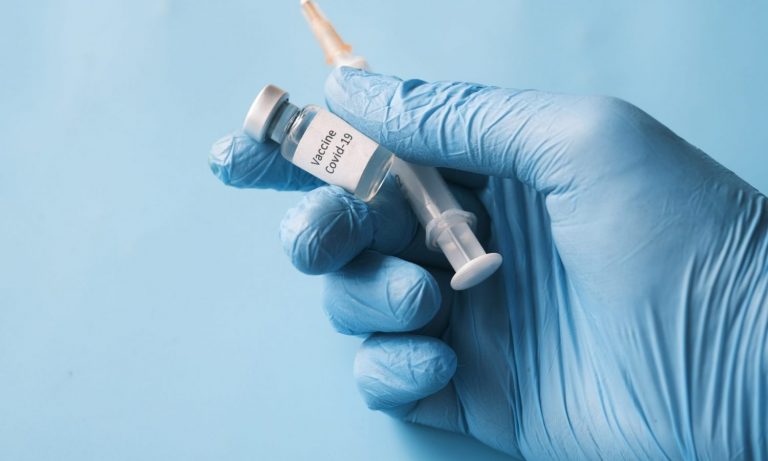
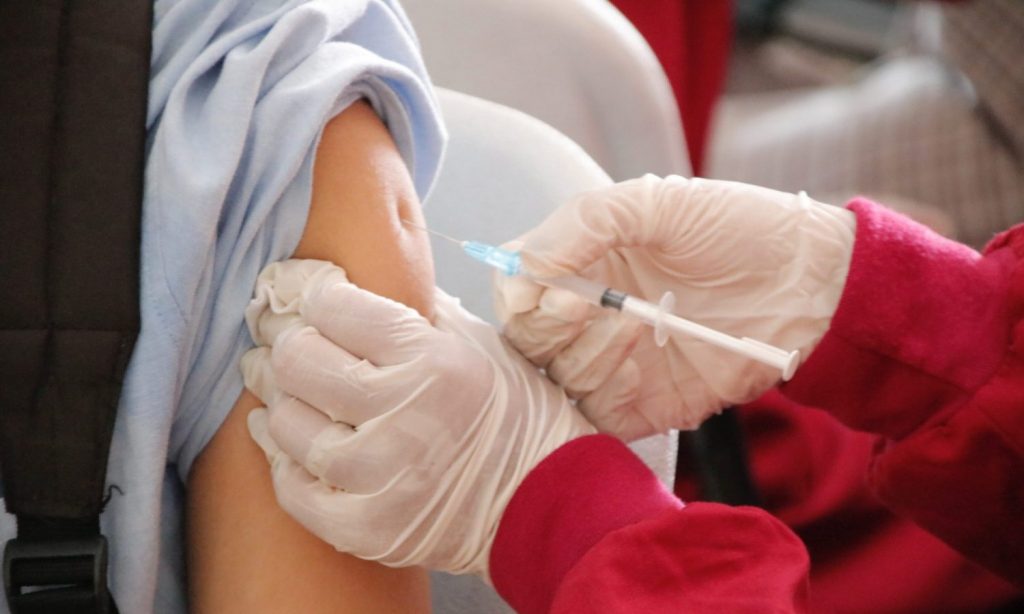
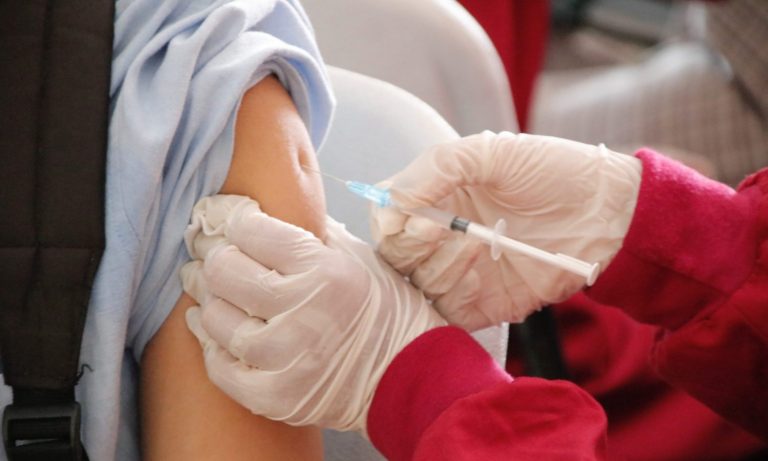
A recent study has shown that the combination of a COVID-19 infection and the COVID-19 vaccine results in the most powerful form of protection against the virus. But another study indicates that this isn’t always the case, especially if you contracted COVID-19 after your first vaccine dosage.
Published in the journal Epidemiology & Infection, this recent study suggests people should get both rounds of shots no matter their situation, including if they contracted COVID-19 after their first shot or months before their inoculation.
The study tracked a small amount of participants’ antibody levels in Israel and showed that those who got a COVID-19 infection after their first shot and never got their second shot had similar antibody levels than people who’d only gotten their first shot and had never contracted the disease. While the study’s sample was small, the results should encourage people to complete their full immunization.
While there’s a belief that one shot is better than no shot, it’s still very important for people to get both rounds of shots. A study published in October showed that immunization from a single shot is relatively short, lasting for about three months. After that period of time has lapsed, reinfection is possible, opening yourself and others to risk.
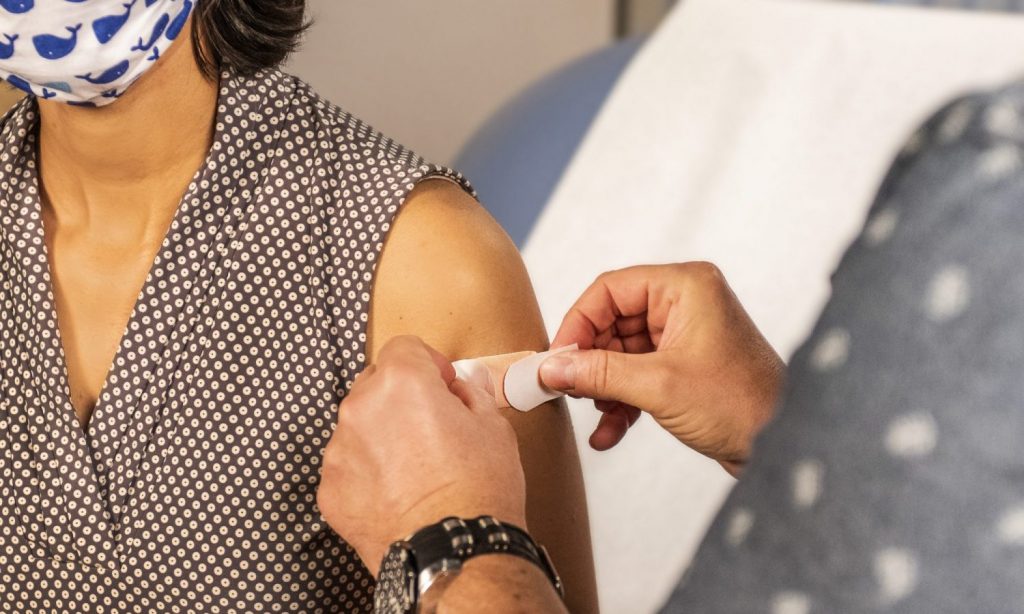
The CDC has been adamant about vaccinations, claiming that everyone that’s eligible — basically everyone over the age of 12 — should get their shots. If someone contracted COVID-19 after their first shot, their second shot should be delayed until full recovery, primarily in order to prevent putting others at risk of contracting the disease. Once the person is tested and the COVID-19 test returns negative, they should get their second shot, completing their immunization.
This new ordinance means that the Seattle Police Department will formally codify its current “non-enforcement” practice, including actually formalizing protections from arrest, prosecution, etc. for those possessing psychedelics.
In a continuing trend across the country whereby cities are taking steps to decriminalize the possession of certain amounts of all kinds of psychedelics, Seattle joined the herd this week by voting to formalize the non-prosecution of the possession of certain entheogens, commonly known as psychedelics. We were especially gratified to see the results of the vote, as John Rapp and Mason Marks from our office have been working hard on this behind the scenes.
Resolution 32021 passed on Monday (see the actual ordinance here), and it basically renders as one of the lowest “law enforcement priorities” the “investigation, arrest, and prosecution of anyone engaging in entheogen-related activities.” More specifically, the ordinance states that:
“. . . the investigation, arrest, and prosecution of anyone engaging in entheogen-related activities, including but not limited to the cultivation of entheogens for use in religious, spiritual, healing, or personal growth practices and the sharing of entheogens with co-practitioners without financial or other consideration, should be among the City of Seattle’s lowest enforcement priorities.”
Almost more importantly, the Council openly indicates in the ordinance its full support behind decriminalization of the foregoing activities and directs the Office of Intergovernmental Relations to add to its 2022 agenda full decriminalization of psychedelics under state law.
Photo by eskymaks/Getty Images
Right now in Seattle, the Seattle Police Department (SPD)’s current enforcement practice with respect to entheogens is “. . . neither to detain nor arrest individuals, nor to confiscate these substances from individuals, solely for suspected violations or violations of [Washington’s Controlled Substances Act].” Nonetheless, this ordinance means that SPD will formally codify this “non-enforcement” practice, including actually formalizing protections from arrest, prosecution, etc. for those individuals who “. . . cultivate entheogens for use in religious, spiritual, healing, or personal growth practices and those who share entheogens with others, without financial or other consideration”. The Council expects SPD to fully commit to non-enforcement by reporting back to it on the status of non-enforcement efforts, including producing a timeline for completion of the institutionalization of those efforts.
Just like all of the other cities that are embracing decriminalization, it’s important to note that any commercial activity around psychedelics in Seattle is expressly prohibited. As we previously wrote regarding other similar decrim measures on the local level:
“[e]ach of these decriminalization measures is different, but fundamentally they are the same in that they do not actually make psychedelics legal. All they really do is direct law enforcement in those cities to make enforcement of existing criminal laws a low priority, and only then for non-commercial possession and use. Decriminalization measures don’t change state or federal law, and even don’t really change local law.”
Ordinance 32021 is not that different from these other local level “decrim lite” ordinances that we’ve seen come out of other cities. It’s a bit better in that, because Seattle is so very influential in what happens in the state’s capitol (Olympia), there’s a solid chance that the state will engage in full-scale decriminalization in the near future. To boot, as first reported in late 2020, Washington is also flirting with the legalization of psilocybin through the people’s ballot initiative process for 2022 (similar to what Oregon did in 2020). Washington is obviously no stranger to being a first mover in emerging industries– after all, it legalized cannabis back in 2021 along with Colorado, which was huge at the time.
In the end, Seattle’s current entheogen ordinance is a major path forward to getting bigger change on the state level towards legalization and commercialization. So, stay tuned!
There are several ways in which you can get high, with some more fast-acting than others. Here are some ideas to consider.
There are a variety of methods in which you can get high, all with their pros and cons. Among these is the time in which marijuana hits you. For instance, inhaled cannabis is absorbed through the bloodstream, producing a quicker high than edibles, which are absorbed through the stomach lining.
Still, while weed absorbed through the bloodstream is faster than most other options, there are small differences between each method, from joints and dabs, to cartridges. Here are some of the fastest ways to get high:
Dabs are quick and powerful, which is why they’re usually recommended for people who have experience with cannabis and have developed a certain tolerance to it. Dabs are very strong because they’re concentrates, containing mostly THC and terpenes, that are vaporized once you apply heat to them. With a dab, you’ll likely wait a couple of minutes before feeling high.
Vape pens
Photo by BackyardProduction/Getty Images
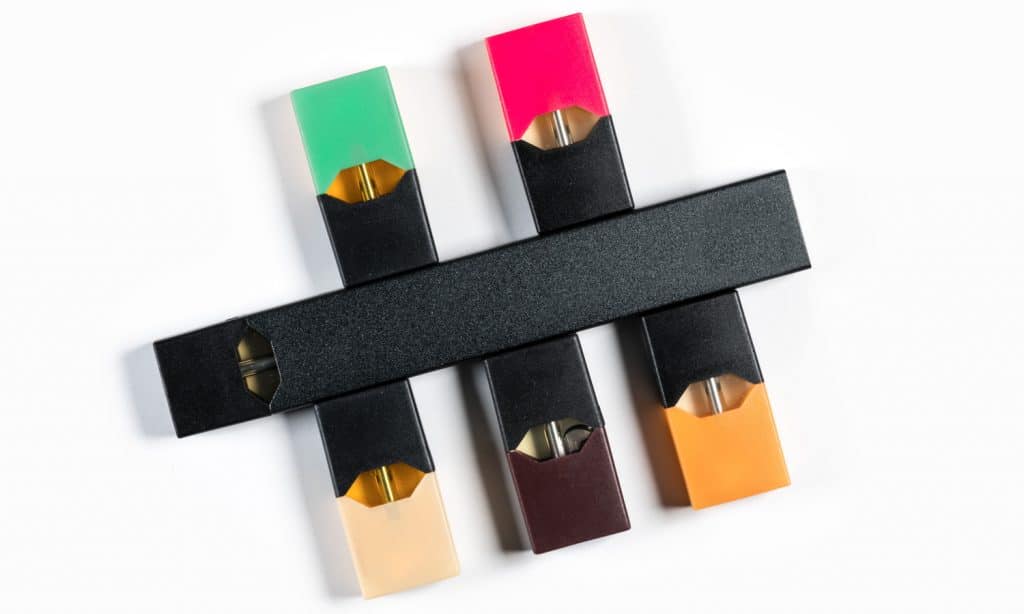
Another fast-acting method is THC pens, which, again, are concentrates that act very quickly. They’re usually stronger than flower, since the concentrates eliminate much of the elements that are present in cannabis, leaving terpenes and the cannabinoid people are looking for, like THC and CBD. If you’re looking for something fast-acting, the more THC there is, the better.
Gravity bongs are another quick-acting method of consuming cannabis. Since they’re water-based, it’s easier for people to inhale more vapor, which tends to be thick and cloudy. There’s also no burning sensation, making it easier and more pleasant for people to take really big hits.
Steamrollers
Photo by Grav via Unsplash
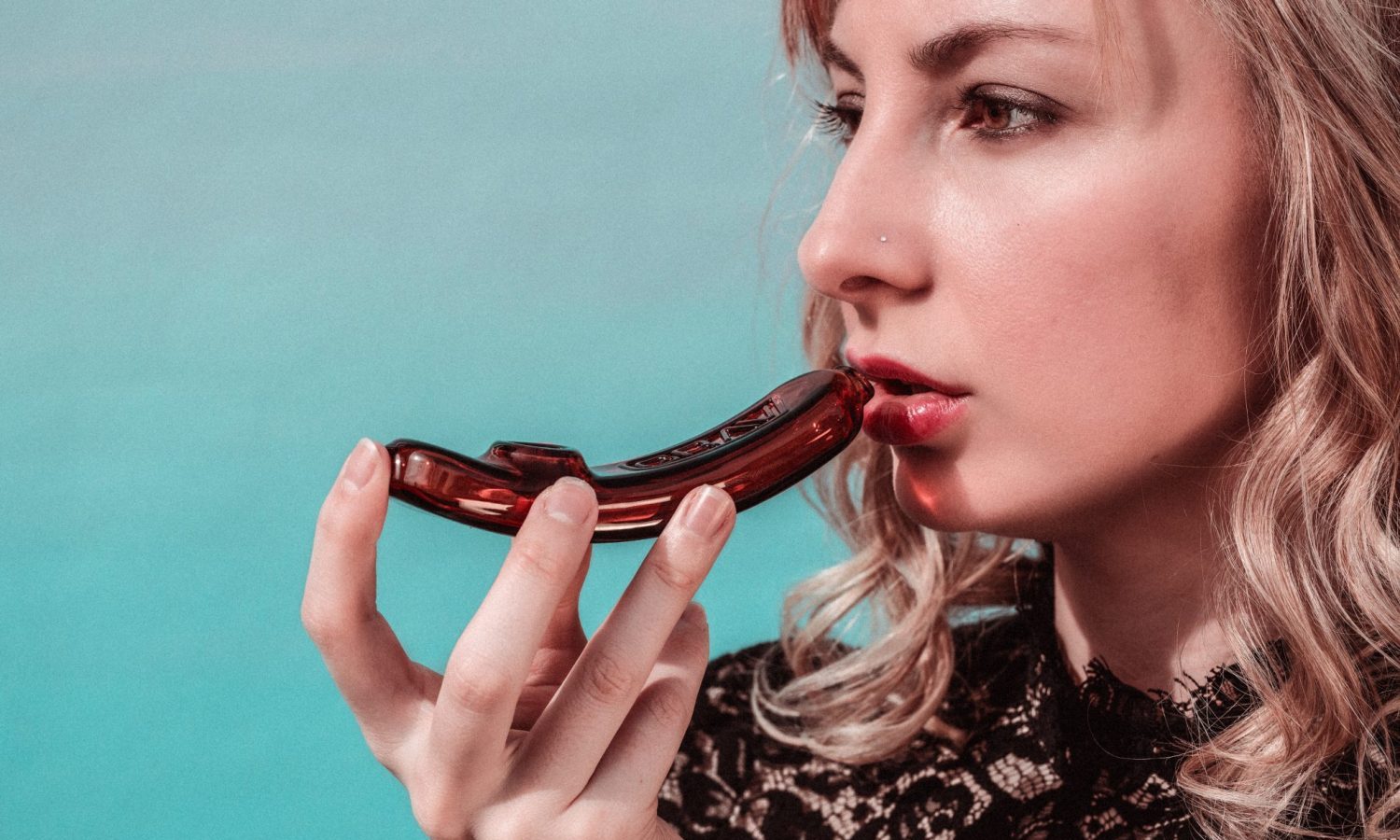
Steamrollers are a type of pipe, designed to get the hit to reach you as soon as possible. They’re simple, usually consisting of a pipe with a straightforward design that gets the smoke straight to you after you light the bowl. Steamrollers produce bigger tokes, resulting in thicker hits.
For more information on marijuana highs, we recommend reading:
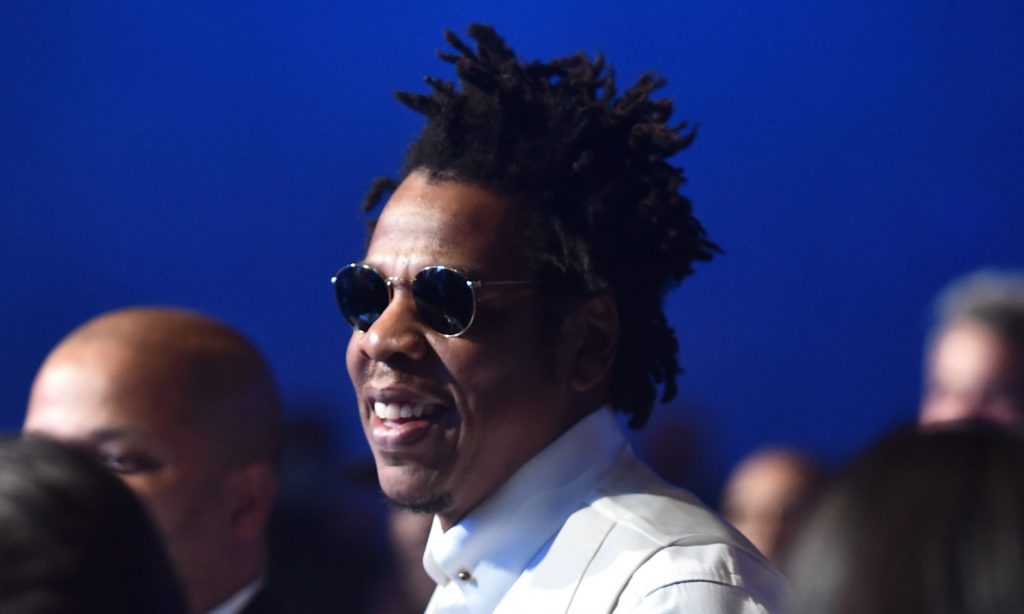
In a letter to the rapper, Valon Vailes highlighted that while following Jay-Z’s career, he was touched by the musician’s advocacy for the “underprivileged and voiceless.”
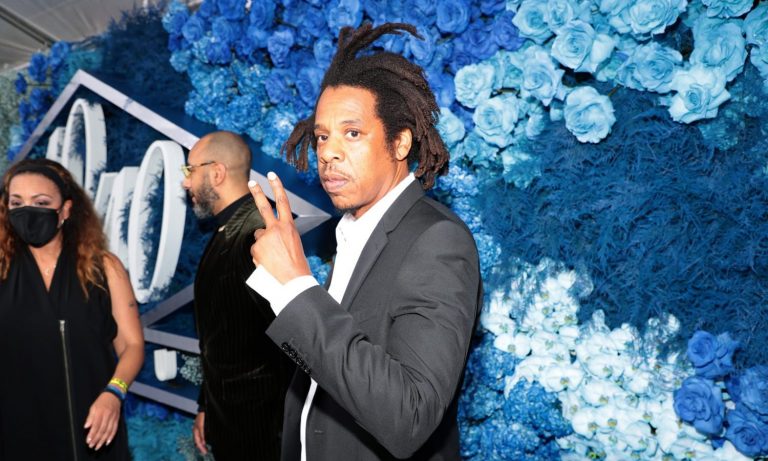
Shawn “Jay-Z” Carter, music industry mogul and a chief visionary officer at cannabis company TPCO Holding Corp. doing business as The Parent Company, is helping Valon Vailes get out of prison.
Jay-Z, known in the cannabis community for his luxury weed brand Monogram, and his legal team have twice made a plea to a North Carolina judge asking for “compassionate release” of Vailes, now 55, who was sentenced to 20 years in prison over cannabis-related charges, reported Page Six.
Photo by Alberto E. Rodriguez/Getty Images for The Recording Academy
According to court documents obtained by Page Six, attorney Alex Spiro asked the court to reconsider their previous request, which was dismissed due because of Vailes’ COVID-19 vaccination record.
“Mr. Vailes’ motion for compassionate release does not mention COVID-19 and does not rely on any COVID-19-related argument as a basis for arguing in favor of a reduced sentence,” Spiro argued.
An Emotional Letter To Jay-Z
Back in December 2007, Vailes was found guilty for conspiring to possess with the intent to distribute more than one ton of weed from 2003 to 2007. He was sentenced to 20 years in federal prison with an additional 10-year supervised release.
Jay-Z and his legal team became aware of Vailes’ case after the inmate sent an emotional letter to the rapper, saying: “This correspondence is a plea to ask for your help with the intent to campaign for my clemency. 13 and a half years is a long time to be still incarcerated over a substance that has become the ultimate green rush.”
Vailes highlighted that while following Jay-Z’s career, he was touched by the musician’s advocacy for the “underprivileged and voiceless.”
“A lot has changed in my life, but most importantly, I have a newfound view of society,” Vailes wrote. “Therefore, I pledge to my family, my children, and myself that my incarceration would not be in vain.”
The Injustice
Vailes highlighted the injustice of the judicial system.
“It is a bittersweet reality that I am a casualty and a commodity of this system filled with injustice,” Vailes wrote.
Photo by sakhorn38/Getty Images
After reading the letter, Jay-Z connected Spiro and his team at Monogram and asked them to file a petition on Vailes’ behalf. The first motion for a compassionate release request was filed this past August.
On Wednesday, another filing sought to release Vailes by reducing his sentence to time served, Spiro argued: “Mr. Vailes has exhausted his administrative remedies with the [Federal Bureau of Prisons]; extraordinary and compelling reasons warrant compassionate release in his case; the relevant factors support release and Mr. Vailes is not a danger to the community.”
A Change.org petition advocating for Vailes’ release already has more than 4,300 signatures.
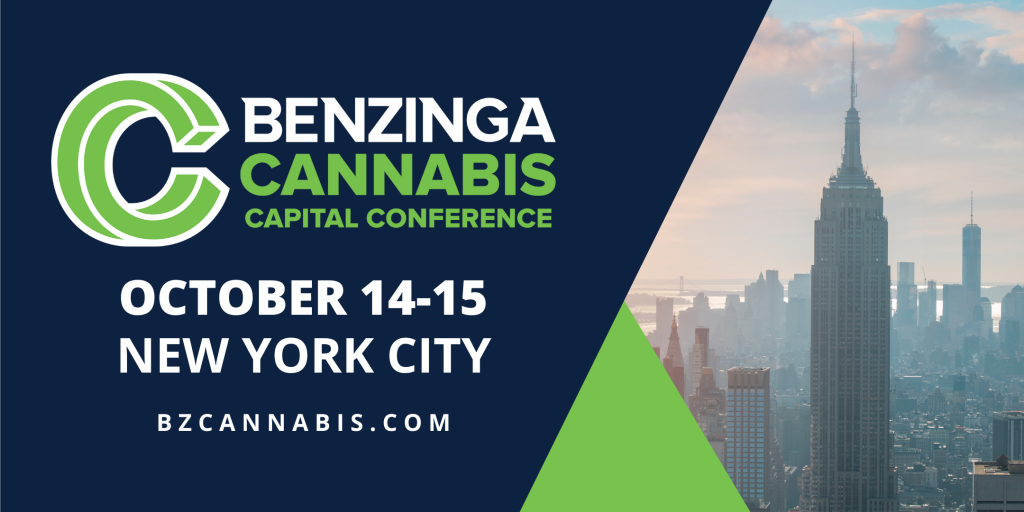
The Benzinga Cannabis Capital Conference will take place on October 14 and October 15 at the Marriott Marquis hotel in New York City.
The next iteration of the famed Benzinga Cannabis Capital Conference will gather industry insiders and investors from around the world once again on October 14 and 15 in New York City. Attendees can expect two full days of keynotes, panel discussions, fireside chats, networking, company presentations, celebrity appearances, and more.
The Benzinga Cannabis Capital Conference is guaranteed to offer participants all the benefits of an immersive and robust in-person conference from any remote location. The conference will feature an interactive forum of live and on-demand presentations from top CEOs, investors and leaders in the cannabis space.
You’ll hear from some of the top names in the industry including:
Click here to register for the full In-Person or Virtual Benzinga Cannabis Capital Conference experience, featuring networking, one-on-one meetings, access to investors, and more.
“We’re really excited to hop into some of the key issues related to cannabis and capital markets, as well as legalization, with these top notch speakers,” said Chief Zinger Jason Raznick.
“Having such an impressive lineup of speakers evidences the quality of Benzinga events and their massive growth over the years,” added Patrick Lane, Senior Vice President of Partnerships at Benzinga.
Benzinga is a financial technology, media, and data company headquartered in Detroit, Michigan[2]. The company’s free online news service publishes an average of 50 to 60 daily articles[3], including news on the global financial markets and financial commentary and analysis[3]. The company also offers a variety subscription-based services for investors and financial audiences, including live events and investor education.
“Deal-making in the cannabis space is more exciting than ever and we are proud to be the de facto platform for companies and capital to connect. While we were happy to help deals get done virtually, the Benzinga team, investors and operators are beyond excited for the opportunity to meet in person after such a long hiatus” says Luke Jacobi, Director of Operations.
With so much information out there on COVID-19 vaccines, it’s easy to get confused with the latest news. Here are a few new discoveries.
As time passes, we learn more and more about the COVID-19 vaccine and its effects. While the pandemic has felt eternal, in the grand scheme of things, technology and science have advanced at a rapid pace, providing vaccines to battle the virus and data that allows us to understand it better.
With so much information and developments occurring on a daily basis, it’s difficult to find updated information on the vaccine and the pandemic in general. Here are some of the latest things health experts have learned about the COVID-19 vaccine.
The Pzifer vaccine will finally be available to children
Parents have been waiting for a long time for vaccines to be available to their kids, protecting themselves and their families against a significant source of infections. Pfizer trials have finally confirmed that two rounds of shots are safe for kids between the ages of 5 to 11. And while it’s not known when they’ll be made available, a lot of people hope kids will be approved for their shots by the end of October.
Getting a COVID-19 shot after battling the disease gives you ultimate immunity
This useful bit of data can hopefully put to rest concerns from people who don’t know whether they should get the vaccine or not due to their previous experience with COVID-19 and reduce silly arguments that pit “natural” immunity against vaccine immunity. All data available suggests everyone should get their vaccine as soon as they can.
The shot comes with unexpected positive side effects
Aside from protecting you from COVID-19 infections and allowing you to live your life more or less normally, getting your COVID-19 shot can also provide you with a variety of mental health benefits. “Getting the first dose of COVID-19 resulted in significant improvements in mental health, beyond improvements already achieved since mental distress peaked in the spring of 2020,” explains the study that made this discovery.
While it’s not known exactly why this is occurring, we can take a guess and assume that people are more stressed-out than usual right now; having a scientifically proven vaccine that protects them is enough to provide some with peace of mind.
Mediatonas UAB published fake interviews with the actor that gave the impression he endorsed the company’s CBD and was considering retirement from filmmaking to focus on the CBD industry.
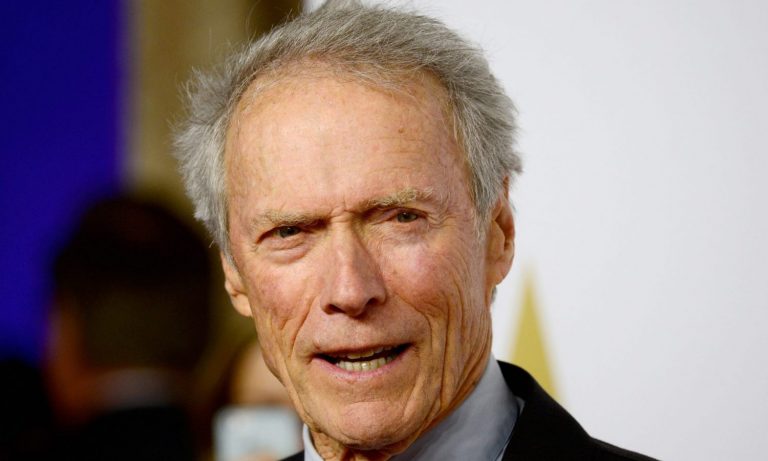
Clint Eastwood may have stumbled at the box office with the release of his latest film “Cry Macho,” but the 91-year-old actor/director scored a $6.1 million victory against a Lithuanian cannabidiol (CBD) company that used his name and image in their product marketing without his permission.
What Happened: According to a New York Times report, Eastwood and Garrapata, the company which owns the rights to his likeness, was awarded $6 million in damages, $95,000 to cover legal fees and a permanent injunction against the future use of his name or image by Mediatonas UAB, which published fake interviews with Eastwood that gave the impression he endorsed its CBD and was considering retirement from filmmaking to focus on the CBD industry.
Photo by Slaven Vlasic/Stringer/Getty Images
“In truth, Mr. Eastwood has no connection of any kind whatsoever to any CBD products and never gave such an interview,” said the lawsuit, which was filed in Los Angeles federal court in July 2020.
Eastwood’s legal victory was a default judgment because Mediatonas UAB did not respond to a summons issued in March to appear in court to answer the charges.
What Else Happened: Eastwood filed two additional lawsuits in this matter. The first was against three CBD companies — Sera Labs Inc, Greendios and For Our Vets LLC — that he accused of creating the fraudulent interviews and distributing them in spam emails with the subject line: “Clint Eastwood Exposes Shocking Secret Today.”
The second lawsuit was aimed at 10 U.S. companies and individuals he accused of inserting his name in hidden metatags designed to direct online searches to their CBD-related webpages.
“Like many of his most famous characters, Mr. Eastwood is not afraid to confront wrongdoing and hold accountable those that try to illegally profit off his name or likeness,” Eastwood’s lawsuit stated.
However, Eastwood was unable to get the court to side with him on his claim that the unauthorized use of his name and image accounted for defamation claims.
“It requires additional context to understand what CBD products are and why a person like Clint Eastwood would not endorse a marijuana-based product,” Judge R. Gary Klausner wrote in his ruling, adding that the language used “was not libelous on its face.”
Though many states now have some form of legalized cannabis, its status under the Controlled Substances Act means marijuana businesses cannot deduct standard business expenses.
The Internal Revenue Service correctly anticipates the continued growth of the cannabis industry and wants its share of the green. Who can blame them? It’s what they do.
To that end, the IRS is providing some useful suggestions to cannabis businesses who, by the way, are in the conflicting position of having to pay taxes to a federal government that continues to classify cannabis as illegal.
Photo by Nikolay Ponomarenko/Getty Images
Nevertheless, the IRS is nothing if not persistent. Here is what the 159-year-old government body that was basically set up to fund the Civil War has to say to cannabis companies about paying their taxes.
In a blog post, De Lon Harris, an IRS exam commissioner who clearly has a flair for the obvious, referred to the situation as “evolving and complex” and “tricky from a business perspective.”
Regardless of the fact that many states now have some form of legalized cannabis, its status under the Controlled Substances Act means marijuana businesses cannot deduct standard business expenses. This provision, known as Section 280E, states that businesses selling cannabis — or any other federally illegal controlled substance — cannot deduct any expenses incurred in the production, distribution and sale of that product.
Section 280E of the IRS tax code essentially keeps cannabis entrepreneurs “locked out of valuable tax credits available to other businesses and should proceed with caution when it comes to business expense deductions,” says the Hoban Law Group.
What’s To Be Done?
Harris said that marijuana firms “can deduct their cost of goods sold, which is basically the cost of their inventory. What isn’t deductible are the normal overhead expenses, such as advertising expenses, wages and salaries, and travel expenses, to name a few.”
Harris added that he understood “this nuance can be a challenge for some business owners, and I also realize small businesses don’t always have a lot of resources available to them.”
Photo by Hillary Kladke/Getty Images
Online Class
Despite this disadvantage, a speaker at a recent online tax tête-à-tête presented by the National Association of Tax Professionals said the legality doesn’t matter from the IRS’s perspective — all income from any source is taxable.
At this meeting, and also mentioned on Harris’s blog, was the IRS’s new website that was set up last year to tax state-compliant cannabis dispensaries.
This IRS initiative is hoping to make things clear and easy, sort of, for cannabis companies, because we all know how uncomplicated paying one’s taxes can be!
“I’m very focused on the success of this strategy because it’s very important for business owners to understand that under our nation’s tax laws, and specifically Internal Revenue Code 61, all income is taxable, even if someone is running a business that’s considered illegal under federal law,” Harris said. “This is a truly groundbreaking effort for our agency.”
What is also groundbreaking is that, with any luck, the recent passage of the Marijuana, Opportunity, Reinvestment and Expungement (MORE) Act of 2021 will soonrepeal the long-standing federal prohibition of marijuana, thereby ending the state/federal conflict over cannabis policies.
When — not if — that happens, cannabis companies will pay their taxes just like the rest of us and no longer be locked out of the system that should be protecting them.
They do exhibit certain characteristics that make it fairly easy to differentiate the two, but sun-grown cannabis is usually bigger. Here are other ways you can tell the difference.
If you’re a cannabis connoisseur, it can be easy to tell the difference between weed that’s been grown outdoors versus those that are grown indoors. But to the untrained smoker, the difference between the two isn’t noticeable.
There are advantages and disadvantages with each of these cultivation methods, so whether you’re looking to grow your own or simply want to become better at identifying your cannabis, learning about them is beneficial even if you prefer one to the other – or may not even care, until you find out how they differ.
At this point, no one really knows when indoor cannabis operations began though it’s safe to assume that people began looking for ways to do so when cannabis became illegal. During the later 20th century, more people began growing cannabis indoors for many reason and because of its popularity as well as the ability to customize many aspects of the plant’s growth, more people began believing that indoor cannabis is superior than those grown outdoors. But that simply isn’t true; there are more things that constitute what makes cannabis “good quality” than simply where it’s grown.
Photo by Anton Petrus/Getty Images
Besides, “good cannabis” is extremely subjective; what one consumer prefers due to its high THC content may differ for someone else because they want a rich aroma and complex terpene profile. They do exhibit certain characteristics that make it fairly easy to tell between the two, but the general rule of thumb is that sun-grown cannabis is usually bigger. Here are other ways you can tell:
Color
One of the easiest ways to differentiate them is that outdoor grown cannabis are usually darker. So if the strain results in green flowers, its nugs will be a darker green, or even brown if it hasn’t been cured properly. On the other hand, indoor grown cannabis will exhibit bright colors. If the cultivar yields purple flowers, the outdoor cannabis will have a striking violet color while indoor grown cannabis will have lighter purple shades.
Size
Typically, outdoor grown cannabis means everything will be bigger including the buds and the stems. Indoor buds tend to have smaller buds that are more dense than the chunky nugs of the outdoor grown cannabis.
Trichome density
Indoor cannabis is grown closer to the light source in a controlled environment, resulting in smaller buds that have really dense trichomes. For this reason, it’s not uncommon to see indoor nugs that glimmer with sparkly trichome crystals yet they don’t have much plant material. But outdoor nugs are bigger and the trichomes have more surface area to cover which is why their trichome density is significantly less.
But before we go any further, here are the main differences between growing sun-grown and indoor cannabis.
Photo by Lumppini/Getty Images
Sun-grown
Environment-friendly: Growing cannabis outdoors results in a lower carbon footprint and will also be much cheaper to produce. It requires less resources and electricity to grow because it maximizes what the natural environment has to offer for the growth of marijuana. Indoor grows are notorious for high electricity costs associated with the artificial light which is also high intensity.
Additionally, sun-grown cannabis plants will need less adjustments in its soil, pesticides, fungicides, and fertilizers. If the grow is a naturally fertile area, there will hardly be any need to add nutrients to the soil. For example in Jamaica, where some of the best cannabis in the world can be found, it grows so well with hardly any environmental amendments because of excellent soil, rain fall, and sunlight. The sun’s very own broad light spectrum already provides all the lighting it needs in the plant’s own habitat and they can co-exist with other animals, plants, and even pests.
Good, fertile soil is also an important factor because when you use the right soil, meaning it already has loads of macro and micronutrients such as phosphorus, potassium, nitrogen, copper, and iron to name a few which is essential to the growth of healthy cannabis, then the plant has almost everything it needs to thrive.
Resilient plants: If you plant landrace varietals on the kind of growing conditions they have adapted to, they are much more resilient to threats such as pests and thus, grow stronger. Over time, outdoor crops including cannabis grow flexible to temperature changes and other things constantly changing in the ecosystem.
These types of plants are healthier and more resistant to mold and mildew. Organic farming can also integrate the use of certain methods such as companion planting, which are natural techniques that intentionally plant other crops that compliment it to introduce bugs that are beneficial for their growth. As a result, monoculture is avoided while the beneficial bugs provide natural pest management and you get a healthy ecosystem.
Photo by Bloomberg Creative/Getty Images
Indoor
Year-round grow: Since indoor cultivation can be controlled and customized, it can be done all year long no matter what the season is. Indoor growers can literally grow any varietal anywhere in the world at any time, provided that they have the right equipment and tools. Whereas outdoor growing would be limited by the season and growing conditions that affect farmers, indoor grows can happen anywhere.
Though indoor cannabis typically yields less than outdoor grows, you can still make it a lucrative business if you have several indoor grows in a spacious operation.
High energy consumption: Growing cannabis indoors has been notorious for the massive energy it consumes because of electricity and all the light you need to customize for the plants. This means you’ll have to shell out a lot for your monthly electricity bill. This in turn means indoor grows have a bad impact on the environment.
Control: Many of today’s growers prefer indoor operations because it offers you much more control when it comes to light, temperature, water, and other aspects that are involved in growing cannabis. Whereas, growing cannabis outdoors means you have to deal with varying factors such as unforeseen weather changes.
One of the best things about cannabis is that there are so many strains that are grown both indoors and outdoors. Each of them delivers a unique experience for consumers, so there’s no such thing as a superior weed for everyone – it’s all dependent on what you like. But knowing the differences involved in each type of grow is helpful for people that are interested in learning how to grow their own cannabis.
According to a research study published by the University Of New Mexico and Releaf App in the Yale Journal of Biology and Medicine, cannabis flower may be effective in providing immediate relief for the symptoms of depression — a condition affecting roughly 1 in 5 adults in the U.S., and often leading to other ailments like cancer, substance use disorders, anxiety disorders, schizophrenia, dementia, diabetes, cardiovascular disease, and chronic pain.
Photo by Fernando @cferdo via Unsplash
“The findings suggest that, at least in the short term, the vast majority of patients that use cannabis experience antidepressant effects, although the magnitude of the effect and extent of side effect experiences vary with chemotypic properties of the plant,” the paper reads.
The Research
The study, titled “The Effectiveness of Cannabis Flower for Immediate Relief from Symptoms of Depression,” was led by the founders of University of New Mexico’s Marijuana Research Fund, Jacob Vigil, Psychology Associate Professor at UNM, and Sarah See Stith, Economics Assistant Professor at UNM.
After reviewing 5,876 outcomes reported anonymously by 1,819 individuals tracking their cannabis use for treating depression through the Releaf App, the researchers concluded that, on average, patients reported an improvement in symptoms of nearly 4 points on a scale of 0 to 10, just moments after consuming whole, dried, natural cannabis flower – widely known as cannabis buds.
By means of comparison, readers should know that conventional pharmaceuticals used for the treatment of the symptoms of depression (like monoamine oxidase inhibitors, tricyclics antidepressants, selective serotonin-reuptake inhibitors, and selective norepinephrine reuptake inhibitors) normally take several weeks, or even months, to start causing significant relief. Furthermore, the study notes that the potential side effects associated with these traditional pharma products include sedation, agitation, anxiety, anorgasmia, demotivation, and suicidal ideation.
“One of the more interesting findings from this study is that cannabis flower with relatively high levels of tetrahydrocannabinol or THC is particularly associated with immediate reductions in the intensity of depressive feelings,” said Jacob Miguel Vigil. “The differences in time-to-effect and relative side effect prevalence across products and users could arise from other antidepressant and synergistic compounds in the plant beyond THC or cannabidiol (CBD), including minor cannabinoids, terpenes and flavonoids.”
Photo by Arif Riyanto via Unsplash
Further Detail
Per the study, most of the patients using natural cannabis flower products to treat their depression symptoms reported antidepressant effects. However, the magnitude of these effects and extent of experienced side effects varied alongside the properties of each plant.
The investigators also discovered that up to one in five individuals who used cannabis flower containing high levels of THC experienced some negative side effects, such as feeling unmotivated. Having said this, the report adds individuals in the study were three times as likely to experience positive effects like happiness, optimism, peacefulness, and relaxation.
“Over the past few years it is becoming clear that individuals using Releaf App are tracking their mental health symptoms in more detail to better understand how cannabis may help provide them with relief,” said Keenan Keeling, CEO of MoreBetter the company behind Releaf App. “Historically, we’ve seen cannabis efficacy studies related to chronic physical ailments such as pain, cancer, and epilepsy. It is becoming increasingly important and relevant to better understand how cannabis affects mental health disorders like depression.”
“With no end to the depression epidemic in site, and given the limitations and potential severe negative side effects of conventional antidepressant medications, there is a real need for people to be able to treat mood disturbances with natural, safe, and effective medications, and cannabis checks off all three boxes,” concluded Vigil.