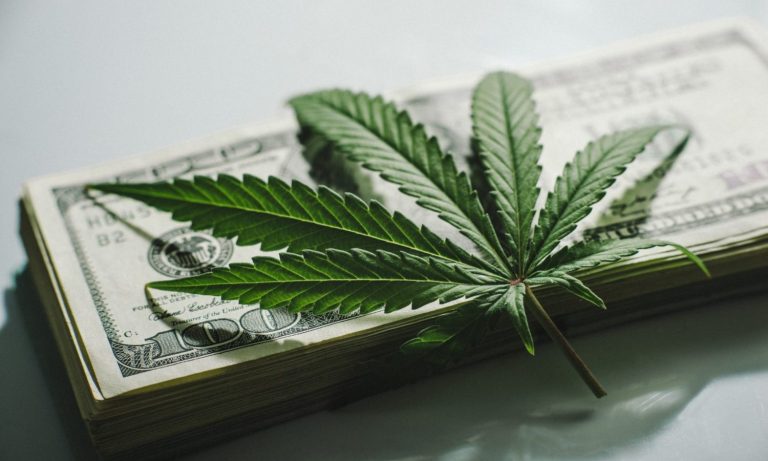
It’s only a matter of time before we see the true cost of both climate change and the costly regulations surrounding a billion dollar plant.
For some Californians, the first days of September were blanketed in an eerie orange smog caused by a record-setting fire season. Wildfires in 2020 burned over 10 million acres across the country, and nearly half of them were in California. Thousands were evacuated, many lost their homes and some even perished as a result.
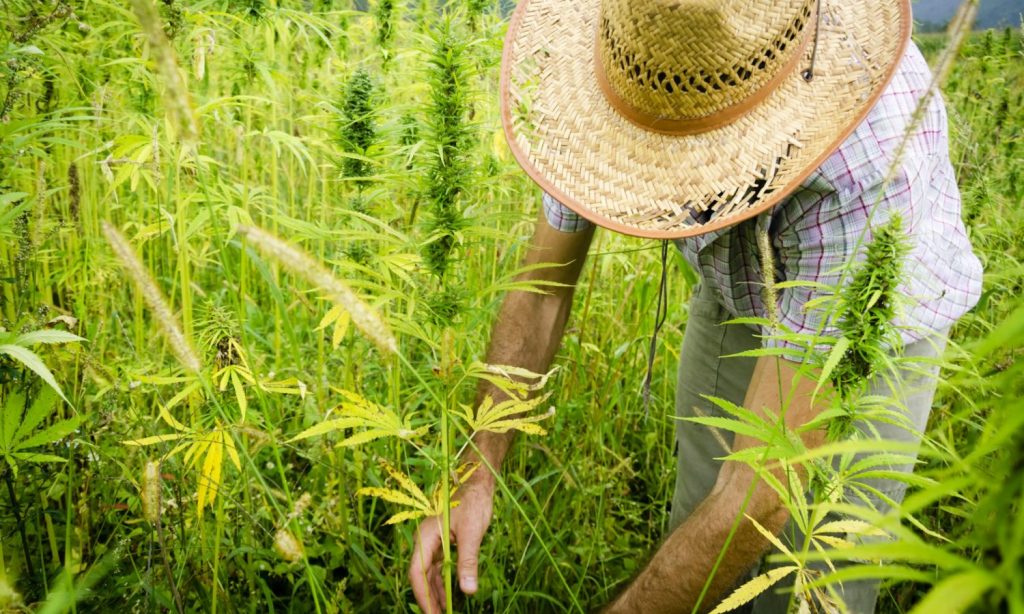
California is also the largest cannabis market in the country, with thousands and thousands of acres across the legal and black markets used to grow it every year. Cannabis farmers, like vintners, have dealt with the loss of crops due to firesfor years now, but the sheer scale of 2020’s fire season saw the contamination of crops situated miles from fire sites due to smoke and debris exposure.
Photo by Sanath Kumar via Unsplash
Unfortunately, 2021’s fire season is looking even worse. Oregon and Washington state are already at 20 times the acres burned last year, when many operators in California predicted a huge hit to the market. Despite MJBizDailyreporting at the beginning of 2021 that many in the industry felt that 2020’s fire season hadn’t been as impactful as they predicted, there was no way to know that fires would start earlier and burn longer in 2021.
October, also called Croptober, is traditionally the biggest harvest period for outdoor cannabis growers, and indicates how pot prices will shake down for the year to come. Back in October 2020, Leaflyreported that the average whole price per pound was the highest it’s been in three years due to a combination of increased demand and a legal wholesale pound going for as much as $3,400.
These kinds of numbers are great for the growers dealing with fire and pandemic restrictions, but the true cost after taxes and regulations will be on the consumer. In the past, the effects of wildfires have increased the cost of cannabis anywhere from 10–20%, and every acre burned could potentially contribute to an additional hike.
It’s too early to know what kind of yield this year will bring farmers, but it’s not promising. Many cannabis farmers also aren’t able to access other forms of economic relief, like PPP loans, and the cost of damages could factor into asking prices.
Cannabis consumption, wildfires and the pandemic aren’t slowing down like predicted, and it’s only a matter of time before we see the true cost of both climate change and the costly regulations surrounding a billion dollar plant.
COVID-19 boosters will be here sooner than later, sparking questions like, “When should I get one?” Here are some more questions you may have about them.
The FDA recently approved COVID-19 boosters for people who are immunocompromised or waiting for an organ transplant. Now, many of us are wondering when it’ll be our turn to get the third shot.
It’s normal to have a lot of questions surrounding the booster, since orientation on this topic has been confusing, especially since guidance from the Centers for Disease Control and Prevention (CDC) seems to be changing with each passing day. While there are still many unknowns, here are 5 questions (and answers!) you may have about COVID-19 boosters:
A lot of people with weakened immune systems are able to get their boosters now. When it comes to the rest of the population, it’s expected that this will occur starting this fall. Per a CDC statement: “We are prepared to offer booster shots for all Americans beginning the week of September 20 and starting 8 months after an individual’s second dose.”
According to the most recent CDC guidance, for those with “moderately to severely compromised immune systems,” the third shot should be administered at least 28 days after the second shot.
Are there any potential side effects?
Photo by Flickr user karriiiiii
Side effects should be similar to those you experienced during your second shot, which is not great news, but also nothing too dire either. According to the CDC, “So far, reactions reported after the third mRNA dose were similar to that of the two-dose series: fatigue and pain at injection site were the most commonly reported side effects, and overall, most symptoms were mild to moderate.”
This is one of the most interesting and common questions out there regarding the COVID-19 booster shot. While it’s still too early to predict how the CDC will act once the third shot is widely available, currently, health officials are advising to stick to the same manufacturers. Still, if there’s no other option, the CDC recommends getting whatever is available.
Are boosters a good idea?
Photo by EVG photos via Pexels
There’s a lot of controversy surrounding booster shots, especially since only half of Americans have yet to be vaccinated. Some experts believe that boosters should be held off until more people in the world have been vaccinated, especially since some countries have incredibly terrible vaccination numbers and no availabilty for them. While booster shots are a necessity, it’s just as important to work hard to vaccinate people who are not vaccinated, since they are more likely to get COVID-19, spread it, and allow for the development of more variants.
Marijuana advocates have argued for decades that the federal government has a cure for cancer and that cure is the cannabis plant.
There are no two ways about it. This article is probably going to come across a little harsh. The words and points made herein, for some, may even teeter on inappropriate, way too soon to discuss so explicitly. Let me humbly apologize in advance.
It is not, nor is it ever, my intention to exploit the pain and suffering of strangers for the sake of journalism. It is, however, my moral responsibility to shut down, when I can, the myths perpetuated by the cannabis advocacy community. This goes double if it means that I might be able to save someone battling cancer.
Photo by Ana Maria Serrano/Getty Images
Cancer is perhaps the most brutal affliction in the United States. There are around 1.8 million new cases diagnosed each year. Sadly, more than 600,000 of those people will never recover.
Of course, with modern medicine being the powerhouse that it is, there is a slew of cancer treatment options out there, most of which are not at all pleasant to endure. Anyone who’s had a family member go through chemotherapy can attest to this firsthand. But it’s the best we got. There is no known cure for cancer. In any situation, a cancer patient can only hope that the doctors catch it early enough to increase the effectiveness of a treatment program. If they don’t, the patient must drive a very fine line down the hard road of keeping the faith and lost hope.
This week, cancer claimed the life of legendary cannabis advocate Eddy Lepp. He was one of the most respected members of the medical marijuana community, according to High Times, having served eight years in federal prison for growing low-cost and sometimes even complimentary weed for thousands of patients in need under California’s 1996 medical marijuana law. Among his advocacy efforts, the canna-veteran also believed marijuana helped with cancer.
Marijuana advocates have argued for decades that the federal government has a cure for cancer and that cure is the cannabis plant. Some of them firmly believe that Uncle Sam is keeping this secret from the world, presumably stashed next to the blueprint for a water-powered engine and an envelope containing the name of Kennedy’s real assassin.
And while once upon a time it was conceivable that the evils of a borderline utopian government might keep such a thing from the population to further the profits of Big Healthcare and Big Pharma, this argument, now, falls kind of flat. Millions of people smoke marijuana these days, legal and otherwise, yet cancer deaths continue to rise. How can this be if the cannabis plant is really a cure?
As I wrote in a 2018 article for Forbes, science tells us marijuana doesn’t cure cancer, so does real life. Although anecdotal evidence pops up from time to time suggesting that cannabis can kill specific cancer cells, oncologists say the results are not strong enough to get excited about.
“In cell cultures and animal models, cannabis-derived cannabinoids, particularly THC and cannabidiol, can have activity against some cancers (but paradoxically also accelerate the growth of others),” said Eugene Ahn, a Chicago-based Medical Oncologist. “But none of these studies provide evidence that cannabis can cure cancer. It is irresponsible and harmful to say cannabis cures all types of cancer.”
Photo by Sezeryadigar/Getty Images
In the Forbes piece, I wrote about how I was asked by High Times to talk to Hollywood stuntman Mark Chavarria — known for productions such as “Iron Man” and “Sons of Anarchy” — about how he cured his stage-4 colorectal cancer with cannabis oil. “What I believe happens with the oil is it makes like a shellac on the tumors, and it doesn’t let it grow, doesn’t let it breathe, doesn’t let it eat,” he said. “I think it was slowly, but surely, peeling away at the tumors like an onion.”
I’ll admit it, Mark’s story had me convinced that cannabis really was a cancer cure. Once his story published, I must have talked to hundreds of patients, their friends, and family members wanting to know the secret to becoming cancer-free. I was glad to pass along the information, and Mark was great about sharing his story with anyone who wanted to hear it. But just like Lepp, Mark ultimately died from stage-4 cancer in 2017, proving to me that smoking weed, swallowing cannabis oil, or any other clever ingestion method for consuming pot does not cure cancer.
But don’t take my word for it. Again, science also disputes the claim. A thorough review by the National Academy of Science examined over 10,000 studies and found “zero evidence” that cannabis cures or even has an impact on cancer. The Academy admitted that cannabis might be effective for nausea as a result of chemotherapy. But easing nausea is a far cry from being a cure.
As the world continues to contend with COVID-19, much about the virus remains uncertain, including its interactions with cannabis.
In the early months of the pandemic, various studies linked pot to both adverse and beneficial results. The trend continues today, with little conclusively known about the cannabis-COVID medical connection if indeed there is one.
Several physicians and researchers tell Benzinga that little has been concluded regarding any cannabis-COVID connections, beneficial or adverse.
Dr. Samoon Ahmad is a professor of psychiatry at NYU Grossman School of Medicine, where he serves as the unit chief of the inpatient unit at Bellevue Hospital. He said that “unfortunately, not a lot” is certain at this time.
Dr. Robert Milanes, a California-based cannabis physician of telehealth platform Heally, stated, “One thing we know conclusively is that cannabis cannot cure COVID-19.”
Despite his assertion, cannabis entrepreneurs, like retired NFL player Kyle Turley, have claimed CBD can cure COVID-19. In late March 2020, the FDA warned Turley about making such claims.
Milanes pointed out that cannabis use increased during the pandemic. He noted a Margriet W. van Laar et al. study that saw 41.3% of respondents saying their cannabis use increased during the lockdown.
Beyond that, no one considered any findings to be verifiable at this time.
Photo by Drew Farwell via Unsplash
Ahmad, the author of a medical cannabis clinical handbook and an upcoming Wolters Kluwer-published book delving into the pandemic’s psychosocial effects, noted that several studies of interest had been published in recent months.
He cited additional studies with various adverse and beneficial conclusions. They include possible elevated rates of adverse outcomes for older patients using the synthetic drugs nabilone and dronabinol to treat severe breathing problems. Ahmad countered the results, stating, “This is indirect evidence and tenuous at best.”
He also cited studies linking heavy cigarette use to worsened COVID symptoms, hypothesizing that heavy cannabis smoke could have the same effect. He warned that vaping risks are even more tenuous.
“I would err on the side of caution and recommend that individuals use tinctures or edibles should they choose to use cannabis, particularly if they have comorbidities associated with worse COVID-19 outcomes,” Ahmad added.
Milanes also discussed various studies and their outcomes
The physician cited one study that concluded cannabis users could be more vulnerable to contagion and worsening conditions due to COVID. He noted additional analyses that found people predisposed to cannabis use disorder saw an increased likelihood of hospitalization from the virus while other studies concluded that CBD might play a substantial role in lessening the severity of a cytokine storm. This is when the body’s immune system goes into overdrive, of sorts, signaling an influx of cytokines to fight a pathogen.
Photo by gradyreese/Getty Images
Milanes called the occurrence “the most dangerous and potentially life-threatening event related to COVID-19.”
Ahmad added, “Preclinical evidence suggests that THC and CBD may reduce the severity of acute respiratory distress syndrome (ARDS), but clinical evidence is still lacking.”
Good For Health, Probably Not. Good For Business? Yep. Sales Boomed During Pandemic
Though little to no medical research links cannabis use with COVID-19 relief, that is definitely not the case in business where the pandemic proved to be a boon for the emerging industry.
Jessica Lipton, a cannabis researcher and founder of gummies brand Elevate Delta 8, said the essential status given to much of the industry led to significant expansion.
“Businesses boomed and were encouraged to maximize cash flow, develop contingency plans and hire more people,” Lipton said. She expects the trend to continue, especially for brands selling both THC and CBD products.
Delivery services also increased or were introduced across most markets to adhere to social distancing rules.
“Although the relaxation of these guidelines is temporary, the success that we’ve seen may encourage legislative adjustments in the future,” Lipton added.
Despite strides in legalization and de-stigmatization, many Americans still perceive cannabis as a gateway drug to harder, more dangerous substances.
The coronavirus pandemic, despite our best efforts, has brought out the worst in some of us. Coping with the loss of jobs, family, friends and life’s day-to-day activities has led to an increase in unhealthy behaviors across demographics, including alcohol consumption, illicit drug use and mental health emergencies.
Fentanyl, like many opioids, is addicting, and developing a dependency can have fatal consequences. Thankfully, two recent studies indicate that cannabis, which is not an opioid and cannot cause hypoxia, may offer users and those with addictions relief both from their pain and their use of opioids.
Research published in the journals Cannabis and Cannabinoid Research and PLOS Medicine observed an “independent negative association between frequent cannabis use and frequent illicit opioid use,” with as many as 50% of patients using opioids for back pain were able to stop, and 31% of those who continued opioid use were able to decrease their usage.
The study in Cannabis and Cannabinoid Research observed 61 patients out of a group of 180 who had been using opioids to help with lower back pain, for which opioids are often prescribed. A majority of them were able to gradually stop their opioid use over an average period of 6 years or reduce their dependence on opioids, though some users amongst those who did not stop using opioids actually increased their use.
The PLOS Medicine study reported that for some participants, using illicit drugs or misusing prescriptions for pain comes from a lack of access and education on alternative medicines, not from an affinity for a particular substance. Those using cannabis daily were more likely to self-report using it for medicinal purposes, and higher rates of cannabis use coincided with lower opioid dependence, indicating cannabis could be a positive adjunct or replacement means of relief from chronic pain and the negative side effects of opioids.
Despite strides in legalization and de-stigmatization, many Americans still perceive cannabis as a gateway drug to harder, more dangerous substances. While both studies are promising, both indicate a need for additional research and funding to determine the long-term implications of cannabis use for opioid users.
As more states and countries decriminalize cannabis and make it more accessible to both procure and study, we are only scratching the surface of its full potential.
The two major strains are Sativa and Indica. The choice between the two depends on personal preference and the feeling that you’re ultimately looking for.
Cannabis has different strains. Picking the right one is crucial for one to get the feeling that they are looking for. One can choose to go with those that contain THC or the ones that do not have this component such as CBD oil.
Important to note is that cannabis is not legal in most states, and one must bear this in mind before trying to buy any weed product. For countries where the use of cannabis is permissible, it is best to buy from authorized dealers to make sure that the weed bought is good quality and free of harmful substances. Back street dealers tend to lace their product with other substances that can alter the normal functioning of the body.
Medicinal marijuana does not contain high levels of THC in most cases if not all, since the feeling of highness may augment certain symptoms. Those using for leisure need to know how to pick the best brands. Below we discuss how to choose the best cannabis strain.
Know the options available
Photo by Zummolo/Getty Images
The three significant strains of marijuana are Indica, Sativa, and hybrid. Hybrid is a combination of the two major strains, Sativa and Indica. It elicits mixed reactions for the body and mind since the two mixed to form the blend affect the user differently. Sativa strains have an energizing effect on the user, influencing them to be active and take part in different activities. Indica, on the other hand, is more relaxing and after using any of the strains in this family, the user tends to be laid back with a deep sense of relaxation. The choice between the two depends on personal preference and the feeling that one is looking for.
After knowing the significant types available, one ought to dive deep to understand the strains and the category they fall into. The purpose of the cannabis will help one decide on the strain to buy as they are knowledgeable about how they work. Availability of the strain in one’s locality is among the many factors that one should review when researching This is to ensure that the product they pick is readily available. They do not have to ship from another region as this will increase the cost of getting cannabis.
Identify the smell
Photo by Dennis Aglaster/EyeEm/Getty Images
Each of the products that are available in the market has a distinct smell. Some have sweet and fruity notes, while others have an earthy smell. Other strains have a skunky smell that hangs around and makes it easier for others to tell that one is using cannabis. Choosing the smell is dependent on individual tastes. Knowing the smell of the product you want to buy is essential as it will affect usage among other factors.
Although the research is important, one should not rely on the information they get only. When buying from a brick and mortar store, a visit to the premises will help one make the perfect pick. Examining the product and asking the store attendants about the products they have will help one make an informed choice.
One in four adults in the United States currently consume cannabis — or have tried some form of it in the last twelve months. That is according to information from a soon-to-be-released study conducted by market research and data analytics firm YouGov and cannabis company Cresco Labs’ Sunnyside retail brand among roughly 5,000 Americans “representative of the U.S. population.”
The 25% consumption number implies a sharp surge (56.25%) from the 16% rate reported in the National Survey on Drug Use and Health of 2018. What’s more, 23% of the self-declared cannabis consumers disclosed they had tried it for the first time over the past year. According to the study, this suggests the COVID-19 pandemic coupled with a slew of new states legalizing cannabis have accelerated the acceptance and adoption of cannabis in the U.S.
Photo by Elsa Olofsson via Unsplash
“We were curious to learn how current conditions have impacted consumer attitudes and cannabis consumption behaviors ahead of what we expect to be an unprecedented 4/20 celebration,” said Cris Rivera, senior vice president of retail marketing and customer experience at Cresco Labs, said. “Whether it’s the stressors of a global pandemic or increased accessibility due to expanded state decriminalization, cannabis has become the leading CPG category for exploration as people flock to dispensaries to discover the range of novel formats and modern products available to them.”
Other Key Findings
The YouGov study includes a number of interesting data points around cannabis. A curious one relates to the upcoming 4/20 holiday — the unofficial day of marijuana. Per the research firm, 44% of American cannabis consumers believe April 20 should be recognized as a national holiday.
Beyond oddities, some other important findings of the study include:
44% of the parents with children under 18 who declared having used cannabis said they had tried it for the first time in the past year.
43% of seniors (aged 65 or more) who use cannabis also gave it a shot for the first time in the past year.
Consumption frequency is the same among men and women.
64% of cannabis consumers believe that if more people embraced the herb, the world would be “a better place.”
The report also looked into the reasons behind America’s cannabis use:
56% of respondents said they use cannabis to relieve anxiety and/or stress.
48% said they use it to help with sleep.
48% consume it to enhance moods.
Anxiety and stress are the top reasons for cannabis consumption across all different age groups.
Preferences by region:
People in the Northeast are the most likely (64%) to consume cannabis for anxiety/stress relief.
People in the West Coast and the South consume cannabis socially more often than the rest of the country.
People in the South are more likely (32%) to consume cannabis for intimacy
People in the Midwest are consuming more (61%) edibles and beverages than the rest of America.
Some 4/20 Data
“I think this year’s 4/20 is shaping up to be a perfect storm with increased consumption over the last year, more people being vaccinated and comfortable being around others, as well as a significant number of new consumers entering the cannabis market,” said Jason Erkes, CCO of Cresco Labs.
57% of cannabis consumers believe 4/20 is a day for rest, relaxation, and wellness.
50% of people aged 21 to 54 said they will “try or will consider trying” a new product on 4/20 this year.
60% of cannabis consumers aged 21 to 34 disclosed plan to try a new form of cannabis on 4/20.
25% of men said they plan to try find deals and sales on 4/20.
20% of female respondents said they are planning a day of wellness.
53% of cannabis consumers plan to celebrate 4/20 in company this year, either virtually or in person.
11% of Americans aged 21 or more anticipate celebrating 4/20 this month.
“Our study with YouGov showed that 25% of all cannabis consumers tried cannabis for the first time this past year which means there are a lot of new consumers to celebrate and partake in observing the day. In addition, more than half of those surveyed said they would try a new product or form in their observance of 4/20 which should certainly help fuel retails sales,” voiced Erkes.
Rivera concluded, “We are on a mission to normalize and professionalize the shopping experience so consumers feel comfortable and confident adding cannabis to their everyday wellness. We believe that 4/20 should be a mainstream and inclusive holiday, and this data set shows that people all over America are planning to embrace it in new ways this year.”
Wine is associated with many health benefits, but people who suffer from this medical condition might want to avoid it.
Wine is one of the few alcoholic drinks that, when consumed measuredly, has been associated with positive health benefits. Consuming wine has been linked with lower cholesterol, positive heart health, and more.
But there’s a negative side effect that can appear when people with a certain medical condition consume it.
According to a study published in the Journal of Allergy and Clinical Immunology, there’s a link between wine consumption and asthma attacks. The study, which looked into the effects of alcoholic beverages and asthma attacks, surveyed over 400 participants and found that 33 percent of them experienced asthma attacks while drinking on at least two separate occasions.
Per the study, wine was the most frequent trigger, with 30% of participants reporting asthma attacks after consuming it. These attacks are usually preceded by symptoms like shortness of breath, wheezing, coughing, facial swelling, sweating, and more. They can occur when taking the first drink or a couple of drinks in. Most medical experts suggest stopping as soon as these symptoms appear since they can quickly grow complicated.
Healthline reports that wine affects people with asthma due to two ingredients that are present in it: histamines and sulfites. Histamines are produced when yeast and bacteria interact, when the alcohol ferments. They’re especially prominent in red wine, which is why this type is riskier for people who suffer from asthma and allergies. Sulfites are also sensitive to people with asthma, with up to 10 percent of people with asthma reacting to it.
While giving up wine might sound pretty terrible, people who struggle with asthma should be careful when they consume it, especially if their wine of choice is red.
Asthma varies widely from person to person. In some cases, it’s easy to manage, increasing when exposed to certain triggers or when exerting themselves. For others, asthma is a serious condition, having frequent asthma attacks that can even occur while sleeping. It’s up to every person to test and see what works for them and what doesn’t.
Slowly cutting back on alcohol with the help of a medical professional and CBD is an effective strategy that can save one’s life.
These days, there are numerous reasons why you should be cutting back on your alcohol consumption.
For one, we’ve long known that it causes several illnesses including heart disease and cancer and two, with the pandemic, alcohol can compromise your immune system. During the pandemic, so many people took up the habit of drinking at home, during Zoom parties, and these so-called “quarantinis” can have a majorly negative impact on our health — at a time when we need it more than ever.
Excessive consumption of booze can turn around our lives for the worse. It can cause domestic abuse problems, and affect our families as well as personal relationships. However, a tip over the edge can turn a booze lover into a full-fledged alcoholic, which is already advanced abuse of alcohol.
Photo by Matthew Henry via Burst
If you’re having a hard time cutting back on your drinks, new research supports the hypothesis that cannabis can help — in more ways than one.
A new study released by University of Colorado researchers, which was published in the medical journal, Psychology of Addictive Behaviors, sheds light on cannabidiol (CBD). For the study, they analyzed CBD as well as THC and hybrid strains. They found that participants who consumed cannabis strains high in CBD “drank fewer drinks per drinking day, had fewer alcohol use days, and had fewer alcohol and cannabis co-use days compared with the other groups.”
Meanwhile, study participants who consumed hybrid and THC strains didn’t show any changes when their drinking patterns were analyzed. This showed a clear correlation between CBD and decreased alcohol consumption. “The present study lends preliminary support to the notion that plant-based CBD may be associated with decreased alcohol consumption among regular cannabis users and suggests that it may be feasible for regular cannabis users to switch to a higher CBD, lower THC content cannabis strain for the purposes of reducing their alcohol intake,” says the study authors.
Other Studies Provide Supporting Evidence
The study’s co-authors also released separate data earlier this year in January, which was published in Addiction, which showed similar results. “Across the sample, individuals drank approximately 29 percent fewer drinks and were 2.06 times less likely to have a binge-drinking episode on days that cannabis was used compared with days cannabis was not used. These patterns were observed in males, females and the infrequent and frequent cannabis use groups.”
“Heavy drinkers engaged in treatment to reduce their alcohol consumption who also use cannabis appear to increase their cannabis use on days when they reduce their alcohol consumption,” they concluded.
Another review, this time conducted by researchers from France and Belgium in 2019, found that CBD was helpful to “facilitate drinking reduction,” the study authors write. In addition, they found that CBD “may provide idiosyncratic protection to the liver and brain, which could reduce the development and impact of alcohol-related liver disease and alcohol-related brain injury.”
For the study, the researchers analyzed 26 older studies that were published from 1974 and June 2018 which were focused on examining how animals who were given ethanol, were impacted by CBD administration. They discovered several studies revealing how CBD was effective in decreasing alcohol consumption. “Experimental studies converge to find that CBD reduces the overall drinking in animal models of AUD by reducing ethanol intake, motivation for ethanol, relapse, and by decreasing anxiety and impulsivity,” they write.
Photo by Alfonso Scarpa via Unsplash
They also found that in some studies, the mice who were regularly given CBD has less risks of relapsing from the ethanol even during periods of stress. Because of this, the authors write that CBD “could have a significant action on drinking levels in human subjects with AUD.”
“CBD could have many more positive effects in subjects with AUD, including antiepileptic, cardioprotective, anxiolytic, or analgesic ones. Human studies are thus crucially needed to explore the many prospects of CBD in AUD and related conditions,” they concluded.
Cannabis Legalization Is Key
In the United States alone, almost 14 million adults have a problem with alcoholism or abuse alcohol. More than that also engage in risky alcohol consumption that could result in abuse later on. Meanwhile, more than 3 million teenagers in America aged 14 to 17 have a problem with alcohol.
That’s why legalizing cannabis is extremely important in helping people nationwide battle alcoholism.
To support this, there have been numerous studies that point to legalization. One study conducted by researchers from Georgia State University and the University of Connecticut found that access to legal medical marijuana is beneficial for that. The study authors analyzed the relationship between retail alcohol sales and MMJ laws in over 2,000 counties around the country from 2006 to 2015. They found that trends in booze sales in medical friendly sates compared to those in states where cannabis is still illegal found that there was a reduction of 15% on average in monthly alcohol sales in legal counties.
“We find that marijuana and alcohol are strong substitutes… States legalizing medical marijuana use experience significant decreases in the aggregate sale of alcohol, beer and wine. Moreover, the effects are not short-lived, with significant reductions observed up to 24 months after the passage of the law.”
If alcoholism is left untreated, people can end up dying. Other withdrawal symptoms include seizures, shock, headaches, hallucination, irritability, fatigue, fever, depression, and anxiety, among many others. Slowly cutting back with the help of a medical professional and CBD is an effective strategy that can save one’s life.
You can have fun vaping without worrying about any side effects similar to smoking; it is that safe.
It has been more than a decade since the invention of vaping. There is still a lot of debate about whether vaping is better than smoking. Vaping has been a new thing for some countries, especially its concept. Many people even see vaping as the same thing as smoking. Vapes are also known as e-cigarettes, and they are now used all over the world. Vaping is not similar to smoking at all.
Vape’s demand is increasing day by day; in almost every country, people are vaping rather than smoking. However, some still do not believe in the benefits of vaping. They just need to know these 10 benefits of vaping to change their mindset.
Photo by Sharon McCutcheon via Unsplash
Has Less Dangerous Chemicals
Normal cigarettes are made with many dangerous chemicals and toxins such as nicotine, arsenic, lead, cyanide, carbon monoxide, ammonia, and more. Research has determined that cigarettes contain at least 24 chemical compounds that are very harmful to the human body. In Australia, about 50 deaths are happening each day just because of smoking. Smoking can even lead to cancer. Vape has e-liquid, which only contains VG, PG, flavoring, which is FDA-approved. Besides, vapes come with fruit, spicy, sweet, and many other flavors. It makes the experience more enjoyable for its consumer.
Not Hazardous to Health
Smoking a lot can cause lung and mouth cancer and respiratory and cardiovascular diseases, but vaping does not cause any such thing. It’s been many years since scientists have proven smoking is injurious to health. Many people have fallen victim to some incurable disease due to chain-smoking. It happens because of the combustion of tobacco. But vaping has no such hazardous compounds in it.
Nicotine is one of the primary compounds in a cigarette. Nicotine is known to be very addictive. Although some vapes might contain nicotine, Australia has restricted nicotine in their commercially available vapes. So vapes without nicotine are the way to stay safe and healthy.
Assists in Quitting Smoking
In today’s world, we have many e-cigarette users who vape to quit their smoking habit. There is much evidence that many regular chain smokers were successful in quitting their bad smoking habit. They just had to vape for three months, and it helped them cease smoking completely; they were totally free from smoking addiction after those months.
As previously said, there are various flavors available in the vape, whereas cigarettes only have tobacco. The vape juice is now accessible in many different flavors to match the user’s taste preference. Many vape users love flavors like strawberry, menthol, apple, cherry, chocolate, caramel, etc. That is why e-cigarettes are less boring than regular cigarettes. There are always the most preferred vape pens each year.
Less Dangerous for Others
Smoking is very harmful to the user and also to the people around the smoker. This term is also known as passive smoking or second-hand smoke. Passive smokers have a very high chance of getting coronary disease or worse, cancer. This is why vaping is very safe, and it does not impact others. Moreover, an experiment of the CDC has confirmed finding vitamin E in the body of vape users.
Safe for The Environment
We all know for a fact that smoke can be very bad for the environment. The same goes for cigarette smoke. Many fire incidents are caused just for discarded cigarette butts. These tobacco cigarettes threaten our health and also play a big part in air pollution and greenhouse effects. On the other hand, vaping does not cause any of these issues. Vaping has no nicotine and tobacco in it, which makes it very environment-friendly and healthier than smoking.
Vaping is convenient to use, but it depends on the local laws whether you are allowed to vape out in the open. In some countries, vaping is also looked at as a bad smoking habit, and they think it has the same passive smoking effects. However, vapes do not have any bad smelling smoke and do not cause passive smoking effects. Many cities now accept vaping, and people can use vape machines out in the open.
Not Very Costly
Despite vape being good for health and the environment, it is much cheaper than smoking. Although you have to buy the e-cigarette, the vape juices are way less expensive than highly-taxed tobacco products. On the opposite side, smoking is a costly addiction. A casual chain-smoker uses a whole pack of cigarettes per day, and it costs them about $14,000 per year, whereas e-cigarettes will cost you about $720 per year only. It proves that tobacco addicts spend more on all those cigarettes. The vape juices are quite cheap, and they are available in online vape shops. These online vape shops ship their products in many states, or you can get yourself vape juices from local vape stores. In short, vaping is not as costly as smoking.
Another benefit of vaping is that it has no smoke, ash, or any remnants. Also, you are free from worrying about bad odor, tobacco breath, and ashes. That is why vaping is far safer. It has a beautiful, flavorful smell, where cigarettes have a very bad tobacco smell and give you bad-smelling breath.
Final Words
Stopping the smoking habit is tough, and it deteriorates the smoker’s health. But vaping can be a lifesaver for the chain-smokers to quit their tobacco smoking addiction. Vaping is now accepted socially because it is safer and more viable than smoking cigarettes. You can have fun vaping without worrying about any side effects similar to smoking; it is that safe. This is the reason why vaping is the best alternative to smoking.