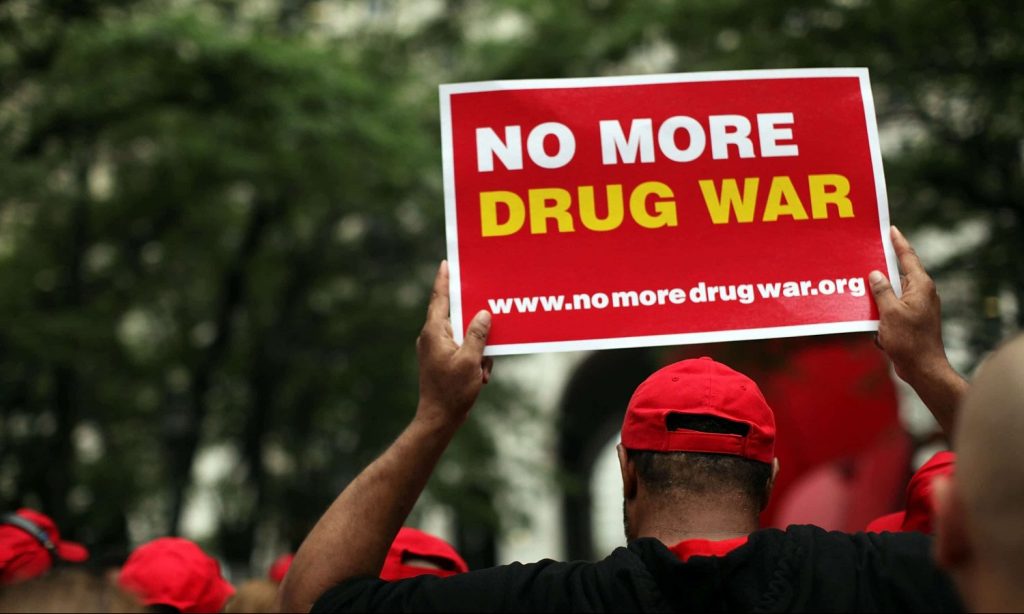
Advocacy groups such as Minorities for Medical Marijuana see the MORE Act as continuing to create barriers for those affected by the Drug War.
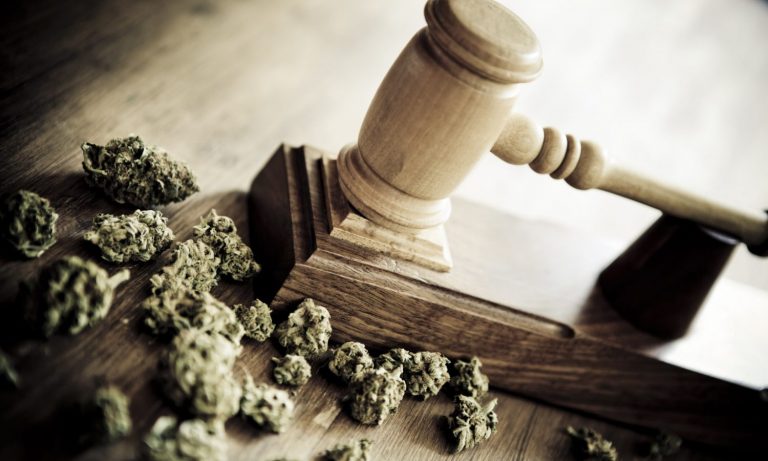
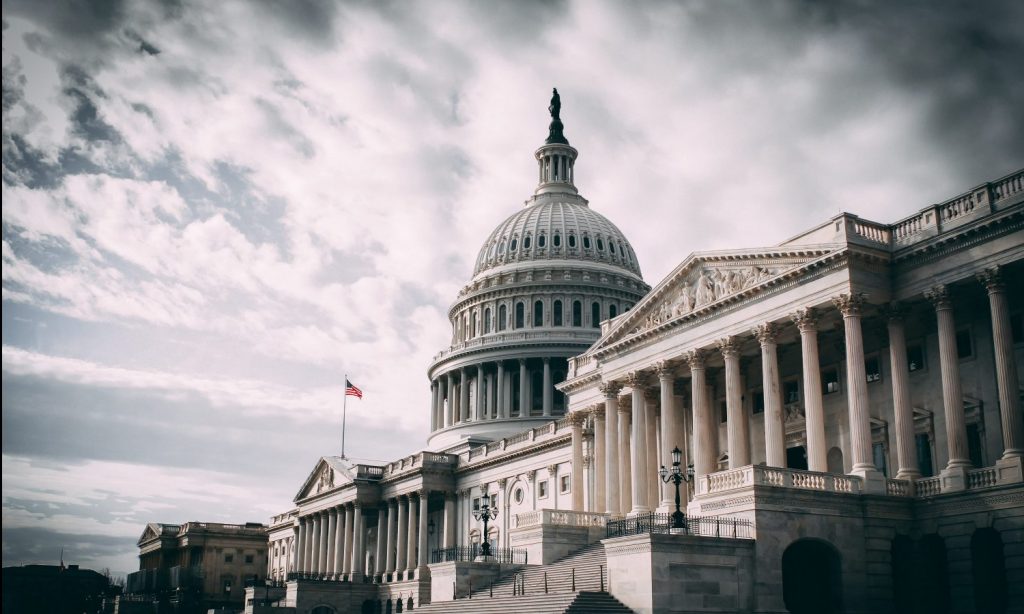
A milestone was reached in cannabis reform on December 4 when the U.S. House of Representatives passed the Marijuana Opportunity Reinvestment and Expungement (MORE) Act. But don’t get too excited.
The bill includes a series of reforms for the industry and those affected by the ongoing drug war. Headlined by the removal of cannabis from the Controlled Substances Act, the MORE Act would also expunge past federal marijuana convictions. Additional parameters would see the creation of an office of cannabis justice to oversee resource allocation to communities most affected by the drug war.
For businesses, the MORE Act would allow for more access to the Small Business Administration (SBA) while creating grants for equity license opportunities. The bill also aims to expand access to veterans while ensuring that cannabis use is not a factor in a person’s immigration proceedings.
While 68% of Americans support cannabis reform, the act’s vote saw clear party division, with five Republicans supporting the act and only six Democrats opposing. The vote saw 39 abstentions, resulting in a 228-164 vote.
The MORE Act is all but assuredly dead on arrival in the Senate, where Majority Leader Mitch McConnell is seen as a deterrent to any further progress during the 116th Congress.
Largely symbolic, the bill is still being heralded as a milestone win for cannabis reform.
In a Friday email, the National Organization for the Reform of Marijuana Laws (NORML) said the decision was “huge,” noting it had been decades since Congress had revisited federal legislation.
In a press release, the co-founder and CEO of the National Cannabis Industry Association (NCIA), Aaron Smith, said the win cannot be overstated. “This vote stands as a rebuke of failed and harmful prohibition policies, and represents a growing understanding of their racially and economically disparate impacts,” he said.
Photo by Harold Mendoza via Unsplash
The House passage was not supported by all in the cannabis space. Changes approved the Monday prior to the vote soured support among certain advocates and business leaders. Of the several changes included was an option for federal regulators to prevent the formerly incarcerated from obtaining a business license.
Mary Pryor, an advocate and executive in several cannabis ventures, including Cannaclusive, does not support the bill in its current form. Pryor sees the current bill as a failure to address the disenfranchisement of Black and other minorities because of its exclusion of the formerly incarcerated.
“You’re still singling out and disenfranchising melanated bodies with your policy,” she said. Pryor added that a federal bill failing to include such parameters would negate the efforts made by advocates in specific states where some form of restorative justice has been passed.
Starting with the Indian Hemp Drugs Commission Report in 1893 ending with the US Drug Czar’s own Institute of Medicine report in 1999, no major study has found any basis for the criminalization of cannabis.
Disclaimer:The views expressed in this article solely belong to the author and do not necessarily represent those of The Fresh Toast.
Gizmodo.com a website whose motto is “We come from the future” has an article titled, What Is the Biggest Scientific Fraud of the Past 50 Years? It asked some distinguished scientists what they would nominate for that dubious distinction. So, marijuana prohibition is the greatest scientific fraud of the last century?
Robert N. Proctor, Professor of the History of Science and Professor by courtesy of Pulmonary Medicine at Stanford University, named the “Council for Tobacco Research, the cigarette industry’s chief instrument for denying that cigarettes cause cancer…
“Twenty-seven Nobel laureates took money from Big Tobacco, and every major university was showered with cash…”
Considering that tobacco is still killing millions of people around the globe that certainly makes sense.
Katherine A. Pandora, Associate Professor, History of Science, The University of Oklahoma, nominated “the opportunistic 1998 and 2002 research articles by Andrew Wakefield and his twelve co-authors that claimed that the MMR (measles, mumps, and rubella) vaccine was linked with the development of autism as the biggest fraud of the last 50 years. The disregard of scientific authorities and the media for strict scrutiny of Wakefield’s claim that was short-handed to ‘vaccines cause autism’ had severe international consequences in terms of vaccine hesitation for childhood illnesses over the last two decades, and still presents ramifications today for the acceptance of COVID-19 vaccine research.”
However, I think that the fact that no one has nominated marijuana prohibition is — ironically — proof that it should be the obvious “winner.”
First, cannabis had been used for millennia without any major health and/or social problems. Starting with the Indian Hemp Drugs Commission Report in 1893 ending with the US Drug Czar’s own Institute of Medicine report in 1999, no major study has found any basis for the criminalization of cannabis.
And what have been the consequences? In the United States alone, there have been more than 22 million arrests, continuing even today with over 500,000 arrests in last year. State legislatures are actually passing laws to expunge criminal records. But how do the victims get their lives back?
It is impossible to measure the harm done by the suppression of medical marijuana. How much suffering, how many deaths were caused by the suppression of medical marijuana just as an antiemetic for cancer chemotherapy? Never mind all the other medical uses that are finally being recognized and researched?
Of course, marijuana prohibition put cannabis in the same distribution channels as heroin, meth, and cocaine creating the so-called “gateway” to hard drugs.
Photo by Spencer Platt/Getty Images
That also led to the extreme violence of the “Drug War” devastating Mexico and other supplier countries.
And why did it have to include the suppression of hemp as an agricultural staple after millennia? But it did. What has been the impact on the environment?
There are indeed serious problems with “science.”
Recently, Vox.com published an excellent article by Kelsey Piper titled: Science has been in a “replication crisis” for a decade. Have we learned anything?: Bad papers are still published. But some other things might be getting better.
Of course, when anyone reads the “latest research” it is always good to follow the money. Is the research funded by someone with a financial or political interest in the outcome? If research absolving tobacco as a health problem was funded by the tobacco industry, that does not necessarily mean it is false, but there is a reason that funding and other possible conflicts of interest must be disclosed.
But what if the government was the funding source. Surely there wouldn’t be a conflict of interest there. Surely.
“A new analysis of cannabis research funding in the United States, Canada, and the United Kingdom has found that $1.56 billion was directed to the topic between 2000 and 2018—with about half of the money spent on understanding the potential harms of the recreational drug. Just over $1 billion came from the biggest funder, the U.S. National Institute on Drug Abuse (NIDA), which doled out far more money to research cannabis misuse and its negative effects than on using cannabis and cannabis-derived chemicals as a therapeutic drug.
“The government’s budget is a political statement about what we value as a society,” says Daniel Mallinson, a cannabis policy researcher at Pennsylvania State University, Harrisburg, who reviewed the funding analysis provided to Science by the consultant who conducted it. “The fact that most of the cannabis money is going to drug abuse and probably to cannabis use disorder versus medical purposes—that says something.” The data confirm “word on the street” that government grants go to research that focuses on harms, says Daniela Vergara, who researches cannabis genomics at the University of Colorado, Boulder.
However, overall cannabis research funding in the United States is rising steadily, from less than $30.2 million in 2000 to more than $143 million in 2018, and money to explore cannabis medical treatments is growing—although not as fast as funding for research on harms.”
Meanwhile back in the “real world” the American people, who are the target of the prohibitionist propaganda that they are forced to fund, have been voting overwhelmingly against the government’s policies. The people know that they have been lied to.
I remember a cartoon from many years ago. A boy is looking skeptically at his breakfast and says to his mother: “You lied to us about marijuana. How do we know you aren’t lying to us about granola?”
Scientific credibility is a terrible thing to waste.
Richard Cowan is a former NORML National Director author of the Marijuana, Hemp & CBD Weekly News. Remembering Dr. Lester Grinspoon, Intellectual Leader Of The Marijuana Movement
The country might be divided, but not on cannabis. Marketers need to recognize that cannabis is no longer on the fringe, but a new opportunity for growth.
Now more than ever before, brands across all industries are attuning to the fact that an in-depth understanding of their audience’s interests and lifestyles is key to robust sales and longevity. The cannabis industry posted that message loud and clear this year, with one online cannabis marketplace, Jane Technologies, Inc. (which partners with over 1,600 dispensaries and brands across 33 states), seeing online Green Wednesday profits for 2020 up 241% over 2019.
Failure to stay relevant to consumers could result in the recent sales boom going bust, yet a recent Forrester Consulting study commissioned by Fyllo, a leading innovator in data, media, and compliance solutions for highly regulated industries, shows many brands lagging behind. According to the study, only 38% of brands understand their customers’ interest in emerging product categories and just 34% can track the current interests and hobbies of their audiences.
The Fyllo-commissioned study was geared towards marketers at top multi-billion dollar consumer brands and how they might leverage cannabis consumer data to improve the ways in which they target audiences with advertisements and media buying. The information was highly sought after. More than three-quarters of brands recognized cannabis and consumer data as not only useful but essential to understanding existing and emerging markets. It’s not just about the ads, but about how and where those advertisements find people— connecting with consumers via their lifestyles and recreational interests.
As Chad Bronstein, CEO and founder of Fyllo observed, “This Forrester data confirms exactly what Election Day represented. The country might be divided, but not on cannabis. Marketers need to recognize that cannabis is no longer on the fringe, but a new opportunity for growth.” A new opportunity indeed.
Photo by nattrass/Getty Images
Post-November 3rd election results revealed that New Jersey, Arizona, Montana, and South Dakota all voted to legalize adult-use marijuana. Mississippi approved the sale of medical cannabis, bringing the tally of states where cannabis is medically legal to 33. It is now recreationally legal in 12 states and Washington, D.C. Brands would do well to tap into the power of relevant, personalized data to capitalize on the inevitable surge in consumption.
Almost all brands surveyed in the Forrester study use second-party data for insights into new and existing consumers, and 91% of them agree that staying ahead of not only current but emerging customer interests and lifestyles is a necessity. Yet these brands experience a deficit in their ability to understand their customers at a personal level and to apply this understanding to their media strategies.
This is where companies like Forrester come in, with the ability to accumulate and activate data effectively and responsibly. With 80% of brands surveyed indicating that they would be interested or very interested in having insights into medical cannabis consumption, while 77% expressed interest in recreational consumption, both the supply of and demand for relevant data are there. Now it’s just a matter of application to create a holistic view of the cannabis customer so that the industry can fully engage its diverse audience and anticipate its evolving needs.
Even if you don’t smoke weed, you’ve likely heard about hotboxing. But does this OG way of getting high work?
Hotboxing is a common activity for marijuana smokers, particularly those who are young or who’ve seen a lot of stoner movies. The term is popular even among non-smokers, understood as smoking in a small and poorly ventilated space, a practice that allows the smoke to build up and permeate all surfaces. Does it work though?
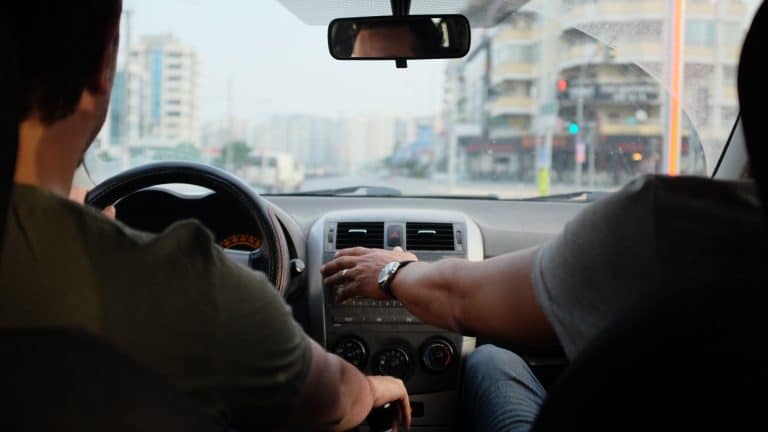
Hotboxing is commonly done in a car or in a bathroom, covering the openings in doors and windows with towels or whatever is on hand. Usually done with some friends, hotboxing is efficient, preventing the smoke from leaving said space space and getting everyone involved very, very high. Sitting in a cloud of weed smoke sure sounds like a reliable way of absorbing as much cannabis as your body can, but the little science that’s available says otherwise.
Photo by Jordan Tempro/EyeEm/Getty Images
A Johns Hopkins study from 2005 examined contact highs, which are the highs that occur from second-hand smoke. The study gathered some participants and split them into groups, looking into the effects of hotboxing. In one setting, six smokers and six nonsmokers entered a small and poorly ventilated space. Smokers were given 10 joints and were told to smoke over the course of an hour. The second setting involved all of these same factors with one key difference: the space was ventilated.
“Data from active smokers who participated in multiple sessions were analyzed together and are presented together because their levels of cannabinoid exposure did not significantly differ as a function of room ventilation,” concluded the researchers. Despite the difference in setting and ventilation, there was no difference in the amount of cannabinoid levels in participants, with or without hotboxing.
While research doesn’t support hotboxing, anecdotal evidence says that people get higher when smoking in these clustered spaces. There are many theories as to why this might happen, whether it’s the amount of smoke that increases eye irritation and makes people feel and look more high, or the fact that you’re with friends and are experiencing a group high.
While the cannabinoid levels may stay the same when hotboxing, the experience changes, and that can make all of the difference. As long as you’re staying safe, if hotboxing works for you, keep hotboxing.
In anticipation for the coming months of the pandemic, the World Health Organization (WHO) released physical activity guidelines for seniors, adults and children.
With increasing numbers of COVID-19 cases, we’re expecting a sheltered winter, one without a lot of physical activity. Concerned with these restraints, the World Health Organization (WHO) released a set of guidelines where they suggest that adults should get at least 2 and a half hours of moderate physical activity a week. They also provided orientation for teens and children.
These guidelines suggest more workouts than their previous statements, which suggested a minimum of 75 minutes of workout activity per week for healthy adults.
“Being physically active is critical for health and well-being — it can help add years to life and life to years,” WHO Director-General Dr. Tedros Adhanom Ghebreyesus said in a statement. “Every move counts, especially now as we manage the constraints of the COVID-19 pandemic. We must all move every day — safely and creatively.”
Photo by Dane Wetton via Unsplash
For adults 64 and younger, the WHO recommends between 150 to 300 minutes of cardio activity, which helps prevent cardiovascular diseases, cancer, type 2 diabetes and more. For adults over the age of 64, the same amount of cardio activity is recommended with the addition of prioritizing balance and strength training a few times per week.
When it comes to adolescents and kids, the WHO suggests a minimum of 60 minutes of vigorous activity for those under the age of 17. These activities should be perceived as fun and can be made up of outdoor playtime, walks, group activities with members of their household, or scavenger hunts.”Generally children/adolescents always report they like to do physical activity to: 1) be with their friends 2) have fun 3) to learn something new,” Craig A. Williams, professor of pediatric psychology and health, told CNN.
While workouts are important for physical health, when it comes to children and teens, experts suggest focusing on the mental health benefits that these activities can provide. Younger demographics are less at risk for cardiovascular diseases and other kinds of illnesses but one thing they can benefit from is the distraction, confidence, and enjoyment that comes with directed movement, especially within the circumstances of the pandemic.
This marks the first time in four years that Green Wednesday has beat out Black Friday, which saw a 75% increase in sales.
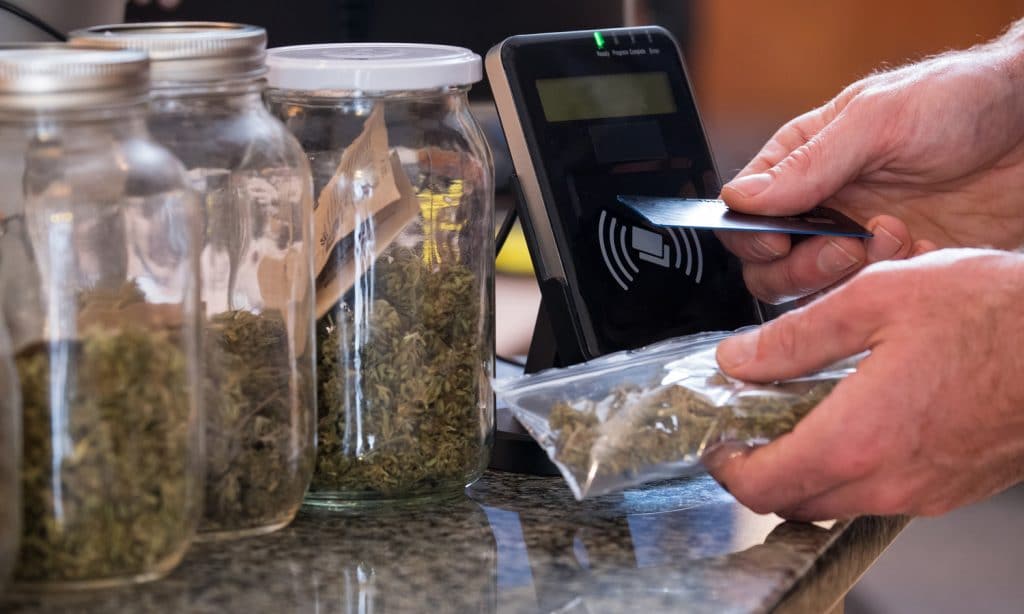
Data from both Akerna (Nasdaq: KERN) and Headset agreed that Green Wednesday (the day before Thanksgiving) sales in 2020 easily beat Black Friday sales for the first time. Cannabis consumers clearly wanted to make their purchases in advance of Thanksgiving and were less inclined to go shopping afterward.
Business intelligence from Akerna found that cannabis consumers spent approximately $238 million during the 2020 Thanksgiving weekend (11/25 – 11/28). Green Wednesday was the single biggest sales day of 2020 with an 80% increase in daily sales. The average basket size for medical consumers was $122.64, representing a 5% increase over the daily average. Adult-use consumers spent, on average, $78.14, which is an increase of approximately 12%.
This also marks the first time in four years that Green Wednesday has beat out Black Friday, which also saw a 75% increase in sales.
“Once again, Thanksgiving ranks in the top 5 cannabis sales days of the year,” said James Ahrendt, Business Intelligence Architect, Akerna. “As we have noted throughout the year, daily sales averages have increased over the last year as a result of COVID. Since average days show such notable year-over-year growth, the percentage of growth during the holidays doesn’t seem as large. However, this is because more people, in general, are purchasing cannabis.”
Additional Insights
Sales by Product Category
Flower – 46.8%
Cartridge/Pens – 30.2%
Concentrates – 13.9%
Infused Edibles – 7.4%
Other – 1.7%
Sales by Age Group
Under 30 – 29.2%
30-40 –30.6%
50 – 19.3%
50-60 –11.9%
Over 60 – 9%
Sales by Gender
Female – 36.7%
Male – 63.3%
Photo by IRINA KROLEVETC/Getty Images
Headset Green Wednesday
Here are the sales totals across all Headset Insights Premium Markets for Green Wednesday, Thanksgiving, and Black Friday 2020, plus the relative growth over last year’s totals for the same days:
Total Sales (CA, CO, NV, OR, WA)
2019
2020
YoY Growth
Green Wednesday
$29.4M
$33.2M
12.9%
Thanksgiving
$9.7M
$11.2M
15.2%
Black Friday
$31.4M
$31.1M
-0.9%
Headset noted that that overall sales increased this year on Green Wednesday and Thanksgiving, but sales on Black Friday were actually slightly lower this year than last year. The company said, “This is big news because this would be the first time we’ve seen a year-over-year decrease in such an important retail holiday in cannabis.”
“Also very notable, this is the first time that total sales have been higher on Green Wednesday than on Black Friday. Headset fans may remember that data analyst Cooper Ashley predicted this in his recent interview on Cheddar TV. “
Sales Increase vs Previous 4 Weeks
2019 Sales Lift
2020 Sales Lift
Green Wednesday
59.5%
40.2%
Black Friday
16.3%
-4.7%
“Here we can see that this year both holidays had less of an increase in sales versus the previous four weeks. Green Wednesday’s relative increase dropped from around 60% last year to 40% this year, whereas Black Friday had 16% growth in 2019 and actually had about 5% fewer sales in 2020 versus the previous four Fridays. Both of these decreases could be related to the recent uptick in COVID-19 cases and increased lockdown measures in many recreational cannabis states.
And lastly, we can see that on both holidays average basket size was much larger in 2020 than in 2019, which is something we’ve seen throughout the COVID-19 pandemic.”
Earlier this week, the U.N. voted to leave cannabis and cannabis resin on the list of Schedule I drugs, which also includes cocaine, Fentanyl, morphine, Methadone, opium and oxycodone.
The United Nations has voted to remove cannabis from its classification as a dangerous drug. This week the U.N. Commission on Narcotic Drugs voted to remove cannabis and cannabis resin from a category of the world’s most dangerous drugs. This decision could potentially jumpstart the global medical marijuana industry. Many cannabis companies have eyed global expansion, but the markets have proven to be challenging as laws have remained strict.
The Vienna-based U.N. agency said in a statement that it had voted 27-25, with one abstention, to follow the World Health Organization’s recommendation to remove cannabis and cannabis resin from Schedule IV of the 1961 Convention on Narcotic Drugs, where it was listed with heroin and several other opioids.
The drugs that are on Schedule IV are a subset of those on Schedule I of the convention, which already requires the highest levels of international control. The agency voted to leave cannabis and cannabis resin on the list of Schedule I drugs, which also includes cocaine, Fentanyl, morphine, Methadone, opium and oxycodone, the opiate painkiller sold as OxyContin.
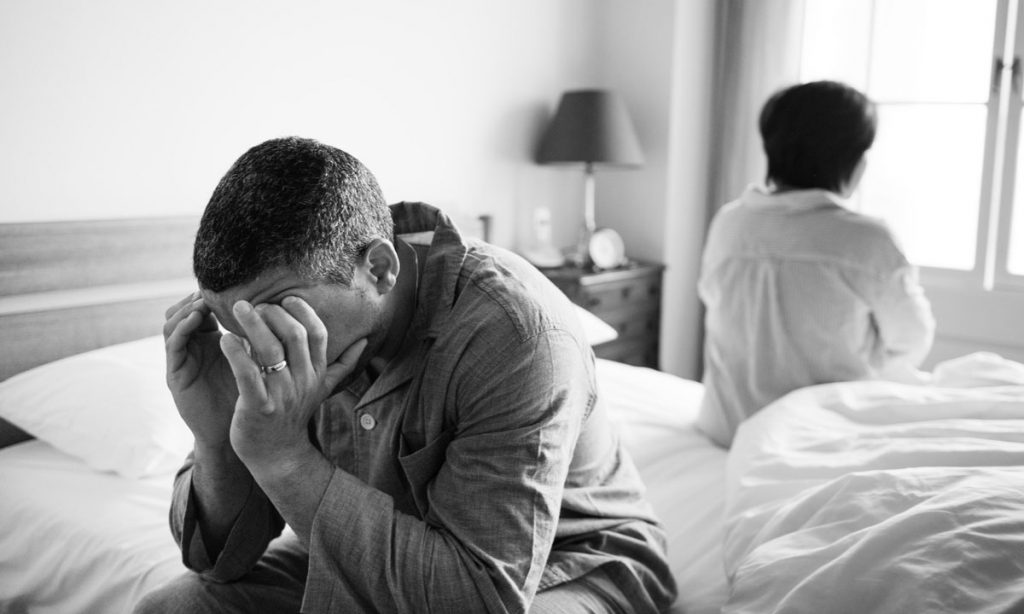
Seasonal affective disorder is triggered by the changing seasons, leaving people with less sunlight and affecting their functioning. Here are some signs you might be suffering from it.
Now that we’re deep into Daylight Saving and the sun sets early, it’s important to understand the a difference between casual winter blues, which many of us have, and seasonal affective disorder (SAD), which is much more severe.
SAD is a type of clinical depression that usually starts and ends at the same time every year, coinciding with the seasons. Generally, SAD is triggered by the scarcity of the sun, beginning in the fall and peaking in the winter and whittling out by spring. Sunlight plays an important role in our biological clocks, regulating how much melatonin and serotonin we produce.
While the winter blues are common and make us feel sluggish and tired, the main difference between this and SAD is the fact that the former doesn’t interrupt your ability to conduct our daily lives. Here are a few simple guidelines that can help inform you on whether you have seasonal depression or not. Also make sure to check out 5 Ways To Prep For The Winter Blues.
You appetite changes
It’s difficult to keep track of your eating patterns, especially if you live alone, so help yourself by being mindful about it or asking someone you live with to keep an eye on you. We express a lot of our feelings through the way we eat, and it’s common for us to crave comfort foods during the winter. If you notice you tend to gain weight during these months — not only because of the holidays — this is usually a sign of seasonal affective disorder.
You feel consistently sad
Photo by rawpixel.com
This season, you should be more in tune with your feelings since you’ve likely been exposed to some emotional ups and downs already. The sadness that occurs with SAD is usually consistent, lasting for the majority of the season.
It’s tough to get excited over things you enjoy
Another sign of SAD is that it gets tough to become excited over hobbies, tasks or even sex. This apathy is easily normalized, making it difficult to spot. Keep an eye out for these changes in behavior, writing down a list of hobbies that reliably make you happy if necessary and noticing your reaction to them during the fall and winter.
Brain fog and trouble getting through your daily activities is another symptom of SAD. It’s very common for people who suffer from this conditions to have difficulty getting through their days, completing their work tasks and chores.
You “hibernate”
If you find yourself sleeping and eating much more than you used to, you’re hibernating. In order to battle it, make it your mission to move as much as you can, to get some sunlight, to try to normalize your eating and to reach out for help if necessary. SAD is a serious condition that should be monitored and controlled.
Although the law may say that it’s perfectly acceptable to possess and use marijuana, rental properties have their own rules a lot of times that make smoking weed a serious violation.
Although tobacco users are being forced to take it outside, the same rules do not apply to those who smoke marijuana. San Francisco won’t include marijuana in apartment smoking ban. City officials recently voted to ban smoking inside apartments and other rental properties but stopped short of lumping cannabis in the mix. Smoking weed in apartments is still permitted under the new city ordinance, according to a report from the San Francisco Chronicle.
Earlier this week, the Board of Supervisors passed a measure that made it illegal for renters to light up at home. Initially, the proposal’s intentions were to outlaw marijuana smoking in apartments, which many landlords and property managers have tried to accomplish. But after hearing how the ban would strip away the one and only place that cannabis users have to consume, the supervisors opted to exclude it from the final ordinance. It passed Tuesday in a vote of 10-1.
Protecting the rights of the cannabis user to smoke freely in a rented dwelling was not appreciated by all. Several people felt the measure should have only applied to those who need it for medicinal purposes. Others believed that second-hand weed smoke should be treated no differently than tobacco omissions. Some argued that allowing marijuana to be smoked in apartments would expose more children to it and put them at risk of a variety of respiratory issues.
But in the end, the Board of Supervisors felt it wasn’t going to be as easy for cannabis users to find alternative places to smoke.
“Unlike tobacco smokers who could still leave their apartments to step out to the curb or smoke in other permitted outdoor smoking areas, cannabis users would have no such legal alternatives,” Supervisor Rafael Mandelman told the Associated Press.
Photo by berenice melis via Unsplash
More than 60 California cities have passed similar measures — a testament to just how lucky cannabis consumers are in some places. Most leases do not allow renters to smoke, and they almost always come with a provision that prohibits the use of marijuana. Yes, even in states where it is legal.
Although the law may say that it’s perfectly acceptable to possess and use marijuana, rental properties have their own rules a lot of times that make smoking weed a serious violation. And that can lead to eviction.
It’s not so much that a property manager wants to give a renter a hard time for using cannabis; it’s the smoke they have a problem with. Many still equate weed smoke with cigarettes and do not want to be left shelling out thousands of dollars cleaning the place after the tenant moves out.
It might take a while before there is widespread acceptance in the rental community. Therefore, it is often in the renter’s best interest to use vaporizers, edibles, and other cannabis products that do not fill rooms with smoke or leave behind odors.
There are also more properties these days that are becoming weed friendly in states where it is legal. Always ask about a property’s pot policies before signing a new lease. Trust us, it will save you loads of hassles down the road.
A kid mistook the Duke of Sussex for someone else while Harry and Meghan were shopping for a tree near their California home.
The Duke of Sussex has been called a lot of things, but “Christmas lot worker” has not been on that list…until now.
While shopping for a tree with his wife, Meghan Markle, near their Montecito, CA home on Tuesday, an excited little boy ran up to Harry and “asked if he worked there,” according to one of the actual employees, James Almaguer, who Tweeted:
“Meghan and Prince Harry came into my work today and we sold them their Christmas Tree.”
“It was anticlimactic, but a very, very interesting experience.
“We had our lot empty when they got there — their agent promoted them a good time to come instead of us shutting it down. There was one family in there and their stoked little son ran through trees up to Harry and asked if he worked here not knowing who that is,” he explained.
Photo by Chris Jackson/Staff/Getty Images
According toThe Mirror, the Christmas tree lot is called Big Wave Dave’s Christmas Trees & Pumpkin Patch, “which consists of two tarpaulin tents in the car park of Macy’s department store in Santa Barbara’s North State area.”
The lot was reportedly supposed to be closed to the public so the royal couple could shop in private, but a family was still on site when they arrived.
This will be Harry and Meghan (and Archie’s!) first Christmas since they announced in January that they’d be stepping away from their royal duties. During the holiday season last year, the family rented a home on Vancouver Island in Canada with Meghan’s mother, Doria Ragland.
As Peoplereminds us, this isn’t the first time Meghan and Harry have been seen Christmas tree shopping. Back in 2016, just weeks after going public with their romance, they went tree shopping at Pines and Needles in London, where the couple was seen holding hands and leaving with a $70 fir tree.