Saturday, June 13, 2026
Home Blog Page 456

Cannabis Withdrawal: How Bad Is It Really?

0

Night sweats, day jitters, and the need for weed all pass in a matter of days to a week or so if you experience them at all.

If you search the internet for “cannabis withdrawal,” you’ll find a few helpful articles from cannabis sites acknowledging cravings, short lived mood swings and trouble sleeping. But mostly you’ll find drug war propaganda that suggests treatment options that can be as severe as physically checking into rehab.

Most cannabis users have had to quit for a period at some time or another in life. Sometimes for a few days, sometimes weeks or even months. Maybe a job came along that conducts hair sample tests, maybe you’re vacationing in a non-cannabis friendly place, perhaps it’s probation or a detox of some sort.

Whatever the reason for quitting, there are reasonable ways to combat any cannabis withdrawal related symptoms. The most common report is that sleep doesn’t come as easily, and when it does, the dreams are super vivid (not to mention a little sweaty). One way to have a restful night’s sleep is to take melatonin prior to bedtime. It’s an all-natural sleep aid that also works well with cannabis for when you’re back on the horse.

RELATED: This Is How To Know When It Might Be Time To Lay Off Marijuana

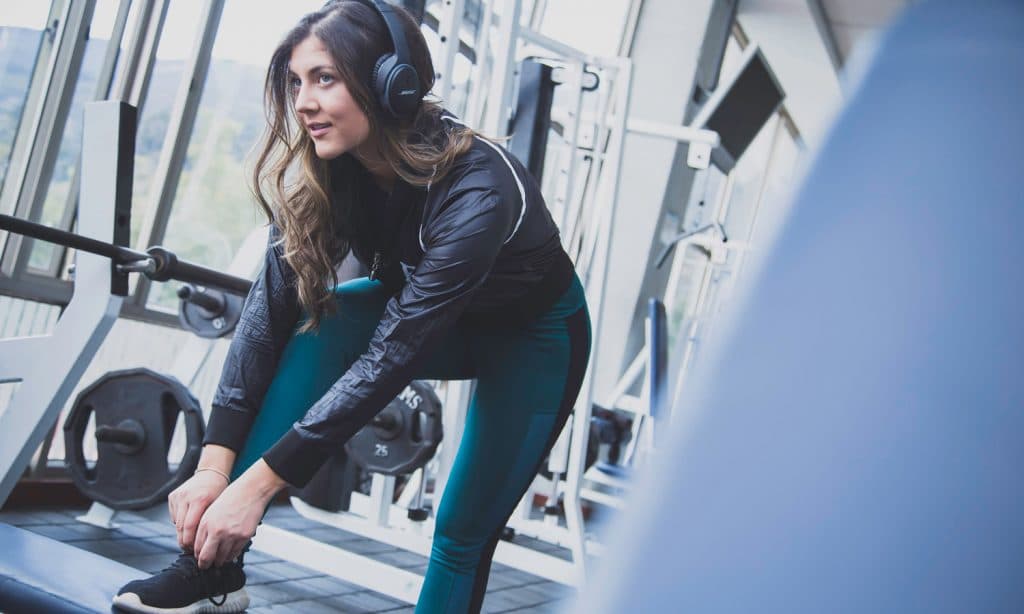
Exercise is a great way to get anything off your mind, even a sticky, icky bowl of dankness going unsmoked. So if you’re in it for the long run, a gym membership isn’t a bad idea. However, the concept of exercise brings to the forefront an important point: Cannabis withdrawal isn’t what you’re necessarily concerned about if using cannabis medicinally; the return of your ailment’s symptoms, however, is a different story.
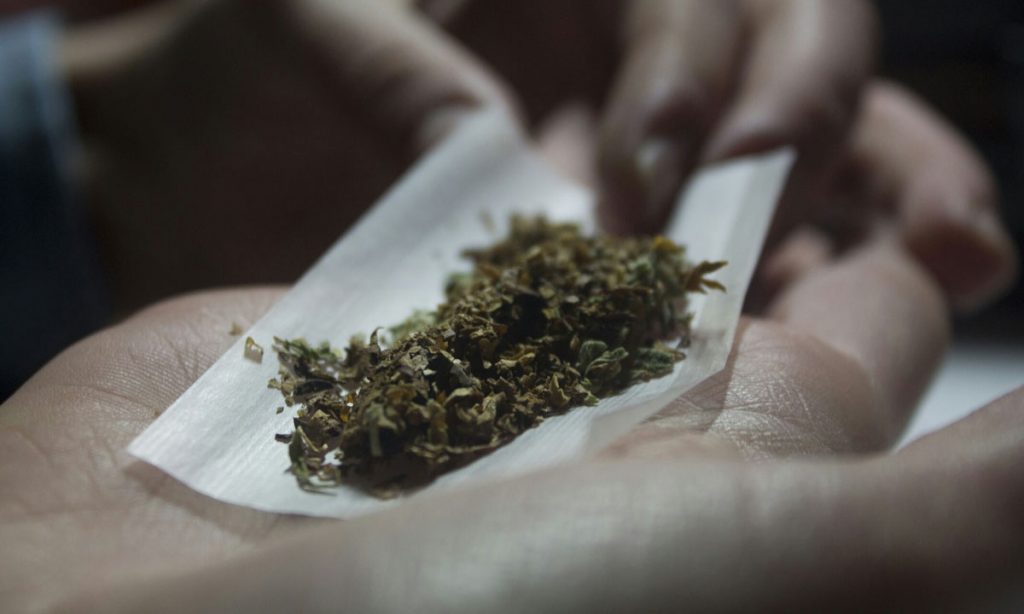
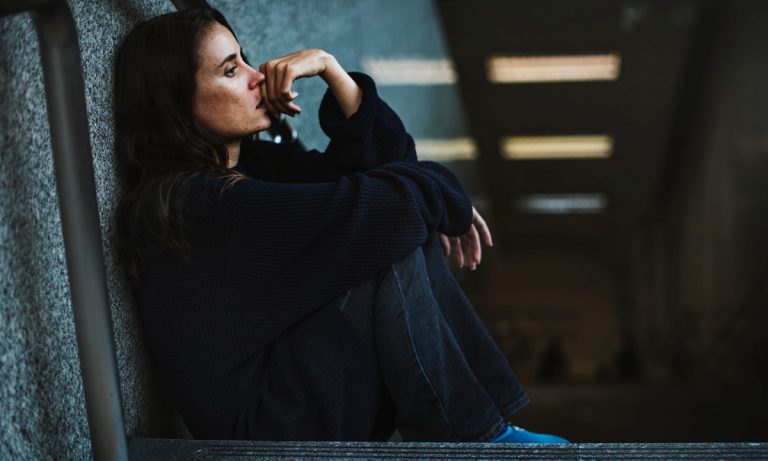
Marijuana Withdrawal Is Real: What You Need To Know
Photo by Irene Rodriguez/EyeEm/Getty Images

In the case of medicinal users, especially those for whom cannabis has been a lifesaver and continues to be one, heavy consideration should be taken before a decision is made regarding an extended break. Talk to your doctor if they’re of the supportive mindset and see if you can’t get a letter explaining that it is your medicine and absolutely crucial. It won’t always get you out of a jam, but it’s worth a shot. Weigh your options and seek alternatives before quitting cold turkey.

RELATED: Marijuana Withdrawal Is Real: What You Need To Know

Night sweats, day jitters, and the need for weed all pass in a matter of days to a week or so if you experience them at all. Cannabis isn’t the kind of drug that makes someone go out and rob and steal to get more, at least not culturally or anecdotally. So don’t go switching to something that might lead you down the wrong path as a substitute. Have a cup of your favorite tea and wait for any symptoms to go by the wayside.
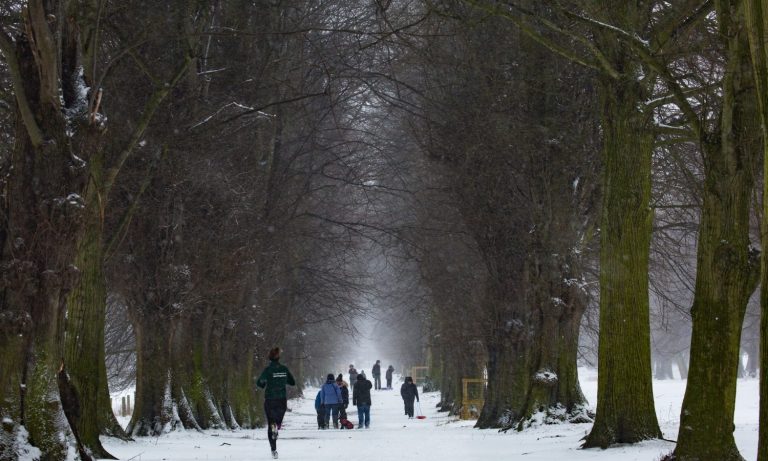
How To Get Motivated To Run When The Weather Sucks

0

Time to get yourself psyched for cold weather running! Need some help? Here are a few tips that might actually turn you into a winter weather athlete!

If you developed a running habit this year, you’re not the only one. Since the pandemic hit the U.S., people have depended on running as a way of practicing social distancing. While many gyms are now reopening, there’s no need to give up on running, which is a practical workout that keeps you healthy and provides tons of enjoyment (for some).

While the weather must definitely be accounted for, running is still possible, even when it’s cold, dark and rainy. You just have to get yourself outside. Here are some tips that can help you go for a run when the weather is terrible:

Get excited over it

1 in 3 people have improved workouts after smoking marijuana
Photo by juan pablo rodriguez via Unsplash

RELATED: 5 Tips To Help You Get Back In Shape After Lockdown

The best approach you can take is to get excited over the prospect of running in different weather. When it’s cold out, even though it’s difficult to get yourself out there, people can usually run for longer periods of time, feeling more refreshed and less tired and sweaty than they would in the summer. To help get yourself stoked over this fact, create a playlist or buy appropriate gear, like cool running shoes and weatherproof running jackets. Spending some money on your hobby will make it more difficult for you to flake out.

Get a workout buddy

Having someone you can count on is also an effective way of making sure you won’t back out at the last minute. Talk to a friend, someone who’s motivated and won’t indulge you when you send them a lazy text.

Plan ahead

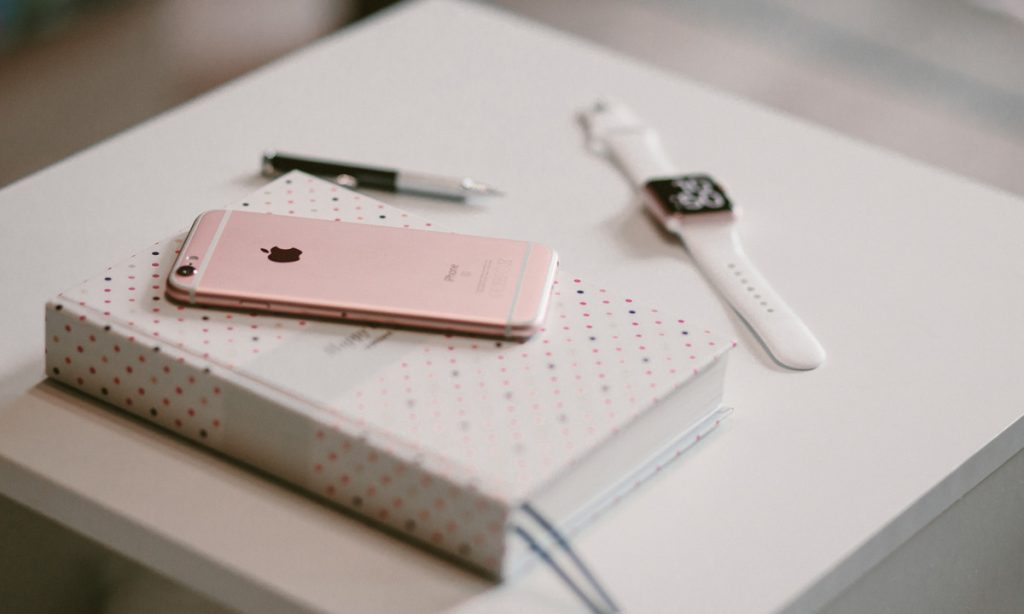
What's The Name Of Apple's Next iPhone?
Photo by Joanna Malinowska via freestocks.org

RELATED: Here’s What Socializing Will Be Like During The Fall And Winter Months

Adding your workouts to your calendar in advance can help you adapt to the changing weather. Try to find days that are less cold and rainy and choose a time that works for you. If you skip out on one of these workouts, don’t beat yourself up. But it does work to plan ahead and to know which days you’ll expect to go running outside and which days you’ll use to rest.

Remember how good you’ll feel once you’re done

You never regret working out once you’ve done it. Those feeling of euphoria and accomplishment are hard to beat. Yes, the weather was rough and you felt like a lazy dog, but you did it! Try to think of this feeling when you’re pumping yourself up for a workout, reminding yourself that the laziness fades within the first couple of minutes of your run.

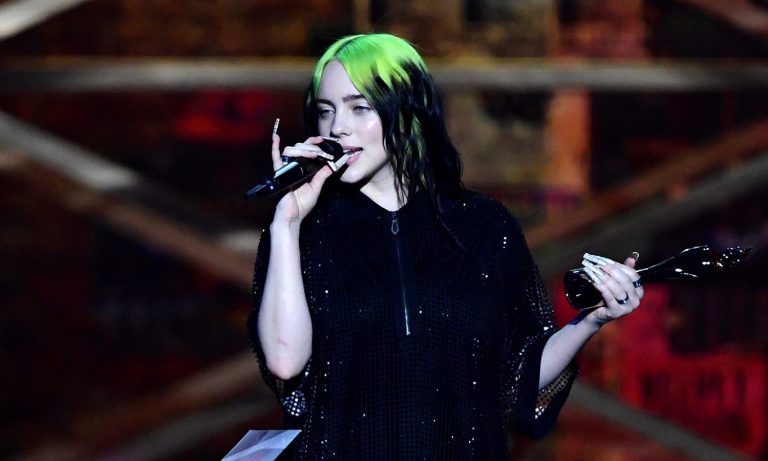
Does Billie Eilish Smoke Weed?

Billie Eilish is a singer and Gen Z icon who’s broken all sorts of music records. Does she smoke weed?

The fact that Billie Eilish is 18-years-old hasn’t stopped her from breaking all kinds of records. Winning five Grammys and releasing a bunch of Billboard hits that deal with unusually dark subject matter (at least for pop music), Eilish is a hugely successful singer, song-writer and performer, and an embodiment of her generation. She’s an artist who’s politically active, outspoken about issues like body image and animal rights. So does Billie Eilish smoke weed?

This week, a picture of Eilish circulated that showed the teenager wearing something more revealing than her signature baggy look. (Earlier this year, Eilish explained that she chose to wear baggy clothes because she “hated” her body, which makes this story even more sad.)

RELATED: Does Jessica Alba Smoke Weed?

It all started when a man from the U.K. tweeted a photo of Eilish and wrote: “In 10 months Billie Eilish has developed a mid-30’s wine mom body.” The backlash was swift and Eilish soon became a trending topic on Twitter.

https://twitter.com/liluzifancam/status/1316118258559315968

Despite the wide and pervasive coverage of Eilish, she remains a private person, one who’s also very young. Unlike teen celebrities of years past, Eilish’s family seems to be a constant presence in her life whether they’re listening to interviews that are conducted in their shared home or through the presence of Finneas, Eilish’s brother, who co-writes, produces and co-performs most of her music. This environment doesn’t leave much room for broaching the topic of marijuana use.

RELATED: Does Demi Lovato Smoke Weed?

The closest Eilish got to discussing the topic was in an interview with Vogue earlier this year: “Eilish insists that she has never tried a single drug and has no interest in them, though she loves the smell of marijuana.” So, that’s a “no” for now.

Heard Of The Cannabis EPM301?

0

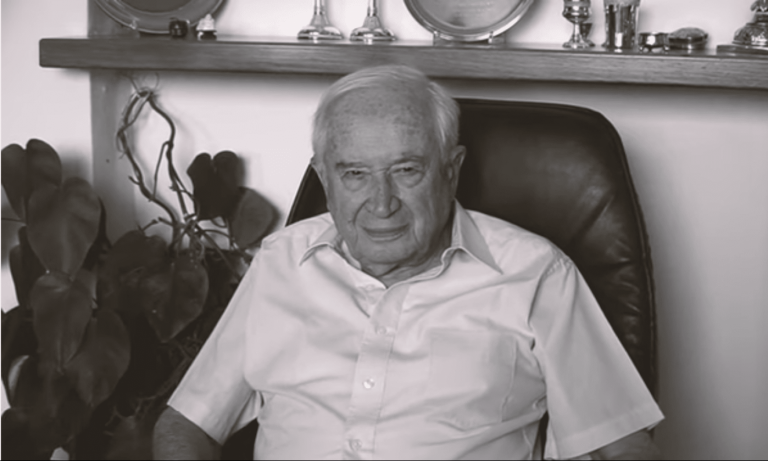
Mechoulam was possibly the most significant academic to shed light on the active principles of cannabis back in the 1960s, when his work at the Weizmann Institute led to the discovery of the human endo-cannabinoid system.

Have you heard of the cannabis EPM301? Professor Raphael Mechoulam, also known as the “father of cannabis research,” revealed his latest discovery, cannabidiolic acid methyl ester (EPM301), only a few months ago. The introduction of this new, patented compound (synthetic, fully stable acid-based cannabinoid molecules) caused a wave of excitement around the future of medicinal cannabis.

The compound in question was presented to the world in partnership with EPM, a global biotechnology company based in the U.S. that aims to bridge the gap between the cannabis and pharmaceutical industries.

During a recent, exclusive conversation, CEO Reshef Swisa and Dr. Mechoulam, shared the history of the journey behind this revolutionary process and its significance in evolving the use of CBD as a pharmaceutical drug.

Meet EPM301

“EPM developed a method to work with the original substances of cannabis,” the Professor explained. “So, while everybody is discussing THC and CBD, these cannabinoids are actually a secondary substance; they only appear later in the plant.

“Originally there is an acid that appears in the plant, and those acids are these mysterious worlds of compounds that are much more potent than cannabinoids,” he added.

However, these cannabidiolic acids were unstable, and therefore useless in pharmaceutical drug development. Until now, that is.

Mechoulam’s recent revelation stems from the development of a method that allows to modify the acids in a way that keeps them stable enough to allow for their large-scale use. This opens the door for further pharmaceutical experiments, the professor explained.

“We took a cannabidiol acid and we stabilized it by a simple chemical procedure, called esterification; then the compound is stable,” Swisa explained.

The team then “started looking at the activities of this compound…and found that this particular compound causes suppression of anxiety and suppression of nausea,” he continued, adding that this could make a huge difference in cancer patients on chemotherapy, as well as patients with IBD (Inflammatory Bowel Disease) or Psoriasis.

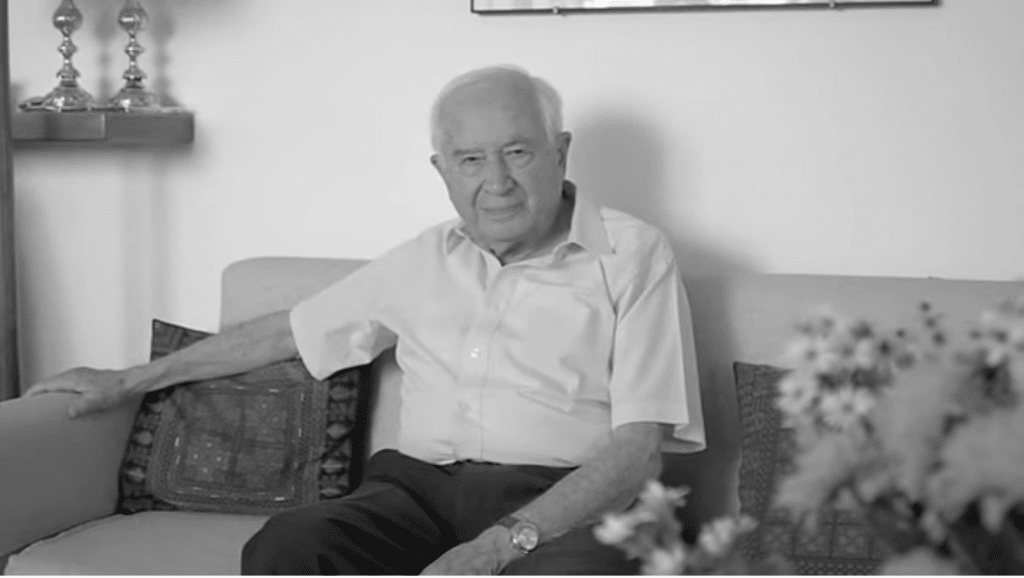
Dr. Raphael Mechoulam Explains His Latest Discovery
Screen shot via YouTube

Innovating At 88

That CBD and THC can help with a long list of conditions from inflammation and anxiety, to depression and nausea, has been known for quite some time now.

In fact, Mechoulam was possibly the most significant academic to shed light on the active principles of the cannabis plant back in the 1960s, when his work at the Weizmann Institute led to the discovery of the human endo-cannabinoid system, crowning him the “father of cannabis research.”

RELATED: RIP Lester Grinspoon: The Forbidden Cannabis Professor

But the 88 year-old researcher’s newest discovery presents cannabidiolic acid as a far more potent compound than CBD or THC — with no known negative side effects.

“We badly need new drugs in several diseases and some of the drugs that are available, may be pretty good but they ultimately cause side effects,” he said, referencing most non-natural pharma drugs, wich are semi-synthetic at best.

“We have two groups of compounds today that need to have a replacement: these are steroids and opioids. We believe that cannabis carries the ability to introduce replacements to these families.”

An Alternative To Steroids And Opioids

While CBD has been considered an alternative to addictive prescription drugs for several years now, EPM’s patent on the use of cannabidiolic acid is the first to prove that these drugs can essentially be substituted without major changes in their efficiency.

“We compare our compound not only to cannabinoids, but to the existing drugs that are applied today,” Mechoulam explained. “So, for example, in IBD we compared our compounds to two conventional products: one is the prednisone (the steroids) and one is a biological drug. And in both of them, we managed to prove that the activity of our compound is very similar to the common one.”

The researcher is optimistic when it comes to the future.

“I sincerely hope that one day we will have, within the next few years, a cannabidiolic acid derivative on the market in parallel to CBD itself.”

But he also warned of the importance of classifying and regulating drugs correctly for their medical use, in order to avoid unwanted side effects.

“Companies should be careful when they’re taking compounds and claiming therapeutics. They need to do it in accordance with the regulation in order to create consistency in the language…because people confuse recreational use with the medicinal use and aren’t necessarily looking to a specific indication, with specific dosing,” he ended.

This article has been reposted with permission from Benzinga.  

California Cannabis Banking: Financial Institutions Get Some Cover

The goal of Assembly Bill 1525 is to make it easier for financial institutions to adhere to federal reporting requirements.

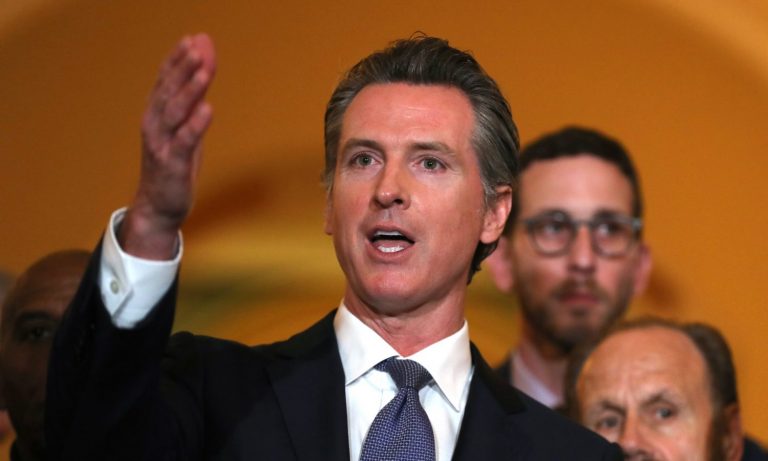
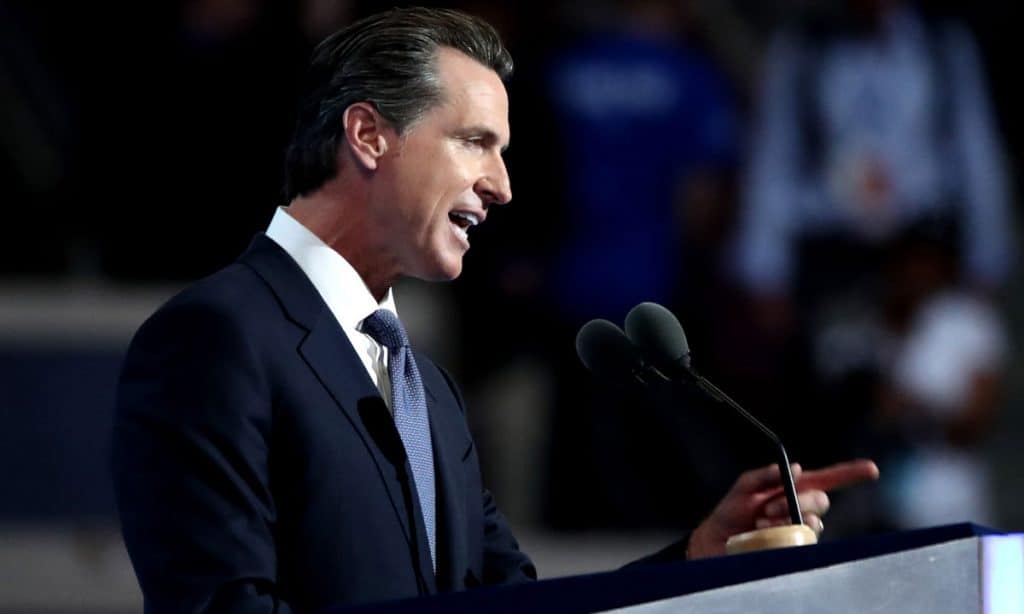
In a step towards achieving the goals of the SAFE Banking Act, California Governor Gavin Newsom approved Assembly Bill 1525, which importantly provides that banks, credit unions, and other financial servicers to cannabis businesses do not violate California law “solely by virtue of the fact that the person receiving the benefit of any of those services engages in commercial cannabis activity as a licensee.” AB 1525 provides:

This bill would provide that an entity, as defined, that receives deposits, extends credit, conducts fund transfers, transports cash or financial instruments, or provides other financial services, including public accounting, as provided, does not commit a crime under any California law solely by virtue of the fact that the person receiving the benefit of any of those services engages in commercial cannabis activity as a licensee.

Cannabis Contributions
Photo by Jessica Kourkounis/Stringer/Getty Images

Governor Newsom stated:

I am signing Assembly Bill 1525, which affirmatively protects certain entities providing financial services to the legal cannabis industry and allows licensees to request that specific information about them be shared with financial institutions … This bill has the potential to increase the provision of financial services to the legal cannabis industry, and for that reason, I support it.

The goal of AB 1525 is to make it easier for financial institutions to adhere to federal reporting requirements. Specifically, AB 1525 now allows licensed cannabis businesses to sign a waiver permitting state or local licensing and regulatory authorities to share “application, license, and other regulatory and financial information” with a designated financial institution “for the purpose of facilitating the provision of financial services for that licensee.” Now, it will be easier to be assessed for loans and other services. Governor Newsom directed state regulators to establish rules meant to protect these businesses’ privacy, and he urged that such data be kept confidential and used only “for the provision of financial services to support licensees.”

RELATED: Senate Republicans Really Don’t Want SAFE Marijuana Banking, Or So They Say

As we reported a few times in the past two years, the SAFE Banking Act was a landmark cannabis banking bill that the House of Representative passed last year. That progress, of course, has unfortunately been undercut by Senate Republicans. Most recently, upon urging from multiple groups, including state treasurers, it was also included in the latest Democrat-proposed coronavirus stimulus bill worth $2.2 trillion.

AB 1525 is markedly similar in that it aims to help legitimize the cannabis industry and aid in the multiple concerns that come when such a lucrative industry is forced to operate on a cash-only basis. Here’s hoping this will create a new wave for other states and ultimately, on the federal level as well.

 is an attorney at Harris Bricken. This article was originally published on the Canna Law Blog and has been reposted with permission. 

Top 5 Fresh Toast Stories Of The Week: Oct. 16, 2020

0

ICYMI: Here are the headlines making news this week on The Fresh Toast.

Kamala Harris made a statement during the debates that represents the biggest promise on cannabis reform made on such a prominently visible stage in recent history; if you’re struggling with depression, Dr. Thomas Green has some recommendations before initiating medical marijuana or increasing the dosage; and the smell of weed is tough to hide, particularly when your neighbors are working from home. But there’s a way around that.

Let’s dive into these stories and more as we round up the top 5 news headlines on The Fresh Toast this week:

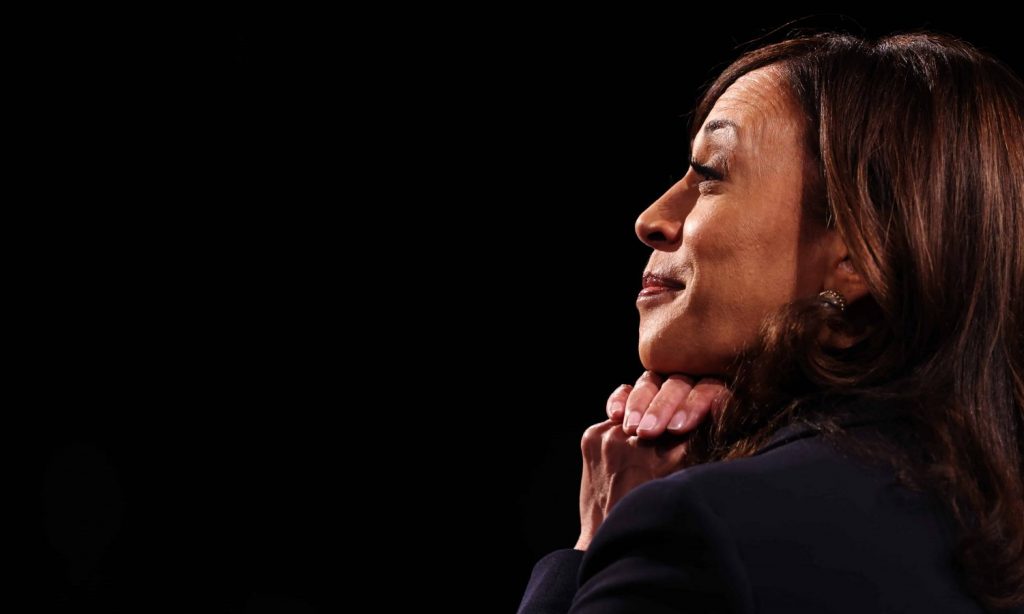
Kamala Harris Just Made A Whopper Of A Cannabis Promise

Kamala Harris Just Made A Whopper Of A Cannabis Promise

Though some voters may feel last night’s debate between Vice President Mike President and VP candidate Kamala Harris produced little by way of substance, it provided clarity on one particular issue—marijuana.

On the national stage, in front of millions of viewers, Harris promised that a Biden-Harris administration would decriminalize cannabis if elected.

“We will decriminalize marijuana and we will expunge the records of those who have been convicted of marijuana,” she said.

Continue reading >>>

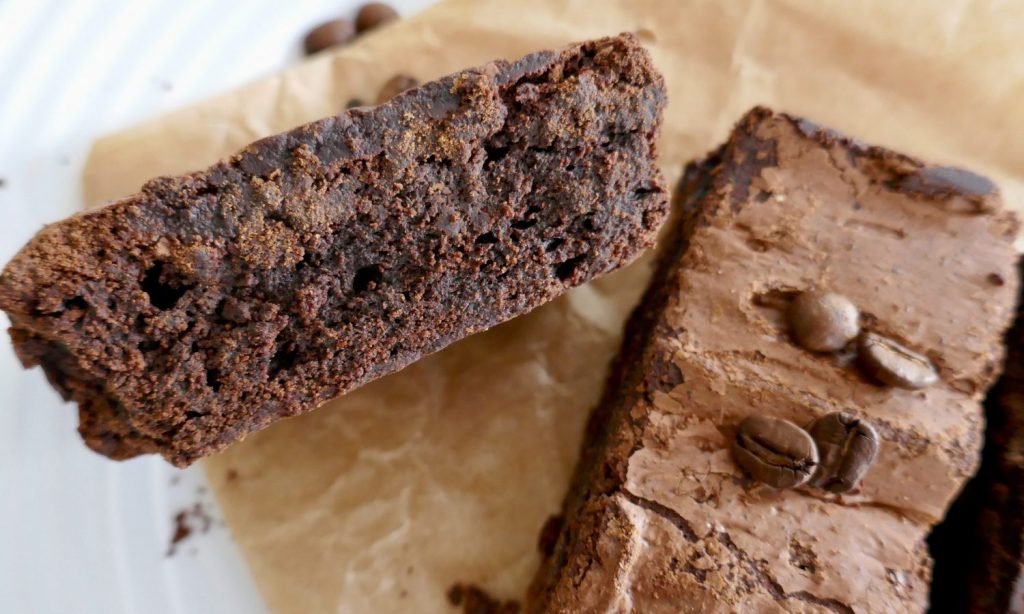
5 Big Differences Between Consuming Edibles And Smoking Marijuana

brown bread on white ceramic plate
Photo by Pot Head Coffee via Unsplash

If you’ve been around the marijuana block, you know the ways in which you consume the plant can greatly affect your high.

While both edibles and flower contain THC, the highs they produce are different. While some enjoy a healthy mix of both methods, most people choose a path and stick to it. People who prefer edibles tend to be older, taking advantage of powerful results while avoiding the hassle and the damages that smoking causes. Those who smoke joints don’t need as much expertise or planning, resulting in a loose and less committed experience.

Continue reading >>>

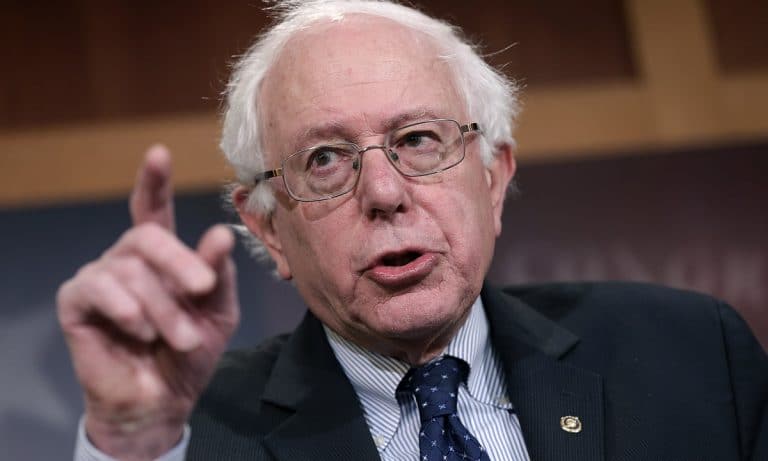
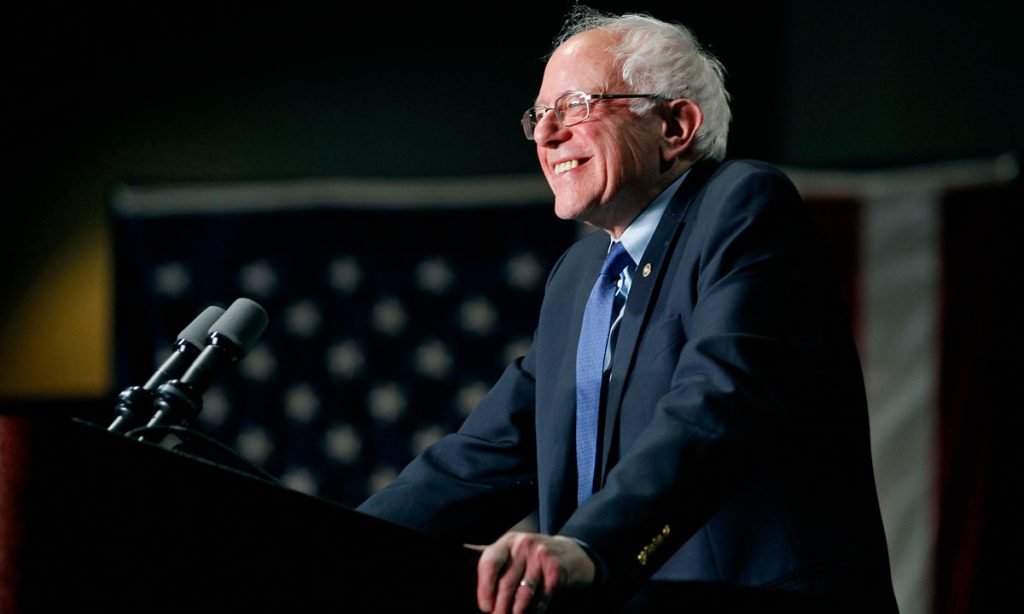
Bernie Sanders Celebrates His Home State’s Marijuana Reform Milestone

Bernie Sanders Celebrates His Home State's Marijuana Reform Milestone
Photo by Ralph Freso/Stringer/Getty Images

Vermont made history in 2018 by becoming the first state to legalize recreational cannabis through the Legislature. Lawmakers forgot one thing, though — to create a regulated and legal marijuana market in the process.

The state prohibited cannabis sales for the past two years, even though residents could possess and consume the substance without penalty. That changed last week when Vermont Gov. Phil Scott allowed a bill that would legalize recreational cannabis sales without his signature. He also signing separate legislation that would expunge prior marijuana-related records statewide.

Continue reading >>>

How To Smoke Weed Without Annoying Your Neighbors

How To Smoke Weed Without Annoying Your Neighbors
Photo by Christian Stahl via Unsplash

Lockdown measures and the overall stress of 2020 has made people turn to weed. A lot. While this might be great for your sanity, it might not be your neighbors’ favorite activity, especially if they’re working from home and have more time now to think and smell everything you do.

While nosy neighbors are never fun, it’s always important to be respectful and avoid annoying others to the best of your ability. You also don’t want them calling your landlord because that’s an extra source of stress that you don’t need.

Continue reading >>>

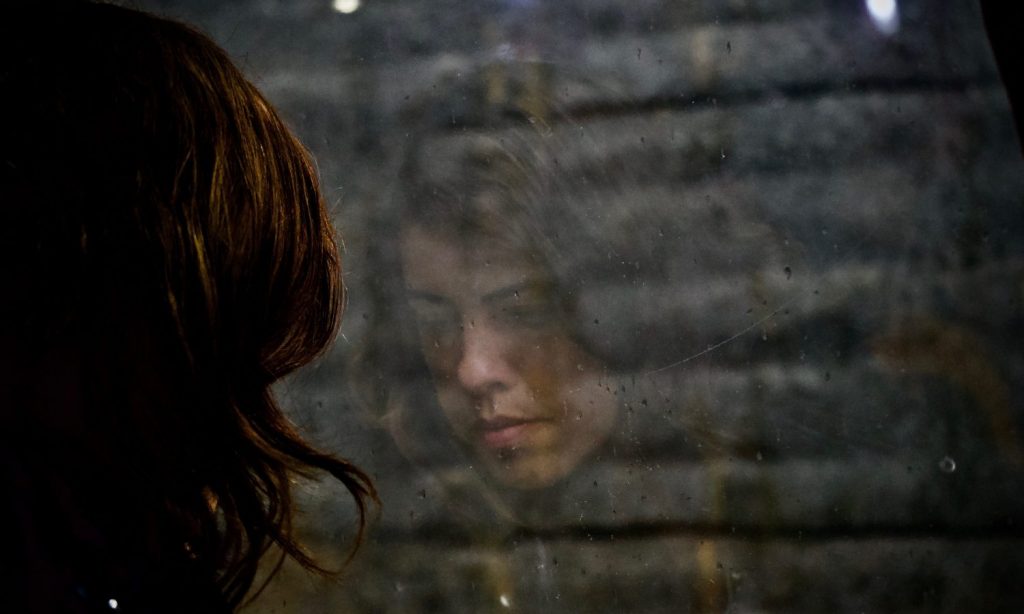
Doctor’s Advice On Using Marijuana To Treat Anxiety And Depression

woman looking at the floor
Photo by Tiago Bandeira via Unsplash

We are in a very stressful time in our lives. For those who have a history of anxiety and depression, the current worldly troubles can lead them back into or worsen these ill feelings. For those who have never had anxiety or depression before, this can be the beginning of a difficult time.

It can be overwhelming to think of COVID-19, job insecurity, food and housing insecurity, managing schooling for the kids, racial issues and typical stressors of life for an extended period of time. But unfortunately, this is where we are without a specific timeline as to when it will sort itself out.

Continue reading >>>

The Queen’s First In-Person Visit Has Sparked Outrage

0

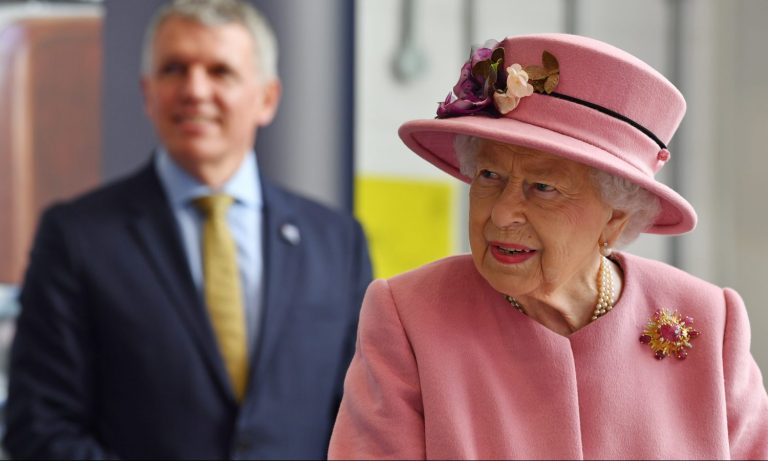
Twitter is giving Her Majesty some serious side-eye for a serious wardrobe faux pas at her first public outing in seven months.

Seven months after COVID-19 hit the world, the Queen is getting back into her normal royal routine. On Thursday the 94-year-old attended an engagement outside the royal bubble since March. She and Prince William toured the new Energetics Analysis Centre at the British military’s Defence Science and Technology Laboratory. Sounds pretty standard, right? Not so fast. The Queen’s first in-person visit has sparked outrage.

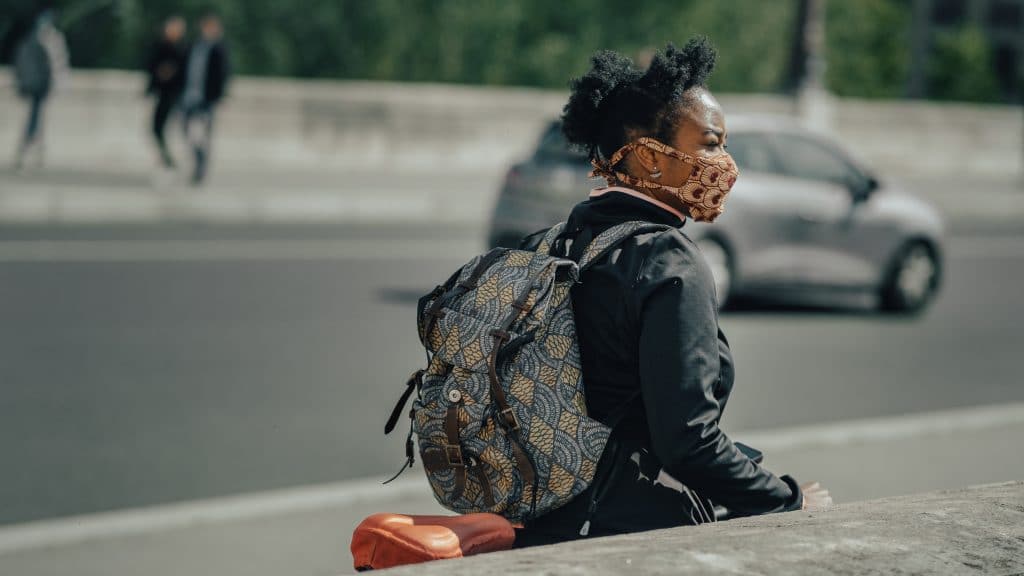
Royal watchers were taken aback by one minor, but important detail: Neither the Queen nor her grandson were masked up. In fact, nobody at the event wore a mask.

Royal reporter Chris Ship explained why in a tweet:

Royal commentator Richard Palmer also weighed in:

As Marie Claire notes, the palace explained that the decision to go sans mask was decided after consulting the queen’s medical team: “Specific advice has been sought from the medical household and relevant parties, and all necessary precautions taken, working closely with [the laboratory].” Kensington Palace didn’t comment on whether Prince William had been tested.

RELATED: Kate Middleton Pregnant? 5 Signs She Might Be

But Twitter isn’t having it.

https://twitter.com/fascinatorfun/status/1316752789343744001


At this point in the pandemic, it’s arguably known around the globe how important masks are in slowing down the spread of COVID-19. Kate Middleton and Prince William have both been snapped multiple times wearing masks. Hopefully the Queen’s first in-person visit sas sparked outrage is a one off.  It seems Her Majesty was trying to “return to normal” more than setting an example.


5 Common Hand Sanitizer Mistakes

0

Using hand sanitizer is pretty intuitive. Still, there are some key mistakes we can make that render it useless.

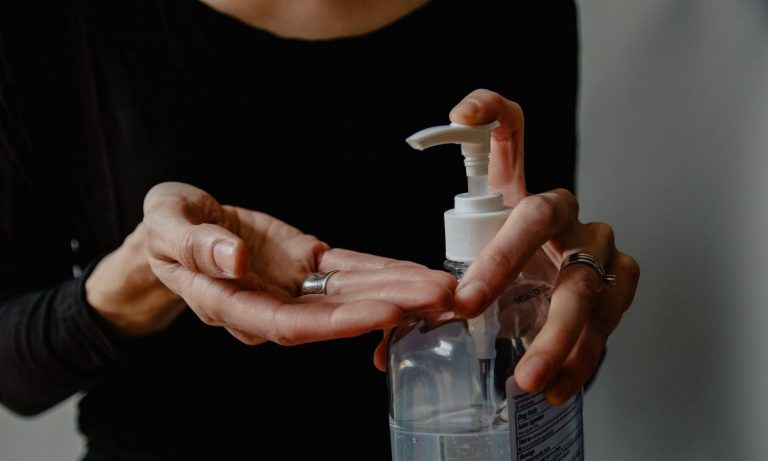
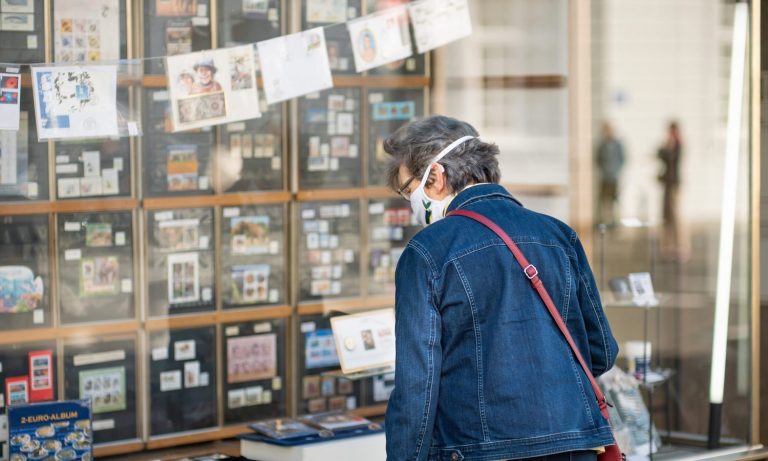
You’ve likely gone through more bottles of hand sanitizer in the past seven months than you have in your entire life, using a quick drop every time you leave your house or interact with high touch surfaces. Hand sanitizer has always been convenient, but now, in the midst of a pandemic, it’s a must have. Here are some common hand sinister mistakes.

Even if it’s extremely easy to use, it’s actually possible to incorrectly use hand sanitizer, especially when it comes to protecting yourself against COVID-19.

You’re using the wrong kind

Not all hand sanitizers are created equal. When it comes to eliminating germs and getting rid of the coronavirus, it’s important for hand sanitizers to contain at least 60% of ethyl alcohol or 70% of isopropyl alcohol. Read the label and make sure that your hand sanitizer of choice kills viruses effectively.

You’re not using it long enough

What You Should Know About CBD Hand Sanitizer
Photo by Photo by Anna Shvets via Pexels

RELATED: How To Stay Safe While Eating Out At A Restaurant

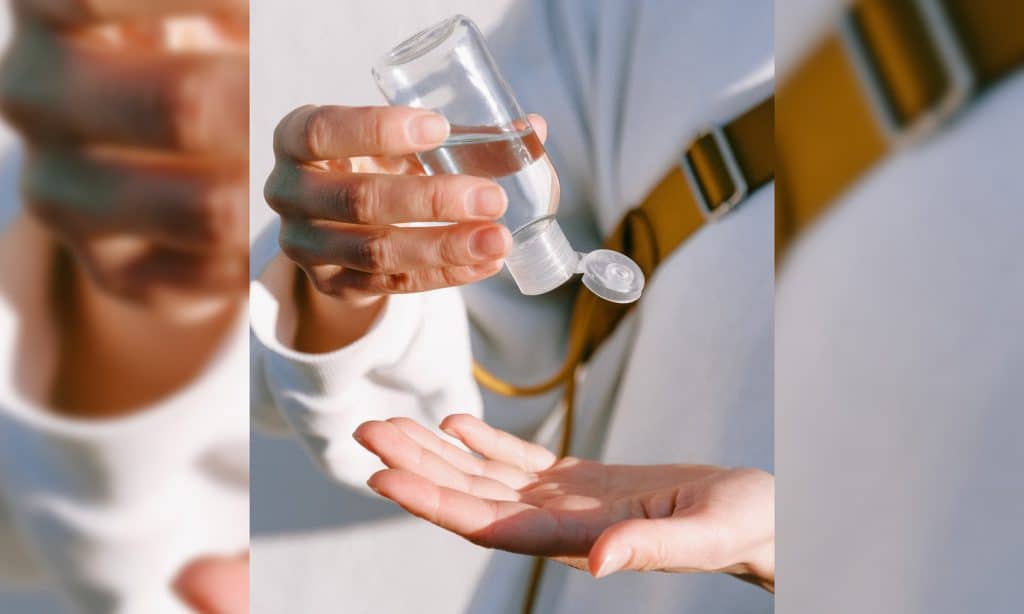
Hand sanitizer is most effective when you rub your hands together until they’re dry. This process should take between 20 to 30 seconds. So much for people saying that the use of hand sanitizer is less time consuming than washing your hands with soap.

It’s improperly stored

As long as you don’t get too crazy with where you store your hand sanitizer, you should be okay. “You don’t put it in the refrigerator, and you don’t put it out in the sun,” says Aaron E. Glatt, chief of infectious diseases at Mount Sinai South Nassau, New York.

You’re using it to get rid of grease and dirt

How To Prevent And Treat Blackheads, Including CBD
Photo by Edward Jenner via Pexels

RELATED: What You Should Know About CBD Hand Sanitizer

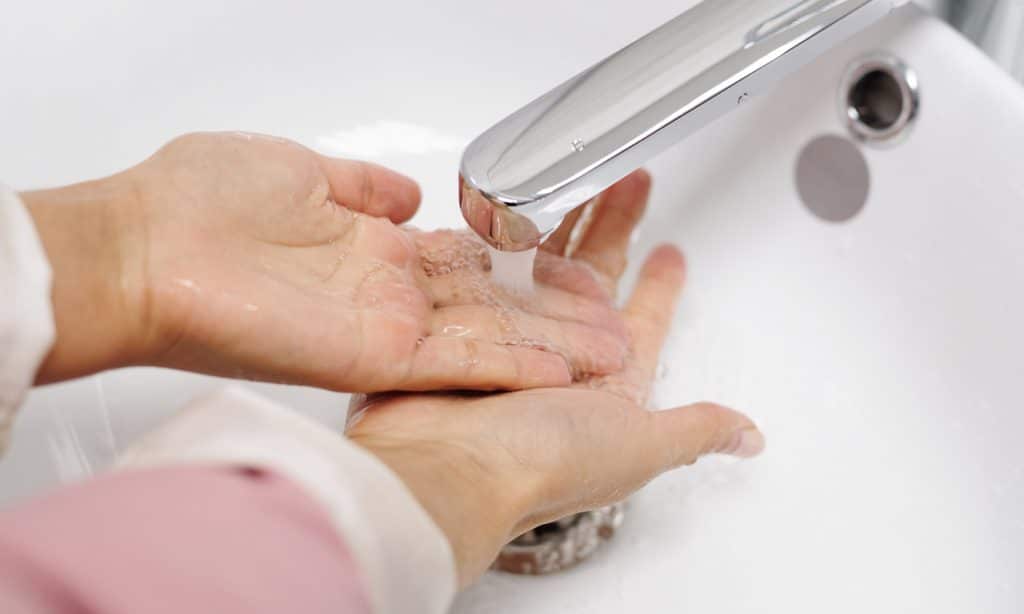
If your hands are covered with dirt or grease, the chemicals in the hand sanitizer might not have enough contact with the skin to provide the sanitizing effects. Experts say that if your hands are visibly dirty, you should always opt for a wash with water and soap. While hand sanitizer is a good replacement for soap, soap and water remain the most efficient ways of cleaning dirty hands.

You’re making your own

Back when the pandemic started and people were panic buying toilet paper and cleaning supplies, it became very difficult to find hand sanitizer. So people started making their own. While many people claim they were effective, there’s no need to do this anymore. Effective hand sanitizer is now extremely easy to find.

Why We’re Seeing A New Wave Of COVID-19

0

A spike in new COVID-19 cases suggests that we’re experiencing a second wave of the pandemic. Here’s why.

The number of COVID cases in the United States is surging again, following a steady period of decrease witnessed during the late summer. And while coronavirus is surging more in the Midwest, most states are also reporting a steady increase in cases, raising alarms for many health experts.

Caitlin Rivers, an epidemiologist from John Hopkins University, explained to the New York Times why these numbers indicate that the COVID-19 outbreak is far from over.

“We are headed in the wrong direction, and that’s reflected not only in the number of new cases but also in test positivity and the number of hospitalizations,” said Rivers. She explains that the plateau we’re seeing now, which is higher than it was during the COVID peak in the summer, likely indicates that we’ll experience more cases this time around.

RELATED: 3 Things You Should Know About COVID And The Flu

While many people have been calling this the “second” wave of COVID-19, this is actually the third peak of the illness in the country.

Can You Boost Up Your Immune System Against COVID?
Photo by Thomas de Luze via Unsplash

This new wave of COVID has been building up for a while, with experts warning people about staying vigilant and getting their flu shots as early as they can. The start of the flu season and the drop in temperatures will increase the spread of the virus, pushing people indoors. This is all without accounting for the country’s political climate, which remains volatile and has politicized mask mandates.

After a disastrous couple of months for the economy, businesses are reopening, trying to survive in adverse conditions. These openings of indoor restaurants and shops, while inevitable, give people a false sense of security, encouraging them to gather in indoor spaces or in areas where there’s poor ventilation.

RELATED: Here’s What Socializing Will Be Like During The Fall And Winter Months

Despite the disheartening news, we’re more equipped to cope with COVID than ever before. There’s increased testing capacity all over the country and better knowledge about effective treatment and measures of containment.

We’re all experiencing pandemic fatigue after the better half of a year spent under restrictive conditions. But while we’re all exhausted with the state of the world, we have to stay smart and vigilant, getting our flu shots as soon as we can and complying with face masks and social distancing guidelines.

Link Between Cannabis And The Munchies Is More Complicated Than You Might Think

0

The munchies are real — at least sometimes and for some people — and science has only begun to understand why.

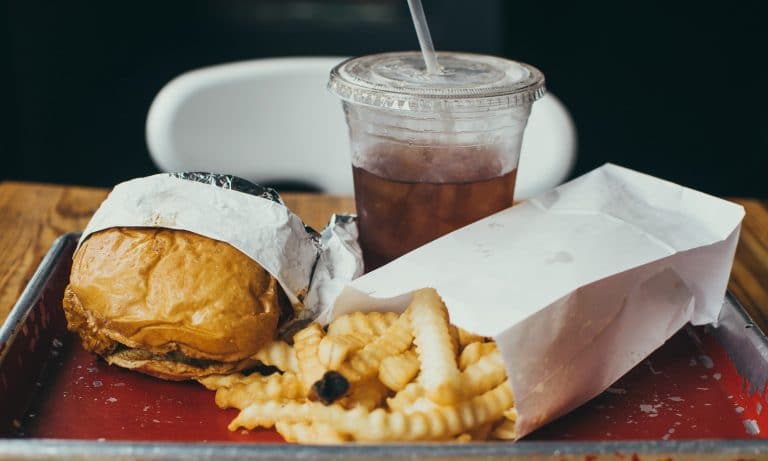
Given the long shared history cannabis has with humanity, several associations have long endured. One of those connections is marijuana and “the munchies” — the increased appetite attributed to weed consumption.

It’s not a completely unfounded association. Many medical marijuana patients cite cannabis’s uncanny ability to induce appetite as a reason for its therapeutic use, yet many pot smokers will tell you they don’t experience an increased urge to stuff their pie holes at all. As it turns out, the munchies are real — at least sometimes and for some people — and science has only begun to understand why.

What little research surrounding appetite and marijuana seems to point to THC as the cannabinoid responsible for inducing hunger and the activation of the body’s CB1 receptors, which triggers the secretion of hormones that cause “the munchies,” according to a study published in the Journal of Biological Chemistry.

The process, however, is complicated. In a different study conducted by Virginia Commonwealth University researchers, CB1 activation also has the reverse effect: suppressing hunger. One drug designed to mimic this effect, marketed under the name Rimonabant, proved effective in suppressing appetite. But it also induced depression and suicidal thoughts, forcing drugmaker Safosi-Aventis to pull Rimonabant from the market, even after European regulators had initially approved its sale.

RELATED: How To Control The Marijuana Munchies

A 2011 study published in the American Journal of Epidemiology found cannabis smokers generally did not see an increase in weight due to their pot consumption. In fact, among those surveyed, research found that the rates of obesity were higher among non-cannabis users than those that partake in marijuana. Anecdotally, regular and frequent pot smokers report that while smoking weed does not make them hungry, it does improve the sensation of eating, making food taste and smell better, which increases the overall satisfaction of meals.

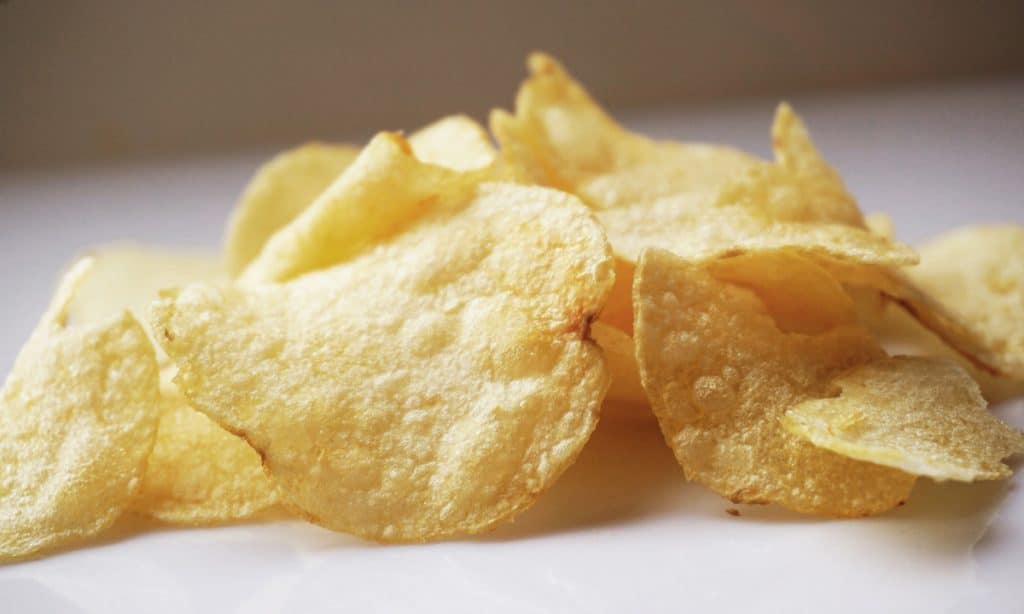
Fail Chips, strangest flavored chips
Photo by Flickr user Kate Ter Haar

The complex mechanisms surrounding the active compounds of the cannabis plant and our bodies are still far from being understood enough to manipulate and isolate for specific, desired effects, as tinkering with marijuana’s hunger effects have shown in the case of Rimonabant.

RELATED: Researchers Have Statistical Proof That The Munchies Really Do Exist

As the public’s support for the decriminalization of marijuana rises, scientists and researchers will have more access to the plant and increased opportunities to understand the layered, complicated biochemical effects of cannabis and its consumers.

Don't Miss Your Weekly Dose of The Fresh Toast.

Stay informed with exclusive news briefs delivered directly to your inbox every Friday.

We respect your privacy. Unsubscribe anytime.