Sunday, May 10, 2026
Home Blog Page 462

Medical Organizations Urge Mississippi Voters To Reject Legal Marijuana Measure

As the November ballot approaches, the battle to sway voters towards medical marijuana legalization is heating up in Mississippi.

A statewide propaganda campaign against a voter-initiated cannabis legalization measure remains underway in Mississippi. The Mississippi State Medical Association (MSMA) and the American Medical Association (AMA) have released a memo this week teaching voters how to reject the measure because the ballot is inherently confusing.

RELATED: How Likely Is Mississippi To Legalize Medical Marijuana This Election?

“Physicians advocate for evidence-based solutions,” MSMA President Mark Horne told local news station WLBT. “When we were asked to review Initiative 65, it was immediately clear that this is an effort focused on generating profits for an industry that has no ties to the medical or health care community in Mississippi. That is just one of many red flags that makes a NO vote essential.”

https://www.facebook.com/MSstatemedical/posts/3365417783546123

Voters will choose between two medical cannabis legalization measures at the polls this November, one spearheaded by advocates and the other by state lawmakers. Initiative 65, submitted by Mississippians for Compassionate Care, would permit patients to possess 2.5 oz of cannabis per 14-day period.

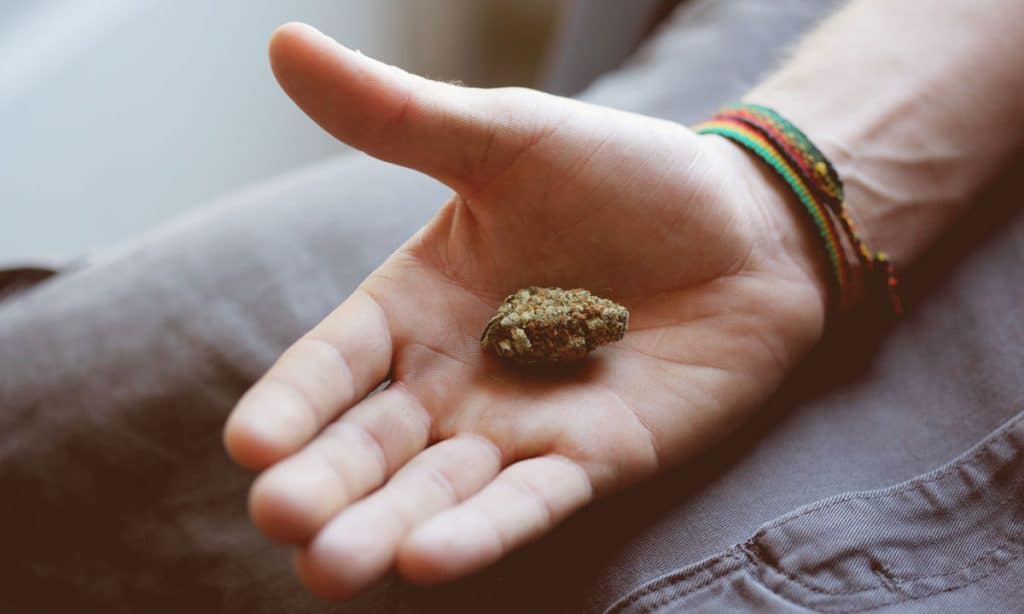
Medical Organizations Urge Mississippi Voters To Reject Marijuana Legalization Measure
Photo by Val Vesa via Unsplash

After it qualified for the ballot, lawmakers approved legislation for Initiative 65A, an alternative legalization option. While the activist-drive Initiative 65 lays out firm groundwork for a medical marijuana program in Mississippi, including what patients would qualify, the lawmaker-driven Initiative 65A has vague language with no timetable for the program.

https://www.facebook.com/Initiative65/photos/a.344989576061712/753033268590672

Supporters of the original measure believe the late addition of Initiative 65A is designed to mix up voters. An FM3 poll this summer found that 81% of voters support “doctors being able to recommend marijuana to patients with medical conditions and serious illnesses,” with Initiative 65 receiving double the support that Initiative 65A.

RELATED: Medical Marijuana 2020 Could Turn Mississippi Into A Green State

“We know that 81% or Mississippians support the medical use of marijuana for patients suffering from debilitating diseases. We also know that in 34 other states, medical marijuana is changing lives,” Jamie Grantham, the Communications Director for Mississippians for Compassionate Care, told WLBT. “It’s not a cure-all for everything, but it is certainly helping millions who otherwise are not able to get relief from traditional pharmaceutical medications.”

Stress Vs. Burnout: What’s The Difference?

0

Stress and burnout are terms that are used interchangeably, especially when discussing work. Here are some key differences between the two emotional states.

It’s an understatement to say that 2020 has been a stressful year. The pandemic, the current political climate and economical and societal uncertainties have all influenced our stress levels, which have understandably affected our work performance and the way in which we carry on with our days. It’s not uncommon for many of us to feel like we aren’t doing our best, especially when discussing work in today’s world, where words like “stress” and “burnout” are thrown around interchangeably.

According to The Huffington Post, there are some key differences between these two terms. Both refer to conditions on the same spectrum, with stress representing something more temporary, while burnout occurring after you’ve been exposed to long stretches of stress. Burnout is more difficult to treat and remedy when compared to stress.

“Suppose we continually experience stress for a prolonged period of time, without being able to change it,” says psychologist and well-being consultant Lee Chambers. “In that case, we can begin to feel empty, lacking motive, pessimistic and generally careless about life. This is burnout.”

RELATED: How To Relax When You Don’t Know How

burnout is now an official medical condition
Photo via rawpixel.com

While stress can pop up during a high pressure moment, like a presentation, it usually fades once you’re past it. Burnout tends to affect people for longer periods of time and appears to have no source or easy solution. It tends to result in isolation, poor work performance, lack of motivation and an overall dread over topics related to your work.

Looking for early symptoms of burnout isn’t as easy as it sounds, especially during a year like this. Most of the time, once you realize you’re suffering from burnout, it’s difficult to make meaningful changes.

“Maybe your actual job description doesn’t align with your passion of bringing joy to others, but is there another way you can bring joy to co-workers or clients that could scratch that itch?” recommends clinical psychologist Ryan Howes.

RELATED: How To Develop Routines That Reduce Anxiety

Other suggestions from experts include carving out time for your self-care, even if you don’t feel like it, and taking some time off work if you’re able to. A break from your work environment can help you reconnect with what you love about your job and provide you with some perspective that’ll allow you to see outside of the tough spot you’re in. A break might also help you realize what you want to do with your life, encouraging you to keep your options open and to look for a job that aligns more accurately with what you want to do with your life.

Why CBD Companies Are Sprung On TikTok

TikTok is one of the world’s leading social media platforms. Here’s why some CBD companies are taking advantage of it.

Despite the conspiracy theories that surround TikTok, it appears that the app, with its partnerships with Walmart and millions of users, is here to stay. While this is great news for tweens and bored internet surfers of all ages, it’s also good news for the CBD industry.

According to Forbes, TikTok is an e-commerce goldmine, one that doesn’t have to deal with as many restrictions as other social media sites. It’s a platform that has grown by 800% since January 2018, putting the number of users at the cool one-million mark. There’s tons of new content there every day that can be searched and tailored to your tastes as long as you know how to use the correct hashtags and trends.

“We’ve had a TikTok since about January of this year,” Lindsey Corum, CEO and founder of Cannabombz, told Forbes. “Moments before I posted it, I said to my partner, ‘I don’t know how to TikTok. We’re just going to post it, I think it’s good?’ I had it open in my drafts for an hour and a half trying to make this TikTok perfect.”

The TikTok video now has over 1.9 million views.

RELATED: Are There Any States That Restrict CBD Products?

Cannabombz not only experienced more viewers and subscribers; their sales experienced a $25,000 spike, about 50 times the amount of their average sales when compared to the previous day.

How To Incorporate CBD Oils Into Your Daily Routine
Photo by HighGradeRoots/Getty Images

“The numbers just kept going and going and going. I had posted it later so I stayed up all night responding to questions, interacting with comments. That helped,” said Corum. “That’s how the algorithm works, from what I understand, based on the level of interaction. I was up til 6 a.m. answering questions. I slept briefly, until 9 a.m., then I went to work.”

Corum explains that while TikTok’s algorithm remains mysterious, the video used a trending song along with the hashtag #foryou, which bumped the video up to the For You page, expanding its reach.

RELATED: Social Media Bans On CBD Ads Make No Sense

CBD and cannabis products are no strangers to social media apps, but one thing that can help new brands is the fact that while people still use Instagram and Facebook, TikTok remains a novelty app. While content that’s overtly cannabis will still be removed, if brands and users lean on the skincare aspect and are careful, they can build a steady base of users and costumers through TikTok. Strangely enough, you’ll find more than dancing tweens on the app.

What You Need To Know Before Getting A Cannabis Massage

While many people say that you cannot get high from cannabis topicals, one licensed massage therapist disagrees. Here’s why.

Adding a cannabis topical, such as lotion or oil to a massage can given one added benefits such as helping to manage pain, decrease inflammation, and improve relaxation. Jennifer Chan, LMT, BCTMB, offers these pointers to help ensure one can fully relax and take advantage of cannabis’ property’s by receiving a massage with cannabis topicals.

How to Prepare For a Cannabis Massage

The only difference between a cannabis massage and a massage is the topical being used will have cannabinoids in it. So prepare the same way one should prepare for a massage without cannabis. Chan usually tells people to make sure they focus on hydration 24 hours leading to their massage to make sure the body is working as well as it can be while on the table. And of course make sure to use the restroom before the appointment!

Recommended Cannabis Topicals For a Massage

First Chan recommends knowing the laws in the state. Not all cannabis topicals are equal in all states. For example, in Washington state, it’s within the scope of practice to massage with hemp topicals. CHABA are topicals coming from the marijuana side of Cannabis Sativa L with no more than 0.3% THC. In 2015, Washington State removed CHABA topicals off the WA controlled substance act, it’s not considered a drug, and the only marijuana topical WA LMTs are legally allowed to use on their massage clients.

RELATED: A Conversation About Topical Cannabis Massages

Also, full spectrum topicals containing the entire plant including terpenes is far superior to single isolate that only contains CBD. Finally, Chan recommends sticking to the types of topicals you prefer to use in a regular massage.

why a canna cure gives a new meaning to a relaxing spa day massage
Photo by alan caishan via Unsplash

Can I Get High From a Cannabis Massage?

While many people say that you cannot get high from cannabis topicals, Chan disagrees. “I know people who make an alcohol cannabis tincture, and have to wear gloves while making it or they will absolutely get high. And I know people who have used tinctures for spot treatment, so it is technically possible.” Having said that, Hemp and CHABA topicals in massage therapy should not create any intoxication.

RELATED: CBD Oil For Wellness: Why Not All Doctors Are Buying The Hype

When it comes to passing a drug test., Chan observes that so far no one has come back and told her they’ve tested positive on a drug test. Most of cannabinoids are excreted in our feces and drug tests are mainly urine analysis. Currently, drug tests are only testing for 1 cannabinoid, THC. As an added note, certain foods can trigger false THC positives, as well.

Here Are The Halloween Activities You Should Avoid Due To COVID

0

The CDC has released a statement encouraging people to get creative with their Halloween celebrations and to avoid exposing themselves and others to COVID.

This year we’ll be experiencing our first ever pandemic Halloween. Since people tend to get crazy when October 31 rolls around, the CDC is taking preventative measures, encouraging state governments to implement rulings and guidelines for people to follow.

Los Angeles was one of the first states in the US to put some rules on Halloween, preventing large parties held indoors and outdoors and recommending parents to avoid trick or treating with their kids, which made some people upset.

The CDC has released a statement that explains the basic risks of Halloween during COVID. Experts say that parties and get togethers that involve less people and are held outdoors are considered less risky, even if each situation is different and there’s always a degree of risk when meeting up with members of different households.

RELATED: What Is Quarantine Envy And Do You Have It?

For those who were thinking about replacing their face masks with Halloween masks, the CDC also has bad news: plastic cartoonish masks aren’t effective measures against COVID, unlike boring cloth face masks. Those who are very committed to the spirit of Halloween can double mask, but they might have trouble breathing.

No one is giving your kids marijuana for Halloweeen
Photo by Haley Phelps via Unsplash

The CDC listed out some of the highest risk activities people should avoid this Halloween. First is trick or treating, which people should avoid in all forms, whether they’re going door to door or handing out candy from their cars. The exchange of candy between members of different households makes it likely for germs to spread, even if people are wearing face masks and are distanced.

RELATED: 5 Creepy Podcasts To Listen To Before Halloween

In short, no candy should be exchanged this year. Indoor activities, such as house parties and haunted houses, are also discouraged. Going on tractor or festival rides with members outside of your household is also risky, since this requires proximity to others and there’s higher odds of yelling and spreading particle drops.

The CDC also listed out potential Halloween activities that are safe, including pumpkin carving with household members or friends while complying with social distanced guidelines, using Zoom or Skype to show off your costume, or wearing Halloween themed cloth masks. Because that sounds super fun and not at all depressing.

The Hemp Industry Responds To The DEA Rule With A Lawsuit

Petitioners claim that a recent DEA rule is unlawful because it exceeds the DEA’s authority and violates the 2018 Farm Bill.

On August 21, the Drug Enforcement Agency (the “DEA”) released an Interim Final Rule (the “Rule”), which, in part, suggests that in-process hemp extract shall be treated as a schedule I controlled substance during any point at which its THC concentration exceeds 0.3 percent on a dry weight basis. “Any point” includes even fleetingly during the processing phase and includes situations where the THC percentage is brought back into legal compliance for the finished product.

In response to this threat, close to 2,500 hemp stakeholders have already expressed their opposition to the Rule by submitting comments via the federal public docket. But some have taken their opposition one step further by suing the DEA. On Friday, September 18, the Hemp Industries Association (“HIA”) and RE Botanicals, a South Carolina hemp CBD manufacturer, filed a petition against the DEA and its acting administrator, Timothy Shea, in the U.S. Court of Appeals for the District of Columbia.

The petitioners claim that the Rule is unlawful because it exceeds the DEA’s authority and violates the Agriculture Improvement Act of 2018 (the “2018 Farm Bill”). Specifically, the Rule contradicts the plain language and the intent of the 2018 Farm Bill, which legalized hemp, its derivatives, extracts and cannabinoids so they could be regulated as agricultural commodities, and thus, fall outside the DEA’s jurisdiction.

RELATED: A Bipartisan Bill Would Regulate Hemp CBD As A Dietary Supplement

In addition, HIA and RE Botanicals argue that the DEA failed to issue the Rule in compliance with administrative procedures imposed under the Administrative Procedure Act (the “APA”). Indeed, Mr. Shea implemented the Rule without providing the public with notice and the opportunity to comment before the Rule went into effect. Instead, the Rule provides that its content “merely conforms DEA’s regulations to the statutory amendments to the [Controlled Substances Act] that have already taken effect, and it does not add additional requirements to the regulations.” (Emphasis added).

USDA Releases Hemp Rules
Photo by David Trood/Getty Images

While the Rule clearly suggests that the DEA is exceeding its authority and is attempting an illegal power grab over lawful hemp activities, only time will tell whether the U.S. Court of Appeals for the District of Columbia will be receptive to the petitioners’ arguments. Yet, one thing is certain, the hemp industry is determined to protect the lawful production of hemp that Congress established when it enacted the 2018 Farm Bill.

RELATED: Why The DEA’s Interim Rule On Hemp-Derived Cannabinoids Is Bad For The Industry

Since the enactment of the 2018 Farm Bill, the hemp industry has had to continuously fight state and federal roadblocks to protect its interest and has had to overcome obstacles with which no other legal industry has been confronted. Yet, the industry’s tenacity along with this lawsuit—one of several lawsuits filed by the industry against state and federal regulators—should give the DEA pause as the industry signals that DEA cannot flat-out ignore the legality of hemp.

If you wish to support the industry it this effort, be sure to submit your comments to the DEA by October 20. Also, contact your representatives to convey the need for Congress to clarify the regulatory gap that is at the center of this Rule. As written, it has the potential to destroy or seriously impair the hemp industry.

 is an attorney at Harris Bricken. This article was originally published on the Canna Law Blog and is reposted with permission.

No Long-Term Negative Brain Effects For Older Marijuana Patients

Compared to non-users, data showed no differences in memory, new learning, and reaction time for medical marijuana patients.

Older adults have begun consuming cannabis more than ever, often using the plant to deal with chronic pain. Marijuana use almost doubled among adults ages 65 and older, a study published earlier this year found. In the United States, about 20% of medical cannabis patients are over 60. Contrary to popular belief, a study shows no long-term negative effects for older marijuana patients.

New research out of Israel shows those adults should not expect any ill cognitive differences when compared to non-users. The study, published in the journal Drug & Alcohol Review, also found no disparities between older cannabis users and non-users when testing for cannabis use frequency, doses, years of use, and THC/CBD concentration.

“Moreover, both [medical cannabis] licensed and non-licensed patients performed relatively similar to a standardized population with no chronic pain,” the study’s authors wrote.

RELATED: Study Finds Medical Marijuana Patients Are Happier And Healthier Than Non-Users

For the observational study, Israeli researchers gathered 63 long-term medical users and 62 non-users who all suffered from chronic pain, using cognitive tests to collect data on performances measures, such as reaction time, memory recall, and more.

No significant discrepancies were found between the two groups. Researchers, however, did note that the medical marijuana users were more likely to suffer from cardiovascular disease and depression.

How To Talk About Cannabis With The Elderly
Photo by rawpixel.com

“Considering the accumulating evidence showing efficacy of cannabis use for multiple health conditions common in older individuals, the lack of adverse effects on the brain in the current sample of individuals with chronic pain who were older than 50 years can contribute to a better risk–benefit assessment of [medical cannabis] treatment in this population.”

RELATED: 3 Things Older Adults Using Marijuana Should Be Cautious Of

Previous research indicates medical cannabis can positively impact older adults. Seniors reported higher quality of life in a study published earlier this month. Research this summer also found medical cannabis patients experienced less hospital visits and used fewer medications compared to non-users.

“With greater percentages of seniors both turning to, and returning to, the use of cannabis, it is important that scientists begin to focus greater attention this unique and frequently overlooked group of consumers,” NORML Deputy Director Paul Armentano said in a statement. “We already know that many seniors suffer from ailments that may be effectively treated with cannabis, and this emerging data suggests that they can do so in a manner that poses little if any risk to their cognitive well-being.”

American Progressives Have Ignored Successful Alternatives To The Drug War — Is That About To Change? 

0

Disclaimer: The views expressed in this article solely belong to the author and do not necessarily represent those of The Fresh Toast.

 Progressives have sometimes delayed legalization efforts to dole out lucrative licenses to select members of minorities as a form of “reparations.”  

The cannabis communities (note the plural) were disappointed (again) last week when the Democratic-controlled House of Representatives delayed a vote on the Marijuana Opportunity, Reinvestment and Expungement (MORE) Act until after the elections. Although it is obviously frustrating, the short delay may actually ensure greater success in November. 

As an excellent report on MarijuanaMoment.com pointed out, the bill actually has the support of a majority of the House Republicans, but some moderate House Democrats (an endangered species) were afraid of being mocked by prohibitionists in November.  

“They felt that advancing the reform legislation before passing another coronavirus relief bill looked bad for them—a position that advocates say is nonsensical given the widespread popularity of the issue.” 

As The Grio reported, Last May, “Senate Majority Leader Mitch McConnell took exception to the word “cannabis” appearing more times than the word “jobs” in the $3 trillion coronavirus bill introduced by House Democrats..”  

Of course, marijuana legalization should be seen as a way to make jobs, not just raise tax revenue. 

SEE: Republicans Mock Pelosi’s Statement That Medical Cannabis Is Relevant to the Pandemic Economic Stimulus  

Unfortunately, McConnell did have one point. The pandemic stimulus bill included a requirement for more research on minority-owned and women-owned marijuana companies, what McConnell called “diversity detectives for the cannabis industry.”  

white concrete building under cloudy sky during daytime
Photo by Harold Mendoza via Unsplash

Having ignored the obviously racist origins and enforcement of marijuana prohibition for almost a century, the Progressives have sometimes delayed legalization efforts to dole out lucrative licenses to select members of minorities as a form of “reparations.”  

SEE: Prohibition 2.0 Making a Mess of Marijuana Legalization. Just Get Out of the Way 

To make the politics even more weird, President Trump has actually recognized that having a marijuana question on the ballot increases voter turnout, and that hurts Republicans, who have a long record of opposition to marijuana reform. 

SEE: Is Trump Willing To Lose The Election For Marijuana Prohibition? Even Republicans Support Legalization 

On the other hand, Biden seems to understand the political power of the issue. He is definitely not willing to lose the election for a lost cause, but just can’t quite bring himself to say “Legalize it.”

SEE: Biden Sort Of Decides On Marijuana Legalization: He Is Sort Of Still Against It

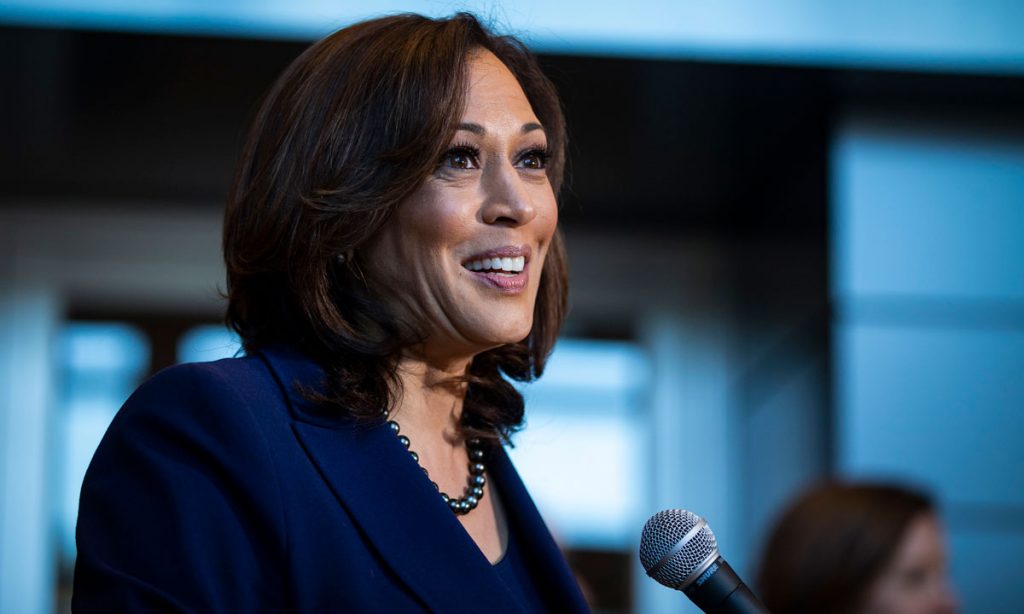
Like Biden, his running mate, Kamala Harris, was against marijuana legalization before she was for it. As Forbes reports, “While Harris’ past history on cannabis was certainly not one that suggested advocacy for cannabis reform, she seemed to shift gears rapidly over the last few years.

Marijuana Decriminalization and Record Expungment Top Priority for Biden-Harris Now
Photos: Drew Angerer/Staff/Getty Images; Pool/Pool/Getty Images

Suddenly, she was voicing support for cannabis legalization and even talking about her own experiences with the drug. And it wasn’t just talk, she cosponsored multiple bills aimed at improving things for the cannabis industry, and those impacted by the war on drugs.” 

SEE: Kamala Harris’ Controversial Cannabis History Is Making Waves —Here’s Where She Stands Now 

In any case, the Democrats can at least count the votes, so they are committed to legalization, in one form or another. However, my continuing frustration with our Progressive friends is exemplified in a generally excellent article on the Leftist website Salon.com: 

Want to reform the police? That must start with decriminalizing drugs 

Too much police violence against people of color is justified by a connection to illegal drugs. There’s an easy fix.  

At this stage in the debate do Progressives really need to be told that??? I have often written about this. 

SEE: Don’t Mention The Drug War. We Must Decriminalize Being Black. Black Freedom Matters  

And it will certainly not be a new idea to readers of the Libertarian magazine Reason.com.  

SEE: Want to Reform the Criminal Justice System? End the Drug War 

AND: End the War on Drugs  

American Progressives have long ignored successful alternatives to the Drug War in other countries. For over 40 years the Dutch have allowed the sale of cannabis in their “coffeeshops”. The results: the Dutch annual per capita rate of cannabis use is less than half of the American rate (5.4% vs 13.7%) and the hard drug use rate is even lower (0.3% vs 0.57%). And the murder rate is less than one fifth the U.S. rate.  

What The US Can Learn From Holland’s Coffee Shop Cannabis Model
Photo by Wikimedia user Sissssou

SEE: We Must End Marijuana Prohibition For Economic Recovery In A Post Pandemic World

And for 20 years, Portugal has had a policy of “decriminalization” for all drugs. This policy addresses both the public health problems associated with injecting hard drugs, and conflicts with the police.  

SEE: Drug policy of Portugal  

But for eight years, Barack Obama did nothing to stop the arrests, so opponents of the Drug War often find themselves in a situation reminiscent of James Thurber’s The Peacelike Mongoose and a few other things in contemporary politics:  

“In cobra country a mongoose was born one day who didn’t want to fight cobras or anything else. The word spread from mongoose to mongoose that there was a mongoose who didn’t want to fight cobras. If he didn’t want to fight anything else, it was his own business, but it was the duty of every mongoose to kill cobras or be killed by cobras. 

“”Why?” asked the peacelike mongoose, and the word went around that the strange new mongoose was not only pro-cobra and anti-mongoose but intellectually curious and against the ideals and traditions of mongoosism. 

“He is crazy,” cried the young mongoose’s father.  

“He is sick,” said his mother.  

“He is a coward,” shouted his brothers.  

“He is a mongoosexual,” whispered his sisters. 

Strangers who had never laid eyes on the peacelike mongoose remembered that they had seen him crawling on his stomach, or trying on cobra hoods, or plotting the violent overthrow of Mongoosia.  

“I am trying to use reason and intelligence,” said the strange new mongoose. 

“Reason is six-sevenths of treason,” said one of his neighbors. 

“Intelligence is what the enemy uses,” said another.  

Finally, the rumor spread that the mongoose had venom in his sting, like a cobra, and he was tried, convicted by a show of paws, and condemned to banishment.  

Moral: Ashes to ashes, and clay to clay, if the enemy doesn’t get you your own folks may.  

Richard Cowan is a former NORML National Director and author of All You Need To Know About CBD For Children 

Does Oregon’s Eviction Moratorium Apply To Cannabis Businesses?

In response to COVID-19, an Oregon law prohibits only evictions for non-payment of rent and other charges (late charges, utilities and other service charges or fees). What does this mean for commercial landlords?

In a word, yes.

A lawsuit recently filed in Jackson County, Oregon by a tenant alleges that his landlord has wrongfully evicted him from a warehouse containing 36,000 pounds of hemp, which the plaintiff alleges will be worth $1.5 million when processed, and 500 pounds of trimmed flower with a market value of $175,000. (Marks v. Laminate Tech., Inc., 20CV31971 – email me if you’d like a copy of the complaint). Before discussing the lawsuit, let’s briefly review Oregon’s moratoria on evictions, which we’ve closely watched as we’ve advised both landlords and tenants on their options resulting from the moratoria.

On April 1, Governor Brown signed Executive Order 20-13, which imposed a temporary moratorium on evictions in response to the COVID-19 outbreak. This order followed a prior order (20-11) that imposed a temporary moratorium on residential evictions for nonpayment of rent. In Order 20-13, Governor Brown extended that moratorium to include non-residential tenancies (i.e. commercial tenants). Order 20-13 prohibits commercial landlords from terminating any tenant’s lease and from taking action, judicial or otherwise, relating to non-residential evictions for the nonpayment of rent, late charges, utility charges, or other charges or service fees.

The order contained no carve-out for cannabis businesses — so hemp and marijuana businesses were entitled to the protections of Order 20-13. Notably, Order 20-13 did not apply to the termination of leases for causes other than nonpayment. Since most commercial leases impose a number of other conditions on tenants other than paying rent (e.g. maintaining insurance, refraining from illegal conduct, use restrictions), commercial landlords were not entirely prohibited from terminating a lease or commencing eviction proceedings. But a landlord cannot take such actions on the basis of nonpayment of rent.

Order 20-13 was set to expire on July 1, 2020, and so the Oregon Legislature took up House Bill 4213 (“HB 4213”) in order to extend the moratorium on residential and commercial evictions for nonpayment of rent. Governor Brown signed HB 4213 into law at the end of June.

HB 4213 prohibits residential and commercial evictions until September 30, 2020, due to nonpayment of rent. The law does not forgive past-due payments and gives tenants until March 31, 2021, to make overdue payments, without interest. Importantly and like Order 20-13, the law prohibits only evictions for non-payment of rent and other charges (late charges, utilities and other service charges or fees).

RELATED: The Oregon Fires And Cannabis

The law prohibits the termination of lease through delivery of notice, and prohibits landlords from taking any other action that would interfere with a tenant’s possession or use of a leased premises due to nonpayment of rent. But like Order 20-13, commercial landlords may take actions adverse to the tenancy for reasons other than nonpayment of rent — meaning breaches of the lease other than nonpayment. Like Order 20-1, the law contains no carve-out for cannabis businesses.

green plants on white metal frame
Photo by Richard T via Unsplash

Turning to the Jackson County lawsuit, if the allegations are true it appears the defendants plainly took actions in violation of Order 20-13 and HB 4213. The plaintiff alleges he subleases two warehouses from the defendant for the storage of hemp and related business. Since May 2020, says the plaintiff, defendant has “repeatedly” changed the locks and threatened plaintiff with eviction for nonpayment of rent.

Defendant also, allegedly, threatened in writing to dispose of the 36,500 pounds of hemp if rent was not paid by September 21, 2020 and threatened to change the locks (again) and sell other personal property in the warehouse that belongs to plaintiff. The lawsuit contends that the hemp is worth $1,675,000 and asks for damages not to exceed $2,500,000. (The difference is not clear from the complaint.)

Not surprisingly, the plaintiff filed a motion for a temporary restraining order concurrently with filing the complaint on September 21, 2020. The motion was granted and the Court set an order to show cause on October 1, 2020 why a preliminary injunction should not issue.  So stay tuned.

For more on cannabis leasing issues, see:

Jesse Mondry is an attorney at Harris Bricken and this article was originally published on the Canna Law Blog and was reposted with permission.

The Link Between Cannabis And Autoimmune Diseases

Scientific evidence regarding the role of the endocannabinoid system in the treatment of autoimmune diseases is just emerging, but cannabis seems to be a viable treatment. 

Project CBD defines autoimmune diseases as “diseases in which your body’s defense system triggers an abnormal inflammatory response that causes damage to the body’s own tissues. Many conditions fall into this category, including multiple sclerosis, Crohn’s disease, lupus, and celiac disease.

Symptoms may include fatigue, pain, swelling, fever, nausea, numbness, rashes, or hair loss.” These conditions are widespread with about 20% of the populations suffering from some sort of autoimmune disease, the majority of whom are female.

Researchers behind a 2010 study published in the journal Immunobiology point to the possibilities of cannabis as a viable treatment for autoimmune diseases: “Cannabinoids have been shown to act as potent immunosuppressive and anti-inflammatory agents and have been shown to mediate beneficial effects in a wide range of immune-mediated diseases such as multiple sclerosis, diabetes, septic shock, rheumatoid arthritis, and allergic asthma.” 

chronic fatigue syndrome
Photo by Benjamin Combs via Unsplash

According to neuroscientist Adie Rae, PhD, co-founder of Smart Cannabis, scientific evidence regarding the role of the endocannabinoid system in the treatment of autoimmune diseases is just emerging. “For some autoimmune diseases like Crohn’s disease, there’s very promising and preliminary work.”

Researchers have observed that patients who have Crohn’s disease and use cannabis are less likely to have severe side effects and hospitalizations than those who have Crohn’s disease but do not use cannabis. Clinical trials being conducted in Israel point to a significant reduction in Crohn’s disease symptoms in those who treated their symptoms with cannabis oil compared with those in the placebo group. 

RELATED:  CBD Oil And Its Potential Aa A Psoriasis Treatment

Rae adds that the clinical evidence is not as far along for other autoimmune diseases. Researchers have been able to observe that the endocannabinoid system of a patient with fibromyalgia does not function as well as a patient without this disease. While patients with fibromyalgia report improvements when using cannabis, this reporting remains largely anecdotal. 

Without proven scientific research, cannabis patients and their caregivers learn how to use the products and delivery methods that are the most supportive of that individual’s lifestyles and goals. For example, patients who are in chronic pain need help sleeping. So the best kind of products for them are often products that can be ingested orally and last for 6 to 8 hours. 

RELATED: Everything You Need To Know About Your Endocannabinoid System

This long duration allows them enough relief form pain that they can get to sleep and stay asleep. While those on disability can continue taking cannabis orally during the day, many patients need to go to work. So, during those times, when they need to be productive, they need to consume a cannabis product that has a lower THC potency and a shorter duration. 

Personalized Treatment: The Future Of Medical Cannabis
Photo by seksan Mongkhonkhamsao/Getty Images

Even when U.S. based researchers can observe a connection between cannabis and a particular autoimmune disease like fibromyalgia, they are unable to conduct clinical trials at this present juncture due to cannabis’ ongoing classification as a schedule 1 drug. Rae observes, “We need research from the cellular molecular mechanisms up to Phase III clinical trails in order to determine which cannabis at which doses, how many times per day, and in which patients will produce results.” 

Without this scientific data, researchers cannot ascertain with clinical accuracy the best types of cannabis or delivery methods for treating various autoimmune diseases. Rae opines, “This is why we need for the US barriers to research to be eliminated because those are exactly the kinds of questions the patients, doctors, the FDA, and the investigators themselves want the answers to.”

Don't Miss Your Weekly Dose of The Fresh Toast.

Stay informed with exclusive news briefs delivered directly to your inbox every Friday.

We respect your privacy. Unsubscribe anytime.