Sunday, May 10, 2026
Home Blog Page 463

3 Things To Know About A Second Stimulus Check

0

Want to know if a second stimulus check is on the way? How much you could be getting? And when? Here’s what you need to know.

As many Americans struggle to figure out how they’re going to pay their bills next month, stimulus checks are on top of mind. Specifically, are we getting a second one? And if so, how much will it be for?

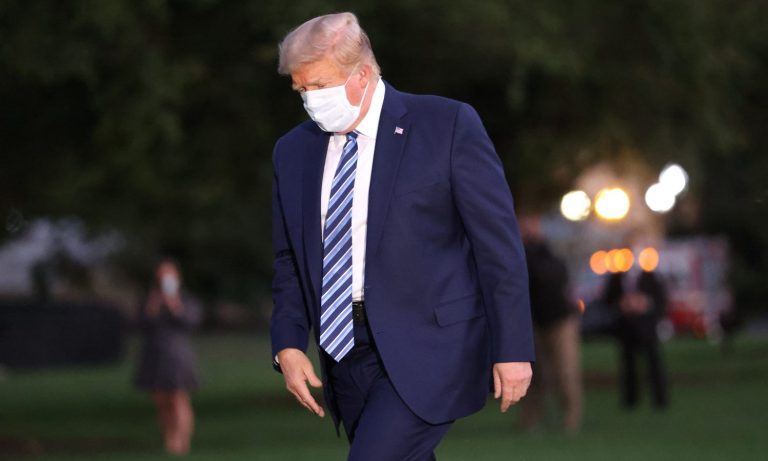
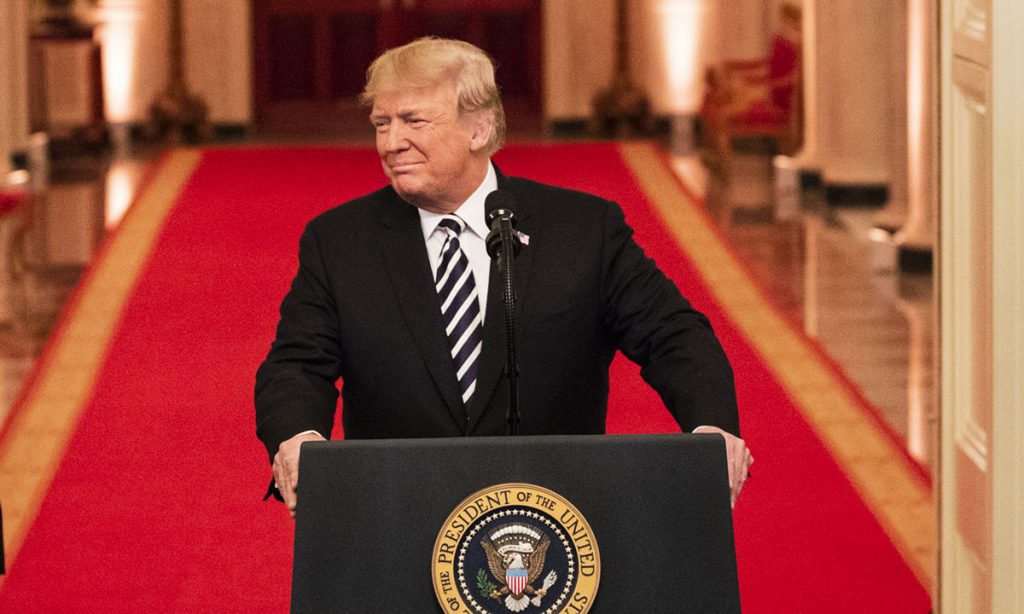
The good news is we seem to be closer to another stimulus check hitting the mail. On Thursday, Treasury Secretary Steven Mnuchin said he and House Speaker Nancy Pelosi are going to restart stalled talks focused on a second stimulus check and other relief bill measures. Along with Pelosi’s plan for a smaller COVID-19 relief bill, this is a good sign that the House could vote on the proposal as early as October 2.

CNET compiled a list of some of the most important things you need to know about what a second check could look like for those who are eligible. Here are the top three:

IRS could speed up the process for second checks

The first round of stimulus checks took nearly three weeks to send out, but Mnuchin says once legislation is signed, that process could go quicker. “I could get out 50 million payments really quickly,” and start making payments a week after a bill is signed, Mnuchin said in August.

RELATED: Did Marijuana Users Spend Their Stimulus Checks On Weed?

Did Marijuana Users Spend Their Stimulus Checks On Weed Purchases?
Photo by Alexander Mils via Unsplash

Eligibility rules could change (to your advantage)

CNET believes a second stimulus check would largely follow the same guidelines as the first, however, they report that eligibility requirements could change. “It might even benefit your family, if a new stimulus bill redefines who counts as a qualifying dependent.”

Other notes on eligibility, according to CNET:

You’ll probably receive your money quicker with direct deposit

According to the most recent numbers, this is how the nearly 160 million first stimulus payments break down:

  • Direct deposit: 75% or 120 million payments
  • Paper check: 22% or 35 million payments
  • Prepaid EIP debit card: 3% or 4 million payments

What does this mean? You’ll likely receive your next chunk of money faster if you have direct deposit. If you haven’t already registered for direct deposit, here’s how you can do that.

Head over to CNET to glean other important facts about a second stimulus check, including how much you are likely to get.

Kate Middleton Has Been Breaking This Royal Rule For Years

Royal dress code tends to prefer natural-looking polish, if any at all. Yet, the Duchess of Cambridge has managed to sneak in some bright colors over the years without anyone really noticing.

Meghan Markle has made a name for herself as a rule breaker, whether it’s wearing a messy bun or skipping nylons with a dress, but unlike the Duchess of Sussex, Kate Middleton has been pretty strait-laced. That is, until now. Kate Middleton has been breaking this royal rule for years!

Word on the street is that the Duchess of Cambridge has been getting away with….wearing bright nail polish!!! And not just recently, but for basically the entire time she’s been a royal.

This may not seem like a bid deal, but royal dress code tends to prefer natural-looking polish, if any at all. Even the Queen has been wearing this $9 nail polish color for nearly 30 years.

That’s why it was newsworthy when Meghan showed up to the British Fashion Awards in 2018 with dark polish gracing her mom-to-be hands.

https://www.instagram.com/p/BrPy0hzFxJa/

But according to experts, nail color is less about protocol and more about knowing your audience.

“There’s no actual protocol about dark nail polish,” royal correspondent Omid Scobie told BAZAAR.com. “It’s simply about being appropriate—we’d never see this at a royal engagement. [The British Fashion Awards ceremony] is a celebration of fashion and there’s a lot more flexibility on what one can wear.”

RELATED: Meghan Markle And Prince Harry Broke Royal Protocol In The Most Eye-Roll Inducing Way

As Reader’s Digest points out, Kate wore a light pink shade during her wedding ceremony, mixing Bourjois Rose Lounge and Essie Allure to create an original hue. But just because it’s all business in the front, doesn’t mean there’s not a party happening elsewhere. Turns out, Kate’s been wearing colored polish on her toes.

https://www.instagram.com/p/BEtYoLipjqs/

Photo by Michael Steele/Staff/Getty Images

If you look closely at your Instagram feed (we know you follow all of the royal accounts!!), you’ll see that Kate has actually stepped out a few times with bold toes. Really, anytime she’s photographed wearing open-toed shoes.

RELATED: Here’s One Thing You’ll Never See A British Royal Do

https://www.instagram.com/p/BFWQXgkpjly/

In May 2012, as BAZAAR.com reports, Kate attended a dinner hosted by The Thirty Club in London. “She wore a cream gown with a leg slit and sparkly metallic platform sandals. She might’ve opted for natural nails on her fingers, but on her toes, she sported a dark polish.” And she didn’t stop there. Days later, she wore the same shade to a concert at Royal Albert Hall celebrating the 2012 Summer Olympics. Who’s the rule breaker now?

This Is How Millennials Prefer To Consume Their Cannabis

New data breaks down how millennials are spending their money on cannabis. The majority (nearly two-thirds) prefer to consume their weed in this form.

A new report from analytics company Headset found millennials to be the biggest category for cannabis consumption in California and their overwhelming choice for form factor is smoking. The latest report on August sales read, “Millennial Males contributed to the most sales with 37.5% of the market share.” Millennials in general spent 43% of their money on flower, 9% on pre-rolls, and another 23% on vape pens. Making almost two-thirds of all purchases in the inhalant category.

Female cannabis consumers in this category weren’t as big of fans of the smokable categories. Millennial females spent 17% of their money on vape pens in California, which was far less than the men. However, this was the biggest category for female vape pen buyers. Other female age groups spent much less on vape pens.

Top Five Vape Pens

Among all demographics, these were the top five vape pens sold in California for August:

  1. Stiizy
  2. Raw Garden
  3. Heavy Hitters
  4. ABX
  5. Select

“The most notable difference between these brands is that the Gen Z and Millennial age groups contribute an enormous proportion of sales to the top two brands, STIIIZY and Raw Garden. Because Millennials drive the majority of Vapor Pen sales and Gen Z has the strongest over-index of any age groups to vapes, Vapor Pen brands targeting these groups could potentially see strong sales.

RELATED: Millennials Are Fueling The Cannabis Economy

While Heavy Hitters and ABX, ranking 3 and 4 respectively, under-index to Gen Z and Millennials, they are still successful brands in the California vape market and have strong over-indexes to both Gen X and Baby Boomers. This shows that even within a category, there are brands that resonate best with different types of customers.”

Study: Women Are More Disgusted By Sex Than Men
Photo by rawpixel.com

Washington

The August sales report also took a deep dive into the state of Washington as a comparison. Men also dominated the smokable categories in this state as well. Over 60% of the sales in the flower and vape categories were by men. 59% of pre-roll sales were also men.

RELATED: Here’s How Millennials And Boomers Differ On Marijuana Use

Women in this market prefer edibles. They make up 35% of the total cannabis market in the state, but when it comes to edibles, they account for 43% of the sales. Here are the top ten edible products in Washington according to Headset:

Top Ten Edibles

  1. Magic Kitchen
  2. Hot Sugar
  3. Craft Elixirs
  4. Verdelux
  5. FlavRX
  6. CannaBurst
  7. The 4.20 bar
  8. Honu
  9. Mr. Moxey’s Mints
  10. Smokiez

This article originally appeared on Green Market Report and has been reposted with permission.

Does Demi Lovato Smoke Weed?

Demi Lovato is making headlines for ending her (very short) engagement. Is she turning to weed to help her cope with her quarantine breakup?

Demi Lovato is one of Disney’s biggest success stories. She kicked off her career by acting and singing along with the Jonas Brothers. Afterwards she focused on her music career, releasing tons of Billboard hits. Lovato is also a spokesperson for LGBTQ rights, bullying, eating disorders, and her own personal experiences with addiction.

This week, Lovato has been trending in the news due to her breakup with actor Max Ehrich. The couple got engaged just five months after meeting in quarantine.

Lovato may not be the best at embracing red flags, but what about the green?

RELATED: Does Will Smith Smoke Weed?

Lovato has struggled with addiction from a young age, making her relationship with drugs a very complicated one. In 2015, Joe Jonas said in an interview that the first time he smoked weed, he was peer pressured by Lovato and Miley Cyrus. During 420 of the same year, Lovato uploaded a photo to Instagram of the three of them with the caption: “In honor of our former escapades, I thought you’d like this to remember our first blaze…Happy #420.”

Demi Lovato Tom Cruise Jamie Foxx
Photo by Jason Merritt/Staff/Getty Images

Some years later, when Cyrus decided to quit marijuana and alcohol, Lovato made a statement in her support, telling The Hollywood Reporter, “I am really proud of Miley. I think that it helps people to know that there are people in the spotlight that have challenges, that are faced with very stressful lives. I think it helps to know that recovery is possible and it’s something that is so important to certain people like myself.”

RELATED: How Miley Cyrus Convinced Her Mom To Start Smoking Weed

While she commends those who choose to steer clear of drugs, she supports people doing whatever it is they want to do. When singer Lauren Jauregui uploaded a photo of herself with a joint, her fans were outraged, with many commenting on her behavior. Lovato was quick to show her support via Instagram. “Y’all stop telling her what to do and what not to do. Girl live your life.”

Sobriety means different things to different people. While some choose to avoid substances altogether, others are able to consume marijuana and steer clear of other substances that are more harmful and that could encourage a relapse. In the case of Lovato, there’s no way of knowing unless she explains it herself.

Federal Courts Are Going Backward On Cannabis

In 2020, state courts still seem to be a good bet for cannabis businesses in cannabis-legal states. But federal courts are sliding backward.

A few weeks back, the Cannabis Law Institute invited me to discuss contract drafting for cannabis deals. A focal point for the panel was whether courts are willing to enforce cannabis contracts. The last time I had really looked at that issue was early 2019, when I wrote: Cannabis Dispute? Courts are Open. As the title indicates, my research (and our law firm’s experience) showed that both state and federal courts were generally open to resolving cannabis contract disputes at the time. And I assumed the trend had held. Unfortunately, it has not!

In the 2019 piece, I summarized:

[Contract enforceability] was always the biggest consideration in choosing a forum for cannabis disputes. A few months ago, we ran a survey of federal courts and cannabis litigation, observing that none of the districts at issue were invalidating state-sanctioned businesses’ cannabis contracts on the dreaded “illegal purpose” basis. This trend is holding strong in recent federal court disputes on issues from RICO to patent infringement, despite the prohibited status of “marijuana” under federal law. As to state courts, the decisions declining to hear cannabis beefs are pretty far in the rearview. (Ironically, it has been safer overall to enforce cannabis contracts in federal courts that state courts to date.) When drafting agreements for cannabis clients, we still advise as to the diminishing possibility of non-enforcement, but most cannabis companies seem comfortable choosing court over arbitration if other goals are satisfied.

In 2020, state courts still seem to be a good bet for cannabis businesses in cannabis-legal states. Although I have not run a formal survey, I also have not come across local courts tossing disputes solely because the contract related to cannabis activities (and our cannabis business litigators have worked on many of these cases). But federal courts are sliding backward. A trio of cases in Washington, Oregon and Nevada show why.

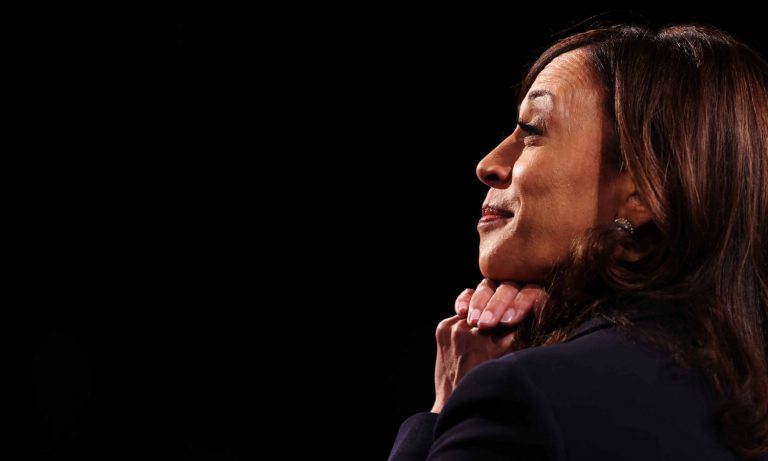
RELATED: Kamala Harris Will Help With Cannabis Reform (And That’s Good Enough For Me)

Before running that dismal gauntlet, it’s important to understand the rationale used by federal courts to enforce cannabis contracts previously. The touchstone ruling here is found in Mann v. Gullickson, 2016 WL 6473215 (N.D. Cal. Nov. 2, 2016). In that case, the court observed that “[n]o principle of law is better settled than that a party to an illegal contract cannot come into a court of law and ask to have his illegal objects carried out…” (quoting Wong v. Tenneco, Inc., 39 Cal. 3d 126, 135 (1985)). That makes sense, right? For example, if Party A pays Party B to start a forest fire, but Party B pockets the cash and skips town, no court would require Party B to return and start the fires. The contract would be void for public policy reasons.

But there’s some wiggle room here. The Mann court also observed that “[e]ven where contracts concern illegal objects, where it is possible for a court to enforce a contract in a way that does not require illegal conduct, the court is not barred from according such relief.” As such, the court determined it could require a cannabis company borrower to repay a loan it had received (provided the case did not settle between summary judgment and trial). Requiring someone to repay a loan, after all, doesn’t require the debtor to violate any laws– even if the debtor is a scofflaw.

In legal terms, what the Mann court did is “sever” the narrow, kosher contract requirements from the broader, “illegal contract” at issue. This is in keeping with our early 2019 survey of the federal courts, mentioned above. Specifically, we concluded in that blog post that courts were “find[ing] ways around invalidating contracts simply because they happen to involve cannabis–and sometimes even when they include terms that require parties to violate federal law–so long as those provisions are severable.”

RELATED: The Oregon Fires And Cannabis

Unfortunately, courts seem to be rethinking this approach, not just in jurisdictions that comprise states without legal cannabis programs, but in states that have taken the lead on ending prohibition. Below are the 2020 decisions in Washington, Oregon and Nevada, which show courts backing up a bit.

Bart St. III v. ACC Enterprises, LLC, No. 217CV00083GMNVCF, 2020 WL 1638329 (D. Nev. Apr. 1, 2020)

Like MannBart St. is a loan default case. Plaintiff lent defendant, a cannabis grower, $4.7 million under a contract governed by Nevada law. When the defendant defaulted, plaintiff sued for breach of contract and unjust enrichment. Defendant argued that it couldn’t be liable for breach of contract: under federal law, the contract was illegal. The judge agreed as to various portions of the contract, but could not decide on summary judgment whether the illegal provisions could be severed from the rest of the agreement. For that reason, the defendant’s summary judgment motion was denied on the breach of contract claim. As to the unjust enrichment claim, the judge wrote:

Plaintiff cannot prevail for unjust enrichment because the parties’ contract involves moral turpitude. If the Contract is unenforceable, it is because Plaintiff invested in Defendants’ marijuana cultivation business primarily to obtain a pathway to an equity investment therein . . . . Providing funds in exchange for equity violates the CSA because it would allow the investor to profit from the cultivation, possession, and sale of marijuana . . . . Conspiracy to cultivate marijuana is a crime of moral turpitude.

Ouch. After that ruling, the defendant was left with one arrow in its quiver (breach of contract). It seems the court will stick to the Mann severability analysis there, but the denial of plaintiff’s equitable claims on an “illegal contract” and/or “moral turpitude” finding, is a discouraging setback.

New Jersey Businesses Can't Fire Medical Marijuana Users, Court Rules
Photo by qimono via Pixabay

Polk v. Gontmakher, No. 2:18-CV-01434-RAJ, 2020 WL 2572536 (W.D. Wash. May 21, 2020)

This one looks like a classic cannabis partnership dispute, complete with regulatory scheming. Polk and Gontmakher owned a company that owned a retail store and a processing facility. When Polk prepared to leave the business, Gontmakher refused to acknowledge his ownership interest: Polk had a prior criminal record, which would have made him ineligible under Washington administrative rules. So Polk sued Gontmakher for breaching their (oral) agreement and to recover past and future profits from the enterprise. Here’s what the Court said, in granting Gontmakher’s motion to dismiss:

Mr. Polk’s claim that his requested relief would not require a violation of the CSA defies logic. He is demanding the future profits of a business that produces and processes marijuana in violation of federal law. How does Mr. Polk anticipate [the business] will generate these future profits? The Court cannot fathom how ordering [Gontmakher] to turn over the future profits of a marijuana business would not require them to violate the CSA. And as this Court has previously explained to Mr. Polk, it cannot award him an equitable interest in [the business] because to do so would directly contravene federal law.

Does that seem unfair to you? It is! It’s also a straightforward reading of the law.

Lilly, LLC v. Clearspan Fabric Structures Int’l, Inc., No. 3:18-CV-01104-HZ, 2020 WL 1855190 (D. Or. Apr. 13, 2020)

To me, this is the scariest one of the three. Unlike the other two cases, the defendant here didn’t even raise the “illegal purpose” defense. The judge just brought it up on his own, sua sponte, and now the parties are stuck with it.

In this matter, J. Lilly, an Oregon licensed cannabis producer, contracted with Clearspan to build its facility and lease some greenhouse equipment. After construction began, J. Lilly gave notice that defects in the facility were impeding cultivation efforts, and ultimately sued for breach of the agreements. J. Lilly claimed lost profits due to the inability to cultivate cannabis. Clearspan moved to dismiss the claims on the basis that the cultivator waived any contractual right to consequential damages– not because the contract had an “illegal purpose.” However, Judge Hernandez raised the issue on his own at oral argument, asked the parties for supplemental briefing, and ultimately held that:

awarding Plaintiff damages for lost profits [for the sale of cannabis] would require the Court to compel Defendants to violate the [CSA…and] provides an independent basis to dismiss Plaintiff’s lost profits claim in addition to [the issue of waiver, and other merits issues.]

Obviously, that’s another tough one for the industry. And it’s especially discouraging that the judge took it upon himself to raise this thorny issue to dispose of the case.

So what are the takeaways here?

  1. Federal courts in 2020 look less inviting than before for cannabis business disputes. That is even (especially?) true in certain cannabis friendly jurisdictions. It seems true in less friendly jurisdictions, too.
  2. The Mann analysis is still viable; courts will continue to grapple with it; and courts may be willing to carve out cannabis contract remedies. But that is true only for certain causes of action, and only if the remedy does not contemplate federally unlawful conduct.
  3. Skillful contract drafting is terribly important. “Severability” clauses, for example, are generally considered boilerplate, but in the cannabis contract context they can be paramount.
  4. As always, federal law has to change. Cannabis is legal for adult use in 11 states and for medical use in 33 states, yet no one has any contract certainty. None of this makes any sense.

We will keep you posted on further developments in this nettlesome area. Until then, for more insight on cannabis contracts in federal court, check out the following blog posts:

Vince Sliwoski is an attorney at Harris Bricken, a law firm with lawyers in Seattle, Portland, Los Angeles, San Francisco, Barcelona, and Beijing. This story was originally published on the Canna Law Blog and has been reposted with permission.

Why Tommy Chong, At Age 82, Is The Reigning Cannabis Legend

Even though Chong had always spoken about the healing medicinal qualities of cannabis, his battle with prostate cancer and rectal cancer put his beliefs to the test.

By Melanie Erbar

If you ask any stoner who the OG’s of cannabis culture are, they’ll likely say Snoop Dogg, B Real or Cheech and Chong. But if we’re ranking these famed personalities by age, then Tommy Chong wins the race by far. At 82 years of age, the Canadian actor, who rose to fame as part of the Grammy-winning comedy duo Cheech and Chong, is more active than ever. While advocating for cannabis use on and off the screen and running his pot business Chong’s Choice like a well-oiled machine, he also managed to beat cancer and win a Willie Nelson Lifetime Achievement Award.

And how does he do it all?

Well, Mary Jane might have something to do with it.

One Puff Was All It Took

Tommy Chong wasn’t born a pothead, but since his first taste of the herb during his senior year in high school, the comedic actor and director knew that formal education wasn’t for him. Entertainment and weed seemed more appealing. Following a short musical career, where he performed alongside the Jackson 5 with his band Bobby Taylor & The Vancouvers, the Calgary native landed in the film business, which would propel him to stardom.

After meeting Richard Marin, better known as Cheech, the two formed a comedy duo and starred in the 1978 film Up in Smoke, embodying the cliche stoner stereotypes that became an undenyable part of cannabis culture across the globe. After several productions together, some of which Chong also directed, the friends parted ways to take on other projects.

But they both maintained a strong tie to their favourite herb.

The “pope of weed,” as some call the comedian, continued to appear on screen in That 70s Show and Dancing With The Stars, amongst others, but also became a fervent advocate of pro-bud legislation off the screen.

RELATED: Tommy Chong Reflects On 40 Years Of ‘Up In Smoke’

In fact, Chong’s activism landed him in jail in 2003 for supporting cannabis paraphernalia by distributing and selling bongs online. But being incarcerated only made the actor grow louder in his activism. He even turned down a pardon by former U.S. President Barack Obama, because he didn’t consider himself guilty of a crime.

As he told the SF Weekly: “my way of fighting unjust incarceration is that no matter where I am — at a dinner party with Republicans or very wealthy people, for example — I always mention the fact that I was in prison. I bring it up all the time. It’s a badge of honor for me, and more importantly, it creates a conversation.”

Tommy Chong's Expert Advice About America's Vaping Crisis
Photo by Tommaso Boddi/Stringer/Getty Images

From Activism To Budding Business

Even though Chong had always spoken about the healing medicinal qualities of cannabis, his battle with prostate cancer and rectal cancer put his beliefs to the test. While he underwent the traditional treatments of chemo and radiation, as well as an operation, he says his regular weed intake helped him ultimately recover by steering clear of opioids. So, after regaining his health, he jumped on board of the legal production train in 2016 and founded his company, Chong’s Choice.

RELATED: Don’t Forget Arnold Schwarzenegger Was Once A Cult 70s Marijuana Icon

The business, licensed under his son Paris Chong and partner Jon-Paul Cowen’s company Chongson Inc., took off right away, with the beloved comedian as the brand’s face and a wide distribution system that reaches across California, Colorado, Nevada, Oregon, Montana, Washington, and Arizona. They offer a variety of premium quality products, but it’s the distribution of the brand that sets them apart, putting Chong’s dream of easy access in the forefront. At 82 years old, it is fair to say that the stoner icon has left his mark as a cannabis lover and activist, earning him the Emerald Cup’s Willie Nelson Lifetime Achievement Award in 2019, just in case anyone ever doubted him.

This article originally appeared on Benzinga and has been reposted with permission.

How To Turn Down Invitations During COVID Without Being Awkward

0

Declining invitations during a raging pandemic should be a no-brainer, but there’s still a polite way to go about it. Here’s how.

An unexpected challenge of the pandemic has been the urge of wanting to take care of our health while still being polite to our friends. Now that restrictions have been loosening up, people in different states are hosting parties, weddings and all sorts of gatherings. Still, the pandemic is not doing great in the U.S. and experts have warned against these kinds of behaviors.

While there is no right way of following social etiquette guidelines during COVID, it’s important to be mindful of others and to ensure that you feel safe at all times. At some point, you may have to say “no” to an invitation, and you’ll have to figure out a way of not hurting someone you care about in the process.

The Huffington Post spoke with some etiquette experts on the matter. Here are some of their best bits of advice:

Get informed

Photo by rawpixel.com

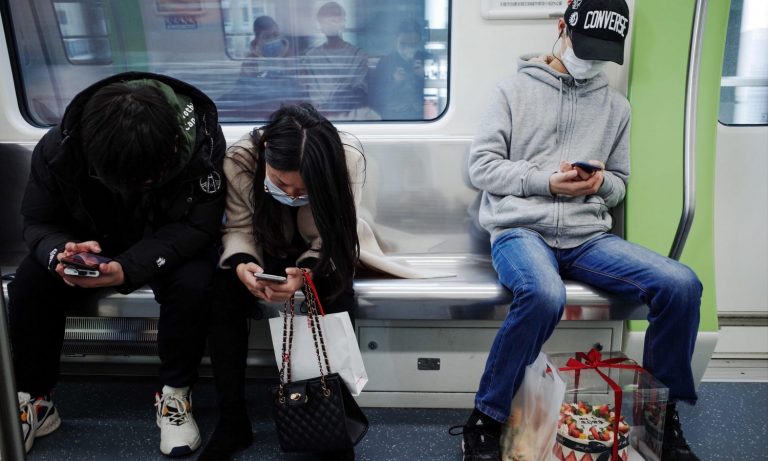
RELATED: How To Stay Safe While Using Public Transportation Amid The Pandemic

If you get an invite to a social event and are asking yourself if it’s safe to go, the best thing you can do is to make an informed decision. “You have a right to ask the host if they will be implementing social distancing measures before accepting an invitation,” said etiquette expert Diane Gottsman. Once you have all the necessary information, like the amount of guests, whether there will be social distancing, etc., give yourself a day or two to mull it over and come to a decision.

Be honest

Share your decision as soon as you can, that way you can give the other person plenty of time to invite someone else or change their plans. Be honest with them, explaining your circumstances and why you think it’s best to avoid this gathering due to health concerns over the pandemic. Keep it neat and simple, avoiding openings for further discussion.

Avoid debates

COVID-19 Pandemic Increasing Global Demand For Marijuana, Says United Nations
Photo by Ivan Samkov via Pexels

RELATED: 5 High Risk Activities That Can Expose You To COVID-19

The most important thing to do here is to avoid entering a back and forth exchange with the person who’s inviting you. There’s no need to go on a tangent about what’s right and wrong in COVID times. Everyone is trying their best in coping with an unprecedented situation.

Send a gift and be understanding

If you’re declining an invitation to an important event where a registry is involved, send a gift, just as you would if you were missing out on the party for any other reason. If you feel that your friend or family member has a different ideology than you and yet you still care about having them involved in your life, send them a note or a present that lets them know you’re thinking about them and wish them the best.

Cannabis Subscription Boxes Grow By 550%

With no end in sight to pandemic-driven demand, the ascent of cannabis-inspired care packages is poised to continue its current trajectory.

Weed-related subscriptions have jumped by an eye-popping 550% on the subscription box service Cratejoy during the pandemic, and box companies like Hemp Crate Co., Cure Crate, and The Stoney Babe Box are at the forefront of this surging popularity. Cratejoy offers subscription boxes for any enthusiasm, need, or DIY endeavor (current picks include lesson planning boxes to make in-home schooling less onerous and multiple iterations of the “date night” theme). Covid-19 has been a major driver of the subscription box boom, allowing Cratejoy and the weed companies it features to cash in on cannabis in a big way.

Hemp Crate, Cure Crate, and The Stoney Babe Box profit from their great reviews, built-out listings, and artsy photos showcasing what to expect in each delivery. These companies are actively engaged with the Cratejoy platform when it comes to customer reviews and questions, but it takes more than photos and customer care to hit 550% growth, pandemic or no.

Hemp Crate Co., which bills itself as “the #1 CBD subscription service” and recently launched a low income, long-term disability and veteran assistance program, offers boxes on Cratejoy starting at $44.99 per month and has an average rating of 4.8 out of 5 stars. With high marks from shipping to price to curation, cannabis consumers seem to love their monthly, quarterly, or biannual deliveries from Hemp Crate. Founded in 2018 in response to a lack of transparency and education in the CBD industry, Hemp Crate Co. dedicated itself to providing quality organic products from reputable manufacturers, incorporating transparency and consumer education every step of the way.

RELATED: How Daily High Club Built The Premiere Marijuana Subscription Box

Cure Crate, which offers a quiz for subscribers that helps them find the right CBD products for their needs, gets glowing reviews on Cratejoy for attention to customer education and a fine-tuned focus on customization. Cure Crate’s process takes aim at the erroneous assumption that one-size-fits all in terms of formulations, offering a personalized service to help those with a range of allergies, dosage tolerances, and a wide variety of conditions find the right combination of products for each delivery. Cure Crate also offers a discount program for those facing financial hardship and donates a portion of its proceeds to The Last Prisoner Project, an innovative approach to clemency and re-entry programs for cannabis offenders.

RELATED: Cannabis Beverage Market To Hit $1.82B By Year’s End

The Stoney Babe Box is also no slouch when it comes to sales or civic responsibility. The company maintains a focus on “feminine souls who admire hemp and love smoking”. Every box contains artisanal products selected to be “unique and feminine” from small, women-owned businesses. With plans starting as low as $30 per month and reviews that give Hemp Crate and Cure Crate a run for their money, The Stoney Babe Box offers hand-crafted smoking accessories as well as daily necessities like grinders and rolling papers.

With these three companies leading the pack of weed-related subscription boxes and no end in sight to pandemic-driven demand, the ascent of cannabis-inspired care packages is poised to continue its current trajectory.

This article originally appeared on Green Market Report and has been reposted with permission.

Why What You Drink First Thing In The Morning Is So Important

0

What you drink in the mornings can have an impact on the rest of your day. Here’s what nutritionists have to say on the kind of drinks you should consume and avoid.

Morning routines are important, determining the outcome of your first hours of the day. Many factors influence your moods in the morning – your bedtime routine, how much you slept, your level of stress – but one thing that always helps is to figure out a morning set of behaviors that make you feel happy.

According to some nutrition experts, what you drink in the morning has some influence over the rest of your day, encouraging hydration, healthy blood pressure and more. The Huffington Post spoke with several nutritionists who provided them with their best answers as to morning drinks. Unsurprisingly, their first choice was water.

RELATED: 5 Foods That Will Energize Your Mornings

“You may not necessarily feel thirsty first thing in the morning, but drinking water can be a health habit that you prioritize to stay adequately hydrated throughout the day,” says nutritionist Vicki Shanta Retelny.

Should You Mix CBD With Your Morning Coffee?
Photo by Nathan Dumlao via Unsplash

Most nutritionists are also skeptical of fad drinks and detoxes, claiming that there are few scientific researches out there that can support these claims. They also warn against consuming drinks with a lot of calories or a lot of caffeine, since these can make your body crave them through the rest of the day and could even make your body feel heavy and likely to crash.

“The last thing you want to do is start the day off with a sugary, highly processed drink like soda or an energy drink that will flood your system with sugars. These may deliver a quick shot of energy, but that’s guaranteed to be followed by a significant mid-morning low,” says nutritionist Karen Ansel.

Despite the doubt that surrounds coffee and caffeine, most nutritionists agree on morning coffee, especially since it fosters the development of a morning routine that can boost productivity and make people’s mornings easier. Tea provides a similar effect with an added burst of benefits, being linked with diabetes management and prevention on people who have a morning tea drinking habit formed.

RELATED: 5 Things To Help You Wake Up And Feel Great

Mornings are sometimes difficult for people and they’re important. What you eat and what you drink having an influence over your mood and the kind of day you’ll have. If you start your day by consuming junk food and sweet drinks, you’re setting a high and unhealthy bar for your body the minute it’s conscious. Push these impulses until later and try to keep your mornings clean and simple.

How To Relax When You Don’t Know How

0

Trying to relax when you’re stressed isn’t easy to do, but here are some tips that can help.

Some people have an easy enough time pushing their worries aside, no matter the state of the world or how stressed they are. While this is a healthy and necessary coping method, it’s not something that everyone can do. Some people, no matter their age, gender or profession, simply have a tougher time allowing themselves to unwind.

Relaxing is a skill, one that we should all try to cultivate throughout our lives. But first, it’s important to ask, “What is relaxing, anyway?”

A lot of people think that relaxing is anything that they do that isn’t actively doing something. This means that scrolling on your phone after a full day of work could be seen as a relaxing activity, which could be true if you’re not the kind of person that gets stressed over social media. Before you try relaxing, you need to know what works for you. There are no wrong answers; relaxing can mean journaling, cooking, meditating, taking a bubble bath, reading, etc.. Once you know your sweet spot, here are some steps that can help you get started:

Plan for your relaxation

5 CBD Products For When You Need To Relax
Photo by cottonbro via Pexels

RELATED: How To Develop Routines That Reduce Anxiety

It may sound counterintuitive to plan relaxation, but it works in the same way that you schedule workouts, dates and phone calls. Carving out this time not only creates value, is forces you to dedicate a part of your day to you, regardless of how busy you are. The more you do this, the more you’ll realize that relaxation and productivity go hand-in-hand, feeding off one another and creating a more joyful you!

Create a routine

If you’re someone who’s working from home, a routine can make it easier for you to schedule time to relax. It’s common for work days to grow longer than expected, especially when we’re working from home. Scheduling in relaxation will help you shake off the feeling of obligation, at least for a moment. Going for a walk, meditating, and doing mindless chores can all signal that it’s time rest. Reinforce these cues by avoiding checking your email and thinking about pending work tasks.

Make your rest a priority

Watching for the sweet, relaxing brain tingles. | Photo by
skyNext/Shutterstock.com

RELATED: 3 Simple Ways To Practice Self-Care Throughout Your Day

Your rest should be as important as your other activities and you shouldn’t feel bad about using it or needing it. While most of us tend to frame our rest as a reward, this can make us feel like we have to work extra hard to get to do the things we want to do to relax. Ideally, we should find a way to balance the two. In the meantime, take your rest even if you still have pending chores and stuff to get done. Internalize that rest is necessary for you to feel productive and do good work.

Look for help

If your inability to relax is causing problems and making you feel exhausted, ask for help. Try to find a therapist or seek the advice of a friend. Your problem might be more complex than feeling like you’re unable to relax; once you know why you’re behaving this way, you’ll have a path you can follow that will help you get to where you want to get.

Don't Miss Your Weekly Dose of The Fresh Toast.

Stay informed with exclusive news briefs delivered directly to your inbox every Friday.

We respect your privacy. Unsubscribe anytime.