Sunday, June 14, 2026
Home Blog Page 470

A Cheatsheet For CDB Beginners

0

CBD is a popular yet complex compound. Here’s a breakdown of the basics.

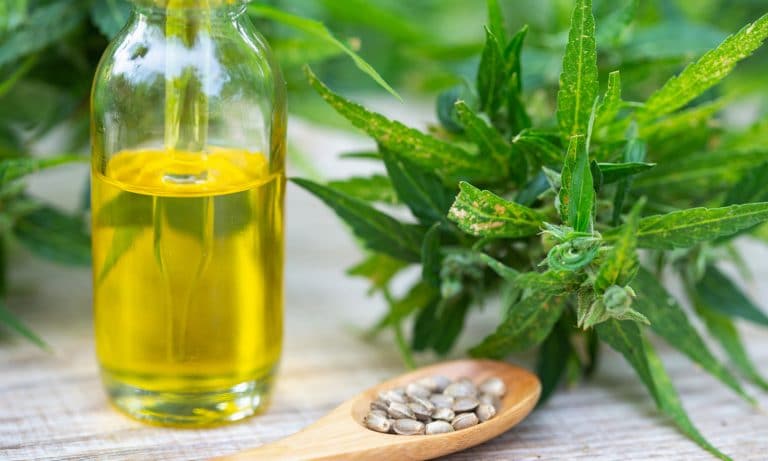
CBD is everywhere, with most people having at least heard of it. Still, the majority of people don’t know how it works, only knowing that it’s part of a trend and that the product provides benefits for the mind and body. These go all over the place, from stress, to pain management, to sportswear, to infused pillow covers and to substances that can be vaped and smoked. It’s a lot.

In order to learn about the reality of CBD and what the compound can do for your body, there’s some hurdles you have to jump over, skipping over the medical jargon and the advertisements that claim that CBD is the world’s most efficient compound and that it’s capable of fixing everything health-related. It’s not all powerful and it’s important to have some information before you use it.

What it does
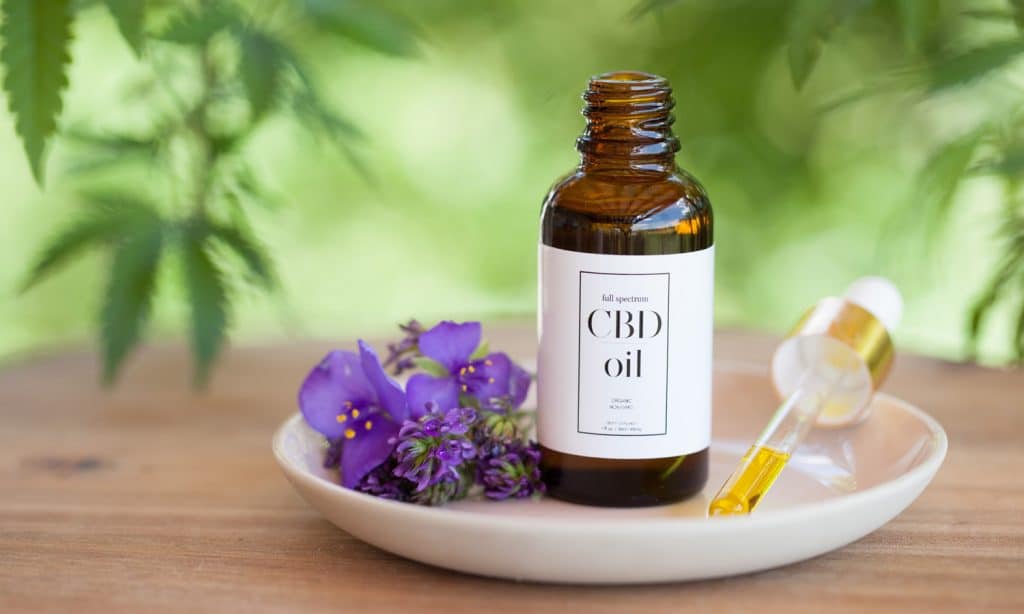
Why Is the CBD Market Exploding?
Photo by Caitlin Riley/Getty Images

RELATED: 5 Of The Most Common CBD Questions

There’s a lot of noise surrounding CBD, with many companies claiming that the product can do a lot of things. While CBD has a lot of untapped potential, the conditions that show some scientific promise include certain types of epilepsy, inflammation and pain. The compound has earned a promising position in beauty and skincare products, but dermatologists aren’t completely sold on the compound due to the lack of supporting scientific research. Still, they claim that it’s safe to use the compound in this form and that if it’s a part of a renowned product its effects will likely be beneficial.

How it works

Our bodies have an endocannabinoid system, containing cannabinoid receptors located in our brain, skin and different organs. They have an influence over a lot of our behaviors, affecting our moods, appetite, stress levels and more. While our bodies produce endocannabinoids naturally, many compounds in cannabis stimulate this system, including CBD. CBD stimulates and blocks certain endocannbinoid responses, having an influence over pain, inflammation and more.

It has a complicated legal status
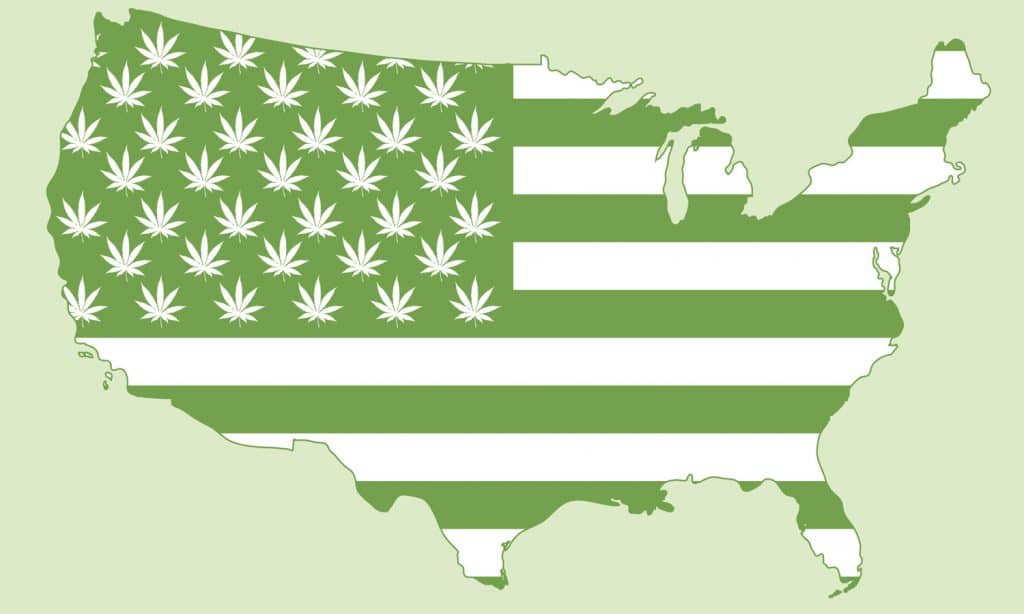
Photo by traffic_analyzer/Getty Images

RELATED: These Are The Conditions CBD Can Treat, According To Science

In 2018, the US Farm Bill was approved, legalizing industrial hemp. CBD products fall under a tricky legal ground; they should be legal provided they contain less than 0.3 percent of THC. If the product contains more THC than that, then it’s considered illegal on a federal level. One issue that makes this topic all the more complex is the fact that CBD is a relatively new industry, with many companies not knowing how to accurately measure the amount of CBD and THC that’s in their products.

5 Common Benefits Of Sativa Strains

0

Cannabis strains aren’t as important as people think they are. Still, some key effects have been associated with sativas separate from others.

As two primary cannabis forms, sativas and indicas become associated with certain behaviors and effects. However, the value of these definitions has lost weight over time. Their effects are not as clear cut as the names sativas and indicas make it out to be, with experts now understanding the multiple variations inherent in cannabis plants, as well as how these variations impact people differently.

Even though sativa strains can change depending on the user, there’s a few effects that are associated with them. To have more certainty over these effects, your safest bet is to visit a dispensary and have an open talk with your budtender. That way you can discuss the effects you’re looking for and your level of experience with the plant.

Here are 5 of the most popular benefits associated with cannabis sativa strains:

Creativity

While indicas are associated with body highs, sativas are associated with head highs, which at times can translate to bursts of creativity and thinking outside the box. These strains tend to avoid any sleepy feelings, meaning that if you feel creative and high, you also won’t feel like falling asleep when trying to get something creative done. These strains are a good idea for when you want to do something expressive, whether that’s writing, painting or making a sculpture.

Motivation

How To Use Cleaning To Destress
Photo by Volha Flaxeco via Unsplash

RELATED: Here’s Why You Using A Weed Grinder Is A No-Brainer

Since sativas are known for their head highs, they’re also known for their sometimes paranoid-inducing effects. While these are unpleasant, when users have some experience with them and know how to manage them, these effects tend to keep people active and on their feet, motivated to work out, put things in order and get some work done.

Anxiety relief

Though most cannabis strains are good for providing some anxiety relief, sativas have the added bonus of helping you stay active. Exercise and movement is a really good way of keeping your anxiety at bay.

Good for social situations

Photo by roungroat via rawpixel.com

RELATED: Study Says Long Term Cannabis Use Doesn’t Increase Pain Sensitivity

We all have experiences with some form of social anxiety. But for some people, the dread of hanging out with others or being put in specific social situations takes a big toll on their mental health. Cannabis is not a cure all. That said, the stimulating effects of sativas can help people loosen up in social situations, adding a happy boost to their self-confidence that makes it easier to hold conversations with others.

Euphoria

If you’re looking to have a good time and are willing to find stuff to do to keep you busy, sativas should be your go to. Happiness and euphoria are some of the biggest effects associated with it and are some of the biggest reasons why sativas are some people’s go to cannabis strains.

Can CBD Cause You To Fail A Drug Test?

0

The law claims CBD products can only contain a minuscule amount of THC, but try telling that to your boss when you fail a drug test.

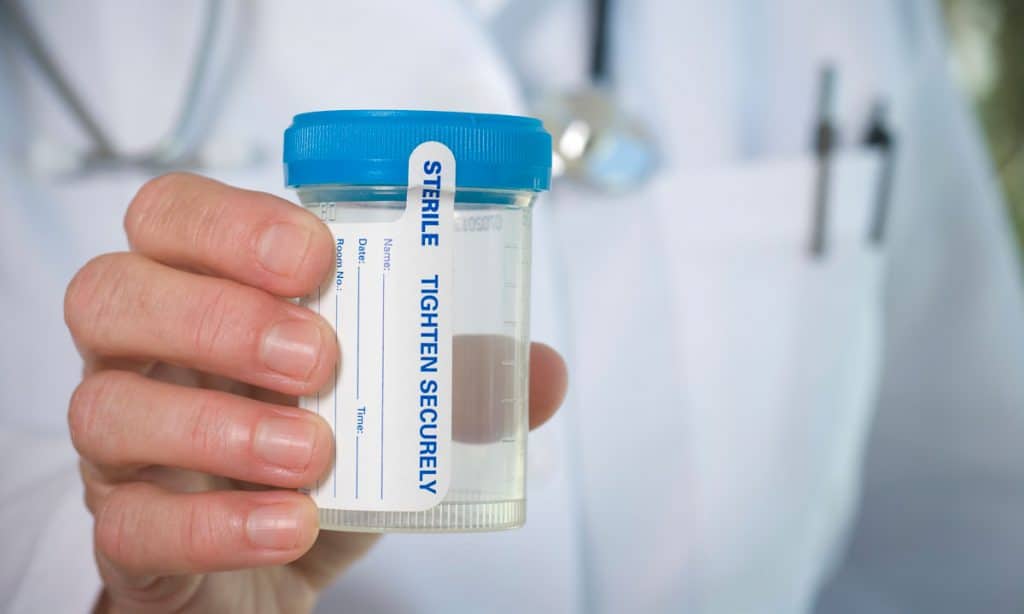
CBD is so popular that it’s easy to forget that it comes from marijuana, a federally illegal drug despite all the talk and hype that surrounds it. While companies advertise CBD products as safe and risk-free, some users have reported that their CBD medicine is making them fail drug tests, creating problems at work and even getting them fired. Why is this happening?

“I was shocked. I couldn’t believe it. How could this happen to me?” said 72 year old Lester Garbicz to WJLA. “I don’t use drugs. I was doing something I thought was perfectly legal, something that would not trip a positive THC test.”

Garbicz was using CBD to treat his arthritis and glaucoma. He was employed at Specialty Tires and was fired after his test returned positive.

RELATED: How To Pass A Drug Test Naturally

One unlikely thing that could cause CBD users to fail a drug test is the fact that THC, which drug tests screen for, is capable of accumulating in your body’s fat cells. So, depending on your diet, activity levels and amount of CBD consumed on a daily basis, you might cross the THC threshold by accident and trigger a positive. This limit is usually 50ml.

Why Businesses Are Dropping Mandatory Marijuana Drug Testing
Photo by KLH49/Getty Images

“To hit 50 ng/mL of THC, you’d probably have to consume upwards of 2,000 mg of CBD products that contain 0.3% or less of THC, which is much higher than the average person is likely to take. Even in clinical trials and research studies, people are usually only administered 100-800mg/day,” explains CNET.

While legally CBD products should contain no more than 0.3% of THC, these guidelines are not strict, with product makers and the FDA not knowing how to handle the topic. Penn Medicine conducted a study that proved how inaccurate this system is, purchasing different CBD products online and testing their THC content. One in five of them contained up to 6.4ml of THC, more than enough to cause impairment and to trigger a drug test.

RELATED: CBD Might Not Cause You To Fail a Drug Test, But CBN Might

Despite all of this, results like the one reported by Garbicz should be uncommon. While it’s clear that there needs to be a better monitoring and testing system for CBD, reputable products and companies shouldn’t cause too much trouble for consumers who get regularly drug tested.

These news continue to prove that despite all the progress cannabis has made, the industry in America remains a lot like the Wild West. How long until things settle down and cannabis can be considered just another mainstream product?

What Is Quarantine Envy And Do You Have It?

0

Quarantine envy is the feeling of jealousy people get when seeing others thrive in the pandemic. It’s very common nowadays.

The coronavirus has made us reflect on a ton of things. It’s made us miss our old way of life, the chance to go to movie theaters and concerts, our friends and the strangers at the bar. It’s also made us realize how fortunate some are, those who are able to leave cluttered cities in to find solace in suburbs, or celebrities who post “supportive” videos with their mansions and private pools as backgrounds. Quarantine envy is a new term, and it’s pervasive.

Envy is a common emotion, one with a negative connotation to it, simply reduced to jealousy and craving of what others have. We’re all acquainted with it, experiencing when we’re single and a friend finds a successful and loving relationship or when a coworker gets a job position you’d been after. Quarantine envy is about mansions and money, the comfort that millionaires have when times are stressful and the majority of people are hunkering down in their apartments with roommates, or are staying over with their families.

“Social media magnifies and creates instant, destructive envy,” says professor of economics and behavioral science Andrew Oswald to the New York Times. “There’s a globalization of envy and in the longer run, we have to regulate it.”

RELATED: 5 High Risk Activities That Can Expose You To COVID-19

How The Pandemic Is Hurting Marijuana's Black Market
Photo by engin akyurt via Unsplash

While it seems like this envy for the rich exploded with quarantine, it’s been building up for quite some time now. Now that things are so dire and that the disparity is so pronounced, there’s enough envy to fuel hundreds of online articles. Essential workers envy those who work from home, those who work from home envy those who work from comfier homes. Those who are single envy those who are in relationships and those who are in relationships envy those who have some time for themselves.

“It’s easier to shrug off others’ good fortune when your life is OK. It’s been a terrible time for many people and the last thing they want to see is a millionaire’s house with a giant lawn,” says Dr. Oswald.

RELATED: The Basics Of Wearing A Face Mask In A Restaurant

Even though envy is a common and unpleasant experience, one that every person feels to some degree, there is some usefulness to it. Some research has shown that envy is helpful in pushing people to look for better options for themselves, becoming a motivator. While this is tough when in a global pandemic, you can always strive for short term goals that will make you feel less alone and better. Tend to your needs and put your phone down. Watch a movie or reading a book instead. Plan a social distanced gathering with friends and family. Invest time on your personal relationships and hobbies.

While these fixes might not be able to completely patch the wound of seeing that one person in your timeline who’s thriving in the pandemic, they will make you feel better and remind you of all the good stuff that you have going on in your life.

How To Stay Safe While Using Public Transportation Amid The Pandemic

0

Public transportation is very convenient, even if it’s become a complex issue due to the pandemic. Here’s how you can stay as safe as possible when using public transportation.

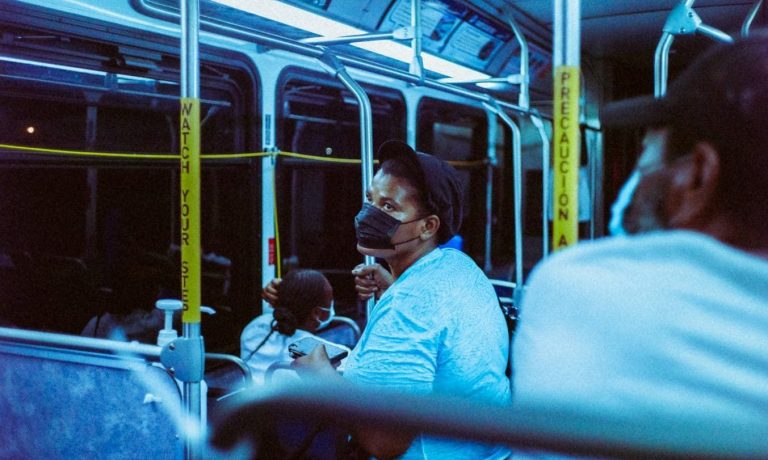
Public transportation, one of the best features of big cities, has been severely challenged over the past couple of months. Though convenient and cost effective, buses, subways and trains aren’t known for their health measures and distance between passengers. Those are just some factors that make them tough to navigate when living in a pandemic.

Offices, schools and all sorts of businesses are working out plans to reopen, and while these might take a while or may be plagued by false starts, at some point people who need to move around are going to have to go back to using public transportation.

Here are some tips that can help you stay as safe as possible when using public transportation:

Weigh your options

Different modes of public transportation have their risks and perks. Consider your travel time and whether you’ll be spending time indoors or outdoors, generally leaning towards the option that’s briefest and that allows you to have some fresh air. No matter what you’re using, try to avoid peak hours, that way you’ll ride the bus or the train when it’s as empty as possible.

If you can, find a spot with airflow

City subway platform lit with signs and commuters walking to their destination
Photo by Osman Rana/Unsplash

RELATED: 5 Tips To Help You Work Out With A Mask On

If you’re riding the bus, try to find a window seat and crack it open if possible. If you’re taking the subway, be sure to use escalators and stairs over elevators, avoiding cluttered elevators whenever possible.

Limit your touching

When using public transportation, it’s important to remember the rules that were first established in March: hand washing is vital. Wash up before you leave your house and the minute you get to your destination, avoiding touching your face and interacting with high touch surfaces, such as subway and bus poles and rails on the ferry deck. Avoid interacting with touch screens and elevator buttons. Do some research and try to always use contact less payment options.

Follow the new rules and guidelines

How The Cornaviurs Has Negatively Impacted Marijuana Legalization
Photo by Ada Yokota/Getty Images

RELATED: The Basics Of Wearing A Face Mask In A Restaurant

Public transportation departments have developed guidelines and rules to follow during the pandemic, posting signaling stickers and notices informing people where to stand and reminding them to wash their hands, use hand sanitizer and stay 6 feet apart from others. Be on the lookout for these postings and mindful of other people’s spaces.

Avoid eating and talking

Scientists believe that Japan’s capacity to contain the coronavirus spread is due to the fact that they… are very polite while riding the subway. The Japanese aren’t used to talking loudly while using public transportation or having their breakfast there. They respect other people’s commute. That’s certainly not the case in America.

Eating asks us to remove our masks and to handle our food in a space where there’s a lot of factors to account for. When it comes to talking, the act of it sprays saliva that can carry virus droplets, with the louder you speak the more likely it is for your particles to travel long stretches of space.

6 Ways Cannabis Can Improve The Life Of Seniors

Cannabis has shown promise for relieving Alzheimer’s Disease, chronic pain, poor appetite, and other issues that affect seniors.

The older we get, the more demands and care our bodies require. One estimate claims that by the year 2030, the current statistics on senior diseases will be doubled, resulting in 15 million adults that will suffer from some sort of ailment. With this in mind, can cannabis improve the life of seniors? If so, how?

A positive development in all of this is that cannabis remains a newcomer to the health field, transforming it into a well of untapped potential. You can expect a lot of studies about cannabis and its effect on seniors in the near future. Here are 6 ways in which cannabis can make things easier for seniors and their family members:

Cannabis improves their quality of life

As we age, our bodies start to deteriorate in every way, leading to some pain and discomfort. Seniors are more prone to experience inflammation, mental and bone health issues and high pressure. Luckily, there’s anecdotal evidence and some studies that say cannabis is a good way of providing some relief.

It’s a natural compound

Photo by PICNIC_Fotografie via Pixabay

RELATED: Marijuana Use Among Seniors Is Growing Fast

Without messing with chemicals that may do more harm than good (especially in a deteriorating body), cannabis relies on its natural properties, treating patients with gentleness and care. The plant is multidimensional and has a variety of consumption methods, affecting a wide range of diseases, and effectively managing their symptoms in the least invasive way.

There’s no need for seniors to get high

Even though a little high has never hurt anybody, there’s no reason why seniors using medical marijuana need to get high as well. Experts have started to develop effective medicinal CBD strains that contain small amounts of THC. These strains focus their efforts on the therapeutic side of the plant, producing little to no psychoactive effect.

It’s safer than prescription drugs

Opioid related deaths are one of the most serious crises Americans face, and a well regulated plan of medicinal cannabis could help diminish that. While it’s believed that opioids affect younger people, statistics claim that over 2.8 million seniors have abused prescription drugs within the last year. Opioids pose a threat for seniors and increase their chances of falling, which is one of the main reason why they end up on nursing homes. A steady and well managed dosage of marijuana can drastically reduce these risks.

Cannabis can foster a sense of community

Seniors Suffering From Opioid Addiction: 'Thank You Cannabis!'
Photo by Nicole De Khors via Burst

RELATED: 3 Ways CBD Can Help Seniors

Loneliness is something that greatly affects seniors and that can act as a gateway for depression, diseases, and even death. Cannabis is considered a mind enhancing substance, which could help seniors develop their creativity, improve social skills, and promote their relaxation.

Cannabis and healthcare

After enduring stigma from many years, the U.S. is getting closer to accepting cannabis as official medicine, hopefully making the drug available for healthcare programs, reducing costs and improving the lives of many.

Is Enduring Justice For Medical Marijuana Coming Soon?

0

A medical marijuana case questioning the constitutionality of the DEA’s scheduling of medical marijuana had included both former AG Jeff Sessions and current AG William Barr as defendants.

The cannabis industry has never been a favored industry by U.S. Attorney General William Barr. His predecessor, former AG Jeff Sessions, also had issues with the industry, rescinding the Cole Memo in January, 2018, (“a return to the rule of law”) that provided the only source of protection against federal interference in the cannabis business.

Recently, Barr’s displeasure surfaced during a House Committee on the Judiciary hearing on June 24, where John Elias, a career employee of the Department of Justice working as an anti-trust division prosecutor on such issues as price-fixing schemes in the pharmaceutical industry, testified as a whistle-blower about Barr’s involvement in full-scale reviews of mergers in the cannabis industry, including the messy MedMen and PharmaCann merger.

Some speculated that Barr’s unusual interest in mergers that didn’t meet the criteria for any anti-trust investigation reflected what he said in his confirmation hearing in Congress that the current marijuana situation is “untenable” and really has to be addressed. “It is almost like a back-door nullification of Federal law,” he said.

RELATED: AG William Barr Inappropriately Used DOJ Funds To Target Marijuana Industry

Nine other cannabis business mergers were investigated. It was beginning to look like Barr was just harassing the cannabis business, spooking owners with subpoenas from the DOJ, with the rationale that the justice department “had not closely evaluated this industry before.”

The Drug Enforcement Administration (DEA) has been immovable on any positive movements to help the marijuana industry, tossing about ideas about rule-making for growing marijuana and enabling more scientific research that most industry watchers know are just bogus stall tactics. In a press release last March about expanding marijuana research, the DEA noted that there are more researchers registered to conduct research on marijuana, marijuana extracts, and marijuana derivatives than on any other schedule I substance in the United States. “More than 70 percent of DEA’s total schedule I research registrant population is registered to conduct research on these substances.”

Getting Medical Marijuana Can Sometimes Be Tricky — Here's How To Navigate
Photo by Denise Hasse/EyeEm/Getty Images

But the DEA holds the ultimate trump card, holding firm on any change to their scheduling of marijuana as one of the worst, most abused drugs on the planet with no currently accepted medical use.

Now things are getting interesting, and Barr may be getting backed into a corner.

A medical marijuana lawsuit questioning the constitutionality of the DEA’s scheduling of medical marijuana was filed July 2 in the Supreme Court in a case which, at different times over the last three years as it moved through different courts, had included both Sessions and Barr as defendants.

RELATED: It’s Time To Disband The DEA

The case was first brought by NFL pro Marvin Washington’s challenging Sessions and DEA’s scheduling, and was shot down by the district court of the southern district of New York on February, 26, 2018.

Then Washington along with five others — including Jose Belen, a decorated Army veteran using medical marijuana for PTSD — challenged Barr on the same issue, losing that case on February 3, 2020.

The defendants may have just enough pedigree and social firepower to get the attention of the justices. Washington has advocated for using medical marijuana for concussions, and is an investor and co-owner of a number of cannabis ventures. He is also a NFL league ambassador for Athletes For Care, advocates for the health, safety and wellbeing of more than 2 billion people of all ages who compete annually in sanctioned sports globally. Belen is the co-founder of Florida Mission Zero, a nonprofit organization dedicated to combating the PTSD and the suicide epidemic plaguing U.S. veterans.

Maybe the issues these plaintiffs represent will have an impact on the justices.

In an interesting coincidence, the Florida Supreme Court is working on a nearly identical case about a 2017 Florida constitutional amendment to legalize medical marijuana in the state. In a rare move, the justices in that court recently asked for more information and a second round of hearings, scheduled for October 7, 2020

As of this reporting, the U.S. Supreme Court has yet to decide if they will take up the Washington et. al. case. But when reviewing other cases they ruled on so far in 2020 —three of which named Barr as defendant, all of which he lost — and considering the two pending immigration-related Supreme Court cases naming Barr as defendant, it looks like the court will have Barr on its agenda for the next year or so. And that may make a difference in how they perceive him, his motivations, and the medical cannabis businesses who are challenging him.

Study Says Long Term Cannabis Use Doesn’t Increase Pain Sensitivity

Medical marijuana has long been used for pain relief. A new study says that, unlike opioids, marijuana doesn’t increase patients’ pain sensitivity.

Though opioids can be useful medications that provide strong relief, their negative side effects can outweigh their positives, contributing to America’s growing opioid addiction problem. Unlike opioids, a new stuidy found cannabis doesn’t increase pain sensitivity when used over long periods of time.

The study was conducted by the psychology department of UBC Okanagan and was trying to highlight the differences in pain tolerance that exist between people who use cannabis regularly and people who don’t.

“Recent years have seen an increase in the adoption of cannabinoid medicines, which have demonstrated effectiveness for the treatment of chronic pain,” says Michelle St. Pierre, lead researcher of the study. “However, the extent to which frequent cannabis use influences sensitivity to acute pain has not been systematically examined.”

RELATED: Could Legal Marijuana Fund Medicaid Programs? This Gov. Thinks So

Photo by K-State Research and Extension via Flickr

Cannabis has long been used as medicine for pain. In recent years, data has shown that pain management is one of the principal reasons why people consume medicinal cannabis.

“This study should come as good news to patients who are already using cannabis to treat pain,” explains Zach Walsh, one of the study’s co-authors. “Increases in pain sensitivity with opioids can really complicate an already tough situation; given increasing uptake of cannabis-based pain medications it’s a relief that we didn’t identify a similar pattern with cannabinoids.”

Authors of the study initially speculated that frequent cannabis users would demonstrate greater pain sensitivity, but this wasn’t the case.

“There is a different effect from opioid users; sustained use of opioids can make people more reactive to pain. We wanted to determine if there was a similar trend for people who use cannabis frequently,” says St. Pierre. “Cannabis and opioids share some of the same pain-relief pathways and have both been associated with increases in pain sensitivity following acute use.”

RELATED: 3 Things Older Adults Using Marijuana Should Be Cautious Of

Frequent opioid users run the risk of developing hyperalgesia. The conditions causes pain tolerance to be lowered and patients have to consume more opioids in response, increasing their risk of developing an addiction.

The opioid pandemic has taken many lives in America, over 450,000 between the years 1999 and 2018. It’s a serious problem that has grown difficult to manage, with the CDC trying to raise public awareness and trying to minimize the amount of risk that people are exposed to. While more research is necessary in order to see how cannabis could impact the opioid addiction, studies like this one show that the plant holds some promise in pain management and that in some cases it could provide a better option for patients.

Marijuana Lawsuits Cost Missouri $1.3 Million With No Medical Sales Yet

0

The money was supposed to fund veteran programs but instead Missouri is burning through cash to defend itself in court.

In 2018, Missouri voters approved a ballot measure to legalize medical marijuana in the state. Two years later and licensed sales have yet to occur. Instead, businesses that applied for a license and were rejected have filed more than 800 lawsuits against Missouri. To date, 785 of the cases remain unresolved.

Missouri regulators have spent $1.3 million in court fees defending themselves against the 853 appeals filed. Lisa Cox, the Department of Health and Senior Services (DHSS) spokeswoman, said these were a one-time fee associated with getting the program off its feet. There were 2,270 facility applications sent to the state, but only 348 licenses were awarded.

“The number of appeals is not an indication of flaws in the process, but rather the high number of applicants,” Cox told The St. Louis Dispatch.

RELATED: Florida Stands To Lose Millions Opposing Smokable Marijuana

Funds generated from the program support operating and administrative costs. Whatever is left over gets deposited into a newly created Veterans’ Health and Care Fund. Although business application and medical card fees produced $19 million as of December 2019, the Missouri Veterans Commission, which determines how to spend allocations, has yet to receive a penny. However, a state release announced the DHSS had transferred $2.1 million to the Veterans’ Fund over the weekend.

Critics argue those legal costs defending the lawsuits, which constitute about 7% of the total medical marijuana program fund to date, amount to wasted dollars that should’ve gone to the Veterans Commission instead.

Army Veteran Cashes In On CBD Market
Photo by adamkaz/Getty Images

Chuck Hatfield is a lawyer representing eight different clients who filed the lawsuits. He compared scoring documents from approved applications and those that were declined. They delivered similar answers, but a third-party agency rated his clients’ applications lower. The lawsuits are about understanding why.

“They answered verbatim the way other applicants answered, because a lot of the applicants shared common consultants on certain issues,” Hatfield said. “And so our answers are identical to the word, to the way other applicants answered, and yet we got a different score.”

RELATED: This Texas Law Unintentionally Caused Cannabis Arrests To Drop In The State

Representatives state medical marijuana sales should begin this month, should everything go according to plan. But worries over supply chains and testing protocols remain.

“The biggest challenge that we’re seeing now is the ability to have product for those dispensaries,” said CAMP Cannabis president Susan Griffith.

“We also have to factor in testing facilities as well as transportation [licenses],” she added. “There are a lot of different license types that are all under their own timelines to get operational. At the end of the day, we’re going to need all of them to be able to get dispensaries their product.”

Could Legal Marijuana Fund Medicaid Programs? This Gov. Thinks So

New Mexico Gov. sees legalization as funding stopgap for government programs like Medicaid, and will campaign for it.

New Mexico Gov. Michelle Lujan Grisham expressed regret this April the state did not legalize recreational cannabis before the coronavirus pandemic. Lawmakers were discussing ways New Mexico’s economy could recover and avoid budget deficits.

“If there was ever a time for wishful thinking, I wish we had passed recreational cannabis because that was $100 million,” Gov. Grisham said at the time. “Those are pre-COVID-19 estimates, but $100 million in the budget. And I am very sad about that.”

RELATED: Study: Medical Marijuana Could Save Medicaid $1 Billion

Grisham renewed this lament during a press briefing last Thursday, responding to a question about how the state will fund programs amid the pandemic. Federal lawmakers remain locked in a months-long stalemate over the next round of coronavirus stimulus package. Sen. Majority Leader Mitch McConnell said Friday “it doesn’t look that good right now” that a deal will happen soon.

New Mexico
Photo by Braden Collum via Unsplash

The lack of new funding affects programs at the state level as well and Grisham acknowledged that New Mexico must “look for innovative ways to increase economic activity.” She used the opportunity to again “plug” marijuana as a potential solution.

“Recreational cannabis is one of those areas where that’s $100 million,” she said. “It doesn’t fix it, but it plugs one of those holes. It potentially would be enough to do a whole lot in the Medicaid gaps.”

RELATED: New Mexico Gov. Regrets Not Legalizing Marijuana Pre-Coronavirus

She made similar calls of recreational cannabis as a potential economic solution back in May. A survey found nearly 3 in 4 New Mexicans favor adult-use marijuana legalization, but lawmakers failed to pass legislation ending state prohibition earlier this year. Grisham hinted she may campaign against those legislators the blocked the cannabis bill, which has become a focal point of her administration.

“We have an opportunity,” she said. “I think all of our policymakers need to think clearly—and they should expect me to be supporting in the next general election—we have to pass recreational cannabis in the state. We need to diversify our economy, we need to increase opportunity for recurring revenue and we have to rebuild an economy that has suffered dramatically during this public health crisis.”

Don't Miss Your Weekly Dose of The Fresh Toast.

Stay informed with exclusive news briefs delivered directly to your inbox every Friday.

We respect your privacy. Unsubscribe anytime.