Tuesday, June 16, 2026
Home Blog Page 497

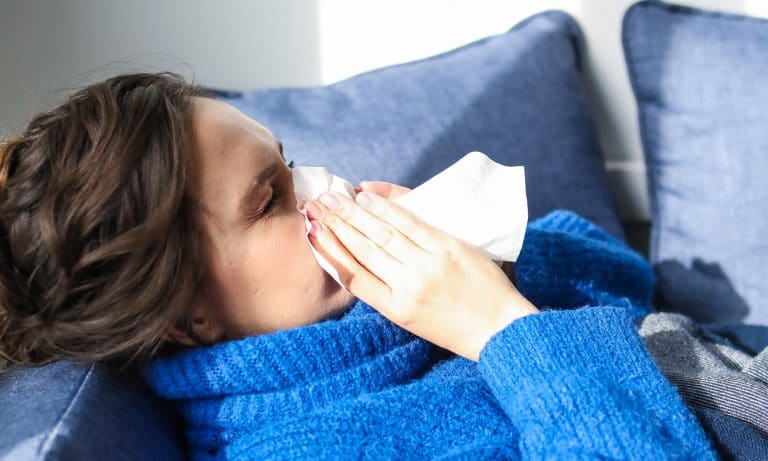
Can You Get Sick With COVID-19 More Than Once?

What experts do know about COVID-19 is that it’s a confusing disease and that we’re only now discovering it’s reach and effect.

When living through a pandemic, it’s normal to think through different scenarios, whether they concern your health or income. When it comes to COVID-19, a significant number of people are terrified of contracting the disease — even those who have already suffered through it.

Like many viruses, some experts believe that getting exposed to the pathogen might make people more resistant to it, at least temporarily. Sadly, new reports suggest that COVID-19 doesn’t act like other flus and viruses. It seems that people are able to catch the virus twice, with the second round being even more harmful.

https://www.instagram.com/p/CCezdenBE7h/?igshid=as5m5xju6n18

RELATED: How To Cope With Coronavirus ‘Re-Entry’ Anxiety

“During his first infection, my patient experienced a mild cough and sore throat. His second infection, in contrast, was marked by a high fever, shortness of breath, and hypoxia, resulting in multiple trips to the hospital,” wrote primary care physician Dr. Clay Ackerly for Vox.

The doctor explains that one explanation for this particular patient’s symptoms is that while he recovered from his first infection, theoretically producing the necessary antibodies, he then caught the second bout from a family member. By the time the second infection occurred, his initial antibody response might have faded.
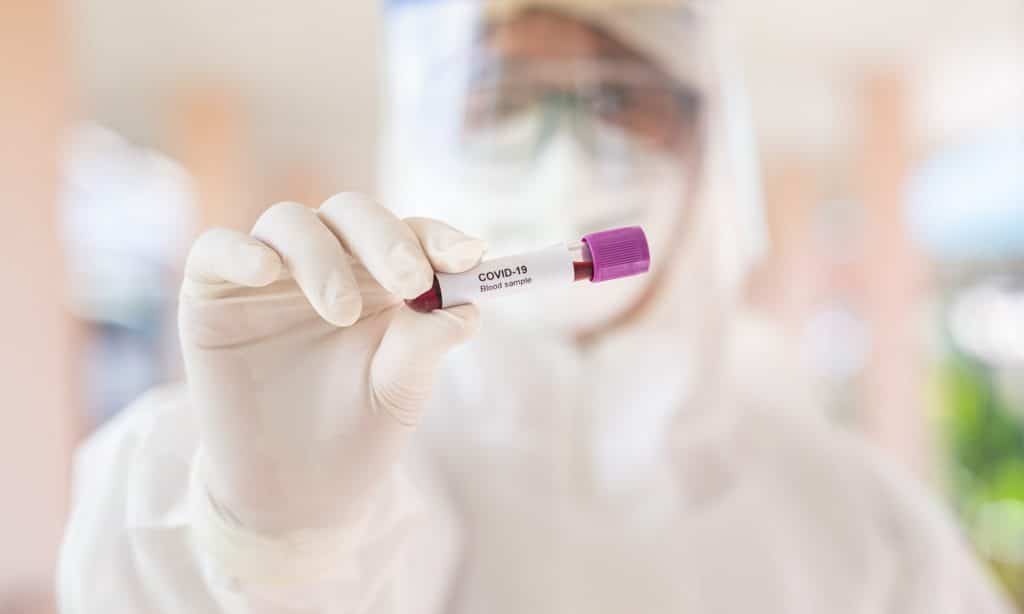
COVID-19 May Trigger Diabetes — Can Marijuana Help?
Photo by Taechit Taechamanodom/Getty Images

A recent study found that those who are either asymptomatic or symptomatic build an antibody response immediately after infection, only to have it fade away within 60 to 90 days. While that number of days works for seasonal viruses and flus, it’s not enough for a pandemic that seems unaffected by weather and that shows no signs of stopping anytime soon. It also eliminates the hope of “herd immunity.”

RELATED: Researchers Say CBD Could Provide Vital Treatment For COVID-19

“Just throw it out the window,” Dr. Michael Saag told NBC News. “Because not enough people could sustain an immune response that would protect against reinfection long enough for the virus to extinguish.”

What experts do know about COVID-19 is that it’s a confusing disease and that we’re only now discovering it’s reach and effect. Until we know how the virus works, we’ll have to be extra careful with our health and how we conduct ourselves when surrounded by others.
CBD And Athlete’s Foot

0

Study results have shown that CBD and some other cannabinoids have anti-fungal properties.

There’s a million things that can go wrong with our bodies. And many wellness companies would like people to believe that most of these conditions can be successfully treated with CBD. Still, the compound has a lot of promise for treating several key issues, such as chronic pain, depression, anxiety, and more.

A 2011 study published in the Journal of Pharmacology & Pharmacotherapeutics found the compound even has anti-fungal properties that could potential treat conditions such as athlete’s foot, which are uncomfortable, but generally not that concerning. Unless people suffer from diabetes or have compromised immune systems, these afflictions are mainly aesthetic.

RELATED: 5 Most Common Questions About CBD Topicals

These conditions are also usually hard to treat with over-the-counter medications. People who have the most success usually catch these infections early and rely on prescription medication in order to successfully treat them.

5 Common Myths About Hemp Oil And CBD Oil
Photo by Tinnakorn Jorruang/Getty Images

CBD is big when it comes to treating skin conditions, especially if you’re using full spectrum products. Since the broad effects of CBD haven’t been fully studied, there’s no way of knowing which part of the compound is best at managing skin conditions and controlling infections. When using full spectrum products, you ensure that the terpenes and cannabinoids present in the extracts are also there, producing cannabis’ entourage effect.

RELATED: How CBD Topicals Can Complement Your Mask Wearing

There are no known side effects associated with the topical use of CBD, which means that it’s relatively low risk if you’re looking to supplement the medication you normally use to treat fungi infections. In order to be as successful as possible, make sure to document your progress, including before and after photos, and be diligent. Jot down the product(s) you use, and how much of it you apply to your skin. This will be especially helpful, should you decide to see a dermatologist at some point.

Is CBN A Controlled Substance? Yes. No. Maybe.

Some commentators argue that CBN, regardless of its source, is a controlled substance because it is produced from the degradation of THC.

Earlier this year, we discussed the legality of lesser-known hemp-derived cannabinoids which appeared to be gaining success in the U.S. One of these promising cannabinoids is cannabinol (“CBN”).

Put simply, CBN is a non-intoxicating cannabinoid that results from the degradation of THC. Because it is difficult, if not impossible, to grow CBN-rich strains of hemp, most of the CBN found on the U.S. market is the product of decarboxylation — a chemical reaction that converts other cannabinoids, such as CBD and THC, into CBN. This conversion process creates some confusion regarding the legal status of CBN.

Although CBN is not expressly listed under the federal Controlled Substances Act (the “CSA”), the cannabinoid is a Scheduled I controlled substance when derived from marijuana. The CSA defines “marihuana” to mean “all part of the cannabis plant” except the stalks and non-viable seeds. Because neither the stalks nor non-viable seeds contain meaningful amounts of cannabinoids, CBN squarely falls under the definition of marijuana, and as a result, is a controlled substance.

On the other hand, CBN derived from hemp is not a controlled substance, and thus, may be lawful. This is true for two reasons. First, the Agriculture Improvement Act of 2018 (the “2018 Farm Bill”) expressly removed “hemp”  from the CSA definition of marijuana. Second, the 2018 Farm Bill defines “hemp” as “all parts” of the cannabis plant, including cannabinoids, with a THC concentration that does not exceed 0.3% on a dry weight basis. Accordingly, the cannabinoid CBN is probably lawful if derived from hemp.

RELATED: What Is CBN And Is It Legal?

Nevertheless, some commentators argue that CBN, regardless of its source, is a controlled substance because it is produced from the degradation of THC. The proponents of this argument generally rely on two theories.

The first theory is premised on the federal Analogue Act. That statute treats any chemical intended for human consumption as a Schedule I or II substance, if it is “substantially similar” to a controlled substance listed in Schedule I or II of the CSA. But should the Analogue Act apply in this context? The CSA expressly excludes “tetrahydrocannabinols [THC] in hemp” from the list of Schedule I controlled substances. Moreover, the effects of CBN are not “substantially similar” to those of THC. In fact, its effects are significantly less potent. Therefore, CBN that stems from hemp-derived THC should not be deemed a controlled substance analogue in my view.

Understanding The Importance Of Marijuana Studies And Outcomes
Photo by boonchai wedmakawand/Getty Images

The second argument is based on the idea that only CBN derived from THC “in hemp” is lawful. The reasoning here is that trace amounts (no more than 0.3%) of THC that naturally occur in the hemp plant are lawful; but THC that is extracted and isolated from the hemp plant is unlawful. This analysis fails to account for the congressional intent behind the 2018 Farm Bill. The 2018 Farm Bill expressly legalized “derivatives, extracts, [and] cannabinoids,” most of which must go through a processing phase that inevitably increases the THC concentration. Accordingly, it is reasonable to infer that Congress intended to legalize processed hemp as well.

However, as reasonable as this statutory interpretation is, it fails to resolve the position taken by most law enforcement groups, which generally to treat processed hemp containing more than 0.3% THC as marijuana — even if the THC concentration only increases fleetingly during the processing phase.

RELATED: Is Synthetic CBD Legal?

Consequently, though it seems clear that hemp-derived CBN should not be treated as a Schedule I controlled substance analogue, it is unclear whether CBN that results from processed hemp-derived THC is lawful, given the confusing legal status of THC not “in hemp.”

This lingering uncertainty regarding the legal status of CBN will likely need to be addressed through legislation or the courts. In the meantime, producing CBN from THC extracted from hemp should be done cautiously and with the understanding that this lesser-known cannabinoid may be treated as a controlled substance under the CSA — even if Congress didn’t consider or intend this result.

Lifetime Marijuana Use Not Linked To Middle-Age Heart Health

Researchers concluded cumulative cannabis use was not associated with heart abnormalities or other cardiovascular diseases, such as stroke or heart disease.

Understanding how marijuana affects heart health has emerged as a primary focus for cannabis researchers in recent years. The science connecting the two is limited and no known association between cardiovascular disease and cannabis use exists. Possible risks for heart patients exist, however, as cannabis can reduce the potency of medications like statins and blood thinners.

But new clinical data published in the journal Addiction should provide reassurance to middle-age marijuana users. They found no connection between current or cumulative lifetime marijuana use and heart abnormalities in middle age.

RELATED: Here’s What You Should Know About CBD And Heart Health

An international team of researchers, including those from the United States and Switzerland, used data from an ongoing longitudinal study called CARDIA (Coronary Artery Risk Development in Young Adults). The study has tracked thousands of Americans — divided fairly evenly among gender as well as black and white participants — since 1985 to better understand risk factors and determinants in cardiovascular disease development.

Dreaming About Better Heart Health? Here's What Research Suggests
Photo by Ake via rawpixel.com

The recent clinical trail gathered 2,585 middle-age subject from the CARDIA group to determine if cannabis affected the results of electrocardiogram (ECG). Controlling for possible factors like race, education, smoking tobacco, alcohol consumption, and exercise, researchers reported using cannabis did not cause higher ECG abnormalities. They did note, without drawing any conclusions, that major ECG abnormalities were less frequent in current marijuana users.

RELATED: Is Marijuana Worse Than Tobacco For Cardiovascular Health?

In a middle-aged US population, lifetime cumulative and occasional current marijuana use were not associated with increases in electrocardiogram abnormalities,” the study’s authors wrote. “This adds to the growing body of evidence that occasional marijuana use and cardiovascular disease events and markers of subclinical atherosclerosis [hardening of the arteries] are not associated.”

Researchers had previously used CARDIA data to explore other associations between lifetime marijuana use and other cardiovascular complications. They found cumulative cannabis use was not connected to a hardening of the arteries or other cardiovascular diseases like stroke or heart disease.

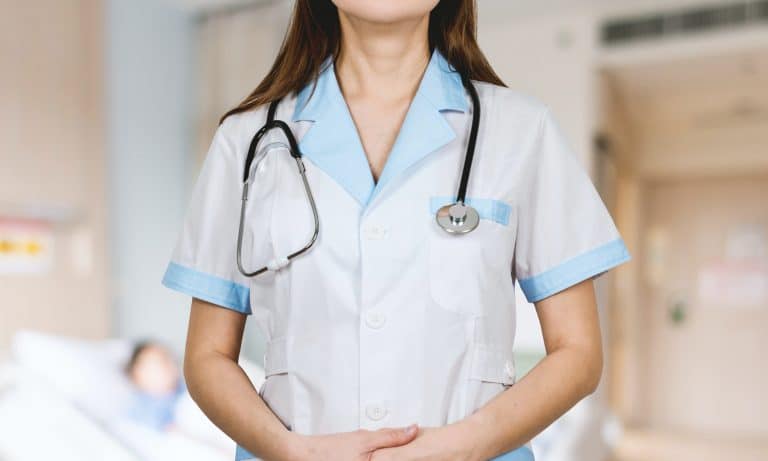
Healthcare Professionals Suffer Risk Of COVID-19 Burnout

As a result of the pandemic, medical healthcare providers are under enormous workload pressure and increased total expenditures of their health.

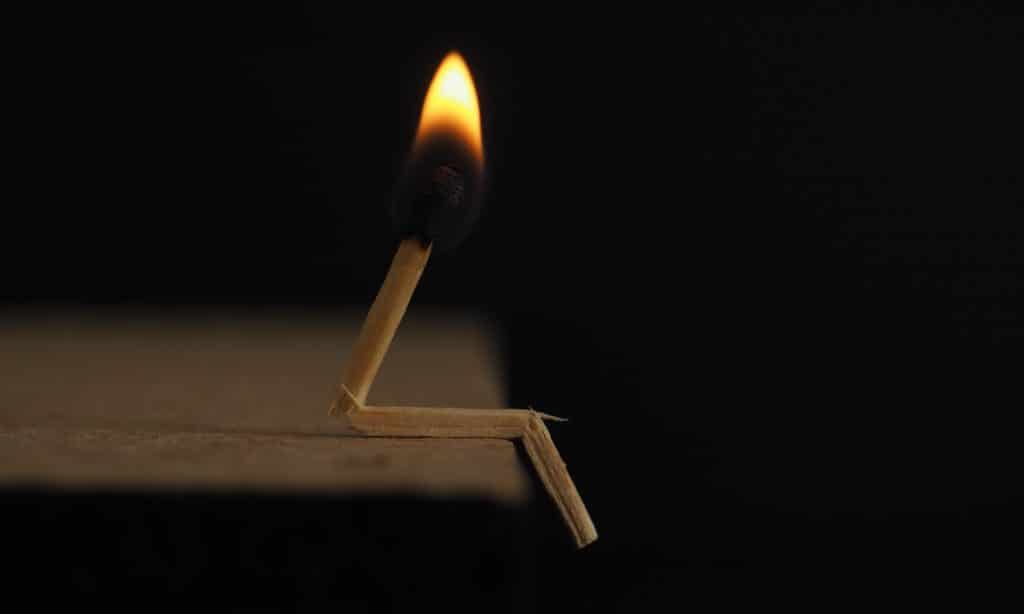
Like a sturdy fortress under a continuous siege that has lasted for months, healthcare professionals also face the medical challenges of COVID-19. They are confronting a physical and emotional attack on their well-being.

The COVID-19 pressure cooker began rising in March. Although the manufacturing capacity of personal protective equipment (PPE) can be cycled up or down, healthcare professionals can reach their risky maximum energy output much more quickly  

The biggest challenge is that as the infections and hospitalizations rise, our healthcare systems could be working at this level for months to come. Healthcare workers do not have the option to stay home or to shelter in place. Instead, healthcare professionals must go into work regularly and put themselves and others at risk

As you consider the community, the well-being of the health care workforce is essentially the foundation of every health infrastructure. Medical healthcare providers are under an enormous workload pressure, with the continued surge of the pandemic and increased total health expenditures. The overwhelming burden of COVID-19 illness could lead to caregiver burnout.   

RELATED: Can Medical Marijuana Help Treat Clinical Burnout?

The major causes of psychological distress among healthcare workers include long work hours, sleep disturbances, and debilitating fatigue. As a result of the pandemic, medical healthcare providers are under enormous workload pressure and increased total expenditures of their health.

An article published in the journal Lancet in April, when COVID-19 cases were at their peak, provided additional detail on the warning signs of health care workers. The report highlights Houston Methodist Hospital and the scarred mental landscape there — just one of the hundreds of hospitals in the U.S..

Can Medical Marijuana Help Treat Clinical Burnout?
Photo by Sebastian Sørensen via Pexels

In taking an up-close look at one hospital, the article notes, “It is common to see emotional exhaustion in the intensive care unit (ICU). We have observed front-line health care providers emotionally breaking down, mainly due to the added pressure to choose between family responsibilities and their inner sense of duty toward patients.” 

Healthcare professionals can exhibit signs of stress and burnout in TV and other media interviews. Dr. Marwa Saleh, a cardiologist, and medical writer, explained the circumstances for one of the Harvard Medical School blogs online. Dr. Saleh indicates that many doctors have to make decisions that they have never made before, in their standard practice. 

RELATED: FDA Issues New Guidance For Testing Asymptomatic COVID-19 Patients

“The system of triage is a new and confusing practice in high-resource settings,” she said. “Having worked in a low-resource setting, I know that stress is real. For every patient you send home because of the lack of resources, your heart cringes for fear that they may deteriorate.”

Many physicians point to systemic or structural issues with the overall healthcare system, which, at the very least, was unprepared for the speed and spread of COID-19. Many medical professionals respond to the pandemic crisis with an unprecedented level of selflessness, compassion, and resilience.

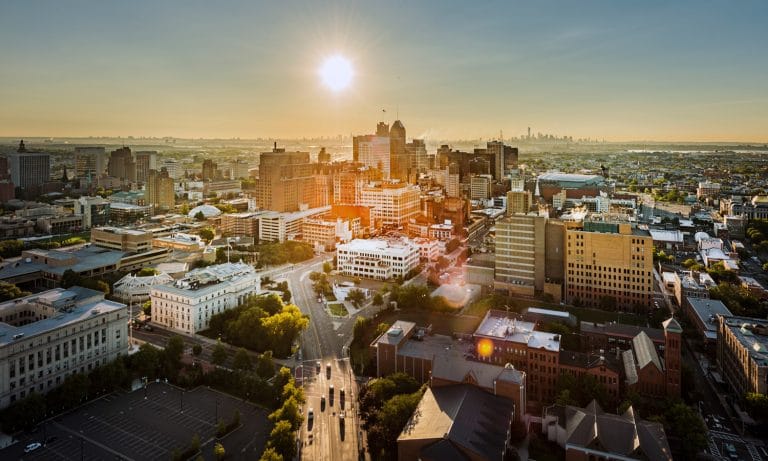
NJ Gov. Suggests Legal Marijuana As Post-Pandemic Economic Fix

Phil Murphy emphasized the social justice benefits, as well as the financial ones, to legalizing adult-use marijuana in New Jersey.

Add New Jersey Gov. Phil Murphy to the growing list of state lawmakers positioning marijuana legalization as a quick fix to struggling economies. Murphy also emphasized the social justice benefit legalizing would induce, calling the act “an incredibly smart thing to do.”

“We’re not inventing marijuana,” he said during a radio interview Tuesday with the Jim Kerr Rock & Roll Morning Show. “It exists.”

The looming financial crisis caused by the coronavirus pandemic means the state will need to find ways to innovate moving forward. A co-host on the program suggested cannabis and Murphy agreed, saying he’s “been on that from day one.” He added marijuana’s importance in criminal justice reform — a Black person is 3.5 times more likely to get arrested for cannabis possession in New Jersey than a white person, despite similar rates of use.

RELATED: This Black Veteran Was Just Sent To Prison For Possession Of Medical Marijuana

“It’s got a huge social justice piece for me,” Murphy said. “The overwhelming percentage of persons nailed in our criminal justice system are persons of color. It’s a no-brainer in that respect. It’s a job creator, it’s a tax revenue raiser, it checks a lot of boxes. I hope we’ll get there sooner than later.”

NJ Is Primed For Marijuana Legalization, What's Taking So Long?
Photo by BruceEmmerling via Pixabay

Murphy has pushed cannabis legalization multiple times through the Democrat-controlled Legislature, but has been unable to secure the necessary votes. A proposal by Senate President Stephen Sweeney instead put the measure in voters’ hands, who will decide on adult-use cannabis this November.

RELATED: Biden-Sanders Task Force Does Not Recommend Legalizing Marijuana

A recent Monmouth poll found that 6 out of 10 voters would approve the measure, but questions remain around regulation and sales. Less than 50% of people believe retail cannabis sales would be a good idea. A growing number of New Jersey towns have already passed bans on recreational marijuana sales, though the act is still illegal.

Bipartisan lawmakers in New Mexico, New York, and Pennsylvania have also suggested legalizing recreational cannabis as a post-pandemic boon. One conservative Republican strategist in Pennsylvania said legal marijuana was “inevitable, so why not get ahead of the curve and do it now.”

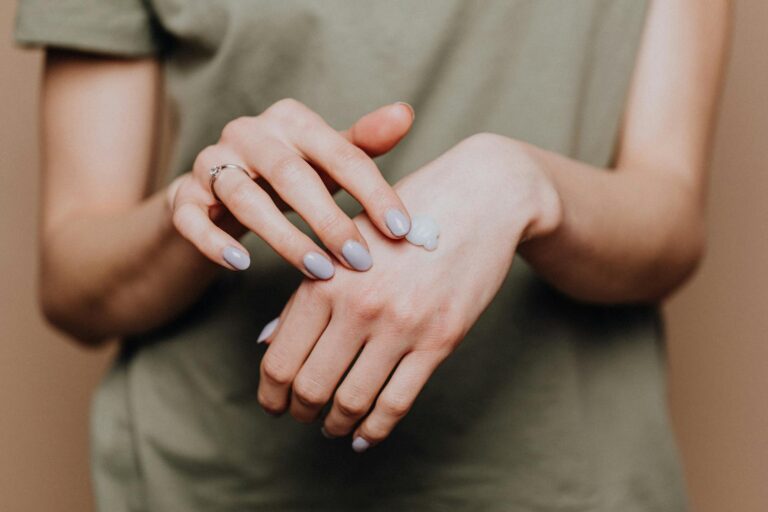
5 Most Common Questions About CBD Topicals

CBD can be found in lots of skincare and pain relieving products, but the compound is still shrouded in some mystery. Here are the most common questions consumers have.

Despite the fact that CBD makes a lot of money for both big and independent companies, a surprising amount of people don’t know what the compound does or where it comes from. No matter if you think it’s crazy that someone will swallow or put something on their bodies without knowing what it does, we have to recognize that the CBD industry is confusing. It’s common and okay for people to be a little bit unsure.

Here are 5 of the most popular questions people have Googled about CBD topicals:

What is the purpose of CBD lotions? 

What Is The Functionality Of CBD’s Presence In Skincare Products?
Photo by Linda Prebreza via Pexels

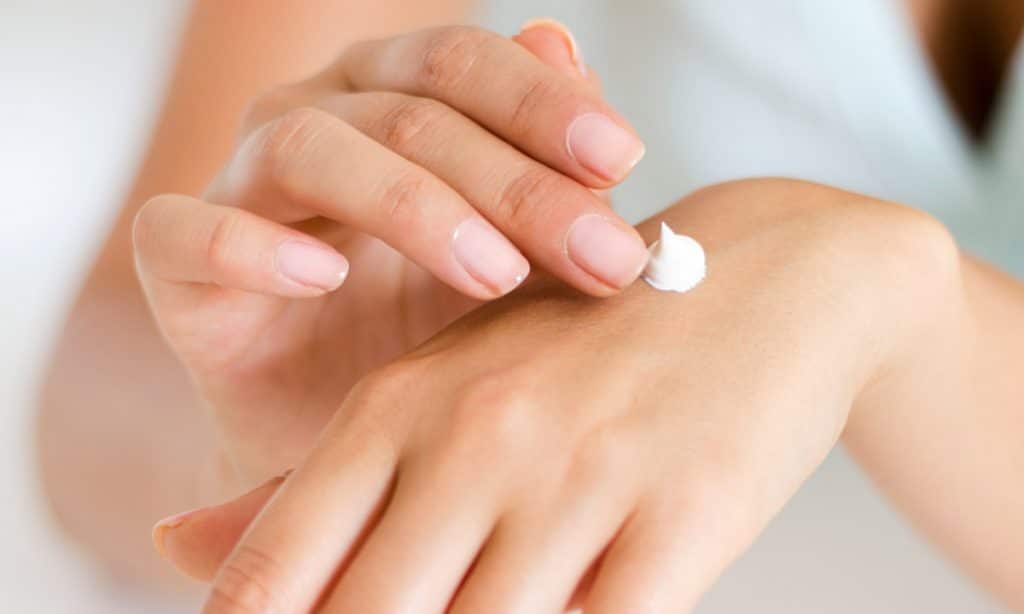
CBD lotions can be used for a wide variety of medicinal conditions and, depending on the other components in the lotion, can produce myriad results. CBD is primarily known for its anti-inflammatory effects, which is why there are so many CBD lotions designed to target chronic pain, arthritis, eczema and the like.

How many mg of CBD should be present in the topical in order to have some effect?

RELATED: The Latest Report From The FDA Shows How Poorly It Has Handled CBD

Since the FDA has only approved one type of CBD product (for epilepsy), there’s still no set dosage that the industry has to follow. Each product contains different dosages of CBD, with some topicals containing different potencies, from 750mg to 1000mg. It’s important to read the label of the product you’re using and to follow their instructions in order to avoid wasting your product needlessly or messing with their intended effects.

Can CBD lotion make you fail a drug test? 

Why Businesses Are Dropping Mandatory Marijuana Drug Testing
Photo by KLH49/Getty Images

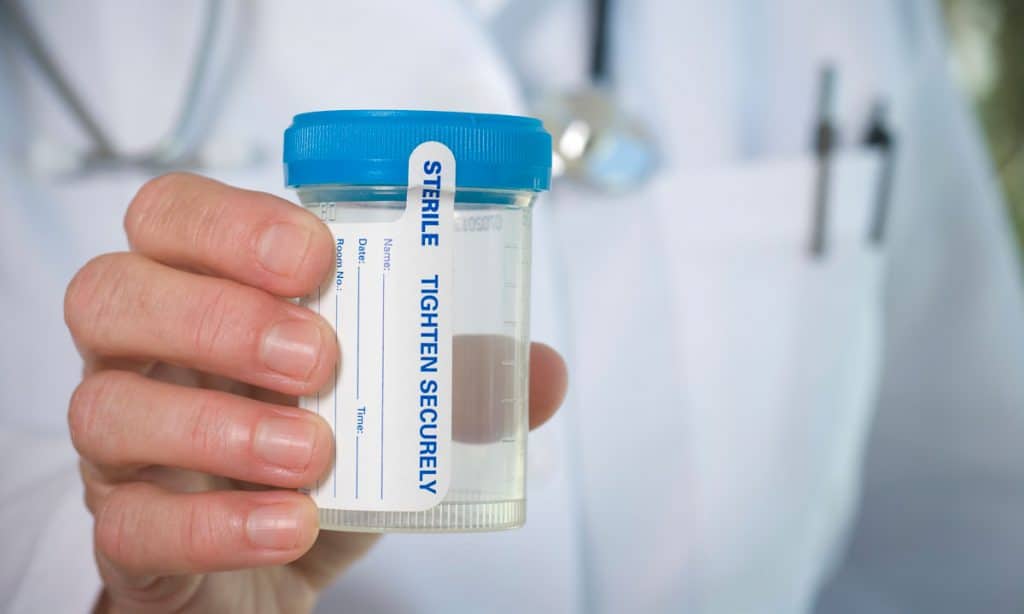
While drug tests detect THC and not CBD, some CBD products contain trace amounts of THC, which could trigger a positive result. This isn’t very common and the risk of this occurring is almost zero when using CBD lotions and topicals.

Can CBD lotion prevent wrinkles? 

Could CBD And Cannabis Eliminate The High-Cost And High-Stakes Of Current Psoriasis Medicines?
Photo by IRA_EVVA/Getty Images

RELATED: Here’s What You Should Know About Mixing CBD And Alcohol

If used in the right product, CBD can help manage wrinkles, yet there’s not one product that can completely prevent them. Wrinkles are an irreversible process that can be slowed down by exposing your skin to collagen and antioxidants. The most effective measure you can take is to keep your skin hydrated and to shield it from the sun.

Can you have a bad reaction to CBD? 

The Latest Report From The FDA Shows How Poorly It Has Handled CBD
Photo by athima tongloom/Getty Images

There hasn’t been a lot of tests conducted on CBD, meaning that the reactions that have been documented have been mostly anecdotal. While CBD hasn’t been associated with allergies, the cannabis plant has. Male cannabis plants are the ones that produce pollen, but they’re also the ones that produce the least amount of CBD, so these kinds of allergies are unlikely.

CBD oils have been associated with fatigue, diarrhea, loss of hunger and more, especially when consumed in large amounts. When it comes to CBD topicals, negative side effects haven’t been thoroughly documented. Even if there’s little research out there on the compound, most experts believe that the topical use of it comes with no negative side effects.

VA Mental Health Commission Recommends Federal Marijuana Research

The Creating Options for Veterans Expedited Recovery (COVER) Commission determined that cannabis and psychedelics represent promising mental health treatment options for veterans. 

Many government officials are comparatively skittish in supporting marijuana and its synthetic counterparts because of its Class 1 drug status, even in the treatment of COVID-19. There was surprising news from an association that may have made some people in the Federal government sit up and take some notice.

The independent association, the Creating Options for Veterans Expedited Recovery (COVER) Commission, released its report in January of this year. Despite the unique recommendations of its drug policy findings, the document has gone mostly unnoticed by reform advocates and the media. Chaired by presidential appointee Jake Leinenkugel, the panel determined that cannabis and psychedelics represent promising mental health treatment options for veterans. 

The COVER Commission Report that VA officials should work closely with other Federal agencies to research the potential and short- and long-term risks and the benefits of medical cannabis and psychedelic drugs.

A federal commission tasked with developing recommendations to improve mental health treatment for military veterans has reached a surprising conclusion: Congress and the executive branch need to promote research into the therapeutic potential of marijuana and psychedelics such as psilocybin mushrooms and MDMA.

The findings have limited generalizability due to sample size and homogeneity issues. Still, studies have shown some promise for treating disorders for which available treatments are insufficient—mood, substance, anxiety disorders, post-traumatic stress disorder—using psychedelics, including MDMA,” the COVER Commission report laid out in recommendations.  

RELATED: Veterans Can Use Medical Marijuana, They Just Have To Pay For It

An earlier report, issued in 2019, emphasized the comparative similarities between federally produced marijuana and its synthetic counterparts.  Previous studies have demonstrated that marijuana that’s grown at the University of Mississippi, with funding from the National Institutes on Drug Abuse (NIDA), has lower THC and CBD than commercial cannabis products. But researchers at the University of Northern Colorado wanted to learn specifically about their genetic differences.

“As the interest for medical Cannabis increases, it is important that research examining the threats and benefits of Cannabis use accurately reflect the experiences of the general public,” the researchers wrote.

ICYMI: DEA And Cannabis Research Still Lousy Bedfellows
Photo by boonchai wedmakawand/Getty Images

Where can cannabinoids have positive effects related to the coronavirus? One physician sees a potential connection, with treatment for the ancillary symptoms (or concurrent medical conditions), associated with COVID-19.

RELATED: Congress Approves Bills That Will Expand Medical Marijuana Access For Veterans

Patients with asthma or reactive airways of any kind will benefit significantly from CBD, with or without the Coronavirus infection. An informal observational study conducted with 10 asthmatic patients showed incredibly significant bronchodilation, even after discontinuing their asthma medications.

With a vaccine only on a very distant horizon, there are still many uncertainties about how the coronavirus spreads. Anxiety has undoubtedly increased during the 24-7 hour news cycle of COVID-19. Another area in which CBD can be extremely useful in managing anxiety. Although the coronavirus’s media coverage has been necessary, responsible, and highly informative, it has triggered many fears from both public officials and private citizens.

Israel Is A Cannabis Powerhouse

While Israel has by far been one of the leading nations with respect to medical cannabis, two recent developments will position Israel to be a leader in the global cannabis trade.

Israel is among the world’s leaders in the medical and non-medical cannabis research and development (R&D). Israeli scientists made breakthrough discoveries in the mid-twentieth century, paving the way for the country being one of the early adopters of a medical cannabis program. Now, Israel is gearing up to legalize recreational cannabis and export cannabis across the globe and become one of the leading nations in the global cannabis trade. In this post, I briefly examine the history of cannabis in Israel and what the future may hold for the country.

While cannabis has been used for thousands of years in ancient sites in Israel, the country’s developments in the last few decades have been extremely significant. In the 1960s, Israeli chemist Raphael Mechoulam began making breakthroughs in researching cannabis, becoming the first researcher to isolate the THC compound. Fast forwarding a few decades, in the 1990s, the Israeli government began researching and studying potential reforms for cannabis in Israel.

Cannabis in Israel has long been regulated under the Dangerous Drugs Ordinance as a dangerous drug (sort of like cannabis in the US and the Controlled Substances Act). Nevertheless, the first medical cannabis authorizations were allowed in Israel in the 1990s, making Israel one of the first nations to legalize any form of cannabis for medical use. In 2013, the Israeli Medical Cannabis Agency, an agency housed within the Israeli Ministry of Health, was established to further regulate medical cannabis. More recently, the Israeli government decriminalized possession of certain amounts of cannabis for recreational purposes, but full-scale legalization of recreational cannabis has not yet occurred.

RELATED: Israel Researchers Believe CBD Could Play Crucial Role In COVID-19 Treatment

While Israel has by far been one of the leading nations with respect to medical cannabis and cannabis R&D, two recent developments will position Israel to be a leader in the global cannabis trade.

israel
Photo by stinne24 via Pixabay

First, Israel is gearing up to be a leading exporter of medical cannabis. Back in 2017, we wrote about how Israel began the process of exporting medical marijuana. The process has been long and arduous, but earlier this year, the export process for medical cannabis was approved and Israel is therefore one of the few countries that’s authorized the export of medical cannabis (for reference, the United States has not). There are many countries globally that authorize importation of cannabis (in fact, Israel just surpassed Germany as the world’s largest importer of medical cannabis), and Israeli cannabis will likely do very well globally.

RELATED: Archaeologists Discover That Ancient Israelites Used Marijuana To Worship God

Second, the country is shifting towards a full-scale recreational market. In late June 2020, the Israeli Knesset (its parliament) voted to advance two bills that would legalize cannabis for recreational purposes. This vote was just a preliminary vote and there are still some hurdles to clear before this becomes a reality, but it’s a major step in the right direction for legalizing cannabis for recreational purposes.

The next few years are likely to see further significant progress in Israel’s cannabis market, both globally and domestically.

Griffen Thorne is an attorney at Harris Bricken. This article originally appeared on the Canna Law Blog

Black Veteran Sent To Prison For Possession Of Medical Marijuana

The case exposes the cruelty of the Alabama criminal justice system and the unfair responsibility placed on medical marijuana patients.

Sean Worsley, a disabled Black veteran who served in Iraq and was awarded a Purple Heart for his service, received a five-year prison sentence because of a simple mistake: He stopped for gas in Gordo, Alabama. He and his wife, Eboni, were visiting family in the South, hers in Mississippi and his in North Carolina. In the back seat was marijuana, but Sean Worsley didn’t worry. A doctor in Arizona had legally prescribed him the medical cannabis.

He used marijuana to treat his post-traumatic stress disorder (PTSD) and traumatic brain injury, caused by his service. He had nightmares and back pain, which the cannabis medically treated. He didn’t think he was doing anything wrong.

But a local police officer approached the Worselys when he heard their music and thought it was too loud. Officer Carl Abramo smelled marijuana and asked to search the vehicle. The Worsley allowed it because they believed they had nothing to hide. Abramo, upon discovering the cannabis, informed them otherwise.

“I explained to him that Alabama did not have medical marijuana. I then placed the suspect in hand cuffs,” a police report submitted by Abramo reads.

RELATED: What’s The Difference Between Marijuana Legalization And Decriminalization?

The arrest took place in 2016 and Worsley received a 60-month sentence for his infraction. The story highlights the daunting pressure placed on medical marijuana patients who have to navigate the confusing world of cannabis legalization, which varies wildly state by state. Alabama Appleseed, a criminal justice organization, first brought national attention to Worsley’s story in a detailed account published online.

“I feel like I’m being thrown away by a country I went and served for,” Worsley wrote in a letter from the Pickens County Jail to Appleseed. “I feel like I lost parts of me in Iraq, parts of my spirit and soul that I can’t ever get back.”

Along with the marijuana prescription bottle, the police officer found a pipe, rolling papers, a bottle of vodka, a six-pack of beer, and pain pills. Eboni Worsley had a prescription for the pills, but they weren’t in their original bottle. This constituted a felony, Abramo said, which he charged Eboni with. Though first-time marijuana offenses typically receive a misdemeanor charge, according to Appleseed, it can become a felony if the charging officer believes the marijuana is for purposes “other than personal use.” Abramo booked Sean Worsely for a class C felony.

more delays in farce that is international cannabis rescheduling
Photo by LPETTET/Getty Images

The Worsleys spent six nights in jail for the felony charges and were later released on bond. They believed their nightmare over. But a Pickens County judge announced he was renouncing all his bonds about a year later and the couple had to borrow money to return to Alabama. The Worsleys were ushered into separate rooms. Eboni said that Sean’s disability required a legal guardian to help him understand the process and come to an informed decision. Alabama denied the request.

Officers told Sean if he didn’t sign their plea deal, he and his wife would remain incarcerated until December. In addition, Eboni would receive the same charges as Sean if he refused the please. He accepted, not wanting his wife to go to jail. His agreement included 60 months probations, drug treatment, and thousands in fines.

The couple struggled to keep up with the mounting costs. Eboni, who works as a certified nursing assisted, lost a job offer. The Worsleys lived with family or in their car for a while. By January 2019, they were homeless. Sean missed a February court date in Pickens County that year, and the Department of Veteran Affairs told him that Alabama had issued a fugitive warrant for his arrest. As a result, the VA cut his benefits.

RELATED: Biden-Sanders Task Force Does Not Recommend Legalizing Marijuana

Sean couldn’t pay the $250 to renew his medical marijuana card. During a traffic stop in Arizona, he was arrested for marijuana possession without a valid medical card. He was extradited back to Alabama, per Pickens County demands. He already owed $3,800 in court costs, but Alabama made Worsley pay for his cross-country move, more than doubling those fees. He has been in a Pickens County jail since early 2020 and a judge revoked his probation in April and gave Sean a five-year sentence.

His mother hired an attorney to appeal the case. The Alabama prison system is overcrowded, due to Covid-19 regulations. Until a spot opens up, Sean Worsely remains in the Picket County jail.

Don't Miss Your Weekly Dose of The Fresh Toast.

Stay informed with exclusive news briefs delivered directly to your inbox every Friday.

We respect your privacy. Unsubscribe anytime.