Tuesday, June 16, 2026
Home Blog Page 498

Does Your Kid Need To Go To Rehab For Marijuana?

0

For families that are not well versed in the ways of the cannabis plant, it is conceivable that some moms and dads may see junior’s marijuana use as a gateway to harder drugs.

Although most Americans would vote for marijuana legalization at the national level if it were put to the vote, some parents are still frightened by the idea that their children could be negatively impacted by such a thing. All they keep hearing about is how the drug epidemic in this country is spiraling out of control. How millions of people are now addicted to drugs and that tens of thousands of them every year are dropping dead from overdoses. It’s a horror show out there if we’re honest.

For those families that are not well versed in the ways of the cannabis plant, it is conceivable that some moms and dads may see junior’s pot use as a gateway to harder drugs. There are even some that do not understand how marijuana is any less dangerous than drugs like cocaine or heroin. After all, the federal government says it’s basically the same thing. 

Studies have suggested that teens’ perception of risk in these products is influenced by flavor.
| Photo by Diego Cervo/Shutterstock.com

So parents may go rifling through their kids’ stuff at times to find out if they are messing with weed. Often this mission is backed by the motto: “No kid of mine is going to become a drug addict!” Most of the time, the parents are going to find that their kids are clean. We’re not saying they are not using, just that teens are smart and typically understand how to keep their activities clandestine when necessary. But there are those times when the parental quest to find out if a teen is using marijuana shakes out. They might find a stash of marijuana somewhere or articles of paraphernalia.  

To an anxious parent, this discovery may be processed as one indicating that little Joey is hell bound and coming in hot on the broken wings of illegal drugs. 

Their initial reaction might be drastic ⁠— three parts shotgun, one part common sense. You know, lots of yelling, finger-pointing (this is because of those kids you hang out with, isn’t it?), and they might eventually start to blame themselves. The stress of the situation may even prompt the parents to get their child some help by checking them into a rehabilitation facility. It is their hope that the professionals can work some witch doctor style voodoo on them and rid them of this vile affinity for weed.  

But is it really necessary to admit your child into rehab to save them from marijuana addiction? 

RELATED: How Can Parents Tell If Their Teenager Is Using Marijuana?

The thing about this so-called addiction is it’s rare. In fact, associating marijuana with the word addiction at all feels a bit overboard. According to federal data, really only about 9 percent of people who abuse marijuana will end up with a problem. Junior has just as much of a chance at becoming addicted to caffeine. And for those worried about their teen’s marijuana use turning them into junkies, that doesn’t seem likely either. It’s actually “alcohol and nicotine” that are “more likely to inspire people to use harder substances,” reads a report from the National Institute on Drug Abuse.

Photo by rawpixel.com

But let’s just say that none of that matters and you insist on dropping your teen off at the local rehab center to get them fixed. Just know that these people do not have a magic wand that can put your kid on the right track. Impatient marijuana addiction treatment consists of a lot of therapy. The idea is that we must talk about our feelings to get to the bottom of why we are inclined to use marijuana on a daily basis.

This is where t professionals attempt to help patients cope with their problems by identifying triggers and working on a plan to avoid those situations. This means that, throughout the day, the average patient is going to be required to journal in the morning, engage in individual and group therapy sessions, journal in the afternoon, and get involved with various social activities with other marijuana addicts. There is a lot of downtime, too.

RELATED: Marijuana Legalization Discourages Teenage Use, Study Finds

But here’s the thing about rehab: Unless someone (even a teen) really wants to make a change in their life, none of these efforts are going to ensure a proper recovery. Also, without insurance, buying a chance to get junior off weed forever can cost families tens of thousands of dollars. It might even bankrupt some. Therefore, rather than going off the deep end, it is perhaps better to discuss the issue with your child like they are human beings. Share with them your concerns and try to come up with a better course of action than institutionalization.

Try to remember back to the day when you, too, were a teen and think about all of the idiotic stuff you did that had no long term effects on your life. Because that’s all you’re likely dealing with ⁠— a teen being a teen. 

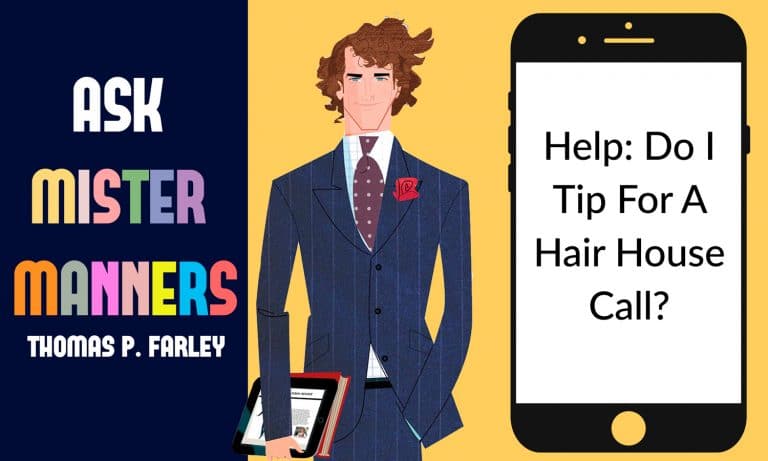
Ask Mister Manners, Thomas P. Farley: ‘Do I Tip For A Hair House Call?’

My hair stylist is coming to my home to fix my unruly hair. Since I’m paying in cash, he’ll be pocketing the entire amount. Do I still tip?

Etiquette tips on how to interact in today’s world. Have a question for Mister Manners? Send your queries to info@whatmannersmost.com and look for replies in the coming weeks. 

SPLIT ENDS MEET WIT’S END

Q: No sooner had California started opening salons than they are shutting down again. Ugh! After four months, I’ve had it with my unruly hair and have asked my stylist to give me a cut and color at home. His fee is the same as it would have been at the salon, but I’ll be paying in cash, and he’ll be getting 100% of that money rather than splitting it with the salon. Do I still tip him?

A: Have you asked him this question? Don’t be afraid to inquire, in as polite a manner as possible. Doing so over text message can make the conversation less awkward for both of you. Either way, I predict the answer may be: “Some people do, some people don’t.”

If you press the issue, he may respond along the lines of: “Gratuities for in-home services are never expected, but they are always appreciated.” Which more or less translates into: “I won’t hold it against you if you don’t—but I won’t forget it either.”

You might be rationalizing your inclination to skip the tip by insisting you’re missing out on the salon experience, something for which you’re willing to pay a higher premium. And you’d have a point. Between being pampered in a cushy salon versus craning your neck over your own kitchen sink as shampoo runs into your eyes unfettered, there is only one clear winner.

RELATED: Ask Mister Manners, Thomas P. Farley: ‘I Hate Splitting The Check

But before you continue with your objections, consider this: a hairdresser who comes to your home during lockdown is likely violating the salon’s rules, not to mention the state’s emergency regulations. The former could cost him his job; the latter could cost him his license.

So look at it this way: as you bid farewell to the grays and the flyaways, your coiffeur is going out on a serious professional limb. Factor in the potential health concerns (for both of you, admittedly) and this high-stakes favor makes the skipping of a gratuity far less defensible. In exchange for a tip of 15% (and up), you’re going to look and feel 100% better. Isn’t that well worth every penny?

Ask Mister Manners, Thomas P. Farley: ‘Do I Tip For A Hair House Call?’
Photo by Taisiia Shestopal via Unsplash

PREGNANT PAUSE

Q: A friend of mine is in her early 40s, unattached and quite eager to have a baby. For about a year prior to the pandemic, she spent a boatload of money on IVF treatments. She has already miscarried once, and I feel as though she may be pursuing a dream that is simply not in the cards. She had to put her quest on temporary hold during the nationwide lockdown, but as fertility clinics begin to open again, she wants to resume her quest. How do I advise her to consider alternatives?

A: Has she come to you seeking advice, letting you know she respects your opinion and wants your honest counsel? If the answer to this one is no, the standard to be met next is a high one: Are you genuinely concerned for her emotional, physical or financial well-being? Is she in some sort of danger? Is there anyone closer to her with whom she may be confiding?

RELATED: Ask Mister Manners, Thomas P. Farley: ‘My Cousin Thinks Corona’s A Conspiracy’

If you firmly believe she is putting herself in peril and that she is not hearing this from anyone else, yes, you should speak up. In such a scenario you might say: “I have some thoughts about your plan and would love to share them with you if that’s okay?” From there you will reveal your feelings in as kind a way as possible. Then you will do a whole lot of listening. 

If, on the other hand, you are simply perplexed as to why she is following a path you believe is inadvisable, you must let it go. The decision to start a family is deeply personal. And with one in six couples struggling with issues of infertility, it is a far more prevalent situation than you may realize. This is her journey to take, and wherever that road leads, she needs to find her own way. When and if she’s ready to ask for your advice, she will.

Mister Manners, Thomas P. Farley, is a nationally regarded expert who appears regularly in the media to discuss modern-day etiquette dilemmas — from how to split a check fairly to how to get a word in edgewise. Follow Thomas on Facebook, Twitter and Instagram. And for more insights, listen to his brand-new podcast, “What Manners Most,” which will be focused exclusively on Coronavirus-related etiquette for the foreseeable future.

How The CURE Drug Repurposing Collaboratory Helps COVID-19 Research

The FDA is partnering with The Collaboratory to help capture data from diverse population segments, such as pediatric patients and pregnant women.

A partnership between government agencies is determined to provide researchers with additional dimensions of real-time data for some COVID-19 research.

The CURE Drug Repurposing Collaboratory (CDRC) is a public-private partnership initiated in June 2020 by C-Path and the U.S. Food and Drug Administration (FDA) in collaboration with the National Center for Advancing Translational Sciences (NCATS). The NCATS is part of the National Institutes of Health (NIH).

The collaborative organization seeks to accelerate the pace and reduce medical product development costs by creating new standards in data, methods, and research, aiding in the scientific evaluation of the efficacy and safety of new therapies.

The FDA is partnering with The Collaboratory to help capture data from diverse population segments, such as pediatric patients and pregnant women. C-Path leads the CDRC efforts supported by a different set of global stakeholders, including clinicians, scientists, U.S. Health and Human Services (HHS) agencies, non-government organizations, foundations, and societies.

RELATED: FDA Issues New Guidance For Testing Asymptomatic COVID-19 Patients

For the CDRC, there are five focused goals: 

  • To promote the CURE ID platform to enable the global health community to share patient treatment results openly;
  • To evaluate drug leads through advanced analytics to identify candidates for repurposing as new treatments in a transparent, open forum;
  • To inform the design of clinical trials of existing marketed drugs for new indications;
  • To generate real-world evidence for expanding drug labels;
  • To provide a regulatory roadmap to advance drug repurposing and expedite the availability of safe and efficient treatments for diseases with limited or no treatment option; and
  • The data will be collected from several sources, including clinical trials, and analyzed to support future decision making. 

The CDRC initiative identifies existing drugs that demonstrate possible therapeutic benefits for COVID-19 and should be studied further in appropriately powered randomized clinical trials (RCTs) to determine a safe and effective treatment.  

FDA Authorizes First Next Generation Sequencing Test For Diagnosing COVID-19
Photo by Lucas Ninno/Getty Images

Data collected via the CURE ID platform is compiled and then used by CDRC to showcase the results from studies with the drugs, offering pathways for the future of treatment. However, many COVID-19 patients are unable to participate in RCTs because they do not meet eligibility criteria or do not live near a clinical trial site. As a result, hundreds of thousands of patients will eventually receive treatment outside of RCTs.

RELATED: COVID-19 And Cannabis: What’s The Latest In Treatment?

The COVID-19 working group will reach out to collect, share, and to compile data. The CURE ID mobile app is an FDA-NCATS collaboration to build an internet-based repository that allows the global clinical community to report novel uses of existing drugs to treat diseases through a website, via a smartphone or other mobile device.  With this setup, the repository would capture the clinical outcomes, such as when drugs are used for new indications, in modern populations, in further doses, or new combinations.

If you are interested in joining the CURE Drug Repurposing Collaboratory, please send inquiries to CDRC@c-path.org.

Researchers Say Microdosing Marijuana Provides Pain Relief

Few researchers have explored the benefits of microdosing cannabis until now.

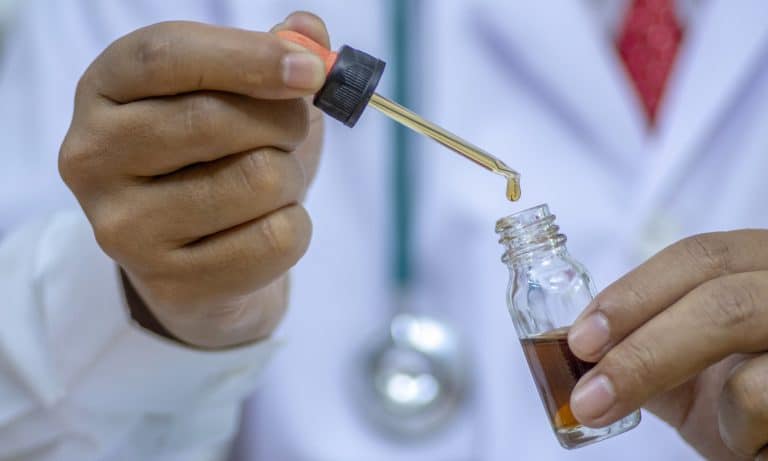
Microdosing marijuana offers pain patients an alternative method to reduce symptoms without receiving the plant’s psychoactive components, a new Israeli study found. The clinical trial offers some of the first scientific insights into the efficacy of microdosing marijuana and could represent a new relief for patients who don’t like or aren’t suited for the traditional “high” associated with cannabis.

You probably recognize the term microdosing for its association with psychedelics, particularly in microdosing psilocybin mushrooms or LSD. A microdose is generally considered a subtherapeutic uptake of a drug. Put more plainly, it’s when you use a drug but don’t experience the mind-altering sensation.

Though the trend received serious attention in Silicon Valley communities, scientific research doesn’t support the anecdotal claims made by those microdosing psychedelics. But few researchers have explored the benefits of microdosing cannabis until now.

Traditionally, pain patients establish their own medical cannabis doses through a faulty trial-and-error process. No traditional dose of THC, the psychoactive component in marijuana, exists. The National Institute on Drug Abuse (NIDA) actually requested help from the scientific community to standardize a unit dose of THC earlier this year.

But the new study, published in the European Journal of Pain, investigated the therapeutic value of using a marijuana inhaler made by Syqe Medical, an Israeli pharma-tech company. The company touts its product as a first of its kind and reportedly allows precise doses of THC to patients.

RELATED: Sorry, But Science Doesn’t Favor Microdosing Psychedelics

“We’re moving, for the first time, towards being able to give physicians detailed information on the actual dose that they should be prescribing, and enabling them to be sure that the desired amount is actually reaching the patient’s body,” Syqe Medical CEO Perry Davidson told The Times of Israel.

cbd as medicine how much do we know so far
Photo by OlegMalyshev/Getty Images

The research team conducted a randomized, double-blind, placebo-controlled trial with 27 patients suffering from chronic neuropathic pain. Subjects received an inhaled dose once across different test days containing one of the following: 500 microgram (0.5mg) of THC, 1,000 micrograms (1 mg) of THC, or a placebo.

“Both doses, but not the placebo, demonstrated a significant reduction in pain intensity compared with baseline and remained stable for 150-minutes,” the researchers wrote. “The 1mg dose showed a significant pain decrease compared to the placebo. Adverse events were mostly mild and resolved spontaneously. There was no evidence of consistent impairments in cognitive performance.”

RELATED: Microdosing Marijuana: What Doctors Say Is The Best Way To Consume

The study was independently peer-reviewed, but Syqe Medical provided funding and conducted the trial, which positively favors its device. However, it’s not the first clinical trial to tout the medical benefits of metered dosing for medical cannabis patients. In addition, a study published earlier this year found 70-90% of marijuana products contain THC levels too high for effective, long-term pain relief. A 2018 study also reported three puffs a day were enough to keep the pain away.

DEA And FDA Blame Each Other For Marijuana’s Illegal Status, Says Dr. Oz

The daytime TV host says America should completely change its policy on marijuana because ‘it absolutely works.’

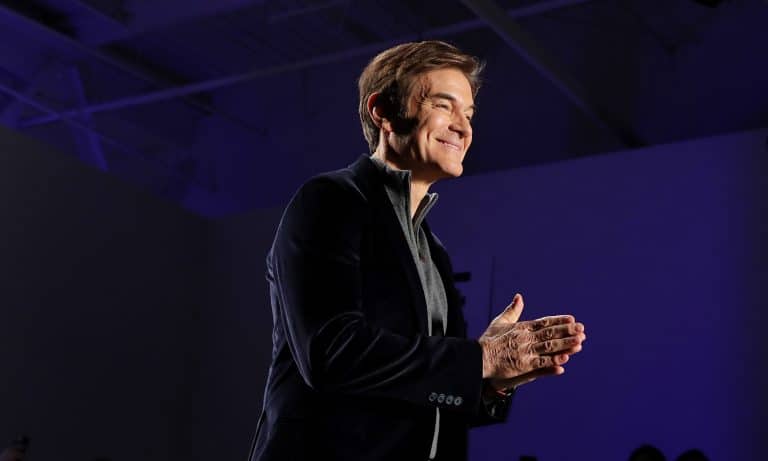
Dr. Oz alleged in a new interview that representatives at both the Drug Enforcement Agency (DEA) and Food and Drug Administration (FDA) want to make cannabis legal. But, according to Dr. Oz, the two agencies point fingers at each other for the continued prohibition of marijuana.

The popular daytime television host also described cannabis as “one of the most underused tools in America.”

https://www.instagram.com/tv/CCWCLVhDtsd/

“It ought to be used more widely and we can’t even study it that easily because of the way it’s regulated,” said Dr. Oz. “You know what, I called the DEA. They said, ‘We don’t want this to be illegal. Your government ought to change that. But we got to enforce the law.’ I call the FDA that regulates the drugs. They say, ‘We think it ought to be used, but until the DEA says it’s allowed, we can’t let people prescribe it everywhere.’”

RELATED: FDA Advised DEA To Eliminate CBD From Drug Category

Though Dr. Oz has never smoked marijuana, he claims, he has emerged as an ardent supporter for the plant in scientific and medical contexts. He argued on “Fox & Friends”, a program that has mocked medical marijuana advocates, that cannabis could be America’s exit drug out of the opioid epidemic. He has used his namesake program to discuss Cannabis 101 and the ethics of medical marijuana, as well as discussing the issue on other programs to raise awareness.

How Impeachment Could Affect Marijuana Legalization
Photo by Esther Kelleter/Getty Images

Dr. Oz revealed in the recent interview with Fatman Scoop that a conservation he had with fellow daytime host Montel Williams opened his mind to medical marijuana. Williams suffers from multiple sclerosis and uses the plant daily to get out of bed in the morning.

RELATED: It’s Time To Disband The DEA

“Now I’ve seen this helping people with sleep issues, with pain issues for sure, and a lot of people who have serious medical problems getting relief,” said Dr. Oz. “Here’s the thing, you can’t die from it. I’m unaware of any case when anyone has overdosed.”

“We ought to completely change our policy on marijuana,” he added. “It absolutely works.”

The Latest Report From The FDA Shows How Poorly It Has Handled CBD

As it stands, the FDA has been very vocally opposed to Hemp CBD products without imposing any real penalties.

On Wednesday, July 8, the Food and Drug Administration (FDA) sent Congress a report on the CBD marketplace. Last year, Congress mandated that the FDA report on hemp-derived CBD in appropriations legislation. You can find the report linked at the bottom of this article from Marijuana Moment, which also provides an overview of the report.

The report itself is, in a word, underwhelming. It provides little new insight. Instead, the report is focused on the testing of CBD products and the fact that many products tested in the market do not contain the amount of CBD listed on the label. That fact has been well established. Here is a report from Penn Medicine back in 2017 on this same topic. In November 2019, Leafly compiled a ton of data on the inaccurate labels of many CBD products. The FDA has also brought up the issue of poorly labeled CBD products in warning letters the agency sends out to companies selling CBD.

This latest punt by FDA is extremely frustrating: after all, FDA is pointing to a problem that only it can solve. I understand that the FDA has to follow certain procedures in collecting data and the agency cannot just rely on the reporting done by companies like Leafly, but that does not absolve the agency for its years of inaction on CBD.

RELATED: Why That CBD Oil You Just Bought Might Be Bogus

What should FDA have done? To start, the agency could have provided unofficial guidance to CBD manufacturers and distributors. This is what the Department of Justice did with the marijuana industry by issuing the now rescinded Cole Memo, which provided state-level marijuana businesses with guidance on the federal enforcement priorities to avoid in order to stay out of prison. The FDA also could have stayed quiet and left Hemp CBD regulations to the states. That is the approach the agency has taken with marijuana products. Finally, the FDA could send warning letters to state-level marijuana processors who are adding marijuana-derived THC and CBD to edible products. It hasn’t done so because the states have set up their own regulatory frameworks to ensure that marijuana edible products are safe.

The Truth About CBD And The Coronavirus Pandemic
Photo by chriss_ns/Getty Images

As it stands, the FDA has been very vocally opposed to Hemp CBD products without imposing any real penalties. That environment has lead to the testing problem that the FDA has now “reported” on. Turning back the clock to 2018 , the peer-reviewed Pediatric Neurology Briefs ran an article called “Inadequate Regulation Contributes to Mislabeled Online Cannabidiol Products.” Here is an excerpt from that article:

Overall, the results of this study are an important contribution to the growing evidence that online CBD products have a high rate of mislabeling. A need exists for consistency and regulation of these products. There is potential for adverse events by having higher CBD concentrations than expected, resulting in changing serum antiepileptic levels.

This was true when the authors were researching this article in 2016 and 2017. It was true in 2018, 2019, and probably in 2020 too. It will continue to be the case that these products are mislabeled until the FDA does something to change it.

RELATED: FDA And USDA Start Making Sense On Hemp CBD

To put this another way, let’s pretend that the FDA is a local mechanic: Frank and Dean’s Auto. Imagine that you are having trouble with your car’s brakes so you take it to Frank and Dean’s Auto. You are hoping that they can fix your brakes the day you take it in. But to your dismay, when you get there, you learn that you’ll have to leave the car overnight so they can run some diagnostic testing. When you return the next day, they tell you that your brakes are not working correctly and they cannot fix your car. They tell you that they have the tools to fix your brakes, as well as the replacement parts as well, but that they cannot do anything because they don’t fully understand what is wrong with your brakes. Finally they tell you that you should not drive your car until you fix your brakes. I’m sure that you would leave a pretty bad review for Frank and Dean’s Auto on Yelp.

The FDA needs to get its act together on CBD. If you read this blog, you’ll know that doing this is not easy but the FDA has had years to figure this out and has yet to make any meaningful changes. The FDA has waffled on CBD for too long and needs to make a change.

Daniel Shortt is an attorney at Harris Bricken and this article was originally published on the Canna Law Blog.

FDA Issues New Guidance For Testing Asymptomatic COVID-19 Patients

Even with no outward signs of COVID-19, individuals may still have the virus and exhale viral particles.

The U.S. The Food and Drug Administration (FDA) issues new guidance for testing asymptomatic COVID-19 patients.

Recent epidemiologic, virologic, and modeling reports are evaluating the possibility of COVID-19 transmission from presymptomatic  (COVID-19 detected before symptom onset) or asymptomatic (COVID-19 detected but symptoms never develop) persons to other groups at risk. In late May, the World Health Organization (WHO) estimated that anywhere from 6 to 41% of individuals might be asymptomatic .

Last week, the FDA outlined the steps for a test to be authorized for the broad screening of asymptomatic individuals. (The FDA provides information in updated templates for test developers on the FDA’s expectations for how a test might be validated for the screening of asymptomatic individuals.) Officials are seeking to make it easier to move the testing forward.

RELATED: COVID-19 And Cannabis: What’s The Latest In Treatment?

The FDA recognizes that organizations may want to conduct screening of asymptomatic individuals as part of an overall strategy to ensure their safety of their employees, patients, students, and others.

Asymptomatic people may be a particular risk factor. Even with no outward signs of COVID-19, individuals may still have the virus and exhale viral particles. This scenario is the reason why mask-wearing by the public is strongly urged by both public and health officials. At the end of last month, the Centers for Disease Control (CDC) estimated the prevalence of asymptomatic cases, based on mathematical modeling, at 35%. Many retailers and facilities demonstrate a concern with sanitizer, but it’s person-to-person contact that is the most significant risk of COVID-19 transmission.

Understanding New Rules Around Serological Testing
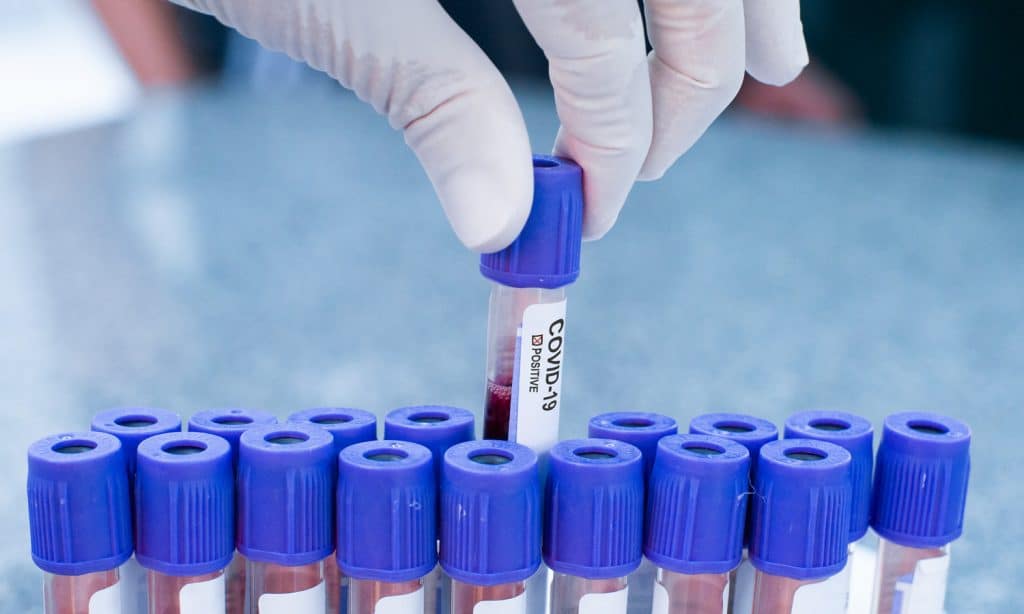
Photo by cicerocastro/Getty Images

Medical researchers and developers on the vaccine level might be interested in performing their testing using “pooling” samples.  This technique allows a lab to mix several samples in a “batch” or pooled samples, and then to test the pooled sample with a diagnostic test.

RELATED: FDA Authorizes First Next Generation Sequencing Test For Diagnosing COVID-19

For example, four samples might be tested together, using only the necessary resources for a single test. If the pooled sample is negative, it can be deduced that all patients were negative. If the pooled sample comes back positive, then each sample needs to be tested individually to determine which was positive.

Because samples are pooled together, ultimately, fewer tests are run overall, meaning fewer testing supplies are used, and results can be returned to patients more quickly. 

Prenatal Marijuana Use Could Cause This

0

Researchers found children whose moms used marijuana while pregnant suffered from somnolence symptoms — or excessive sleepiness.

Using cannabis while pregnant could cause your child sleeping problems later in life, according to a new study by University of Colorado Boulder researchers. The research doesn’t establish a causality between prenatal marijuana exposure and developmental sleep problems, but it does represent another possible development issue caused by pregnant women consuming marijuana.

“As a society, it took us a while to understand that smoking and drinking alcohol are not advisable during pregnancy, but it is now seen as common sense,” senior author John Hewitt, director of the Institute for Behavioral Genetics at CU Boulder, said in a statement. “Studies like this suggest that it is prudent to extend that common sense advice to cannabis, even if use is now legal.”

The study, published in Sleep Health: The Journal of The National Sleep Foundation, analyzed data compiled for the landmark Adolescent Brain Cognitive Development (ABCD) study, which has followed 11,750 children since they were 9 or 10 years old. The ABCD study launched in 2015 and will become the largest long-term study to explore early brain development in the United States.

RELATED: Study Links Marijuana And Pregnancy Use To Infant Health Risks

Participants’ mothers were given an exhaustive questionnaire upon entrance into the ABCD study. One query was whether moms had consumed cannabis while pregnant. And if so, how much did they use? They weren’t asked about consumption method, meaning we don’t know if they smoked cannabis, ate edibles, or used tinctures. About 700 of the moms admitted to using marijuana while pregnant — 184 used daily, 262 did so twice or more per day.

Marijuana Use While Pregnant Leads To Children's Sleeping Problems, Study Finds
Photo by Joanna Malinowska via freestocks.org

“Mothers who said they had used cannabis while pregnant were significantly more likely to report their children having clinical sleep problems,” said the study’s lead author Evan Winiger.

There are obvious limitation to this study, which researchers readily admitted. Marijuana use remains federally illegal and researchers wondered if actual prenatal cannabis use had been higher among the ABCD dataset.

RELATED: Study Finds Link Between Depression And Marijuana Use During Pregnancy

“We are asking mothers to remember if they smoked marijuana 10 years ago and to admit to a behavior that is frowned upon,” Winiger said.

The research team also linked teen marijuana use to adult insomnia in a study earlier this year. Scientists, however, still don’t completely understand how marijuana use while pregnant affects childhood development. A comprehensive review of previous research worried that scientists have oversimplified the link between prenatal cannabis exposure and childhood cognitive development.

“The current review of the literature found that there are relatively few cognitive alterations noted in offspring exposed to cannabis prenatally,” the review’s authors wrote.

How CBD Topicals Can Complement Your Mask Wearing

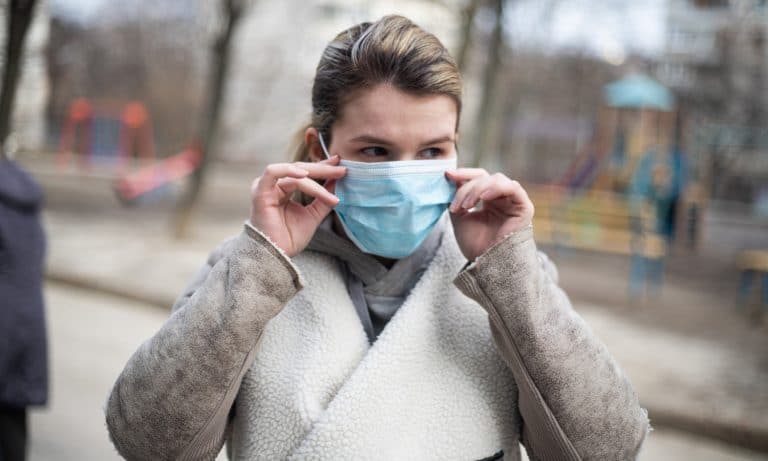
Wearing face masks for prolonged periods of time can affect your skin. Here’s how CBD might be able to help.

At this point in the pandemic, people should have a wide assortment of masks at their disposal. Despite the weird politics that shroud them, health experts believe masks and social distancing guidelines are the strongest (not to mention easiest) measures people can take when it comes to battling the spread of the virus.

Despite their health benefits, the prolonged use of face masks and the addition of hot weather isn’t very healthy for your pores. These issues can produce irritated skin, moist environments, and even “maskne,” which is exactly what it sounds like: acne caused by prolonged mask wearing. Could CBD help treat these irritations and conditions?

RELATED: Lighting Up For Better Skin: Can Marijuana Help Acne?

There’s a lot of CBD topicals on the market, even if there’s not heaping amounts of scientific evidence out there to back up their claims. The research that does exist, however, points a spotlight on CBD’s effect on inflammation, which is why so many skincare brands are obsessed with the compound. These anti-inflammation properties can help battle rosacea, eczema and psoriasis — conditions that are all made worse by the constant use of masks.

Here's How You Can Prevent Skin Damage From Face Masks
Photo by cottonbro via Pexels

When it comes to acne, CBD could also have an effect. Some studies believe CBD can manage oil production in the skin while also administering antimicrobial effects. These effects could help those at risk of developing facial yeast infections — something that could happen if the person struggles with conditions like diabetes, a compromised immune system, antibiotic use or poor hygiene.

RELATED: Can You Get A Yeast Infection On Your Face From Wearing A Mask?

CBD won’t hurt your face, especially if you’re using a high-quality product. Many elements in skincare products aren’t FDA regulated, which means that you shouldn’t discard CBD just because it doesn’t have the necessary accreditations. CBD is a safe compound that will most likely provide benefits if used within a trusted topical or product.

Still, if you’re experiencing severe skin care issues due to your mask, a dermatologist might give you the best advice, likely recommending a list of products that might best suit your needs.

Publicist And Cannabis Advocate Taps Producer To Tell Harrowing Tale

Jonathan Hay says it was cannabis that helped him cope with a brutal home invasion robbery on 4/20. Here’s how he used the herb to help fuel his career after the attack.

Music publicist and cannabis advocate taps producer to tell harrowing tale. Jonathan Hay, a music publicist turned multi-Billboard-charting producer and cannabis advocate, is launching a new television documentary, “House Invasion.”

The venture is a partnership with JT Barnett, who co-produced the original “Joe Exotic – The Tiger King,” a series that would later give birth to the record-breaking Netflix NFLX 6.04% docu-series.

Barnett also serves on the management team for Joe Exotic, whose real name is Joseph Maldonado-Passage. Exotic is currently in Fort Worth FMC (Federal Medical Facility).

Hay is a record industry veteran known for his work with Whitney Houston, Michael Jackson, Death Row Records, and multiple artists signed to Eminem’s Shady Records.

About The Show

“House Invasion” is a play on words. It focuses on a deeply disturbing event that leads to a new career in house music.

On April 20, 2017, Hay and his then 14-year-old daughter were attacked, pistol-whipped from behind, and forced into their home by gunmen.

For over two hours, they were assaulted and terrorized at gunpoint as the robbers ransacked the house looking for a safe.

RELATED: Study Shows Cannabis Temporarily Relieves PTSD Symptoms

With his child knocked to the ground, Hay was then bound and duct-taped while the masked criminals kept going in and out of the house, filling up their car with Hay’s valuables like they were on a shopping spree. Three men have pleaded guilty to the violent robbery and kidnapping charges. Two of those men are serving their plea deals, while the third — his former neighbor — awaits sentencing.

Political Bumper Sticker
Photo by Mongkol Nitirojsakul/EyeEm/Getty Images

While Hay was bound to a chair, he began to reflect on his life. He was certain he was going to die with his daughter that night. His thoughts turned to the violent nature of content such as music, film, and books that he had promoted for over a decade.

Luckily, both Hay and his daughter made it out alive that night. Hay threw himself into work, desperately trying to escape the severe trauma.

It was cannabis that helped him cope, he says.

“It’s still pretty surreal to me that this attack happened on April 20 of all days,” Hay tells Benzinga. “The term ‘420’ has a more significant meaning to me as it represents empowerment and freedom. I’m excited about working with JT Barnett on this documentary with most of the filming taking place in Louisville, New York, Los Angeles and London.”

Creating Positivity 

Aided by the good herb and a renewed take on life, Hay started creating positive content that made an immediate impact in the jazz genre. He scored two songs that hit the No. 1 spot on Billboard’s Contemporary Jazz charts, back-to-back, and produced an album where he reimagined Eric B. and Rakim’s “Follow the Leader” as jazz.

“Follow the Leader” remained on the Billboard charts for 11 weeks straight, after putting an end to the 38-week reign of Michael Bublé’s “Love.”

RELATED: The Link Between Marijuana And Creativity: Is It A Thing?

This led to a distribution deal with label Fat Beats, a collaborative project with Eric B. & Rakim themselves, and the creation of R.U.S.H Music, a new house and techno label co-founded with producer Sarah Rush.

Also from this new collaboration, House Invasion was born.

“It starts on the night of 4/20, then goes through the last three years of my life, leading up to my recent discovery of house music,” Hay says. “The show’s footage includes interviews, case files, reenactments, and more.”

Rush considers “the opportunity to tell Jonathan’s story and how he managed to turn his life around” a blessing.

“Working with the insanely talented JT Barnett adds to the magic, we couldn’t have been given anyone finer to direct a project that means so much to Jonathan and myself,” she said. “We are both honored and thrilled to deliver what is set to be a spell-binding tale of gut-wrenching pain, a beautiful and organic transformation and a phenomenal future.”

This article was originally published on Benzinga.

Don't Miss Your Weekly Dose of The Fresh Toast.

Stay informed with exclusive news briefs delivered directly to your inbox every Friday.

We respect your privacy. Unsubscribe anytime.