Friday, June 19, 2026
Home Blog Page 520

Are Marijuana Inhalers Most Effective Treatment For Chronic Pain

A new study found precise doses of THC administered via inhaler were effective in reducing pain in neuropathy patients.

Marijuana’s therapeutic effects for chronic pain patients are well-known. Cannabis reduces inflammation and muscle pain, eases neuropathic pain, and helps pain patients achieve a better night’s sleep. Dosing, on the other hand, is far from standardized.

A 2018 study suggested three puffs a day would keep the pain away. Meanwhile, a study from earlier this year reported that 70-90% of legal marijuana products contain THC levels too strong for effective, long-term pain relief. Now, a new clinical trial may provide more rigorous answers in treating complex pain conditions.

A study led by a team of Israeli scientists, published earlier this month in the European Journal of Pain, found precise doses of THC administered via inhaler were effective in reducing pain in neuropathy patients. The randomized placebo-controlled study divided 27 chronic pain patients into three groups: One group received a 1mg THC dose, the second was given a 0.5mg THC dose, and the third had a placebo.

“Both doses, but not the placebo, demonstrated a significant reduction in pain intensity compared with baseline and remained stable for 150-minutes,” the researchers wrote. “The 1mg dose showed a significant pain decrease compared to the placebo. Adverse events were mostly mild and resolved spontaneously. There was no evidence of consistent impairments in cognitive performance.”

RELATED: New Study Finds Medical Marijuana Is Too Strong For Pain Relief

One of the biggest results, researchers noted, was that this method could assist with individualized medical marijuana prescriptions for patients in the future.
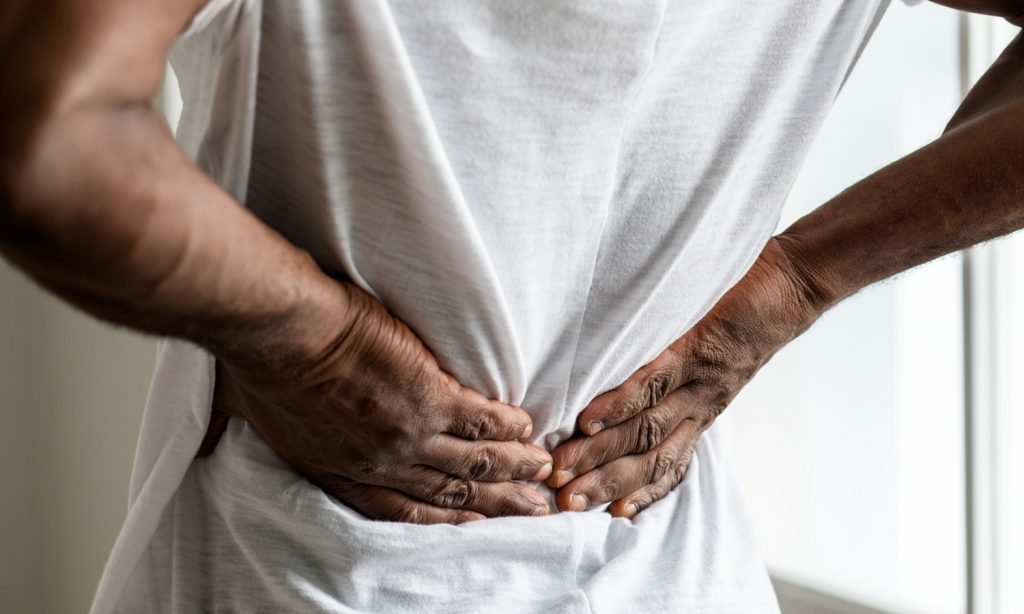
cannabis may treat fibromyalgia pain according to new study
Photo by Ake via rawpixel.com

“This feasibility trial demonstrated that a metered-dose cannabis inhaler delivered precise and low THC doses [that] produced a dose-dependent and safe analgesic effect in patients with neuropathic pain/complex-regional pain syndrome (CRPS),” researchers wrote. “Thus, it enables individualization of medical cannabis regimens that can be evaluated pharmacokinetically and pharmacodynamically by accepted pharmaceutical models.”

RELATED: A Pain Management Doctor Shares How Marijuana Is Impacting His Patients

Previous clinical trials have also tested metered-dose cannabis inhalers as a future tool in medicinal settings. Data from these clinical trials showed novel inhaler devices reduced pain symptoms while displaying minimal adverse effects.

This research could prove vital for administering THC doses to hospitalized patients, because, as a 2019 clinical trial found, combustible marijuana is not acceptable for hospital settings.
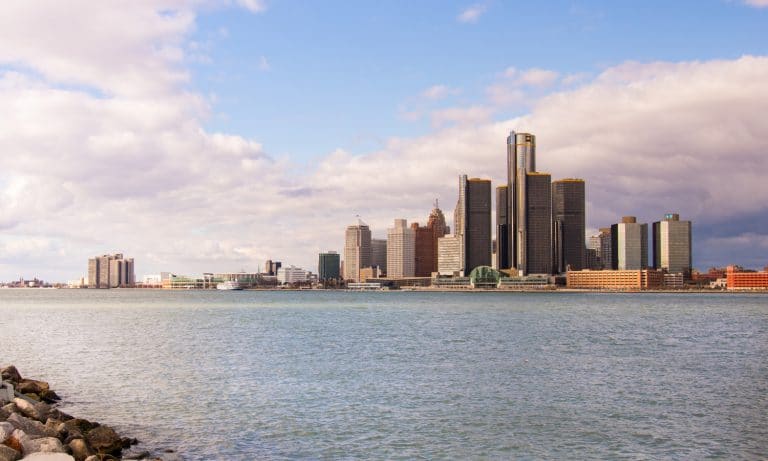

Michigan Cannabis Companies Expand Despite — And Because Of — Coronavirus

Are cannabis industries recession-proof, a necessary product in today’s world? One CEO thinks so.

By Elizabeth Balboa

Some cannabis businesses are scrambling to stay afloat as unemployment undercuts sales and regulatory compliance pressures margins. And some companies are capitalizing on pandemic-related weakness in the cannabis space.

“Unlike a lot of companies that maybe got a little overextended and are contracting, Grown Rogue sees this as a good buying opportunity and expansion opportunity,” Grown Rogue CEO Obie Strickler told Benzinga.

Strickler’s Oregon-based company just completed a facility expansion in Michigan and continues to seek opportunities across the “very interesting” state market, he said.

Michigan’s Green Peak Innovations maintains a similar strategy. As a government-designated “essential business,” Green Peak has kept contractors active during the state shutdown.

“Projects have not stopped,” CEO Jeff Radway said.

Green Peak opened its first Lansing store during the shutdown in March, and it’s continued to acquire new real estate — bringing the tally up to 18 empty parcels — for future dispensaries.

RELATED: The Feds Really Want To Block Michigan Marijuana Users From Buying Guns

It plans to open in Traverse City and Lansing in May, followed by East Lansing and Hazel Park in June.

In the meantime, Green Peak is expanding its commercial kitchen and eyeing out-of-state purchases.

“There’s a substantial amount of distress in the capital markets, in the cannabis markets, so we’re trying to take advantage of good buying opportunities,” Radway said.

michigan become the 10th state to legalize marijuana
Photo by Alex Brisbey via Unsplash

Michigan Coronavirus Sales

With 170 wholesale accounts and seven retail stores, Green Peak is a “good barometer of what’s happening in the state,” Radway said.

On the retail side, the CEO said he saw the cannabis industry stumble through a series of phases caused by the coronavirus.

It began with panic stocking, followed by soft sales with 30% to 40% falloff, he said.

“We couldn’t tell if sales were rising or falling,” the cannabis CEO said of the early stages. “We were on very unsure footing. Our wholesale accounts were really nervous and they were knee-jerking and pulling back hard on inventory.”

RELATED: Can Marijuana Help Ease Coronavirus Anxiety?

Then came a spike in sales driven by the arrival of unemployment checks. The trends have since slowly stabilized, he said.

“Every day is a Tuesday,” he said. “The normal pattern of the week shifted on us.”

Radway said demand is still there and overall sales have held up well. Yet the mix between wholesale and retail sales has been volatile, and wholesale has compensated for retail slumps.

Oregon has seen fairly consistent sales, said Grown Rogue’s Strickler. He suspects that purchases in Michigan throughout the pandemic period remained consistent.

“Industries like ours are fairly recession-proof,” he said. “It’s kind of a necessary product in today’s world.”

The Long Game In Michigan

Even if Michigan’s coronavirus situation did create near-term risk, Grown Rogue is determined to see its bet on the state through.

“Michigan fits our criteria,” Strickler said, adding that the company likes to enter markets that are transitioning from medical to recreational.

“While there’s a lot of volatility, the ups and downs we’re seeing is what happens when you try to build a new industry from the ground up.”

This article originally appeared on Benzinga.

Study Says High-Potency Marijuana Doubles Risk Of Anxiety

Research found a link between regular high-THC marijuana use and an increased chance of developing cannabis use disorders and tobacco dependence.

If you opt for the strongest marijuana strain possible when shopping at dispensaries, it could be time to reconsider. A new study published in JAMA Psychiatry this week found that regularly consuming high-THC marijuana and marijuana products could lead to mental health and addiction problems down the road.

Specifically, researchers reported those who consistently used high-THC marijuana were four times more likely to abuse the drug and twice as likely to develop anxiety disorders. The study’s authors added regularly consuming potent cannabis increases your chances of subsequent illicit drug use by 30%.

“To our knowledge, this study provides the first general population evidence suggesting that the use of high-potency cannabis is associated with mental health and addiction,” the study’s authors wrote.

“Limiting the availability of high-potency cannabis may be associated with a reduction in the number of individuals who develop cannabis use disorders, the prevention of cannabis use from escalating to a regular behavior, and a reduction in the risk of mental health disorders.”

RELATED: You Have The Highest THC Strain — So What?

Researchers polled more than 1,000 U.K. residents who reported using marijuana in the past year. About 13% of the group, or 141 participants, self-reported using potent cannabis products. Compared to low potency users, this group was 29% more likely to have “psychotic experiences” and three times as likely to smoke tobacco. However, researchers did not discover any link to high-THC marijuana use and depression among participants.

Anxiety And Stress Scientifically Proven To Be Reduced By Cannabis
Photo by rawpixel.com


The study had a significant limitation, the authors wrote, regarding where participants sourced their cannabis. In almost all cases, marijuana was purchased on the black market and survey respondents had no scientific way of determining the THC levels in their cannabis.

RELATED: Low-THC Strains Of Marijuana A Safer Substitute For Anti-Anxiety Medications

“[W]e cannot be certain participants are accurately informed about the potency of the cannabis they are using,” the authors wrote. “It is plausible that the ability to identify type of cannabis is higher among those frequently using the drug, although evidence suggests that frequency of use does not moderate the association between self-reported identification of cannabis type and actual THC concentration in young UK cannabis users.”

Previous research has show that today’s marijuana is stronger than it needs to be. This is especially true when buying illegal marijuana, as black market producers breed cannabis strains designed to deliver the highest high to consumers in hopes they’ll come back for more. A study published earlier this year also found that 70-90% of medical marijuana products were too strong for effective chronic pain relief.

Why The Pandemic Could Be A Boon For Cannabis Education

0

The coronavirus has forced a lot of universities to provide digital curriculums, which has proven beneficial for cannabis education programs.

Cannabis education has slowly spread since marijuana began to earn legal status across states. Nowadays, with the coronavirus, universities are facing new challenges that force them to rework their curriculum and find new ways of keeping students engaged while producing revenue.

Green Flower Media recently partnered with five universities to provide courses for students interested in learning about growing, testing and selling legal weed. The company hopes to expand its partnerships in the coming years, attracting talented people involved in the business of marijuana.

RELATED: Canadian Universities Offering Cannabis Education To Meet Student Demand

Green Flower CEO Max Simon told Forbes that the company wasn’t able to consolidate any partnerships in 2019. But once the coronavirus struck the U.S. and cannabis was deemed an essential business, universities began to consider more options, exploring digital programs while also considering marijuana as a possible profitable business for students.

5 Things You Shouldn't Do While On Your Work Computer
Photo by Christin Hume via Unsplash

Florida Atlantic University, Northern Michigan University, Mount Aloysius College and the University of San Diego are some of the schools that will be offering cannabis education programs and certificates in the coming months. The programs will consist of three courses delivered over a period of two months, costing $3,000 and including classes, readings, videos and research, homework and internships opportunities for students.

RELATED: US Universities Face Crippling Obstacles When Researching Marijuana

Green Flower will also connect students with local employers in order to facilitate internships and full time jobs. They hope to expand their programs to include more universities and believe that this year could be a significant one for cannabis in America, cementing its position as a booming business.

What Is ‘Quaranteam’ And Is It Safe?

As the months pass and social distancing guidelines remain in effect, people are looking for ways to stay healthy and in touch.

Social distancing guidelines vary by state, but we’re all aware of the risks that the coronavirus outbreak poses. Although there are states in the U.S. with a small number of cases, social distancing guidelines will remain in some form of effect since the six-foot rule is a proven way of limiting the threat of coronavirus. The hard thing to come to terms with is that this might last for the remainder of the year…at least.

“Quaranteam” is when a group of friends or family members create their own social “bubble” that allows them to quarantine with people they trust. Essentially, these people form a new household with each other that includes in-person visits, meals and sometimes even moving in with each other. Social distancing rules still apply to them since all households involved remain isolated from others outside of their bubble, but this “qauaranteam” often assists with household expenses, chores and childcare.

RELATED: 5 Ways To Stay In Touch With People While Social Distancing

When it comes to this agreement it’s very important for all members of the bubble to trust each other and communicate openly. While having the ability to hug your friends and family members is amazing during these times, you’re also opening yourself up to certain risks. All members of the household must follow the same guidelines when it comes to their handling of food, how they choose to go on walks, and their visits to the grocery store and pharmacy.

How To 'Take Care' Of Yourself When Quarantined With Other People
Photo by Daria Shevtsova via Pexels

Before you make this decision, take the time to evaluate every member of the household; who’s at higher risk? who’s already been potentially exposed? Some families have the ability to work from home and stay indoors peacefully, while others need to make more trips outside or interact with others for their job. All of these factors increase your level of risk.

RELATED: The Coronavirus Probably Won’t Die Just Because It’s Getting Warm

Gideon Lichfield, editor of MIT Review, explains that before entering a bubble with friends, every member must isolate themselves for two weeks, starting quarantine from scratch, ensuring that no one is symptomatic.

Every case is different. Single people who’ve been diligent with social distancing guidelines are less risky than multi-member households or homes that include an essential worker. Treat this as a business transaction over a conversation with friends, especially since your health and theirs is on the line.

The FDA Is Taking A Big Step Toward Prevention And Treatment Of COVID-19

The FDA is keeping an eye forward, already completing over 130 clinical trials and issuing dozens of Emergency Use Authorizations that apply to the coronavirus pandemic. 

Earlier this month, the U.S. Food and Drug Administration (FDA) unveiled their steps to focus on not only preventing COVID-19, but treating the disease as well. The Coronavirus Treatment Acceleration Program, a brand-new initiative, is hoping to “help move new medical products to patients as soon as possible, while at the same time determine whether they are effective and if the benefits outweigh the risks.”

Working with partners in a public-private partnership around the globe, (including the National Institutes of Health), the FDA is keeping an eye forward, already completing over 130 clinical trials and issuing dozens of Emergency Use Authorizations that apply to the coronavirus pandemic. 

RELATED: Convalescent Plasma: What Is It And Can It Fight COVID-19?

Trying to keep up with the speed of not only the viruses’ trajectory, but needed resources, the FDA has pooled resources and formed new partnerships to create efficiency and speed in prevention and treatment. According to the FDA regarding its actions to accelerate the development of prevention and treatment options for COVID-19:

The guidances build on steps the agency has taken to streamline its review and advice process to get studies started as quickly as possible, and they incorporate information provided to individual innovators or researchers over the past several months.

Committed to assuring “the safety, effectiveness, and security of human and veterinary drugs, vaccines and other biological products for human use, and medical devices,” the FDA additionally issued two new guidance documents that offer deeper insight for researchers, innovators and healthcare professionals. These downloadable guides give insight to both understanding new processes in place  and offering relevant resources for those looking to learn more about the FDA’s streamlined processes for developing, rolling-out and understanding new treatments available for coronavirus. 

The FDA Is Taking A Big Step Toward Prevention And Treatment Of COVID-19
Photo by Anna Shvets via Pexels
  • The first guidance document, “COVID-19 Public Health Emergency: General Considerations for Pre-IND (Investigational New Drug application) Meeting Requests for COVID-19 Related Drugs and Biological Products” showcases information for drug developers to better understand clinical trials and agency feedback, with a focus on patient safety.  
  • The second document, “COVID-19: Developing Drugs and Biological Products for Treatment or Prevention” focuses on the FDA’s recommendations around later-stage COVID-19 clinical trials.  

The FDA stated that the above documents “are supplemented by a variety of ongoing activities and broad agency guidance to support innovative study designs, including master protocols, to test multiple products and multiple populations simultaneously and get answers on safety and efficacy as quickly as possible.” 

Japanese Company Claims To Make CBD Out Of Orange Peels

Hiro International says its orange peel CBD is structurally the same as the CBD found in the cannabis plant.

When lawmakers enacted the 2018 Farm Bill, they accidentally created a loophole responsible for the CBD wellness mania seen in recent years. The law allowed manufacturers to use industrial hemp to produce CBD oil and other products, removing the possibility of THC from entering the system.

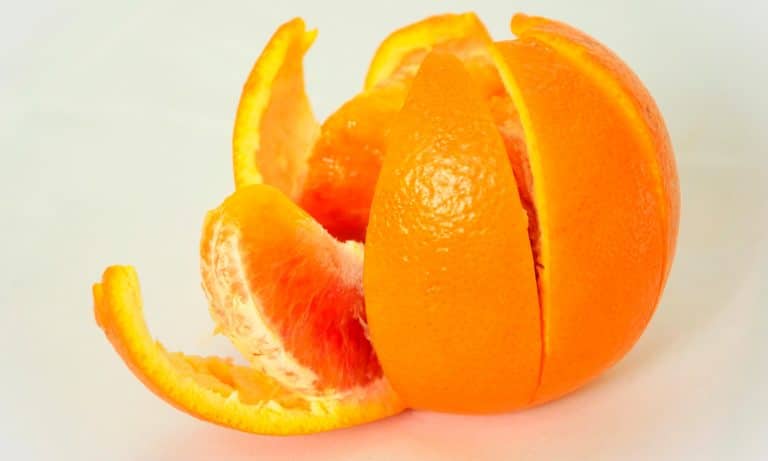
One company found another loophole: instead of using hemp flower, they extract CBD from orange peels. Japan’s Hiro International presented such a product at this year’s Cosme Tokyo cosmetics fair, according to Hanf Magazine. The orange peel-derived CBD oil is 100% THC-free and does not use any hemp or marijuana plants.

In recent years, CBD companies have landed in hot water for products containing trace amounts of THC. Ellipse Analytics ran a study last year that found 45% of the 250 best-selling CBD products contained detectable levels of THC. Another study from Johns Hopkins University reported CBD products could also cause users to fail drug tests.

RELATED: How To Spot Fake CBD

Though Japan has a developing CBD industry, THC is highly taboo and highly illegal in the country. Hiro International spokesperson Ryousuke Koseki explained these variable levels of THC in CBD products is why the country hasn’t fully embraced the latest wellness craze.

aspirational snacking
Photo by Jonathan Pielmayer via Unsplash

“Some companies have had huge problems because THC has been detected in their products,” Koseki said. “Many companies now have concerns and consumers are unsettled.”

 RELATED: The FDA Continues To Chase CBD Companies

Unfortunately, Hiro International didn’t explain their exact extraction process, which is likely proprietary. But the company states this orange CBD is the same structurally as the CBD found in the cannabis plant. Despite the difference in creation, it also offers consumers the same wellness benefits and skincare regime that traditional CBD products offer. Hiro International has already developed body lotion, make-up remover, hair care product, and lip balm prototypes using the orange CBD oil.

“With Orange CBD, you get the same ingredient, same effects and there’s no danger in terms of legality,” Koseki told CBDWire. “It also provides a different story of CBD for the consumer that sounds better than being derived from the marijuana plant.”

Pa. Republican Lawmakers Say Marijuana Legalization ‘Inevitable’ Post-Pandemic

Though Republicans in Pennsylvania long opposed recreational marijuana, lawmakers have come around in order to fix sizable budget deficits.

The Tri-State area is among the U.S. regions most ravaged by the coronavirus pandemic. The United States has more than 1.6 million cases and nearly 100,000 deaths, according to reports by the Centers for Disease Control and Prevention (CDC). But more than 500,000 cases and 45,000 deaths come from New York, New Jersey, and Pennsylvania alone.

The pandemic has had a disastrous impact on these state economies and lawmakers have turned to an unlikely savior to increase tax revenue — marijuana. PA republican lawmakers say marijuana legalization inevitable post pandemic.

Last week, a group of New York State Sens. implored Gov. Andrew Cuomo and lawmakers to legalize recreational cannabis to make up the $13 billion deficit the state currently faces. Pennsylvania also faces a sizable budget deficit, as the state has lost more than $4 billion in tax revenue since the start of the pandemic. While Pennsylvania Democrats have typically led the charge on legal cannabis, Republican state lawmakers have begun discussing the possibility to close the significant loss in revenue.

“Given the pandemic and the fiscal problems that the state is facing, people who may not have formerly considered recreational marijuana as a revenue generator may be brought to the table,” said State Sen. Dan Laughlin, a Republican, told the Philadelphia Inquirer.

“I fully believe that recreational marijuana is going to be one of the pieces of revenue that is certainly discussed in the budget cycle. It absolutely will be,” added Laughlin. “I’m not a big fan of marijuana, but I also know there’s not a kid or adult in America that couldn’t find a bag of weed if they wanted it.”

RELATED: Is Legal Marijuana The Economic Relief America Needs Post-Pandemic?

Worry is mounting about where the state will cut resources, as schools already lack funds and roads need repairs, the Inquirer reports. Not only could legal marijuana boost tax revenue, it would also remove the money the state spends prosecuting cannabis cases. The possible solution has Republican lawmakers, who have previously unified in opposing adult-use marijuana, reconsidering new bills in the GOP-controlled Pennsylvania House and Senate.

“It’s a whole new world here. So everything is on the table,” Republican State Sen. Tom Killion said. “Historically, there’s been a few people pushing for recreational marijuana use, but never a groundswell in the [Republican-controlled] House and Senate.

RELATED: New Mexico Gov. Regrets Not Legalizing Marijuana Pre-Coronavirus

“I can tell you as a member of the Appropriations Committee, it’s nothing we’ve talked about yet,” he continued. “But this time around, you’re going to hear everything discussed.”

Harper Polling reported last month more than 60% of Pennsylvania voters favor recreational marijuana legalization. Among those who consider themselves “very conservative” or “somewhat conservative,” 54% supported full legalization.

“It’s inevitable, so why not get ahead of the curve and do it now,” Charlie Gerow, Quantam Communication CEO and conservative Republican strategist, told the Inquirer. “The tax dollars will have more leverage if legislators move to legalize it sooner. What’s keeping them back?”

Ask Mister Manners, Thomas P. Farley: ‘Can I Hit The Door-Close Button On An Elevator?’

The elevator in my high-rise gets crowded easily, often stopping on every floor. During this era of social distancing, it’s suddenly of great concern. Am I justified ignoring yells for ‘hold the elevator’?

Etiquette tips on how to interact in today’s world. Have a question for Mister Manners? Send your queries to info@whatmannersmost.com and look for replies in the coming weeks. 

ROOM FOR ONE MORE?

Q: I live in a high-rise with a diverse mix of residents, from recent college graduates to retirees. The elevator is slower than molasses and gets crowded easily, often stopping on every floor. During normal times, this is admittedly a pain. But during this era of social distancing, it’s suddenly of great concern. On more than one occasion, I’ve found myself pushing the “door close” button even when I hear someone running down the hall yelling “Hold the elevator!” Is my action justifiable?

A: In a perfect world, when an elevator became too crowded for your liking, you could simply step off and wait until a vacant one arrives moments later. And yet, from what you’ve described, chances of your gliding into an elevator that remains empty as it whisks you to your destination are slim to none. 

For as long as we are dealing with this pandemic, gone are the days when it’s socially passable for a would-be passenger to announce: “Everyone inhale, I’m getting on!” 

Therefore, if they haven’t already, building management must establish new guidelines for fair and safe use of the elevator — starting with a maximum occupancy number measured in single, not double digits. To dissuade those who might attempt to charm their way on board, decals on the floor could indicate a space for each rider to stand. Once those spaces are filled, the elevator would be de facto at capacity.

Having an officially sanctioned passenger limit erases the shame from your flick of the “door close” button. In such a case, you’d simply be following the rules. And further, by helping the elevator get to its destination sooner, you’re freeing it to be dispatched for its next round of poky pick-ups.

Yet, that still leaves us with a problem of supply and demand…an overtaxed elevator incapable of efficiently serving the needs of all residents.

RELATED: Ask Mister Manners, Thomas P. Farley: ‘A Home-Wrecker Lives In The Apt. Above Me’

You’ve mentioned the building includes a broad array of ages. Priority ridership should be given to anyone with a mobility issue. In the name of chivalry, an able-bodied person (regardless of gender) should relinquish a spot aboard the elevator to let a non-able-bodied person ride instead. 

For those well enough to do so, taking the stairs may be the win-win option. Apart from the obvious fitness benefits, climbing flights so others don’t have to is more socially redeeming than 45 minutes on an elliptical machine ever could be.

Ask Mister Manners: 'Can I Hit The Door-Close Button On An Elevator?
Photo by Russ Ward via Unsplash

EXCUSE ME, THERE’S A LINE

Q: On more than one occasion, I’ve seen people cut their way into lines to enter grocery and big-box hardware stores ahead of people who have been waiting. What’s the appropriate way to ensure others anticipate their turn?

A: Oh, for the days when going to the supermarket did not require waiting in a queue that looks imported from Disney World. And yet, such is the reality for so many at this time. Fortunately, most stores have a staff member posted at their entry to ensure the orderly coming and going of customers. They are not infallible, though, and it’s up to all of us to ensure would-be cutters do not disregard those who have been waiting patiently. 

RELATED: Ask Mister Manners, Thomas P. Farley: ‘Do I Give A Gift If It’s A Virtual Wedding?’

Ideally, the person immediately behind the line jumper should provide a gentle reminder to the effect of: “I’m sorry, I know you couldn’t have realized this, but the line actually begins back there.” 

When the cutter implores: “Would you mind terribly if I went ahead of you?” the answer should be: “Not at all — as long as you get the okay from every person behind me first.” 

That should stop the cutting in its tracks, but if it does not, calmly find a store employee to take charge of the situation. Remember: being cut in line should not push your own blood pressure over the line.

Mister Manners, Thomas P. Farley, is a nationally regarded expert who appears regularly in the media to discuss modern-day etiquette dilemmas — from how to split a check fairly to how to get a word in edgewise. Follow Thomas on Facebook, Twitter and Instagram. And for more insights, listen to his brand-new podcast, “What Manners Most,” which will be focused exclusively on Coronavirus-related etiquette for the foreseeable future.

How To Choose And Use CBD Tinctures

CBD tinctures are similar to CBD oils, but there are some key differences. Here’s what you should know.

CBD tinctures are a reduced form of the cannabis plant. They are usually comprised of a strong CBD strain that is dissolved in alcohol, which, over a period of weeks, absorbs the benefits of the compound. After the liquid is strained, and depending on the product, full-spectrum oil could be added.

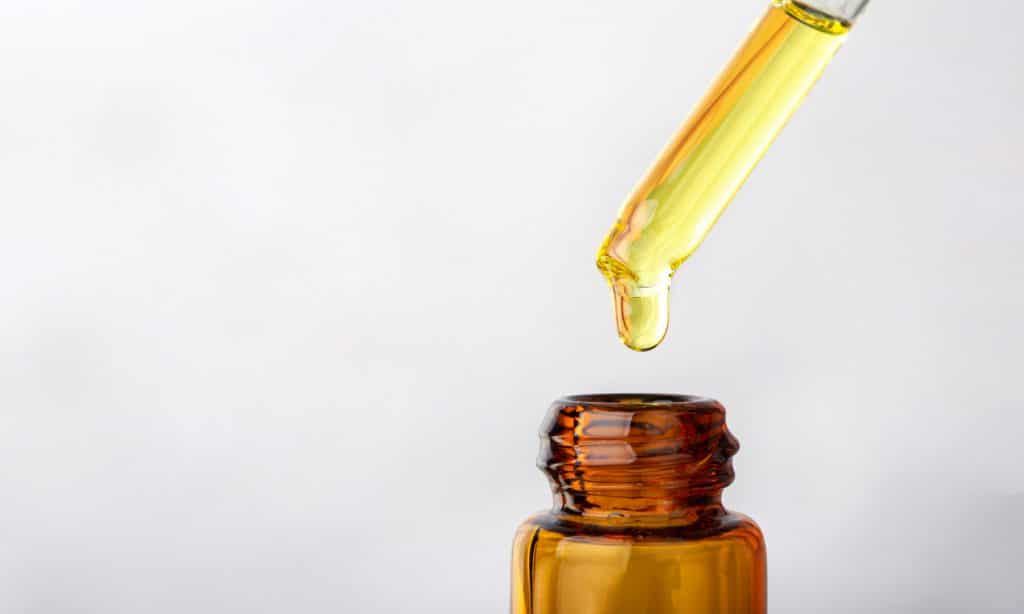
Tinctures are consumed orally, often packaged in a glass bottle with an eye dropper that allows for precise dosing. This addition is something that tincture users love since it helps them keep better track of their CBD usage and the effect it has on their bodies.

One of the toughest parts about the marijuana industry is its state of disarray, which allows for a lot of confusion. The terms “CBD oil” and “CBD tinctures” are often used interchangeably, but there are a few key differences. CBD tinctures and oils are made through different processes, with tinctures relying on alcohol or a water-based solution in order to extract the properties of CBD. Oils are typically CBD isolates, pulled from the cannabis sativa plant through CO2 extraction, which is later dissolved into an oil, typically coconut or hemp seed.

RELATED: How To Spot Fake CBD

People interested in purchasing these kinds of products need to get informed or tread carefully, because not all CBD products are created equal. There are plenty of bogus products on the market. For instance, a tincture you spot in a gas station may seem super convenient, but will most likely not deliver the results you’re after.

Microdosing: The Secret To A New Cannabis Experience
Photo by pcess609/Getty Images

Still, CBD tinctures are very effective for medicinal use, containing a wide range of terpenes and compounds that provide mental and physical benefits. They’re also safe and easy to use, allowing you to keep track of your dose and to increase it or decrease it without much fuss.

RELATED: Study: Women Have More Intense Marijuana Cravings Than Men

Choosing a CBD tincture requires some basic knowledge of the compound. Full spectrum tinctures are usually the ones most preferred, since they contain the entire range of cannabinoids, which tend to work better together. Tinctures where CBD is isolated may lose some of the compound’s benefits and effects over the process, also getting rid of marijuana’s much discussed entourage effect.

Before you make your purchase, be sure to read the label and to know where the tincture comes from. If it’s made in the U.S., there’s higher odds of a better and safer product if it hails from Colorado or California. These states have booming legal cannabis markets, where products have to follow a stricter set of rules and guidelines in order to get approved and make their way onto shelves.

Don't Miss Your Weekly Dose of The Fresh Toast.

Stay informed with exclusive news briefs delivered directly to your inbox every Friday.

We respect your privacy. Unsubscribe anytime.