Wednesday, July 22, 2026
Home Blog Page 529

The World Trade Organization And Cannabis

If a WTO member country legalizes a product domestically, its justifications for restricting international transactions might not succeed under WTO law.

Last year, we helped a client take a hard look at an issue related to cannabis and the World Trade Organization (WTO). It was a fascinating project and WTO lawyers took preliminary interest in the issue. We were told that cannabis had not come before the WTO in any formal or informal context to that point, whether for market access or other issues. Moreover, there were no WTO working groups related to cannabis, no real reports, no recommendations and no “disciplines.” As far as we know, all of that is true today.

What exactly is the WTO and what does it do? The WTO is a multilateral organization governing trade among nations, based on obligations its member states undertake through various treaties. The WTO is the largest international economic organization in the world. It’s also kind of new, having formed via the the Marrakesh Agreement in 1994. According to that Agreement, the purpose of the WTO is “the substantial reduction of tariffs and other barriers to trade and… the elimination of discriminatory treatment in international trade relations.” The WTO administers a complex legal regime regulating international trade, and WTO member countries must abide by these rules. Otherwise, they can be dragged before WTO’s dispute settlement body (sued, basically).

When it comes to cannabis, it’s important to note that the WTO recently clarified (and even emphasized) in an Appellate Body Report that “illicit trade” is not exempt from WTO disciplines. This means that the WTO legal framework permits member countries to ban trade in products that are also prohibited domestically. However, if a WTO member legalizes a product domestically, its justifications for restricting international transactions might not succeed under WTO law. More and more countries are legalizing cannabis domestically, to various degrees.

Let’s look at a few examples of how this could work: one with respect to “market access” issues, and one on “national treatment”, the two primary categories of WTO dispute resolution.

RELATED: The Psilocybin Movement Is Like The Cannabis Movement (Except When It’s Not)

The market access example for cannabis is based on a recent WTO dispute related to tobacco. Suppose Mexico finally gets its act together and puts the finishing touches on federal cannabis legalization in 2020. And suppose Mexican companies wish to export beautifully packaged cannabis chocolate to Canada (another country that has legalized cannabis federally). Canada tells Mexico it won’t accept the chocolate, because Canada has essentially adopted “plain packaging” regulations for cannabis based on public health concerns. Mexico could bring this issue to the WTO, challenging Canada’s “technical barriers to trade” and obstacles related to trademark registration. The WTO would parse these claims in the context of various treaties, including but not limited to TBTTRIPS and probably even USMCA. That would be a fun dispute.
DEA Seeks To Expand Marijuana Research Opportunities
Photo by Esther Kelleter/EyeEm/Getty Images

Next is the national treatment example. Let’s say a WTO member country with a CBD export economy, like Bulgaria, accused another WTO CBD country, like the U.S., of “unfair treatment as to a like product.” Bulgaria might argue that the U.S. is unlawfully supporting or subsidizing its CBD industry in some fashion. Or, it might argue that U.S. FDA governance as to CBD is merely a pretext for economic favoritism. These types of “vice product” disputes come up frequently before the WTO. Also fun.

RELATED: What Is CBG And Is It Legal?

It’s important to note that the WTO does not exist solely to resolve disputes. Sometimes the WTO takes on modernization projects if a new commodity comes to market. Other times, it serves as a trade policy “think tank” of sorts: member states gather to hash out topics, recommend rules and explore new disciplines (just like in regional trade agreements). In general, though, the WTO is viewed as more reactive than proactive in most respects. When the organization does engage, a core philosophy seems to be that “markets should be open” and restraints on trade should be viewed skeptically.

When WTO finally picks up cannabis, it will look closely at relevant treaties joined by member states. Those treaties will include WTO agreements, such as TRIPS and TBT , regional trade agreements, and also treaties like the U.N. Single Convention on Narcotic Drugs. It will contend with health reports promulgated by the World Health Organization and other bodies, and defer to those treaties extensively. The role of WTO is not to recommend policy, after all. Instead, it examines what other authorities have produced, and it considers member state trade policies in light of those reports and recommendations.

The WTO will engage the international cannabis trade somehow, some way, in the next few years. It will be fascinating to watch that play out.

Vince Sliwoski is an attorney at Harris Bricken, a law firm with lawyers in Seattle, Portland, Los Angeles, San Francisco, Barcelona, and Beijing. This story was originally published on the Canna Law Blog

Epilepsy And The Latest Cannabis Research

It’s now a widely-held and recognized belief that cannabis helps patients with epilepsy maintain a better quality of life and find respite from seizures.

With the Centers for Disease Control (CDC) citing that epilepsy affects over 3.4 million Americans, identifying a key function in the disease’s ability to target certain parts of the body gives researchers key insight into understanding how and why epilepsy occurs.

In a new study published in the Annals of Neurology, researchers found that an autoantibody, which works against the body, seems to be responsible for causing epilepsy in some patients. 

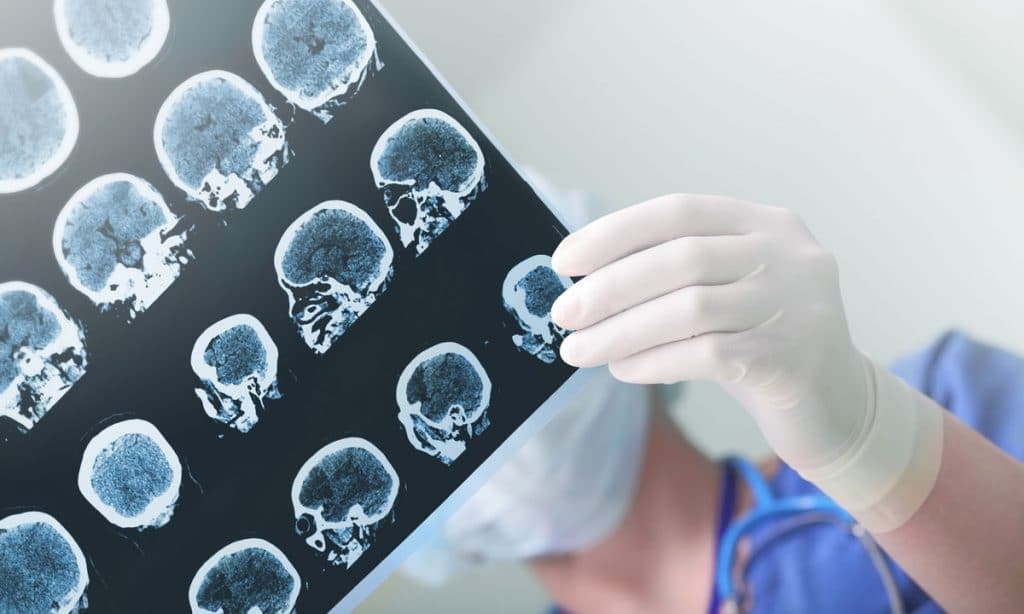
While examining encephalitis (epilepsy) and its effect on the brain, researchers at the University of Bonn in Germany found that a few distinct patterns of epilepsy included inflammation inside the brain, leading them to find scientific evidence of epilepsy’s effect on brain activity and functionality.

Discovered in the spinal fluid of patients battling epilepsy, the autoantibody interacts with a protein called Drebrin, which is a conduit between nerve cells to ensure they function well. Without functionality, these nerve cells can misfire, triggering responses by seizures. Identifying the autoantibody and how it attacks the brain is one way scientists and researchers can unlock the secrets of epilepsy.

RELATED: You Should Reconsider Using Store-Bought CBD To Treat Seizures

In 2018, the U.S. Food and Drug Administration (FDA) approved the cannabidiol medicine EPIDIOLEX® to treat seizures associated with epilepsy. This recent study offers greater hope to patients trying to find relief as well.

epilepsy and cannabis
Photo by sudok1/Getty Images

States have come far in their legalization over the past five years. One father’s plight, published in WIRED, showcases the many miles and heartbreaks that faced one father as he attempted to find a solution to his son’s 100+ daily seizures. 

CBD has already been identified as a key tool in the fight against seizures that come with epilepsy and The Epilepsy Foundation believes it’s a valuable asset in any patient’s toolbox. They state, “In recent years, a number of studies have shown the benefit of specific plant-based CBD products in treating specific groups of people with epilepsy who have not responded to traditional therapies.” 

The peer-reviewed journal Practical Neurology stated in 2018 that “The general population appears to be showing a fundamental and rapid shift in its opinion regarding cannabis and cannabis-related drugs.” In just two years’ time, it’s now a widely-held and recognized belief that cannabis helps patients with epilepsy maintain a better quality of life and find respite from seizures.

Will The SAFE Banking Act Pass As Part Of Coroanvirus Legislation?

Republican backlash over the SAFE Banking Act questions whether the legislation has any chance of passing.

The cannabis industry applauded this week as federal lawmakers added provisions in the latest round of coronavirus aid aimed at marijuana companies. While the HEROES Act did not open cannabis businesses to Small Business Administration (SBA) loans and grants, it did include the SAFE Banking Act. The bill, passed last year in the House but stalled in the Senate, would allow banks to provide financial services to the cannabis industry without fear of federal prosecution.

“I just learned the #SAFEBankingAct is included in the CARES 2.0 package,” Rep. Ed Perlmutter wrote on Twitter. “I have been pushing for this because the #COVID19 crisis has only exacerbated the risk posed to cannabis businesses & their employees & they need relief just like any other legitimate business.”

The enthusiasm was short-lived. Following the announcement, the Senate Republican Conference (SRC) deconstructed the HEROES Act and called out provisions they described as advantageous legislation. “Here are some items Speaker Pelosi decided to include in her political-pipe-dream of a bill,” @SenateGOP tweeted out.

Senate Republicans labeled the SAFE Banking Act as part of Pelosi’s “political-pipe-dream of a bill.” This led some to assume this part of the legislation would never pass through the GOP-controlled Senate. But the tweet has since been deleted after Senate Republicans realized Republican Sen. Cory Gardner is a lead sponsor of the SAFE Banking Act.

RELATED: More Proof That Marijuana Banking SAFE Act Is Dead

The question on the minds of marijuana advocates then has become whether the SAFE Banking Act has a chance of passing as part of coronavirus aid.

“I would have said no, but when the Senate Republican Conference tweeted criticism, they pulled it down when they realized that Cory Gardner is a major sponsor and is in a tough re-election campaign,” David Feldman, a partner at the global law firm Hiller P.C., told The Fresh Toast. “So I would probably still say unlikely but not impossible.”

Is Cannabis Banking In California On The Horizon?
Photo by ultramarine5/Getty Images

Smart Approaches to Marijuana (SAM), an anti-legalization group, added sand to the smoldering ember with a full-throated declaration against the provision.

RELATED: Will Cannabusiness Get Bailed Out From Losses During And After Pandemic?

“Numerous industries have been forced to completely shut down and have made great sacrifices to comply with shutdowns and limitations on their business operations,” SAM CEO Kevin Sabet said in a statement. “The marijuana industry has been a painfully obvious exception to this. This industry has used its lobbying arm to force state officials to keep their storefronts open, sued leaders who shut them down, and bragged incessantly about their revenues.”

States have deemed marijuana businesses “essential” under quarantine orders and allowed to stay open while governors have introduced legalization as a way to kickstart local economies in the wake of the coronavirus pandemic.

Cannabis And The Big Four Sports Leagues: Trial and Error

It seems likely that cannabis will end up like alcohol, only monitored for actual abuse with corresponding treatment options and monetary fines depending on number of offenses.

Anyone who knows me knows that I really enjoy sports of all kinds. I was a college soccer player and played competitive club soccer in Florida before that from the age of 7 onward (and I now play in an adult co-ed league in Los Angeles). Unfortunately, COVID-19 has put the damper on watching live professional sports on TV, and clearly no one can attend any sporting events right now or likely anytime soon. Pro athletes have time on their hands now to train and/or rest up accordingly, which got me to thinking about our pro leagues’ treatment of cannabis and how it has evolved over recent years.

I recall when it was a pretty big deal that Seattle and Denver were playing each other in the Super Bowl six years ago, since both teams’ states legalized cannabis in 2012 (and they played the game in Jersey, which also had cannabis legal reform for medical use).  More recently, in 2018 the question arose whether cannabis ads would be allowed to take up coveted Super Bowl TV ad space, as the teams–the Pats and the Eagles–hailed from states with serious cannabis legal reform.

For the longest time, it seemed like professional leagues were not going to acknowledge the reality that their players were not only consuming cannabis for various health and relaxation reasons. Instead, they were willing to put their heads in the sand regarding state-by-state legalization.

Most player contracts, collective bargaining agreements, and league policies and player rules dictated that cannabis consumption (or even participating in a cannabis business) would carry stiff consequences for players where cannabis remains federally illegal. However, many professional athletes have openly admitted to using cannabis and even more have done branding, licensing, and joint venture deals in the state legal cannabis industry as part of their livelihoods. So to maintain antiquated, punitive anti-cannabis consumption and/or business participation policies at the pro level seemed draconian and out of touch at best.

RELATED: Why The NFL’s New Marijuana Policy Isn’t A Total Win For Players

This post is a departure from my regular legal analysis of the various business issues that seem to constantly arise for cannabis entrepreneurs. Instead, I’ll be visiting the most recent cannabis consumption/business policies for the Big Four sports leagues, set forth below.

National Hockey League (NHL)

NHL
Photo by Bruce Bennett/Staff/Getty Images

The NHL was a first mover on more relaxed cannabis consumption policies for players. And it’s no wonder–according to ESPN:

“Of the 31 teams in the NHL, 28 play in states where players have access to legal marijuana, whether it is for medicinal or recreational purposes. That’s the highest percentage (90.3) of any of the major four North American pro leagues, but hardly an anomaly.”

The National Hockey League Players’ Association (NHLPA) is the labor union representing athletes in the NHL, and it handles grievances as well as negotiating with the league on rules and procedures, including guidelines for drug testing (as do all Players Associations in the Big Four). The NHL has a pretty relaxed drug testing policy around THC in its athletes. In particular, NHL players are randomly and anonymously drug tested throughout the season with an “all drug” screening. Only if a player shows “dangerously high levels” of THC in their system (by the way, THC and CBD aren’t even on the banned drug list) that the league and NHLPA take notice and flags the athlete for treatment, which is not meant to be disciplinary in nature. While the NHL and NHLPA don’t encourage cannabis use, they aren’t affirmatively trying to stop players from consuming and THC isn’t a banned substance in the NHL anyway.

Major League Baseball (MLB)

Marijuana Is Now Legal In The MLB
Photo by Doug Pensinger/Staff/Getty Images

Late last year, the MLB took the major step of removing cannabis from the banned substances list for players, and that policy took effect this year. At the same time, the league, in concert with its Players Association added various opioids to the list to better protect players from drug abuse. The MLB affirmatively decided that cannabis consumption (despite federal law) would be treated the same as alcohol. Players flagged for using cannabis on drug screens will “be referred to a treatment board under specific conditions,” and they cannot be punished for failing to participate in a  recommended treatment program.

National Basketball Association (NBA)

Stephen Jackson
Photo by tookapic via Pixabay

The NBA is way behind the NHL and MLB on its cannabis consumption policies for players, though the league and its Players Association seem to both agree that more progressive treatment of cannabis is now warranted (when David Stern was the league commissioner, his opinion was that cannabis should be off of the banned substances list altogether).

RELATED: ICYMI: DEA And Cannabis Research Still Lousy Bedfellows

In the NBA, cannabis is still on the banned substances list and just 15 nanograms per milliliter of THC is considered a positive drug test (players have to take 4 random tests a season for cannabis). Punishment for testing “hot” escalates from drug treatment to significant monetary fines to multi-game suspensions depending on the number of failed tests. Current commissioner Adam Silver has not yet moved to get cannabis off of the League’s banned substances list, but it looks like he could be persuaded from the medical use vantage point, and the Player’s Association also seems supportive of its removal to ensure player protection around not only health and wellness but also for curbing unwarranted arrests for possession.

National Football League (NFL)

touchdown cannabis consumers prefer the nfl over all other pro sports
Photo by Doug Pensinger/Staff/Getty Images

In March of this year, the NFL finally eased some of its rules around cannabis consumption for players (before this, it was probably worse than the NBA and was pretty aggressive with enforcing the policy and punishments). Per the New York Times:

“Under the new collective bargaining agreement [which was ratified on March 15, 2020], players who test positive for marijuana will no longer be suspended. Testing will be limited to the first two weeks of training camp instead of from April to August, and the threshold for the amount of 9-delta tetrahydrocannabinol — or THC, the psychoactive compound in marijuana — needed to trigger a positive test will be raised fourfold.”

Players can still be fined, depending on the number of drug tests they fail related to THC intake (and first-time offenders, like with MLB and the NHL, will be referred to treatment in a drug rehabilitation program with the threat of game suspensions if they don’t participate).

———–

Overall, the Big Four (and their corresponding Players Associations) have moved in the right direction in the last five years on cannabis testing, with the NHL and MLB having the most enlightened and progressive policies of all. Just like the states, it seems that the Big Four will either treat cannabis as truly medicinal and allow (or forego punishment) for players’ use; and it seems likely that cannabis will end up like alcohol, only monitored for actual “abuse” with corresponding treatment options and monetary fines depending on number of “offenses.”

Hilary Bricken is a partner at Harris Bricken. This story was originally published on the Canna Law Blog.

People In Relationships Are Using Dating Apps While In Quarantine

Uh oh. A survey shows that both singles and those in relationships have been using dating apps more often.

Despite the fact that people have been spending more time alone than ever before, there’s been an increase in dating app use. These apps, such as Tinder, report that users have been discussing quarantine topics more often, with apps facilitating video chats and phone calls for all users.

Another interesting finding is that people in relationships who are quarantined apart from their partners have also started downloading these apps, even spending more time than single people while browsing and looking at other potential hookups.

A survey, commissioned by luxury sex toy brand LELO and conducted by OnePoll, asked 1,000 single Americans and 1,000 Americans in relationships who are spending these months apart from their partners, about their app usage and found some interesting results.

“While 41% of single people said they’ve signed up for a dating website during their isolation, a surprising 52% of attached Americans signed up as well,” explains the report.

RELATED: What Will Sex Look Like In The Post-Pandemic World?

“It’s only natural people are missing the intimacy they had prior to the pandemic. All the things we took for granted are now conspicuously missing from our lives,” says LELO’s Luka Matutinovic.

People In Relationships Are Using Dating Apps While In Quarantine
Photo by Kon Karampelas via Unsplash

Singles and those in relationships have reached out to their ex while in quarantine and have also become less picky about the people who they are choosing to chat with. “Six out of ten people say they are willing to lower their standards and talk to someone outside their ‘usual type’ while in isolation,” says the report.

RELATED: How To Cope With Your Partner During Coronavirus Lockdown

When it comes to embracing virtual dates, a topic that has caused people a significant amount of stress, 27% of single people report taking the plunge. Forty-one percent of people in relationships report having virtual dates with their significant other, which is kind of low number. It’s been two months, people.

Marijuana Companies Can’t Receive Coronavirus Aid, So Why Did MassRoots?

The “Facebook” of marijuana announced in a press release they’d received a $50,000 cash infusion via the SBA’s PPP loan.

The House announced this week that marijuana businesses were included in the latest round of coronavirus-related federal aid. However, that doesn’t mean cannabis companies will receive loans from the Small Business Administration. Instead, the SAFE Banking Act, which protects banks providing financial services to cannabis companies from federal penalties, was among the legislation.

Marijuana companies are ineligible for SBA funding services, because cannabis is a federally illegal substance. At least that is what many companies have been told. But marijuana technology company MassRoots announced in a press release last week it had received a $50,000 loan under the payment protection program. The release comes at a suspicious time for MassRoots, as the company was just sued by the SEC for stock fraud manipulation, according to Green Market Report.

“I’m pleased to report MassRoots has raised significant capital to fund our operations and, later this month, launch our rewards program – MassRoots Rewards – aimed at driving cannabis demand from our community to client dispensaries,” stated Massroots CEO Isaac Dietrich.

RELATED: New COVID-19 Relief Bill Includes Marijuana Banking Legislation

As Cannabis.net notes, Dietrich is conspicuously excluded from the SEC lawsuit against major shareholders of MassRoots, which was once called the “Facebook” of cannabis. “While the SEC claimed to be assisted by an unnamed source in the papers, Isaac was not charged with anything at this point,” reads the Cannabis.net report.

Too Many Hurdles In Cannabis Industry To Make Money?
Photo by Josh Appel via Unsplash

Previously, legal experts said ancillary cannabis companies could receive SBA funding if they could prove they don’t touch the plant. MassRoots received the majority of funding last year from institutional investors, with only 3% coming from cannabis businesses. Dietrich told Law360 he used part of the loan to pay rent and five employees while the rest of the loan will be saved for payroll purposes.

RELATED: Federal Marijuana Legalization Necessary For Coronavirus Bailouts

“We’ve slashed our monthly expenses to less than $75,000 per month, negotiated far better rates and terms with our vendors, and built a rewards model we believe can gain widespread adoption while generating positive cash-flows,” Dietrich stated. “We’ve learned many important lessons in the five years since MassRoots became a public company – and we’re now positioned to combine that knowledge with an unparalleled work-ethic to deliver results for all our shareholders.”

Could Cannabis Fight Viruses And Inflammation?

With the anti-inflammation properties of CBD and marijuana, it’s only a matter of time before scientists start experimenting with THC’s effects on the body and its genomes.

Could marijuana and CBD be helped by a genomic parasite to decrease inflammation and viruses?  

Researchers at the CECAD Cluster of Excellence in Aging Research of the University of Cologne, University of Texas Health Science Center and the Francis Crick Institute in London have made a significant discovery that offers insight into targeting viruses and inflammation alike through identifying a key protein called, ZBP1. 

Published in the journal Nature, the scientists found that ZBP1, a protein best known for defending against incoming viruses, is activated by sensing an unusual form of cellular genetic material (Z-nucleic acids), leading to cell death and inflammation.

Found in Z-nucleic acids, ZBP1 is a cellular genetic material; double-strained DNA and RNA molecules with an, “unusual left-handed double helix structure.” Discovered over 4 decades ago, scientists have been attempting to understand how the protein unlocks a feature that harms viruses in its path. Once ZBP1 is activated, it can “sense” the genetic make-up of viruses, identifying threats and activating a kill sequence not only when a virus is present but when it meets its kryptonite: RIPK1, a protein stopping ZBP1.

ZBP1, not only seems to have a hand in helping the body fight viruses but seems to offer positive effects on inflammatory diseases such as arthritis. Experimenting on models of mice, researchers were able to showcase that the, “ZBP1 protein binds to double-stranded RNA,” explained Manolis Pasparakis, a professor in the study. “Just like during viral infection, sensing of Z-RNA produced by endogenous retroelements by ZBP1 could provide a potent trigger for cell death and inflammation, and cause disease.

RELATED: The Way Cannabis Helps Inflammation Is Pretty Amazing

These are early days and we have a long way to go, but understanding the underlying mechanisms may one day lead to novel therapies for human diseases.”

Microdosing: The Secret To A New Cannabis Experience
Photo by pcess609/Getty Images

RELATED: Understanding The Importance Of Marijuana Studies And Outcomes

With the anti-inflammation properties of CBD and marijuana, it’s only a matter of time before scientists start experimenting with THC’s effects on the body and its genomes. Cited as a “novel anti-inflammatory,” cannabis has been researched for decades for its ability to heighten the body’s immune system and relax inflammation. A 2009 study published in the peer-reviewed journal Future Medicinal Chemistry, stated that, “The cannabinoid system has been shown both in vivo and in vitro to be involved in regulating the immune system through its immunomodulatory properties. Cannabinoids can either directly inhibit tumor growth or suppress inflammation and tumor angiogenesis.”

One thing is certain: With new medical research comes the ability to deeper understand the human body’s genetic makeup, offering key insights to how cells react. It’s a matter of if, not when scientists unlock the human body’s many secret abilities.

New COVID-19 Relief Bill Includes Marijuana Banking Legislation

The House included marijuana business relief in the latest coronavirus aid bill, but advocates question if lawmakers went far enough.

Business is hurting due to the coronavirus pandemic, and that includes the cannabis industry. Marijuana businesses big and small have asked for federal relief amid the crisis, just like other U.S. companies have received. Due to the plant’s federally illegal status, many marijuana companies were denied relief assistance by the Small Business Administration, even as state operators deem these same businesses “essential.”

As the federal government prepares the next rollout of coronavirus aid, House Speaker Nancy Pelosi unveiled a new plan that includes improved access to financial services for the regulated marijuana industry. The legislation is identical to the SAFE Banking Act, which protected banking institutions that provided loans, accounts, and other services to legitimate marijuana businesses.

“On behalf of the legal cannabis industry, we commend the congressional leadership for prioritizing public health and safety by including sensible cannabis banking policy in this legislation,” Aaron Smith, executive director of the National Cannabis Industry Association (NCIA), told The Fresh Toast in a statement.

“Our industry employs hundreds of thousands of Americans and has been deemed ‘essential’ in most states,” he continued. “It’s critically important that essential cannabis workers are not exposed to unnecessary health risks due to outdated federal banking regulations.”

RELATED: Federal Marijuana Legalization Necessary For Coronavirus Bailouts

The relief bill, named the HEROES Act, still won’t allow the cannabis industry access to SBA loans and assistance. Marijuana advocacy group NORML fears that if the legislation passes, it will accelerate the consolidation of the industry and push out small businesses from competing. As NOMRL noted, more than 240,000 American workers make up the cannabis industry and the majority of these companies are small to medium size.

Could Marijuana Legalization Be the Economic Relief America Needs Post-Corona?
Photo by Anton Petrus/Getty Images

“The inclusion of the SAFE Banking Act in the CARES 2 package is a positive development, but one that’s akin to applying a band-aid to a gaping wound,” NORML Political Director Justin Strekal told The Fresh Toast in a statement.

RELATED: How Drug Use Is Changing For Better—And Worse—Under Quarantine

“While larger, better capitalized players may be able to weather this storm, smaller cannabis businesses may not be able to do so absent some economic stimulus,” he continued. “By continuing to deny these small businesses eligibility to SBA assistance, it is possible that we could see an acceleration of the corporatization of the cannabis industry in a manner that is inconsistent with the values and desires of many within the cannabis space.”

The bill does include a provision that would help those with prior conviction receive access to SBA relief.

The House voted 321 to 103 in favor of the SAFE Banking Act in September. The bill has remained in the Senate Banking Committee ever since, although Republican Sen. Cory Gardner said a deal was close in February.

It’s Good People Are Indulging In Video Games And Weed

Despite having more free time, people report having difficulty focusing and completing their daily tasks.

There’s been a lot of talk about negative habits and the possibility of picking these up while in quarantine, only to have their consequences follow you around for years to come. But it’s good people are indulging in video games and weed during quarantine.

There’s also been a lot of talk about using isolation time for cultivating positive habits, such as learning a different language or completing a novel. Although that sounds ideal and super productive, it’s a complicated idea since we can’t even watch a YouTube video without being bombarded by coronavirus ads and news.

Many activities have become popular during the coronavirus pandemic, from baking bread, to washing dishes and binging Netflix. One of the most popular habits people have picked up (or gotten reacquainted with) is gaming, which is one of the world’s most absorbing and distracting activities for a reason.

Verizon reports a 75% increase in gaming among its network. One of the biggest sources of memes throughout the past couple of months has been Animal Crossing: New Horizons, a game for the Nintendo Switch. Nintendo’s sales have been so rampant that the company announced they’d be producing an extra 22 million console units by the end of May.

RELATED: 15 Coronavirus Memes To Help You Laugh Through The Bad Times

Marijuana businesses have also reported spiked sales, whether a particular state deems dispensaries as essential or not. In New York, the New York Post reports an increase of 50% of sales between March 16-22. Legal states like California, Colorado and Oregon also reported an increase (41%) compared to that same date last year.

5 video games to play during summer
Photo by Aleks Dorohovich via Unsplash

Despite the vast amount of time at your disposal, it’s hard to focus and motivation in this current environment. Parents quarantined with their children are reporting increasing amounts of stress over an accumulation of responsibilities that include work, caring for their kids, and coping with an uncertain economic environment. And that’s for the lucky ones who aren’t essential workers and who still have jobs.

RELATED: Marijuana Use Reaches All-Time High Under Coronavirus Pandemic

In an interview with Time, Stetson University associate professor Chris Ferguson said that despite the bad reputation that video games have developed over the years, there’s no real scientific evidence that says that games are associated with negative outcomes. When in quarantine, he says that while it’s important for parents and kids to get exercise and complete their chores and work, “there are honestly no maximum limits on video game time, particularly as right now there might not be much else to do.”

It’s all about perspective. If you find yourself unable to detach from your vices, whether they’re made up of alcohol, weed, porn or video games, then it’s time to put your health first. Make the time for activities that help you preserve your mental and physical health, ensuring that your house is clean and that your kids and family members are cared for. After you’re done? What you choose to do with your free time is up to you. In this era of isolation, whatever helps you decompress is the right choice.

How CBD Can Help You Cope With Social Distancing Guidelines

Social distancing guidelines can contribute to feelings of anxiety and isolation. Here’s how CBD can help you cope with these emotions.

Social distancing guidelines have taken a toll on all of us, whether we’re quarantining alone or with family members. One of the worst parts of the coronavirus pandemic is that it forces us to be distanced from others, preventing us from reaching out to friends and family at a time when we need the most support. Could CBD help you cope with these moods and feelings?

While there’s been no studies conducted on the benefits of consuming CBD while in isolation, there have been several studies that suggest CBD can help you manage symptoms like stress, anxiety and depression, which are all symptoms that have been reported by people of different ages who’ve been following social distancing guidelines over the past couple of months.

There’s no straight answer when it comes to coping with the problems that social distancing produces and the stress that the pandemic has unleashed on our health and finances. What most experts are recommending is to equip yourself with tools that can help you deal with these situations better, from paying extra attention to what you eat to ensuring that you keep your body active and moving throughout your days.

If you still feel like you need more help when it comes to finding focus and managing your anxiety, meditation and calming techniques are very helpful, allowing you to refocus your perspective and to have the ability to choose to focus on the positive aspects of your situation over the bad.

RELATED: Taking CBD For The First Time? Here Are Some Quick Basics

As you’ve likely guessed, these habits can’t be picked up in a day; they take time and effort. CBD can help you access these skills more easily, interacting with your endocannabinoid system and progressively promoting calm and relaxation while reducing mild symptoms of stress and depression.

Here's How To Have Better Etiquette While Social Distancing
Photo by Anna Shvets via Pexels

CBD oils and products produce a soothing effect, controlling recurring thoughts, anxious ideas and anxiety spirals. Clinical studies for CBD show that the compound provides powerful relief for different kinds of anxiety without the negative side effects that many medications produce. In one study, CBD diminished social anxiety in teens, and encouraged them to reach out for help, something that’s uncommon for teens that are coping with these kinds of issues.

RELATED: Too Many Quarantinis? Here’s How CBD Can Curb Day Drinking

When facing unprecedented situations, it’s common to experience a certain amount of stress and fear over the unknown. CBD is a good option to cope with these emotions, provided that they’re not significantly impairing your day to day life and functioning.

Don't Miss Your Weekly Dose of The Fresh Toast.

Stay informed with exclusive news briefs delivered directly to your inbox every Friday.

We respect your privacy. Unsubscribe anytime.