The coronavirus has made buying groceries a very stressful activity. Here are some common myths you should be wary of.
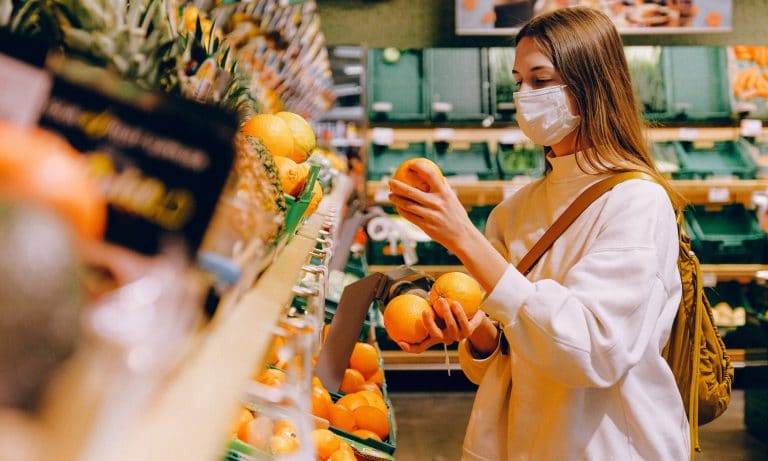
Perhaps the most anxiety inducing moment of the COVID-19 pandemic is the moment you enter a grocery store. These spots are fulled with collective stress and confusion, with many not knowing where to stand, what’s safe to take and how to minimize risks for yourself and others.
Turning to your family members or social media for help is a double edged sword. While they make sensible suggestions, some of them are so specific and thorough you might end up harming the food you purchased.
Here are the most pervasive grocery shopping myths you should be wary of during the coronavirus pandemic:
The virus can live on cardboard and plastic for days
While it is true that traces of the virus can live up to hours in cardboard and up to three days in plastic and metal containers, this doesn’t mean you’ll be able to catch the disease when interacting with them. “The virus may last that long on surfaces, but there is only a very small percentage of viral particles left (less than 0.1%) after a few days, so it’s highly unlikely to cause infection,” Dr. Chrisan Cronin told Men’s Health.
People should leave their groceries in the car to prevent the spread of virus
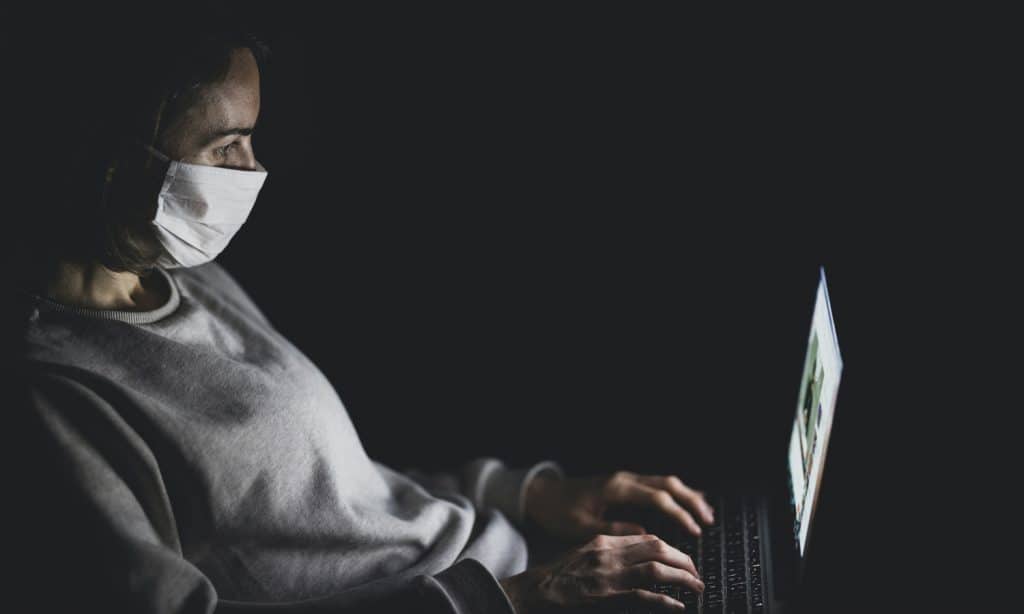
Photo by cottonbro via Pexels
The probability of catching the coronavirus from your groceries is minimal, so keeping these in the car will serve no purpose except perhaps ruining them during a time where food is more valuable than ever. What you should be mindful of is other people while grocery shopping, wearing the necessary protection, using hand sanitizer often and keeping a 6 feet distance from others.
Groceries should be washed/wiped before putting them away
Again, the CDC says that it’s very unlikely to catch something from your groceries. Washing produce with soap could also cause gastrointestinal issues which, aside from being very uncomfortable, could also cause more stress since they might make you think you have COVID-19. To clean your produce use water and remember to wash your hands before and after interacting with anything.
The AMA explained, “Due to the emergent nature of the public health concern surrounding novel coronavirus testing, the American Medical Association (AMA) Current Procedural Terminology (CPT) Editorial Panel convened a special meeting and approved a new, specific CPT code to describe laboratory testing for [COVID-19.]”
Needing to be manually uploaded in the Electronic Health Records (EHR) system, the codes are set to be a part of another nation-wide change before 2021. Additional resources are available from the AMA, including:
The California Medical Association (CMA) responded to the change with affirmation, saying, “The new CPT code assigned to the test for the novel coronavirus provides analytical advantages for tracking, allocating and optimizing resources as testing ramps up in the United States.”
Medical Economics writes, “The CPT code is 87635, and is a child code listed beneath parent code for microbiology procedures (87471).” Effective immediately for use for all COVID-19 patients, the new industry standard code of 87635 is to be used for most procedures to do with coronavirus and the pandemic. This approach streamlines billing for COVID, allowing hospitals and clinics to focus on saving lives and not highly-technical billing.
Cannabis smoke and vaping combustion could damage the lungs and suppress the immune system, causing more severe coronavirus symptoms.
Health officials are now warning marijuana and vape users to reconsider their habits amid the novel coronavirus pandemic. Though studies have found marijuana can lower symptoms of anxiety, stress, and depression, lung health experts say cannabis use could increase your risk of contracting and spreading COVID-19.
No public data links smoking or vaping with the coronavirus in the United States, but researchers believe those behaviors played a role in the outbreaks seen in Italy and China. A study of more than 40,000 coronavirus cases in China reported men were more likely to become infected than women. Men suffered a 2.8% fatality rate in the China study while women were at 1.7%.
One hypothesis supported by Michael Ryan, executive director of the World Health Organization’s Health Emergencies Program, theorizes that the difference in fatalities is tied to smoking. A 2010 national survey found that 62% of men had been smokers in their lifetime and only 3% of women. A New Jersey Journal of Medicine study stated that severe COVID-19 infections were more than twice as likely in Chinese coronavirus patients who smoked versus those that didn’t.
“From China and Italy, we see people who developed COVID-19 and had underlying lung disease, [they] have more complications and die more often,” Dr. Barry J. Make, a pulmonologist at National Jewish Health, told Insider. “So this is the perfect time to stop smoking.”
Photo by JP Yim/Stringer/Getty Images
Studies show tobacco smoking compromises the immune system and causes lung inflammation. According to the American Lung Association, marijuana smoke injures cell linings in the lung, leading to wheezing and phlegm problems commonly reported by heavy users. The ALA adds that frequent cannabis-only smokers experience more respiratory-related healthcare visits versus nonsmokers.
Massachusetts attorney general Maura Healey, alongside Dr. Jonathan Winickoff, pediatric research director at the Tobacco Research and Treatment Center at Massachusetts General Hospital, issued an advisory warning this week warning residents the poses smoking and vaping posed amid the pandemic.
“Inhaling combusted or vaped cannabis products can damage lung cells, may increase viral replication, and does affect the ability to fight off infection,” Dr. Winickoff told The New York Times. “Clean air is what the lungs should be inhaling, especially during a global pandemic.”
According to new data, the week ending March 20, 2020 saw a nearly 67% decrease in merger and acquisition activity versus the same period in 2019.
In 2019, there were over 290 merger and acquisition transactions in the cannabis industry. We’re now over 3 months into 2020 and there have been just 20 to date. Did COVID-19 kill the cannabis industry’s M&A? Many investors question whether or not the novel coronavirus has killed the marijuana industry’s golden goose.
COVID-19’s Impact on Cannabis Investments
Due to COVID-19 and its impact on the global economy, since the beginning of 2020, the S&P 500 index is down nearly 20%. Worse than that, the ETFMG Alternative Harvest ETF (NYSE:MJ), an exchange traded fund that seeks to track the performance of cannabis-related investments in the Prime Alternative Harvest Index, is down nearly 40% year-to-date.
With so many cannabis companies’ stock prices crushed down near 52-week and all-time lows, their cost of capital has greatly increased, making both capital raising and stock-based transactions far less feasible. Once characterized by its constant merger and acquisition activity, recent market volatility has put most of the marijuana industry’s M&A on freeze for the time being. That said, there are still some noteworthy pockets of activity.
Another active acquirer in 2019, multi-state cannabis operator iAnthus Capital Holdings, Inc. (CSE:IAN) (OTC:ITHUF) has not fared much better. Just this week, the company announced that it did not make applicable interest payments due on its 13.0% Senior Secured Debentures and 13.0% Unsecured Convertible Debentures due on March 31, 2020.
Photo by Goumbik via Pixabay
Dismal Data
According to data compiled by Viridian Capital Advisors, the week ended March 20th, 2020 saw a 66.66% decrease in merger and acquisition activity versus the same period in 2019.
As the COVID-19 slump accelerated into April, for the week ended April 3rd, 2020, Viridian recorded just one M&A transaction, compared with 14 in the prior year period representing an approximate 92.86% year-over-year decrease in merger and acquisition activity within the sector.
Pockets of M&A Activity
Looking outside the cannabis sector specifically, however, we can still see some noteworthy M&A activity.
Emerald Organic Products Inc. (OTC:EMOR), which merged with CBD brand Pura Vida Health, LLC back in January of 2019, has been on a deal streak as of late. With a recent $5 million USD infusion from a private equity firm and another $20 million USD financing line at its disposal, Emerald Organic Products has acquired two healthcare companies in the last two weeks alone. On March 27th, 2020, EMOR announced the acquisition of a 51% controlling stake in Bonsa Health, “a leading digital pharmacy capable of same day delivery of Rx medications anywhere in the United States.” Just a few days later, EMOR announced the acquisition of Carie Health, “a leading telehealth and virtual care technology and service solutions company.”
Companies like Green Growth Brands and iAnthus may be panicking right now as their balance sheets become strained, but it isn’t all doom and gloom out there. The underlying cannabis industry is actually thriving right now, making us quite confident that both of these companies will come out of this alive.
As for M&A specifically, Baron Rothschild once said “the time to buy is when there’s blood in the streets,” and clearly, executives at Apple, Emerald Organic, and others with a long-term vision seem to be taking that advice.
While M&A activity has certainly dried up in certain sectors, it definitely isn’t dead.
A new poll finds Americans who have tried marijuana rose 33% in March, representing a new all-time high.
As the seriousness of the coronavirus outbreak reached Americans, they responded by stockpiling essentials like toilet paper, hand sanitizers, and flour. They also bought cannabis like it was 4/20. Though cannabis sales aren’t as high as they were following a coronavirus-related spike, the same can’t be said about consumers. Marijuana use reaches all-time high under coronavirus pandemic.
According to a Cowen and Co. survey, marijuana use reached an all-time high this March, coinciding with the lockdown orders across the country. The company polled 2,500 consumers with 33% saying they had tried marijuana at some point in their lives. Within the past month, 12.8% of participants said they had used cannabis, up from the 2019 average of 12.5%.
Data from Headset Analytics showed that weekly average marijuana sales increased by 64% in the week ending March 16. Headset told The Fresh Toast edibles saw the most dramatic spike in purchases, with a 27% increase in market share. That coincided with a decline in pre-rolled joint sales.
Photo by engin akyurt via Unsplash
Cowen and Co. determined marijuana sales have leveled out to pre-coronavirus averages due to a “more pronounced deterioration in job security for past-month cannabis consumers relative to the general population,” analysts led by Vivien Azer reported.
According to the survey, marijuana consumers working full time declined 290 basis points to 42.4% in March. This was a bigger drop than seen in general population totals. In addition, marijuana consumers were less comfortable with their financial situation, in part explaining why cannabis sales have decreased as well.
If you have the privilege of being the person introducing another to the herb, there are a few things you need to keep in mind as well.
As cannabis stigma dissipates into a cloud of fragrant vapor, young adults to seniors are coming out of the woodwork to finally try — or in some cases come back to — marijuana.
The key for new users is to start slow and level up from there. You could start with a 5 mg edible, a few puffs of flower, a half dropper of tincture or some other product you’re comfortable with. But choosing the right type of cannabis can be just as important.
If you’re naturally an anxious person, a sativa-heavy hybrid with more CBD in it than average is your best bet. If you’re looking to really experience a high, go with highly concentrated forms of THC, but remember to go slow so you don’t overshoot your target.
If you have the privilege of being the person introducing another to the herb, there are a few things to keep in mind. First, make sure the space you’re in is a comfortable one. Maybe incorporate some throw pillows, an afghan blanket and a good movie for the first round. That way everyone’s comfy, there’s a film that everyone can focus their high minds toward.
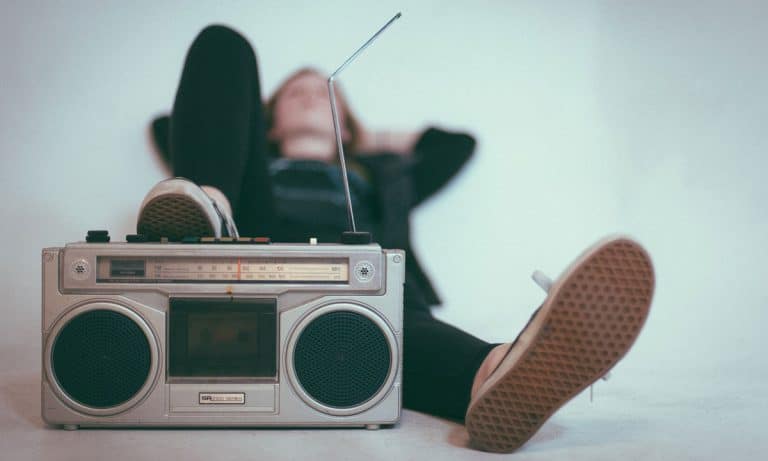
Photo by aamiraimer via Pixabay
Music is just as good if not a better idea than a movie, which could be hit or miss. Cannabis is nothing if not an enhancement drug, and hearing your favorite band high for the first time can totally change your perspective on the intricacies of music.
Remember to not outright laugh at any of the experiences the newbie is going through, unless a shared belly laugh is exactly what’s called for. Anxiety is a common side effect for first-time users, mostly because they don’t have the benefit of experimentation to see which cannabinoid ratios work best, or if sativas, indicas or specialized hybrids work better with their systems.
Be sure to have healthy, delicious snacks at the ready for when the munchies kick in. Also remember to relax into the experience, whether the newly initiated or the one doing the initiating. Just remember, it’s all good, even if someone gets a little too high. Cannabis is non-toxic and will safely wear off if one overindulges on their first time out the gate.
CBD is known for treating stress, depression and anxiety — symptoms you might be experiencing due to coronavirus.
With the emergence of the coronavirus, our daily lives have shifted dramatically.
With a steady increase in COVID-19 cases all over the country, a large percentage of businesses were forced to close for an indeterminate amount of time, with millions of people losing their jobs and the economy taking a plunge. This environment can make anyone question their mental health, shifting their routines, forcing them to spend long hours at home and ruminate about everything that’s wrong with the world.
Isolation, cabin-fever and stress are affecting all of us to different degrees. While some have acclimated to this change, others are experiencing a lot of discomfort with symptoms of depression, stress and anxiety. With a limited range of options, this might be the right time to give CBD a try.
CBD products are known for treating a wide range of mental health symptoms without getting people high or introducing THC’s very common bouts of paranoia, which might not be the best idea for someone who’s struggling with anxiety. Plenty of research conducted on rodents shows that CBD can aptly treat stress and anxiety, with almost all studies showing positive results for the rodents who consumed CBD.
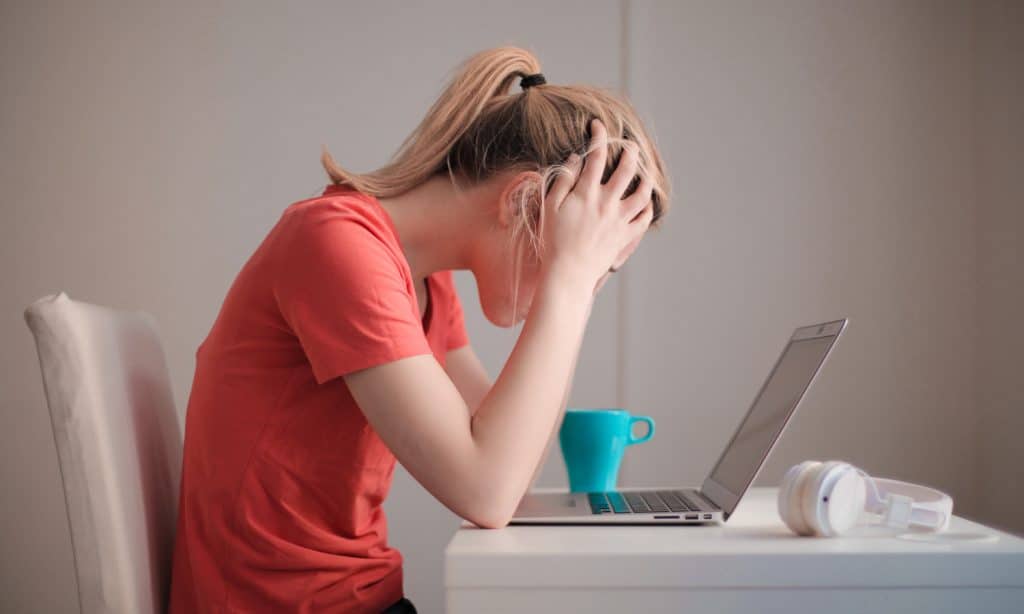
Photo by Andrea Piacquadio via Pexels
While experiments conducted on humans are not that common due to CBD’s complex legal standing, plenty of testimonials from users claim that CBD is a beneficial supplement when it comes to treating different kinds of anxiety.
When it comes to treating mental health disorders, it’s important to take into account that CBD doesn’t have the necessary research from experts, thus, there’s still a lot of stuff we don’t know about the compound. When used in conjunction with other elements, such as therapy, meditation, and the appropriate medications, CBD can help you cope.
Before deciding which time of day is best for you, it is important to understand that the delivery method used for CBD changes when and how often it should be used.
Cannabidiol has become a part of the daily lives of many users, taken as part of their routine just like any supplement or medicine. Once or twice a day, they fill a dropper, take a few gummies or swallow a capsule to help manage a chronic condition, like pain, anxiety, or anxiety. What is the best time of day to take CBD to have the best effect?
As it turns out, when CBD is taken may make a difference in how it affects users; finding the right time of day could improve the effectiveness of this hemp-derived product, getting users closer to their desired results.
The Right Time For Each Delivery Method
Before deciding which time of day is best for you, it is important to understand that the delivery method used for CBD changes when and how often it should be used. This is because each method is absorbed differently in the body, some more quickly than others while some have a slow, but long-lasting, effect.
Inhalation Using a Vape Pen
Inhalation using a vape pen is a fast delivery method. Since CBD is quickly absorbed through the alveoli of the lungs, the CBD hits the bloodstream quickly. Within minutes of inhalation, CBD reaches peak levels in the bloodstream.
This means the effects can wear off quickly, too. Whatever your goal might be for using CBD, a vape pen is probably best used on an as-needed basis in addition to regular supplementation using other methods.
Capsules and Edibles
Cannabidiol is available in an edible form, swallowed in a capsule or taken through a gummy. There are also products that dissolve into a drink. Since these methods have to be digested first before the CBD enters the bloodstream, they’re slower acting. It can take 1 to 6 hours to reach peak CBD levels in the bloodstream.
Photo by IRA_EVVA/Getty Images
For this reason, this delivery method is best used with a goal of supplementing for the long-term and won’t work well on an as-needed basis. Deciding on the best time of day for this method of delivery comes with two considerations — what fits your lifestyle and when you eat.
Remembering supplements and medications isn’t easy. To consistently keep up with daily CBD supplementation, weave it into your routine in a convenient way. Take it alongside other supplements or at the same time each day. Since eating when you take an edible or capsule can increase the bioavailability of the CBD, it is a good idea to take this form alongside food.
Oral Delivery
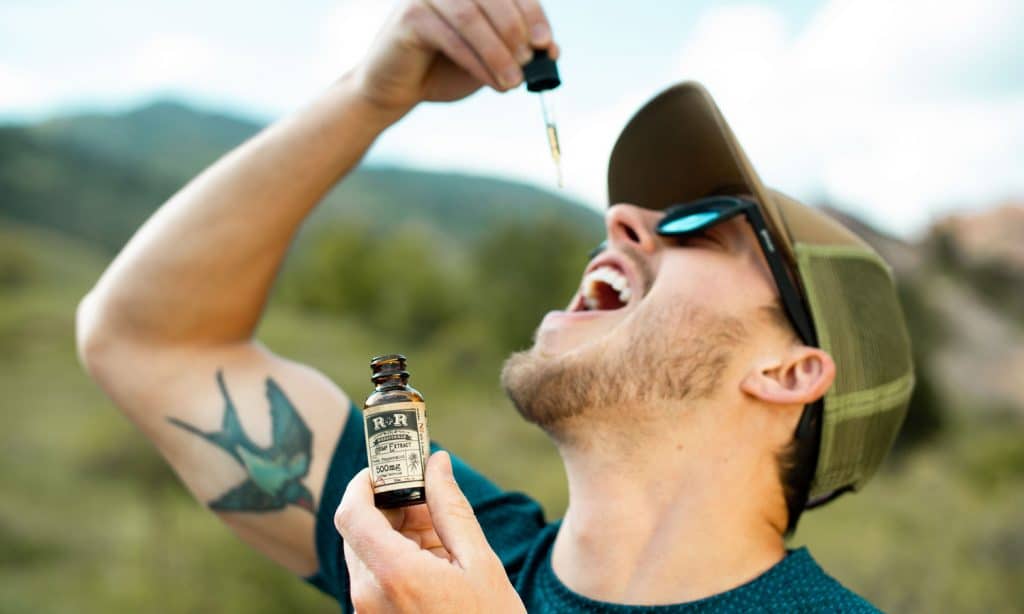
Oils and tinctures are typically taken by placing them under the tongue where they are quickly absorbed into the bloodstream at a receptor site. This delivery method isn’t as fast acting as inhalation, but it is still fairly quick with CBD reaching the bloodstream somewhere between five and 20 minutes after use. The effects of oral delivery are longer acting than vaping, however, and it can take hours for peak levels to be reached in the bloodstream.
As far as timing goes, this method can be used as a daily supplement once or twice a day or taken as needed. Even though it doesn’t need to be digested, using CBD right after eating may increase absorption of CBD so it is a good idea to take alongside a meal or snack.
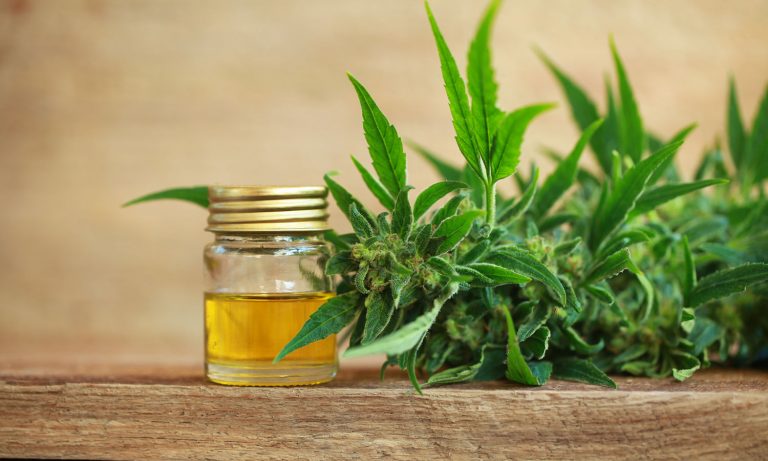
Photo by R+R Medicinals via Unsplash
Timing and the Effect of CBD
CBD users have offered up varying anecdotal reports about how CBD makes them feel. Some say that they feel energized after use while others report it having a calming effect. It is helpful to pay attention to how CBD affects you as you decide on the best time of day for using CBD.
Feeling energized? Opt to take it with your morning meal or at lunch time not only to feel better throughout the day but to avoid sleeplessness at night. If a calming effect is your typical experience, considering waiting until the evening meal to take CBD.
The effect of CBD can vary from person to person, so don’t be afraid to make changes to when and how you use CBD based on how you feel. A healthcare provider who works with cannabis products may be able to offer additional insight into getting the best results.
Coronavirus might be causing you tons of stress, something that your skin is very susceptible to. Here’s what you can do to manage these unwanted side effects.
The coronavirus is a reasonable source of stress. The stress of the pandemic and the long hours spent at home mean that your schedule might be off balance, and that you might be lacking motivation to do things that you normally enjoy. You might even be eating different foods or working out less than usual (nods everyone in agreement).
Your skin is usually the first part of your body that freaks out once stress surges. Dermatologist Heather D. Rogers told the Huffington Post that skin is a reflection of your overall health. Targeting a zit or some blemishes misses the whole picture; you should be focusing on your health.
Here are 5 things you can do to improve your skin’s well-being:
Work out and wash up
Working out is important when spending time indoors, because it allows you to move around and release much-needed endorphins instead of just sitting around. Your skin can be affected by either working out less or more, with the former necessary for burning cortisone and the latter for your health. However, exercise can elevate testosterone, “which can wake up acne,” says Rogers. So, keep working out, but make sure to shower afterwards to get rid of those toxins.
Our new and improved hygiene means that we’re avoiding tons of germs and bacteria, but we’re also subjecting our skin to a lot of stress and dryness, especially our hands. Use moisturizer or Vaseline to battle cracked knuckles and palms.
Sleep
Poor sleep habits can make your body produce more cortisol, which stress you out and can cause skin inflammation. Rogers recommends setting an alarm for going to bed and for waking up, helping you stay on track.
CBD oil has been found to successfully treat different kinds of acne, managing the amount of sebum that your skin produces. It’s also a compound known for treating inflammation. CBD oil could also work if it’s a product you’ve never used before, providing a break from your traditional skincare products, which your skin might have adapted to at some point.
Don’t go overboard with skincare
The large amounts of free time you now have can make you want to try out new things, like cooking elaborate dishes, baking or using up all of our skincare products for fun. Your skin is pretty delicate; using large amounts of products or with too much frequency might mess with your pH levels and produce strange reactions from your skin.
States with legal recreational marijuana access had around seven fewer cases of EVALI per million population than medical marijuana and prohibition states.
Those living in legal recreational marijuana markets were less likely to acquire e-cigarette– or vaping–associated lung injury (EVALI) than those where adult-use cannabis access was illegal, reports a new study published this week. Though scientists haven’t yet confirmed the definitive cause behind EVALI, the majority of analysis indicates the illness is tied to marijuana vaping products purchased on the black market.
According to the study published in the JAMA Network Open, legal “recreational marijuana states had among the lowest EVALI rates of all states.”
Nearly 3,000 people suffered from EVALI, resulting in 60 deaths, according to Centers for Disease Control and Prevention (CDC) data in February 2020. Vitamin E acetate is strongly associated as a culprit behind EVALI, and is typically used as a thickening agent by black market distributors. A small study published in February found vitamin E deposits in the lung tissue in 48 out of 51 EVALI patients.
This new research dug deeper into this belief black markets played a significant role in the EVALI outbreak, which caused a significant drop in vaping sales at the time. Researchers compared confirmed cases from the CDC database against the prevalence of e-cigarette consumption using 2017 estimates from the Behavioral Risk Factor Surveillance System.
Photo by bubaone/Getty Images
“The data suggest that EVALI cases were concentrated in states where consumers do not have legal access to recreational marijuana dispensaries,” researchers wrote. “This association was not driven by state-level differences in e-cigarette use, and EVALI case rates were not associated with state-level prevalence of e-cigarette use. One possible inference from our results is that the presence of legal markets for marijuana has helped mitigate or may be protective against EVALI.”
— JAMA Network Open (@JAMANetworkOpen) April 7, 2020
Legal adult-use marijuana states had an average of 1.7 EVALI cases per million population, while medical marijuana states saw 8.8 EVALI cases per million — slightly more than prohibition states, which had 8.1 EVALI cases per million population.
“The reason for this association is not yet clear,” researchers concluded. “It is possible that in recreational states, people tend to purchase marijuana products at legal dispensaries, which may be less likely to sell the contaminated products that are thought to cause EVALI.”