This time of the year is the perfect opportunity for a fresh start. Here’s how to get started.
Spring cleaning refers to, well, cleaning during the springtime. But many people take this time of year as a moment of reflection and reinvention. These people are not far off base. Science supports these claims and shows that deep cleanings can make people feel like they’re experiencing a new start.
Once you start anew, be that by getting a haircut, throwing away old clothes and decluttering your home, you’ll experience a burst of energy and inspiration, which you should piggy back on to make some changes in your life.
Here are 5 things you can do to reboot your spring cleaning plans:
Follow a cleaning method
Cleaning your space is not the most entertaining of activities, but it can be made easier and less overwhelming if you follow some rules, like splitting up cleaning by rooms or by following the KonMari method. If your house is a big mess you can also make a schedule and clean different areas on different days or recruit the help of some of your nicest friends.
If you live in a place where there’s significant weather changes, take this time to upgrade your wardrobe, throwing away items you don’t need and purchasing stuff you’re really into. Just don’t throw away your winter coat even if you’re sick of it.
Try out new activities
As the weather starts to get warmer, you can try out activities in the sunlight, be them new workout classes or simply spending more time outdoors. This change in patterns and behaviors will make you feel like you’re taking on a positive change that’s not only limited to maintaining a clean house, one that extends to the betterment of your health.
Your bed is one of the most important parts of your house, allowing you to rest and have productive days. Try buying some new sheets, pillows or a duvet. You can also try adding decorations to your bedroom, that way you can learn to appreciate your surroundings more and you’ll encourage yourself to have a better relationship with sleep.
New house rules
With the spring time, you can also try implementing some new house rules. People taking their shoes off once they enter your apartment or brushing your pet outdoors can limit the amount of dust and hair that comes through your door, while also reducing allergies.
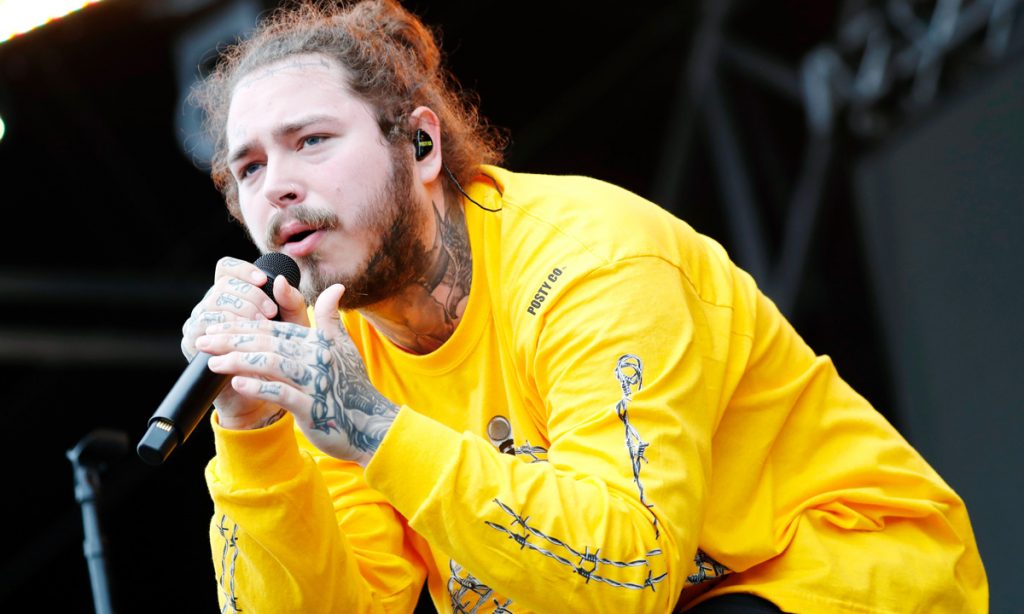
Post Malone was the most streamed singer in 2019. But does he indulge in marijuana?
Post Malone is one of the most successful artists in the industry. Despite being just 24-years-old, he’s managed to release hit song after hit song, being the most streamed artist of 2019, having collaborating with Kanye West, Justin Bieber, and more.
Blending all sorts of genres into songs that make millions of dollars, Malone has acquired a rabid young fanbase, along with his fair share of detractors. While everything suggests that he does, we still wonder: Does Post Malone consume weed?
When marijuana was legalized in California, Post Malone was captured in a video, excitedly talking about why marijuana legalization was great. He explains that the drug doesn’t kill anyone and that more people die due to alcohol influence.
As for Malone’s personal relationship with the drug, it’s more complicated than his opinion stated above. When looking through the web, Malone appears to have an on-and-off again relationship with the drug, quitting it and then coming back to it.
In 2019, he launched his own brand of hemp pre-rolls called Shaboink. “I’m proud to bring natural hemp pre-rolls by Shaboink to market. It’s a product I personally love and know my fans will too,” said Malone in a press release. “Our partners are best in class and so is this product. The terpene flavors are great, and you can’t beat an all-natural pre-roll.”
In 2020, Malone said that he’d quit smoking marijuana. “Post Malone’s first album was called Stoney, which was what some of his friends used to call him, but he says he quit smoking marijuana after a pot-induced anxiety attack that never completely subsided,” wrote GQ.
In the article, Malone lightly touches upon his mental health and his experiences with artists like Mac Miller, who died due to a drug overdose a couple of years ago. Like a lot of artists who gain fame when they’re young, Malone’s relationship with drugs and alcohol is a charged one.
The health and look of your skin is highly dependent on your skincare products, and the effects can vary depending on several factors.
A diligent skincare regimen can help you keep your skin looking great, but skin is, for lack of a better word, a moody organ. There are days when your face might just break out for no discernible reason, making you chalk it up to stress, hormones or the chocolate you ate yesterday.
If this is a problem that continues to occur, then the solution might be simpler and lie on the products you’re using. This is tough to narrow down to, especially since most people who commit to a thorough skin care routine use different products, but there are a few reasons why these might not be living up to their full potential.
The Huffington Post spoke with a group of dermatologists who listed out some of the reasons why skincare products might not be working. Here are 5 of their most important bits of advice:
You’re storing your products wrong
One reason why your skincare products might not be working is the bottles and containers being stored in the wrong places, something that a lot of people might not think about when talking about lotions and balms. It’s important to read the labels of these products since they tend to explain what works and what doesn’t; most products should be stored someplace dry and cool, avoiding exposure from direct sunlight. The delicate and expensive products can even be stored in the fridge.
We all built up tolerance for products, meaning that our skin can learn to get used to your product and stops you from experiencing its benefits. “The body simply adjusts, and using the product becomes the new normal for your skin,” said dermatologist Jeffrey Fromowitz. “Sometimes changing routines, products and order-of-use can lengthen the amount of time a product gives you positive skin benefits.”
Your medications might be having an influence
Medications, whether they produce internal or external effects, could mess with the products you use for your skincare routine. Some medications can cause your skin to become more dry or for it to produce more oil, which is why it’s important to speak to your doctor as soon as you see some changes occurring.
When it comes to your skin, it’s important to stay consistent. These products tend to produce effects in the long term and, if you stop using them, it’s very easy to lose all your progress. In order to remember your routine, you can try conducting it during a time of the day when you have other routines, such as before bed or when you wake up. Introducing your skincare regimen to another set of habits will allow you to remember it more efficiently.
You’re not accounting for the weather
Depending on your skin, the weather can affect which products you need. “Environmental factors can definitely interfere with the efficacy of your skin care regimen, so it’s important to be aware of that and make the necessary changes to keep your skin looking its best,” says dermatologist Peterson Pierre. The winter tends to make your skin dry while the summer produces the opposite effect.
Dabbing is more popular than ever, mainly because of its potency and technological advancements that allows for easier consumption.
Dabs, or dabbing, is known in the cannabis community as consuming concentrated cannabis oil extracts. These extracts come in several consistencies and textures, with names like rosin, budder, bubble hash and several others.
The popularity of dabs has soared in recent years. This is largely due to the potency of concentrated cannabis oil and the ever-evolving technology around dabbing that’s making consumption easier as the market matures.
While popular, dabs have their detractors. This is especially true concerning medical patients. However, despite its fair share of opposition, some stand by dabbing as viable medical option.
Rapid Onset Times
Unlike an edible, which can take 30 minutes to two hours to take effect, a dab should provide a patient with near-immediate onset effects. Meaning, pretty much the moment the person inhales vapor, they can begin to experience the effects of their medical cannabis. This type of relief is considered beneficial for those suffering from immense pains who need relief at this very moment.
Higher Potency
Smoking has the same near-instant onset effects as mentioned above. However, its THC content pales in comparison to a dab. Though the potency, or strength, of cannabis strains has improved over the years, most current crops are unlikely to reach past 30%, often falling well short.
With dabs, however, potency tends to double or triple the most potent flowers on the market. While some have voiced concerns that dabs are too strong and can impact a person THC tolerance, others commend extracts for providing relief other products can’t in such small dosages. For example, a chronic pain patient may find relief in smoking one to two joints. Whereas, the same person may find similar effects in one or two hits from a dab rig.
Photo by Anupong Thongchan/EyeEm/Getty Images
Possible Purity
Cannabis extracts can be produced using a variety of methods. Some involve solvents, like butane or CO2. Others use solventless methods such as heat pressure and ice water. Depending on the method chosen, some brands and consumers may label an item “pure.”
This title is given out either because the extraction process used no solvents in its creation, or because of the components of the plant extracted. Such components often include the plant’s most useful cannabinoids and its terpene profile, which produces the product’s aroma, flavor and effects.
Improved Ease of Consumption
Not too long ago, doing a dab meant investing in a rig. Dab rigs were often intricate pieces of glass that resembled a more robust bong. The size and complexity often left rigs overwhelming to novice consumers and pricey to even many enthusiasts.
In recent years, however, dab rigs have shrunk considerably. The large glass rigs still exist, but many have scaled down in size to hand-held or tabletop glass pieces. Some have even gone the electronic route, eliminating the need for a torch while enhancing the consume-as-you-go aspect all the while.
While people can continue to make their case for either side of the argument, research suggests that additional studies are required.
Face touching is an extremely common habit, one that makes it easier for you to get sick and interact with bacteria.
The news of the coronavirus spreading throughout the U.S. has caused plenty of alarm. It has also reminded us of how hard it is to avoid bacteria and germs, and how dry your hands can get when you wash them so often.
Aside from regular hand washing, one of the most important safety measures you can take is to avoid touching your face, something that is much easier said than done.
During a press conference in California, Sara Cody, the public health officer and director of Santa Clara County, explained why we should avoid hand-to-face contact, especially around the eyes, nose and mouth. She then proceeded to lick her finger in order to flip a page.
In brief: even experts have a hard time managing their face touching habits. According to a 2015 study, people touch their face around 23 times per hour, facilitating the spread of bacteria and viruses. This habit is also frequently associated with the development of zits and acne, so even if there was no coronavirus it’s good to control the urge.
Here are some things you can do to manage your face touching:
Identify triggers
The New York Timessays that once you identify triggers, it’s easier to manage a compulsion. “If you find yourself rubbing your eyes because they are dry, use moisturizing drops. If you are using your hand as a chin rest or to adjust your hair, be aware of that,” explains the article.
Touching our faces constantly is usually a way to vent anxiety and to keep our hands busy. Try holding on to an object, be that a stress ball or something that keeps your hands moving. Remember to keep that object clean and sanitized by periodically wiping it with alcohol or by washing it with soap.
Use reminders
Use app reminders or paste Post Its around your office and house, ensuring you stay on top of these behaviors and can minimize them as much as possible.
Since these fidgety behaviors are usually a symptom of anxiety or restlessness, try to practice staying in the moment and being mindful. Take deep breaths for a couple of seconds and try out guided meditation, especially during moments of stress.
Take care of your hands
It’s very important to keep your hands clean since it’s likely that at some point you’ll have to touch your face. This isn’t the end of the world. Remember to wash your hands often and to use lotions, keeping them hydrated. It’s also important to try to relax and stay as calm as possible since stress can lower your defenses and make it easier for you to get sick.
According to new research, the average age when teens first try drugs, such as cocaine, heroin, and marijuana, has risen since 2004.
The advent of marijuana reform across North America caused politicians and parents alike to worry about teenagers having easy access to cannabis. But in places where marijuana has become legal for adult-use, adolescents are consuming less weed, not more. This is true in Canada, where marijuana is more recently legal, as well as a city like Denver, an early site of recreational marijuana.
New research from Washington State University scientists show this isn’t true just of marijuana. Teenagers are trying the majority of drugs later in life, not just cannabis. The study, published in JAMA Pediatrics, showed the average age of teen drug use rose between 2004 and 2017 for 12 of 18 common drugs. On average, teenagers previously started trying drugs around the age of 15, but the study found that increased to 17 or 19, depending on the drug in question.
“This is great news, because delaying drug use prevents early exposure, which is associated with a variety of negative health consequences, including increased risk of drug use disorder and long-term impairments such as depression, neurocognitive deficits, involvement in risky behaviors, and sexually transmitted diseases,” lead author Karl Alcover said in a statement.
Photo by Teddy Rawpixel via rawpixel.com
The researchers collected data from the National Survey on Drug Use and Health, an annual representative poll of U.S. residents 12-years or older. Researchers reported that teens trying alcohol or tobacco rose from 16-years to 17-years old in 2017. Meanwhile, adolescents tried heroin or cocaine at an average age of just over 17 in 2004. That figure rose to about 18-years for heroin and 19-years for cocaine by 2017. The study concluded rising ages for first-time use of the following drugs: alcohol, cocaine, ecstasy, hallucinogens, heroin, inhalants, LSD, marijuana, stimulants, and tobacco products.
Among the six other drugs they tested — crack cocaine, methamphetamines, opioids, PCP, sedatives, and tranquilizers — researchers found no significant changes in average age of first use.
“Our study shows that since 2004 fewer individuals started using drugs at age 15 and younger, which is what we would typically consider as early-onset drug use,” Alcover said. “These promising trends may serve as early evidence that prevention strategies — especially those focused on teens and young adults — are working.”
On the other hand, the average age of inaugural drug use decreased for adults between the ages of 18 and 25. The study’s authors noted this could represent a shift in drug culture at large, and how adults interact with drugs. “This suggests an increase in the mean age at initiation of some drugs, although we have found no confirmation of this in recent literature.”
Telemedicine is a practice growing in popularity thanks to advancements in technology.
The practice of remote medical practice began decades ago in the 50s and 60s. Recent technological advancements, like the influx of communications apps, advanced the field to new heights. Today, a slew of services link patients and physicians via video and text-based chat apps. This can be found in every area, from general practice to psychology.
The cannabis industry has caught on to telemedicine as well. In select states, patients now can talk with a doctor and possibly receive their medical cannabis recommendation without ever leaving home, benefitting scores of people searching for relief.
Why Would a Person Use Telemedicine
Opting for a telemedicine appointment is much more convenient for many applicants or current medical cannabis patients. For some, their medical condition leaves them in no shape to visit a physician. In other cases, a patient may find themselves far from a doctor participating in the state’s medical cannabis program, having to drive a significant distance away for an appointment.
Photo by OlegMalyshev/Getty Images
Convenience is another point worth considering. Instead of the standard wait at the doctor’s office, telemedicine allows patients to dial into a call mere moments before their appointment, with the doctor doing the same.
Cost is just as much a point of consideration. While each office and service varies, a doctor’s visit can reach up to several hundred dollars when factoring in copay and registration. Telemedicine does include sign up and registration fees as well. However, with some services, sign up charges include the ability to speak with a physician for six or twelve months as part of their membership.
Laws and Providers Vary By State
Those seeking a cannabis recommendation online may not find access to be so easy. Numerous states prohibit the practice altogether. In other cases, a patient and their doctor must establish a relationship before conducting online visits. Building such relationships typically involves at least one meeting between the two.
Like many aspects of cannabis, telemedicine could soon be on the rise a bit more. As of February, New Jersey lawmakers were considering a telemedicine bill of its own to address ease of access and affordability concerns for patients.
The ATF rescinded a provision that allowed Michigan residents to buy guns while using marijuana on the low.
An ongoing and often underreported feature of medical marijuana access is that it denies gun rights to patients. According to federal law, it’s a felony for an “unlawful user of … any controlled substance” to “possess … any firearm or ammunition.” By participating in state-legal medical marijuana programs, the feds assume patients are currently using cannabis. They are therefore not allowed to own a gun until 12 months after their last assumed use. Now, the feds block Michigan marijuana using gun buyers.
One way Michigan residents have avoided this problem is by obtaining a Concealed Pistol License (CPL). A 2006 provision from the Bureau of Alcohol, Tobacco, Firearms and Explosives (ATF) allowed unlicensed gun dealers in the state to accept a CPL in lieu of conducting a federal background check. This became a loophole for medical patients and recreational users alike in the state to both own a gun and having cannabis access.
But the feds have caught on. The ATF will now require all firearm dealers to conduct background checks on buyers before issuing their gun. That’s because the ATF believes Michigan State Police were granting CPLs to those who didn’t qualify, including “habitual marijuana users.”
“Specifically, ATF learned that CPLs were and continue to be issued to applicants who were likely prohibited due to a conviction for a misdemeanor crime of domestic violence, and to habitual marijuana users,” reads an ATF memo sent to all licensed gun dealers. “Although possession and use of marijuana is not unlawful under Michigan law, marijuana remains a ‘controlled substance’ under Federal law, and those using marijuana are prohibited from possessing or transporting a firearm.”
Photo by Joshua Sukoff via Unsplash
This will force some Michigan residents to choose between medical marijuana access or gun ownership. Anyone who purchases a gun must fill out a Firearm Transaction Record, issued by the ATF. It includes the question: “Are you an unlawful user of, or addicted to, marijuana or any depressant, stimulant, narcotic drug, or any other controlled substance?” Saying yes to this question will block your possible gun purchase. Lying on this form is a felony.
Legal experts have advised recreational users in Michigan to avoid possessing a firearm. Two different laws — one under the criminal code and another under the firearms statute — strictly prohibits possessing a firearm while under the influence of marijuana. Though neither law states a definition for what “under the influence,” the ease at which the state could convict you using a combination of police observation and blood test is too much to risk.
This new advisory by the ATF is yet again an assault on Michigan’s state sovereignty and singularly targets the most law-abiding among us,” Michigan resident Josh Wayner told The Truth About Guns. “The citizens of Michigan voted to legalize marijuana in our state, and as a result of federal overreach, the government has decided to put upstanding citizens, who have the lowest rate of crime here, under the microscope for doing what is legal here if they choose to.”
As with any bet, there is no sure thing. But, the following predictions are most likely how it will all go down.
There has been a lot of discussion this year about legalizing marijuana in a few additional states across the Midwest now that Michigan and Illinois have joined the party. So far, three states — Kentucky, Ohio and Indiana — are looking at some options that could lead to new marijuana laws. Which state will legalize marijuana first in 2020.
One of them is searching for ways to give patients the freedom to use cannabis for its therapeutic benefits, while another is trying to eliminate the criminal penalties associated with small-time possession. Meanwhile, the third is making a push to legalize for adults 21 and older. But the question remains: Which one of these jurisdictions will be the first to go legal?
As with any bet, there is no sure thing. But, the following predictions are most likely how it will all go down.
Kentucky
Last month, the Kentucky House of Representatives passed a bill aimed at legalizing marijuana for medicinal use. The bill would give patients with various health conditions the right to medicate with specific cannabis products. It would not, however, allow participants to smoke their medicine or engage in home cultivation. Some say it would be the strictest medical marijuana program in the nation.
Nevertheless, some lawmakers believe the bill is a solid start to getting Kentucky over its fear of weed. The only problem is, Senate President Robert Stivers isn’t sold on the idea. He’s not even convinced that the issue deserves a hearing. But he’s promised House lawmakers a “fair chance,” according to some reports.
At this point in the game, we are only giving this legislation a slight chance of being considered by the Senate. Even if Stivers does allow the bill to move forward, there will likely be all sorts of amendments that will surely cripple its intent. But more likely than not, the upper chamber will overlook it completely.
Photo by wutwhanfoto/Getty Images
Ohio
As we predicted late last year, Ohio is officially making a push in 2020 to legalize marijuana for recreational use. The proposal, which is called Regulate Marijuana Like Alcohol, calls for adults 21 and over to be permitted to purchase weed in a retail environment similar to beer. It would give them the freedom to possess up to an ounce of grass at a time and grow up to six marijuana plants at home.
The measure was recently submitted to the office of Ohio attorney general Dave Yost along with 1,000 signatures in hopes of being given the green light to move on to the next phase of the campaign, which would be to go before the Ohio Ballot Board for final approval. If those two obstacles fall in line, the group would then have to collect 442,958 verified signatures by the beginning of July to qualify for a spot on the November ballot.
The problem here is these types of voter driven campaigns are super expensive. And while the measure does have the support of former Ohio State University and Washington Redskins wide receiver Evan Spencer, it is still going to take millions of dollars in funding to get this thing even close to done. That’s if it makes it through the gates of Ohio officials. Still, supporters of the measure seem confident in their ability to get it off the ground, so we’re giving it 50-50 at this juncture.
Indiana
Although a heaping majority of Hoosiers support the legalization of medical marijuana, lawmakers aren’t enthused. In fact, the Republican domination in Indianapolis has all but sealed the fate of even the most modest pot-related measures.
Indiana Senator Karen Tallian has been trying for years to get a bill passed that would decriminalize petty pot possession. But she can’t get Republicans to budge on the issue. And even if she could, Governor Eric Holcomb isn’t about to sign a marijuana-related bill. Holcomb said recently: “I can’t at this time because I’ve taken a couple oaths in my life. I’ve raised my hand and sworn to uphold the law, this being one of them. It is illegal. It is a controlled substance. It is illegal per federal administration. The law needs to change there first.”
Photo by Rouzes/Getty Images
Meanwhile, interstate drug trafficking has become a real problem for the state ever since Michigan and Illinois legalized for recreational use. But the state’s solution to the problem is to just keep trying to arrest their way out of it. In other words, no matter what type of pot bill gets introduced in this session, it doesn’t have a chance at going the distance. Some lawmakers are even trying to force local prosecutors to revamp policies aimed at dismissing pot-related cases under a certain amount. It is for this reason that we are giving Indiana only a slight chance this year at pulling some kind of marijuana reform out of their hat.
But which state will be the first to do something?
Even though it is a long shot, we are going with Ohio. Because as long as the proposed amendment can make it through the initial hurdles, the voters will likely come out in droves to see that it passes. Some of the latest polls show as much as 86 percent support for full-blown legalization.
CBD has become an important compound for the skincare industry. Here’s what you should know.
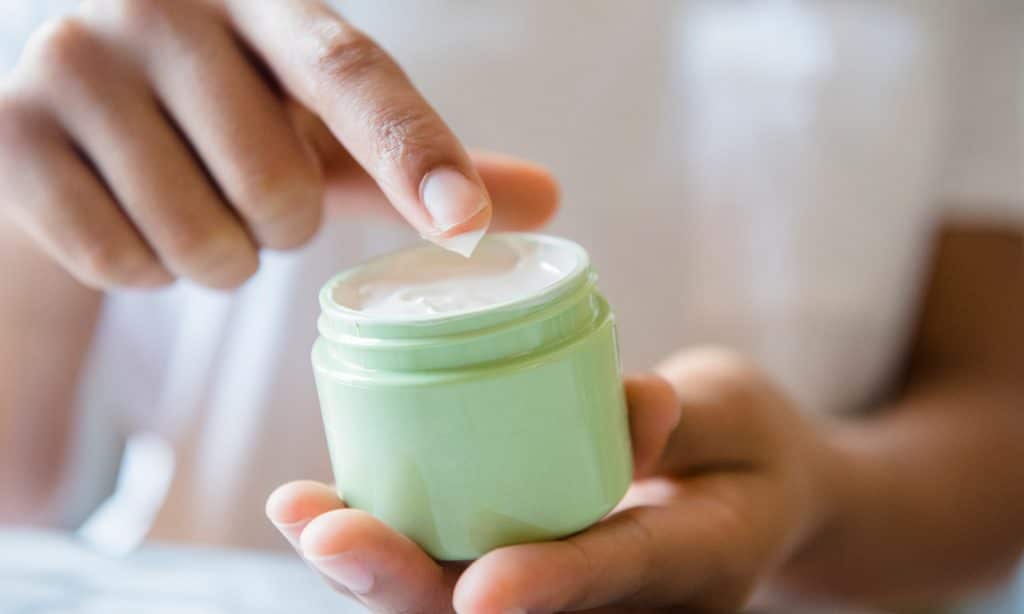
CBD is a compound that can be used for plenty of things, ranging from treating ailments such as stress and depression to being used in some very effective beauty products. One of CBD’s most beneficial uses lies within skincare products, specifically moisturizers, that can easily treat aches and stiff joints.
If you’ve never used CBD and are curious about its effects, then you’ve come to the right place. While the CBD industry is kind of complex to get into, the compound’s presence in skincare products is pretty straight forward; CBD has a lot of healing properties, with some of the strongest ones providing plenty of relief for dry skin and muscle and joint pain.
Studies have shown that CBD oil can treat itchiness and even eczema, a condition that has no permanent cure. By reducing inflammation and dry skin, CBD oil can help people manage their bouts of itchiness while also giving the skin room for healing and mending itself.
Inflammation
CBD’s anti-inflammatory properties are well documented and are one of the main reasons why the compound is being used for lotions, massage oils and more. Depending on the type of product you purchase, CBD oil can do different purposes. For example, by purchasing a lotion designed to treat muscle aches, CBD’s anti-inflammatory properties can treat arthritis, joint aches, and other kinds kinds of aches. If you want to treat acne, CBD oil might help reduce the size and swelling of bumps and blemishes.
Dry skin
Photo by rawpixel.com
According to different sources, CBD oil has nutrients and substances that can nourish your skin, preventing cuts, peeling and dry patches. There are plenty of CBD products designed for treating damaged lips, hands and cuts.
Before you purchase
Before purchasing any CBD products, it’s important to learn about the types of products that are on the market and which sources to trust. While CBD has been growing as a wellness and beauty compound, it’s still a nascent industry and one that’s still trying to find stable ground with the government.
You should also exercise more care than usual when considering CBD products. Do your research about the elements present within these products and avoid using websites like Amazon and eBay, which aren’t the most thorough when it comes to checking with sellers and distributors. Look for certificates of analysis and browse through the product’s websites. The more thorough you are, the better.