Monday, June 22, 2026
Home Blog Page 560

Another Survey Shows Teen Marijuana Down After Legalization

Politicians keep warning about teens using marijuana, but surveys show otherwise.

Another month passes and another survey shows teen marijuana down after legalization. Last month, Statistics Canada found that just one year after recreational legalization, cannabis consumption dropped nearly 10% in adolescents 15-17-years-old.

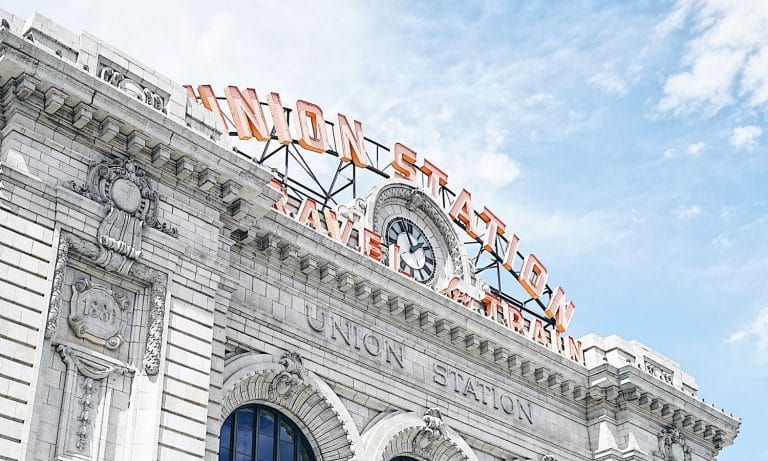
And now, Denver is finding similar results.

City officials surveyed 537 teenagers in 2019, so they could statistically measure how their High Costs campaign — a youth marijuana education program — affected consumption habits. According to the results, 81% of Denver teens ages 13-17 say they don’t currently use marijuana. Only 18% of male adolescents in that age range reported using marijuana, down from 27% in the previous year’s survey.

“After Denver became the first major city in America with legalized retail marijuana, many other cities and states turned to us to learn how we successfully regulated marijuana,” said Ashley Kilroy, executive director of Denver Excise and Licenses, who has overseen marijuana regulation in Denver since 2014.

RELATED: Legal Weed Does Not Increase Underage Cannabis Use

Marijuana legalization is a hot topic this election season, with the issue taking center stage at last week’s Democratic presidential debates. At both the federal and state level, age-old concerns about teenagers freely accessing marijuana and damaging their brains rear their heads. Former New York Mayor Mike Bloomberg made such claims in explaining why he opposes removing marijuana from the Controlled Substances Act.

denver wants to erase low level marijuana convictions
Photo by Flickr user Larry Johnson

“You should listen to the scientists and the doctors,” Bloomberg said. “They say go very slowly, they haven’t done enough research and the evidence so far is worrisome. Before we get all our kids — particularly kids in their late teens, boys even more than girls — where this may be damaging their brains. Until we know the science, it’s just nonsensical to push ahead.”

That type of rhetoric links legalization with increasing marijuana use among teenagers. To be certain, adolescents should not be given cannabis. According to one Canadian study, adolescents who developed cannabis use disorder later had increased levels of brain proteins connected to Alzheimer’s disease, depression, and neural inflammation. Other studies show that teen marijuana use leads to decreased cognitive function, and could be worse than alcohol for young brains.

RELATED: Study Links Adolescent Cannabis Use To Memory Loss

Two things can be simultaneously true. We can worry about adolescents using marijuana but worry less about whether legalization will cause widespread teenage use. In a study published in JAMA Pediatrics, researchers went so far to say legalization may actually discourage teen use. Educating teenagers can go a long way to preventing teen use, too. Around 57% of teens say they haven’t used marijuana before, according to Denver’s latest data. Another 24% said they tried the plant, but are not current users.

“Hopefully, our continued success educating youth to wait until they are of legal age to consume can also serve as an example for other communities across the US. The verdict is in that scare tactics are not successful with youth,” said Kilroy. “Providing them facts about marijuana is the most effective youth education and prevention approach.”


Don’t Fall For Fake Law Enforcement Drug Stops — They’re Illegal!

0

Illegal ruse notices and subsequent entrapment at exits has been found to be a clear fourth amendment violation, according to a lawsuit filed by three drivers.

There’s a new drug corridor in Kansas, part of a “narcotics pipeline” that law enforcement in the state has identified and enforces today using an illegal drug-stop ruse.

Here, along the I-70 east-west highway that cuts right through the center of the state, law enforcement has devised an illegal search method targeting out of state drivers, ramping up its efforts since Colorado legalized marijuana in 2014.

The number of Kansas troopers is increasing. The Kansas Highway Patrol 2015 annual report shows the patrol’s recruitment class of 2015 was one of the largest in years, and a new pay plan was authorized. And the patrol’s Domestic Highway Enforcement Team has identified marijuana as the most common drug being trafficked through the state, awarding officers who seize the most during a year as a “KHP top producer.”

The Fresh Toast witnessed the illegal ruse being used by the Kansas Highway Patrol along I-70, outside of Junction City, home of Fort Riley. There, on the right shoulder of the highway, is a large flashing electronic roadside notice: “Drug Check Ahead —Drug Dogs in Use”.

Some drivers naturally see that notice as an impediment to their travel and take the nearest exit to avoid it, as described in one case involving these sort of drug stops used not only in Kansas, but other states as well.

The trick? At the nearby exit, the real drug stop is set up. If you pull off the highway, you just committed a big probable cause action and, boom, guilty until proven innocent.

RELATED: How To Keep Police From Searching Your Vehicle For Weed

That illegal ruse notice, and the entrapment at the exit, has been found to be a clear fourth amendment violation, according to a lawsuit filed by two native Americans in one car, and one black man in his car, all with out of state plates going about their business traveling on I-70 when they were pulled over for minor infractions.

According to the lawsuit, after the infraction issue was completed, the drivers were illegally detained using a technique taught to the KHP troopers to re-engage the driver and question them about their travel plans, looking for any reason to search their car.

the surprising effect marijuana legalization has on police traffic searches
Photo by kali9/Getty Images

The three drivers in the lawsuit were forced to submit to searches, and forced to wait for nearly an hour for drug dogs to search their cars. One driver was forced to follow the trooper to a county holding area to review some of his paperwork before being released.

In both instances, nothing was found.

The lawsuit further determined that 93 percent of the KHP stops in 2017 were for out of state plates.

RELATED: The Surprising Effect Marijuana Legalization Has On Police Traffic Searches

A 2016 case involving a similar illegal search of a car coming into Kansas from Colorado, “a known drug corridor”, occurred in 2017 with the court finding that the detention for a drug dog violated the driver’s rights.

And a 2000 Supreme Court case on the same issue in another state found that law enforcement violated fourth amendment rights. So the law has been clear on this issue.

But that hasn’t stopped the zealous KHP. It has a history of bad actions when it comes to marijuana busts on I-70. In 2014, the Denver Post reported that a woman died in a Goodland, Kansas jail after being arrested on I-70 for marijuana she purchased in Colorado that she hoped would help her combat a series of painful autoimmune medical problems. For two days, even as she began vomiting blood, jailers didn’t believe her when she begged for her pharmaceutical medications because they tagged her as a marijuana-using druggie.

Candidates & Cannabis: Where Do They Stand?

Where do the 2020 candidates stand on marijuana reform? Here’s what we know so far.

The 2020 presidential campaign season is in full swing, and marijuana is a hot topic on the trail. Cannabis is currently legal for recreational use in 11 states, and for medicinal purposes in an additional 35.

With the majority of states on board with the “green rush,” the stances presidential candidates in 2020 are taking are more important than ever.   

Cannabis opinions among the candidates vary greatly and are more or less towing the party lines. Here is a breakdown of each of the candidate’s previous statements and published policy stances, if available, presented by party and in alphabetical order.

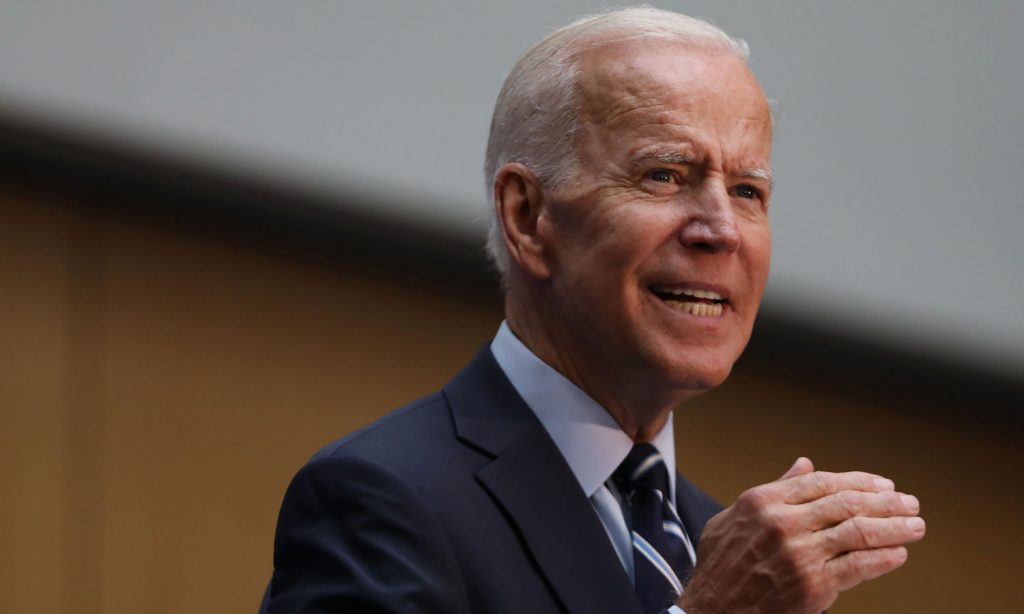
Former Vice President Joe Biden (D)

Joe Biden is among the dwindling numbers of party centrists who hasn’t publicly supported or proposed a plan for federal legalization. As recently as November of 2019 Biden has been quoted as saying, “let me tell you, the truth of the matter is there’s not nearly been enough evidence acquired as to whether or not it is a gateway drug. It’s a debate. Before I legalize it nationally, I want to make sure we know a lot more about the science behind it.” Later clarifications by staff have said Biden supports national decriminalization, potential expungement of past convictions, and moving the drug to Schedule 2, though, as we have covered here, Biden has also recently said “marijuana should be a misdemeanor.” 

Photo by Spencer Platt/Staff/Getty Images

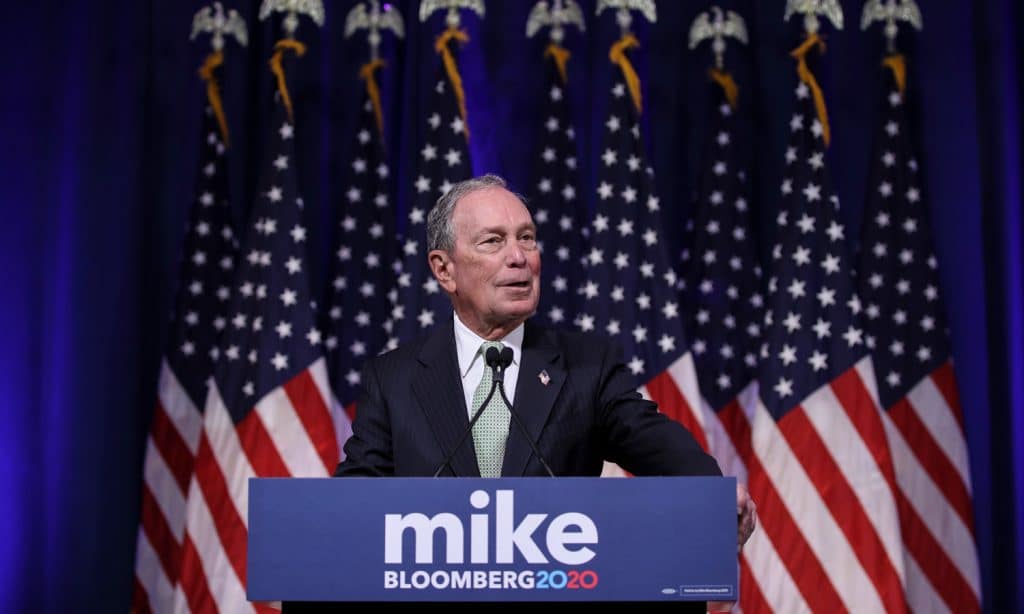
Former New York Mayor Michael Bloomberg (D)

According to campaign spokesman Marc LaVorgna, Mayor Bloomberg believes no one should have their life ruined by getting arrested for possession, and, as a part of his reform efforts that drove incarceration down by 40%, he worked to get New York State laws changed to end low-level possession arrests.” Lavorgna continued, saying Bloomberg “believes in decriminalization and doesn’t believe the federal government should interfere with states that have already legalized,” which is still in stark contrast to his past

Where Does Presidential Candidate Michael Bloomberg Stand On Marijuana?
Photo by Drew Angerer/Staff/Getty Images

RELATED: Bernie Sanders And Michael Bloomberg Battle It Out Over Marijuana Legalization

Bloomberg had this to say about legalizing cannabis in January of 2020, “We are trying to legalize another addictive narcotic, which is perhaps the stupidest thing anybody has ever done,” which we covered more in depth here

Hawaii Congresswoman Tulsi Gabbard (D)

Gabbard is among the most vocal and earliest open supporters of cannabis legalization amongst the current crop of presidential hopefuls. In a tweet from 2018, Rep. Gabbard says: “Legalizing adult use of marijuana is common sense and long overdue. We need to remove marijuana from the list of federally controlled substances, stop turning everyday Americans into criminals, and pass real criminal justice reform now.” This is just one of many quotes on the subject available on her campaign website. She has also sponsored many bills in support of marijuana policy reform and is a member of the Congressional Cannabis Caucus.   

Tulsi Gabbard Believes We Should Legalize All Drugs
Photo by Alex Wong/Staff/Getty Images

Vermont Senator Bernie Sanders (IND/D)

Bernie has cannabis legalization in his plan for first 100 days. According to his campaign website, Senator Sanders wants to legalize adult use marijuana federally as well as vacating and expunging past convictions. Sanders goes further by having a full platform dedicated to repaying the communities most affected by the War on Drugs, and by creating governmental frameworks to “Ensure Legalized Marijuana Does Not Turn Into Big Tobacco.” Senator Sanders is objectively the most cannabis friendly candidate currently in the running often tweeting in support of his proposed policy positions.    

bernie sanders blasts marijuana prohibition in his new book
Photo by Ralph Freso/Stringer/Getty Images

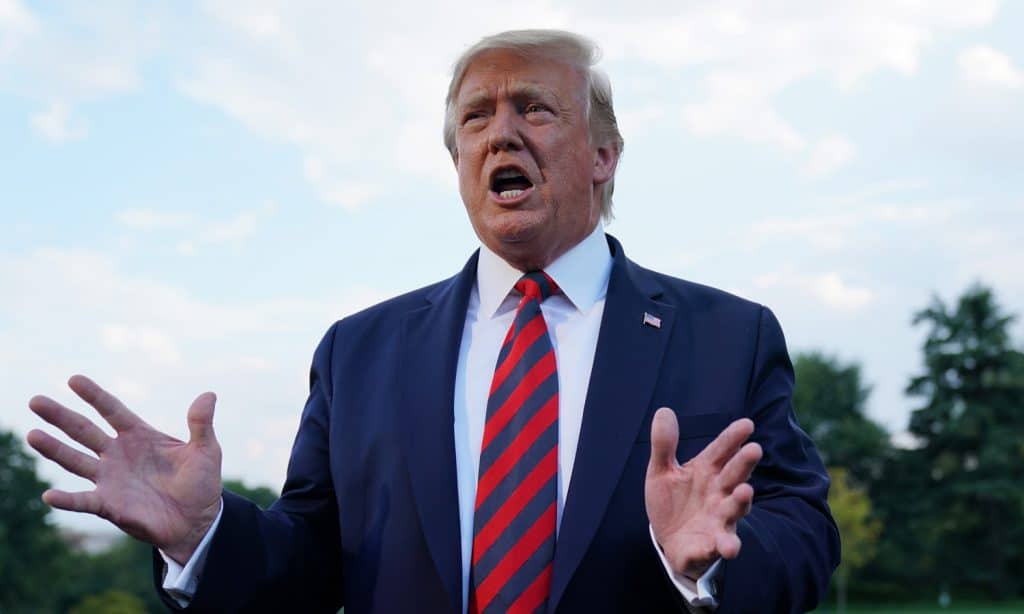
President Donald Trump (R)

The incumbent president and virtual shoe-in for the Republican nomination for President has a confusing relationship with cannabis legalization. Like most of the candidates from the other side of the aisle, Trump has stated he believes states should have the right to choose their own laws. In recordings of the President, he has privately expressed that he believes cannabis makes users “lose IQ points” in recent videos available on Forbes

how donald trump holds significant sway on marijuana legalization
Photo by Alex Wong/Staff/Getty Images

RELATED: Elizabeth Warren Reveals New Plan To Legalize Marijuana

Though he has also publicly stated that he doesn’t believe cannabis prohibition works and told Senator Cory Gardner that he opposed federal meddling in legalized states. As of now, it appears President Trump is comfortable with the status quo and won’t be moving legalization efforts forward or backwards.  

Massachusetts Senator Elizabeth Warren (D)

Senator Warren has a plan for federal legalization, decriminalization, expungement, and social equity in the current industry very similar to Bernie’s according to her campaign website. Warren doesn’t include these measures into her first 100 days, but she does take it a step further by furthering her social equity plans to also include tribal sovereignty for Native Americans and specific plans for research through the Department of Veterans Affairs.  

where does presidential candidate elizabeth warren stand on marijuana
Photo by Scott Olson/Staff/Getty Images

Can You Cure Your Cramps With CBD?

A key advantage of using CBD for treating menstrual cramps is that one can travel with CBD, as well as purchase these products online and in retail outlets located in most states.

The use of CBD to treat menstrual cramps can be traced to the late 19th century when Queen Victoria used CBD oil to manage her monthly pain. Given women have cannabinoid receptors throughout their bodies, including the ovaries and uterus, then it stands to reason that CBD’s proven ability to manage pain could help with cramps that often accompany a woman’s menstrual cycle. 

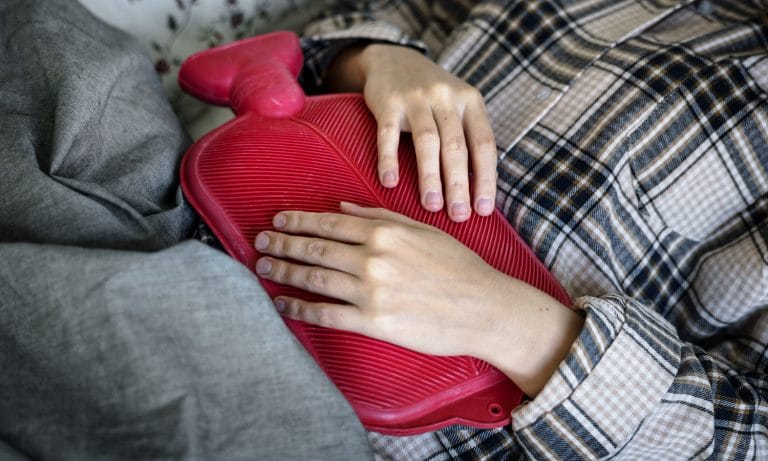
Brandin LaShea, Host of Pot Pie on Social Club TV, suggests using topicals to treat CBD pain. “One of my personal favorite ways of treating cramps with CBD is using a topical cream or oil and rubbing it on your lower abdomen and ovaries,” she said. “This along with a heat pack or warm towel, really helps to relax your lower abdomen and ovaries.” She adds that, “With topicals, suppositories, and CBD bath products, you are treating the issue directly at the source and allowing the CBD to really target the problem area.”

Even though there’s a multitude of CBD products, LaShea suggests trying them all and finding the one that works best for you and your body type. In her estimation, “Some women suffer from stronger cramps than others and may need to use products like a suppository or bath bomb/bath salts to help alleviate pain.” Since these products absorb directly into your lower abdomen, they can really help with extreme cramps. 

RELATED: Can CBD Help With PMS?

LaShea suggests starting out with a small dose of 20 to 40mg see how your body reacts and then gradually increase the amount by 5mg until you feel you’re getting the proper dose for your body. “The amount of CBD you use will depend on a couple key factors including: the milligrams per dose/serving and body weight (if consuming edibles).” Also she suggests increasing your normal daily dosage on days when your cramps feel especially strong.

cbd and menstrual pain
Photo by LaylaBird/Getty Images

Prior to adding CBD to your regime, LaShea suggests consulting you doctor. “CBD may have an effect on other medications you may be prescribed.” Furthermore, even though women report pain relief when CBD, more research is needed to ascertain the efficiency of CBD and cannabis for treating menstrual cramps. 

A key advantage of using CBD for treating menstrual cramps is that one can travel with CBD, as well as purchase these products online and in retail outlets located in most states.

These Are The Wellness Trends You Should Know In 2020

Wellness businesses are booming, making large amounts of money and attracting thousands of new consumers.

The term “wellness” is broad and slightly confusing, but it’s become one of the biggest businesses in recent memory. According to the Global Wellness Summit, it’s an industry that’s worth $4.5 trillion dollars.

Maybe it’s due to Instagram or with our culture’s newfound focus on staying healthy and positive, but the fact remains that people want to be happy and healthy and are willing to spend good amounts of money in order to achieve this. The South China Morning Post compiled a list of some of the biggest wellness trends and the ones that are expected to make big amounts of money in 2020. Here are 5 of our favorites:

Circadian health

Sleep is extremely important, having the power to influence almost all aspects of your body. Bad sleep has been linked with poor productivity, high stress levels, gaining weight and more, all issues that people are very interested in managing. According to experts, the wellness industry will focus on circadian rhythms and how these influence your health, including your brain and all other body systems that are regulated by your circadian clock.

A rebranding of aging

Marijuana And Parkinson’s Disease- What New Research Uncovered
Photo by Highwaystarz-Photography/Getty Images

RELATED: 5 Meditation Techniques To Help You Stay Calm During Stressful Times

While marketing has never paid much attention to seniors and their well being, it seems like 2020 is a year of change, with more businesses paying attention to this demographic. People over the age of 55 will now experience a variety of products targeted to their experiences, strengths and sensibilities.

Wellness sabbaticals

Wellness sabbaticals target two hot topic issues: wellness and work-stress. This area is expected to connect wellness retreats and vacations with people who also need to stay in touch with some aspects of their work, allowing them to work remotely and stay connected.

Wellness music

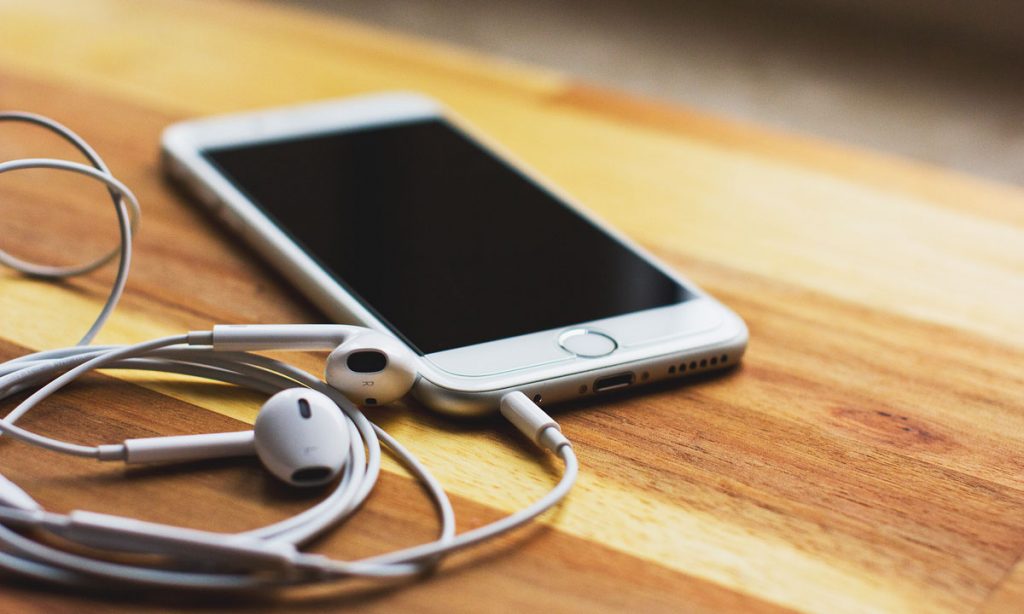
heres how you can fall asleep while listening to music without draining your iphones battery
Photo via freestocks.org

RELATED: Elevate Your Mood And Decrease Stress With These 2-Minute Stretches

This field explores the health possibilities of music and how these can impact the brain, your sleep patterns, and more.

J-Wellness

J-Wellness puts a spotlight on Japanese culture, whose people are likely to live to the age of 100. This field is said to mine concepts like Marie Kondo’s decluttering, forest bathing, repairing broken pottery and more, all which are said to increase people’s quality of life by large margins.

5 Meditation Techniques To Help You Stay Calm During Stressful Times

Meditation can help anyone stay calm, during stressful moments or everyday occurrences.

It’s almost impossible to live stress-free nowadays. According to Science Alert, we’re in the midst of an anxiety epidemic in America, with people worrying over an assortment of truly stressful things, such as global warming, coronavirus and a deeply stressful political climate. Then there’s also traditional sources of anxiety, like finances, health, and family. If meditation is incorporated in our lives, it could provide some breathing room for everyone affected.

While meditation won’t get rid of any of your problems, research shows that it can significantly help you manage stress and anxiety. While your sources of stress will still be there, meditation will give you more tools to handle these situations.

Here are 5 types of meditation that can help you relax:

Mindful meditation

Mindful meditation is very popular and it’s all about increasing your awareness and connection to the present moment. The Mayo Clinic says that it’s a practice that encourages you to experience the moment of meditation and to focus on your breaths, the feel of your clothes and your feet touching the floor. This practice can be conducted anywhere and it encourages your mind not to wander.

Daily 5 minute guided meditation

5 Meditation Techniques To Help You Stay Calm During Stressful Times
Photo by Zoltan Tasi via Unsplash

RELATED: How Does Meditation Fuel Wellness? Experts Chime In

While meditating in moments of stress works, one thing that works even better is to make ourselves more calm from the get go. This can only be achieved by meditating everyday, even if it’s just for a couple of minutes. Use a guided app or a YouTube video and develop a routine that you can stick to, either by meditating in the morning or before you go to bed.

Mantra meditation 

Mantra meditation revolves around finding a calming word or phrase and holding onto it during times of stress, mentally repeating it until your other thoughts are drowned out. You can start off by saying the world out loud and then by repeating it only with your lips until you’ve internalized it. Thoughts will recur when first starting this process, just ignore them and focus on your word.

16 count resetting breath

5 tips on how to quickly reduce stress
Photo by rawpixel.com

RELATED: 6 Ways Meditation Can Drastically Improve Your Work Week

“If you can safely do so, close your eyes and focus on whatever is currently driving you nuts — in this case, probably your kid. Then breathe in for four seconds, hold your breath for four seconds, audibly exhale for four seconds, and breathe in for another four,” explains the Huffington Post. This practice encourages you to focus on your breathing and not on whatever it is that’s stressing you out, breaking the stress pattern and allowing you to act with less emotion.

Three breath hug

When fighting with a child, a friend or a partner, one trick that many people swear by is to hug them mid-meltdown, which is very weird but it’s easy to see why it’d work. While you’re hugging, take three deep breaths. As therapist Shonda Moralis explained to the Huffington Post, “It can be really calming in the middle of a meltdown.”

2-Minute Stretches To Destress And Feel Better

The months right before spring are often the longest of the year. With snow still pummeling much of the country and ice-cold temperatures still settling in, many experience exhaustion or, “Winter Fatigue.”  Moving is important and here are 2-minute stretches to destress and feel better.

Winter fatigue settles in after the holidays with our body producing more melatonin in response to less sunshine and more gloom. Mayo Clinic states that Seasonal Affective Disorder (SAD) hits hardest during the long, winter months. From the biological clock to a drop in serotonin and melatonin levels, the human body craves the vitamin D that sunshine provides. 

RELATED: Science Says Medical Marijuana Improves Quality Of Life

Harvard Health recommends light box therapy to help with mood regulation. Using for just 30 minutes can assist with Seasonal Affective Disorder. Harvard Health explains, “Bright light works by stimulating cells in the retina that connect to the hypothalamus, a part of the brain that helps control circadian rhythms. Activating the hypothalamus at a certain time every day can restore a normal circadian rhythm and thus banish seasonal symptoms.”

While sunshine helps a great deal, Dr. Velimir Petkov DPM of Primer Podiatry believes winter is a great time to practice self-care with feet and ankles.  “The number one complaint that brings people to my office is heel pain (plantar fasciitis.) Sufficient rest and proper stretching can help alleviate heel pain, especially when combined with supportive footwear and custom orthotics that fit well.” Here are three, two-minute exercises to help elevate your mood and regulate stress from Dr. Petkov: 

Achilles tendon stretch

Put your hands against a wall and keep your legs and feet parallel to each other. Bend your left knee and extend your right leg as far back as possible while keeping both feet fully weighted on the ground. As you bend your left knee and keep your right leg as far back as possible, you will begin to feel stretching in the back of your right calf muscle, which will result the stretching of the Achilles. This exercise should take no more than 25-30 seconds. Switch sides in order to stretch the opposite one. In 2 minutes, you should be able to do 2 sets of the exercises on each side. 

Plantar fascia (heel) stretches

To stretch the soft tissues underneath the heel and ball of your foot: sit up straight in your chair and grab a foam or massage roller. If you don’t have one on hand, a cold or frozen water bottle works well. Gently roll your foot back and forth on it from heel to toe. Don’t apply too much pressure. Do this for 1-5 minutes, depending on how much you can tolerate. Using a foot massage roller or a small, nubbed ball can help you make the most of this stretching exercise and find temporary relief.

Ankle stretches

Lift your ankles clear off the floor. Begin flexing and extending them, repeating the motion 8-12 times with each ankle. To get an even deeper stretch, cross your ankle over the thigh of your opposite leg while sitting in your chair. Pull your foot back into a pointed position with your hands and hold it for 30 seconds.

Hopefully these 2-minute stretches to destress and feel better help better your day.

Do Tolerance Breaks Work For CBD

THC & CBD differ greatly when it comes to the effects they have on our bodies.

Like any other substance, developing a tolerance for marijuana is problematic for those who consume it regularly. Seasoned users find themselves buying and smoking tons of weed as a way of feeling the effects that they used to experience with just a few hits.Once your tolerance for the drug is built up, specifically for THC, the most effective way of rebooting your system is to drop it for a couple of weeks so your body can shake off the cannabinoids. But does the same apply? Do tolerance breaks work for CBD?

There are many reasons why you’d want to keep a low tolerance when consuming CBD, whether it’s to save money, out of fear of triggering drug tests, or for simply not wanting to consume as much of it in your everyday life. If you’re taking CBD as a way to treat a medical condition, it’s best to talk to a doctor before making any decisions and tampering with your dosage. Stopping CBD medications might cause a flare up in inflammation, pain or whatever condition you were treating.

RELATED: FDA And USDA Start Making Sense On Hemp CBD

When it comes to the effect that CBD has on the body, there are several theories swirling around, most of them emphasizing how different CBD and THC are. Users who’ve experimented with CBD say that sometimes the compound takes a while to have an effect, requiring users to take it for a couple of months in order to experience some change or improvement.

CBD & Hair Loss
Photo by IRA_EVVA/Getty Images

CBD acts as an antagonist when it comes to its relationship with your cannabinoid system, the opposite of what THC does. Unlike THC, CBD reduces the binding activity of your CB1 receptors. CBD tends to control the negative side effects of THC, suggesting that the compound limits how much binding occurs with your CB1 receptors. Strains that have high content of THC & CBD tend to produce mild experiences that don’t lead to paranoid highs while strains that feature high amounts of THC are much more likely to result in a marijuana overdose.

RELATED: 5 Delicious Ways To Consume CBD Oil

CBD might do the opposite of what THC does in our systems, producing a “reverse tolerance.” Instead of us building a tolerance for the compound and needing to consume more of it to experience the same effects, continuing to ingest CBD might multiply the natural endocannabinoids in our bodies, meaning that once this process begins we can consume less CBD and experience the same powerful results.

While more research is necessary in order to draw more definitive conclusions, tolerance breaks might not apply when it comes to CBD. The compound is doing its own thing and requires someone who’s patient if they desire to experience its full range of effects.

Do The Feds Really Think Marijuana Is As Dangerous As Heroin?

0

While it’s true that marijuana is a Schedule I drug under the DEA’s Controlled Substances Act, this listing has more to do with the plant’s medicinal value and potential for abuse than anything else.

The federal government continues to classify marijuana under the same category as some of the most dangerous drugs in the world. This attitude, of course, irks the cannabis and scientific communities since it has been shown time and again that weed does not cause the same type of harm as a powerful opioid that kills thousands of people in the United States every year.

But no matter how many chances Uncle Sam has been given to change this ranking — and he has been given a few — the outcome is always the same. Anything marijuana-related just isn’t getting off that list. 

So in 2020, does the federal government really still believe that marijuana is as dangerous as harder drugs? 

Well, not really.

While it’s true that marijuana is a Schedule I drug under the DEA’s Controlled Substances Act (CSA), this listing has more to do with the plant’s medicinal value and potential for abuse than anything else. It simply means federal health agencies have determined that weed has “no known medical value” and “a high potential for abuse.” Since it is not clear in the CSA what constitutes abuse, health agencies basically look at a drug to see if it can be used recreationally, and then assess whether it could somehow cause problems for the individual and the rest of society. 

RELATED: America Can Probably Forget About Federal Marijuana Legalization Anytime Soon

Determining whether weed has medicinal value is another story. To make that determination, the U.S. Food and Drug Administration (FDA) would require extensive clinical trials the same as any other drug. Essentially, some drug company would have to say that they believe their cannabis strain does something, like cure cancer, and then get permission to generate evidence to support the claim. 

The approval process takes several years and costs an average of $19 million, according to a study from Johns Hopkins Bloomberg School of Public Health. If they were successful, however, their “medicine” could be moved to a lower Schedule by the DEA and subsequently distributed nationwide.

the dea still doesnt acknowledge all the good things that marijuana offers
Photo by Eric Kayne/Stringer/Getty Images

So far, only GW Pharmaceuticals has been bold enough to take that risk. The company received FDA-approval a couple of years ago for its cannabis-based drug Epidiolex, which is used exclusively to treat children with two rare forms of epilepsy. Although the drug is made from the cannabis plant, the DEA has since ranked it a Schedule V. This allows it to be prescribed by a doctor and sold in pharmacies all across the nation. But it can only be prescribed to patients with epilepsy.  

So, even if a scientist at GW Pharma miraculously discovered that Epidiolex might have the power to cure cancer, the company would still have to go through more extensive clinical trials to prove it. That’s just how the federal government’s drug approval process works. It would be forced to invest several more years and millions more dollars researching the drug for this purpose. 

RELATED: Reality Check: What The Feds Get Wrong About Marijuana

But just because marijuana and heroin are classified Schedule I doesn’t mean that the federal government actually believes the two drugs are equally as dangerous. Even the DEA admits that is not the case. Former DEA head Chuck Rosenberg said a few years back that “heroin is clearly more dangerous than marijuana.” It’s just that no one has come forward yet with enough definitive evidence on the healing powers of cannabis to get it moved to a lower classification.

Once again, that evidence needs to come in the form of large-scale clinical trials. All of the studies we have so far showing cannabis to be a safe and effective drug (for whatever reason) isn’t on a scale grand enough to warrant much attention from the likes of federal health officials.

Until that changes, marijuana is likely going to remain a Schedule I drug. The best bet in getting it removed from that list is for the federal government to end marijuana prohibition nationwide and allow it to be used recreationally, similar to alcohol and tobacco. As difficult as this may be, it would be leaps and bounds easier than trying to convince health agencies that weed is medicine.

How To Get The Latest Updates On Your Voice Assistant

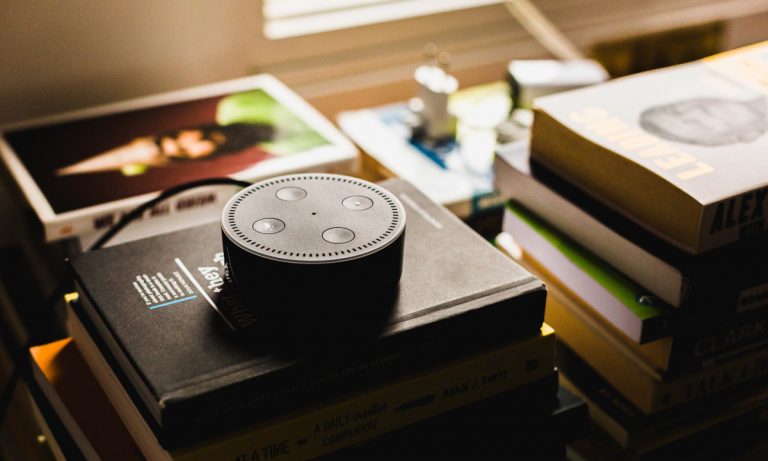
Voice assistants like Alexa and the Google Home have no buttons or direct ways of accessing. Here’s how you can keep these up to date.

Digital assistants rely on voice command. This is one of the main things that make them so attractive to users all over the world; instead of having to tinker with a device and its buttons, you can just say what you want it to do from the comfort of your couch.

Since these devices require less monitoring than others, it can be confusing when new updates and changes roll out. You won’t get a notification from them, and they won’t announce it out loud. How do you keep your digital assistants up to date?

Popular Science compiled a list of things you should do in order to keep your assistants in top shape. Here are 4 of their most useful tips.

Subscribe to a newsletter

5 Newsletters You'll Love In 2020
Photo by Sincerely Media via Unsplash

RELATED: 5 Newsletters You’ll Love In 2020 (Yes, Newsletters!)

Amazon and Google each have newsletters for their respective assistants, informing users of the latest features the companies are working on. These articles will let you know what’s currently being worked on, which updates are in development, and new features for you to try out.

You can subscribe to the Amazon Echo newsletter here, and to the Google Home newsletter here.

Ask the assistants directly

You can get the best information by asking the devices directly about their latest updates and developments. By talking with them, you’ll also “train” them to become more advanced and compliant to human interaction.

Amazon expects you to interact with your Echo regularly, engaging in a trial and error processes that’ll allow you to discover new features. “It’s exciting – even just for the future of A.I. — to see customers reacting to Alexa in this way, and we’re working hard on even the little responses, Easter eggs and nuances to make Alexa more personable, humble and helpful every day,” said an Amazon representative.

Monitor their companion apps

Photo by Westend61/Getty Images

RELATED: At What Point Does Online Snooping Become A Problem?

Most assistants include companion apps, which you can access from your phone. By browsing through these apps, you can download extra content, monitor updates, and set your preferences, making your device as different and unique as possible.

Be prepared to face some technical difficulties

Digital assistants are devices that will always be evolving, updating themselves and becoming more advanced with each passing day. A year from now, your interactions with them could completely change, so don’t get too caught up in the wording and the commands, and be ready to change and adapt along with your device.

Don't Miss Your Weekly Dose of The Fresh Toast.

Stay informed with exclusive news briefs delivered directly to your inbox every Friday.

We respect your privacy. Unsubscribe anytime.