Tuesday, June 23, 2026
Home Blog Page 579

Meme Of The Week: This Guy’s Idea Of A Lady Drawer Makes Him The Most Mocked Person Online

0

Featuring an ungodly amount of pink, the tweet shows off a stacked drawer containing nail polish, tampons, makeup remover, scrunchies, and…other stuff.

This week’s meme comes courtesy of a tweet that went viral because of a helpful and gentlemanly suggestion. Or, at least one that tried to be helpful and gentlemanly.

Written by a guy whose Twitter handle is @DaddyAllDay, the tweet sent out earlier this week stated that every man should have a “lady drawer” for his lady guests. Of course, having many lady guests himself, it’s only natural for DaddyAllDay to want to share his wisdom with the world.

Featuring an ungodly amount of pink, the tweet shows off a stacked drawer containing nail polish, tampons, makeup remover, scrunchies, a pregnancy test and, is that a dildo? Yeah, that’s a dildo.

If I were to go to a guy’s house and stumble upon this stocked drawer I’d think he’s a serial killer or, you know, gay, which would honestly be a relief. Just keep an extra toothbrush lying around, guys, it’s not that hard. Throw in a hair tie if you’re feeling fancy.

RELATED: Meme Of The Week: People Are Arguing Over Subway Seats Twitter

Predictably, many many jokes were made, with people coming up with their own versions of lady drawers. Someone came up with a pathetic looking “fella drawer,” people filled up their drawers with pasta, rubber duckies, and more. It gets really weird.

Have a look at some of the funnies replies:

RELATED: Meme Of The Week: A Pug MRI Is The Creepiest And Funniest Thing Online

Florida Won’t Legalize Marijuana In 2020

Legislation would have outlawed home-growing and granted the state’s medical marijuana companies a larger monopoly.

The notion that Florida residents would vote on legalizing adult-use marijuana in the 2020 election seemed like all but a sure thing a short time ago. A 64% bipartisan majority of Florida voters was in favor of legalization, according to one University of North Florida poll. Three separate political committees were working on petitions to place legalization on the ballot, including Make It Legal Florida, backed by major cannabis industry players MedMen and Surterra. The committee had raised $8.7 million in funding and had endorsements from Florida celebrities like Jimmy Buffett.

But Florida will not vote on legalizing recreational cannabis this election. For all its perceived momentum, Make It Legal Florida announced this week it won’t be able to collect the 766,200 signatures necessary to place the legalization amendment on the 2020 ballot. Make It Legal Florida says it had collected more than 700,000 signatures, but was unable to verify them by the Feb. 1 deadline. The state had only verified 295,072 signed petitions thus far, only 38% total of total required.

RELATED: Why This Will Be The Decade Of CBD

Make It Legal Florida will instead focus its attention on the 2022 election. Signed petitions are valid for up two years.

“With the support of over 67% of Florida voters, Make it Legal Florida is proud to have gathered more than 700,000 signed petitions in the effort to bring adult-use cannabis to the Sunshine State,” chairman Nick Hansen, who also serves as MedMen’s vice president of government affairs, said in a statement. “The narrow timeframe to submit and verify those signatures has prompted our committee to shift focus to now gain ballot access in 2022.”

Florida Won't Legalize Marijuana In 2020 Here's Why That's A Good Thing
Photo by Epicurrence via Unsplash

The Make It Legal Florida ballot initiative would have allowed adults 21 or older to purchase and possess up to 2.5 ounces of marijuana. But it also would ban Florida residents from growing their own marijuana plants at home. Instead, Floridians would have to rely on major marijuana players, such as Surterra and MedMen — the companies behind Make It Legal Florida — to purchase their goods.

Language in Florida’s medical marijuana legislation dictates that cannabis sellers must be vertically integrated, meaning the company must cultivate, process, and transport their own product. Gov. Ron Desantis, who was elected after the law was made, likened this vertical integration to a “cannabis cartel” and courts have ruled the state’s medical marijuana laws are “unconstitutional.”

RELATED: Donald Trump Is Securing The Wrong Border Against The War On Drugs

MedMen has previously tried to create a ban on home-growing in states seeking to legalize recreational marijuana. New York Gov. Andrew Cuomo, who began 2019 with similar aspirations as Florida for adult-use cannabis, received advice from state medical marijuana companies to outlaw home-growing. Those companies, which included MedMen, argued growing cannabis was too dangerous to be placed in the hands of residents. In fact, it would support the black market, cut into New York’s tax revenue, and thwart law enforcement as well as public health. (The group’s remarks were later parodied and criticized by South Park.)

Should Make It Legal Florida’s initiative have made it on the ballot in 2020, it would have given the state’s powerful medical marijuana companies more influence. They would have had a larger monopoly than they already possess over Florida residents seeking cannabis. For now, Florida voters will have to wait another two years to decide if that’s what they really want.

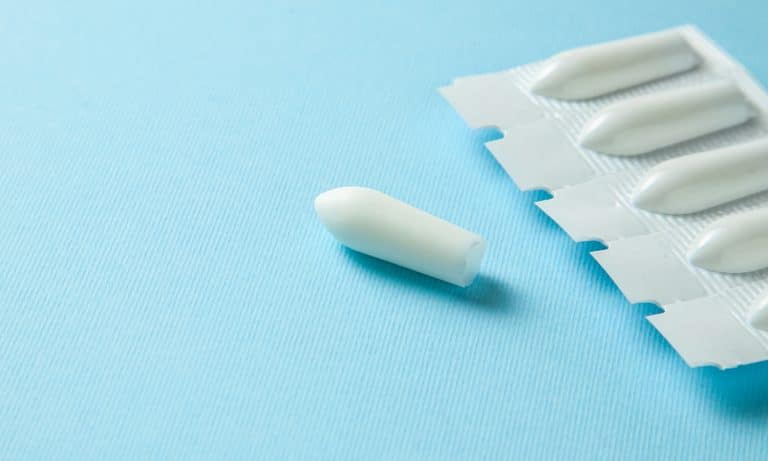
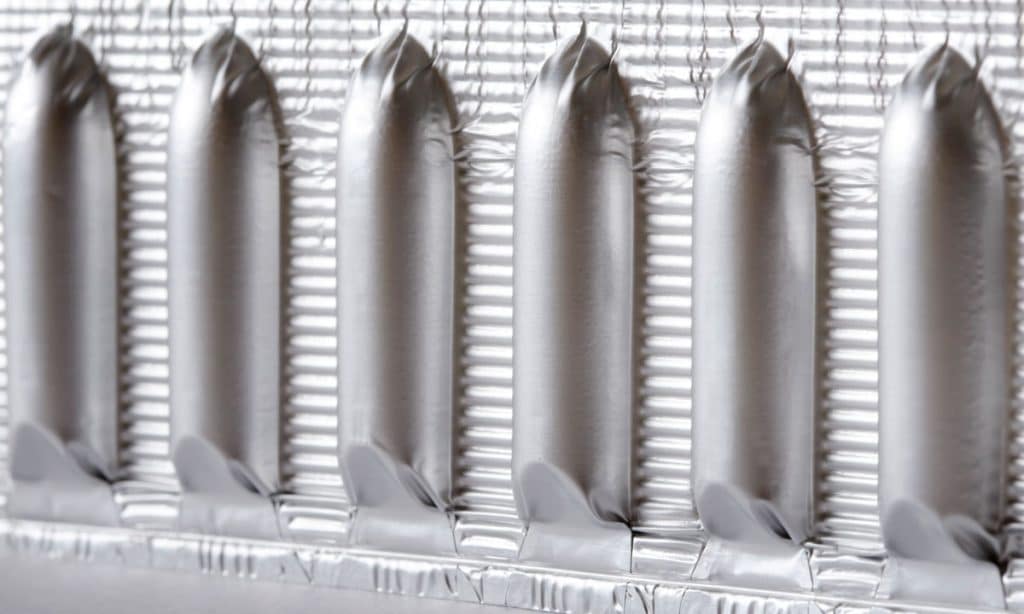
What You Should Know About Cannabis Suppositories

Cannabis suppositories have earned support thanks to their effective and fast acting relief.

For the uninitiated, the use of cannabis suppositories sounds like something that’s on the fringe of things. Don’t be fooled though. Despite the fact that you’re putting weed up your butt, this method of consumption has been hailed as some of the most effective ways of obtaining fast acting medicinal relief.

There are many ways of ingesting cannabis, but a large portion of them produce either unwanted effects that are challenging to manage (like edibles) or aren’t completely absorbed once administered (like smoked cannabis). Suppositories sit somewhere in between these two, producing strong yet manageable effects and ensuring that most of the cannabis in them goes to use.

The rise in support for cannabis suppositories has been fast. Many enjoy the fact that they’re fast acting (ranging from 20 minutes to an hour), that it can treat a variety of rare and hard to treat diseases, and that it provides very efficient relief.

RELATED: 5 Cannabis Products That Quell Monster Menstrual Cramps

As is the case with most things cannabis, the majority of available evidence is anecdotal. Still, most people who’ve spoken up about their use of cannabis suppositories love the fact that it’s effective and non-intoxicating, a rarity for a product that contains large amounts of THC.

if youre the explorer type cannabis suppositories are a thing
Photo by art-4-art/Getty Images

Cannabis suppositories provide quick relief to the nearby organs, acting very much like a strong and internal topical when compared to other cannabis products that slowly make their way through the bloodstream. According to Project CBD, there’s plenty of cannabinoid receptors in the colon, which could help explain why this method is so effective.

RELATED: Unconventional Medicine: Cannabis Suppositories

You can find different types of suppositories. There are those that contain a majority of THC, those that are mostly made up of CBD, and a combination of the two. The products that contain a majority of THC are said to manage pain better while the ones that contain CBD are more likely to reduce inflammation.

Although there’s plenty of online tutorials that teach you how to make your own suppository, you can find plenty of THC and CBD products sold in state-licensed dispensaries. If you suffer from conditions like IBS, Crohn’s disease, hemorrhoids, lower back pain, prostate issues, and more, you should consider consulting your doctor.

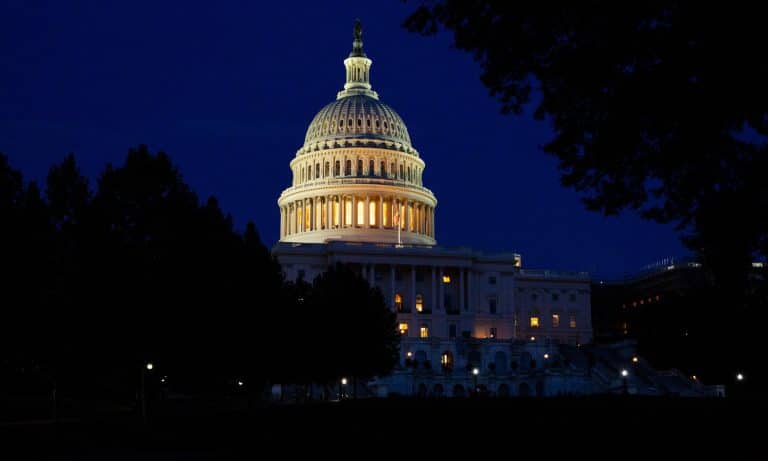
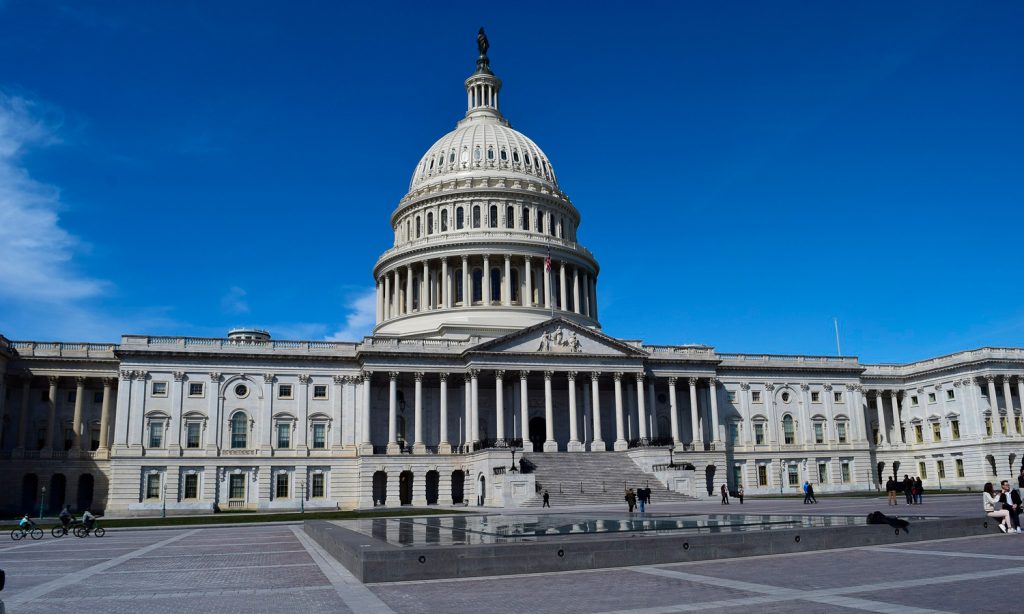
Another Congressional Shot At Federal Marijuana Legalization Fizzles

The hope was that this testimony could demonstrate a pathway by three federal agencies represented to free up marijuana for possible federal legalization and medical research

Marijuana history was made Wednesday when legislators in another major committee — House Committee on Energy and Commerce, the oldest committee in Congress — heard witness testimony seeking to help advance six pieces of legislation, including the Marijuana Opportunity Reinvestment and Expungement (MORE) Act, which is one of the most comprehensive pieces of legislation ever introduced.

Senate Banking Committee Chairman Mike Crapo recently announced the Senate would not advance the Secure and Fair Enforcement Banking (SAFE) Act, a bill passed by the House in September after a hearing at the House Committee on Financial Services on February 13, which would have allowed cannabis businesses to use federally-licensed banking services.

The hope was that this testimony could demonstrate a pathway by the three federal agencies represented to free up marijuana for possible federal legalization and medical research — if the Food and Drug Administration (FDA) could figure out how to expedite their slow-moving research efforts that are hampered by the Drug Enforcement Administration’s (DEA) cannabis Schedule 1 dilemma.

RELATED: US House Not Strong Enough To Further Marijuana In 2019

The bottom line? Nothing has changed as a result of this hearing. No new efforts by any of the three agencies were announced. And cannabis for federal research still comes from one farm — it’s hard to procure, and the quality has been shown to be nowhere near the cannabis in your local dispensary. Federal research is going nowhere.

“Researchers are in a Catch 22,” hearing chairwoman Anna Eshoo (D-CA) said in her opening statement about the quandary researchers have to deal with. “That doesn’t make sense, at least to me.”

congress lays out expectations
Photo by bones64 via Pixabay

The January 15 hearing, “Cannabis Policies for the New Decade,” was another legislative furrowed brow foray into the weeds, as it were, where witnesses from the DEA (Matthew Strait, senior policy advisor of the Diversion Control Division), the FDA (Dr. Douglas Throckmorton, deputy director for regulatory Programs at the Center for Drug Evaluation and Research) and the National Institutes of Health (Dr. Nora Volkow, director of the National Institute on Drug Abuse), all presented.

Each basically had to address the committee’s overriding question: “What’s the holdup?”

It was a bit of a tough slog for witnesses, as 24 congressmen and Chairwoman Eshoo asked mostly softball questions during the 3 ½ hour hearing that could be summarized as follows: legalizing cannabis is still a long way off, the DEA won’t be changing the schedule of cannabis any time soon, and the industry just has to live with a sense of frustration that both witnesses and a few congressmen expressed during the hearing.

RELATED: More Proof That Marijuana Banking SAFE Act Is Dead

Volkow talked about how our understanding of cannabis is incomplete, causing concern because she believes higher THC content can lead to psychosis; Throckmorton said that there was an FDA botanical review team, and that the FDA could explore methods of accelerating approval of novel drugs like cannabis; Strait, addressing the slow going of the licensing process for new grows to get more cannabis to do federally legal research, a sore point with the industry, said that the DEA has 605 researchers working on that issue, “making it far and away the most research being done of a controlled substance in the U.S.”.

But any notes about due dates, deadlines, problems solved from these agencies? Nope.

Eshoo expressed the overall sentiment of the room about the research needed for cannabis. “I don’t understand why these three agencies before us can’t get this done.”

She announced a followup hearing with stakeholders to come.

Mexican Cartels Are Now Smuggling Cannabis Oil

Unlike marijuana products available in legal markets, smuggled and black markets are not tested for potency or toxins, putting consumers at risk.

Many people have heard of OPEC, the group of petroleum exporting countries often referred to as the “oil cartel,” which aims to regulate the price and supply of oil globally. But the mantle of oil cartel may soon pass onto the violent drug organizations south of the border, which are adapting to the growing legal marijuana marketplace by smuggling their own version of oil made from cannabis.

Mexican drug cartels rose to prominence by smuggling bales of cannabis through the border between the United States and the Aztec nation. But the amount of raw marijuana illegally transported into the U.S. has decreased over the years, due to a few possible reasons. Security along traditional smuggling routes has increased, making bulky marijuana riskier to move. Increased legal access to better quality cannabis may also be a contributing factor.

RELATED: Marijuana Legalization Would Eliminate Drug Smuggling Better Than Trump’s Wall

With cannabis now legal in Canada, the cartels to the south are also facing stiff competition from drug runners along the US northern border.  Finally, increased demand for higher-margin and easier to smuggle opioids like fentanyl may have also turned cartel focus away cannabis. 

Here's What Kind Of CBD Product Is Most Popular In Each State
Photo by lovelyday12/Getty Images

Nonetheless, the demand for black market marijuana in the U.S. remains strong enough that cartels do not want to abandon it completely.

Along with increased illegal and toxic grow operations within U.S. national parks, Mexican drug organizations are also importing marijuana processed in Mexico into a viscous concentrate called “crude oil” due to its similarity in color and consistency to Texas Tea.

RELATED: Donald Trump Is Securing The Wrong Border Against The War On Drugs

Unlike marijuana products available in legal markets, smuggled and black markets are not tested for potency or toxins, putting consumers at risk. While there is as yet no correlation between Mexican “crude oil” and last year’s rash of contaminated vape cartridges it can safely be assumed that vape or dab products made from smuggled marijuana oil have not gone through independent lab testing.

Cannabis oil isn’t the only way Mexican cartels are diversifying their criminal enterprise to suit changing consumer tastes in America. Increased demand along with lower than expected yields has led to a recent surge in avocado prices along with Mexican cartels fighting for control of the lucrative extortion market in the state of Michoacan. The cartels have in the past also been known to smuggle actual petroleum oil as well.

Murderer Avoids Jail Because ‘Cannabis Made Him Do It’

0

The French court claims a man who committed murder isn’t responsible because he was under the influence of cannabis.

In a controversial and mind-boggling case in France, a man guilty of murder will not go to jail. Instead, he’ll be spending some time in a drug rehab facility. Why? His defense argued that he committed the murder in the throes of a cannabis induced psychosis.

The case has been going on for years, but it wasn’t until this past December that the Paris Court of Appeal ruled that Kobili Traoré wouldn’t be facing a trial due to mental incapacity. In April 2017, Traoré confessed to murdering his Jewish neighbor, Sarah Halimi, a retired teacher.

According to police records, people could hear a woman screaming and a man shouting “Allahu akbar.” He was also heard calling Halimi a “Shaitan,” which is the Arabic word for Satan.

RELATED: Smoking Marijuana In France Just Got A Whole Lot Easier

The Times of Israel reports that Traoré had no previous history of mental illness but that, on the night of the murder, he suffered from “acute delirium” after ingesting cannabis. The report explains that a then 27-year-old Traoré consumed over 15 cannabis joints that night, believed he’d been possessed by a demon and had no control of his actions.

Supreme Court Nominee Brett Kavanaugh
Photo by Matthew Henry via Burst

Surprisingly, three doctors were brought onboard to overlook and consult the case, with most of them believing that cannabis could actually produce those effects and delusions. Only one of them said that the presence of cannabis didn’t nullify Traoré’s actions.

Meyer Habib, a French Jewish parliamentarian, said he was shocked over the court’s ruling and expressed his discontent regarding the government’s double standards when overlooking cases that involve alcohol versus drugs.

RELATED: Athletes Will Use CBD This Olympics And Here’s Why

“This decision sends a clear message to all criminals: when one drinks and commits an offense it is aggravating circumstances, and when another partakes excessive amounts of drugs, it is a mitigating circumstance and he is not responsible for his actions,” he said.

Other members of parliament also believed that the ruling would set a dangerous precedent.

This case is disturbing for many reasons. Aside from the anti-Semitic nature of it, one that’s been alarmingly popping up across different areas of the globe with varying degrees of violence. It also sets a harmful precedent for France, one that will only fuel marijuana prohibitionists and continue to spread ignorance.

NFL Exploring CBD As Possible Treatment For Football Players

The NFL remains open to CBD, but continues to be firm in their stance that there’s not enough evidence and research to recommend it to players.

The National Football League announced last year its intention to study marijuana as a potential pain management tool for its players. This week, the NFL took its first steps into that process. The Pain Management Committee, a joint group between the NFL and NFL Players Association, met with manufacturers of CBD products to understand the efficacy behind the cannabinoid.

The fact-finding forum—as the NFL is calling it—was an effort to gather as much available data and scientific research around CBD in treating and managing acute pain for players. They also sought information about delivery systems for CBD and how products like oils, edibles, and vaporizers could provide different benefits.

“The Committee invited manufacturers of CBD products to share their research today so the Committee may hear and consider the possible scientific evidence base for CBD use as a pain management alternative,” the NFL and the players union said in a joint statement.

RELATED: Why This Will Be The Decade Of CBD

While current and former NFL players have long called for cannabis use as an alternative to opioids in managing pain and inflammation, the league’s drug policy maintains a ban on THC, the psychoactive element found in traditional marijuana and some CBD products. After the meeting, the league reiterated its belief there still isn’t enough information and research available to support claims CBD can treat acute and chronic pain.

does your child suffer from seizures here are the states with cbd only laws
Photo by Tinnakorn Jorruang/Getty Images

“CBD is a promising compound, but the extent of its use in the United States outpaces the level of evidence,” co-chairs of the pain management committee wrote in a white paper sent to NFL teams.

The white paper did mention small clinical studies that demonstrated CBD could be effective in combating neuropathic pain. However, the authors noted CBD remains an unregulated market, as the Food and Drug Administration still hasn’t established guidelines and rules around CBD, despite urgency from Senate Majority Leader Mitch McConnell. As a result, many products have varying degrees of purity and potency.

RELATED: The Super Bowl, Football, And Cannabis All Benefit Each Other

The white paper also added there were multiple controlled trials where marijuana and two FDA-approved cannabinoids successfully treated chronic and neuropathic pain. However, the committee raised concerns over the trials, due to their small sample sizes and short follow-up periods.

“Of course, cannabis remains a banned substance under the NFL Policy for Substances of Abuse,” the paper concludes. “In addition, the potential problems associated with cannabis, from acute impairment of driving, addiction, and exacerbation of psychiatric disorders such as depression and anxiety, make it a substance to approach with extreme caution.”

Will The FDA’s Ban On E-Cigarettes Affect CBD Vaping Devices?

The sale of Hemp-CBD-infused smokable products is in a legal gray area, not explicitly allowed nor prohibited under federal law.

On January 2, the Food and Drug Administration (“FDA”) issued non-binding guidance (“Guidance”) in which the agency explains how it intends to prioritize enforcement actions to tackle the growing increase in youth use of electronic nicotine delivery systems (“ENDS”)–more commonly and broadly referred to as “e-cigarettes”–as well as to address vaping-associated lung injuries.

According to a press release by the U.S. Department of Health and Human Services, the FDA intends to ban flavored cartridge-based ENDS that appeal to children, including fruit and mint flavors, beginning 30 days from the publication of the notice of availability of this guidance in the Federal Register.

Specifically, the agency intends to prioritize enforcement against:

  • Any flavored, cartridge-based ENDS product (other than a tobacco- or menthol-flavored ENDS product);
  • All other ENDS products for which the manufacturer has failed to take (or is failing to take) adequate measures to prevent minors’ access; and
  • Any ENDS product that is targeted to minors or whose marketing is likely to promote use of ENDS by minors.

Since the enactment of the 2018 Farm Bill, a wide range of hemp-derived CBD (“Hemp CBD”) products have sparked the interest of American consumers, including CBD vaping devices. Despite the growing popularity of CBD smokable products, the FDA has yet to issue regulations for these products. Consequently, the sale of Hemp-CBD-infused smokable products is in a legal gray area, not explicitly allowed nor prohibited under federal law.

RELATED: Are CBD-Infused Alcohol Beverages Legal?

What Does Instagram's Ban On Vaping Influencers Mean For Cannabis?
Photo by HAZEMMKAMAL/Getty Images

The lack of FDA regulation surrounding this issue likely stems from the fact that many of these products are free of tobacco and/or nicotine.

As we previously discussed, federal law gives the agency the authority to regulate the sale, manufacture, and marketing of tobacco products under the 2009 Family Smoking Prevention and Tobacco Control Act (“TCA”). In 2016, the FDA finalized a rule that extended its regulatory authority to all products meeting the TCA’s statutory definition of a tobacco product, including e-cigarettes.

The FDA now oversees all products “made or derived from tobacco that [are] intended for human consumption . . . .” The definition also includes components, parts, and accessories of tobacco products and excludes products that are classified as drugs or devices under the Food, Drug, and Cosmetic Act (“FDCA”), even if those products are made or derived from tobacco.

The FDA has consistently declined to interpret “tobacco products” so broadly as to include products free of nicotine or tobacco. Under this reasoning, it seems to follow that most Hemp-CBD smokable products, which are free of nicotine and tobacco, would not be considered “tobacco products.”

The newly published Guidance seems consistent with this rationale.

The Guidance expressly provides that it “does not address products that are not tobacco products” and that only “[l]iquids that do not contain nicotine or other material or derived from tobacco, but that are intended or reasonably expected to be used with or for the human consumption of a tobacco product, may be components or parts and, therefore, subject to FDA’s tobacco control authorities.” (Emphasis added).

RELATED: Why The USDA Testing Rules Will Hurt The Hemp Industry

the benefits and potential downsides of vaping according to research
Photo by HighGradeRoots/Getty Images

So, while most Hemp-CBD-infused vaping devices don’t fall under the FDA’s jurisdiction, and thus, won’t be affected by this upcoming enforcement effort, industry players should keep in mind that:

  1. Any flavored CBD vaping product that does contain nicotine is subject to this federal ban;
  2. Any CBD vaping product that contains nicotine and for which the manufacturer fails to take adequate measures to limit minors’ access is subject to FDA enforcement actions;
  3. Any CBD vaping product that is targeted at minors or whose marketing is likely to promote the ENDS use by minors falls under the FDA ban; and
  4. The manufacture, sale and marketing of non-flavored, nicotine or tobacco-free CBD vaping products, as well as other smokable hemp products, may nonetheless be banned under certain state laws. Accordingly, manufacturers, distributors and retailers of these products should refrain from selling their products in these jurisdictions to mitigate the risk of local enforcement actions.

Debunking 7 Common Myths About CBD

Instead of simply believing the current hype around CBD, do a bit of research and learn how to separate fact from fiction.

As the CBD market continues to explode and possibly outpace cannabis sales, the misconceptions surrounding the compound continue to grow as well. Debunking common myths around CBD is necessary so that consumers can utilize it in a manner that can maximize and not mythologize the benefits of this plant based medicine

Following are seven of the most common myths surrounding CBD. Despite the lack of proven research to verify these claims, they continue to get touted in various online forums as verifiable facts.

You can’t get high from CBD.

True, CBD isolate that contains no THC cannot get you high. However, since full spectrum and broad spectrum CBD contains some THC (less than 0.2% or 0.3%), if you take a substantial amount of this oil, you could get high.

There’s no scientific research to justify using CBD as medicine.

While extensive research is needed in this regard, anecdotal evidence points towards the efficacy of CBD. Also, Project CBD points to some very promising preliminary research studies in this regard.

RELATED: CBD As Medicine — How Much Do We Know So Far?

cbd as medicine how much do we know so far
Photo by OlegMalyshev/Getty Images

CBD is safe for children and pets to use.

Even though some dogs and cats appear to benefit from CBD, there have been no conclusive research studies confirming that CBD is safe for long-term use with pets.

CBD is non-psychoactive.

The more accurate phrasing should be “CBD is not psychedelic.” When used in proper dosage, CBD will not get one high; however, CBD is psychoactive in that it alters the body’s chemistry.

RELATED: Debunking 6 Popular Myths About Today’s Marijuana

Has Psychedelics Changed Your Life? These Scientists Want To Hear From You
Photo by Activedia via Pixabay

CBD  can cure whatever ails you.

CBD is not a magic elixir, a cure-all that can treat all forms of sickness. Preliminary research indicates that CBD can be helpful in sleep management, anxiety, pain management, and inflammation.

CBD will make you sleepy.

Actually a key benefit of CBD is that it can keep one alert and functioning unlike many prescription drugs and over the counter treatments. Having said that, CBD can help your body achieve a state of homeostasis. So it can be helpful in reducing the stressors that keep you up at night. Also, some CBD products come in formations designed to help you get a sound night sleep.

Insomnia
Photo by Flickr user anoldent

I tried CBD and it didn’t do anything.

If at first you don’t succeed, try again. Educate yourself on the the basics of CBD, so that you can select both the types of products and the correct dosages that will work best for your unique endocannabinoid system. 

As CBD continues to become more accepted into the mainstream culture, more myths will emerge. Instead of simply believing the current hype around CBD, do a bit of research and learn how to separate fact from fiction.

Athletes Will Use CBD This Olympics And Here’s Why

Thanks to changes in WADA policies, Olympic athletes can use CBD legally for the first time.

A new champion will be crowned when the 2020 Summer Olympics debut in Tokyo. We’re not talking gold medals or world records, though. Instead, a new presence will be felt for the first time legally at the Olympics—cannabidiol, or CBD.

The World Anti-Doping Agency, an organization that monitors and fights against the use of drugs in the Olympics, announced in 2018 that CBD had been removed from its list of banned substances. Since the organization’s formation in 1999, all cannabinoids like CBD and THC had been banned for all Olympic athletes. The 2020 Olympics represents the first games in which athletes can legally use CBD without fear of consequence.

RELATED: Super Bowl Champ Percy Harvin Used Marijuana To Cope With Severe Anxiety And Migraines

Although it isn’t necessarily that simple. Athletes must ensure their CBD oil or supplement doesn’t contain more than 0.3% THC, the psychoactive element in cannabis. In the United States, that isn’t always so easy. Ellipse Analytics tested 250 top-selling CBD products in the country last year and discovered that 45% of them contain over the legal threshold of THC. Even worse, 21% of CBD products boldly claiming they were “THC-free” had detectable levels of THC in them.

Some consumers might not sweat over the inclusion of extra THC in their products. But ingesting a product like that could cause Olympians to fail a drug test. That would be devastating to athletes who trained four years for the event, especially when they though they were playing by the rules.

Could CBD And Cannabis Eliminate The High-Cost And High-Stakes Of Current Psoriasis Medicines?
Photo by IRA_EVVA/Getty Images

Still, athletes have embraced CBD in droves. Retired athletes like former NFL athletes Rob Gronkowski and Tiki Barber, as well as former NBA players Paul Pierce, John Salley, and Lamar Odom, have publicly endorsed CBD. Professional golfers like Greg Norman and Bubba Watson have partnered with CBD companies, too. Count Olympic Gold Medalist and US Women’s soccer star Megan Rapinoe among the athletes who stand behind the health benefits of CBD. Olympic hurdler and bobsledder Lolo Jones signed a deal with cbdMD, the same company as Watson.

Jones told Yahoo she felt empowered to explore the benefits of CBD once WADA lifted its ban.

RELATED: Weed And Snowboarding: Double Standard for Women?

“I have done a ton of research on this, and I have tried out different ones because I’m a 37-year-old Olympian,” she said. “I need all the help I can get. When I wake up in the morning, I feel like an 80-year-old sometimes. I’ve aged in dog years.”

Expect more athletes to have similar stances as the Olympics approaches. While some may not be as public with their use as others, it appears that athletes from nontraditional have more permission to use CBD thanks to WADA’s changes. USA Triathlon signed a deal with the CBD company Pure Spectrum last year, becoming the first governing body of a sports organization to do so. Don’t be surprised if we see a future Gold Medalist announce a similar deal following the Olympics this year.

Don't Miss Your Weekly Dose of The Fresh Toast.

Stay informed with exclusive news briefs delivered directly to your inbox every Friday.

We respect your privacy. Unsubscribe anytime.