Thursday, December 18, 2025
Home Blog Page 6

The Odds Of The Feds Making A 2025 Cannabis Change

The Odds Of The Feds Making A 2025 Cannabis Change explored through politics, markets, and investor predictions.

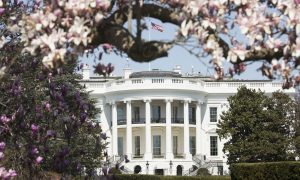
As the races toward the finish line, investors, policy wonks and marijuana consumers are asking the same question: what are the odds of the Feds making a 2025 cannabis change? Short answer: possible, but far from certain — prediction markets and recent signals put the odds in the low-double digits, while loud political and legislative headwinds keep the outcome uncertain.

RELATED: The Connection Between Country Music And Cannabis

Prediction markets give the cleanest single-number read: traders on Polymarket currently price the chance the Drug Enforcement Administration (or another federal process) will reschedule marijuana this year at roughly 18%. That market — “Weed rescheduled in 2025?” — settles on official government action by Dec. 31, making it a useful, real-time barometer of collective expectations.

Speaker Mike Johnson

Two dynamics are driving optimism. First, signals from the executive branch — including public comments from White House-adjacent figures and renewed attention from the administration — have signaled openness to reform, keeping the rescheduling conversation alive. Second, high-profile statements and advocacy (and even polling) have pushed cannabis onto the political agenda, prompting some lawmakers and officials to call for a clearer federal framework.

But the path to action is narrow. Key congressional players have moved to constrain agency flexibility: the House Appropriations Committee has advanced language aimed at blocking Department of Justice funding for reclassifying marijuana, a direct check on executive action. That kind of legislative resistance reduces the chance the DEA or DOJ can unilaterally reschedule this year.

The DEA’s own process and timing add more friction. Rescheduling entails administrative reviews, hearings and legal steps typically take months — and while the agency has periodically updated stakeholders, there’s no guarantee a final rule can be completed and implemented before year-end.

RELATED: The VFW Stands Up For Marijuana

Equities and cannabis ETFs have been volatile in response to policy chatter. Major pot names — Tilray, Canopy Growth, Cronos and others — have seen price swings tied to headlines, earnings and policy signals; some firms even reported notable gains after pro-reform statements and positive quarterly results. Market trackers and analysts continue to flag these stocks as sector plays to watch, but caution regulatory uncertainty keeps valuations jittery.

Combine a roughly 18% market-implied chance, vocal White House signals and strong investor interest, but also legislative pushback and a slow administrative process, and the most realistic forecast is modest odds of federal movement before December 31. In plain terms: meaningful federal change this year is possible — not impossible — but bettors and investors should expect bumps, delays and political counter-moves rather than a clean, guaranteed policy win.

Happy International Champagne Day

Happy International Champagne Day — discover fun facts, history, and expert tips to drink it right.

Not matter what you think of the state of the world, there is a reason to celebrate – Happy International Champagne Day! Today, champagne lovers around the world are raising a glass. The the annual celebration of the world’s most iconic sparkling wine — and a perfect excuse to toast life’s bright spots, big and small.

RELATED: The History Of The Cocktail Party

International Champagne Day falls every year on the fourth Friday in October. The celebration started in 2009 when wine educator Chris Oggenfuss launched a simple online campaign encouraging champagne fans to connect and share their love for the drink. The idea fizzed — literally — and quickly grew into global tastings, parties and social media cheers from New York to Nice.

But the story of champagne stretches back much further. Bubbles first appeared in French wine cellars during the 1500s, when monks in Limoux noticed a naturally sparkling wine forming in barrels. By the 17th century, the vineyards of Champagne, France had perfected the art — though early winemakers considered those bubbles a mistake. Thankfully, the world disagreed.

Happy International Champagne Day

From royal coronations in Reims to red-carpet movie premieres, champagne has long been synonymous with success. By the 1800s, French houses like Moët & Chandon and Veuve Clicquot turned sparkling wine into a global luxury symbol — one standing for joy, elegance, and a little bit of rebellion.

Marketers helped, too. The 20th century saw champagne splashed across everything from Formula 1 podiums to wedding receptions, cementing its reputation as the go-to drink for life’s milestones.

If you’re celebrating today, serve your champagne right:

  • Chill, don’t freeze. The sweet spot is 45–50°F — cold enough to keep the bubbles fine and lively.
  • Ditch the flute. Experts now favor tulip-shaped glasses which capture aroma while keeping the fizz.
  • Ease, don’t pop. Gently twist the bottle (not the cork) until it sighs, not explodes.
  • Sip soon. Once opened, champagne loses its sparkle quickly — a good reminder to savor the moment.

And yes, it pairs with more than caviar. Try it with salty chips, sushi, or even fried chicken — the crisp acidity cuts through rich flavors perfectly.

RELATED: Immersive Events Redefine Millennial Nights

Not every bubbly is champagne. The name is legally protected: only sparkling wine made in France’s Champagne region, under strict rules, earns the title.

That’s why prosecco comes from Italy, cava from Spain, and sparkling wines from California or Oregon proudly bear their own regional identities. All share the sparkle, but only one can claim the Champagne name — a mark of geography, heritage and meticulous craft.

So whether you’re brunching with friends, toasting a promotion, or just surviving another workweek, today’s the day to pop something special.

Champagne isn’t just for the rich or famous — it’s for moments worth remembering. And if there’s one thing millennials know well, it’s how to make even an ordinary Friday sparkle.

What To Know About Cannabis And A Brain Aneurysm

Discover what to know about cannabis and a brain aneurysm—risks, recovery, and medical cautions.

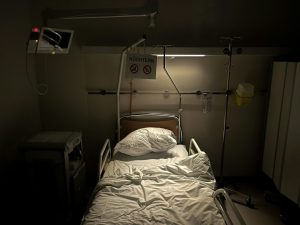
When celebrity Kim Kardashian recently revealed she was diagnosed with a small brain aneurysm—reportedly detected during a routine MRI and attributed by her doctors to stress—her disclosure sparked interest in a condition most people don’t know much about. A brain aneurysm is a bulging or ballooning blood vessel in the brain, which can be life-threatening if it ruptures. With growing interest around cannabis use—both medically and recreationally—it’s worth exploring what to know about cannabis and a brain aneurysm.

RELATED: The Science Behind Cannabis And Happiness

A brain aneurysm (sometimes called an intracranial aneurysm) occurs when a weakened area of a blood vessel in the brain bulges outward. If the aneurysm ruptures, it can lead to a major bleed called a subarachnoid hemorrhage—a medical emergency. Many aneurysms remain small and never rupture, but risk factors include high blood pressure, smoking, genetic predisposition, and possibly vascular stress. Kim Kardashian’s case underlines how even individuals with public profiles and access to healthcare can face this silent risk.

What To Know About Cannabis And A Brain Aneurysm

Cannabis—or more precisely its components such as cannabidiol (CBD) and tetrahydrocannabinol (THC)—has been studied for a variety of health issues. For some conditions like chronic pain, certain forms of epilepsy, or spasticity in multiple sclerosis, cannabinoids may offer symptomatic relief. There is emerging evidence medical marijuana can improve quality of life for some patients: reducing pain, improving sleep or mood, and even decreasing reliance on opioids in certain contexts.

In the broad sense, in jurisdictions across the U.S., many patients use it under medical supervision for conditions like migraine, nausea from chemotherapy, or chronic neuropathic pain. “Medical” use does not equate to “safe in all contexts”—especially when other serious medical issues are present.

When it comes to brain aneurysms—particularly after diagnosis or treatment—the research raises caution flags about cannabis use:

  • Studies show people who have had an aneurysmal subarachnoid hemorrhage (a burst aneurysm), cannabis users had higher rates of delayed cerebral ischemia (DCI)—a serious complication which can lead to poor outcome. One large study found cannabis users had about a 2.7 times greater risk of DCI compared with non-users.
  • Other studies link recreational cannabis use to a higher likelihood of having an aneurysm rupture in the first place—one estimate suggested about an 18 % increased risk.
  • Research also suggests cannabis affects vascular tone, cerebral blood flow, mitochondrial function in brain cells, and may contribute to vasospasm (narrowing of blood vessels) or oxidative stress—mechanisms which are particularly concerning in someone with a vulnerable blood vessel wall.
  • One review warned even for unruptured aneurysms, if cannabis is used, individuals should be aware they may face worse outcomes should rupture occur.

RELATED: Evidence About Burning Mouth Syndrome And Cannabinoids

If you or someone you know has been diagnosed with a brain aneurysm (ruptured or unruptured), here are some practical steps:

  • Talk to your neurologist/neurosurgeon about cannabis use. The research suggests elevated risks in people with aneurysms who use cannabis.
  • Avoid assuming “medical use = safe.” Even if you’re using cannabis under a physician’s care, an aneurysm changes the risk profile.
  • Focus on established risk-reduction: control blood pressure, stop smoking, manage cholesterol, avoid stimulants. These traditional strategies remain foundational.
  • If you have an untreated aneurysm and are considering cannabis for medical reasons, proceed with caution.Ask your medical team about the specific size, location, treatment plan of your aneurysm and whether there are recommended restrictions.
  • After an aneurysm rupture or treatment, strongly consider abstaining or closely monitoring any cannabis use. The data indicate increased complication rates in this particular setting.

The public disclosure by Kim Kardashian highlights how common aneurysms may be, but it also reminds us the decision to use cannabis in a medical context should be made carefully. While cannabis offers genuine medical benefits for some conditions, when a brain aneurysm is in the picture—especially one which has ruptured or is being observed—caution is warranted. Speak with a neurologist familiar with cerebrovascular risk, weigh the benefits and the unique risks, and make an informed choice rather than assuming “legal = safe.”

Can CBD Replace Pacifiers And Other Anxiety Hacks

Can CBD Replace Pacifiers And Other Anxiety Hacks? Gen Z’s trending stress relief methods revealed.

Young people are stretched thin — school debt, gig work, social media pressures and a thinning safety net have turned everyday stress into a public-health problem. Anxiety diagnoses and troubling self-reported symptoms are common: recent national data show high rates of anxiety among adolescents and young adults, and public-health surveys flag a steady rise in youth mental-health concerns over the last decade. Can CBD replace pacifiers and other anxiety hacks.

RELATED: Gen Z Is Ditching Relationship Labels While Millennials

That context helps explain why some under-30s are trying unconventional fixes. Two viral coping trends — adult “soothers” or pacifiers and the now-ubiquitous “bathroom camping” — have lit up TikTok feeds. Advocates say an oral device or a private stall offers instant calm: a small, controllable ritual in a noisy world. But clinicians warn these are stopgaps at best and can carry real downsides (dental problems and disrupted breathing for prolonged pacifier use; social and safety tradeoffs for frequent bathroom retreats). Reporting on the pacifier trend has prompted dentists and sleep experts to caution against making it a habit.

Bathroom camping

CBD gummies, meanwhile, have burst into the mainstream as a more “medical” alternative. Cannabidiol — the non-intoxicating compound from cannabis — has been the subject of randomized trials and systematic reviews suggest it can reduce acute anxiety in some settings and may help social anxiety and stress responses at certain doses. But the science is still emerging: meta-analyses show promising signals, yet point out small sample sizes, variable dosing, and a need for larger, longer trials before clinicians can confidently recommend CBD as a frontline treatment.

So which is better? If you’re under 30 and looking for short-term relief, CBD has a stronger evidence base than adult pacifiers — but only when used responsibly: buy lab-tested products, check for low THC content, be alert for side effects, and consult a clinician about drug interactions. Pacifiers and bathroom camping may provide quick comfort, but they don’t treat underlying anxiety and can create new problems if they become the default coping tool.

RELATED: Cannabis Is Way Better And Safer Than A Honey Pack

Bottom line for Millennials shopping for solutions for younger friends or kids: prioritize proven public-health approaches — sleep, movement, therapy access and social connection — and treat CBD as an experimental supplement rather than a cure. If anxiety is frequent or disabling, professional help is the safest route. For readers who want to dive deeper, see the NIMH summary on anxiety prevalence and recent systematic reviews of CBD’s therapeutic potential.

Tariffs And Visas Add To The Cannabis Industry’s Misery

Tariffs And Visa Add To The Cannabis Industry’s Misery, squeezing profits, talent, and innovation nationwide.

The U.S. legal cannabis industry has been suffering over the last two years under an indecisive federal government — and now it’s getting squeezed from two unexpected angles: Tariffs and Visas add to the cannabis industry’s misery. For businesses and workers alike, what once looked like a budding success story is showing greater turbulence.

The first punch comes via international trade policy. Many cannabis-adjacent businesses — from vape cartridge manufacturers to packaging suppliers and cultivation equipment importers — rely heavily on overseas inputs, especially from China. Recent U.S. tariffs on Chinese goods — in some cases raising rates to 30–50% or more — have forced costs up, and the ripple is hitting weed-industry players hard.

RELATED: The VFW Stands Up For Marijuana

According to one industry analysis, the cost to produce a typical vape unit is rising by a few cents apiece because of tariffs on hardware and packaging. With thousands of units produced monthly, it adds up quickly. Some companies are absorbing the hit, but others expect the increases to eventually land on consumers — or push buyers back into illicit markets.

Tariffs And Visas Add To The Cannabis Industry's Misery

What makes this especially tough for cannabis businesses: margins are already razor-thin, regulatory burdens are high, and the domestic supply chain just isn’t built out. Switching suppliers takes time; finding U.S.-based manufacturers meeting regulatory compliance is even harder.

Now consider the human side of the workforce. The immigration and “visa” side of the equation rarely gets front-page attention in cannabis, but it’s quietly important. The federal government still classifies cannabis (marijuana) as a Schedule I controlled substance, despite many states legalizing it. That creates complications for foreign nationals trying to work in or invest in cannabis-related businesses.

For example, non-U.S. citizens on visas or applying for visas risk denial or revocation if they have past cannabis use, or if they’re working or investing in the cannabis industry—even when it’s legal in the state. This means companies would otherwise recruit international talent, or rely on global investment, may find restrictions.

RELATED: Cannabis Mogul Appointed Ambassador To Middle East Country

At the same time, broader visa policy changes are making the environment more uncertain. Recent shifts on H-1B visas, fees, and work permits are complicating cross-border mobility for skilled workers.

The combination of higher input costs and a more restrictive workforce/immigration pipeline is a double whammy for cannabis entrepreneurs. It means:

  • Higher retail prices or slimmer margins
  • Supply chain disruption (imports delayed, domestic alternatives still catching up)
  • Caution around hiring international talent or tapping global investment due to immigration uncertainty
  • Potential slowdown in growth or innovation as more resources are diverted to coping

For millennial cannabis consumers and industry watchers: yes, you might start seeing slightly steeper prices or less product innovation. And for workers and founders: borders, visas, and trade policy are no longer side conversations — they’re central to whether the business thrives.

In short: the cannabis boom isn’t immune to macroeconomics and immigration policy. If anything, it’s among the more vulnerable sectors, since it straddles imports, regulation, and workforce mobility all at once.

Millennials Are Spending Big on Luxury Travel

Millennials redefine indulgence as experiences, not things — airlines adapt as Millennials are spending big on luxury travel.

Luxury isn’t what it used to be. For Millennials, adults in their 30s and early 40s, living luxuriously means swapping pricey gadgets, cars, and designer clothes for something else.  Something their parents did later in life. Millennials are spending bing on luxury travel  experiences. From Napa Valley wine tours to boutique ski resorts in Colorado, Millennials are redefining what it means to “treat yourself.” And it’s not just happening in the U.S.—they’re doing it worldwide.

RELATED: Gen Z Is Ditching Relationship Labels While Millennials

In the U.S., states like California, New York, Florida, and Texas are seeing a boom in experiential travel. Millennials are putting more of their disposable income into curated trips, wellness retreats, and boutique hotels—sometimes choosing these experiences over traditional material luxuries.

Globally, destinations are feeling the impact too. Millennials are flocking to Portugal’s Douro Valley for vineyard tours and Italy’s Amalfi Coast for boutique stays. In Asia, young travelers are splurging on private island resorts in the Maldives and eco-lodges in Bali. Even in Africa, safari trips in South Africa and Kenya are attracting Millennials looking for immersive, Instagram-worthy adventures.

Photo by Xvision/Getty Image

Why the shift? Millennials came of age during tough economic times—from the Great Recession to rising housing costs and inflation. Many have decided memories beat things which depreciate quickly. Social media also plays a role: a picture-perfect vacation is now a status symbol in itself.

Millennials favor “quiet luxury”—understated but high-quality experiences. They prefer boutique hotels, local cuisine, private tours, and eco-friendly resorts over flashy, mass-market offerings. Whether it’s a wine tasting in California or a wellness retreat in Thailand, this generation seeks personalization, authenticity, and sustainability.

Airlines are taking notice. Carriers like Delta, Air France, and Emirates are rolling out perks aimed squarely at Millennials. Think flexible booking, wellness-focused amenities, upgraded seating options, and loyalty programs rewarding experiences rather than just miles. Boutique airline partnerships with resorts, curated city guides, and even “Instagram-ready” lounges cater to this generation’s desire for travel that’s luxurious but meaningful. Some airlines are even offering subscription-style models or bundled travel packages appealing to Millennials who prioritize experiences over possessions.

RELATED: Cannabis Is Way Better And Safer Than A Honey Pack

This trend shows Millennials define luxury differently: it’s freedom, experiences, and personal growth—not what you own. Many are spending on travel instead of expensive cars, big homes, or designer brands. And as Millennials hit peak earning years, the global luxury travel market is set to grow even more.

For Millennials, luxury isn’t just a price tag—it’s an experience you remember, share, and treasure.

Top Millennial Luxury Travel Hot Spots

  • California, USA: Wine country, coastal retreats, and wellness resorts.
  • Portugal: Vineyard stays and scenic surf towns.
  • Bali, Indonesia: Eco-lodges and spiritual wellness retreats.
  • Italy: Amalfi Coast villas and food-driven cultural tours.
  • Kenya & South Africa: Luxe safaris with sustainability built in.
  • Iceland: Adventure and geothermal spas in minimalist luxury.

Airlines Leaning In

  • Delta Air Lines: Expanding premium cabin and wellness-focused menus for “mindful flyers.”
  • Emirates: Instagram-worthy lounges and inflight luxury appealing to Millennials’ visual storytelling.
  • Air France & KLM: Personalized travel guides, flexible booking, and eco-conscious options.
  • JetBlue Mint: Affordable luxury with craft cocktails and small-brand partnerships.

Data Confirms Cannabis Is Safer Than Alcohol

Cannabis is a hot topic on Capital Hill and online – but what are the facts? Data confirms a key issue about the plant.

The medical community has come out and said cannabis has medical benefits. Despite this, some older congress members are concerned about the harmful effects of the plant. But data confirms cannabis is safer than alcohol.  The overall burden of disease and injury from alcohol far exceeds those of marijuana. For example Australia, alcohol accounted for 3.2% of the disease and injury, while marijuana accounted for only 0.2%.  The effects are clear and 88% of the public believe it should be legal in some form.

RELATED: Science Says Medical Marijuana Improves Quality Of Life

The debate over the safety of marijuana versus alcohol has been ongoing for years, with evidence demonstrating marijuana poses significantly fewer health and safety risks than alcohol.  Data supports the marijuana is safer as an alternative to alcohol by examining health impacts, addiction rates, and societal effects. Already Gen Z sees it has a better lifestyle choice by choice to be California sober.

Alcohol use is strongly linked to violent crimes, with estimates suggesting that 25-30% of violent crimes in the U.S. are alcohol-related. In contrast, marijuana use is not commonly associated with violence or crime

Here is more information about the difference between cannabis and marijuana.

  1. Mortality Rates: Alcohol use is associated with tens of thousands of deaths annually in the United States, primarily due to chronic alcohol use and alcohol-related accidents. In contrast, there have been no documented cases of fatal marijuana overdoses.
  2. Health-Related Costs: The health-related costs for alcohol consumers are substantially higher than those for marijuana users. A study found that the annual cost per alcohol user is approximately $165, compared to just $20 per marijuana user.
  3. Neurological Effects: Alcohol consumption is known to cause permanent brain damage, whereas marijuana has been found to have neuroprotective properties.This suggests marijuana may not only be less harmful but can be beneficial in certain neurological contexts.
  4. Addiction Potential: Marijuana is less addictive than alcohol. While some individuals may develop dependence on marijuana, it is less severe and less common than alcohol dependence. Alcohol use can lead to severe physical withdrawal symptoms, which are not observed with marijuana.
  5. Dependence and Tolerance: Alcohol users are more likely to develop tolerance and dependence compared to marijuana users. This indicates that alcohol poses a greater risk of long-term addiction issues.

In addition, alcohol increases risk-taking behavior, contributing to accidents and injuries, whereas marijuana does not seem to increase such behavior. This difference is crucial in understanding the societal impact of these substances.

Data overwhelmingly supports the conclusion that marijuana is safer than alcohol in terms of health risks, addiction potential, and societal impact. As marijuana use becomes more prevalent, understanding these differences is crucial for informed policy-making and public health strategies.

While both substances carry risks, the evidence suggests that marijuana poses fewer dangers to both individuals and communities compared to alcohol. This understanding can help guide more rational and evidence-based approaches to substance regulation and public health initiatives.

Evidence About Burning Mouth Syndrome And Cannabinoids

Evidence About Burning Mouth Syndrome And Cannabinoids shows cannabis may ease pain through CBD’s nerve-calming effects.

If you mouth on fire frequently?  There is evidence about Burning Mouth Syndrome and cannabinoids. It is a weird, stubborn condition: people feel a persistent burning, tingling or scalding pain in the mouth with little or no visible signs. For many sufferers, the pain is daily and annoying enough to wreck sleep, mood and social meals — so new options are getting attention, including cannabis-based therapies. But before you reach for an edible or CBD oil, here’s what the research actually shows.

RELATED: 5 Ways Microdosing Cannabis Can Boost Work Performance

Short version about help with Burning Mouth Syndrome (BMS). there is encouraging, early evidence cannabinoids — particularly CBD-dominant or topical cannabis extracts — might reduce neuropathic oral pain for some people. A small, open-label pilot found cannabis sativa oil reduced symptoms in people with primary BMS, suggesting a signal worth studying in larger trials. That study didn’t prove a cure, but it’s the kind of clinical pilot which pushes the field forward.

Photo by LeslieLauren/Getty Images

Why cannabinoids could plausibly help, BMS is often considered a neuropathic pain disorder (a problem with how nerves signal pain). Cannabinoids act on the endocannabinoid system, which plays a role in modulating pain, inflammation and stress — all relevant to BMS. Broader reviews of cannabinoids for chronic and neuropathic pain report moderate benefit in some neuropathic conditions, which supports the idea targeted cannabis-based treatments might be useful for mouth pain too.

One attractive idea is using topical or intra-oral CBD formulations (drops, rinses, or oil applied to the mucosa) to get local effects without strong psychoactive side effects. Emerging reviews and early trials suggest intraoral CBD or cannabis-containing mouthwashes can reduce inflammation, pain, and even change oral microbiota in some small studies — but these findings are preliminary and product formulations vary widely. If dryness (xerostomia) is an issue — a common BMS complaint — be cautious: some cannabinoid products and delivery methods can affect salivation differently.

RELATED: Boomer And Gen Z Consume Marijuana For Similar Reasons

High-quality randomized controlled trials for cannabis specifically in BMS are still limited. Systematic reviews of BMS treatments note while several options can help some patients, consistent, large-scale evidence is lacking — and the same is true for cannabinoids in this specific condition. That means clinicians and patients must balance promising pilot data with uncertainty and potential side effects.

A few practical takeaways

  • If considering cannabis for BMS, prioritize CBD-dominant or topical formulations and avoid high-dose THC until you know how you react.

  • Talk with your dentist/oral medicine specialist first — rule out nutritional deficiencies, meds, or infections mimicking BMS.

  • Expect a trial-and-error approach: some patients report meaningful relief; others don’t. A 2023 patient survey also found many people with neuropathic pain reported symptom improvement with cannabis, but self-report data has limits.

Bottom line: cannabis is a promising avenue for some people with BMS, especially CBD/topical approaches, but evidence is early. If you’re curious, involve your clinician, start low, and track outcomes — the science is moving, but not finished.

Cannabis Mogul Appointed Ambassador To Middle East Country

Washington surprised as cannabis mogul appointed ambassador to Middle East Country amid tension

Considering the delay in rescheduling, it is a bit of surprising and positive news a cannabis mogul appointed ambassador to Middle East country. yes, Mark Savaya,  a Michigan businessman best known for his Leaf & Bud marijuana dispensary chain and ubiquitous billboards around Detroit, may become the new special envoy to the Republic of Iraq. The pick, announced on Trump’s Truth Social, landed like a Twitter storm: part hometown booster move, part political reward, and part diplomatic wildcard.

RELATED: Zohram Mamdani And NYC’s Legal Marijuana

Savaya’s rise is the kind of American-story headline editors love. An Iraqi-born Chaldean who built a visible cannabis brand in Metro Detroit, he became a local celebrity for aggressive billboard marketing and a social-media presence pushing his products — and his persona — into the public eye. His Leaf & Bud outlets and “Mark Savaya Collection” branding have been the subject of local debate and municipal attention.

a flag on a flagpole

The background matters for two reasons. First, Savaya has been politically active in Michigan and a visible backer of the current presideent’s campaign efforts in the state — a factor the White House explicitly referenced when explaining the appointment. Second, his cannabis ties present an awkward optics clash: the U.S. appointee’s business is legal under Michigan state law but remains illegal under federal law, while Iraq enforces some of the region’s toughest drug penalties.

Why Iraq makes this appointment a high-stakes headline: U.S.–Iraq ties are layered and fragile. The role of a special envoy historically carries weight — envoys have been central to reconstruction, counterterrorism coordination and high-stakes diplomacy since 2003 — and Baghdad’s politics are a mosaic of sectarian factions, foreign influences, and security challenges. The choice of a non-career political appointee with no formal diplomatic resume has prompted questions in both Baghdad and Washington about what the administration expects Savaya to accomplish.

And then there’s the cannabis angle. Iraq’s law is unforgiving: recreational and medical cannabis are illegal, and penalties for possession, trafficking and cultivation can be severe under Iraqi statutes and long-standing narcotics laws. That stark legal contrast — an American envoy whose public brand is tied to cannabis, representing U.S. interests in a country who criminalizes it — is likely to be raised in Baghdad’s briefings and in public reaction.

RELATED: The Rise Of The Zillennial

What to watch next: how Baghdad and Baghdad’s partners (including the Kurdistan Regional Government) publicly receive Savaya; whether his appointment is purely symbolic outreach to Iraqi-American communities and voters in Michigan, or whether he’ll be given a clear, policy-driven brief; and how the White House manages the optics of a cannabis entrepreneur handling sensitive Middle East diplomacy. For young readers and beat-followers, this is less a culture-war curiosity and more a case study in modern patronage diplomacy — where brand, social capital, and partisan loyalty can land you in a geopolitically delicate job.

The appointment is real, it’s provocative, and it underscores how unconventional pathways to influence are reshaping U.S. diplomacy — for better or worse — at a moment when Iraq’s stability and the U.S. role there remain anything but settled.

The Best Microdosing Strains For A Rough Week

Is it a Monday of a week you already wish was over? Discover the best microdosing strains for a rough week.

Life gets messy sometimes. Deadlines pile up, meetings run long, and anxiety seems to lurk around every corner. For many Millennials and Gen Zers, microdosing cannabis has become a go-to strategy for managing stress without the heavy “high” that can derail productivity. But not all strains are created equal. So, what’s the best microdosing strains for a rough week.

RELATED: The VFW Stands Up For Marijuana

Microdosing is the art of taking small, controlled amounts of cannabis to achieve subtle benefits—think calm focus, creativity, and mood regulation—without intense intoxication. It’s especially appealing for young professionals and students who want stress relief without feeling “out of it.” According to recent wellness studies, microdosing can improve mood, ease tension, and even boost mental clarity when done responsibly.

Gummy Products Are Changing The Way People Think About CBD
Photo by Pharma Hemp Complex via Unsplash

Top Strains for Microdosing

Harlequin

A CBD-dominant strain, Harlequin is famous for delivering clear-headed relief. It’s ideal for microdosing because its balanced 5:2 ratio of CBD to THC allows you to relax without feeling drowsy or overly stoned. Millennials dealing with tight work schedules and Gen Zers balancing side hustles love its subtle calm.

ACDC

Another CBD powerhouse, ACDC is perfect for anyone needing a mental reset midweek. Users report reduced anxiety, enhanced focus, and a sense of grounded calm. Microdosing this strain helps you stay functional while keeping stress at bay.

Jack Herer

For those who want a slight mood lift alongside focus, Jack Herer is the classic sativa-leaning option. A microdose delivers gentle energy and creativity without the jittery side effects of coffee or high-THC strains. Ideal for brainstorming sessions or powering through challenging workdays.

Cannatonic

Known for its medicinal properties, Cannatonic is CBD-rich with just enough THC to soothe without sedation. This strain is particularly good for those with anxiety or tension headaches during rough weeks. A microdose can bring mental clarity while keeping physical stress in check.

RELATED: TikTok Is Changing the Cannabis Industry

Tips for Microdosing Success

  • Start small: Begin with just 2–3 mg of THC and adjust slowly.
  • Track your response: Use a journal or app to note effects and optimal dosage.
  • Pair with routine: Microdosing works best when combined with healthy sleep, hydration, and mindful breaks.
  • Choose the right delivery: Sublingual oils, low-dose edibles, or vaping allow precise dosing.

Microdosing cannabis is more than a trend—it’s a modern wellness strategy for Millennials and Gen Zers navigating high-pressure lives. Strains like Harlequin, ACDC, Jack Herer, and Cannatonic provide stress relief, focus, and calm without the overwhelming effects of a full high. The key? Start small, track your experience, and let microdosing be your subtle secret weapon for surviving even the roughest week.

Don't Miss Your Weekly Dose of The Fresh Toast.

Stay informed with exclusive news briefs delivered directly to your inbox every Friday.

We respect your privacy. Unsubscribe anytime.