Tuesday, June 30, 2026
Home Blog Page 668

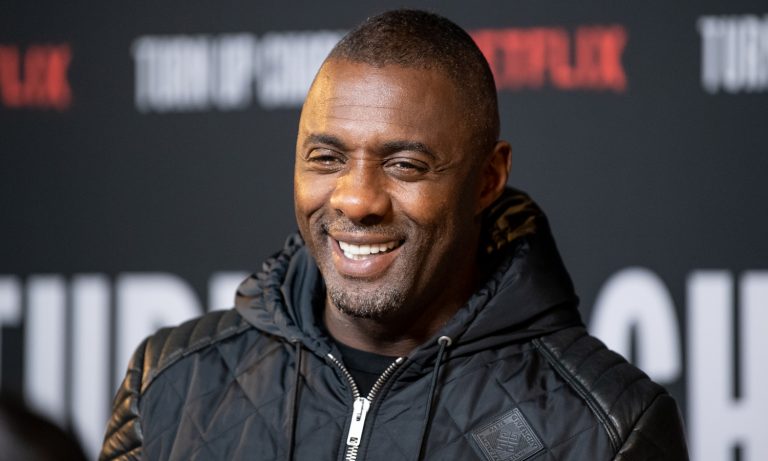
Idris Elba Talks DJ’d Meghan And Harry’s Wedding

First off, if you didn’t know hot hunky actor Idris Elba was a DJ in addition to his Hollywood movie career, now you now. With that out of the way, let’s talk about how he snagged himself a prime DJ gig on May 19, 2018.

As a friend of Prince Harry — the two met while working for a charity called The Prince’s Trust — Elba was asked to DJ his wedding reception.  “I was like, ‘Is this a joke? Are you joking?’” Elba told Ellen DeGeneres back in March. “And he’s like, ‘Serious.’”

RELATED: Meghan And Harry Reveal Never-Before-Heard Details About Their Wedding

So what did Harry and Meghan Markle dance to? “Meghan sent me a playlist with some bare tunes on it,” Elba said during a recent interview with BBC Radio 1Xtra. And while he maintained tight-lipped about the playlist, he did reveal that “I Want to Dance With Somebody” by Whitney Houston was included.

https://giphy.com/gifs/bbc-royal-wedding-royalwedding-jwKgs2Pmyv2vjnT6S9

“There was some West Coast on it. That’s all I’m saying.” US Magazine previously reported that Elba played “Never Too Much” by Luther Vandross during the reception, while Meghan danced with her girlfriends.

When asked by BBC Radio 1Xtra if he played any rap, like Snoop Dogg, Tupac or Dr. Dre, Elba laughed, “I’m not gonna put their business out like that, that’s not fair! Ask Meghan and Harry.”

Idrissa Akuna Elba  is an English actor. An alumnus of the National Youth Music Theatre in London, he is known for roles including Stringer Bell in the HBO series The Wire (2002–2004), DCI John Luther in the BBC One series Luther (2010–2019), and Nelson Mandela in the biographical film Mandela: Long Walk to Freedom (2013). For Luther, he received four nominations each for a Golden Globe Award for Best Actor and a Primetime Emmy Award for Outstanding Lead Actor, winning one of the former.

Universities Worry Athletes Might Partner With Marijuana Brands

Over the past several years, a major conversation in college sports has been whether university athletes should be financially compensated or not. This argument has proposed multiple solutions, including universities offering athletes a spend-as-you-wish stipend or a trust of sorts that athletes pull from following graduation. The simplest and most compelling choice, in this writer’s opinion, is allowing individuals to benefit from selling their likeness in merchandise, brand sponsorship, and advertising.

A bill is currently circulating in California that would make this last option possible. The legislation has passed a couple committee hurdles already and appears like it will eventually receive a full vote from the state’s Assembly. The NCAA, the regulatory body that oversees college athletics nationwide, has requested and practically threatened California to delay the vote, causing one lawmakers to describe their tactics “akin to bullying.”

RELATED: NCAA Denies Football Player CBD Oil For Epilepsy 

Perhaps the funniest reason, however, universities have provided in blocking the vote is fear around athletes selling their likeness for marijuana companies. Long Beach State athletic director Andy Fee—who emphasizes his lack of opposition to the bill, though he questioned its immediate necessity—raised such objections at a recent committee hearing.

“He raised the scenarios of athletes accepting endorsements from casinos (giving the gambling industry a foothold in college sports) or marijuana products (a substance banned by the NCAA and illegal under federal law) as potential issues that should be considered,” ESPN wrote in describing his comments.

While the casino endorsement is important, as it could potentially jeopardize ethical sportsmanship, the marijuana objection is laughable. Out of any sport, the NCAA currently holds the strictest regulation for its athletes. The threshold for a positive marijuana test is 5 ng/mL; comparatively, the NFL—which only recently changed its dogwhistling tunes around cannabis—sets its threshold at 35 ng/mL. Put simply, some heavy secondhand smoke might be enough to receive a positive drug test in the NCAA.

RELATED: A Brief Celebration Of Stephen A. Smith Yelling About ‘The Weed’

But it isn’t just that the NCAA is extremely sensitive to cannabis. Football student-athletes have the most to gain should California pass its bill. College football, bar none, is the most popular of any collegiate sport and its players’ national celebrity can at times rival their professional peers. They would also benefit significantly if they were to have access to marijuana. Currently, the NFL is studying cannabis as an alternative tool to pain management and researchers have begun exploring cannabis as an effective treatment option in concussion management.

Considering that concussions and CTE—a neurodegenerative disease caused by numerous sub-concussive hits in collision sports like football—is a major issue in football moving forward, these leagues shouldn’t be so wary of a potential cannabis partnership. But then you have to ask yourself: does the NCAA care more about making the most money, or helping student-athletes? Should the California bill pass, maybe we’ll find out.

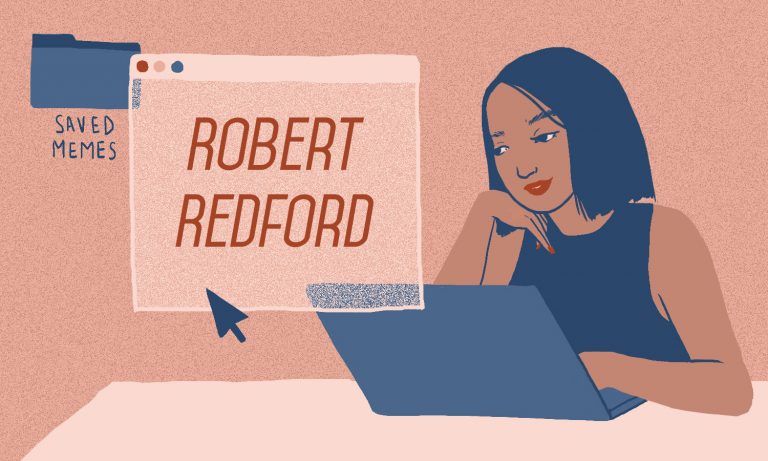
Meme Of The Week: A GIF Of A Nodding Robert Redford Confuses The Internet

There are plenty of GIFs featuring guys nodding, with some more famous and useful than others. In terms of popularity, this guy occupies one of the top spots:

RELATED: Meme Of The Week: The ‘Bottle Cap Challenge’ Is Pointless But Everyone’s Doing It

At first look, it’s obvious why the GIF has had such a long shelf life. There are many aspects of it that work: the slow soap opera-like close up, the slightly approving face, the look of a lumberjack. It all makes it a worthy reaction GIF.

The original clip is from a film called “Jeremiah Johnson”, which came out in 1972. That was a long time ago, and Robert Redford has changed a lot, making it understandable why some people aren’t familiar with him. That’s disturbing enough. But there is apparently a large group of people who mistook Redford for Zach Galifianakis, which kind of makes sense, but mostly doesn’t.

https://giphy.com/gifs/creepy-beard-zach-galifianakis-V6R9thgW7fimI

The ensuing confusion made a lot of people, primarily film snobs of a certain age, complain loudly about how young people don’t know shit. This is true, but let’s not fight or be snotty about it.

Check out some of the best reactions below:

RELATED: Meme Of The Week: ‘Name The Film’ Is The Latest Meme For Movie Lovers

CBD Takes Big Bite Of Cannabis Sales

It seems CBD takes a big bite of cannabis sales. According to a recent Headset market report, “Understanding the CBD market in state-legal cannabis”, CBD could potentially take up the majority of sales among non-inhalable products in legal cannabis states. If current trends continue, CBD products could even potentially become the majority of sales among the cannabis industry at large.

The data giant revealed insights into the shift in popularity and sales for CBD products, noting the passage of the U.S. Farm Bill as an important catalyst for allowing more people to access cannabis products. The report is quick to note that despite going into the mainstream, hemp-derived CBD products (now purchased at places like CVS Health Corporation (NYSE: CVS) and Walgreens) and cannabis-derived CBD products (traditionally purchased at dispensaries) are to be considered two different things.

Here are some important highlights of the Headset market report that Green Market Report finds of interest:

Google Searches for CBD

The Headset report reaches back to 2015, citing data from Google searches for CBD. At the start of that year, Google searches for CBD were nil. Google searches for CBD were at an all-time spike in May of 2019, representing a 100% increase of when CBD first hit the Google searches later in 2015.

A Non-Smoking Experience

While the cannabis industry is characterized by smoking and inhaling cannabis products like traditional cannabis buds or flower and concentrates, the CBD trends are showing that one-third of CBD sales are going to non-inhalable products. Customers are demonstrating a preference for edibles, topicals, tinctures, and sublinguals. Headset suggests that “the CBD market is expanding on top of the existing market for high-THC, psychoactive inhalable products, rather than inside it.”

RELATED: How To Find High-Quality CBD Oil

The report also states that there is a “new and distinct customer base” that is more health-conscious, preferring to stay away from pre-roll and vapor pen products.

CBD Product Categories

Within the non-inhalable CBD products category, Headset compiled data from Washington and Colorado and saw that there are 5 emerging product categories: Beverages, Capsules, Edibles, Topicals, and Tinctures & Sublinguals.

CBD products have experienced a surge in growth in the past 12 months in comparison to tradition, THC-based products.

CBD Edibles have always had the highest market share and retains this position, with customers gravitating to high CBD products. CBD Edibles experienced a 43.9% growth this year, compared to 24.8% growth for non-CBD edible products. Almost 50% of dollars spent on all edibles in 2019 were spent on CBD Gummies. Within the edible product category, honey, sugar, and sweeteners, CBD products made up almost 1/3 of the proportion of overall sales.

RELATED: 5 Must-Have CBD Products

Capsules are not showing much growth in the overall product categories. Headset speculates that this is because capsules are “usually associated with medical conditions” and that CBD is used as therapy rather than a full-on medication.

Tinctures and Topicals & Sublinguals are the dark horse of the CBD market, once having just a tiny sliver, and now taking a giant slice, growing nearly 60% in sales in the past 12 months in comparison to high-THC infused products’ 10% increase.

Headset suggests that “if your company is producing Gummies, but not CBD Gummies, you may want to adjust course”.

Opening Wallets for CBD

Average item price (AIP) and the number of products people are adding to their basket in the CBD category (basket penetration) are rising concurrently.

Since 2015, CBD went from only 3% of baskets to 7% in 2019. Average item price also is rising with the interest in CBD, indicating that “consumers aren’t only more interested in CBD, but also more willing to spend money on it”.

This article originally appeared on Green Market Report.

Good News If You Want To Work In The Cannabis Industry

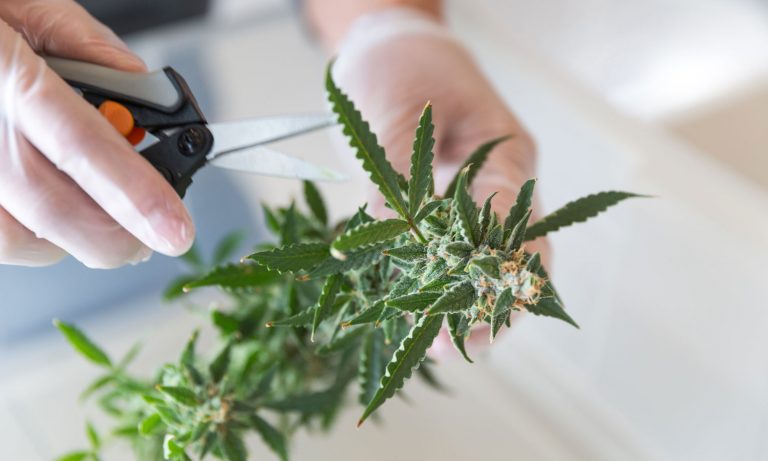
It has been said that marijuana is the new coal, that it’s the latest of industries to emerge in the past few decades, outside of the tech world, that really stands to create as many jobs, if not more, than the heyday of the coal industry. Weed is already proving to have this potential.

There are hundreds of thousands of people employed through the cultivation and sale of marijuana in states where it’s legal. Not only does it presently employ more people than coal, but also textiles and breweries, according to a report from Yahoo! Finance. So it stands to reason that the legalization of marijuana on the national level would only create more opportunities for Americans.

There are a variety of jobs available in the cannabis industry. On the manufacturing and distribution side of it, companies need workers to assist them in growing and processing plants and running dispensaries. There is also a high demand for people to help in auxiliary business (real estate pros, engineers, contractors, attorneys, security personnel) to help build and keep cannabis companies fully operational and compliant with state law. These types of jobs are incredibly important to the function of the industry. And, in a lot of ways, while the people in these roles are responsible for keeping the bud business moving forward, these positions are often overlooked.

RELATED: Work With Weed: 5 Hottest Jobs In The Marijuana Industry

The cannabis industry requires a certain level of talent with respect to the drafting of schematics for cultivation centers and retail outlets. There is also demand for electricians to install lighting systems in these places, scientists, tech wizards, marketing and advertising pros — the list goes on. Of course, these types of jobs are not ones that can be done by the average person walking in off the street. A lot of these positions require advanced education and training. But the payoff can be big. Some of these professional positions come with salaries of $200,000 or more per year

Well over half the nation has legalized marijuana in some form or fashion. There are now more than 30 states with medical marijuana laws on the books, while 11 others, including the latest additions, Michigan and Illinois, have legalized it for recreational use. There is even hope that the District of Columbia will find its way to a retail pot market relatively soon. This means there are always new opportunities to find work in the cannabis sector. It’s just one of the reasons that, even without federal support, it is still considered one of the largest growing job sectors in the United States. 

RELATED: Cannabis Industry Could Create More Jobs Than Manufacturing Industry

Some reports show that the cannabis industry will employ nearly a half million people by 2021. So if you live in a state where marijuana is legalized for whatever reason, there should never be any excuse to starve. 

Even if someone is not equipped with any particular skill set or formal training, the industry still needs manual laborers. Some of these jobs can start between $12-15 per hour. There have been reports over the years of restaurants and other hospitality companies in legal marijuana states struggling to find workers because many of them have found that they can earn more money working in cannabis (close to double the pay) than they can washing dishes and parking cars.

A report from Glassdoor finds that cannabis workers earn 11% more than the median U.S. salary of $52,863. This is good news for those people who find themselves “hating” their present job (85 percent of Americans do) and looking to make a change, or simply trying to better their situation. Even if marijuana isn’t legal in your neck of the woods now, just give it time. It will be.

Royal Polo Photos Staged And More

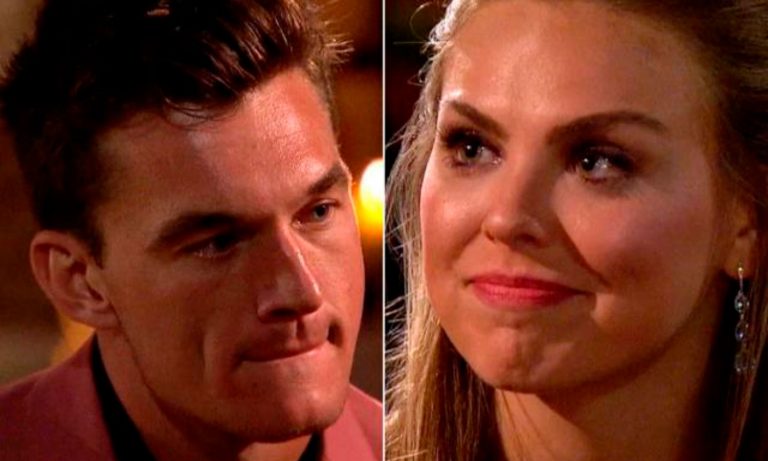
Hannah Brown Tells Tyler Cameron She Doesn’t ‘Want to Go into the Fantasy Suite’ with Him

Via PEOPLE:

In PEOPLE’s exclusive sneak peek at Monday’s episode of The Bachelorette, Brown drops a major bomb on Cameron during their one-on-one date: She’s not sure she wants to go into the Fantasy Suite with him.

“I feel like our relationship has been so fun, so easy getting to know each other,” Brown, 24, tells Cameron, 26, over dinner. “But there is a concern for me about our physical relationship. It is a huge part of our relationship.”

While Brown admits that she is “so captivated about being around you and you holding me and kissing me — like, I just want that, I do,” there’s something missing.

“So I have to kind of reset myself sometimes and think, Okay, that’s great. You know that [the physical aspect is] there. But like, it has to be more,” she tells him.

RELATED: Science Explains How Marijuana Inspires Awe 

As Cameron remains quiet and processes what Brown is saying, she pulls out an envelope.

“I don’t want to go into the Fantasy Suite,” she finally says.

https://www.instagram.com/p/BztmvgVj9ix/

Photos from the Royal Polo Match Were “Orchestrated”

Via InStyle:

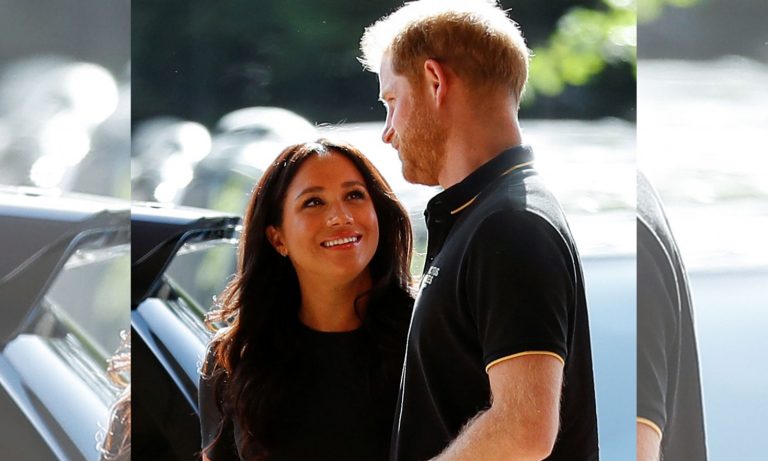
The Cambridges and Sussexes had a big day out on Wednesday, with both families coming together for the King Power Royal Charity Polo Day in Wokingham, England.

All seemed well and downright fun — Prince Louis wore Kate Middleton’s sunglasses! Prince Harry and Prince William smiled amid a game of polo! Meghan Markle and her royal sister-in-law did not appear to shudder at the sight of one another!

But alas, not everyone’s convinced of the royal quartet’s authenticity in the face of high media stakes.

https://www.instagram.com/p/BzxI32LHLE-/

Royal commentator and author Duncan Larcombe told Nine News Australia he thought the ordeal was “carefully orchestrated,” noting, “There are always photographers at these polo matches.”

“They all looked very happy today, so it’s against the backdrop of the rift of course,” Larcombe continued.” That being said, he thinks, “They may not be the best of buddies.”

https://www.instagram.com/p/Bzw4zncpiyw/

“I think they’ll be rather pleased with those pictures,” he said, explaining that the photos may work to overwrite the negative perception inherent in the Duke and Duchess of Sussex’s decision to separate from their shared Royal Foundation.


Underage Sexting A Concern Study Reveals

0

Sexting has been adopted by people of all ages. The most concerning part of this for parents is the fact that it has greatly affected teens and the ways in which they communicate. Reuters reports that at least 1 in 4 teens is receiving this kind of content in their DMs and emails, while 1 in 7 are active participants.

RELATED: Threesome Apps Are Real, But Do They Work?

A study titled Sexting in Youth: Cause for Concern? posits that this is a phenomenon that shouldn’t worry parents, since it’s a common and normal part of growing up. Sending nudes and messages with sexual content can be part of healthy sexual exploration. As technology continues to grow, it’ll become a rite of passage.

“[Adolescents’] exploration of their sexual identity is not only normal, but a developmental and biological imperative,” explained lead author Jeff R. Temple to The New York Post. The study takes the stance of educators who are becoming more and more convinced that preaching abstinence is the worst form of educating children. These people prefer to teach them about the appropriate and smart way of engaging in these behaviors.

“One of the basic rules I always talk about is know your angles — and I don’t mean figure out which way you’re going to look best,” says sex educator Cassandra Corrado. She educates students, mostly college freshmen, and explains them that they should take photos against backgrounds that are neutral, and that they should cover up birth marks, freckles and tattoos.

Other educators who teach younger students are trying to deepen this conversation and think critically about sexting, teaching them technological tips that could protect them in awkward situations, such as protecting their devices with passwords and avoiding storing their images in the cloud.

RELATED: Too Tired For Sex? Try These 5 Things

While there are some adults who believe that sexting should be treated from the legal angle, emphasizing on the dangers of child pornography, this growing perspective on teen sexuality is one that will surely educate many and reduce the dangers of spreading nudes.

Meghan Markle Is Being Mom Shamed For Doing This In Public

It’s been a tough week for the Duchess of Sussex. Meghan Markle is being mom shamed for doing this public. She was called out for her “prima donna” antics at Wimbledon when her security team made it clear that nobody would be snapping photos of the Duchess. She was also criticized for wearing casual jeans and a blazer, an outfit that is deemed unsuitable for her ilk to wear at a high-profile event like Wimbledon.

Preceding her son’s christening on Saturday, she and Harry were shamed for keeping the ceremony under wraps, including the identity of Archie’s godparents.

RELATED: This Person Has Reportedly Been Named One Of Archie’s Godparents

And now, after making a surprise appearance at a charity polo match on Wednesday, she’s being shamed once again for her parenting skills, specifically how she was holding baby Archie, with little neck and back support. “She can’t have any maternal instincts at all,” Tweeted one hater. What do you think?

https://www.instagram.com/p/BzvZa7mHi1f/

https://www.instagram.com/p/BzvijxJIkii/

https://www.instagram.com/p/BzvcPgYIeaF/

RELATED: Here’s When We Can Expect Baby No. 2 From Meghan And Harry

While some were quick to point out Meghan’s unfitness as a new mother (emphasis on the “new”), others came to her defense, tweeting:

All this shaming of Meghan Markle is getting beyond pathetic. Whatever she does is wrong in the eyes of some. The latest being she can’t hold her own baby properly.

I applaud her for bringing her 2 month old with her to a Polo match. That’s a first, most 2-month-old royals would be with their nannies. Hats off to her for being hands on. You go girl. Forget the naysayers.

Parenting expert Lucy Shrimpton came to Meghan’s defense, telling Yahoo Style U.K. that there was nothing wrong with the way she was holding her baby.

”While parents will adopt their own styles of holding and comforting their babies in a range of ways, the way Meghan is pictured holding Archie is actually a commonly recommended hold.

Shrimpton said babies are comforted by the holding style Meghan was using. “So long as the face is to one side, which Archie’s is, this is a wonderfully soothing way to hold to a baby.”

The Connection Between Cannabis And Fertility

While cannabis has been shown to help enhance one’s sex life, the question remains about the efficacy of cannabis for those trying to conceive. A newly released study published by the Canadian Medical Association Journal highlighted four key findings about the impact of cannabis use on fertility. 

  • Tetrahydrocannabinol (THC) acts on the endocannabinoid system, which is ubiquitous in reproductive tissues. THC activates the cannabinoid receptors, which are part of the endogenous endocannabinoid system found in the hypothalamus, pituitary, and internal reproductive organs in men and women.
  • Marijuana use can decrease sperm count. Those men who smoked cannabis more than once a week in the proceeding three months had a 29% reduction in their sperm count.
  • Marijuana use may delay or inhibit ovulation. On average ovulation was delayed by 1.7 to 3.5 days among those women who smoked cannabis more than three times in the three months before the study. 
  • For couples with subfertility or infertility, the changes in sperm count and ovulation caused by smoking cannabis could make it more difficult for them to conceive. However, fore those couples who did not have infertility issues, smoking cannabis did not significantly affect time to pregnancy. 

Furthermore, some scientists suggest the effects of marijuana on fertility appear to accumulate over time. This means that by the time a chronic marijuana smoking woman is in her mid-20s, she might be more likely to experience a delay in getting pregnant.

RELATED: Does Marijuana Affect Sperm Count In Healthy Males?

Other studies seem to dispute at least some of these findings. For example, a 2018 study conducted by Boston University School of Public Health researchers and published in the Journal of Epidemiology and Community Health (JECH) surveyed over 

4,000 women and 1,125 of their male partners. This study concluded that cannabis use by men and women does not appear to lower a couple’s chances of conceiving. 

Also, research led by the Harvard T.H. Chan School of Public Health indicated that men who have smoked cannabis at some point in their life had significantly higher concentrations of sperm when compared with men who have never smoked cannabis.

RELATED: Reality Check: Does Using Cannabis Damage Your Fertility?

According to Feiby Nassan, lead author of the study and a postdoctoral research fellow at Harvard Chan School, these findings are consistent with two different interpretations. “The first being that low levels of marijuana use could benefit sperm production because of its effect on the endocannabinoid system, which is known to play a role in fertility, but those benefits are lost with higher levels of marijuana consumption. Nassan also stated, “An equally plausible interpretation is that our findings could reflect the fact that men with higher testosterone levels are more likely to engage in risk-seeking behaviors, including smoking marijuana.”

What these studies indicate is that additional research is needed on the effects of cannabis on fertility. Presently, there are few human studies on cannabis and fertility. Furthermore, self-reported studies are not reliable due to the illegal nature of cannabis in many states and countries, as well as the inability to provide quality control.

Data Suggests Genes To Blame For Marijuana Paranoia

Weed makes me paranoid. I ate an edible once and became super panicky and I never want to use cannabis again. Marijuana’s supposed to calm you down, but it always makes me feel the opposite.

You’ve probably heard such remarks ⁠— or said them yourself ⁠— in recent years as cannabis inches closer to becoming a mainstream recreational activity. While we’ve leapt forward considerably in our understanding of how cannabinoids interact with out endocannabinoid system and how cannabis can positively impact various medical symptoms, we haven’t yet cracked why marijuana makes some people chillax and others not so much.

Thankfully a new study might point to some answers. Scientists from Western University in Ontario, Canada published a paper in Scientific Reports that explored the “divergent psychological effects” produced by marijuana’s psychoactive cannabinoid, tetrahydrocannabinol (THC).

RELATED: Your Brain On Weed: Concussions And Cannabis

“There is not too much known about why there is such differences in response to THC,”  researcher Steven R. Laviolette told Yahoo! Lifestyle. “We know a lot about the long-term and short-term effects…But there is very little known about the specific areas in the brain that are responsible for independently controlling those effects.”

To break it down, Laviolette and his colleagues tested the psychological reactions the brain underwent by using rat test subjects. Depending on what area of someone’s brain registers the highest sensitivity to THC, you might experience a different neurological response. Researchers found that it reacts in a front-to-back system.

If it’s your brain’s anterior (the front) that’s most sensitive to THC, consuming marijuana will elicit positive effects (euphoria, relaxation, laughter). But if it’s your brain’s posterior (back) area, you’ll feel more negative effects (panic, scattered thoughts, paranoia).

The study suggests that your reaction to cannabis, positive or negative, is tied closer to your genetics than anything else. That conclusion stands in contrast to an earlier 2014 study from Oxford University that reasoned anxiety and low self-esteem were culprits in determining if a cannabis user would experience negative reactions. But Laviolette and colleagues suggest something more reassuring to those who panic when high — it’s not your fault.

RELATED: Marijuana Legalization Discourages Teenage Use, Study Finds

“Once we figure out what molecular pathways are causing those effects in different areas, then in the longterm we can work on modulating THC formulations so they don’t activate those specific pathways,” Laviolette told Yahoo!. “That’s the really long-term goal of what we’re trying to do here.”

Next, Laviolette and fellow researchers will attempt to duplicate their experiment using human test subjects. While that’s easier said then done, Laviolette admitted, he hopes this research will go a long way in helping the general public make better decisions around their cannabis consumption.

Don't Miss Your Weekly Dose of The Fresh Toast.

Stay informed with exclusive news briefs delivered directly to your inbox every Friday.

We respect your privacy. Unsubscribe anytime.