Tuesday, June 23, 2026
Home Blog Page 827

How Medical Cannabis Can Be A Silver Bullet For Neuropathy

Neuropathy is a generalized term which signifies exhibited symptoms of nerve damage in human beings—neuropathic pain is one of these symptoms. Neuropathy pain arises from a wide variety of sources that all stem from nerve injury, including: “diabetes mellitus…infections, alcoholism, traumatic injuries, autoimmune diseases, medications, infections, tumors, and inherited disorders”. Due to the aforementioned life afflictions, neuropathy manifests in different ways depending on the sort of nerve damage involved with each specific case. When a patient’s neuropathic symptoms are manifested in the form of physical pain, the resultant condition is often referred to under the umbrella term of “chronic pain”. Taken as a whole, neuropathy and neuropathic pain have no cure—modern day medical research into these disorders exists to better the lives of those patients suffering from these afflictions. For the most part, doctors and patients are looking to medical marijuana as a non-addictive, unobtrusive pain medication that stands in stark contradiction to opioids and other debilitating prescription drugs.

Studies And Debates: Medical Marijuana And Neuropathic Pain

In 2014 the World Congress assembled in Buenos Aires, Argentina to discuss the scientific validity of medical marijuana as a pain medicine—neuropathic pain was one of the disorders discussed at the assembly. Mark Ware, who works as “a pain clinician at McGill University, Montreal, Canada” represented the pro-cannabis side of the symposium. Interestingly, Ware argued that medical marijuana is beneficial in neurological pain management as THC and CBD react with the theoretical and somewhat contested endocannabinoid systems in the human body. To illustrate, Ware stated at the assembly: “Throughout the nervous system, endogenous cannabinoids act as synaptic circuit breakers…Because their receptors are widespread, cannabinoids, whether endogenous, plant-derived, or synthetic, regulate neurotransmission in many circuits, including pain producing pathways”. Speculation and scientific jargon aside, there seems to be enough evidence of the beneficial effects of cannabis in relation to neuropathic pain to warrant more research.

Various studies have shown that medical marijuana has proven efficacious in lessening pain levels for neuropathic pain patients where other prescription medications have proven un-effective. To illustrate, patients afflicted with diabetes, multiple sclerosis, cancer, central neuropathic pain, and HIV all report that various forms of cannabis use greatly reduce their pain symptoms. More specifically, a similar study reports that smoking marijuana was reported effective for pain management in “12 of 15 chronic pain patients”.

Organic Vs. Synthetic THC And CBD Compounds

In a little known arena of the medical marijuana movement is the fact that FDA approved, synthetic THC compounds have been both legal and prescribed in the United States since 1985—a majority of mainstream medical studies into cannabis have been a result of these drugs. For the most part, these synthesized marijuana compounds have been only prescribed to treat nausea and anorexia for terminally ill cancer and HIV patients. However, many doctors prescribe these meds for chronic / neurological pain as well, even though it is not explicit on prescription labelling and paperwork. Moreover, the Canadian medical field has developed and prescribed a pain medication derived from synthesized THC and CBD that they labeled “nabiximols”.

In a somewhat ironic twist, many medical professionals feel that synthesized cannabis products are safer, for both the short and long term use, than traditional plant-based organic cannabis flowers. The irony in this concept is evident as the U.S. government has only allowed for medical testing in relation to synthesized THC and CBD compounds, while criminalizing the use of a simple plant.

Canadians With Marijuana Convictions Will Still Have To Wait For Pardons

Canadians have a lot to celebrate, as the country is now one of only a few in the world to legalize cannabis.

But for those with pot possession convictions, they’ll still be waiting for the opportunity to even apply for a pardon, The Globe and Mail reports.

Canadian Public Safety Minister Ralph Goodale said at a news conference today that the Liberal government plans to have legislation for the application process for pot pardons before 2019. But, it will take time for that legislation to become law—not to mention the length of time an application would take to process once the supposed system is in place.

That likely means Canadians who’ve been convicted of possession of cannabis under 30 grams will not begin to be pardoned until next year.


View this post on Instagram


A post shared by Justin Trudeau (@justinpjtrudeau) on

“The laws with respect to cannabis that have existed historically, we believe, are out of step with current mores and views in Canada, but are not of the same nature as the historic, social injustice that was imposed in relation to the LGBTQ2 community,” Goodale said. He referenced how those who were convicted of crimes in Canada before 1969 related to homosexuality had their records expunged due to “profound historical injustice.”

The application for pardons for simple cannabis-related convictions in Canada are to be free of charge and will not include a prerequisite waiting period following sentence served, according to Goodale.

“As a general principle, removing the stigma of a criminal record for people who have served their sentence and then have shown themselves to be law-abiding citizens enhances public safety for all Canadians,” he said.

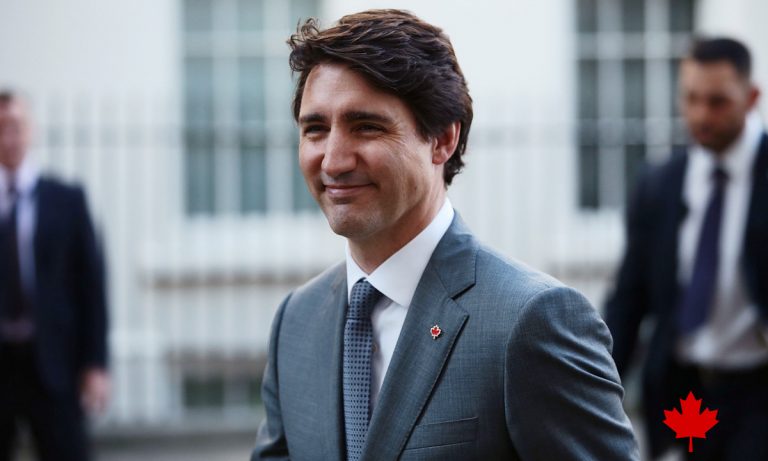
Before entering a caucus meeting, Canadian Prime Minister Justin Trudeau told reporters that pardons will make a “real difference,” according to CTV News. However, when confronted with pardons will not being available immediately, he said it would’ve been “irresponsible” to make moves before cannabis legalization.

As for how pardons for cannabis possession convictions could affect Canadians bearing them who will be crossing the U.S. border, Goodale said these would not necessarily eliminate potential issues.

“The Americans determine their own processes and procedures… Obviously, we will be watching closely to ensure the experience at the border is a good one—but the fact of the matter is that they can establish their own rules,” he said.

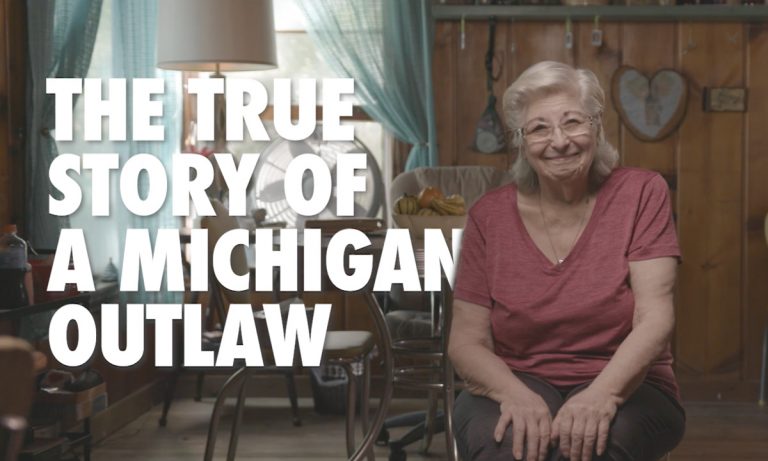
WATCH: True Story Of The 80-Year-Old Michigan Marijuana Outlaw

Michigan may be on the verge of legalizing adult-use marijuana this November, but as one 80-year-old local woman learned, the law of medical marijuana use only is still enforced in the state. Mrs. Saltzman Goes to Jail, a documentary from Racing Horse Productions, tells the story of Dolores Saltzman, who uses cannabis to treat her chronic pain and arthritis. But in June 2018, she was arrested because her marijuana card had expired.

“I started using marijuana because it did this wonderful thing for me,” Saltzman says in the documentary.

Her story showcases the absurdity of our present law that police officials must enforce. The officer who knocked on Saltzman’s door handcuffed and put her in jail, after smelling cannabis from her house and learning of Saltzman’s expired card. Sleeping the night in a cold cell placed stress on her arthritis and she claims it took her two months to rid herself o the cold in her body.

Emmy-nominated director Rebecca Richman Cohen managed to get Sheriff John Wilson to appear on screen for an interview. He was adamant in defending the actions of his officer.

“I mean, morally in this country, we don’t want to put this old lady in jail,” Wilson said. “But if the officer doesn’t enforce the law with her and the 25-year-old gets in trouble for it—that’s not good fairness across the board.”

The latest poll from the Detroit Free Press found that 55 percent of Michigan voters supported full legalization of recreational cannabis.

New Dating Show Requires Couples To Have Sex Immediately

0

So much for romance. A new dating show forgoes dating entirely in order to get couples into the sack as soon as they meet. Like, potentially before they even exchange names.

“Making Love” premiered at MIPCOM, the world’s biggest TV market in Cannes, France, when they unveiled the concept of having total strangers have sex before deciding if they like each other. This is Tinder’s world and we’re just living in it.

According to the AFP (Agence France-Presse) the show’s French producers said it has brought together “scientifically-matched singles” to ask the essential question, “Could making love make you fall in love?” and pitched the show as “a ground-breaking experiment into how humans fall in love.”

Behind the (bedroom) door cameras have captured the new couple’s every move, every awkward moment,” the producers said, before pulling away at the last minute only to reappear in the post-coital glow — or gloom. Contestants can then hurry into the bathroom to debrief the audience on just how their new partner performed.

The show’s trailer promised that “We will follow the daters over the next few weeks to see if the pair remain friends-with-benefits only or will they chose to get to know each other and start a relationship.”

The format is said to be one of several new series which are likely to pop up on TVs across the globe in the next few years.

[h/t New York Post]

Canadians Can Now Legally Use Marijuana In National Parks

It’s legalization day in Canada, and adult Canadian citizens are now able to possess, purchase and consume cannabis without fear of incarceration, fines or even a slap on the wrist. People are bound to be celebrating with their favorite method of imbibing across the country, and if they want to, they can toke up in a national park to rejoice.

What better way to celebrate the freedom of one of nature’s finest plants than to settle down on a grassy patch, pitch a tent, light a fire and then spark up a nice, legal jay? Though residents will want to pull out their maps and search the internet for regional laws, officials have stated that if it’s okay to consume alcohol at the campsite, weed is cool too.

Parks Canada treats individual campsites like they are the home away from home campers want, said Marie-Helen Brisson.

“Consumption of cannabis will be permitted in campsites,” Brisson continued. “However, consumption of cannabis will not be permitted in common areas within campgrounds such as playgrounds, kitchen shelters, washrooms, trails, parking areas or roads.”

So no fooling around on the swing sets and slides while toking, but feel free to get lifted in your little patch of woods before taking over said playthings – as long as there aren’t any kids already playing or waiting their turn! It may be a day of rejoicing, just be fair and share the toys.

As an example of how municipality rules may affect park rules, consider Banff National Park, which will follow municipal and provincial regulations. “At Parks Canada locations in the Town of the Banff…it would be the same as within the Town of Banff, so smoking or vaping would be prohibited there,” explained Greg Danchuk, manager of visitor experience for Banff National Park. “The rest of the park, outside of the Town of Banff, we’re taking an approach that’s consistent with the province of Alberta.”

If you do go camping overnight, be sure to tamp out the fire before hitting the hay and make certain that all munchies are safely packed away. Though Yogi Bear never got high in his adventures, he sure did love his picnic baskets and the last thing you want as a buzzkill is a massive bear chowing down on the remnants of your celebratory s’mores…

Happy Legalization Day, Canada!

Legal Cannabis Vs. Black Market: Can It Compete?

The Oct. 17 launch of legal recreational cannabis in Canada brings many challenges. Retailers are now worrying about possible product shortages or web site glitches. Governments are still debating how to handle amnesties, impaired driving, and workplace safety.

But legalization day also marks the start of several interesting competitions. Some resemble those in other industries; others are unique to cannabis.

The most important one from a public policy perspective is the competition between legal cannabis and black markets. Squeezing-out illegal suppliers is a key legalization goal.

The black market’s head start

As I’ve noted before, it’ll be tough to lure customers away from established illegal vendors. For one thing, cannabis-infused foods and drinks aren’t yet legal. Black markets will monopolize those products for another year.

Dried cannabis and oils are legal now but may experience shortages. But those should disappear next year as more growers become operational.

Places to legally shop are also scarce in most provinces. Québec only has 12 stores open and Ontario won’t have any brick-and-mortar stores until spring. By contrast, Alberta has a hundred stores opening this month. As store counts grow, legal cannabis will grab more market share.

Pricing also handicaps legal vendors. They must pay fees and taxes while competing with street prices around $7.20 per gram.

However, legal cannabis might eventually undercut illegal weed. Mass production is already reducing per-gram growing costs below $0.75 and is heading for $0.20. Moving production to countries with lower wages and warmer climates could drop that to $0.05.

Promotional marketing could give legal cannabis an advantage. But federal law restricts advertising to “informational” purposes; no cartoon characters or happy puppies. That makes it harder to build brand reputations.

The pre-existing “gray-market” dispensaries further complicate the legal-illegal competition. Will most close or go legit? If not, they’ll provide another challenge for legal retailers.

New or established, storefront or online?

Competition is also beginning among legal vendors, especially in Alberta. Will speciality chains, independent shops or established grocers prove most popular? Will consumers prefer stores with coffee-shop vibes, clean clinical looks or retro-hippy styling?

A potentially fascinating competition pits brick-and-mortar versus e-commerce. In many retail sectors, physical stores have struggled (or gone bankrupt) against online competitors. But now we’re seeing hundreds of new cannabis storefronts open, despite every province also selling pot online.

To succeed in this rivalry, cannabis store staff will need to offer good customer service. Online vendors must correspondingly provide well-designed web sites.

Privacy concerns will influence this competition. Some consumers won’t want friends or coworkers seeing them buy cannabis. They’ll prefer the anonymity of buying online.

Other shoppers may worry more about online privacy. Typing names and credit card numbers into cannabis web sites might lead to problems later, perhaps at the U.S. border. Some folks will prefer paying cash in physical shops instead.

Both rivalry and synergy could arise between medical and recreational cannabis. Some medical users may switch to recreational products for convenience or variety. Conversely, people trying recreational weed may find it therapeutic and later get prescriptions. Such crossovers could boost sales of both products.

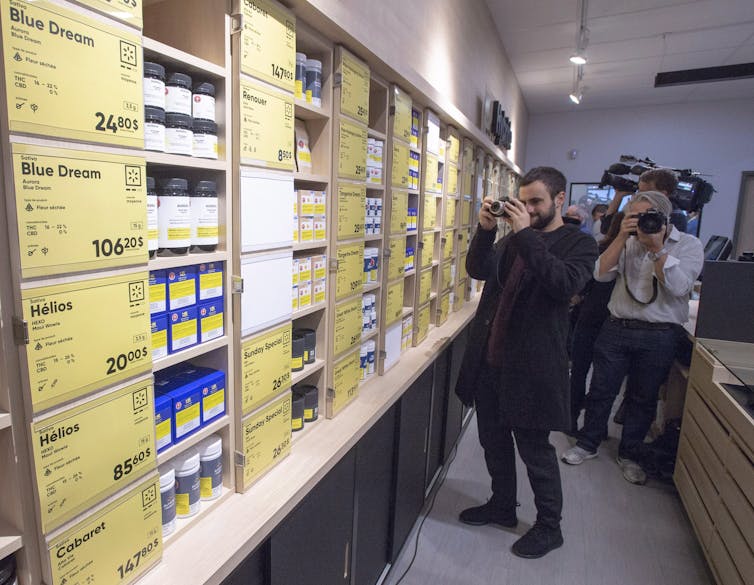
Photographers take pictures of the products during a media preview at the Société québécoise du cannabis store Tuesday, October 16, 2018 in Montréal. THE CANADIAN PRESS/Ryan Remiorz

Producers and products compete

The big-money competition is among cannabis producers. They’ve scrambled for skilled workers. They’ve raced to take-over greenhouses, chocolate factories, and even indoor soccer fields for growing spaces. And their stock prices have soared.

But all that’s been mere warm-up. Now their recreational products and business strategies finally go head-to-head.

Whose products will prove most popular? Will most consumers opt for a mild buzz, powerful highs, or therapeutic effects? Will sales of cannabis buds and oils be eclipsed by value-added products like cannabis foods and beverages when those become available?

Which managers have built the strongest firms? What’s the best strategic balance between cost reduction, distinctive branding and product research?

There’s still the option (in most provinces) for consumers to grow their own cannabis. This will probably resemble home winemaking: many folks try it but few stick with it. Mind you, robotic grow-op boxes apparently can do the gardening work for you now; a cell phone app keeps you updated on the plants’ progress.

Displacing other substances?

Looking more widely, we can see cannabis-alcohol competition also brewing. Some booze drinkers will switch to pot for their buzz, especially once cannabis beverages arrive. That’s one reason wine and beer companies are investing in cannabis producers.

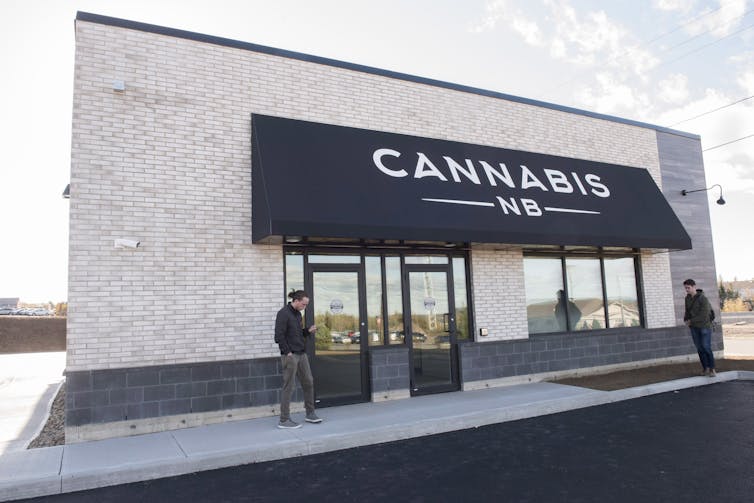
The exterior of a Cannabis NB retail store is shown in Fredericton, N.B. THE CANADIAN PRESS/Stephen MacGillivray

Other substances might see similar switching. There’s evidence that legalizing pot reduces abuse of opioids and cocaine. Might some tobacco smokers trade their cigarettes for joints too?

That brings up the even broader competition between provincial pot policies. Each government has chosen its own approach to legalizing cannabis sales and consumption.

Some provinces are keeping retailing entirely government-owned. That might bolster consumer education and harm reduction. Others are at least partly including businesses. Those may respond better to customer preferences and market trends.

The least bad policy?

Whose policy will work best? More precisely, which ones will come closest to achieving governments’ varied and competing societal objectives?

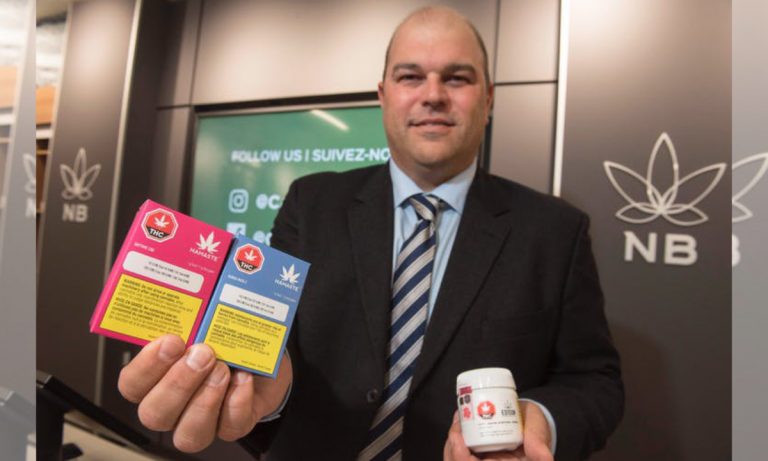
Provinces with more stores per capital will dampen their black markets best. Alberta will likely lead there, given the large number of private-sector stores expected. New Brunswick’s public-sector retail network also looks good relative to its population.

By contrast, Québec has just 12 government-run stores initially for 8.4 million residents. It’s put tight limits on consumption. And its new premier wants the minimum age raised to 21. It’s hard to see that strategy discouraging illicit dealers.

Other government decisions will also be tested. Letting municipalities ban cannabis stores may be pragmatic politically. But that lets black markets continue unabated.

Similarly, Newfoundland’s desire for a local cannabis supply is understandable. But offering a $40 million tax break to get it will look expensive if cannabis surpluses eventually materialize as expected.

So, whether you’re a retailer, consumer, government official or producer, you’ll probably find the next few weeks challenging, interesting and constantly changing, to say the least.The Conversation

Michael J. Armstrong, Associate professor of operations research, Goodman School of Business, Brock University

This article is republished from The Conversation under a Creative Commons license. Read the original article.

Your Ultimate Province-By-Province Guide For Buying Marijuana In Canada

When legalization begins Wednesday, Oct. 17, the only legal purchasable marijuana will be fresh or dried bud, oil, plants and seeds. The federal government is promising to spend the next year developing regulations around edibles (predicted by Deloitte to eat up 60% of the market when legal) and concentrates.

Even with a prescription in hand, Canadians won’t be allowed to toke up at their desk. The Smoke-Free Places Act forbids smoking in enclosed workplaces and public spaces. And don’t even think of lighting up too close to any Canadian hospital or daycare. Even still, Canada’s provinces and territories can set their own rules (as do municipalities have the right to set bylaws) on where marijuana can be sold and consumed, meaning what is allowed in British Columbia (one of the more lenient provinces) might be illegal in Quebec.

Here are the general rules, as they stand, for cannabis purchase, possession and consumption in each province and territory of Canada.

BRITISH COLUMBIA

Purchase and Possession
The province’s one government-run pot shop is in Kamloops, though private retailers will expand the market and consumer options soon. Online sales are available only through the province. To purchase and possess cannabis in B.C., one must be 19 years old. Each household (not each adult) is allowed to cultivate four private cannabis plants and adults may carry 30 grams in public. There is no limit for possession at home.

Consumption
Smoking in public is permitted here, but prohibited in cars, around children, and anywhere tobacco is restricted. In B.C., driving while high carries the same penalties as driving drunk, with the additions depending on the number of offenses.

https://giphy.com/gifs/canada-glacier-columbia-3h5jcldfZB3Pi

ALBERTA

Purchase and Possession
To buy weed online in Alberta next week, you’ll need to set up an account and submit to an age-verification process that includes uploading a driver’s licence or a verification check with credit rating agency Equifax. One must be 18 or older to legally purchase cannabis from the licensed private retail stores and government-run website. The province permits four private cannabis plants per household, 30 grams allowed on an of-age individual, and no limit for possession at home.

Consumption
Smoking in public is permitted here, though it’s not allowed in cars, around children, and wherever tobacco is restricted.

SASKATCHEWAN

Purchase and Possession
To purchase and possess cannabis in Saskatchewan, one must be 19 years old. The province permits four private cannabis plants per household and 30 grams per adult.

Consumption
Cannabis consumption is limited to private residences.

MANITOBA

Purchase and Possession
To purchase and possess cannabis in Manitoba, from either a private retail shop or the government-run online store, one must be at least 19 years old. Citizens are allowed to carry 30 grams in public, and as much as they like at home, though that does not include live plants. Manitoba is one of two provinces prohibiting the cultivation of private cannabis plants. (Quebec is number two.)

Consumption
Smoking or vaping cannabis is banned in any public place and will result in a $672 fine. Prohibited spaces include indoor workplaces, group living facilities, public vehicles including buses and taxi, work vehicles with more than two employees, and more. Smoking or vaping cannabis in a Manitoba provincial park will also be tagged with a $672 fine.

https://giphy.com/gifs/cloud-southern-shelf-RPTsNvsNaziIE

ONTARIO

Purchase and Possession
Until brick-and-mortar retail locations are established (coming April 2019), the Ontario Cannabis Store (OCS) is the only legal seller of recreational cannabis in Ontario. Ontario residents, who are 19 years and have an address in Ontario, or older can order up to 30 grams of marijuana through the OCS online portal; purchases made at any other retail outlet or online are illegal. Dried flower, pre-rolled joints, cannabis oil and gel capsules filled with oil will be available from 32 producers. There will be no seeds or seedlings on sale to start.

IDs will not be checked online but all cannabis orders from OCS.ca must be received by an adult 19 years and older with government-issued photo ID. In public, the maximum amount a person may possess is 30 grams of cannabis. At home, they may grow up to four cannabis plants per residential dwelling.

Consumption
Cannabis consumption is legal in your private residence and in public areas where tobacco smoke is allowed. It is illegal to smoke cannabis in: vehicles, boats, enclosed public places, all workplaces, common indoor areas of condominiums, apartment buildings or university residences, around hospitals and certain Ontario government buildings, schools and school grounds, childcare centers, playgrounds, and within 20 meters from the properties of a school or community center. Restaurants and within nine meters of a patio.

It is also illegal to consume around publicly owned sporting areas (except golf courses).

QUEBEC

Purchase and Possession
Purchases are made through the Sociéte québécoise du cannabis (SQDC) government retail and online sales. As of October 17, the legal minimum age to purchase in Quebec is 18; however, the newly elected government has proposed raising the minimum smoking age in the province to 21.

In Quebec, cultivating one’s own cannabis is prohibited, even for medical marijuana users, and there is a 150 gram limit per household for private possession.

Consumption
Smoking and vaping cannabis are allowed anywhere tobacco is and prohibited in health and educational institutions and around children.

Smoking in public is permitted here. Quebec’s penalties for driving while high are considered the harshest.

NEW BRUNSWICK

Purchase and Possession
Purchases go through New Brunswick retail and online sales, under the name Cannabis NB. The legal minimum age to purchase and possess cannabis is 19, and though the province limits citizens to carrying 30 grams in public, home possession is unlimited and includes four private cannabis plants.

Consumption
Want to consume cannabis in New Brunswick? Private residences are the only legal spaces to do so.

NOVA SCOTIA

Purchase and Possession
Purchases go through the Nova Scotia Liquor Corporation (NSLC), and most cannabis sales in Nova Scotia will take place inside existing liquor stores. The province permits 30 grams per every adult age 19 and over in public. At home, unlimited possession includes all legal products plus four private cannabis plants.

Consumption
Smoking in public is permitted here, but only where tobacco is allowed. You can be fined up to $2,000 for violating this law.

https://giphy.com/gifs/barstoolsports-barstool-sports-3o7TKDd0LHXb2GHHW0

PRINCE EDWARD ISLAND

Purchase and Possession
The island is using the government online and retail sales model that many other provinces are favouring. The legal minimum age to purchase and possess cannabis is 19, and the province permits four private cannabis plants per household. Possession is limited to 30 grams in public, with no limits at home.

Consumption
Cannabis consumption is restricted to private residences.

NEWFOUNDLAND & LABRADOR

Purchase and Possession
All legal online sales on the rock go through the Newfoundland and Labrador Liquor Corporation but privately-owned retail stores are opening too, and one only has to be 19 to purchase either.

Citizens are allowed to possess 30 grams in public and an unlimited amount at home, including four live plants.

Consumption
Consuming cannabis in Newfoundland and Labrador is limited to private residences only. In Newfoundland & Labrador, those caught driving while high are subject to the same penalties as drunk drivers, with some additions.

NUNAVUT

Purchase and Possession
The territory will sell cannabis online and by phone once it’s legal. Possession is limited to 30 grams in public, and any amount at home, including four plants.

Consumption
Permitted in private residences and in public spaces where tobacco is allowed. Prohibited in areas frequented by children—playgrounds, parades and other outdoor public events.

NORTHWEST TERRITORIES

Purchase and Possession
All cannabis sales will go through the Northwest Territories Liquor and Cannabis Commission, though private retail may be on the way. Citizens must be at least 19 years old to purchase or possess cannabis legally; 30 grams in public and no limits at home.

Consumption
Cannabis consumption is permitted in private residences and some public spaces, though not in cars, areas frequented by children, large crowds and designated non-smoking areas.

YUKON

Purchase and Possession
Citizens must be 19 to purchase cannabis, much of which will be done online at first. The Yukon Liquor Corporation will open one store in Whitehorse, with the province promising more private retail stores on the horizon.

Consumption
Consuming cannabis in the Yukon is permitted in private residences and adjoining properties only.

https://giphy.com/gifs/canada-aB7uleJMH5L68

Weed at the Workplace, Any Province or Territory

As far as recreational cannabis at work, this is the jurisdiction of the individual employer. Employers are seeking clarity on rules around marijuana and the workplace, with some urging the federal government to revamp the Canada Labour Code to address the issue explicitly.

Labour groups are arguing that current rules on general impairment, presumably by drugs or alcohol, in the workplace are sufficient.

Strict rules govern the drug testing of employees by their employers. The Ontario Human Rights Commission says employee drug testing can only happen in “very narrow circumstances” relating to “dangerous work environments in which people are doing safety-sensitive work.”


Ariana Grande Addressed Pete Davidson Split On Instagram; Bradley Cooper And Irina Shayk On Verge Of Breaking Up

0

ARIANA GRANDE ADDRESSED HER SPLIT FROM PETE DAVIDSON IN A NOW DELETED POST ON INSTAGRAM

She said, “time to say bye bye to the internet for just a lil bit. it’s hard not to bump news n stuff that i’m not tryna to see right now. it’s very sad and we’re all tryin very hard to keep goin. love u”

ON THE VERGE: BRADLEY COOPER’S RELATIONSHIP WITH IRINA SHAYK

After a tense NY outing last week, a source reveals that the couple have “been arguing for months.”

The insider adds, “It could be just a matter of time before Bradley and Irina call it quits.” The couple have a 19 month old daughter.

SPEAKING OUT: ROSEANNE BARR ISSUED A STATEMENT

Roseanne Barr issued a statement to THE BLAST last night after THE CONNERS premiered.

As you have probably heard, Roseanne’s character was killed off and she is NOT happy about that.

She said, “While we wish the very best for the cast and production crew of The Conners, we regret that ABC chose to cancel Roseanne by killing off the Roseanne Conner character. That it was done through an opioid overdose lent an unnecessary grim and morbid dimension to an otherwise happy family show.”

CHRISTINA AGUILERA IS HAVING A TOUGH TIME SELLING TICKETS

Not only are shows NOT selling out, scalpers seem to be taking a big hit on tickets they’re trying to unload. For a show in Chicago last night, tickets on Stub Hub went as low as $14 !

5 Strange Pregnancy Rules Meghan Markle Has To Follow

By now, we all know that the royals have some messed up protocols they are required to follow. And now that Meghan Markle and Prince Harry have announced they’re expecting their first child in the spring, one could assume the rules surrounding a royal pregnancy were jacked up a notch. And they’d be correct.

Let’s get one thing out of the way: Among other odd standing royal practices, Markle has to get used to the term “fallen” pregnant. That’s right. In Royalty Land, a woman doesn’t “get” pregnant, she “falls” pregnant. As painful as that sounds, it’s what’s on the menu among some other rather strange traditions the newlywed couple will have to get used to as they prepare to welcome the seventh in line to the throne. Here are 5 that really cause major side-eye.

Morning sickness is public record

When Kate Middleton suffered debilitating morning sickness during all three of her pregnancies, the entire world knew about it (there was even a press release from the Palace). And if Meghan suffers through the same thing, the world will be suffering right along with her. You’ve got company, Megs, even if you don’t want it.

https://giphy.com/gifs/suitsusanetwork-usa-network-suits-rachel-zane-5xtDarMi8Y8Ghx3nZ1S

Swollen feet must be hidden

Any woman who has ever been pregnant knows that water retention is part of the experience. And when you’re a normal person, you can at least relieve some of the pressure of swollen feet by wearing comfy shoes. But not royal women. Markle is going to have to make sure her toes are covered. No sandals for this gal.

Baby showers are prohibited

Sorry, Megs. Royal women don’t get to have baby showers. Royal expert Victoria Arbiter, tells The Sun that throwing an elaborate baby shower is unheard of in Markle’s new familial circle. While the royals are “very wealthy… a lavish baby shower would be seen as highly inappropriate… there’s nothing they can’t go out and buy themselves”, says Arbiter. Babble points out that unlike the U.S., baby showers just aren’t that big of a “thing” in the U.K., so Markle not having one is … not that big of a deal.

https://giphy.com/gifs/suitsusanetwork-suits-usa-l41m2DvxWjPzwQbLO

No home births allowed

Back in the day, home births were very common among royals. In fact, Prince William was the first royal heir to be born in a hospital in 1982. Since then, it’s protocol that royals give birth at the Lindo Wing of St. Mary’s Hospital, which is basically like the penthouse suite at the Four Seasons. If the Four Seasons was a maternity ward.

The Queen must be notified first

Before it can be announced to the public, Her Majesty must be told about the pregnancy first. According to The Daily Star, this  protocol was broken recently when Kate and Will announced the birth of Prince George on Twitter, versus the more traditional vehicle of an easel outside Buckingham Palace. After the Queen is informed of the royal baby news, a town crier (yes, like in the cartoons), announces it to the public. It’s a custom that stretches back to  medieval times when people couldn’t read or write.

For more unusual rules Meghan Markle has to follow during her pregnancy, check out Reader’s Digest.

Trudeau And Others Coming Out On Top With Canadian Cannabis Legalization

When Justin Trudeau was still on the campaign trail in 2015, part of his platform was a promise that his government would get to work “right away” on cannabis legalization and regulation. On October 17, that promise becomes a reality and aside from lending credibility to Trudeau’s word, it’s bound to change the entire world’s stage when it comes to cannabis.

Already geared up to be a burgeoning industry, the adult use sector is a giant win for Trudeau and the Liberal government — one that Trudeau says will keep pot out of the hands of children, keep profits out of the hands of criminals and offer a safer, social and recreational activity for all Canadian adults.

Some international mega-brands are coming out smelling like rosy terpenes as well. An early investor and thus one of the conglomerate pioneers into the fields of green, Constellation Brands — purveyors of Corona, Modelo, Pacifico, wines and spirits — has invested over $4 billion in the Canadian cannabis company, Canopy Growth. And Coca-Cola is close on its heels, looking to launch CBD beverages off their mighty platform.

Already established industries that may have become sort of stale or simply steady as she goes now have the opportunity to add to their winning game. Packaging facilities, label makers, herbal remedy companies, coffee brewers and more all have the chance to expand their wares into the cannabis sector for a good measure of market share.

Speaking of the market, the Canadian economy is bound to be another prize winning entity, with billions in projected sales making it rain tax dollars. A bolstered economy means that the people come out ahead as well, with new jobs to be had, new products to try and without the fear of incarceration for simply ingesting a non-toxic, happy little plant (or big plant, depending on the grow).

Let’s face it though, lawyers are going to be the big winners for the first few years at least. As the laws of the land vary from province to province and territory to territory in Canada, there are bound to be questions that can only be answered in court or that some disgruntled non-imbibers insist go to court. As Canada learns the new lay of the land, lawyers will be in high demand.

The biggest winners, though, are, again, the people. Not only because they can now smoke pot wherever cigarettes/vaping is allowed, but because by setting this example, this stage for the largest yet social theatre on cannabis legalization, the world opens up to more possibility and more all important research can be conducted, from how the plant affects ailments to its true risks and benefits factors.

Don't Miss Your Weekly Dose of The Fresh Toast.

Stay informed with exclusive news briefs delivered directly to your inbox every Friday.

We respect your privacy. Unsubscribe anytime.