Saturday, June 20, 2026
Home Blog Page 863

Marijuana Legislative Roundup for August 20

It was an eventful week for cannabis reform on several fronts with our marijuana legislative roundup for August 20th. Alaska and Oregon are considering legalizing marijuana consumption lounges, Denver licensing its second social-use venue, and legalization failing to make the November ballot in Oklahoma. You can read about all that and more in this week’s roundup!

Oregon

A state lawmaker in the lower house of the Oregon legislature announced last week that he is preparing legislation to allow social-use lounges statewide, though no language has yet been released. So far, no state has yet legalized such social consumption venues, though Denver has licensed one venue under a pilot program last year and such measures are under consideration in a number of states including Alaska, Washington, and California.

Meanwhile, Oregon regulators last week temporarily reduced the amount of medical cannabis that can be purchased at a time by around 96 percent in response to suspiciously large purchases and an ongoing issue with black market marijuana resulting from a glut of legally-produced cannabis. The previous limit was 24 ounces for licensed medical marijuana patients.

RELATED: Mix Up How To Consume Marijuana With 5 Fresh Ideas

Alaska

Regulators in Alaska last week released draft regulations that would allow social-use marijuana at certain licensed establishments. Under the draft rules, recreational cannabis retailers would be permitted apply for licenses to sell up to one gram of cannabis or 10mg of cannabis-infused edibles to customers to consume on the premises per person per day. A similar measure was rejected last year but municipalities across the state have urged regulators to implement such a measure to reduce the amount of public consumption.

Oklahoma

The Secretary of State announced last week that supporter of recreational cannabis had failed to reach the number of signatures needed to place recreational cannabis legalization on the ballot this year. Supporters of the measure came up short by 20,000 signatures out of a total of 124,000, having turned in just over 100,000 valid signatures. The announcement came as little surprise, since the group that was sponsoring the ballot drive had said it was unsure how many signatures it was even handing in at the time.

Colorado

Officials in the city of Denver last week licensed the second social-use venue under a restrictive pilot program approved by voters in 2015. Smoking remains illegal statewide and the rules are so onerous that few businesses have stepped forward to apply, though it is nonetheless the first program of its kind in the country.

YouTube Ads Will Soon Be Much Harder To Skip

YouTube recently announced that content creators who monetize their videos will soon have the ability to enforce non-skippable ads, a great thing for YouTubers but an annoying thing for us viewers. This measure will allow creators the ability to earn more money, since advertisers pay more for these types of ads.

According to Mashable, non-skippable ads are primed to become the website’s default. Content creators will also have some measure of control over the types of ads that appear on their videos through the use of Adsense. This service allows creators the ability to block out specific categories of ads or specific advertisers in order to appease their viewers since now they’ll have to sit through the entire ad before they can watch whatever it is that they want to watch. Which is probably not ads.

Users have mixed feelings regarding this new update. While some claim that non-skippable ads are a good way of making money and a sign that YouTube takes their work seriously, others believe that this measure will only prevent viewers from watching their stuff and believe that other video platforms, such as Instagram and Facebook, are now providing better deals.

One of the benefits of this change is the fact that ads are now shorter — just 20 seconds at most. YouTube’s announcement was first released on a video from Creator Insider, one of the website’s official channels. You can check out the full clip below.

Here’s The Science On Why Marijuana Makes You Sleepy

Falling asleep is as easy as laying down and closing your eyes. But about 40 million Americans have some sort of sleep issues and marijuana can help, but first, let’s explain exactly why does marijuana make you sleepy.

The Centers for Disease Control and Prevention considers sleep apnea and other related disorders as a dangerously hidden public health issue. According to the CDC, “persons experiencing sleep insufficiency are also more likely to suffer from chronic diseases such as hypertension, diabetes, depression, and obesity, as well as from cancer, increased mortality, and reduced quality of life and productivity.”

An estimated 10 million Americans have a prescription for Ambien or some other pharmaceutical sleep medication and 4 percent of adults report that they have taken a sleeping pill or sedative in the previous month.  Some of the more common side effects for these pills include:

  • Daytime drowsiness, dizziness, weakness, feeling “drugged” or light-headed
  • Tired feeling, loss of coordination
  • Stuffy nose, dry mouth, nose or throat irritation
  • Nausea, constipation, diarrhea, upset stomach
  • Headache, muscle pain

As more and more states move to legalize cannabis, more of us are looking at the herb as an alternative to pharmaceuticals. Studies have shown that cannabis can improve the duration and quality of sleep. A 1973 study suggests that THC reduces the amount of time it takes those with insomnia to fall asleep. Another study found that those that regularly used THC fell asleep faster.

Before you grab your bong, here are a few things you should know:

Know The Difference Between Indica And Sativa

Most regular cannabis consumers know that Indica strains provide more of a “body high.” These strains are preferred if you are looking to relax and sleep. Sativa strains are provide a more upbeat experience and can often interfere with sleep.

Ask your budtender for help identifying “sleep strains.” You may have to do a little of trial and error before you find the right strain for you.

The Cannabis Combo

The science of why cannabis promotes sleep is not entirely clear, but some research suggests that the terpenes in cannabis are doing the work. Terpenes are the aromatic compounds in marijuana and they interact with your body in favorable ways.

The terpenes found in lavender and chamomile both promote sleep. Working in combination with cannabis, a soak in a lavender-infused bath or a cup of chamomile tea before bed may work. Aromatherapy is another option.

Beware Of The Edible “Hangover”

Edibles are another great way to get a good night’s sleep. These typically pack a stronger punch and stay in your system much longer than smoked marijuana.

The downside of edibles? Since the cannabinoids are processed differently and stay in your system longer, you may wake up still feeling the effects of the dose. Typically, the high dissipates after a hot shower and a cup of coffee or tea.

PTSD Sufferers: Take Note

Studies have also found that cannabis is effective for treating nightmares in military personnel with PTSD. Many veterans use cannabis as a sleep aid in order to keep the nightmares at bay. If you suffer from PTSD or anxiety, cannabis may work for you.

Final Thoughts

There are now 29 states that have a medical marijuana program, but not one include sleep disorders as a qualifying condition. Why? There simply is not enough research. But if you want to steer clear of sleeping pills, cannabis may help.

Your body and your brain need seven to nine hours of sleep. Your health depends on it.

Here’s What Princess Charlotte’s Preschool Curriculum Will Look Like

0

It seems like Princess Charlotte was just born. And here she is, heading off to school already. Next week, the 3-year-old will be attending her second year at Willocks Nursery School in Kensington.

The kiddo likely won’t have time to miss mom too much. According to IB Times, the little royal will have lots to keep her busy. Her curriculum will include activities that most adults pay for, like pottery and poetry lessons. Reads the school’s website:

The Willcocks Nursery is a traditional nursery school which strives to maintain its ethos for high standards, excellence and good manners.

It is a fun and structured morning with lots of free play where children embark on the first stages of learning to read, write, and to understand simple numbers with the minimum of pressure.

Charlotte’s classes will take place from Monday to Friday from 9 a.m. to 12 p.m., according to the IB Times, which also adds that, “Every day, she and her classmates will sing hymns, read poems, play educational games, and write.”

That is, if her mom and dad enroll her in morning classes and not the less structured afternoon classes. If that’s the case, she’ll start school Sept. 6 instead of Sept. 5.

What’s a little messed up is that Prince George, Charlotte’s 5-year-old brother, has a way tougher grind when he heads to school.  According to People:

…the future king will embark on a year-long curriculum that includes core subjects such as math, English, science, history, geography and religious studies. He’ll also be taught by specialist teachers in the subjects of French, computing, art/design, technology, music, drama, P.E. — and even ballet!

And when he returns to the palace, it’s no rest for the weary. Says People, “George will be expected to complete 10 minutes of reading every night. In addition, a spelling rule or pattern will be sent home with the students each week.

George will also be working on his speaking skills, which will come in handy for future royal speeches! He’ll be reciting poetry, telling stories (both real and imagined), reading aloud to a group and taking part in discussions.”

Guess prepping to be a future king is hard work. Even when you still have most of your baby teeth.

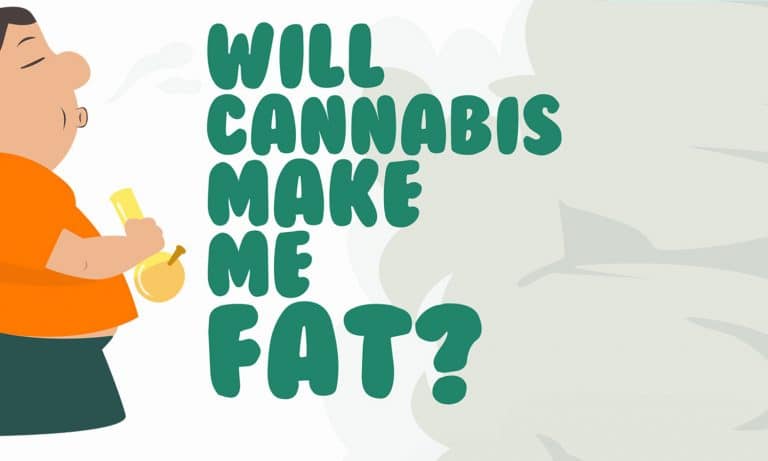
Does Marijuana Make You Fat


You’ve likely heard of the munchies. Perhaps you’ve even experienced them. The term is frequently used to describe the cravings for highly-caloric and sometimes very sweet foods after using cannabis, which contains tetrahydrocannabinol (THC). With this trait, does marijuana make you fat?

RELATED: Science Says Medical Marijuana Improves Quality Of Life

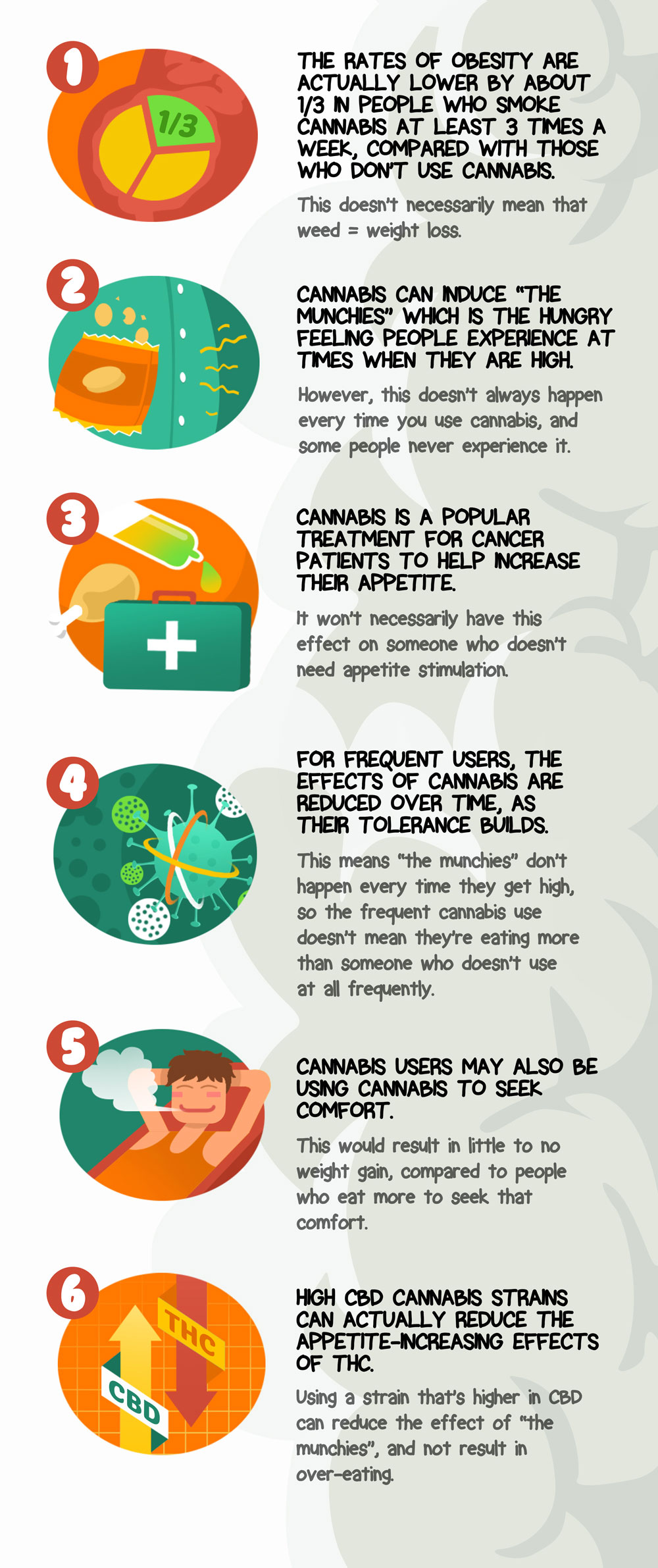
will-cannabis-make-me-fat-1
Infographic by Platypus

Well, according to a study published in the American Journal of Medicine, marijuana users are less likely than non-users to develop metabolic syndrome, which is a significant risk factor for obesity, type II diabetes, and heart disease.

Conducted by scientists at the University of Miami in Florida, this study examined the relationship between cannabis consumption and the individual components of metabolic syndrome, such as high blood pressure, increased abdominal fat, elevated blood sugar, and unhealthy cholesterol levels.

Nearly 8,500 people from age 20 to 59 provided survey data for the study. Participants were separated into three categories—current marijuana users, past users, and those who had never smoked the herb. Whereas metabolic syndrome afflicts 22 percent of the U.S. adult population, less than 14 percent of current cannabis-using adults in this study had metabolic syndrome.

Hopefully this answers the question of will marijuana make you fat.


Bob Dylan Turned The Beatles Onto Weed

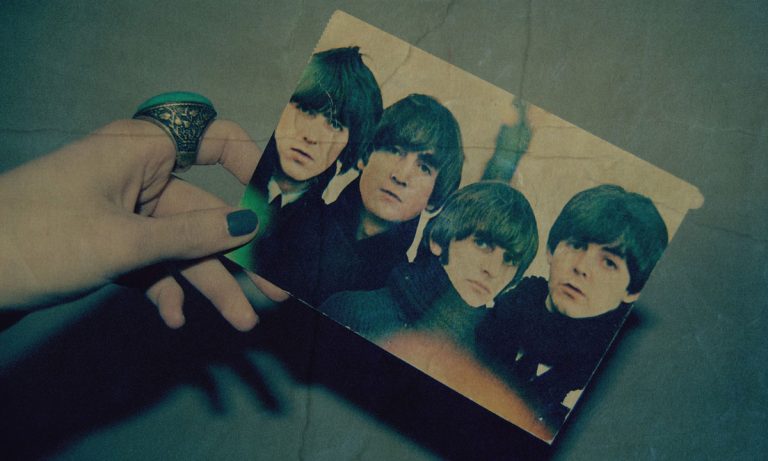
Move over 420. August 28 should be a national cannabis holiday. On this day in 1964, folk legend Bob Dylan ascended the elevator of the Delmonico Hotel on Park Avenue in Manhattan for a momentous first meeting with the Beatles, who were touring the United States. Beatlemania was then at its peak, and twenty police stood guard in the corridor as Dylan and his entourage entered the Beatles’ sixth-floor hotel suite.

After an exchange of courtesies, Dylan suggested that they all smoke some grass. He was surprised to learn that the Beatles were marijuana virgins. Dylan had a bag of weed with him and he tried to roll a joint. But Bob was all thumbs, so his driver and close friend Victor Maymudes did the deed. Blinds were drawn and towels carefully placed before locked doors to hide the smell. Dylan lit a reefer and a few minutes later everyone was laughing uproariously. It is a music nirvana, Bob Dylan turned the Beatles onto Weed

“We were kind of proud to have been introduced to pot by Dylan,” Paul McCartney later remarked. “That was rather a coup.”

Cannabis was quite different from the purple hearts and other uppers that the Beatles had taken to keep pace with the rigors of the late-night club circuit in Germany and the UK. Marijuana eased them into a soft yet lively space, a cushioned reprieve from the bizarre fishbowl sensation—the hysterical fans, the constant media attention—that accompanied their vertiginous rise to rock stardom. From that day forward, the Beatles would consume cannabis on a regular basis. And whenever John Lennon felt like getting stoned, he would say, “Let’s ’ave a larf!”

Cannabis opened the door to new dimensions of popular music, and the Beatles carried the youth of the world with them across the psychoactive threshold.

After the Beatles got into grass, they began to think of themselves as artists, not just performers. The herb triggered a creative surge that altered their approach to writing and recording songs. (“We were smoking marijuana for breakfast,” Lennon jibed.) Cannabis opened the door to new dimensions of popular music, and the Beatles carried the youth of the world with them across the psychoactive threshold.

Numerous Beatle songs contained subtle and not-so-subtle allusions to cannabis. “Got to Get You into My Life,” one of several weed-inspired tunes on the Beatles’ Revolver album, was “entirely about pot,” according to McCartney, who acknowledged that marijuana had a huge impact on the Fab Four in the mid-Sixties.

Drug references on the Beatles next album, Sgt. Pepper’s Lonely Hearts Club Band, were more explicit. Ringo Starr rhapsodized about “getting high with a little help” from his friends. McCartney “had a smoke” and “went into a dream.” And Lennon cooed: “I’d love to turn you on.”

“Do you know what caused Pepper?” McCartney told a reporter. “In one word, drugs. Pot.”

“But you weren’t on it all the time.”

“Yes, we were. Sgt. Pepper was a drug album,” McCartney insisted.

Cannabis had been banned in Great Britain since 1928, and recreational reefer remained on the margins, confined mainly to Caribbean migrants, until flower power blossomed in Merry Olde England. The Beatles were at the forefront of efforts legalize cannabis. In 1967, they paid for a controversial, full-page advertisement in The Times of London, which criticized Britain’s marijuana laws as “immoral in principle and unworkable in practice.”

Specifically, the ad called upon the British government to:

  • allow scientific research into cannabis
  • remove cannabis from the list of dangerous drugs and make possession punishable by a fine
  • permit the use of cannabis in private premises
  • and release everyone imprisoned for marijuana possession.

The ad was signed by sixty-five British dignitaries, including two members of Parliament, a dozen prominent physicians and clergymen, numerous writers and artists, a Nobel laureate scientist, and the four Beatles.

The following year, the British Parliament’s Advisory Committee on Drug Dependence released a comprehensive study, known as the Wootton Report, which sparked a heated public debate by giving cannabis something very close to a clean bill of health. Headed by Baroness Wootton of Abinger, a social scientist of great repute, the advisory committee concluded that “the long-term consumption of cannabis in moderate doses has no harmful effects” and “the law is socially damaging, if not unworkable.”

Marijuana is “very much less dangerous than opiates, amphetamines, and barbiturates, and also less dangerous than alcohol [and] it is the personality of the user, rather than the properties of the drug, that is likely to cause progression to other drugs,” the Wootton Report asserted.

Those who had become habituated to viewing marijuana as a beastly menace were mortified by the report. As soon as Baroness Wootton presented her study, stodgy British officials denounced its findings. For the Beatles and millions of their pot-smoking fans, it was just another day in the life.


This Woman Lives Rent Free In Perfect Homes Thanks To Pet Sitting

0

Jena Chambers makes a living out of traveling the country and taking care of pets and homes without charging a fee. “I only like coasts,” she says in an interview with the New York Post, explaining that she only takes jobs located in coastal homes.

Chambers has experienced a life of living in gorgeous and practically unaffordable homes by pet sitting cats, dogs, and even hermit crabs. “For three summers, I stayed at a house and took care of a rose garden, and it was like living in the garden of Eden,” she told the NY Post.

Pet sitting has allowed her to travel the country and develop her own business. Chambers created Pandora’s Pops, a company that sells aphrodisiac lollipops infused with minerals, which have become her main source of income. She also has an apartment in the East Village, which she sublets when she’s away on a job.

When asked why she doesn’t charge people for pet or house sitting, she explains that it wouldn’t feel right for her. “I would feel like I was on the staff of some of these people.”

A post shared by Pandora’s Pops (@pandoraspops) on

Chambers is originally from Manhattan, where she’s pet and house sitted throughout the different boroughs. “It’s like playing tourist in your own town.”

Despite the fact that pet and house sitting sounds like a relaxing and stress free job, Chambers explains that it does come with a set of responsibilities that can get intense since you’re involved directly in people’s lives. She’s had to deal with pets that have gotten injured and even a wildfire that came close to the home she was taking care of in Northern California.

Before becoming a full-time pet and house sitter, Chambers used to work for a private equity firm. So, if you love to travel and take care of pets, just know that it’s not too late to find your dream job.

Nickelodeon Classics Will Soon Hit This Streaming Service

If you’re a millennial hankering to relive your youth, or if you’re just nostalgic for the 90s, then might we suggest binge-watching some old Nickelodeon shows? But how is this possible you might be asking. It’s all thanks to the wonderful streaming platform VRV and its NickSplat channel, which will soon offer episodes from your favorite old-school Nick shows.

According to the Hollywood Reporter, NickSplat will feature:

300 episodes from the likes of ‘All That,’ ‘Are You Afraid of the Dark?,’ ‘Clarissa Explains It All,’ ‘Doug,’ ‘Kenan & Kel,’ ‘Legends of the Hidden Temple’ and ‘Rocko’s Modern Life.

But that’s not all! We’ll also see episodes from other fan-favorites like “AAAHH!!! Real Monsters,” “The Angry Beavers,” “The Wild Thornberrys,” and “CatDog.” More shows are expected to be added in the coming months.

The NickSplat channel will be available through VRV for just $6 a month. If you’re already a subscriber to VRV’s premium membership, NickSplat will be available through your bundle. VRV’s premium membership, by the way, only costs you $10 a month and also includes Crunchyroll, Funimation, Rooster Teeth, MUBI, Nerdist, and more. We feel comfortable calling that a really good value.

“VRV, with a sophisticated user base that loves the best in animation, is the perfect platform to launch our NickSplat channel,” Viacom executive Sam Cooper told THR. “Viacom’s content—including our deep library of genre-defining television—is highly in demand, and our audiences are always looking for new and innovative ways to enjoy our programming. We’re committed to finding the best partners to bring our individual brands direct to the consumer, and this relationship with VRV is an exciting step forward in our strategy.”

This move is also notable because it’s the first time NickSplat’s offerings have been bundled together for digital distribution. Previously it was just a late-night block viewing on Nickelodeon, akin to Adult Swim on Cartoon Network.

But if you don’t want to add another subscription to your streaming bundles, don’t worry. Viacom also hinted that NickSplat could be made available on other platforms in the future.

Elizabeth Warren Reveals How Jeff Sessions ‘Catalyzed’ Marijuana Legalization 

The STATES Act has emerged as one of the most prominent and important pieces of federal legislation affecting cannabis legalization. Acting to replace the Cole Memorandum that Attorney General Jeff Sessions revoked last year, the bipartisan bill would effectively end cease the federal ban on cannabis, turning all cannabis legalization decisions over to the state level. Each state could decide their policies on cannabis without fear of federal prosecution, in short.

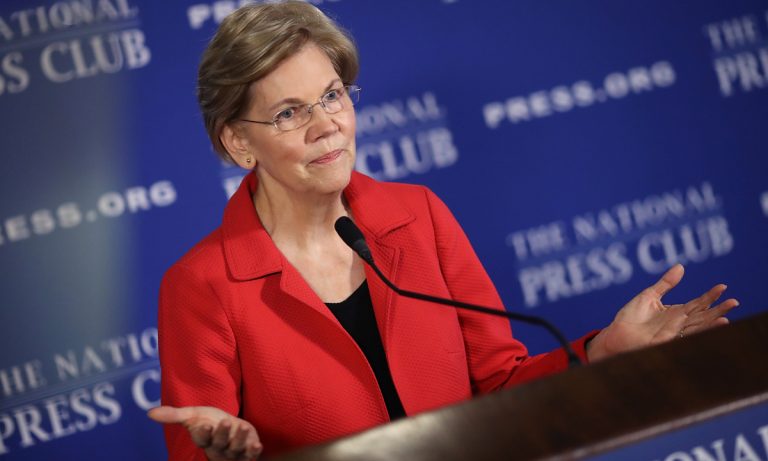
The bill has received support on both sides of the aisle and even found an ally in Donald Trump. As one of the bill’s original sponsors, Massachusetts Sen. Elizabeth Warren is enthusiastic about its passage. But as she revealed in a recent Rolling Stone interview, the legislation has stalled since its introduction last summer because of Senate Majority Leader Mitch McConnel, who has remained adamant about cannabis retaining its Schedule I drug classification and continuing cannabis prohibition.

Warren has latched onto the cannabis legalization movement in recent years, supporting the STATES Act, as well as Sen. Cory Booker’s Marijuana Justice Act. In talking with Rolling Stone, one of the more illuminating nuggets Warren shared was how “Sessions has acted as a catalyst in getting people up off their rear ends and moving on this issue.”

“Let me describe it this way: We are in a moment when Jeff Sessions highlighted aggressive law enforcement on marijuana and a lot of folks here in Congress looked at each other and said, ‘That’s a bad idea.’ What Cory [Gardener] and I have done is give them a place to channel that where we can make real change. Now we just need to get a vote from Mitch [McConnell],” Warren said.

Warren also revealed that when Sessions revoked the Cole Memo, Colorado Sen. Cory Gardner called a meeting with senators whose states would be affected. Though the Cole Memo had its drawbacks—marijuana businesses couldn’t access legal banking for examples, said Warren—its protections were valuable to states with legalized cannabis. How would the senators respond?

Via Rolling Stone:

So we’re all sitting around a table. A few people show up—maybe 10 show up. And people are talking about it, and they’re talking about how hard it would be to legalize it at the federal level and what could we do. And I said, ‘Why not just use a state’s rights approach?’ That is, if the state acts, then the federal government backs off. If the state doesn’t want to act they can leave federal law in place but leave this up to the states. And Cory’s eyes lit up, and he said ‘That’s an interesting approach. We might be able to do something with that.’

So Cory and I left the meeting, kept working on it, hammered out a bill. And Cory went out and talked to a lot of Republicans about it, and I’ve talked to some as well. We’ve got plenty of colleagues on the Democratic side who will support this, and Donald Trump said it sounded like a good idea to him. He’s said it, I think, three different times now. So I’m pretty hopeful that if we could get a vote in Congress that we could actually get this passed.

However, Warren’s pro-cannabis views have been an evolution a few years in the making. She told Rolling Stone she publicly endorsed and voted for Massachusetts legalizing adult-use cannabis in 2016, but that wasn’t exactly the case. As has since been debunked, Warren dodged publicly endorsing or condemning the legislation, repeating that she was “open to the possibility of marijuana legalization.”

But criticizing Warren on such an issue is trivial at best. Warren has demonstrated the hope we reserve for all public officials—that they may allow their views to grow and be shaped over time as they digest new information and listen to their constituencies. In becoming a leader of the marijuana movement in Washington, Warren has done precisely that.

You can read the rest of Warren’s interview with Rolling Stone here.

The Good, Bad And Ugly With Marijuana Concentrates

Concentrates, generally, are manufactured by extracting THC, most commonly by using a solvent such as butane.

If you have ever stepped into a dispensary, you may  have noticed the huge shelf space reserved for various marijuana concentrates. Shatter, butter, wax, ice hash. The names are a bit daunting if you are new to the concentrate culture. The intoxicating effect can be absolutely dizzying if you don’t do your homework first. Here is the good, bad and ugly with marijuana concentrates.

What Are Concentrates?

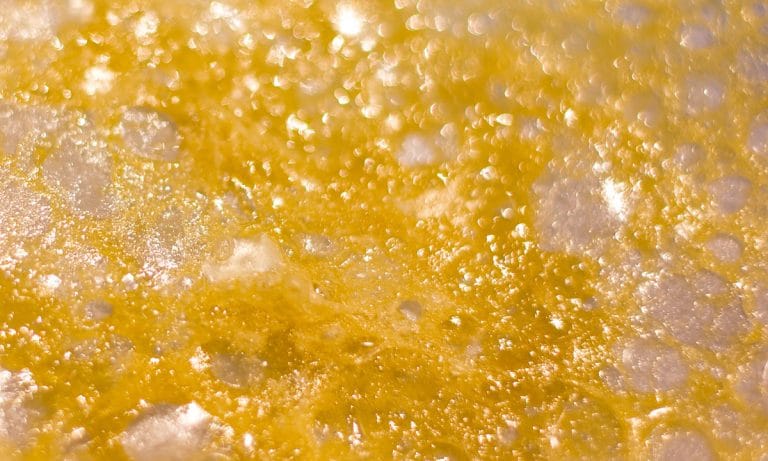
Concentrates, generally, are manufactured by extracting THC, most commonly by using a solvent such as butane. The end product is a potent oil often referred to as wax, honey, shatter, budder, crumble or butane hash oil (BHO).

As the name suggests, these are highly concentrated forms of cannabis. The THC content is exponentially higher than most anything else you’ll find at a retail outlet.

The THC levels in most concentrates can reach 70-90 percent THC. For context, a typical marijuana joint contains about 15 percent.

The Good

Most doctors would consider concentrates an acceptable method for administering medical marijuana, but there are many patients who prefer this route because it is more affordable, faster to relieve pain and longer lasting.  For those dealing with severe or chronic pain or intense nausea may find concentrates effective.

Cost is another positive factor for purchasing concentrates. Sure, the upfront cost is much higher than buying dried flower. But a small amount goes a long way. And the effect of concentrates is longer lasting.

The Bad

There is very little wiggle room when it comes to dosage. I can’t stress this enough. Start slowly. Don’t try to keep up with others in the group.

For most newbies, one hit of concentrate is sufficient for an enjoyable, long-lasting high. But two hits may result in an awful experience.

It takes a while for your body and your brain to adjust to the rush of THC to the system.

Light-headedness, dizziness, blackouts and disorientation are common side effects of using concentrates. Other possible side effects include a rapid heartbeat, paranoia and hallucinations.

If you feel any of these symptoms, hydrate, lay down and close your eyes. Remember, you can’t suffer a fatal overdose from cannabis — and that includes concentrates. But you can harm yourself if you should fall down. It is intense, but not deadly.

The Ugly

When you read negative stories about concentrates, it usually about an apartment or house exploding. These news events have nothing to do with ingesting concentrates. The stories almost always detail an uneducated person trying to manufacturer the concentrate. Butane is one of the most common solvent utilized to extract the THC from the plant. Butane is highly flammable and requires sufficient ventilation.

So you no doubt have read a lot about the hazards of butane honey oil (BHO). Do yourself and your neighbors and the fire department a huge favor: NEVER under any circumstances try making it at home.

Should You Try It?

It is not recommended for newcomers to marijuana. If you have an understanding of how your body reacts to cannabis, give it a try. It’s a different experience than smoking or vaping dried herb.

Paul Armentano, the deputy director of NORML, cautions that it is riskier than smoking a joint. “When a product is more potent, and when the route of administration is conducive to people experiencing a very strong high very quickly, then one can argue that the risk of abuse goes up,” he said.

Don't Miss Your Weekly Dose of The Fresh Toast.

Stay informed with exclusive news briefs delivered directly to your inbox every Friday.

We respect your privacy. Unsubscribe anytime.