

Why Gen Z and Millennials Are Embracing the Trends, Technology and Styles That Make Many Baby Boomers Roll Their Eyes
Every generation has its version of “Get off my lawn.” For Baby Boomers, some of the biggest offenders aren’t noisy neighbors or kids playing basketball in the driveway. They’re skinny jeans, smartphones, self-checkout machines, electric cars, open floor plans, avocado toast — and, apparently, just about anything requires a password.
Of course, not every Boomer hates these things, and plenty have enthusiastically embraced everything from TikTok to Teslas. But generational preferences are real, and some of today’s most popular trends can seem downright baffling to people who grew up in a very different cultural landscape.
Here is everything Boomers hate that everyone else loves – at least for the moment.
RELATED: Consumers Are Combining Two Of The Fastest Growing Health Trends
Cars Looking Like Computers
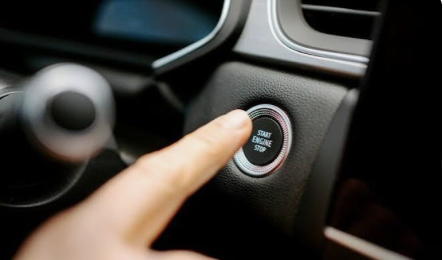
For younger drivers, a modern car filled with massive screens, voice controls and minimalist dashboards can feel futuristic. For many Boomers, it can feel like someone removed all the buttons from a perfectly good automobile.
Touchscreen controls are increasingly common, replacing traditional knobs and switches for everything from climate control to navigation. Younger drivers tend to appreciate the technology and sleek interiors. Older drivers often wonder why adjusting the temperature should require navigating through three menus.
And then there are electric vehicles. Younger consumers are generally more comfortable with EVs, while some Boomers remain attached to the familiar rumble, smell and mechanical personality of a traditional gas-powered car.

The “Butt-Bottom” Jeans
Low-rise jeans may have traumatized an entire generation, but today’s denim debate has moved in the opposite direction.
Gen Z and younger Millennials have embraced jeans which are wide, relaxed and sometimes deliberately oversized. At the same time, high-rise, body-hugging jeans have become a fashion staple.
For many Boomers, however, the ideal pair of jeans is still somewhere between classic straight-leg and sensible. Jeans which intentionally emphasize the backside — sometimes called “butt-bottom” or curve-enhancing jeans — can seem less like fashion and more like a practical joke.
Open Floor Plans
Open-concept homes became wildly popular, particularly among younger homeowners who love combining the kitchen, dining room and living room into one social space.
But plenty of Boomers remain unconvinced.
They remember houses with actual rooms — a dining room for dinner, a living room for guests and a kitchen where the mess could be hidden behind a door. Today’s open floor plan means the dirty dishes are always on display and the person cooking dinner is also part of every conversation.
Self-Checkout
Younger shoppers often see self-checkout as convenient. Boomers are more likely to wonder why the customer is suddenly doing the cashier’s job.
The machines can also produce a special kind of frustration: “Unexpected item in the bagging area” followed by a frantic search for an employee.
RELATED: Taking Ranch Dressing To The Next Level With Cannabis
Social Media as a Lifestyle
Boomers watched television. Millennials grew up with cable and the internet. Gen Z grew up documenting practically everything.
From TikTok videos to Instagram stories, younger generations are comfortable turning everyday life into content. A restaurant meal, vacation, workout, outfit or trip to the grocery store can become a post.
For some Boomers, the obvious question remains: Why does everyone need to know what you had for lunch?
Tiny Homes and Minimalism
Boomers often associate the American dream with a bigger house, a large yard and a garage. Younger generations have increasingly questioned the formula.
Tiny homes, minimalist interiors and smaller living spaces have become symbols of financial freedom, simplicity and sustainability.
To a Boomer, however, voluntarily choosing a 400-square-foot house may sound less like minimalism and more like giving up.
The generational divide isn’t really about whether one generation has better taste. It’s about what each generation was taught to value.
Boomers came of age during an era celebrating permanence, ownership, privacy and things built to last. Younger generations have grown up with constant technological change, rising housing costs, social media and a culture rewarding flexibility and experience.
So yes, Boomers may complain about giant touchscreens in cars, enormous jeans, open kitchens and self-checkout.
But give it a few years.
Today’s trends that make one generation cringe could easily become tomorrow’s nostalgia.
