Wednesday, May 6, 2026
Home Blog Page 1154

Governor: Nevada Casinos Need To Talk With The Marijuana Industry

Nevada Gov. Brian Sandoval signed an executive order on Wednesday directing the Gaming Policy Committee to discuss how casinos should work with the legal marijuana industry.

“Gaming regulators have been clear on the prohibition of marijuana consumption on licensed gaming properties, but there are additional policy considerations such as industry events and business relationships that should be contemplated,” said Sandoval, who is one of 12 members on the gaming committee.

He is not the only politician hoping that the two industries can form some sort of working relationship. Sen. Tick Segerblom, D-Las Vegas, who is also a committee member, told the Reno Gazette-Journal:

“This is not about smoking marijuana at casinos, this is business. This is business conventions. This is money. This is where they can talk about insurance for dispensaries at a convention, or security. It’s one thing to sell marijuana at a casino, but it’s another to just talk business. Las Vegas could be the capital for these conventions, and Reno.”

Earlier this month, the Nevada Gaming Commission announced that it was illegal to consume cannabis in bars, casinos, hotels, and public places. So although marijuana is legal in the state, tourists and residents are having a difficult time to legally consume cannabis in places that aren’t their homes.

Casinos, which will continue to prohibit marijuana consumption on their properties, have been faced with a number of “grey area” scenarios since recreational marijuana became legal on Jan. 1 in Nevada.

Tony Alamo, chairman of the Nevada Gaming Commission, told the Gazette-Journal he has received dozens of calls from gaming officials unclear on the murky regulations.

 “We told licenses stay away from marijuana, you could be involved in federal violations,” said  A.G. Burnett, chairman of the Gaming Control Board, which regulates the industry in Nevada. “There were a number of gaming licensees that wanted to get involved. We had maneuvered and guided the industry, but with the advent of recreational, it’s a different game.”

Gaming industry executives have asked regulators if they are allowed to take money from a marijuana businesses. “We need some action – one way or another – from the federal government,” Burnett told the Gazette-Journal. “Knowing what we’re supposed to enforce would be helpful. It’s not been easy.”

Massive Crowd Shows Up When New Florida Dispensary Opens Its Doors

The owners of Trulieve, a Florida medical marijuana company, didn’t know exactly what to expect when it had its grand opening in Bradenton on Monday. A small line formed before the doors opened for business, but the retail store quickly filled to capacity and was standing room only as patients celebrated Florida’s expanded marijuana program.

According to the Bradenton Herald, scores of patients showed up to buy cannabis oil. One patient, Miguel Couvertier, an Air Force veteran, expressed relief that he will now be able to easily access his medicine:

“It helps a lot. We voted for this to get away from the opioids that are prescribed by doctors and the (Department of Veterans Affairs). There were no alternatives before now and now we have alternatives we know work for us.”

In November, 71.3 percent of Florida voters approved a constitutional amendment expanding medical marijuana, making Florida one of 29 states that have legalized cannabis for medical consumption. But state lawmakers fought over how to enact the will of the people. In June, the state legislature ruled that the sale of flowers, buds or any other part of the plant that can be smoked would remain illegal. Only marijuana converted into oil is legal.

Trulieve is one of 17 dispensaries approved by the state. Each company approved by the state is allowed to operate no more than 25 retail stores. Trulieve already has stores in Tampa and Clearwater.

According to Trulieve CEO Kim Rivers, most of his customers are in their 60s and 70s. And many, like Couvertier, are veterans.

Couvertier told the Herald that he has been frustrated by the state’s foot dragging when it comes to cannabis legislation:

“I’m mad, to tell you the truth. The government process moves differently than what we voted for and has made things more difficult.”

The veteran says he also is angry at the legislature’s decision to ban smokeable marijuana:

“It’s disappointing because these products are more expensive than what a flower-based product would be. Leaving smokeable marijuana on the black market makes no sense. This isn’t what we voted for.”

Someone Is Flushing So Many Euros In Europe It’s Clogging Toilets

0

Swiss authorities have launched an investigation in hopes of figuring out why someone flushed over thousands of euros down the toilets of a bank and some nearby restaurants in Geneva.

It all started when a bank called the police and reported that their toilet was clogged because it had been stuffed with dozens of 500 euro bills that were cut up with scissors. A few days later, restaurants from around the area started calling and reporting the same problem; their toilets were clogged with 500 euro bills.

Even though it’s not illegal to destroy bills in Switzerland, the authorities are still looking into the matter due to the large quantities of money that were destroyed. While the destruction of bills is not penalized in Switzerland, the destruction of large amounts of money is forbidden under European Union law. 

There must be something behind this story. That’s why we started an investigation.”

Said Henri Della Casa, spokesman for the prosecutor’s office of Geneva. So basically, the police is super curious about the motive behind this toilet money destroyer, and they have nothing else to do.

After brainstorming for a while, we think the robber got super scared once he/she stole the money from the bank, which made them run to the nearest bathroom, cut up the bills in little pieces, and flush them down the toilet as a way of getting rid of the evidence. Since he/she had stolen so much money, several toilets were used as a clever way to get rid of the bills (sadly, it still backfired). He/she had the guts to steal the money, but not the balls to keep it. We feel you.

The Reason Why You Can’t Smoke Colorado Weed In Washington

As new cannabis markets consistently open up across the United States, established marijuana businesses eye these novel populations with anticipation. That being said, the modern cannabis market landscape has a number of facets that generally fall into two categories: cannabis businesses and ancillary businesses.

To start with, cannabis businesses are those who deal directly with marijuana plants and plant-derived products: cultivation operations, dispensaries, edibles companies, and concentrate brands. Secondly, ancillary businesses cover all the elements of cannabis business that don’t deal directly with plant products: technology, equipment, nutrients, packaging, branding, marketing, consulting, and education. The delineation between cannabis companies and ancillaries is important to note as those who deal directly with the plant face different challenges when it comes to branding and sales on a national scale.

Ancillary businesses have the ability to sell their products and services across state lines without having to navigate individual State cannabis law. For example, a cannabis focused fertilizer company in the San Francisco, CA area can manufacture all of its products at one centralized location and subsequently ship its goods to vendors across the nation. This business format allows for consistency of product and brand image—which in turn leads to customer retention.

Actual cannabis brands, however, fall victim to a mish-mosh of state and county legislation concerning branding and sales. Because, it is illegal to transport marijuana products across State lines, even between States that both have medical and/or recreational programs.

Cannabis brands such as Colorado-based edibles companies incredibles and Wana are forced to partner with out-of-state cultivation, processing, and packaging companies in order to expand on a national level. The complexities of these nationally geared cannabis business plans cannot be overstated, as these businesses don’t have the convenience of uniform manufacturing and shipping from one centralized location. These large-scale branding and sales campaigns face serious challenges when it comes to consistency of product—a notion which is invaluable when it comes to customer retention in any retail business setting.

All cannabis brands, whether sold as flowers, edibles, or concentrates, begin with the cultivation of the cannabis plant—this is where the first problem with consistency on a national level arises. As companies like incredibles and Wana must partner with cultivators in out of State markets in places like Oregon and Nevada, the cultivation of cannabis plants lies within the responsibilities of these chosen business associates. However, as most experienced horticulturists understand, there are countless variables (lights, nutrients, environment, pests) related to cultivation which can affect the quality and taste of cannabis—these constraints all directly influence the consistency of flower and its subsequent products.

For nationally expanding edibles lines such as incredibles and Wana, the next challenge to be faced is that of processing. To illustrate, each of these companies has carefully created and regimented recipes for their popular edibles lines. However, because these products must be recreated in a state-by-state fashion, incredibles and Wana must duplicate their Colorado-based production down to the finest details. Again, this process poses serious challenges when it comes providing a consistent retail product in competitive marketplaces.

Packaging is another, though often overlooked, challenge in the expansion of national cannabis brands. As every legal State has different rules and regulations concerning required packaging and labeling for cannabis products, the problem must be addressed on an individualized basis. These packaging complexities include dosage information, child warnings, laboratory testing info, and state logos. That being said, companies like incredibles and Wana are forced to create their own customized packaging and labeling programs within each new market they enter.

Kent Gruetzmacher M.F.A. is a Colorado based freelance writer and the Director of Business Development at Mac & Fulton Talent Partners (www.mandfconsultants.com), a recruiting firm dedicated to the indoor gardening and cannabis space. He is interested in utilizing his M.A. in the Humanities to critically explore the many cultural and business facets of this youthful, emergent industry by way of his entrepreneurial projects.

Gossip: Not Even Kris Knows The Identity Of Kim’s Surrogate; Madonna Now Has A Fake Portuguese Accent

Kim Kardashian is keeping the identify of her surrogate so secret that even her bossy mother, Kris Jenner, doesn’t know who she is.

“After what happened in Paris, Kim has decided to keep her life a lot more private. She doesn’t need for everyone to know all her business anymore. She is keeping the identify of her surrogate secret from almost everyone including her family members,” sources tell Straight Shuter. “She knows a lot of people around her leak stories to the press and is determined that this doesn’t happen with this story. It is not only for security reasons, it is because she never wants the young lady’s identity exposed and stories about Kim’s motherhood being questioned. This is her baby and Kim is the child’s only mother. Period.

Madonna Now Has A Fake Portuguese Accent

Madonna has announced that she is leaving the USA and moving to Portugal, which isn’t so surprising to her friends who laugh that Madonna has already developed another strange accent.

“When Madonna moved to live in London she started speaking in a strange British accent. Now she has a very off Portuguese twang that it’s hilarious,” one pal tells Straight Shuter. “She said she is moving for inspiration and to write new music. But at best she knows only a few words in the language and is surrounding herself with staff and assistants she is bringing with her from New York. The locals have no idea what they are in for!”

Love the fresh dirt we bring over daily from Naughty Gossip? Let us know in the comments!

What’s Really Going On With California’s New ‘Marijuana Disney’?

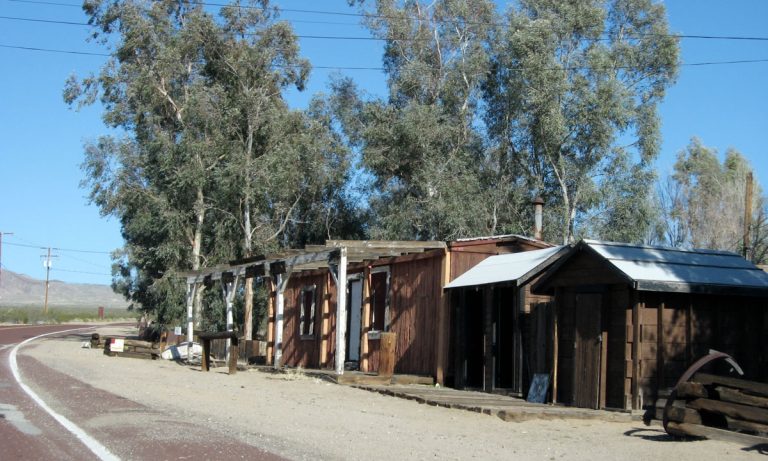
American Green made national headlines earlier this year when news broke that the company had bought a proverbial California “ghost town” for $5 million to transform it into a marijuana lover’s premium destination, akin to Amsterdam or Jamaica.

But how did the residents of Nipton, the former mining town American Green purchased, feel about the transformation of their quiet town? A recent report by Arizona’s Fox 15 gave insight to such considerations about this future “pot paradise.”

Jim Eslinger is the town’s unofficial mayor. He manages the old trading post and Hotel Nipton. Though he jokes to “come on out to where it’s normal” because of his fondness of the peace and solitude of Nipton, he had an interesting take on the changes to come.

“I’m excited and scared at the same time,” Eslinger told Fox 15. “But I’ve got a motor home so if I don’t like what American Green is doing to the town I can just head on down the road.”

It should be mentioned that the Phoenix-based company creating what’s been called “pot paradise,” “marijuana Disney,” and “cannabis capital USA” doesn’t grow or sell marijuana. Instead American Green makes money off cannabis-related products. The company intends to build the infrastructure for cannabis to thrive in the small town they own.

“You can stay, blaze and gaze at the amazing stars without bothering somebody else,” said Stephen Shearin, the American Green project manager for Nipton. “You won’t have to run back behind some dugout or trailer and feel like a criminal.”

American Green, though, might not be able to build that infrastructure. According to recent financial filings, the company only has $200,000 cash on hand and find itself trading penny stocks with 14 billons of those shares being outstanding. Marijuana investment expert Alan Brochstein labeled the company’s financial position “pretty dire” and isn’t a believer in building a “pot paradise.”

“There was one [in Colorado] that had something called a ‘bud and breakfast’ and it was an epic fail as well, so I expect that will be the case here,” Brochstein said. “This strikes me as kind of a Hail Mary by the company to try to stimulate some interest.”

Though it did create a stir, only time will tell if American Green can really revitalize a green rush in the town, or if this really was a last-ditch effort by a fledgling company.

The 7 Worst States In The Union To Get Caught With Cannabis

Sure, it’s easy enough to find out which states aren’t cannabis legal, even for medical, but which of these “dry” states have the most severe penalties for getting caught with the herb? Here’s the breakdown:

The worst state to get caught even buzzed is South Dakota. The tiniest bit of pot will land one in jail for a year and cost $2,000 in fines. Wait though, if you have hash or concentrates? Then you’re looking at closer to five years in prison and fines up to $10,000. And possession what? Even if you test positive for marijuana, you face the same penalties.

Louisiana is known for its strict rules regarding possession, but it also has some of the most severe consequences for growing the plant. ANY cultivation under 60 pounds, including ONE plant, will lead to five to 30 years in prison plus or instead a $50,000 fine.

Indiana is almost as over the top as Louisiana when it comes to crime and punishment. One joint carries a $1,000 fine and a year in prison. Imagine what an ounce might entail…

Idaho’s a tricky one, because possession of up to three ounces is considered a misdemeanor that carries a $1,000 fine and up to a year in prison. That only covers possession though. Paraphernalia has the same penalties and public intoxication will get you another six months in prison. Hmm, a misdemeanor huh?

Iowa is harsh when it comes to first time offenders. If it’s your first time getting caught with a joint or a little cannabis, it’s punishable with up to six months in jail and $1,000 fine. The ACLU calls Iowa’s policy one of the harshest in the country for first timers.

Now while sweet Georgia has lax laws on small amounts, do not get caught with over two ounces. Two ounces is the sweet spot for law enforcement and will earn you a prison term of up to ten years.


Even though Arizona legalized medical marijuana, if you don’t have a prescription, watch out. Even the smallest amount of pot, any amount at all, is a felony and one could face anywhere from four months to two years in jail for a joint.

Happy road tripping and/or simply living to all our friends out there, just keep in mind when to carry and when to lay low… Your freedom will thank you.

The Relationship Between Mental Health and Marijuana

From epilepsy to glaucoma, medical marijuana is showing increasing promise when it comes to treating symptoms of a wide range of physical ailments. But physical health isn’t the only health that can benefit from cannabis; some mental health symptoms might also be improved by the drug.

That said, people looking to treat symptoms of a mental illness should do so cautiously and only under the supervision of a professional, as it also runs the risk of exacerbating mental health symptoms if not administered properly.

Mental Disorders That Might Be Alleviated With Marijuana

Unfortunately, steadfast research on marijuana’s relationship to mental health is limited due to the federal government’s failure to declassify it as a Schedule I drug, making research more complicated and expensive, but what we do know is very promising

The mental disorders that have shown early promise in terms of marijuana treatment are plenty, and they include:

  • Post-Traumatic Stress Disorder (PTSD)
  • Anxiety disorders
  • Depression
  • ADHD
  • Bipolar disorder
  • Insomnia
  • Opiate dependence
  • Schizophrenia

Why Marijuana Might Work to Manage Mental Illness

Common treatments for mental health disorders such as depression and anxiety include medications like antidepressants, which boost the body’s serotonin levels (your “feel-good” hormone) and benzodiazepines, which light up a calming neurotransmitter in your brain called GABA. In other words, this medication targets specific areas of your brain designed to make you feel happier, calmer, and/or more focused, depending on your needs.

The way cannabis impacts mental health is a little different. Rather than target specific receptors like the aforementioned drugs, the active compounds in marijuana thought to be responsible for improving mental health, called cannabinoids, affect your endocannabinoid system (ESC). Your ESC is essentially a communication network in your body responsible for your mood, metabolism, immune function, reproduction, and pain.

Cannabinoids, namely psychoactive THC and nonpsychoactive CBD, interface with the body’s ESC, helping to balance and regulate it. And given that both your serotonin system and GABA neurotransmitters are tied to your ESC, it makes sense that marijuana’s ability to balance this system might also alleviate feelings associated with depression, anxiety, and other mental health disorders.

Exercise Caution Before Toking For Mental Health

While anecdotal evidence suggests cannabis can abate mental health symptoms, keep in mind that it can also exacerbate them. For example, an animal study on mice found that low doses of THC are effective at alleviating depression and anxiety, but higher doses of this psychoactive compound can make it worse, invoking feelings of restlessness and paranoia.

That said, a 2006 study on the effects of cannabis’ other active compound, nonpsychoactive CBD, on the body found that consuming relatively high doses of it can create a surplus of molecules in the body that function to alleviate anxiety and improve mood.

Bottom Line

Clinical trials regarding marijuana’s relationship to mental health are limited, largely due to its federal Schedule I drug classification, but early research suggests it can be beneficial to folks suffering from a wide range of mental health disorders. However, it should only be ingested with caution and under the supervision of mental health professional as in addition to its beneficial properties, it can also make mental health worse depending on the dose and type of disorder being treated.

Marijuana And Infertility: What You Need To Know

0

Cannabis And Infertility: It’s a longstanding complaint that, when it comes to medical research, men’s bodies still represent a sort of norm against which women are considered a hard to understand deviation. The field of medical cannabis is no exception.

According to a 2013 literature review, the role of the cannabinoids in women’s reproductive health “has been poorly studied.” That’s despite the fact that we knew all the way back in 1973 that cannabinoid blood levels spike during ovulation and that a 2009 study established that the entire endocannabinoid system (ECS) is present and quietly active in the ovaries.

What little we do know, however, is probably something you don’t want to hear: The evidence “strongly suggests that [the cannabinoids] exert potent negative effects on the ovulatory cycle.”

This is backed by mouse-tissue studies showing that THC inhibits ovulation and egg production. In real-human life, marijuana users have proven to be not so successful at IVF—they have poorer quality eggs and lower pregnancy rates than non-users. But how does that translate into a woman’s chances of becoming pregnant? Read on.

It also seems that the ECS also plays a role in creating—or, rather, as the evidence shows, impeding—the tiny contractions that help propel an embryo out of the oviduct and into the uterus. This makes intuitive sense because we’ve seen that marijuana has an anti-cramping and anti-convulsive effect in other arenas, such as in Crohn’s disease and epilepsy. In those cases, however, a dampening of muscle action is exactly what we want. If you want to have a viable baby, though, you want muscular fallopian tubes contracting away at full bore.

While at least some researchers conclude that unraveling the riddle of the ECS may be “an important task for researchers dealing with diseases of the female reproductive system,” as far as fertility goes, the news is not great.

And so, in conclusion: You can’t win ‘em all.

You Might Be Able To Get Marijuana Without Doctor Approval In DC

For most states (29 to be exact), a doctor referral and registration card are required to access medical marijuana. And our nation’s capital is no exception, which doesn’t sit well for one DC lawmaker.

Councilmember David Grosso wants to cut all the red tape and allow patients to self-certify. Under his proposed bill, the Medical Marijuana Improvement Amendment Act of 2017, patients would have easy access to medical marijuana just like any other medication.

It’s part of his plan to address the opioid crisis. In a statement, Grosso says:

Medical marijuana has been shown to be a viable alternative to the prescription of opioid painkillers, which can set people down the path to addiction. While we have made significant improvements to our medical marijuana program here in D.C., there is more we can do to improve access for patients and reduce opioid reliance and overdose.

Being able to self-certify means patients would be able to skip the time-suck of having to meet with their primary care physician, fill out all the necessary paperwork, and wait for the government to issue them a medical marijuana card.

https://twitter.com/cmdgrosso/status/910169196121739265

They could instead “simply visit dispensaries and present a signed affidavit affirming that they use cannabis ‘explicitly for medical purposes,’ are over 21 years of age, and are aware of local and federal marijuana laws.”

The bill would also allow medical cannabis dispensaries to open areas where patients could consume marijuana together socially.

Grosso’s press release also pointed out that medical marijuana programs have been proven to reduce opioid overdose death rates by as much as 25 percent.

The councilman co-introduce two other opioid focused bills: Opioid Abuse Treatment Act of 2017 and the Opioid Overdose Prevention Act of 2017.

Don't Miss Your Weekly Dose of The Fresh Toast.

Stay informed with exclusive news briefs delivered directly to your inbox every Friday.

We respect your privacy. Unsubscribe anytime.