Monday, December 29, 2025
Home Blog Page 124

Legal Cannabis Leads To Healthier States


What happens after a state fully legalizes marijuana? A new study finding shows legal cannabis leads to healthier states, at least when it comes to mental disorders. Over 59 million Canadians and American has some form of mental illness. It has become one of the most pressing health issues in the countries and citizens are struggling with responses.  Despite the gloom and doom from some areas, states who legalize weed not only have happier citizens, but gain more tax revenue that alcohol, and have fewer drunk drivers.

In 1981 President Ronald Reagan, who had made major efforts during his Governorship to reduce funding and enlistment for California mental institutions, pushed a political effort through the U.S. Congress to repeal most of Mental Health Systems Act. The MHSA was considered landmark legislation in mental health care policy.  The repeal lead the way to the homeless and mental issues crises today.

Legal Cannabis Leads To Healthier States

This study finds in the early years following states’ adoption of legal marijuana, there was a 37% decrease in mental treatment admissions. The results are driven by those under 65, Black, and white individuals. There is also a significant decrease in Medicaid-funded treatment admissions, with a much smaller statistically insignificant effect for non-Medicaid admissions.

Data also revealed a 37% reduction in admission to mental health facilities, which translates to around 92 fewer out of 10,000 people in the state. Cost saving all around and better patient outcomes.

RELATED: Science Says Medical Marijuana Improves Quality Of Life

The CDC has deemed the growing prevalence of mental health disorders and suicides a “serious public health problem”. So it would seem this is a positive outcome for states, health care systems and the public alike.

In 2020, among adults aged 18 or older who had any mental illness in the past year and a perceived unmet need for services, 30% reported not receiving care because their health insurance did not cover any mental health services or did not pay enough for mental health services. This number was similar for those with serious mental illnesses.

Medical marijuana is a safer and more cost effective way to help people. People are turning to cannabis rather than addictive opioids who have caused such a misery.

RELATED: Science Tells Us Exactly How Marijuana Makes Us Feel Happy

Respected research has shown cannabis and medical marijuana has benefits, and at the vary least is better than alcohol for the human body and brain.

smoking marijuana
Photo by AnnaStills/Getty Images

Mental illnesses are common. It is estimated that more than one in five U.S. adults live with a mental illness. Mental illnesses include many different conditions that vary in degree of severity, ranging from mild to moderate to severe. It seems the federal government should use this data to evaluation a push for marijuana legalization.

10 Historical Figures Who Consumed Cannabis

0

You definitely learned a thing or two about these notable figures during your classroom studies, but we bet your teacher didn’t mention that they all smoked weed. We’re here to school you.

People love consuming marijuana. They always have, and they always will. So, it should come as no surprise the figures we studied in school dabbled in the recreational (and medicinal!) cannabis scene. Here are 10 historical figures who consumed cannabis. Here are some of the most notable examples, from George Washington to Joan of Arc.

George Washington

Photo by 905513 via Pixabay

RELATED: 5 Pro-Tips To Come Down From A Marijuana High Quickly

After founding our nation, Washington retired to a farm in Mount Vernon. There, he mostly grew hemp. Entries in Washington’s diary strongly suggest he had an affinity for the medical use of marijuana. 

Joan of Arc

Joan of Arc was burned at the stake for heresy, having claimed to receive visions and messages from the Archangel Michael. Although there’s no written record of Joan of Arc consuming cannabis, she came from a village that was well-known for its medicinal herbs,  including cannabis.

Shakespeare

At Shakespeare’s home in Stratford-Upon-Avon, researchers found clay pipes with cannabis residue. When you combine that with the mention of a ‘noted weed’ in one of his sonnets, it’s not hard to imagine Shakespeare enjoying a hand-rolled while doing his writing. Hamlet does seem like the classic stoner.

Alexandre Dumas

Although known primarily for The Three Musketeers andThe Count of Monte Cristo, Dumas was also a hash enthusiast. In fact, he even helped found an organization called the Club des Hashishchins. In English? The Club of Hash-Eaters.

Pharaohs of Egypt

Photo by Trapuzarra via Pixabay

RELATED: These 10 Celebs Shamelessly Love Weed More Than You

Egyptian civilization lasted nearly 3000 years, during which time a great number of pharaohs ruled the land around the Nile. When researchers examined the mummy of Ramesses II, cannabis pollen was found in abundance. In addition, medical records from the Egyptians also describe numerous uses for cannabis.

JFK

This one isn’t exactly a secret. Predating the drug war, JFK was said to use marijuana to cope with back pain. In fact, one account from John F. Kennedy: A Biography tells of JFK enjoying three joints with a woman named Mary Meyer.

Carl Sagan

Photo by skeeze via Pixabay

At age 35, astronomer Carl Sagan wrote an essay under a pen name advocating for the legalization of marijuana. In fact, his wife even served on the board of directors at NORML.

Christopher Columbus

When Columbus set sail for the New World, it’s said that he made sure to bring plenty of cannabis seeds. If his crew were to get shipwrecked or marooned, at least they could plant some crops.

Hua Tuo

You may not have heard of him, but Hua Tuo is known for having invented the world’s first anesthetic. The recipe? Powdered cannabis mixed with wine. While it’s not great by modern medicine’s standards, it does sound like a good time.

Queen Victoria

Portrait by Franz Xaver Winterhalter via Wikimedia

Despite being a symbol of everything prim and proper, Queen Victoria was certainly given cannabis for its medicinal purposes. In fact, her private doctor even went on record as saying: “When pure and administered carefully, [cannabis] is one of the most valuable medicines we possess.”

Can I Trust My Physician Won’t Judge Marijuana Use?

When asked by friends and patients who express concerns about their physicians, I tell them that if they cannot trust their physician with personal information, they need to change physicians if possible.

As many patients fill out their intake forms for their health care providers, some feel a concern that their honesty about aspects of their lifestyle may cause them to receive prejudiced healthcare. Part of being a great physician or health care provider is the ability to be non-judgmental about patients and their lifestyle choices. Asking can I trust my physician won’t just marijuana will get an answer of trust is essential to medical care.

The patient must trust the doctor with personal information in order for the physician to give the best advice for that particular patient. This requires the physician or other health care provider to show the patient that they have an open mind and the patient to trust the provider.

But we must realize that doctors are people with their own biases based upon their upbringing, world experience and personality.

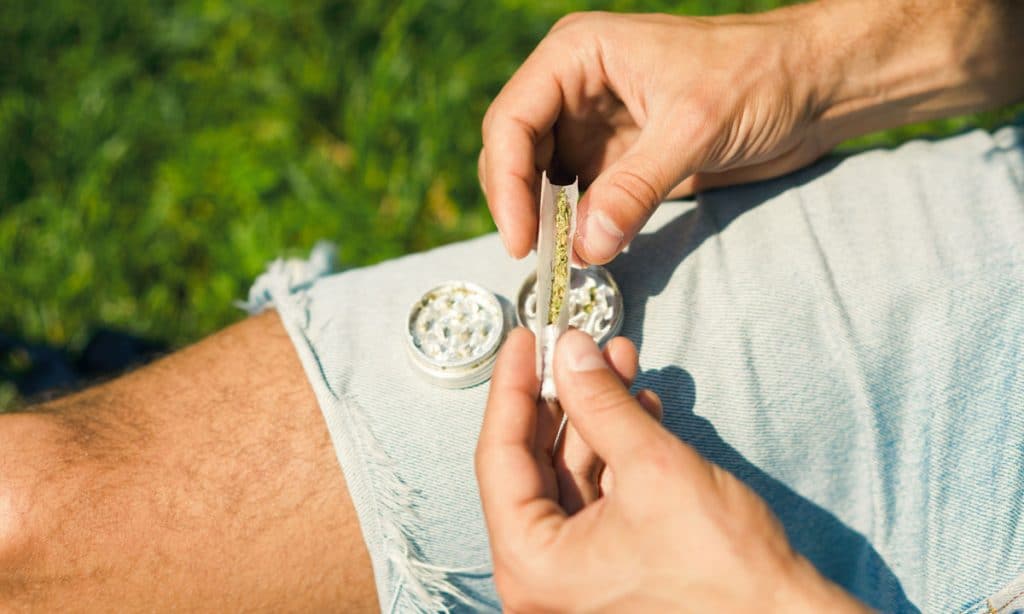
rolling a marijuana joint
Photo by Kampus Production via Pexels

RELATED: Should You Still Consult With Your Doctor After You Get A Medical Marijuana Card?

When asked by friends and patients who express concerns about their physicians, I tell them that if they cannot trust their physician with personal information, they need to change physicians if possible.

So how do we navigate the disclosure of cannabis or any recreational drug use in the health care setting? We should begin by thinking about both explicit and implicit bias.

Explicit bias refers to one’s awareness of their pre-exisiting beliefs and makes decisions based upon them. These biases are often easily identified by others.

Implicit bias is an unconscious belief or feeling which can also affect decision making without the person being aware if their influence.

When there’s a conflict between a person’s explicit and implicit attitudes-for example “people say they are not prejudiced but give subtle signs that they are, for example-those on the receiving end may be anxious and confused.”¹

“The individual words that physicians use can be a signal of implicit bias. Words such as “we”, “ours” or “us” can be used by people in power over those of lesser power. This is seen using language such as, We’re going to take our medicine, right?”²

RELATED: Should You Tell Your Doctor About Your Marijuana Use?

I have always felt that straightforward, non-aggressive questions regarding any issues, conscious or unconscious can help clarify confusion. It is at least worth a try. On the other hand, if the negative bias appears too strong or the anxiety too great, I would recommend a change in provider.

There was a recent online survey that showed 81% of patients withheld medically relevant information. Of those, 81.8% withheld information because they didn’t want to be lectured or judged.³ Well, that generally does not sound like a trusting relationship.

marijuana nug
Photo by Kirill Vasikev / EyeEm/Getty Images

So how do we get through this conundrum: real bias by the physician, fear of bias by the patient and withholding information? We also need to recognize that there can be bias, positive or negative, of the patient towards the health care worker.

There is a weight on the patient’s side of the equation. Regarding the use of cannabis, I would give the same advice in giving a history as I would for alcohol use, exercise and eating.

First, the patient should be honest with themselves. This is best done by keeping an accurate diary of the use of cannabis; whether medical or recreational or both. With this in hand, the physician is given more definitive information for their judgements of patient care. An answer of “just a moderate amount” or “only socially” gives such a wide variance of quantity that it can be misinterpreted. Although it is quite boring to do so, having a diary of use over two weeks, along with effects, can significantly improve a discussion about cannabis.

In the end I feel honest, straightforward discussions with accurate information leads to better health care. Age or type of advanced training of a healthcare professional does not increase or decrease bias. There is continued research about bias which will improve our knowledge of the issues.

“On a more discrete level, we are trying to achieve a better understanding of how situational factors like stress and time constraints could activate bias and influence treatment decisions.” 4

I like to think that health care providers go into their chosen field with an open mind about their patients and their lifestyle choices. In the end, healthcare workers are well educated, but are people too, with their own imperfections trying to partner with their patients for better health care.

____________________

¹ Monitor on Psychology, March 2019 pg 33
² Health Communication, Vol 32, No 4, 2017
³ JAMA Netw Open. 2018;1(7):e185293. doi:10.1001/jamanetworkopen.2018.5293
4 Monitor on Psychology, March 2019 pg 37

Sturgis Motorcycle Rally And Marijuana


It is the iconic event of rebel, cool, outlaws and independence, the Sturgis Motorcycle Rally. About a half million people are excepted to gather this August in South Dakota, down from 700K+ in 2019. The 10 day/10 night rider celebration includes concerts, the Budweiser Clydesdales, pub crawls, a ceterans event, 5k, and more along with a big nose thumb to the man. The organizers held it during COVID daring anyone to stop them. But what about the Sturgis Motorcycle Rally and marijuana?

RELATED: What Are The Fastest Ways To Get High?

The first rally was held by Indian Motorcycle riders in August 1938, by the Jackpine Gypsies motorcycle club.[5] The club still owns and operates the tracks, hillclimb, and field areas where the rally is centered. The first event was called the “Black Hills Motor Classic.” The Jackpine Gypsies were inducted to the Motorcycle Hall of Fame in 1997. The focus of a motorcycle rally was originally racing and stunts. In 1961, the rally was expanded to include the Hillclimb and Motocross races. This could include half-mile track racing (the first year in Sturgis, there were 19 participants), intentional board wall crashes, ramp jumps and head-on collisions with automobiles.

The Sturgis Rally has been held every year including COVID, with the only exceptions during World War II. Harley-Davidson still rules but not with the majority it did several years ago. Rally data gathered by a team from Texas A & M University said that 66% of all 2022 rally attendees owned a Harley-Davidson.

a person wearing a t-shirt with a skull and crossbones with Jack Daniel's in the background

Cannabis in South Dakota is legal for medical use as of July 1, 2021, having been legalized by a ballot initiative on November 3, 2020. Prior to then, cannabis was fully illegal, with South Dakota being the only U.S. state which outlawed ingestion of controlled substances. Governor Kristi Noem opposed marijuana legalization, saying she supports medical marijuana only after it is federal legal and the FDA oversees it. She has fought a bitter fight against legalization.

Meade County Sheriff Ron Merwin, where Sturgis is located, says his deputies are generally looking past enforcing possession of small amounts of marijuana. “If it’s a small amount, we’re just overlooking it and saying, ‘Hey, get rid of it,’” Merwin said. “If it’s big enough for us to worry about, then we’re arresting them.”

Sturgis Motorcycle Rally and Marijuana

Sturgis allows wine and beer in event cups throughout the event, but monitoring weed is a bit different. This year there are over a half dozen cannabis dispensaries right the town’s main strip. Meade County Sheriff Ron Merwin, meanwhile, said open containers may cause more problems than normal. But the sheriff doesn’t “perceive it being a huge deal.”

Vapes, gummies and ointments for sore legs and backs abound, still discreetly. And you walk around get a gentle whiff of cannabis.

RELATED: How To Vape Weed The Right Way

Motorcycle culture exists on the margins of mainstream culture and the stereotype imagines all biker are rebels. Sturgis Motorcycle rally brings people together and weaves community for biker. Not unlike those who use marijuana.

Cooling Inflation And The Marijuana Consumer

Inflation has been the talk in homes for over a year. Eggs, meat, gas, lettuce, airline tickets and butter are just some of things things soaring. The price of a meal at elementary and secondary schools spiked the most in 2022, by a whopping 305%. The war in Ukraine, the upending of workers and supply chain issues and strikes all contributed. How is a person supposed to manage?  And what about cooling inflation and the marijuana consumer? There is some good news for fans and for medical marijuana patients.

The beverage alcohol is generally considered recession-proof. But in this recent bout of inflation, the price of beer consumed at home has increased much more quickly than the price of distilled spirits. Both are up, but beer prices are up far more.

marijuana money
Photo by Cappi Thompson/Getty Images

Inflation has exerted a substantial impact on the legal cannabis industry, amplifying the expenses associated with cultivating, manufacturing, and retailing cannabis products. This surge in costs has further diluted the already slim profit margins for many legal cannabis businesses.” shares Roy Bingham, Co-founder and CEO, BDSA.

RELATED: Hacks To Make Marijuana Last Longer

“Nevertheless, a fascinating counterbalance to this has emerged in the form of significant price compression observed within legal cannabis markets since late 2021. As a result, consumers have been witnessing a notable decline in the price of cannabis purchased at dispensaries.” continues Bingham.

Remarkably, between Q3 2021 and Q1 2023, BDSA’s analysis reveals a staggering 30.5% reduction in the equivalent average retail price of cannabis.  Arizona, California, Colorado, Florida, Illinois, Maryland, Massachusetts. Missouri, Nevada, Oregon and Pennsylvania all had price drops!

RELATED: Alcohol Industry Takes Big Gulps Of Marijuana Businesses

“Historically in times of high inflation, Americans will cut back on non essential luxuries, yet will still set aside spending for requisite indulgences. For example, a wine drinker will continue to drink wine, they might drink more at home than at a restaurant or when out will order a less expensive brand. Cannabis has been following the same trend. It is also promising to notice that data on the industry as a whole has shown that in this time the number of marijuana consumers continues to grow, which for the market is extremely eouncouraging” stated Andrew Laub, managing partner of Keneh Ventures

New York is in their own category since they have over 1,500 unlicensed dispensaries operating not sharing information. Word is they are also doing a significant uncharge from legal states and locals and tourists alike are paying the premium.

What To Keep In Mind When Using Cannabis To Sleep

Need to feel more rested? Keep this in mind when using cannabis to help you clock in your eight hours.

Cannabis and sleep are great partners. Like most sleep aids, it takes a while to crack the code, once you do it, you’ll be having the most sound nights of your life. Just ask any friend who regularly smokes weed or that person who fell asleep in the middle of a party because the weed they smoked was a bit too relaxing. But here is what to keep in mind when using cannabis to sleep.

Anecdotal evidence from people who have trouble sleeping shows how effective cannabis can be, helping users feel relaxed and allowing them to achieve hours of uninterrupted rest. Despite marijuana’s powerful sleep-inducing effects, it’s important to understand that the relationship between cannabis and sleep isn’t as clear-cut as so many believe it is. There are studies that have shown that prolonged marijuana use, or marijuana abuse, can interrupt people’s sleep habits and deteriorate them.

Here are 7 things you should keep in mind when using marijuana for sleep:

THC Vs. CBD

4 Things CBD Won't Help You Achieve In 2022
Photo by Elsa Olofsson via Unsplash

RELATED: What To Know About Using Cannabis For Sleep During These Sleepless Times

The answer to this question depends on your approach to sleep. If you want immediate relief, THC is the way to go. It’s the compound that has long been linked with better sleep, knocking people out pretty quickly, especially if they don’t have too much of a tolerance for it. If you’re looking for a long-term solution, you should choose CBD. This element could help you battle anxiety and help you feel more relaxed, thus making it more likely for you to get sleep in the future.

Dosage

hemp CBD
Photo by Marti157900/Getty Images

Dosage, along with your level of experience with marijuana, matters when it comes to using the herb before bed. If you smoke too little, you might feel no effects. If you smoke too much, you might find yourself tossing and turning with weed-induced paranoia. If it’s your first time using marijuana for sleep, try your best to create a relaxing environment and avoid overstimulating yourself with too much screen time or alcohol. Pace yourself with your marijuana intake and be aware of your body and its cues; that way you’re better equipped to jump into bed once it feels right.

Method Of Consumption

Weed Edibles Have Sold Really Well During The Pandemic
Photo by Jonathan J. Castellon via Unsplash

The way in which you consume marijuana will affect how fast or intense your reaction will be. If you consume an edible, be sure to give your body a few hours to experience effects. If you’re vaping or smoking, there’s more control and less planning necessary.

Type Of Cannabis Matters

Pros And Cons Of Smoking CBD Joints
Photo by GRAS GRÜN via Unsplash

RELATED: Why The Latest Study Saying Cannabis Is Bad For Sleep Is Deeply Flawed

Whether you’re consuming a product that’s THC or CBD-based, or you’re consuming sativas or indicas, it’s important to know that all types of cannabis provide different effects. Indicas are the strains that tend to affect the body in relaxing and heavy ways, producing sleepy effects. Still, it doesn’t mean that a sativa strain or a hybrid won’t make you feel sleepy. Marijuana is a trial and error type of substance; try different options and keep track of what works for you and what doesn’t.

Marijuana Hangovers

5 Ways To Beat A Hangover That Actually Work
Photo by fizkes/Getty Images

RELATED: Marijuana Hangovers Are Real: What You Need To Know

If you’re not much of a nighttime marijuana consumer, the groggy feeling you might experience when you wake up can be puzzling. Although not as strong or common as regular hangovers, weed hangovers exist. Although not completely understood, these are more likely if you’ve been consuming low-quality marijuana. To cope with them, be sure to drink lots of water, eat healthy goods and monitor your cannabis intake throughout the day.

Changes In Sleep And Dreams

sleep
Photo by Andrea Piacquadio from Pexels

RELATED: Does Using Cannabis For Sleep Cause Crazy Dreams?

One of the most noticeable effects that cannabis has on sleep is the lack of dreams. This is due to cannabis limiting REM sleep, which is the stage of sleep where dreams are likely to occur. Scientific studies have found that REM sleep is important for learning and resting. There’s much we don’t understand when it comes to the relationship between cannabis and sleep. It’s important to monitor your marijuana usage and your sleep habits, especially if you feel like the sleep you’re having is not restful or good for you.

It’s All Up To You

Adults In Legal Marijuana States Don't Have 'Buyer's Remorse,' Poll Finds
Photo by monkeybusinessimages/Getty Images

Lastly, it’s super important to highlight that cannabis is a very personalized experience. What might work for me might not work for you. This is why we need more cannabis research and something that can help us understand the plant better, thus, helping us achieve its potential.

How Cannabis Helps Treat Head Injuries

Traumatic brain injury (TBI) is one of the leading causes of death worldwide in individuals under the age of 45. Triggered by concussions from car accidents, falls, violent contact sports, explosives or by gunshot and stab wounds, TBI affects over 2.5 million Americans and Canadians annually. It is the most commonly identified cause of epilepsy among adults. A question is how cannabis helps treat head injuries

The social and economic costs of TBI are considerable given that many who survive severe head injuries suffer permanent behavioral and neurological impairment that adversely impacts learning and memory and often requires long-term rehabilitation. An estimated 4 million to 6 million Americans are on disability because of TBI. Even so-called mild cases of TBI can result in post-traumatic seizures, refractory cognitive deficits, and lower life expectancy.

Treatment modalities for TBI are limited with few satisfactory pharmaceutical options available. Surgical intervention, which entails the removal of parts of the skull to reduce intracranial pressure, is an emergency, life-saving measure, and the aftermath can be gruesome.

But hope is on the horizon, thanks in part to U.S. government-sponsored scientific research – and to extensive anecdotal accounts from medical marijuana patients – which highlight the potential of cannabinoid-based therapies for TBI.

The patent

In 1998, the Proceedings of the National Academy of Sciences published a groundbreaking report on the neuroprotective properties of cannabidiol (CBD) and tetrahydrocannabinol (THC), two major components of marijuana. Co-authored by a team of researchers (AJ Hampson, M Grimaldi, D Wink and Nobel laureate J Axelrod) at the National Institutes of Mental Health, this preclinical study on rats would form the basis of a U.S. government-held patent on “Cannabinoids as antioxidants and neuroprotectants.”

The patent indicates that CBD and THC were found “to have particular application as neuroprotectants … in limiting neurological damage following ischemic insults, such as stroke or trauma.” These plant cannabinoids were also deemed useful for treating other neurodegenerative conditions, “such as Alzheimer’s disease, Parkinson’s disease and HIV dementia.”

Whereas TBI results from an external blow to the skull, a stroke is caused internally by an arterial blockage or rupture. But TBI and stroke share many of the same pathological features and aberrant molecular mechanisms.

TBI and stroke are both acute and potentially lethal injuries, involving a primary ischemic insult that interrupts cerebral blood flow and destroys brain tissue. This is followed by a secondary injury cascade that, if unchecked, can ricochet for several weeks or months, resulting in more brain damage, motor impairment and other adverse “downstream” effects, such as poor concentration, irritability, and sleep problems.

Whether the cause is an occluded blood vessel or blunt external force, the initial trauma triggers a complex sequence of molecular events characterized by the massive release of glutamate (an excitatory neurotransmitter) and the overproduction of reactive oxygen species (free radicals) and other inflammatory compounds. Excessive glutamate and oxidative stress, in turn, lead to microvascular injury, blood-brain barrier breakdown, swollen brain tissue, mitochondrial dysfunction, calcium ion imbalance, neurotoxicity and cell death. The secondary injury cascade is associated with the development of many of the neurological deficits observed after a TBI or a stroke.

Cannabinoids to the rescue

A 2014 article in American Surgeon examined how marijuana use affected people who suffered a traumatic brain injury. “A positive THC screen is associated with decreased mortality in adult patients sustaining TBI,” the study concluded.

According to this noteworthy report by UCLA Medical Center scientists, TBI-afflicted individuals who consume marijuana are less likely to die and more likely to live longer than TBI patients who abstain.

How does cannabis, and THC, in particular, confer neuroprotective effects?

Plant cannabinoids such as THC and CBD mimic and augment the activity of endogenous cannabinoids that all mammals produce internally. Endogenous cannabinoids are part of the endocannabinoid system (ECS). The ECS regulates many physiological processes that are relevant to TBI, such as cerebral blood flow, inflammation, and neuroplasticity.

A 2011 article in the British Journal of Pharmacology describes the ECS as “a self-protective mechanism” that kicks into high gear in response to a stroke or TBI. Co-authored by Israeli scientist Raphael Mechoulam, the article notes that endocannabinoid levels in the brain increase significantly during and immediately after a TBI. These endogenous compounds activate cannabinoid receptors, known as CB1 and CB2, which protect against TBI-induced neurological and motor deficits.

THC activates the same receptors, with similar health-positive effects.

Of knockout mice and men

CB1 receptors are concentrated in the mammalian brain and central nervous system. Preclinical research involving animal models of TBI and stroke has shown that heightened CB1 receptor transmission can limit harmful excitotoxicity by inhibiting glutamate release. CB1 receptor activation also dilates blood vessels, thereby enhancing cerebral blood flow (and oxygen and nutrient supply to the brain).

But these beneficial physiological changes were not evident in genetically-engineered “knock out” mice that lack CB1 receptors. Without these crucial receptors, an animal is less able to benefit from the neuroprotective properties of endogenous cannabinoids and plant cannabinoids.

In 2002, the Journal of Neuroscience reported that the impact of induced cerebral ischemia is much more severe in CB1 knockout mice than in “wild type” mice with cannabinoid receptors. The absence of CB1 was shown to exacerbate TBI-related brain damage and cognitive deficits, indicating that cannabinoid receptors play an important role in neuroprotection.

The CB1 paradox

By manipulating cannabinoid receptors and other components of the endocannabinoid system with synthetic and plant-derived compounds, medical scientists have been able to reduce brain injury in animal experiments.

But CB1 proved to be a tricky target.

In 2013, the International Journal of Molecular Science reported on how TBI is affected by diurnal variations of the endocannabinoid system. It turns out that the recovery and survival rate of concussed lab rats is significantly higher if a TBI occurs at 1 am, when CB1 receptors are least robust, as compared to 1 pm, when CB1 receptor expression peaks.

This finding was somewhat perplexing given the protective function of the endocannabinoid system against brain trauma.

The ECS is a complex, front-line mediator of acute stress, and the pivotal role of the CB1 receptor is contingent on several variables, including time of day, the phase of the ischemic injury, and endocannabinoid concentrations in the brain. Small and large amounts of cannabinoid compounds produce opposite effects.

When excess glutamate is released, CB1 activity increases to reduce excitotoxic neurotransmission. But CB1also regulates apoptosis (cell death), acting as a switch between cell survival and cell death. Extreme CB1activation could trigger cell death even while it reduces glutamate release. It’s possible that a weak CB1antagonist (that partially blocks CB1 transmission) might limit apoptosis while still reducing glutamate excitotoxicity.

CB2 and neurogenesis

After an initial infatuation with CB1, medical scientists shifted their attention to the CB2 receptor as a drug development target for treating TBI. The CB2 receptor modulates immune function and inflammation. It is expressed primarily in immune cells, metabolic tissue, and the peripheral nervous system.

CB2 receptor expression, unlike CB1, does not vary according to the hour of the day. But during and after severe head trauma, CB2 receptor expression is dramatically “upregulated” in the brain, which means that these receptors rapidly increase in number and density in response to TBI. According to a 2015 study in Neurotherapeutics, “Upregulation of CB2 with no changes in CB1 have been found in TBI.”

Preclinical research has shown that CB2 receptor signaling mitigates many of the molecular processes that underlie neuronal deterioration and cell death after TBI. In 2012, the Journal of Neuropsychiatric Research reported that CB2 receptor activation attenuates blood-brain barrier damage in a rodent model of TBI. Two years later, the Journal of Neuroinflammation noted that the CB2 receptor is instrumental in regulating inflammation and neurovascular responses in the TBI-compromised brain. Genetic deletion of CB2 worsens the outcome of TBI in animal tests, underscoring CB2’s neuroprotective function.

Other studies have shown that CB2 receptor activation promotes cell repair and survival following an ischemic injury. CB2 receptors are present in progenitor (“stem”) cells and are instrumental in driving neurogenesis (the creation of new brain cells). Neurogenesis enhances motor function and overall recovery after TBICB2 knockout mice have impaired neurogenesis.

Shipwrecked

Research involving animal models has shed light on the pathological processes that ensue after a closed head injury. But promising leads focusing on the CB2 receptor have not translated into successful clinical results. As Italian scientist Giovanni Appendino remarked: “If drug discovery is a sea, then CB2 is a rock that is surrounded by shipwrecked-projects.”

But why? For starters, preclinical models only partially reproduce a disease. And synthetic cannabinoids that target a single type of receptor only partially reproduce the multifunctional activities of endogenous cannabinoids and the broad spectrum profile of plant cannabinoids.

Endocannabinoids and phytocannabinoids are “pleiotropic” agents that interact directly and indirectly with several receptors – not just CB1 and CB2 – which also contribute to remediating the neurodegenerative cascade that ensues after a stroke or TBI.

It appears that an exogenous cannabinoid, either synthetic or plant-derived, may need to engage both CB1and CB2 (directly or indirectly) and perhaps other pathways, as well, to confer a clinically-relevant neuroprotective effect. A synthetic single bullet aimed at CB2 or another target is simply not as versatile or as effective as a whole plant synergistic shotgun or a multidimensional endogenous entourage.

A promiscuous compound

How cannabis helps treat head injuries is perhaps through cannabidiol They are considered to be a promiscuous compound because it produces numerous effects through dozens of molecular pathways. Writing in 2017, Mayo Clinic neurologist Eugene L. Scharf noted that the scientific literature has identified more than 65 molecular targets of CBD. This versatile plant cannabinoid is highly active against brain ischemia, modulating many of the molecular and cellular hallmarks of TBI pathology.

CBD has been shown to reduce brain damage and improve functional recovery in animal models of stroke and TBI. According to a 2010 report in the British Journal of PharmacologyCBD normalizes post-ischemic heart arrhythmia and limits the size of damaged tissue when administered after a closed head injury.

What’s more, CBD produces no intoxicating side effects, no THC-like high. And CBD use does not lead to tolerance.

A damaged brain can be remarkably plastic, but there is only a circumscribed window of opportunity (the “platinum ten minutes” or “golden hour”) for therapeutic intervention to prevent, attenuate or delay the degenerative domino effect that occurs during a secondary injury cascade. Cannabidiol expands that window of opportunity. Researchers have learned that CBD can convey potent, long-lasting neuroprotection if given shortly before or as much as twelve hours after the onset of ischemia.

Although it has little direct binding affinity for cannabinoid receptors, CBD confers neuroprotective effects and other benefits via several non-cannabinoid receptors. In 2016, scientists at the University of Nottingham (UK) reported that CBD protects the blood-brain barrier from ischemia-induced oxygen and glucose deprivation by activating the 5-HT1A serotonin receptor and the PPAR-gamma nuclear receptor. CBD also acts through numerous receptor-independent channels – for example, by delaying endocannabinoid “reuptake,” which increases the concentration of neuroprotective endocannabinoids in the brain.

Spanish scientists, presenting at the 2016 conference of the International Cannabinoid Research Society, compared the impact of CBD and hypothermia (cooling) on newborn piglets deprived of oxygen because of an ischemic injury. Hypothermia is typically the go-to therapy for treating newborn infants after a stroke. But in this animal model, the administration of CBD was more effective than hypothermia in protecting neonatal brain function. Preliminary data suggests that a synergistic combination of CBD and hypothermia may produce the best results.

CBD for CTE

Chronic traumatic encephalopathy (CTE), a particularly severe form of TBI, is caused by the accumulation of numerous concussions, which increases the risk of neurological problems later in life and hastens the progression of dementia. Football players are particularly vulnerable given the violent nature of the sport.

After years of official National Football League neglect and cover-up, a cascade of suicide and mental health disorders among former star athletes has generated public attention. So has CBD. The anecdotal benefits of CBD-rich cannabis oil for CTE are well known among football players, boxers, and other professional athletes who are prone to head injuries.

CBD, in and of itself, has a unique, broad-spectrum profile that can augment multiple aspects of our innate, endocannabinoid biology. As a single-molecule compound, CBD has delivered impressive neuroprotective results in preclinical experiments. But let’s not forget about THC, given that TBI patients who tested positive for THC did better than TBI patients who abstained from cannabis.

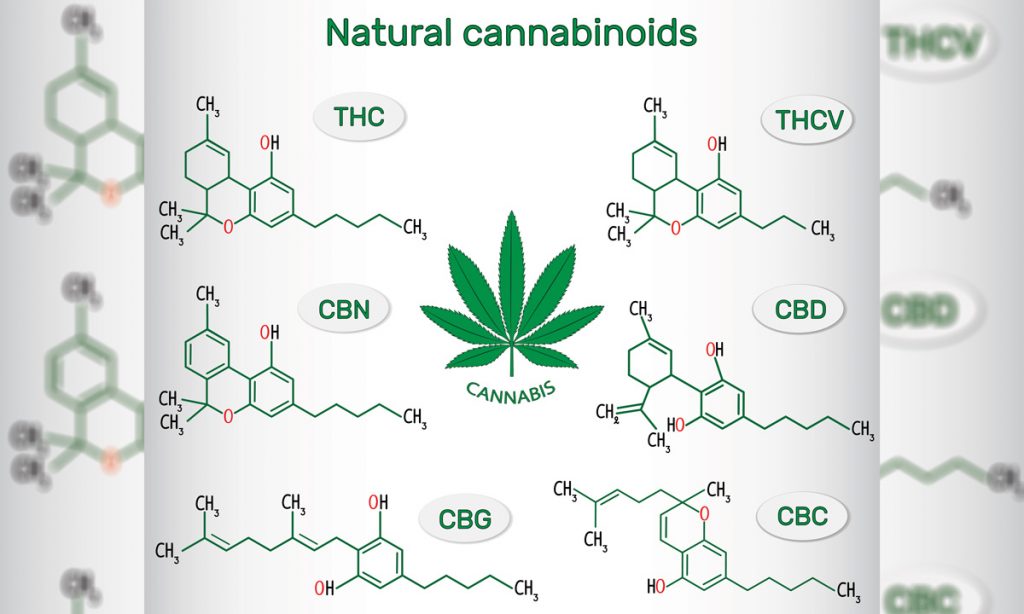
The entourage effect is real. CBD works even better when combined with THC and other constituents of the cannabis plant. Beyond CBD and THC, dozens of cannabis components with specific medical attributes interact synergistically so that the therapeutic impact of the whole plant is greater than the sum of its parts.

For many TBI patients, it’s late in the game and the clock is ticking. A phytocannabinoid remedy that combines CBD and THC and acts at multiple targets simultaneously would seem to be an ideal therapeutic candidate to treat TBI. Thus far, however, there have been no FDA-sanctioned clinical trials to ascertain the efficacy of whole plant, CBD-rich cannabis oil for traumatic brain injury. And in many places, cannabis is still not available as a legal therapeutic option.

Complementary Therapies for TBI

A pathology as complex as a stroke or a traumatic brain injury can benefit from a multifaceted treatment regimen that encompasses a combination of healing modalities, including:
• Whole plant cannabis oilCBD-rich extracts with as much THC as a person is comfortable with.
• Terpenes. Cannabis products and strains with beta-caryophyllene and terpinolene.
• Diet. A high fat/low carbohydrate/low sugar diet with plenty of leafy greens, omega 3 oils (DHAEPA), and fermented foods (probiotics).
• Nutritional supplements and antioxidants. Magnesium, vitamin D, curcumin, glutathione – and melatonin to restore circadian rhythms and sleep.
• Ancient therapies. Acupuncture, exercise, and caloric restriction (fasting), which increase endocannabinoid levels.
• Modern therapies. Neurofeedback, low-level laser therapy (photobiomodulation), hyperbaric oxygen, traßnscranial direct current stimulation, flotation tank therapy, and hypothermia (cooling).


Simple Tricks To Appear Smarter In Work Meetings

0

We all want to shine in our work meetings. Here are some tricks that’ll help you sell the part.

While intelligence is useful and important for doing most things in life, it’s not the same as appearing to be smart. Whether on Zoom or in person, how we come across in meeting determines success.  So here are some simple tricks to appear smarter in work meetings.

Appearing smart is a talent that demands a little bit of bluffing and a little bit of confidence. You don’t have to know the answer, you just have to look like you know the answer. This trait is especially useful in work meetings, whether these are held in a professional office or virtually.

Author Sarah Cooper wrote an entire book about this called “100 Tricks To Appear Smart in Meetings”, which provides helpful tricks for when you’re put in the spotlight and aren’t feeling like the smartest person in the room.

Draw a Venn diagram

Who doesn’t love a Venn diagram? These helpful little charts are cute, easy to understand and instantly make you appear a lot smarter. They also help you to draw conclusions, which is kind of their purpose. This trick works if someone asks your opinion, you suggest a Venn diagram, draw it and just watch as your coworkers struggle to land on the most appropriate labels.

Pretend to take notes

Photo by rawpixel.com

RELATED: Here’s Why Answering Your Boss’s Late Night Email Is Not A Good Idea

Notepads are very helpful nowadays, especially since it makes it obvious that you are, in fact, taking notes and not scrolling through social media. Write down bullet points and key words. This trick, aside from making you look smart, will also help you focus on the task at hand and keep you from thinking about random things.

Ask the speaker or presenter to go back a slide

For some reason, this makes it look like you’re the person who’s paying the most attention out of everyone else in the room. It’s also a perfect opportunity to know what’s actually being discussed. Two birds, one stone.

Repeat what the speaker said

Photo by Sarah Pflug via Burst

RELATED: 5 Tips To Help You Get Work Done When You’re Working Remotely

Repetition is a useful tool. It helps you to remember things and also makes you appear like you’re interested. Or that you’re slow, it all really depends on the context. For this technique to work, you have to sell the part, repeating the phrase back to the speaker as a question or as a way of highlighting the fact that what they’ve just said is important.

Be honest and laugh at yourself

If someone asks what you’re thinking and you were just day dreaming about your dog, try to be honest and humorous, explaining that you missed the last question or that you’re very stressed out by the state of the world. At this moment, there’s nothing more sincere and relatable than that.

Hope you enjoy the simple tricks to appear smarter in work meetings, good luck!

People With These Disorders More Likely To Overuse Cannabis

One of marijuana’s most common medicinal uses is to provide relief for conditions like depression and anxiety. But a recent study people with these disorders are more likely to overuse cannabis within a short span of time. It can lead to cannabis use disorder and poor relief from the initial symptoms they were treating.

The study, published in JAMA Network Open, followed over 200 adult patients in Boston who were all looking for their medical marijuana cards. They were divided into two groups: one who was given their medical marijuana cards immediately, and another, who had to wait 12 weeks to get their cards.

RELATED: Study: Brain Stimulation Reduces Marijuana Use By 60% In Schizophrenia Patients With Cannabis Use Disorder

seniors and cannabis
Photo by RODNAE Productions from Pexels

The study shows that those who obtained their medical cannabis card immediately were more likely to develop cannabis use disorder, a condition where people depend on the drug to feel better. When using marijuana for anxiety or depression, their risk of cannabis use disorder increased by 20%.

Other findings made by researchers include the fact that those who obtained their medical cards immediately didn’t report better mental health, but they did report better sleep habits and better overall health. Despite the fact that cannabis is often recommended for treatment for people with affective disorders, the study found that the plant didn’t provide the positive results that were expected.

“Our study underscores the need for better decision-making about whether to begin to use cannabis for specific medical complaints, particularly mood and anxiety disorders, which are associated with an increased risk of cannabis use disorder,” said lead author Jodi Gilman.

RELATED: Are E-Cigarettes A Gateway To Weed? It Depends On This, Says New Study

The scientific data on cannabis and mental health remains in its early stages. Though much anecdotal evidence correlates the two, when it comes to science and facts, there remain a lot of questions. While some studies have found positive connections between cannabis and affective disorders, others have found the opposite. It’s important for cannabis to be researched extensively, especially if people are planning on replacing their usual medications with cannabis.

Ways To Use Hemp Oil To Look Younger

Whether you’re looking to treat a specific skin condition, or simply want to improve your health regime, there’s a lot that hemp seed oil can do! 


The number of years you’ve been alive doesn’t necessarily tell how old you are on a biological level. An international study found that some people age up to three times faster than others. If you could change how old is your body, would you? Especially your skin?  Here are ways to use hemp oil to look younger and slow the aging process.

Some of the participants in the study were 38-years-old but had a biological age of close to 60! The results prove that age-related decline is already happening in young adults who haven’t even begun to encounter age-related diseases.  

5 Common Myths About Hemp Oil And CBD Oil
Photo by Tinnakorn Jorruang/Getty Images

If you want to stay younger for “longer, then hemp oil could be the perfect answer. Rich with linoleic acids, the oils found in hemp could help slow down the aging process.  

What other ways can hemp seed oil improve your life? Read on to find out some of the top hempseed oil benefits.

Best Way to Use Hemp Oil for Body Care 

Moisturizer

Let’s start by talking about the different ways hemp oil can help your skin. Instead of overwhelming your skin with more grease, hemp seed oil will help influence your skin’s oil production while maintaining its pH. 

By letting your body know that it can back off on producing oil, problems like acne can begin to subside. It’s not that your skin won’t produce any more oil. Rather, your body will begin to produce the right amount of oil.  

RELATED: What Is Hemp Oil, What’s In It, And Is It Good For Your Skin?

When you use hemp seed oil topically it helps strengthen your skin by collecting water from nearby sources. When you ingest hemp seeds orally it has the opportunity to work directly with your endocannabinoid system, helping balance things out. 

By combining topical and oral applications you’ll be able to get the best of both worlds! You can also get CBD bud if you want to smoke hemp using chillums. 

Atopic Dermatitis 

Did you know that hemp seed oil has vital omega-3 and omega-6 fatty acids? Consuming both of these nutrients can help your body in several ways, such as treating atopic dermatitis.  

Before you start using hemp seed oil to treat any type of condition, check with your dermatologist first. It’s always a good idea to make sure that the oils won’t interact negatively with any medications you might already be taking. 

CBD Oil And Its Potential Aa A Psoriasis Treatment
Photo by Catherine Falls Commercial/Getty Images

Treating Psoriasis

Do you or someone you know suffer from psoriasis? Psoriasis causes extra cells to begin building upon the surface of your skin. The result is dry, itchy red areas that usually have a scale-like appearance. Currently, there isn’t a cure for psoriasis. 

RELATED: New Study Finds Hemp Oil Can Help Treat Chronic Neuropathic Pain

However, hemp oil may be able to help slow down the excess production of skin cells. By balancing out your skin cell production, your body can finally begin to heal.  

If you’re dealing with a severe case of psoriasis, talk to your dermatologist about using hemp oil lotion and directly eating hemp seeds. 

Try Hemp Oil Yourself 

Whether you’re looking to treat a specific skin condition, or simply want to improve your health regime, there’s a lot that hemp seed oil can do! 

Remember to reach out to your doctor before you start using hemp seeds in your daily life. After getting the green light from your doctor, look for a reputable supplier online so you can start enjoying a healthier lifestyle.  

Don't Miss Your Weekly Dose of The Fresh Toast.

Stay informed with exclusive news briefs delivered directly to your inbox every Friday.

We respect your privacy. Unsubscribe anytime.