It’s estimated over 150 million units of AirPods have been sold so far. And over 100 million people are using them right now. Apple has made another fortune with these mini devices and people are scooping them up and leaving them in all sorts of places. You see people looking as if they are chatting themself on the street, in restaurants, all over. They have almost become part of the body. In fact, data says people wear AirPods at an intimate time…THE intimate time.
Take a minute to mull that over.
TickPick, an online ticketing service, conducted a survey of 1,000 people who are sexually active and interested in music. While TickPick doesn’t sound like the most reliable source of scientific information, they discovered that 17% of participants like to keep their little pods in when having sex.
Pop fans, the majority of them belonging to the youngest demographic surveyed, were the least likely to be satisfied in bed.
Nearly 80% of people with the same musical taste as their partner were satisfied with their sex lives. They had sex an average of eight times per month.
43% of people who had different musical tastes as their partners claimed to be unsatisfied with their sex lives. They had sex an average of six times per month.
Fans of indie rock were more likely to be into BDSM.
Fans of heavy metal were the most likely to use contraceptives while fans of country were the least likely, with only 49% of them taking precautions.
No matter your thoughts on this survey and all of these interesting bits of data, you should still be shocked over the fact that 17% of people keep their AirPods in during sex. This knowledge gives a whole new meaning to all of those AirPod memes.
Regina watch out! The school bus is coming!
OH MY GOD SHE HAS HER AIRPODS IN! SHE CAN’T HEAR US! pic.twitter.com/LiHEd8GWCT
People are really out there doing what they want. And you can bet Apple is thrilled with this tidbit of free marketing. Those little devices really do stay put as we can tell since data says people wear AirPods at an intimate time
The absence of THC combined with the presence of rich cannabidiol compounds won’t make your dogs high.
In the US and Canada, over 60% of own a pets. But did you know dogs and cats can become stressed because they are bored, frustrated, scared or anxious. What do you need to know about CBD oil and stress for dogs?
Subtle signs your dog and possibly cat might be stressed include:
yawning – unless your dog is tired
panting – often with a curled tip of their tongue instead of relaxed
pacing back and forth
licking their lips
ears pinned back
dilated pupils or red around the eyes
whites of their eyes showing (whale eye)
Obvious signs your dog might be stressed include:
loss of appetite
backing away from someone or a situation
tail tucked between their legs
cowering (shrinking down or crouching)
diarrhoea or increased bowel movements
trembling or shivering (when they’re not cold or excited)
Some of these signs may also be caused by a health problem and you should speak to a vet if you are concerned.
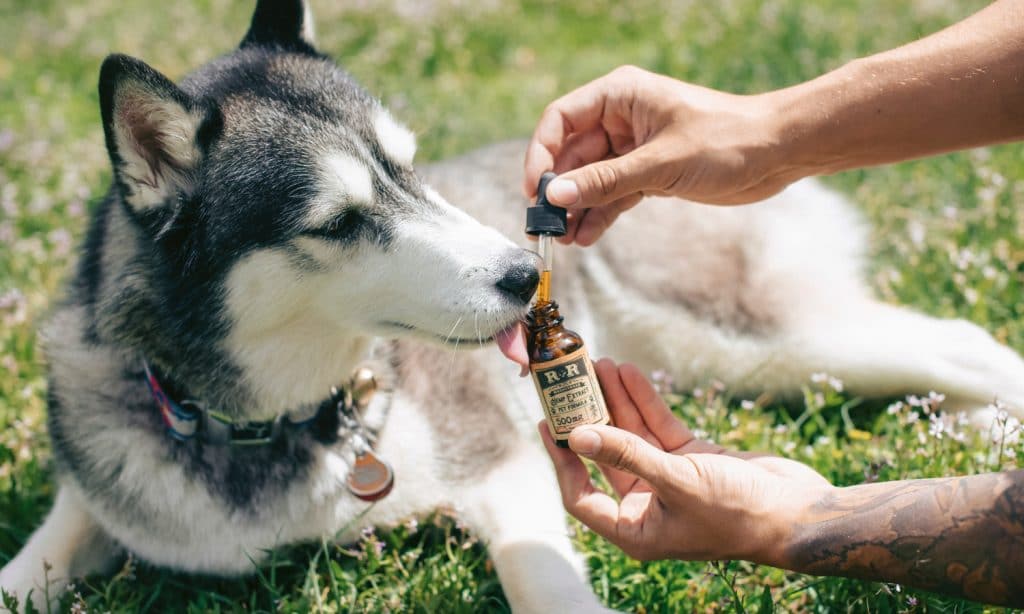
Photo by R+R Medicinals via Unsplash
Cannabidiol is one of the most active compounds found in hemp plants. You can learn more about this on here. Many studies have found out that it can balance the bodily functions of many mammals. When CBD stimulates the endocannabinoid system present in both humans and animals, it can help the body regain homeostasis.
Many pet owners administer cannabidiol to their furry friends because they find that the extract can help with many ailments. Some of the medical conditions in animals that CBD can provide relief for are anxiety, joint pains, backaches, cancer symptoms, seizures, digestive disorders, social withdrawal, stress, insomnia, irritability, mood disorders, and more.
During the recovery phase from surgery, a lot of pet owners have found that CBD seems to stimulate healing, and it has therapeutic benefits for many of our furry friends. At the end of your pet’s life, cannabidiol can also lessen the suffering, anxiety, and pain that your beloved canine or feline may be experiencing. You can learn more about CBD oil’s other benefits at HolistaPet where you can get more information about CBD oil’s potential uses. Some products are exclusively made for pets, so you may want to look for those as well.
About the Endocannabinoid System
A network of receptors is present in the endocannabinoid system, and it is found in the human and animal body.
The body synthesizes endocannabinoids so that homeostasis can be maintained. A stable environment inside the body means that your pet is healthy.
Cannabidiol has phytocannabinoids that interact with the receptors. Today, two types of receptors have been identified, and they are the CB1 and CB2. The CB1 receptors are mainly present in glands, the brain, organs, and the nervous system. The CB2 exists predominantly in the immune system and other regulatory cells in other parts of the body.
One of the ECS’s primary functions is to regulate inflammation by controlling the response of the immune system. There are times when the overactive killer T-cells in an animal’s body become uncontrollable, which can trigger auto-immune problems. On the other hand, an underactive response to infection can make the body a target for cancer cells’ growth.
Photo by Honest Paws via Unsplash
Is CBD Safe for Pets?
Marijuana and hemp are both classified as the same plant. However, they are very much different from each other. Marijuana can be high in tetrahydrocannabinol (THC), and your pet may experience adverse effects when consuming this product. They can be intoxicated or stoned if you give them the wrong product, which is better to avoid.
On the other hand, there’s CBD. CBD from hemp extracts won’t make the animals high. Instead, it has no adverse side effects, and your canines will feel more relaxed and relieved. Marijuana can contain more than 30% THC, while hemp has less than 0.3% of this psychoactive substance.
The absence of THC combined with the presence of rich cannabidiol compounds won’t make your dogs high, and they won’t experience any side effects in the process. Hemp crops are not considered controlled substances in countries like the US. This is why CBD products are legal in almost all 50 states of the US.
Photo by Krista Mangulsone via Unsplash
What Should You Choose for Your Pet?
CBD can be bought in many forms. The common types of extracts are the oil, and it’s sold in many pharmacies and online stores. You can incorporate the oil into your furry friend’s diet and see if there are improvements. Bottles often come with droppers so that you can put some drops on the paws or ears so that it can be easily licked off. You can also choose capsules, balms, and biscuits that are infused with CBD.
Being born between the years of 1997 and 2012, individuals in Gen Z are now between 11 and 26 years old. Many are now entering the full-time workforce and increasing their purchasing power and influence. Already they are making their tastes know. Gen Z’rs upending things including weed and voting, they are making changes in weed, alcohol and politics.
They don’t know a life before the internet, love retro looks, and are the most ethnically diverse generation ever. And in a survey, nearly half of said they’d like to own their own business. Very different from Boomers who were taught to find a good job and career and stick with it.
Photo by martin-dm/Getty Images
When it comes to marijuana, they are setting trends and may change what consumer cannabis looks like. Gen Z’s weed purchasing habits grew by 127% in 2020. Nearly 25% of 18-to-29-year-olds (US) are more likely to smoke cannabis compared to older generations. Gen Z and Millennials are driving the second biggest revenue maker which is vaping. Joints are fading in the young set as they are not as “on the go” and discreet. Vaping and gummies are perfect for an active lifestyle with a need a variety of dosages to fit the time of day.
Gen Z grew up with changing attitudes including a focus on heath, cleaner air, bottled water and a balanced lifestyle. They begin to see marijuana as a staple and not a sin. Around 93% of Gen-Xers agree that cannabis use has many health benefits and can be good for the mind and body. There are also gently moving away from an alcohol based environment.
A Pew Research report showed that 70% of Gen Zers believe the government should do more to solve problems. A February 2021 study said 66% of Gen Zers disagree that the government has done its best to protect the country. One in ten voters in the 2020 electorate was part of this generation, and the numbers will be increasing as more Gen Z individuals come of voting age..
A large cohort of legalization supporters are people ages 18-29, regardless of party affiliation. 78% of Millennial Democrats and 71% of Millennial Republicans agree on the point that cannabis should be legal. This is a big difference from old Republican voters. And it is a signal of other thoughts around inclusion, taxes, and social need policies.
Vivek Ramaswamy is proposing a constitutional amendment that would require citizens 18 to 24 to pass a civics test in order to vote — the same one immigrants take to become naturalized U.S. citizens.
Busy week ending in feeling drained and a bit anxious? Don’t worry, we got you.
Rough week, here’s how to relax. Sometimes the week is just filled with lots of things requiring thoughts, emotions, actions and massive amounts of brain drain. Stir in relatives, politics, minor crosses and a few other unexpected things and sometimes Friday rolls around and you are exhausted and a bit stressed out. Terms like Weekend Anxiety Syndrome and Sunday Scaries are entering our mental health vocabulary alongside the Monday Blues. These terms describe the feelings you get before you go back to your normal Monday to Friday work routine. It’s that feeling of dread, the knot in your stomach, the racing of your heart. We hear you about a rough week, here’s how to relax.
Experiencing an overflow of emotions, even if they’re positive, can leave us feeling drained, like we’re waiting for the other shoe to drop. These concerns can take up brain space and consume large portions of our days. It’s cliché to say “don’t stress out,” instead, try to limit the amount of stressing out that you do, even if it sounds silly. Set up 15 to 30 minutes a day where you can think about what stresses you out — perhaps writing it down or making a plan to address these issues — and then try your best to let them go. If you’re someone whose routines are easily disrupted, avoid doing this in the early morning or late at night, since that can interrupt your productivity and sleep.
Disconnect from devices
Drawn out elections meant that most of us spent the majority of our days glued to the news and our smart phones. While you may be happy now seeing all of those videos of people celebrating and dancing on the streets, it’s important to cut the feeling of dependency to your phone. Now that there won’t be any breaking news at any minute (hopefully) you can focus on spending your time more wisely.
Breathing exercises are a great way of dispersing anxious feelings, at least temporarily. If you find yourself overthinking in the early morning or with a pit in your stomach when trying to go to bed, focus on your breathing. If you want some visual aid, you can visit websites like this is sand, galaxy weaving and more.
A Gummy
More and more people are using a gummy just to take the edge off a the end of the day. Marijuana is a know to help with stress and a small amount on Friday or Saturday can allow you to unwind without getting really high.
Stay in the present
2020 is the year of uncertainty. This won’t magically change with a new president or a new year. While it is stressful to think about all the changes that are coming, it’s important to cultivate your relationships and to look for activities that make you feel happy and fulfilled. These small achievements will help you feel more positive and will help you stay rooted in the present moment.
If you have had had a rough week, here’s how to relax tips hopefully have been helpful.
Rehydrating your weed is probably not something you want to be doing often. This is why prevention is always key.
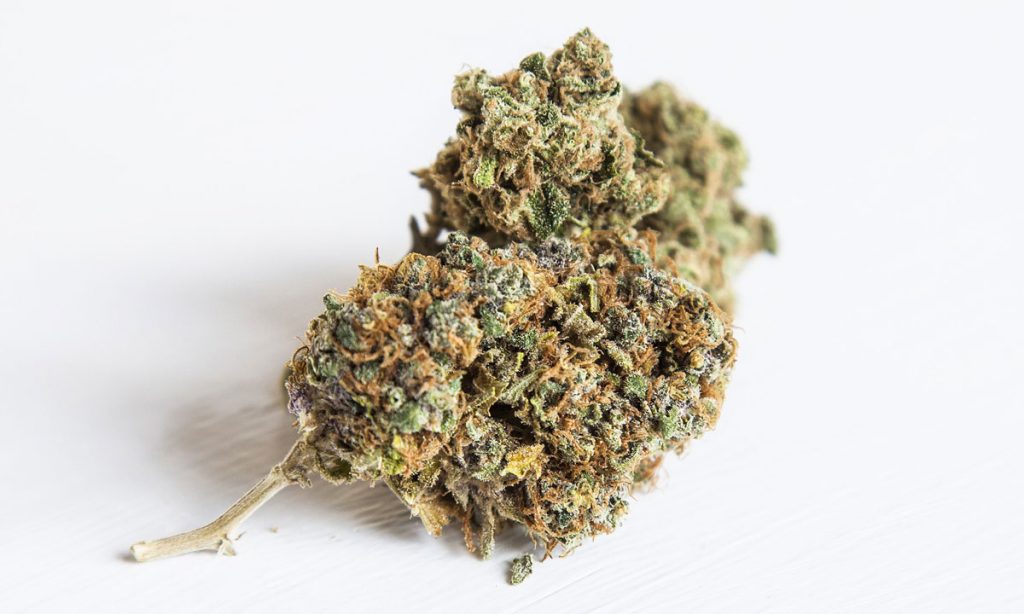
Sometimes you find a strain, stock up and want to savor it for months, or sometimes the cash is tight and you want to make the most of wha you have. Either way, you suddenly find yourself with some prime green which has seen better days. It’s dry yet still packed with what you want. Good news, here is a guide to rehydrating stale weed.
Two of the key reason weed gets dry is either it’s over-dried after harvest, or it hasn’t been stored correctly. If you are cutting down your weed to get ready to dry it, the stems will soon lose its stiffness. The best way to tell if it’s dried properly is if you’re able to snap a stem in half but if the stem continues to bend, then it requires more drying time.
However, if you’re living in arid climates, you may need a humidifier.
Photo by Elsa Olofsson via Unsplash
When it comes to storage, there are many common mistakes that beginners often make, causing their weed to end up drying out or becoming brittle. These are: refrigerating or freezing, exposing it to too much moisture, and high temperatures.
But if you find yourself with weed that’s dried out, don’t worry. We’re here to help before you decide to throw out that dry dash. Before we start, remember that you shouldn’t be smoking crumbly, dry pot – it’s extremely harsh on the throat and will also hurt your lungs. Not to mention taste terrible.
So why would you rehydrate your weed? Well, in most places, it isn’t cheap to buy weed. Getting rid of your stash because it’s dry pretty much means you’re throwing money away. But no one wants to smoke weed that’s dried out, though the good news is that rehydrating your stash is simple, easy, and isn’t labor-intensive so you can do it yourself.
Rehydrating Your Dry Stash
Since your weed is dry, you’ll need to expose it to some level of moisture to efficiently rehydrate it. Dried out weed will likely no longer have any kind of flavor or aroma, which is why you’re smoking it in the first place.
Photo by OlegMalyshev/Getty Images
Bud should be exposed to moisture levels between 6-9%, and if it’s above 65% this can cause mold growth. When it’s being dried, moisture should be under 15% then curing involves drying it down to even lower at around 9%. Rehydrating weed typically involves putting the pot together with another wet object inside a sealed container, which results in the creation of a microclimate. This will enable water from the wet object to transfer to the dry object until there is an even system of moisture.
However, keep in mind that for the best results, you should always use distilled water. That’s because distilled water has already gone through the process of evaporation then condensation, and it’s passed through a filter. These ensure that the distilled water is completely free from any chemicals and impurities that can affect the cannabis when you it for rehydration.
There are several methods you can use:
Damp Paper Towel
Get a clean paper towel and lightly dampen it with distilled water. Be careful not to soak it. Place it beside the cannabis in a thick plastic or Ziplock bag and be sure to close it tightly, allowing it to sit for an hour or two. Check the weed to see if it’s already been able to absorb moisture, and check the towel as well if it’s less wet.
Fruit Peel
Photo by cottonbro via Pexels
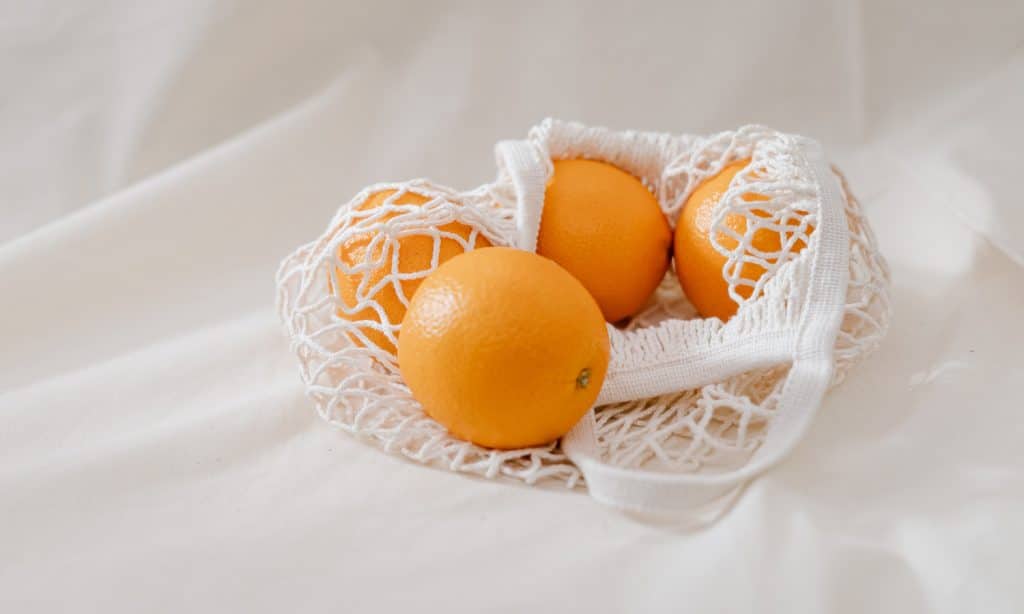
The fruit peel method of rehydrating cannabis is one of the simplest and most popular. It simply involves placing the stash inside an airtight container with fruit peel, lime and lemon being the most common choices but you can also use apples, grapes, cheery, grapefruit, banana, and pear.
Using fruit peels will not just effectively rehydrate your weed but it also has the benefit of infusing some delicious fruity flavors into your stash. This is because the process involves transferring some of the fruit’s essential oils and terpenes. Just put the fruit peel in the jar with the weed and allow air in once or twice within 24 hours, after that, your stash should be good to go.
If you like the benefit of added flavors and aromas, you can also experiment by adding herbs such as cilantro, mint, thyme, or other herbs that are rich in fragrance.
This process may need to be repeated a few times depending on the size of your stash. Keep in mind that this process shouldn’t be rushed, just repeat it until the weed has reached the moisture levels you’re looking for.
Bread
Photo by Erez Gavish via Unsplash
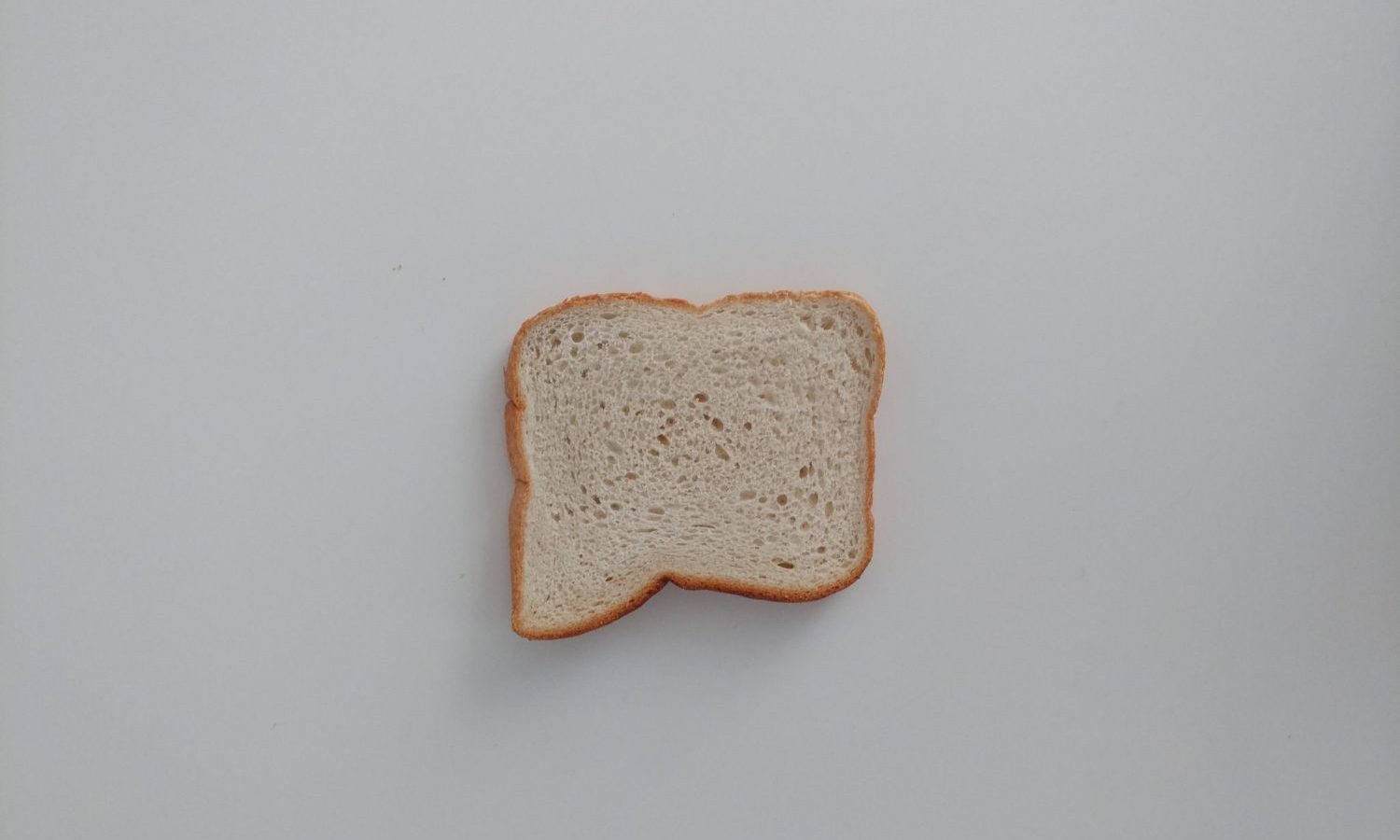
A fresh slice of bread has been touted by many as the best tried-and-tested method for rehydrating cannabis. Just moisten the slice and place it in the same container as your pot. Avoid letting the bread come into contact with the cannabis because you don’t want to be smoking bread crumbs after it’s been rehydrated. The process involving bread is the same as fruit peels but you may need to repeat it around 5 times for the best results.
Lettuce
Photo by Jef Wright via Unsplash
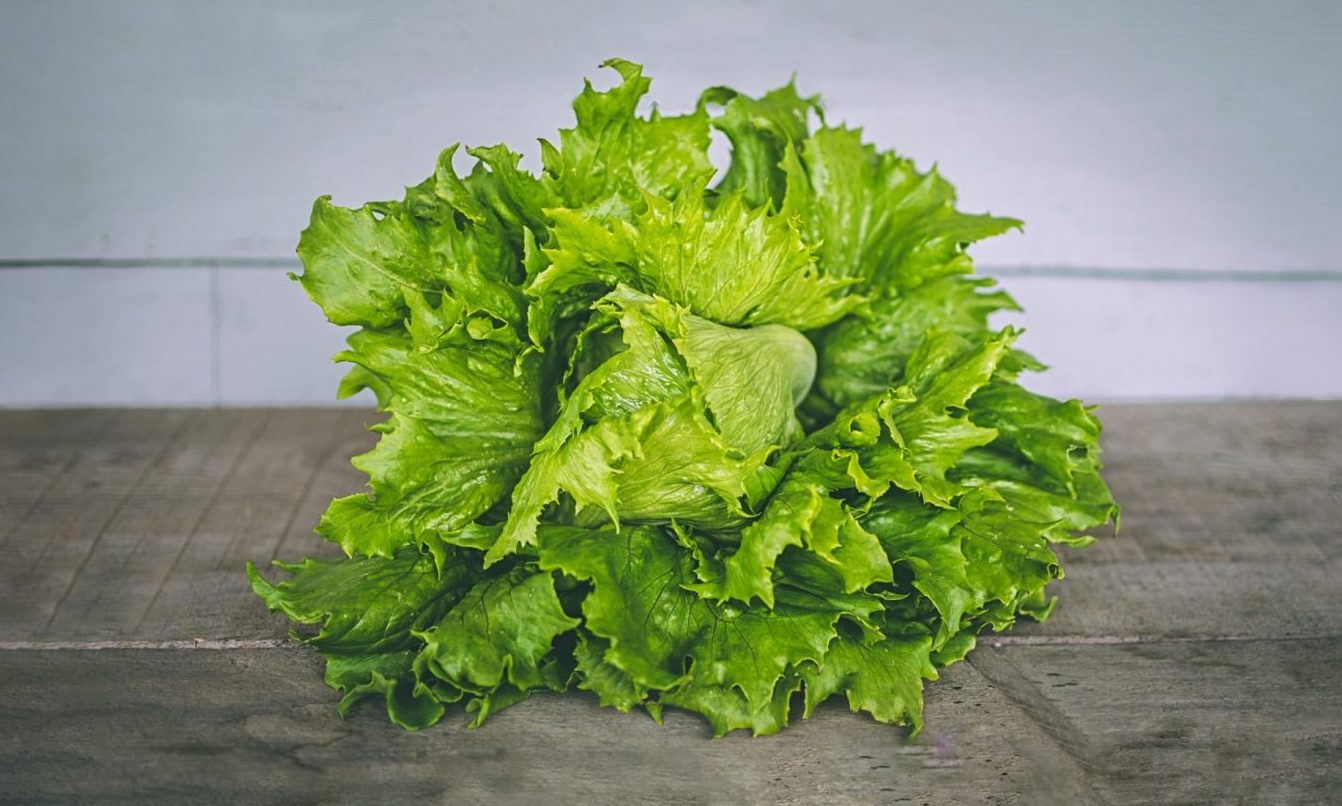
Since lettuce is primarily made up of water, it’s a terrific choice for rehydrating weed. The process of using lettuce is similar to fruit peel; just leave a lettuce cut in an airtight container or Ziplock bag for around 12 hours.
Humidity Packs
Your last resort can always be a disposable humidity pack. There are many inexpensive ones sold online, but some are also made specifically for preserving the ideal humidity in cannabis.
Bottom Line
Rehydrating your weed is probably not something you want to be doing often. This is why prevention is always key, and you can prevent it by making sure you store it properly in the first place.
If you want to ensure you always smoke only the freshest cannabis out there, you might want to consider investing in a humidor or humidifier. There are many cannabis humidifiers out there to suit all budgets.
Last but not least, air tight and out of sight should always be your motto when storing your pot next time.
Everyone can use hints and tips on doing things better. Here is yours for today
There was a fortune made in the “For Dummies” books. Wine, Gardening, Hiking, etc. People love to learn about what they enjoy and, men especially, love to feel they are an expert. Even those new to wine love to figure out the best way to enjoy the flavor and body. So here are so here some expert marijuana hacks you need.
You know that ancient proverb: You can’t teach old dogs new tricks? Don’t believe it. Whether you are a long term consumer or just canna-curious, technology and new products open up a whole realm of fresh ideas.
Spice Jars Make Great Nug Containers
Do you have an empty cinnamon jar or garlic powder jar? You know the kind that have two separate lids, one with little holes and another main lid? They make great containers, especially if they are glass.
These little containers are excellent for keeping your nugs fresh longer. They act as a MacGuyverish humidor. Here’s how:
Photo by 4657743 via Pixabay
Get a small square of paper towel (or napkin) and get it just a little wet. Don’t drench the thing. I prefer using distilled water because it is free of any foreign particles. Place the paper between the two lids.
That’s it. Your cannabis won’t dry out.
Tip: Do NOT put the jar back in the pantry or spice cabinet or wherever who put your actual spices.
Freeze! Make Ice Cubes Out Of CannaJuice
If you are fortunate to live in states that allow the sale or cannabis beverages, this trick is great. Or if you make your own cannabis tea this will work too.
Simply pour the fluid into the ice cube tray (I prefer buying a mold that allows for 1/2 cup-sized cubes). Now you have cannabis in your freezer to use whenever you like.
Use them to make a smoothie. Or invent your favorite cocktail.
NOTE: It’s not advisable to mix cannabis with alcohol.
Variety Is The Spice Of Life — Especially Music.
Music and marijuana go together like peanut butter and jelly. Before your session, make sure you have selected your playlist. Sometimes, figuring out a playlist while impaired is not ideal. So take some time and pick your tunes.
I suggest creating multiple playlists depending on your mood: Wake and Bake List, Chilling List, Workout List, In The Bedroom List. You know the drill.
If you are stoked about your playlist, make sure to share it with friends
Eat A Mango
Eating a mango 45 minutes or so before a cannabis session will allow the THC to absorb into your body quicker and the high will stay with you longer. For some, the intoxicating feeling will be slightly more intense.
The sweet tropical fruit are packed with myrcene, a terpene that interacts with THC. Myrcene is also known to have anti-tumor, anti-inflammatory, anti-spasmodic properties. Additionally, it lowers the resistance across the blood to brain barrier, allowing itself and many other chemicals to cross the barrier easier and more quickly. Including THC.
Added bonus: Not only are mangoes delicious, they are packed with vitamins and nutrients. It’s a win-win.
Do-It-Yourself Kief Pellets
If you are an advanced cannabis consumer, you no doubt now what kief is.
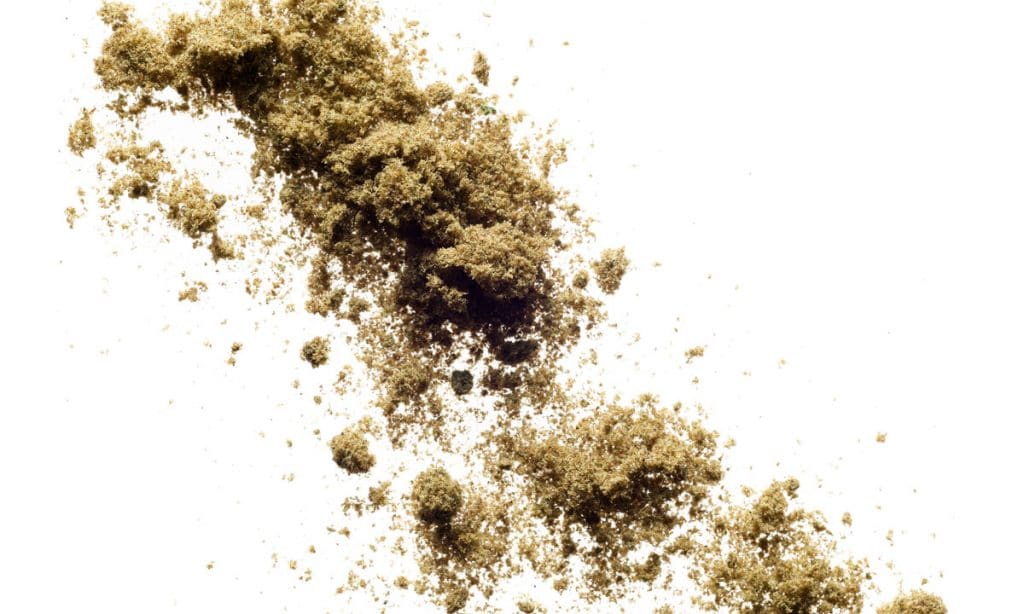
Buying kief pellets can be pricy and supply can be spotty in certain regions of the country. No worries. Here is how to make your own kief pellets. All you need are kief, scissors, two pencils, a sheet of paper and tape.
First, cut a piece of paper into a strip about 2 inches wide by 6 inches long and wrap it firmly around one pencil. Affix the tape on the paper so it will remain shaped as a tube. Remove the pencil. Carefully fill the paper tube with kief. Use the other pencil to tightly pack the kief inside the tube.
A Curling Iron Is Not Just For Your Hair
Now that you have little kief pellets, you can now make some homemade hash using a hair iron. Yep, a simple curling iron will come in handy.
Using pressure and heat, you can press kief into hashish. All you need is kief, parchment paper and a hair iron. Place the kief inside folded parchment paper. Apply pressure and heat with the iron for about 5-10 seconds. The kief will compress into a more solid form. Break off small pieces and smoke it or vape it or add to tea.
Take A Walk On The Mild Side: Tolerance Holidays
Nearly every regular consumer of cannabis will notice that his or her tolerance change over time. That comfortable euphoric feeling gets harder to experience. Maybe it’s time for a “Tolerance Holiday.”
Tolerance Holidays, also known as T-breaks, allow your body and mind to re-calibrate. If you have been consuming cannabis for a prolonged period of time, your system becomes desensitized to its psychoactive effects. When you constantly put THC in your body, the receptors that bind to it become compromised. Give your system a break.
If possible, 30 days is optimal for the T-break, but even a week will do.
Added bonus: You’ll have a few extra bucks in your bank account.
Study finds that women are now more open to treating gynecological conditions with cannabis.
Women do not have it easy. Every woman during certain ages experiences they’re monthly, but up to 20 percent of women experience painful cramps. This is known medically as dysmenorrhea, making it difficult to enjoy their daily activities. Add menopause, UTIs, and other issues and it is a menu of suffering while also trying to lead a life. A study reveals women would use cannabis to treat gynecological condition, from from menopause to menstrual pains.
Published in the Journal of Women’s Health, the study shows that women have a history of using cannabis to cope with chronic pelvic pain, menstrual cramps and pain associated with gynecological cancer. “A larger proportion of women who reported ever using cannabis were willing to use cannabis to treat conditions commonly seen in gynecological practices compared to never-users (91.6% vs. 64.6%),” says Leo Han, MD, MDH, and one of the lead authors of the study.
Photo by Emma Gibbs/Getty Images
Authors of the study theorize that this willingness to give cannabis a shot could be influenced by the relative safety associated with cannabis use and with the negative side effects that are common when using opioids for pain management. It’s important to note that conditions like endometriosis are infamously difficult to diagnose and treat, resulting in more and more women being willing to try alternate methods of treatment.
According to Journal of Women’s Health Editor-in-Chief Susan G. Kornstein, MD, the study found that “a large proportion of those women who had never used cannabis were willing to try it to treat gynecological pain. Fewer, but still a substantial percentage, would use it for procedural pain or other gynecological conditions.”
While cannabis’s medical acceptance remains a novelty, the use of cannabis for treating menopause and menstrual pain has become more common over the years. According to data presented to the North American Menopause Society in September, one in three women with menopause use cannabis to treat their symptoms.
Cannabis products for treating menstrual pain and heightening sexual arousal have quickly grown into a profitable market, including bath soaks, cannabis tampons, lubricants and more.
Whether cannabis newbies or seasoned users, we can all develop healthier habits when it comes to consuming the herb.
Most of the time, bad habits are simply a way of dealing with stress and boredom. Everything from biting your nails to overspending on a shopping spree to drinking every weekend to wasting time on the internet can be a simple response to stress and boredom. Another reason is routine, ice cream feels so good, we wind up having it every night or a glass of wine every evening upon returning home. As cannabis has been embraced within the legal and cultural realms, the plant, no matter how natural it is, is still a drug; there are side effects to its usage, especially when mishandled. Here are ways to avoid unhealthy marijuana habits.
Avoid combustion
Photo by Jamie Grill/Getty Images
Smoking cannabis is the oldest and most traditional form of consumption, demanding little paraphernalia and producing quick effects. This form is also one of the most harmful, since, like any substance and compound that is smoked, it damages your lungs. If you’re a regular marijuana user, try consuming the drug in other forms, like tinctures and edibles, and leave joints and other smoking devices for special occasions.
No matter if you’re purchasing or making your own edibles from scratch, try limiting the amount of sugar that you put in your body. Do some research on edible products or ask around in your local dispensary. Although these sugary edibles tend to be delicious, there are plenty of healthier options out there, especially in today’s industry.
Take your mental health into account
Photo by Şahin Yeşilyaprak via Unsplash
While more research is needed on all sorts of cannabis related topics, one aspect that is known is that potent cannabis increases the risk of having anxiety attacks. If you’re a person who struggles with mental health issues or has a genetic predisposition for psychosis and other conditions, monitor your cannabis intake or steer clear from the drug.
While consuming cannabis indoors is always relaxing and awesome, try taking your cannabis out of your house, be that for a walk or for something more demanding, like a fitness class. Start off slowly, not pushing yourself too hard, but also making connections between cannabis use and more physical activities. Marijuana use has been positively linked with exercise, increasing people’s workout sessions and making them more focused and effective.
Limit your couch smoking sessions
Photo by rawpixel.com
While smoking up and watching some Netflix is a great way of spending the occasional weeknight, it’s an activity that should be monitored if it’s getting in the way of doing more productive stuff. Try to not make a habit out of it, using cannabis to make something creative or to stay active. Leave your couch smoking sessions for when you feel like you really deserve it or when you’re hanging out with friends.
Georgia has been a focus of the news lately. It seems all the media organizations and both political parties are talking about the Peach state non-stop. And if there is a publicized trial, there will be even more focus on the state. But what about Georgia and marijuana?
The state of Georgia has seen some small changes in cannabis laws in recent years, although it still has strict regulations in place. This despite more than two in three Americans (68%) supporting legalizing marijuana. Only 10% of the country thinks it should be fully illegal. According to an Atlanta Journal Constitution poll in 2020, at least 53% of state residents believe cannabis should be fully legal, and the number increases for medical marijuana.
On his last campaign website for Governor, Kemp said he is not “in the camp of being pro-recreational marijuana.” His stance is a barrier to the public will.
Photo by Chelsea Gates via Unsplash
In April 2015, low-THC cannabis oil (rich in cannabidiol, or CBD) was legalized for medical use in the state under HB 1, the Haleigh’s Hope Act. Since then, Georgia has medical cannabis but you must be diagnosed with one of the following conditions to receive a Medical Marijuana (Low THC Oil) Card:
Cancer, when such diagnosis is end stage or the treatment produces related wasting illness or recalcitrant nausea and vomiting
Amyotrophic lateral sclerosis, when such diagnosis is severe or end stage
Seizure disorders related to diagnosis of epilepsy or trauma related head injuries
Multiple sclerosis, when such diagnosis is severe or end stage
In 2019, Governor Brian Kemp signed a law allowing a limited number of private companies to manufacture cannabis in Georgia. The law, known as the Georgia’s Hope Act, permits the use of low THC products for medical purposes. Under this law, only six producers are allowed to cultivate marijuana
Georgia voters have sent a marijuana message to state lawmakers, approving a ballot measure on Tuesday that expresses their support for adult-use cannabis legalization. State Democratic party leadership placed nine non-binding advisory questions on the primary election ballot to help inform the legislature on where Georgians stand on various issues, including legalization.
Several bills were considered in 2023 to decriminalize possession of small amounts of cannabis for adults, but none of them were able to pass through the legislative process.
Currently, possession of one ounce or less of cannabis in Georgia carries a maximum penalty of up to one year of imprisonment. More than 40,000 Georgians are arrested each year for marijuana possession
Hopefully the national and global attention placed on the Peach state will encourage a rethinking of Georgia and marijuana laws. And as they are the center of news, maybe there will be a reassestment about Georgia and marijuana since they are going to need to chill!
Setting ourselves up for a productive day can be a difficult habit to crack. Here are some tricks that can help.
Routines are key for successful mornings. While sometimes difficult to establish and easy to break, routines can help you create the time to do the things that you want to do and feel productive. When this is done in the mornings, it’s especially effective, since mornings tend to dictate the pace for the rest of the day.
While saying that you’re going to get up early and go for a run every morning is very easy, maintaining routines is tough. It demands consistency and not giving up. In order to establish a routine, it’s important to be patient with yourself and to set realistic and manageable goals. Here are 5 tips to help you develop a better morning routine:
Make natural light your friend
Photo by Priscilla Du Preez via Unsplash
Natural light feels great and helps you wake up. The sun dictates your inner clock, which is why we get sleepy during the nighttime and more energized when the sun is on us. While your windows are a great tool, if you have the time, a morning stroll is a really good way of starting the day, reinvigorating your mood.
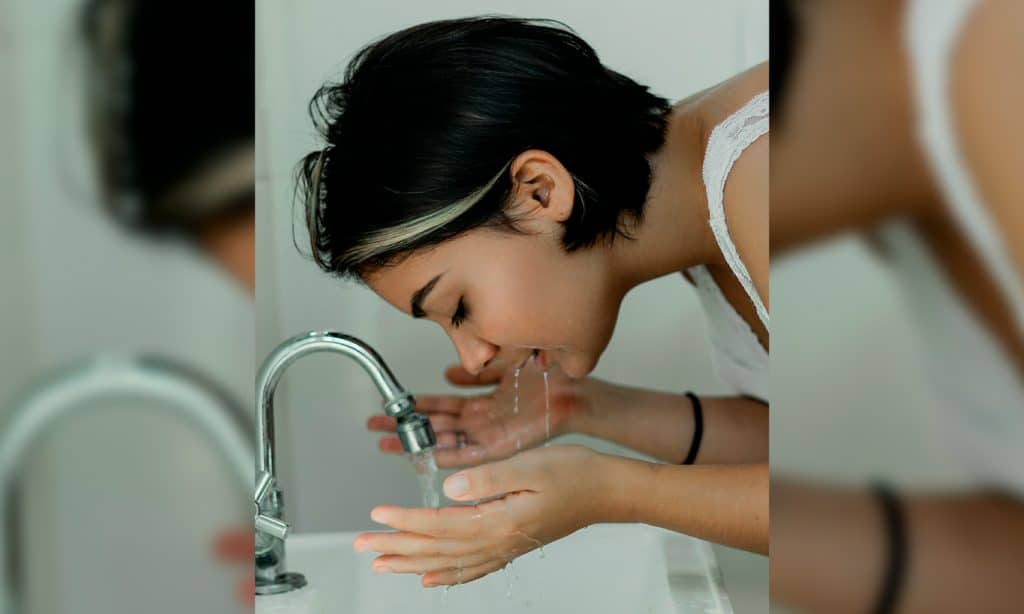
Morning showers are great because they wake you up. Washing your face does a similar thing, waking you up and clearing the gunk out of your eyes. If you incorporate this into a larger routine, like washing your face after you brush your teeth and then applying some moisturizer or sunscreen, your habit will become stronger and easier to remember.
Have a good breakfast
Photo by Brodie Vissers via Burst
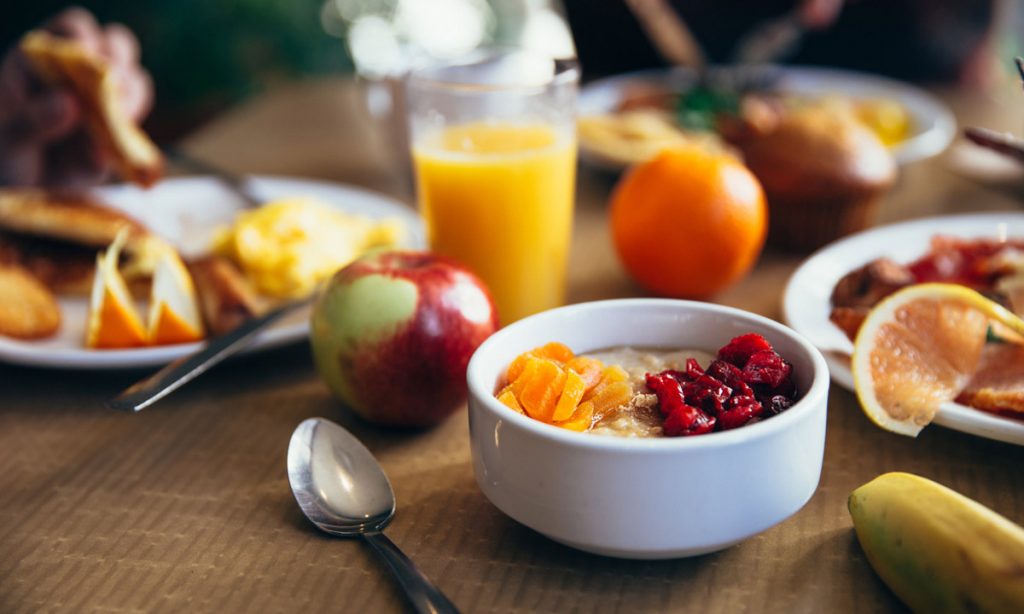
Breakfast has a lot of lovers and haters, but if you’re a person who tends to have a bad time in the mornings, eating something nutritious can be a solution to your problems. Breakfast is not only filling, it’s important for your energy, which is super necessary in the mornings. Choosing foods that are rich in protein like yogurt or eggs, and pairing them with veggies and whole grains will leave you energized and craving for healthy and filling meals for the remainder of your day.
Moving is very important in the mornings. This doesn’t mean that you have to go out for a run, although that is a great thing to do in the mornings. Moving can simply mean making your bed, doing some chores like the dishes or folding clothes. Any type of movement will help you feel awake and more productive, which is a great mood to have first thing in the day.
Do something you love
Photo by Thought Catalog from Pexels
Make the time in your mornings to do something you love, like playing a video game, listening to a podcast, reading a book, or listening to music. While you’ll likely have to wake up a little earlier than usual, doing something early on that you love will help you have a better mood and outlook on your day.