There’s one way to die from cannabis, and it’s cannabinoid hyperemesis syndrome (CHS). According to the Official Journal of the American College of Gastroenterology, there have been about 2217 reported deaths from CHS. The figure is probably higher considering that most cases are never diagnosed and hence never reported.
CHS is a rather new diagnosis that is often confused with cyclic vomiting syndrome (CVS). Both conditions are characterized by cyclic episodes of excessive vomiting (hyperemesis) that may eventually lead to death. Even though exact mechanisms are yet to be confirmed, THC has been implicated in CHS.
Photo by monkeybusinessimages / Getty Images
On the flip side, one of the approved uses of THC is in the treatment of chemotherapy-induced nausea and vomiting (CINV). Isn’t it paradoxical that THC would trigger both CHS and be an effective cure for CINV nonetheless?
CHS was first described in a 2004 paper as cyclical hyperemesis (vomiting) as a result of chronic cannabis abuse. Apart from the vomiting, the researchers also noted that the patients were taking frequent hot baths for relief, as a learned behavior. It is hypothesized that CHS may be a result of overstimulation of endocannabinoid receptors. Genetics may also have a role to play, according to preliminary research.
CHS is often divided into three phases. The first is the prodromal phase where the patient experiences early morning nausea and slight abdominal discomfort. This phase may last for several years. The second is the hyperemetic phase that’s characterized by severe nausea and vomiting, abdominal pain and the learned behavior of taking hot baths. Left untreated, the patient can deteriorate quite fast during this stage due to electrolyte imbalance and dehydration. The final stage is the recovery phase.
Most of the patients who’ve been diagnosed with CHS are young adults with a history of chronic cannabis use (16 years on average). They reported daily use of cannabis, up to three or five times per day. Chronic cannabis use is what differentiates CHS from cyclic vomiting syndrome. In addition, the behavior of taking compulsive hot showers is only observed in CHS.
Treatment for CHS revolves around treating nausea and vomiting and preventing a relapse during the recovery phase. Even with the proven anti-emetic properties of cannabis, this is one case where offering it as a form of treatment may cause more harm than good.
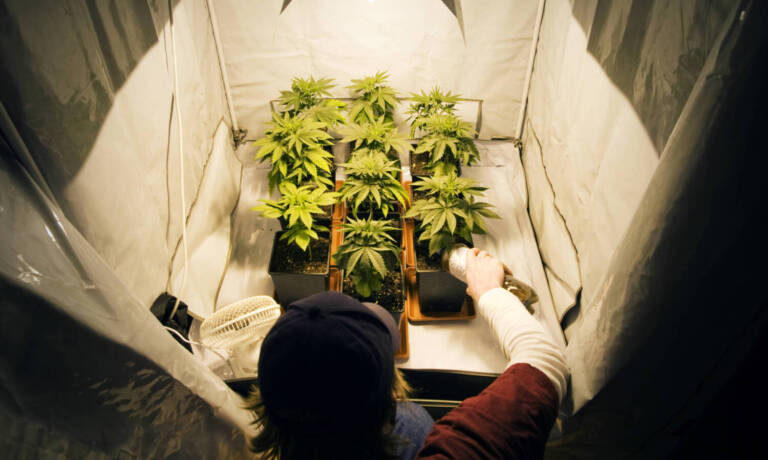
Different cannabis enthusiasts and growers have their preferred method of growing cannabis, with each method having its advantages and drawbacks, some more than others.
What is the best way to grow weed? Soil is the most well-known and recognizable growing medium. Cannabis and other plants have been grown in soil for many years. But there are now a lot of additional soilless growing options available for your cannabis.
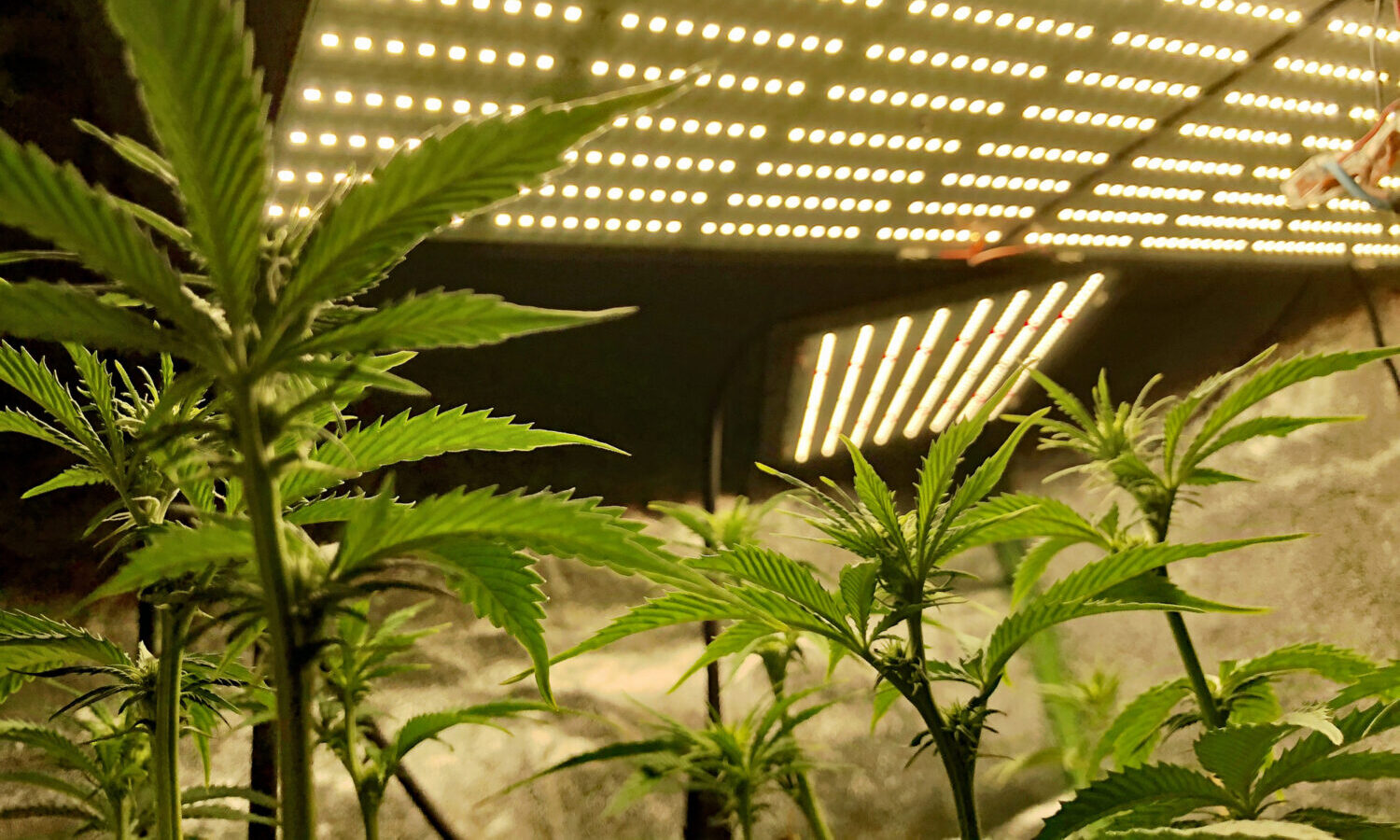
A cannabis plant can grow and flower regardless of the medium as long as the roots have room to expand and access fresh oxygen, water, and the right nutrients. However, the majority of growers will have a strong personal preference for a particular medium based on factors like desired yields, ease of use, and growing space. The following is a list of the most typical media utilized by expert growers in the cannabis industry:
Photo by CRYSTALWEED cannabis via Unsplash
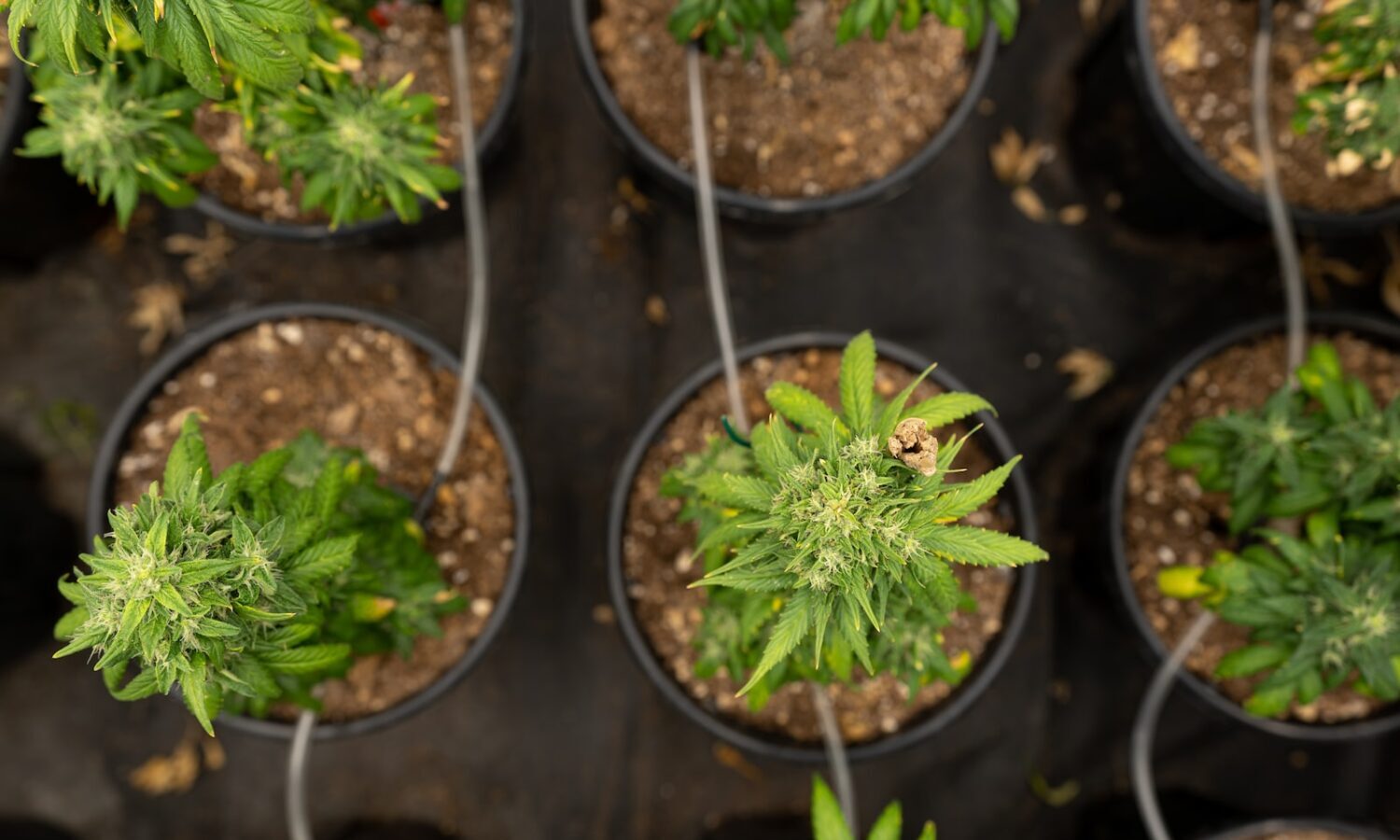
Growing Cannabis in Soil
In addition to an outdoor planting area, continuous monitoring, and a basic understanding of soil management, growing weed in soil demands a lot of patience. Although most beginners adopt this strategy, there may be some issues before you can eventually reap the rewards of your labor. You won’t have much trouble following the steps if you’ve ever grown plants indoors or outdoors before.
The potential for the success of outdoor cannabis cultivation is its biggest benefit. The size and height your plants may attain will give you a year’s worth of freshly produced cannabis if you have enough room to plant your seeds. The trick is to create and keep up perfect growing conditions, which don’t just rely on the soil’s nutrients and growing characteristics.
Pros and Cos of Growing Weed in Soil
Pros:
Reduced costs.
The process is easy to understand and follow
Requires no special equipment
Massive cannabis harvest
Eco-friendly technology.
Cons:
Less control of the result.
Local weather and climate can be a problem.
Requires continuous supervision.
Growing Cannabis in Rockwool
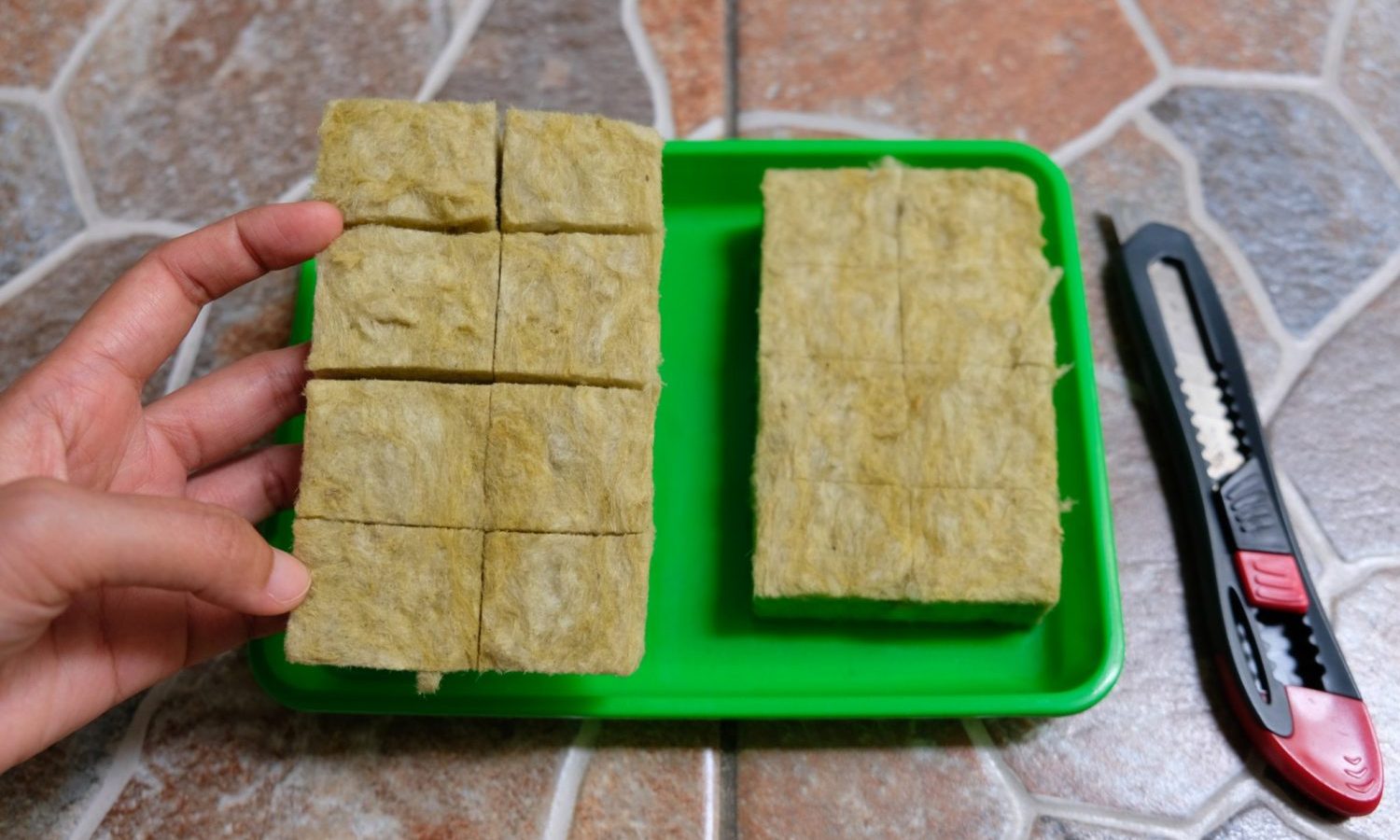
A substrate called rockwool is made by spinning molten basaltic rock into fine strands. How does it relate to marijuana cultivation? Rockwool appears to be the ideal substrate for hydroponic growing setups. Rockwool is widely used in commercial cannabis production and is not disregarded by personal hydroponic growers due to its inert qualities, natural capacity to hold water, and ability to give adequate oxygenation to the plant roots.
The idea of growing marijuana in rockwool initially strikes you as odd. But with all of the advantages, it’s the best option for those just starting with hydroponic horticulture. No less rigorous than the others, rockwool media is completely devoid of organic materials. Additionally, the surroundings are clean and devoid of harmful metals.
Why bother looking at other growth mediums if rockwool is so perfect for growing cannabis? Rockwool is not an exception to the norm; no media is ideal. Rockwool’s effect on the environment is its main drawback. It cannot be recycled, is not biodegradable, and is typically not produced in a sustainable manner.
Photo by Reni Purnama Sari/Getty Images
Pros and Cons of Rockwool Planting
Pros:
It can be used for both hydroponics and soil growing.
It is not difficult to set up and maintain.
The growing environment is germ-free, free from organic threats and metals.
It provides good drainage and easy root penetration.
Warmth, moisture, and darkness of rockwool cubes result in great germination.
Cons:
It is not an eco-friendly method.
Stabilizing water pH can be a serious issue.
Rockwool is not sustainable or biodegradable.
Growing Cannabis in Peat Moss
Cannabis grown with peat moss increases the likelihood of a plentiful harvest and decreases the likelihood of failure. Both growers using soil and those using hydroponics can benefit from the usage of peat moss as a fertilizer. However, don’t squander time if you intend to employ peat moss in your nearby cannabis garden. Weeks are needed to prepare peat moss for gardening.
The excellent news is that peat moss can be used to achieve the ideal pH for cannabis. An expert grower is aware of the significance of a balanced pH. Peat moss can be used with alkaline soil additions because of its acidic pH level. As a result, successful cultivation and efficient absorption of all necessary nutrients are guaranteed.
Pros and Cons of Using Peat Moss
Pros:
Adds healthy nutrients.
Has promising water-holding capacity.
Carries an important role in the acidifying process.
Has outstanding resistant properties and is contamination free.
Enriches the grow environment with beneficial microorganisms.
Cons:
Requires much time to prepare.
Can lead to soil compression.
Raises concerns of sustainability.
Photo by Cappi Thompson/Getty Images
Growing Cannabis in Coco + Perlite
Another alternate option that is well-liked by cannabis enthusiasts is growing marijuana in coco coir. Before weed gardeners discovered how to make use of the coconut husk, it was seen as a waste product. Its refined fiber provides an almost ideal environment for marijuana cultivation. This medium, which has an average pH of 6.5-7.0 and is oxygen-rich and superbly water-retentive, is beneficial for both outdoor and indoor plants.
Cannabis grown by flushing in coco is the most environmentally friendly method. This process is completely recyclable and green. To improve your probability of a fruitful and successful harvest, you can choose to add specific cannabis perlite. Both soil and hydroponic farming schools advise using the obsidian supplement perlite. It stimulates root development, boosts oxygen levels, and reduces soil weight when applied to coco coir.
Although it takes more work and knowledge, growing cannabis on coco coir produces significantly better results than growing it in just soil. Try planting in coco coir as the next upgrade if soil growing is no longer difficult for you.
It is more difficult to choose between peat moss and coconut coir. Go for coco coir without hesitation if you are a committed conservationist or in a time crunch. Give peat moss a try if you enjoy gardening in general, strive for the finest outcome, and have enough time to prepare the growing medium. Contrasting these mediums’ characteristics is challenging. It is therefore preferable if you can examine peat moss and coco coir in action to evaluate which result best suits your needs.
Pros and Cons of Coco + Perlite
Pros:
The technique is easy.
Coco coir is as accessible as soil.
It is a totally eco-friendly cultivation process.
Has a light structure that is better for root development.
Cons:
Needs to be hydrated in order to activate.
Requires nutrients, such as cannabis perlite.
Bottom Line
Different cannabis enthusiasts and growers have their preferred method of growing cannabis, with each method having its advantages and drawbacks, some more than others. Using these methods is acceptable, you just have to know the pros and cons and choose what’s best for you.
The enforcement serves as a cautionary tale for businesses looking to subvert the still-current federal prohibition of transporting cannabis product across state lines.
As Rhode Island commenced adult-use sales last week, growers will look to compete against those vying for cultivation notoriety. However, one operator’s experience serves as a reminder for those operating in the nascent market. It seems the grower won a cannabis competition and the prize was a fine!
Yes, the state told Rhode Island-based cultivator Mammoth Inc. that it has to cough up $10,000 after the grower took home the top prize in March for a THC flower strain at the New England Cannabis Convention (NECANN).
Photo by Tetra Images/Getty Images
The issue? The competition took place at the Hynes Convention Center in Boston — across the state border. The state’s Office of Cannabis Regulation eventually caught wind of the development after the company posted the win on its Instagram page.
The fine was to be paid in four installments over a nine-month period, with the second payment due at the end of this month.
The enforcement serves as a cautionary tale for businesses looking to subvert the still-current federal prohibition of transporting cannabis product across state lines.
In a September document, regulators stated that Mammoth transported 28 one-gram samples across state lines to be entered into the competition nearly a month prior.
The company’s attorney, Lisa Holley, told NBC 10 WJAR that the company had a booth at the convention but did not sign up for the competition itself, contending that there is no evidence that points to Mammoth as the party that transported the product to Massachusetts.
“They accepted it. That’s what they did wrong,” Holley told the outlet, adding that Mammoth believes someone entered its cannabis in the competition because they liked the product.
Cannabis is certainly an excellent all-natural way to support our cognitive functions while also healing from emotional distress or brain injury.
Neuroplasticity is the medical term given to the brain’s ability to adapt and changed based on its environment and experience. The neural networks in the brain can change, organize themselves, and even grow new connections because of its malleability. Lots going on in the brain and like a car, it needs a bit of help to run smoothly. Does cannabis help protect the brain from injury and long term issues?
It is known that younger brains, such as those of children, are generally more malleable. Their brains are more sensitive to experience compared to those of older adults. Aging causes the brain to degenerate over time, due to the lack of brain cells, leading to disorders such as Alzheimer’s.
However, science tells us that older adults are still capable of experiencing neuroplasticity especially with the help of cannabinoids. Our very own brain contains cannabinoid receptors too, so when we consume cannabinoids, studies show that it can help create new brain cells, forge new synapses, and ensure the viability of existing brain cells.
Photo by Bulat Silvia/Getty Images
Certain negative experiences such as stress, trauma, and depression can weaken the synapses in the brain, resulting in impaired memory, learning, and overall plasticity. Meanwhile, physical conditions such as strokes, inflammation (due to diet or exposure to stress), traumatic brain injuries (TBI) and others can also impair the brain’s ability to heal itself and forge new connections.
Again, that’s where cannabis can help. Here’s what the studies have to say.
Cannabinoids Reduce Plaque Proteins Which Leads to Alzheimer’s Disease
A 2016 study conducted by researchers at the La Jolla Salk Institute discovered that tetrahydrocannabinol (THC) as well as other cannabinoids can help get rid of amyloid beta, a protein considered as toxic because its accumulation can lead to Alzheimer’s disease especially in aging brains. The presence of amyloid beta is a hallmark feature of Alzheimer’s.
“Although other studies have offered evidence that cannabinoids might be neuroprotective against the symptoms of Alzheimer’s, we believe our study is the first to demonstrate that cannabinoids affect both inflammation and amyloid beta accumulation in nerve cells,” explains senior author David Schubert.
They also found that high levels of amyloid beta have been linked to cellular inflammation and higher risk for neuron death.
Photo by Milad Fakurian via Unsplash
Cannabis Protects Neurons In Injured Brains and Traumatic Brain Injury (TBI)
A 2012 study involved researchers causing injuries on purpose, to the brains of rodent subject. They did this through repeated exposure to MDMA, carbon monoxide, and pentobarbital.
The rodents were administered with one low dose of THC, following the ratio of .002mg per kilogram of body weight. They found that just one low dose was protective against any damage to neurons, which are the cells in the nervous system responsible for transmitting signals and aiding us in memory, thinking, movement, and other cognitive functions.
A 2019 study that was published in the medical journal, Brain Injury, found that while cannabis use had no impact on the recovery time for those who suffered concussions, it was linked to a reduction in symptom burden especially during the 3rd and 4th weeks following injury.
Additionally, a July 2020 literature review stated that “the use of cannabinoids in TBI increases neurobehavioral function and working memory performance.” They explain that it does this through the “down-regulation of pro-inflammatory markers, edema formation and blood-brain barrier permeability, preventing neuronal cell loss and up-regulating the levels of adherence junction proteins.”
Cannabis Aids In Neurogenesis
Neurogenesis is the name given to the process of creating new brain cells. Neurogenesis plays an important role in improving synaptic plasticity, regulating our moods, and better memory.
There have been several studies proving how cannabis contributes to neurogenesis. In one study out of Italy, scientists discovered that cannabichromene (CBC), one of the lesser known cannabinoids in marijuana, can actually contribute to the growth of brain cells through neurogenesis.
In another study conducted by researchers from the University of Saskatchewan in Canada, they sought to understand how cannabinoids impact the brain. Mice were injected with a synthetic drug called HU210, which is 100 times more potent than THC. A chemical tracer was then used to monitor the growth of any new cells. They found that HU210 was effective in promoting the growth of new brain cells, similar to how antidepressants work. “Most ‘drugs of abuse’ suppress neurogenesis,” says Dr. Zhang, who participated in the study. “Only marijuana promotes neurogenesis.”
Photo by Feodora Chiosea/Getty Images
Other studies show that cannabidiol (CBD) is just as beneficial as THC for the brain, but both CBD and THC have neurogenic properties. “The pro-neurogenic effects of CBD might explain some of the positive therapeutic features of CBD-based compounds,” report German scientists back in 2010. In addition, CBD and THC have antidepressant properties, as well as other compounds in the cannabis plant, which help humans adapt to exposure to stress and injury.
Cannabis Aids In Healing of Mental Health Disorders
Many mental health disorders are affected by neuroplasticity. For one, post-traumatic stress disorder, which is characterized by recurrent nightmares, severe anxiety, and flashbacks. Trauma can change the actual structure of one’s brain, so there is a physical explanation to the changes in how the brain works.
Studies show that cannabis can help heal the brain and in doing so, help individuals heal from PTSD. A recent study revealed that CBD can boost blood flow to the brain, and positively affect memory processing. “There is evidence that CBD may help reduce symptoms of psychosis and anxiety. There is some evidence to suggest that CBD may improve memory function,” says the study’s lead author, Dr. Michael Bloomfield.
“Additionally, CBD changes how the brain processes emotional memories, which could help to explain its reputed therapeutic effects in PTSD and other psychiatric disorders,” he adds.
Conclusion
With all the valuable mechanisms that cannabis can help the human brain, it certainly is an excellent all-natural way to support our cognitive functions while also healing from emotional distress or brain injury. Making cannabis a part of your wellness regimen is a great way to give your brain the support it needs.
Global cannabis reform is gaining momentum. What started as a ripple in three countries has become a global policy movement.
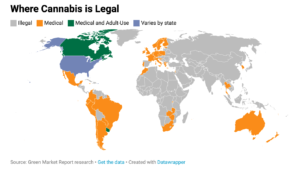
While many countries, primarily in Africa and Asia, continue to ban cannabis, a hotbed of reform activity is transpiring everywhere else.
Stateside, U.S. cannabis advocates continue to push for federal and local reform. Simultaneously, notable international cases, including that of WNBA star Brittney Griner, remind us that even though reform is underway, it is far from the endpoint proponents would like to reach.
International Reform Gaining Steam
Global cannabis reform continues to gain momentum via various regulatory frameworks and proposals.
“The majority of the world appears to be moving towards some form of cannabis regulation, with an eye towards liberalization,” said Jason Adelstone, an associate attorney for Vicente Sederberg.
Adelstone, whose focus areas include cannabis compliance and international policy, added, “What those systems look like can vary greatly.”
Depending on the nation, programs vary from permissive medical regulations to heavily regulated, GMP-style pharmaceutical markets. Medical and export-only models, such as that seen in Lesotho, are popular legislative approaches. In South Korea, cannabis-based drugs Epidiolex and Sativex are approved in some instances.
Mexico and South Africa have taken different approaches, legalizing cannabis via Supreme Court rulings. Neither passed laws through their legislative bodies.
Lewis Koski, chief strategy officer for Metrc, believes the approaches being taken by Malta and Luxembourg could offer an alternative model with credentialed companies spanning cultivators to social clubs. Both countries passed reform laws in 2021.
While activity continues, demand for information is reportedly growing before significant change is made in other markets. “There’s a real interest in hearing from other countries, companies, and experts that have experienced it differently around the world,” Koski said.
Right now, all eyes are on Germany. Proposed regulations were released and approved by the Federal Cabinet earlier in November, but reform efforts could be halted by the European Union, where politicians opposed to legalization have been lobbying against the measure.
Other European countries, including the Netherlands and Portugal, have passed cannabis or drug reform laws in previous years but did not fully legalize the plant.
Michael Sassano, founder and CEO of EU-based pharmaceutical and biotech company Somai Pharmaceuticals, said medical is “clearly the easier road” to legalization. Still, news from Germany has surrounding health ministers on notice.
Photo by Anton Petrus/Getty Images
“The big question isn’t if cannabis will increase globally; it’s simply a matter of rules to open access to patients and adult use,” Sassano said.
Adelstone mentioned that additional countries, including the Czech Republic and Ireland, could soon join Germany in passing cannabis reform laws.
Susanne Caspar, CEO of Swiss-based botanical extract producer Linnea, feels “great progress” is underway. Switzerland’s progress includes legalizing medical cannabis this past summer.
Expanded access emboldened Linnea, a 40-year-old brand, to expand into the cannabinoid marketplace further, Caspar said. As more nations consider reform, she urges lawmakers to consider the various needs of the market when creating regulations.
“The needs of the medical patient and the recreational customer are not interchangeable,” stated Caspar.
Federal Movement in the U.S.
Back in the United States, two states, Maryland and Missouri, passed legalization ballot initiatives in November. Three other states — Arkansas, North Dakota, and South Dakota — rejected their ballot measures, a distinct swing away from the green wave experienced two years ago.
Another hotbed of movement is New York. Ryan Kocot, a cannabis attorney licensed in California, Massachusetts, and New York, is interested to see if the Empire State’s model will shut out multi-state operators as some say the plan suggests.
“There may be some unintended consequences, but the intention is to give smaller operators a chance,” he said.
The impact of that effort is to be determined. A mid-November lawsuit from an out-of-state retailer temporarily halted license issuances in five regions, including Brooklyn. The case, brought by Michigan-based Variscite NY One, contests New York’s CAURD program and its priority licensing for drug war victims.
Photo by Baris-Ozer/Getty Images
For now, reform at the national level continues to be a wait-and-see game. Rumors about SAFE Banking Bill passing during the Congressional lame-duck swirl. If the U.S. does pass a significant piece of legislation, Sassano feels nearby nations could follow suit.
“South America will flip when the USA gets their federal act together,” he said. That continent has seen a flurry of medical laws implemented in several countries in recent years.
Boundaries of Legalization
Meanwhile, the Biden administration took action in October to correct damage caused by the War on Drugs, pardoning thousands who were convicted of simple federal cannabis possession. The move has split opinions.
Dr. Chanda Macias, CEO of Ilera Holistic Healthcare, approved. She said the action “sent a strong signal to the whole world the direction that the U.S. is headed towards in its cannabis policy, and hopefully, it’s a direction other countries will follow.”
David Holland, a cannabis attorney, wasn’t as sure. Holland, who has worked with federal regulators for more than 30 years, said he couldn’t recall a simple federal possession case.
“It’s such a small group of people,” he said of the roughly 6,500 records reportedly affected by the decision.
However, the action also drew attention to the struggles of individuals convicted in outside the U.S. border. Cases like Griner’s have bred numerous public discussions about the collision between international and U.S. policy.
Calls for the release of Griner and similar individuals serving international cannabis sentences have grown recently. In November, Griner was transferred to a penal colony in Mordovia, Russia, to serve her nine-year sentence.
Kassia Graham, director of community and strategy for Cannaclusive, feels the ruling highlights the ongoing global drug war.
“As too many countries are enmeshed in the war on drugs, they have archaic rules that are an affront to a modern and informed society,” she said.
Holland feels Griner’s situation, which began during the onset of the recent U.S.-Russia-Ukraine tensions, isn’t a cannabis charge at its core.
More research will give HHS and DOJ more data that will support the fact that marijuana’s Schedule I status is absolutely ridiculous.
On Friday, December 2, 2022, the White House announced that President Biden signed House Resolution 8454, into law. The new Marijuana Research Bill is a sign federal prohibition is ending. What passed is:
H.R. 8454, the “Medical Marijuana and Cannabidiol Research Expansion Act,” which establishes a new registration process for conducting research on marijuana and for manufacturing marijuana products for research purposes and drug development.
According to Kyle Jaeger of Marijuana Moment, this is a significant and historic moment in cannabis reform:
President Joe Biden has officially signed a marijuana research bill into law, making history by enacting the first piece of standalone federal cannabis reform legislation in U.S. history.
HR 8454 is not just historic because it’s the first standalone cannabis legislation in US history, it is also likely going to play a major role in ending federal prohibition.
In October, Biden requested that the Department of Health and Human Services (HHS) and the Department of Justice (DOJ) evaluate marijuana’s Schedule I status.
The CSA establishes a process for determining the scheduling of substances and relies on research to support any movement across the schedules or to remove a substance from the CSA all together. For years, the feds have used the same outdated studies showing that marijuana is dangerous and without medical benefit. This has created a Catch-22 as described by cannabis policy expert John Hudak in a 2016 interview with NPR:
There is this cannabis Catch-22 and it is, as a Schedule 1 drug, it is very difficult to do research on the plant. There are only certain researchers who will get the certification and licensure necessary to handle the drug. Then, of course, you need the funding to study it. You need approval from university institutional review boards, and the burdens that exist to do the type of research on a Schedule 1 drug are tremendous. But that research is what will inform the medical community as to its medical use, and so what you need and what you can do are entirely prevented by this federal government policy.
HR 8485 could allow researchers to finally break this Catch-22 loop. More research will give HHS and DOJ more data that will support the fact that marijuana’s Schedule I status is absolutely ridiculous. That could very well lead Biden’s administration to remove marijuana from Schedule I and hopefully from the CSA all together.
Photo by Nastasic/Getty Images
How HR 8485 Works
The CSA governs drugs at the federal level, including marijuana. Any controlled substance must be handled in compliance with the CSA. Marijuana is a Schedule I substance, which is the most restrictive category for any drug in the US. Schedule I substances are nearly impossible to research because they are deemed to have no medical use and too dangerous for use even with a doctor.
The registration requirements for any person or entity hoping to research scheduled substances are contained in 21 USC 823(f). The new law amends 21 USC 823(f) by requiring the Attorney General to register practitioners to conduct research on marijuana and its derivatives, extracts, preparations, and compounds, if the applicants research protocol has been reviewed and approved by the Department of HHS, the National Institute of Health, and otherwise in compliance with federal regulations on research protocols. The applicant must also demonstrate how it will control marijuana to prevent diversion or otherwise unlawful use.
HR 8454 also outlines what an application for marijuana research will entail. It also establishes security requirements and requires that the Attorney General and HHS consult to determine if there is an adequate supply of marijuana, including specific strains for research, and prepare a report to Congress on the matter.
HR 8485 also allows institutes of higher education, practitioners, or manufacturers to manufacture, distribute, dispense, or possess marijuana or cannabidiol if the purpose is for medical research for drug development so long as that person or entity is registered with the Food and Drug Administration (FDA).
HR 8485 also mandates that HHS, the National Institute of Health, and other federal agencies all report to Congress on the CBD, marijuana (including delta-9 THC), and the barriers associated with researching marijuana and CBD in states that have legalized their use. HHS and company will also be required to make recommendations on whether state-legal cannabis can be researched by federal agencies.
Daniel Shortt is a corporate and regulatory attorney based in Seattle, Washington who works extensively with entrepreneurs in the cannabis industry. You can contact him at info@gl-lg.com or (206) 430-1336. This article originally appeared on Green Light Law Group and has been reposted with permission.
Mastering the steam chalice can take a few tries, especially if you’re a dedicated joint smoker. Even if you’re used to working with glass bongs, a Jamaican steam chalice will undoubtedly feel strange in your hands at first.
Although smoking marijuana is widespread throughout the world, Jamaica has one of the most profoundly rooted cannabis cultures. The Rastafari, a 20th-century movement that reveres marijuana as a sacred plant, originated in Jamaica. They believe that smoking marijuana fosters calm, love, and depths of reflection and medication that can serve as a gateway to the divine.
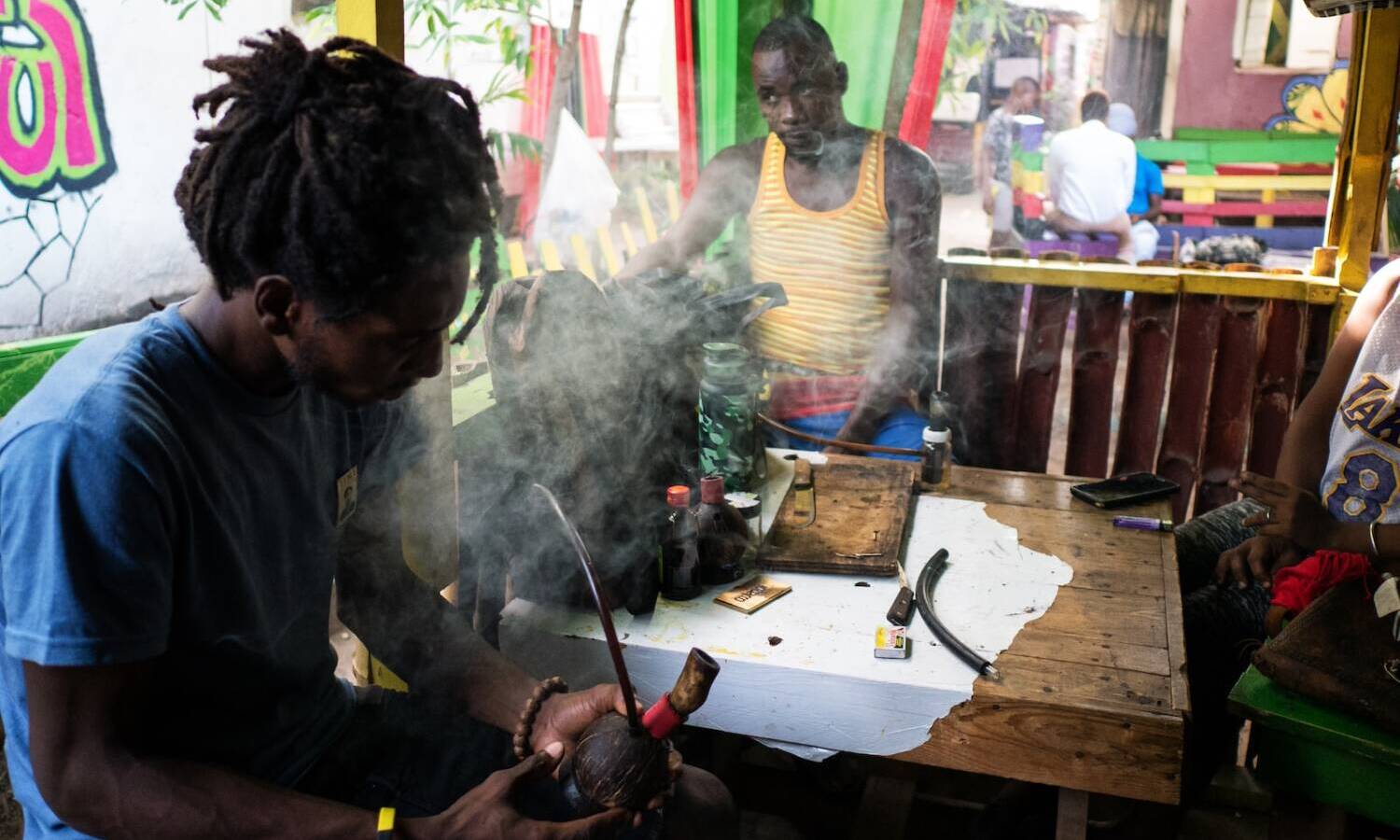
Suppose you’re looking for more conventional ways to enjoy cannabis, or you’re tired of your regular routine. In that case, you should try burning with a Jamaican steam chalice. These organic devices are said to be the first and original vaporizers. The steam chalice, which originated with the Rastafari faith in Jamaica, vaporizes weed using bamboo sticks, coconuts, and hot coals instead of electricity.
Photo by Yarygin/Getty Images
The steam chalice may be used by contemporary non-Rastafaris for various reasons. There are several methods to consume weed, but burning plant material harms the lungs. Hence, many cannabis consumers are switching to alternative forms of use, such as edibles, drinks, and—increasingly—vaporizers.
Why not choose the Jamaican steam chalice, which has the most heritage and personality, if you’re going to smoke a vape? It’s a one-of-a-kind, highly potent, spiritually charged way of consuming weed.
What Is a Steam Chalice?
The Jamaican steam chalice is a traditional method of inhaling cannabis, although it is distinct from other conventional methods. Why? Because it does not burn the flower but rather “steams” it. The steam chalice could be considered the earliest vaporizer. This method of inhaling weed, similar to modern vapes, frees up terpenes and cannabinoids without generating as many potentially toxic byproducts as combustion.
Surprisingly, the steam chalice combines all significant elements: fire, air, water, and earth. Looking at the components, steam chalices are made up of four essential parts:
Coconut: The steam chalice’s main component is a coconut. It is comparable to the bong’s chamber. Its water content aids in filtering the vapour that is produced from the bowl to produce smoother hits. When holding and smoking a steam chalice, the coconut acts as the “handle.”
Cutchie: A cutchie is a clay pipe that resembles a sizable bong bowl. This part of the steam chalice supports the flower over the downstem. It keeps it out of the heated temperatures when THC and other phytonutrients are released from the charcoal.
Bamboo tubes: The downstem and the mouthpiece of a steam chalice are made of two bamboo tubes. In contrast to typical bongs, this one has a downstem and bowl positioned precisely above the chamber and a mouthpiece extending from the coconut’s side.
Gritty: This essential clay grate rests above the flower and has many tiny holes. It limits direct contact and burning of the plant material while acting as a base for the burning of charcoal.
Now that you’re acquainted with steam chalices and their components, it’s time to learn how to handle one.
How to Use a Steam Chalice
Mastering the steam chalice can take a few tries, especially if you’re a dedicated joint smoker. Even if you’re used to working with massive and complex glass bongs, a Jamaican steam chalice will undoubtedly feel strange in your hands at first.
We’ve included some simple instructions below to help you get started with this vintage piece of equipment. Follow them carefully for an easy introduction to this innovative cannabis use.
Fill the coconut with water first before doing anything else. The mouthpiece can be pulled from the coconut’s side to accomplish this. After that, add water below the orifice before reinstalling the bamboo mouthpiece. Take a bare tear. The sound that comes out should closely resemble the bong’s bubbling. If you don’t hear that distinctive sound, the water content of the coconut is either too high or too low.
The cutchie needs to be filled with herbs next. However, traditional cutchies link to the downstem through significantly larger holes in the bottom. So, to prevent flowers from falling into the chalice, many chalice users put in the part or whole torn buds. If you’d instead grind your bud, cover the hole with a large enough sheet of metal gauze before adding the flower.
Put the gritty in the cutchie after it has been filled. Depending on your type, some cutchies have a lip where you can insert the gritty to keep it from touching the herb below.
Photo by Nigel SB Photography via Unsplash
At this stage, things become even more unusual. You’re undoubtedly used to flicking the lighter or vape button before inhaling. You’ll find yourself grabbing into a bag of coal instead when using a cannabis chalice. Fill the top chamber of the cutchie with adequate charcoal. Then, use a blowtorch lighter to light the pieces. You’re ready to go when the charcoal chunks are steadily burning.
Now comes the exciting part. In the same way, you would hit a pipe or bong, place your finger over the coconut’s shotgun hole and hit the steam chalice. To clear the coconut, let go of your finger at the end of every hit. You’ll feel a clean, terpene-rich, and slightly vegetal flavor; keep in mind you’re vaping weed, not burning it.
You’ll need to wash your cutchie at the end of the operation. Remove the hot charcoal pieces with care and empty the steamed cannabis. Pour the water from the coconut and save your marijuana chalice for later use. Use a couple of pipe cleaners to clean the inside of the bamboo sticks every now and then.
Conclusion
Thinking of owning a Jamaican steam chalice? An expertly designed smoking chalice will be easy to buy online. However, if you’re thinking of executing a do-it-yourself project, you’ll get a pretty good understanding of how to build one from scratch by watching a YouTube video or two.
A new study by the AMA found medical marijuana curbed opioid use and provided an alternate route for cancer treatment.
Legal medical marijuana has been linked with reduced opioid use according to a new study conducted by the American Medical Association. Results add more evidence to the argument that legal marijuana can curb and manage opioid use, and could have a significant impact on the opioid crisis.
The study, published in JAMA Oncology, analyzed the results of thousands of patients with different types of cancer.
Photo by FOTOGRAFIA INC./Getty Images
Researchers explained that the study was conducted in order to explore the links that exist between marijuana legalization and opioid use. They concluded that medical marijuana curbed opioid use and provided an alternate route for treatment.
“Findings of this cross-sectional study suggest that medical marijuana legalization implemented from 2012 to 2017 was associated with a lower rate of opioid dispensing and pain-related hospital events among some adults receiving treatment for newly diagnosed cancer,” they wrote.
“The nature of these associations and their implications for patient safety and quality of life need to be further investigated,” researchers added.
Photo by Christina Victoria Craft via Unsplash
Despite the fact that the study had some limitations and that the topic of marijuana and opioids should be researched further, the results are still important and should at least prove how important it is to conduct the necessary research on the matter.
Previous studies have found similar connections, with medical marijuana giving patients suffering from different conditions an alternative to opioids, and that the new industry has the power to impact pharmaceutical companies.
While many things remain unknown about cannabis and its relationship with opioid use, it remains important to explore this connection and figure out if the plant could become a healthier outlet for people suffering from various medical ailments.
A federally funded study has found no correlation between marijuana legalization and cannabis use among teens, which is relief for marijuana enthusiasts. At the same time, this study, which was funded by the National Institute on Drug Abuse (NIDA), has poked holes in the theory that’s often fronted by legalization opponents — that legalization will increase teen consumption of marijuana.
Currently, adult-use marijuana is legal in 21 states and DC. Maryland and Missouri joined this list through the midterm elections that happened barely a month ago.
Photo by cottonbro from Pexels
The study, published in the American Journal of Preventive Medicine, reviewed data collected from three longitudinal studies relating to use of cannabis among teens in New York, Oregon, and Washington between 1999 to 2021. The researchers found that teens in states that have legalized cannabis are not any more likely to abuse cannabis than teens in states that have not legalized cannabis.
Though preliminary, the results from this study offer a glimmer of hope that marijuana legalization could have more benefit than harm to offer. Study author Jennifer Bailey has, however, advised cautious optimism, saying, “Although things look encouraging now, as we note in our paper, alcohol use increased slowly over 40 years after the end of alcohol prohibition.”
Barriers to SBA assistance were a major complaint from cannabis companies during the COVID-19 pandemic, despite the fact that the industry was designated as “essential” by nearly every state with a functional marijuana market.
A Democratic senator has formally introduced a bill that, if successful, would make U.S. cannabis companies fully eligible for federal loans through the Small Business Administration.
According to a news release, Sen. Jacky Rosen of Nevada put forth the Fair Access for Cannabis Small Business Act, which would reverse the current prohibition on financial assistance for marijuana businesses.
Photo by jirkaejc/Getty Images
“The unfair barriers to basic federal support and resources have hurt our state’s legally operating cannabis small businesses,” Rosen said in the announcement. “This legislation will level the playing field so that cannabis small businesses — including those owned by people of color, women, and veterans — have access to the same federal resources and loans that other legal businesses are entitled to.”
Barriers to SBA assistance were a major complaint from cannabis companies during the COVID-19 pandemic, despite the fact that the entire industry was designated as “essential” by nearly every state with a functional marijuana market. And the overall lack of access to traditional financial services and banking has been an ongoing hurdle.
Rosen’s bill, according to the release, would give marijuana businesses access to “7(a) loans, disaster loans, microloans, the Small Business Investment Company (SBIC) program, and SBA’s resource partners including SCORE, Veterans Business Outreach Centers, and Women’s Business centers.”
Several industry leaders hailed the bill and said it could be a major financial boost to much of the cannabis sector.
The bill, however, likely faces an uphill climb given the political dynamics in the Senate, where Democrats only hold a slim majority. A 60-vote majority would be needed to break a Republican filibuster.
Earlier this year, the Nevada senator urged the Senate Appropriations Committee to push for similar reforms through federal spending bills and also advocated with House Armed Services Committee leaders for the passage of the SAFE Banking Act.