Monday, December 15, 2025
Home Blog Page 18

Native American Tribes Find Economic Power In Alcohol, Cannabis And More

Sins are powerful – and for many – lucrative.  Native American Tribes understand their economic strength

For many Native American tribes, economic self-sufficiency has long been a priority. In the absence of traditional revenue streams, tribal governments have explored and embraced industries that leverage their unique legal status. The industries of cannabis, tobacco, and alcohol—often referred to as “sin industries”—are among the most lucrative and influential sectors globally. Their profitability and power are shaped by market size, profit margins, and their ability to influence policy and public perception. Today, Native American tribes find economic power in alcohol, cannabis and more.

Historically, alcohol and tobacco sales on reservations provided vital funding for health, education, and infrastructure. Now, a growing number of tribes are turning to cannabis and hemp as new economic engines.

RELATED: The Connection Between Country Music And Cannabis

Tribes operate under a complex web of sovereignty and federal oversight. While the sale of alcohol on reservations is regulated through tribal law and federal approval, tribes have been able to tax and profit from tobacco sales without being subject to all state taxes. This allowed several tribes to establish retail and wholesale tobacco operations that significantly boosted revenue, particularly when selling to non-tribal members in nearby communities.

Photo by Cappi Thompson/Getty Images

Cannabis represents a new frontier. The 2018 Farm Bill legalized industrial hemp nationwide, opening the door for tribes to cultivate and sell hemp-based products like CBD oil and textiles. With full cannabis legalization expanding across the U.S., tribes are asserting their right to grow, process, and sell both hemp and marijuana products—even in states where such sales remain restricted.

Today, more than two dozen tribes have launched cannabis-related ventures. For instance, the Flandreau Santee Sioux Tribe in South Dakota became the first tribe to legalize recreational cannabis on its reservation in 2015. Other tribes, such as the Puyallup Tribe in Washington and the Shinnecock Nation in New York, have opened dispensaries, processing centers, or are planning vertically integrated cannabis businesses. These enterprises not only serve tribal members but also attract customers from surrounding areas, generating much-needed revenue and job opportunities.

RELATED: Cannabis Is Way Better And Safer Than A Honey Pack

The economic potential is significant. Tribal cannabis operations benefit from fewer regulatory hurdles compared to state-regulated businesses, allowing them to innovate and compete more aggressively. However, tribes still face legal uncertainties, particularly around banking and transportation across state lines.

Despite these challenges, cannabis and hemp are becoming part of a broader tribal economic development strategy. Revenues are being reinvested into housing, health clinics, addiction services, and youth programs. For many tribal leaders, cannabis is more than a business—it’s a tool for sovereignty and healing.

As federal cannabis reform continues to evolve, Native American tribes are positioning themselves at the forefront of the industry. Their early investments and regulatory innovations could help shape the national cannabis economy while continuing the longstanding tribal tradition of economic resilience and self-determination.

Which Is The Better Aphrodisac Oysters Or Cannabis

There are tons of myths, facts and thoughts about them…but which is the better aphrodisiac oysters or cannabis

When it comes to natural aphrodisiacs, two of the most talked-about contenders are oysters and cannabis. But which is the better aphrodisiac oysters or cannabis? While they both have passionate advocates, their effects—and histories—differ significantly.

RELATED: How Hemp Helps You Sleep

Oysters have been associated with sensuality and virility for centuries. The legend of Casanova, the 18th-century Venetian adventurer known for his romantic escapades, includes stories of him consuming dozens of oysters for breakfast to enhance his amorous energy. The aphrodisiac reputation of oysters likely originates from their high levels of zinc, a mineral crucial to testosterone production and sperm health. Additionally, oysters contain amino acids like D-aspartic acid and N-methyl-D-aspartate, which may help stimulate the release of sex hormones. Their texture and raw consumption may also play into their sensual appeal, making them a staple of romantic dinners for centuries.

brown chocolate food close-up photography

Cannabis, on the other hand, is a relatively newer player in the realm of aphrodisiacs—at least in the West. Historically, cannabis has been used in ancient India and the Middle East as part of tantric and spiritual sexual rituals. In modern times, many users report heightened sensitivity, reduced inhibitions, and increased libido when using cannabis. Some studies support these claims, showing that low to moderate doses of THC can enhance sexual desire and satisfaction. However, too much cannabis can lead to lethargy, decreased motivation, or even difficulty with sexual performance, depending on the individual and dosage.

So which is better? It depends on the experience you’re seeking. Oysters provide a subtle, nutrient-based boost that supports long-term sexual health, making them a natural and sustainable option. Cannabis can intensify sensations and foster emotional intimacy in the moment, but it carries more variability in effects and potential legal or health considerations.

RELATED: CBD Can Help Your Feet Look Better For Spring

For those looking for a romantic evening with proven nutritional benefits and a time-honored history, oysters might be the better choice. But if enhancing sensory perception and relaxing into the moment are your goals, cannabis could offer a different kind of aphrodisiac experience. Ultimately, the best option may be a mindful combination—shared oysters to start the evening, and perhaps a gentle cannabis product to set the mood. As with anything romantic, the magic lies in the chemistry—both literal and personal.

Cannabis Grows and Water Usage

Outdoor cannabis grows are productive, energy effective and very popular…but how much water do they use?

As marijuana cultivation expands across the United States and globally, concerns are emerging about its environmental footprint—particularly about cannabis grows and water usage. A commonly raised question is whether cannabis affects water tables as much as notoriously water-intensive crops like avocados, almonds, or rice. The answer depends on several factors, including growing methods, location, and water regulation practices.

RELATED: When You Use Marijuana To Sleep Here is What Goes On

Cannabis is a thirsty crop. Outdoor cannabis plants require an estimated 5 to 6 gallons of water per plant per day during peak growing season. In comparison, an avocado tree typically consumes 40 to 50 gallons per day, but it also produces a larger volume of fruit over a longer growing period. On a per-acre basis, cannabis can use slightly less or more water than avocados depending on planting density and climate. However, the water impact of cannabis becomes more problematic in regions where it’s grown illegally or without proper oversight.

Cannabis Grows and Water Usage
Photo by Anton Petrus/Getty Images

n California, for example, both avocados and cannabis are cultivated in drought-prone areas, but cannabis farms—especially unpermitted ones—are often located in ecologically sensitive headwaters or forested areas. These illicit operations may divert streams, destroy native vegetation, and withdraw water from small creeks that feed local water tables. Unlike avocados, which are typically grown on large farms with regulated irrigation systems, cannabis operations may lack water rights or infrastructure to capture and store water sustainably.

Legal, regulated cannabis farms generally use more efficient water systems such as drip irrigation, water recycling, and rainwater capture, which can significantly reduce environmental strain. In fact, some indoor cannabis grow operations use less water per gram of product than outdoor farms due to tighter control of inputs. However, indoor cultivation shifts the environmental burden to energy use and carbon emissions rather than water withdrawal.

RELATED: Will Marijuana Help You Look Good In a Swimsuit

The effect of cannabis on water tables also depends on its cultivation scale. In California alone, illegal grows have been linked to declining streamflows and drying wells in rural areas. Conversely, avocados, almonds, and other crops are grown on tens of thousands of acres and, in total volume, have a much larger water footprint. For example, almonds in California consume over 1.1 trillion gallons of water annually, a figure far beyond cannabis.

While cannabis can have a significant localized impact on water resources—especially when grown without regulation—it does not yet rival the large-scale water consumption of avocados or almonds in total volume. Still, its environmental footprint deserves careful oversight. Encouraging legal cultivation, sustainable irrigation, and environmental compliance will be key to minimizing cannabis’ effect on water tables as the industry continues to grow.

DeSantis In Trouble From Congress Over Blocking Marijuana

Congress is looking into DeSantis’s use of federal funds to block marijuana…despite Congress doing nothing about cannabis

Governor DeSantis was once the golden boy of politics. But during the election, he ran afoul of the current administration. This has caused him to appear weak in Florida and one compliant politicians are now seeing weakness, especially as the federal aren’t being overly warm to the state. The latest is DeSantis in trouble from Congress over blocking marijuana Amendment 3. Congress initiated an investigation into Florida Governor alleged misuse of state funds to oppose a marijuana legalization initiative, raising concerns about the ethical and legal implications of such actions.

RELATED: The Connection Between Country Music And Cannabis

The controversy centers on the use of opioid settlement funds to finance an extensive advertising campaign against Amendment 3, a ballot measure aimed at legalizing recreational marijuana in Florida. Reports indicate the Florida Department of Children and Families allocated nearly $4 million from the state’s opioid settlement trust fund to Strategic Digital Services, a marketing agency, for an educational campaign highlighting the dangers of marijuana and other drugs.

Photo by Cappi Thompson/Getty Images

Critics argue that this campaign, which included over 13,000 television ads and more than 5,000 radio spots, effectively served as political propaganda against Amendment 3, rather than genuine public education. Notably, some of the funds used were originally intended for opioid addiction treatment programs, leading to bipartisan criticism. Republican State Senator Joe Gruters stated, “We do not spend taxpayer dollars in advance of a political issue.”

Further scrutiny has been directed at the Hope Florida Foundation, a charitable initiative led by First Lady Casey DeSantis. The foundation received a $10 million donation from a Medicaid settlement with Centene Corp., which was then distributed to two nonprofits. These nonprofits subsequently donated millions to a political committee opposing the marijuana legalization referendum, raising questions about the appropriate use of charitable funds for political purposes.

RELATED: Cannabis Is Way Better And Safer Than A Honey Pack

In response to these developments, Florida lawmakers have launched a formal probe into the matter. Republican Representative Alex Andrade has accused key figures in the DeSantis administration of conspiracy and money laundering related to the misuse of funds. Governor DeSantis has defended the initiatives, attributing the investigations to political motives aimed at undermining his administration and his wife’s charitable work.

The U.S. Department of Justice and the FBI have been called upon to further investigate the allegations. While the DeSantis administration denies any wrongdoing, the controversy has sparked a broader debate about the use of taxpayer funds for political advocacy and the need for transparency and accountability in government spending.

As the investigation unfolds, it remains to be seen how these revelations will impact Governor DeSantis’s political standing and the future of marijuana legalization efforts in Florida.

The Best Pro Tips For Consming Outdoors

It is the thick of spring – a great time to be outside. And if you are out and want to consume, here is a quick guideline.

Using cannabis outdoors can be a deeply enjoyable and enriching experience. Nature offers a calming, open environment that can enhance the effects of cannabis in safe and meaningful ways. Here are some of the best tips and reasons to take your cannabis use outside and make the most of it.

RELATED: The Connection Between Country Music And Cannabis

One of the biggest benefits of using cannabis outdoors is the heightened connection to nature. Whether you’re in a forest, by a lake, or just lounging in a backyard, cannabis can amplify your senses—making colors brighter, sounds richer, and the air feel more alive. It encourages mindfulness, helping you fully appreciate the moment and your surroundings.

Outdoor settings often inspire creativity. Many users report more vivid thoughts, new ideas, and deeper insights when consuming cannabis while immersed in natural beauty. At the same time, the calm of the outdoors pairs perfectly with cannabis’s relaxing properties, making it ideal for unwinding after a long day or easing stress.

The Best Pro Tips For Consming Outdoors
Photo by tekila918 via Pixabay

Being outside means better ventilation and fewer lingering odors, especially important when smoking. The open air also reduces the intensity of the smell, making the experience more discreet. Plus, being in a spacious environment gives you the freedom to move around, stretch, or even do light activities like hiking or yoga.

Tips for a Great Outdoor Experience

  • Choose the Right Strain: Sativa or sativa-dominant hybrids are great for daytime outdoor adventures due to their energizing effects.

  • Stay Safe and Legal: Always consume where it’s legal and safe. Avoid driving or going into unsafe areas.

RELATED: Cannabis Is Way Better And Safer Than A Honey Pack

  • Bring Essentials: Water, snacks, sun protection, and a blanket or chair can make the experience more comfortable.

  • Respect the Environment: Leave no trace. Dispose of waste properly and be mindful of local wildlife and other people.

Combining cannabis with the great outdoors can refresh your body and spirit. With the right mindset and preparation, it can become one of the most rewarding ways to enjoy both.

The Best Cocktails For May

Winter is in the rear view mirror and summer is around the corner.  It is time to relax and enjoy – and here are May cocktails to help you along

May is a month of renewal and celebration. With warmer weather, blooming gardens, and longer evenings, it’s the perfect time to freshen up your cocktail repertoire. Whether you’re entertaining outdoors or simply unwinding after a long day, these five easy, unique cocktails bring bright flavors and a splash of history to your glass.

RELATED: Beer Sales Flatten Thanks To Marijuana

The Southside

The Southside is a Prohibition-era cocktail, believed to originate from Chicago’s South Side. It was a favorite among speakeasy patrons who needed something smooth to mask the harshness of bathtub gin.

Ingredients

  • 2 oz gin
  • 3/4 oz fresh lime juice
  • 3/4 oz simple syrup
  • 6–8 mint leaves, saving one for garnish

Create

  1. Muddle mint with lime juice and syrup in a shaker
  2. Add gin and ice, shake well
  3. Strain into a chilled coupe
  4. Garnish with a mint sprig

The Best Cocktails For May

Strawberry Basil Smash

A modern twist on the classic “smash,” this cocktail celebrates spring produce. Smashes date back to the 1800s as a category of julep-like drinks with herbs and fruit. Fresh strawberries and basil are springtime staples that offer an aromatic, subtly sweet flavor. Mint is in season and this refreshing blend makes an ideal pre-dinner cocktail.

Ingredients

  • 2 oz vodka
  • 1/2 oz lemon juice
  • 1/2 oz honey syrup (1:1 honey and water)
  • 2 strawberries
  • 2 basil leaves

Create

  1. Muddle strawberries with basil with lemon juice and syrup
  2. Add vodka and ice and shake well
  3. Strain into a rocks glass over fresh ice
  4. Garnish with a basil leaf

Rhubarb Paloma

The Paloma, a tequila-based drink, is Mexico’s answer to the margarita, often considered more popular locally. This version gets a tart twist with rhubarb syrup. Rhubarb is in season and pairs wonderfully with citrus for a tangy, effervescent cocktail.

Ingredients

  • 2 oz tequila blanco
  • 1 oz fresh grapefruit juice
  • 1/2 oz rhubarb syrup
  • Soda water

Create

  1. Combine tequila, grapefruit juice, and syrup in a shaker with ice
  2. Shake lightly and strain into an ice-filled glass
  3. Top with soda water
  4. Garnish with a grapefruit slice

RELATED: Rainy Weather Cocktails

Elderflower Spritz

Inspired by the Italian Aperol Spritz, this floral version swaps in elderflower liqueur for a fragrant, lighter take. Light, bubbly, and aromatic, it’s the ultimate garden party cocktail.

Ingredients

  • 1 oz elderflower liqueur (like St-Germain)
  • 3 oz dry sparkling wine
  • 1 oz soda water

Create

  1. Combine all ingredients to a wine glass filled with ice
  2. Stir gently
  3. Garnish with a lemon twist or edible flower

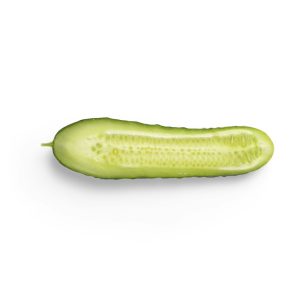
Cucumber Collins

A riff on the Tom Collins, this version adds crisp cucumber to the classic 19th-century gin cooler. Cucumber brings a cooling element that pairs well with gin’s botanical profile.

Ingredients

  • 2 oz gin
  • 1 oz lemon juice
  • 3/4 oz simple syrup
  • 3 cucumber slices
  • Soda water

Create

  1. Muddle cucumber in a shaker, add gin, lemon juice, and syrup
  2. Shake with ice
  3. Strain into a tall glass with ice
  4. Top with soda
  5. Garnish with a cucumber ribbon

Cannabis Can Enhance Your Summer Libido

Summer is the for playfulness, long nights and hot moments – and marijuana can add little excitement also.

As summer approaches and the days grow longer, many people experience a natural surge in energy, mood, and desire. For those looking to elevate their summer libido, cannabis may offer a surprising and effective boost. Long appreciated for its relaxing and euphoric effects, cannabis is now gaining recognition for its potential to enhance intimacy and arousal—making it an intriguing option for couples looking to heat things up during the sultry season.

RELATED: This Natural Cannabinoid Makes You Feel Happy

Cannabis interacts with the body’s endocannabinoid system, which plays a key role in regulating mood, stress, and, yes, sexual function. A 2017 study published in The Journal of Sexual Medicine found cannabis users reported increased sexual frequency compared to non-users, without a significant impact on sexual performance or satisfaction. The researchers concluded cannabis may have a dose-dependent effect on sexual desire, suggesting it can act as a natural enhancer of libido.

Of course, the idea libido can be influenced by external elements is nothing new. Remember the 1970s, when “free love” and earthy sensuality were at the forefront of pop culture? Herbal aphrodisiacs and natural mood enhancers were part of the sexual liberation movement, and cannabis was often embraced as a way to heighten connection and pleasure. Go back even further to the 1950s—when behind the conservative façade, many couples found discreet ways to spice up their bedroom life. A little jazz, a little wine, and a bit of herb were whispered secrets passed between beatniks and bohemians.

Today’s cannabis is more refined, with products tailored for intimacy—think low-dose THC-infused chocolates, sensual oils, and relaxation-focused strains. These can lower inhibitions, increase blood flow, and elevate tactile sensitivity, all of which contribute to a more enjoyable and connected experience. For women in particular, cannabis may help ease anxiety and increase body awareness, which are essential ingredients for arousal.

RELATED: Marijuana Use And Guy’s Member

As with any libido enhancer, moderation and communication are key. Not all strains or products affect people the same way, and it’s important to start slow, especially if you’re new to cannabis. But with the right approach, cannabis can become a playful and natural addition to your summer romance—infusing your warm nights with laughter, closeness, and maybe a little retro magic.

Medical Marijuana And Lupus

Over 1.5 million suffer from for the disease.  Research suggestions medical marijuana can help with lupus.


Over 1.5 million people in the US and Canada have the chronic autoimmune disease lupus. it can trigger inflammation and pain throughout the body, leading to fatigue, joint pain, skin rashes, and organ complications. With limited treatments available and no known cure, many patients turn to complementary therapies for relief.  So what about medical mairijuana and Lupus? Recent studies suggest cannabis may offer meaningful benefits for lupus sufferers, including pain reduction, improved sleep, and decreased inflammation.

RELATED: When You Use Marijuana To Sleep Here is What Goes On

One of the primary appeals of medical marijuana is its anti-inflammatory and analgesic properties. Cannabinoids such as tetrahydrocannabinol (THC) and cannabidiol (CBD) interact with the body’s endocannabinoid system, which plays a role in regulating immune responses. In lupus—where the immune system mistakenly attacks healthy tissue—this modulation may help reduce flare-ups and symptom severity.

Medical Marijuana And Lupus

A study published in Frontiers in Pharmacology examined the effects of cannabinoids on autoimmune and inflammatory conditions. Researchers found cannabinoids can inhibit the production of inflammatory cytokines and promote regulatory T cells, which are crucial for maintaining immune balance. This immunosuppressive potential is particularly relevant for lupus management.

Pain management is another critical area where cannabis shines. A study in the Journal of Pain Research highlighted how medical cannabis use led to significant pain relief in patients with chronic pain, including those with autoimmune diseases. Patients also reported reduced reliance on opioid medications—a vital benefit given the risks of opioid dependency.

RELATED: Will Marijuana Help You Look Good In a Swimsuit

Furthermore, many lupus patients report sleep disturbances and mood issues. CBD, a non-psychoactive compound in cannabis, has shown promise in improving sleep quality and reducing anxiety. A review published in Current Neuropharmacology concluded CBD may be beneficial in treating insomnia, pain-related sleep issues, and mood instability.

While more targeted research is needed, early evidence supports the safe and effective use of medical marijuana as a complementary treatment for lupus. Patients should consult healthcare providers to explore whether cannabis could fit into their broader treatment strategy, taking into account legal access and individual health conditions. You should always consult your healthcare professional before adding in additional treatments to your regime.

Cannabis Can Help Wean Off Zyn

It is wicked popular right now, but very addictive…marijuana can help you take a step back.

Zyn, a Swedish brand of nicotine pouches, has rapidly become a cultural phenomenon in the United States and beyond. These small, discreet pouches are placed between the gums and lip, allowing nicotine to be absorbed directly into the bloodstream without the need for smoking or spitting. Zyn’s appeal lies in its smokeless, odorless design, making it easy to use in virtually any setting-at work, at parties, or even during a night out-without drawing attention or requiring users to step outside. While it can go anywhere, the are downside for the body if used too much. The good news is cannabis can help wean off Zyn.

RELATED: How Hemp Helps You Sleep

Its wide range of flavors and varying nicotine strengths have helped it transcend traditional demographics, attracting everyone from athletes and office workers to nightlife enthusiasts. Sales have soared, with Zyn now representing over 70% of the nicotine pouch market in the U.S., and its popularity continues to grow at a remarkable pace.

Photo by Sarah Pender/Getty Images

However, the convenience and social integration of Zyn come with a downside: high levels of nicotine that can quickly lead to dependence. Many users find themselves just as addicted to Zyn as they might be to cigarettes or vaping, facing cravings and withdrawal symptoms when they try to quit. As a result, people are searching for healthier alternatives to manage nicotine addiction and break free from the cycle of dependence.

Cannabis, particularly its non-intoxicating component cannabidiol (CBD), is emerging as a promising tool for those looking to quit Zyn and other nicotine products. Recent research suggests that CBD may help reduce the urge to use nicotine by inhibiting the metabolism of nicotine in the body, which can lower cravings and make withdrawal symptoms more manageable. In controlled studies, CBD has been shown to reduce the attention-grabbing power of nicotine-related cues, making it easier for individuals to resist triggers that often lead to relapse. Unlike traditional nicotine replacement therapies, CBD offers a non-addictive, plant-based option that may also help with anxiety and inflammation-two common issues faced during the quitting process.

RELATED: CBD Can Help Your Feet Look Better For Spring

For those seeking to quit Zyn, incorporating cannabis-especially CBD-into a comprehensive cessation plan can provide both physical and psychological support. CBD’s calming properties can help manage stress and anxiety, while its potential to disrupt nicotine cravings offers a unique advantage over other methods. As more people look for natural, holistic approaches to wellness, cannabis stands out as a positive, empowering choice for breaking free from nicotine addiction and reclaiming control over one’s health.

What About Cannabis In Turkey

Turkey has been in the news lately – so what about the country and marijuana?

Turkey is in news for being the site of the latest peace talks.  The people at the table will need to be reflective and chill.  This leaves people thinking what about cannabis in Turkey? Known locally as kenevir, marijuana has a long and complex history in Turkey. While its cultivation and use date back thousands of years, modern Turkish law maintains a strict stance against recreational cannabis, with limited exceptions for medical and industrial purposes.

RELATED: How Hemp Helps You Sleep

Recreational use of cannabis is illegal in Turkey, with severe penalties for possession, purchase, or distribution. Individuals caught with cannabis can face prison sentences ranging from two to five years. First-time offenders may be offered treatment or probation as alternatives, but repeat offenses lead to mandatory imprisonment. Sale, supply, or trafficking of cannabis carries even harsher sentences, reflecting the country’s conservative approach and its role as a transit route in international drug trafficking.

What About Cannabis In Turkey

Medical cannabis, however, has seen cautious acceptance. Since 2016, specific cannabinoid medications like Sativex have been permitted for patients with a doctor’s prescription. Whole-plant cannabis remains prohibited, and access to medical cannabis is tightly regulated. The Turkish Ministry of Health oversees the importation of approved pharmaceutical cannabis products, and only registered health professionals can prescribe them.

Cannabis has been cultivated in Anatolia for nearly 4,000 years, serving the Ottoman Empire for rope, textiles, and medicinal uses. Turkey was once a leading global producer, but production was sharply curtailed in the 20th century due to international pressure and domestic legislation.Today, industrial hemp cultivation is legal in 19 provinces under strict government supervision, with expansion to other regions possible by permit. Licensed growers must destroy all plant residues after harvest to prevent diversion to illicit markets.

RELATED: Cannabis Is Way Better And Safer Than A Honey Pack

Despite strict laws, cannabis is the most commonly used illicit drug in Turkey. A 2011 national survey found a 0.7% lifetime prevalence of cannabis use-low compared to global averages, but still a public health concern. Wastewater analysis in Istanbul, Turkey’s largest city, reveals high levels of cannabis metabolites, suggesting significant urban consumption, especially in low-income neighborhoods. Istanbul ranks among the top global cities for cannabis use, just behind Barcelona.
Interest in cannabis products, especially for medical and wellness purposes, is growing among Turkish consumers, mirroring global trends. The pharmaceutical cannabis market is projected to reach nearly $34 million in 2025, with broader cannabis revenues expected to surpass $230 million. This growth is driven by increasing awareness of cannabis’s potential health benefits and a shift toward natural remedies.
Turkey maintains a strict prohibition on recreational cannabis, with limited, highly regulated exceptions for medical and industrial hemp use. While historical ties to cannabis remain strong, and urban consumption persists, the country’s legal framework reflects ongoing concerns about public health and international drug trafficking. However, evolving consumer attitudes and a growing medical cannabis market may signal gradual change in the years ahead

Don't Miss Your Weekly Dose of The Fresh Toast.

Stay informed with exclusive news briefs delivered directly to your inbox every Friday.

We respect your privacy. Unsubscribe anytime.