Sunday, April 26, 2026
Home Blog Page 22

Immersive Events Redefine Millennial Nights

Escaping reality and slipping into a cool alternative universe has helped immersive events explode

For millennials, nightlife no longer means just bars and concerts—it’s about stepping into another world. Across the country, immersive events redefine millennial nights, offering elaborate evenings where guests trade everyday stress for ball gowns, masquerade masks, and story-driven adventures. From fairytale masquerades to sprawling fantasy festivals, these events have become a millennial favorite, combining nostalgia, creativity, and community in one unforgettable package.

RELATED: The History Of The Cocktail Party

Unlike traditional costume parties, immersive fantasy gatherings are built around world-building and storytelling. Guests often adopt characters, engage in live-action quests, or simply revel in the spectacle of atmospheric venues transformed into castles, enchanted forests, or 19th-century ballrooms. The appeal is both escapist and social: attendees get the chance to embody a different self, share experiences with like-minded dreamers, and post Instagram-worthy moments feel lifted straight from a novel.

Immersive Events Redefine Millennial Nights

The roots of these events stretch back further than TikTok trends. Many organizers openly draw inspiration from the grandeur of the Gilded Age—an era of lavish balls and ornate social gatherings. In fact, some fantasy balls mirror the sweeping elegance of 19th-century high society, with silk gowns, chandeliers, and champagne fountains setting the stage. For millennials raised on period dramas like Downton Abbey, stepping into such an event feels like walking onto the set of a beloved show. The allure is as much about time travel as it is about fantasy.

But the modern twist lies in the interactivity. Unlike the rigid etiquette of the Gilded Age, today’s immersive experiences invite play. Guests might join a treasure hunt, dance under fairy lights, or take part in collaborative storytelling arcs. Companies like Eudantria Events and other boutique organizers have built loyal followings by blending historical opulence with modern inclusivity, giving everyone a role in the spectacle.

RELATED: Mixed Messages From The Feds About Cannabis 

Why the sudden rise in popularity? Experts point to the stress of digital life and the desire for meaningful in-person connection. A themed ball offers both: a carefully curated environment where phones take a backseat to face-to-face storytelling, yet where every chandelier-lit dance floor is still perfectly Instagrammable. For millennials balancing work, side hustles, and endless screen time, a fantasy night out feels like the ultimate luxury.

Immersive fantasy events also tap into a larger cultural shift toward experience over things. Instead of buying another gadget, millennials are spending on memories, communities, and creative expression. Whether channeling the elegance of Downton Abbey or the magic of Tolkien, these gatherings deliver a sense of wonder and belonging.

As mainstream media slowly catches on, one thing is clear: immersive fantasy events aren’t just a passing fad. They’re becoming a cultural cornerstone for a generation that craves both escape and connection. In many ways, they’re the modern equivalent of the Gilded Age ball—only with more dragons and less social hierarchy.

Recession Pop Resonates With Audiences

It is new soundtrack for the time, catchy pop anthems with emotional depth. Discover why this cultural trend resonates.

Back in the early 1990s, Gen X found themselves in grunge clubs, moshing out frustration to Nirvana and Pearl Jam. The music gave voice to a generation’s angst. Fast forward three decades, and a new genre has emerged, Recession Pop resonates with audiences, especially millennials and Gen Zers.  This sonic comfort is a shimmering, danceable, yet emotionally heavy style of music reflecting economic anxiety, heartbreak, and the strange urge to dance through it all.

RELATED: The History Of The Cocktail Party

Recession Pop blends upbeat pop beats with lyrics hitting closer to home than most bubblegum pop ever dared. Instead of carefree escapism, these songs reflect the reality of living in an era of rising rents, student debt, job instability, and inflation. It’s music for the dance floor, but with a knowing sigh in between choruses.

“Espresso” by Sabrina Carpenter

Artists like Sabrina Carpenter and Chappell Roan are leading the charge. Carpenter’s smash hit Espresso may sound like playful fun, but underneath is a commentary on hustling, energy, and burnout in the modern economy. Roan, often described as a rising pop provocateur, captures millennial and Gen Z frustrations in glittery, theatrical anthems like Hot To Go!—a track equal parts fun and cathartic release.

Then there’s Charli XCX, who has long fused experimental pop with sharp cultural observations. Her music resonates with younger listeners because it captures both the highs of nightlife and the lows of existential dread. Together, these artists have defined a genre that is less about ignoring hardship and more about transforming it into something beautiful and communal.

Standout Tracks in Recession Pop

  • “Espresso” by Sabrina Carpenter – A TikTok-fueled anthem sounding carefree but reflects a restless, work-driven mindset.

  • “Hot To Go!” by Chappell Roan – A neon-soaked escape inviting listeners to dance away their stress.

  • “360” by Charli XCX – A stylish track pairing electronic production with sly commentary on image and modern identity.

RELATED: End-of-Summer Digital Detox Is 2025’s Coolest Trend

What makes Recession Pop so culturally powerful is its ability to balance optimism with honesty. Millennials and Gen Z are drawn to it not only because it’s fun to stream, share, and dance to—but also because it speaks to their lived experience. The upbeat production provides escapism, while the lyrics quietly acknowledge the struggles of navigating adulthood in uncertain times.

Much like grunge gave Gen X a raw voice in the early ’90s, Recession Pop provides today’s younger generations with a soundtrack to endure instability, while still celebrating joy wherever it can be found.

How AI Is Changing The Cannabis Industry

AI is bringing changes and advancements to most industries – including cannabis

Whether you are a doctor in Nebraska, a restauranteur in Baltimore or senior engineer in Bellevue, Washington, it is upending how you do your job – both good and bad.  Most areas of life are being touched and here is how AI is changing the cannabis industry. Artificial Intelligence (AI) is quietly reshaping nearly every corner of modern life, and the cannabis industry is no exception. From cultivation and retail to consumer transparency, AI is bringing new efficiency, accuracy, and trust to a market long been clouded by misinformation and stigma.

RELATED: Marijuana Might Be A Better Hurricane Party Guest

One of the most visible changes is how AI helps consumers track cannabis products. In an industry where strain names and effects can vary widely, AI-driven platforms are stepping in to provide clarity. Apps now use AI to analyze lab results, customer reviews, and even chemical profiles to match consumers with products best suited to their needs—whether it is better sleep, anxiety relief, or a more social buzz. Instead of relying on word-of-mouth or vague descriptions, consumers can access personalized recommendations grounded in hard data.

A peaceful sleeping baby nestled in a soft, fluffy blanket inside a wicker basket.

AI is also helping consumers find accurate, verifiable information in a marketplace which has sometimes struggled with exaggerated claims. Machine learning models can scan thousands of lab tests, regulatory filings, and scientific studies to identify trustworthy patterns. This gives guidance so customers are less likely to fall for marketing hype and more likely to discover which products are safe, effective, and compliant with state rules. For a generation used to researching everything from skincare ingredients to fitness supplements online, AI-driven cannabis insights are a welcome tool.

On the cultivation side, AI is revolutionizing how cannabis is grown. Smart sensors, combined with predictive algorithms, can monitor temperature, humidity, and light in real time. Farmers use these insights to maximize yield while minimizing water and energy use—an especially important consideration in an era of climate concerns and sustainability demands. By predicting plant health before problems arise, AI also reduces the need for pesticides and allows for more consistent harvests.

Retailers are benefiting as well. AI-powered inventory systems can predict which products will sell fastest, helping dispensaries avoid shortages or waste. Chatbots and virtual budtenders are guiding customers through product choices, mimicking the experience of a knowledgeable staff member but available 24/7 online. These digital assistants are especially appealing to Millennial and Gen Z consumers who prefer research-based shopping and minimal in-store pressure.

RELATED: Science Says Medical Marijuana Improves Quality Of Life

Looking ahead, AI could play a role in shaping cannabis policy and public health, too. By analyzing patterns in consumption data, researchers and regulators can better understand how cannabis affects communities, potentially leading to smarter regulations and safer use guidelines. In medical marijuana research, AI is proving especially powerful. Machine learning tools can process vast sets of patient data, clinical trial results, and genetic information to identify which cannabinoids or terpenes may be most effective for specific conditions such as chronic pain, epilepsy, or anxiety. This not only speeds up research but also helps doctors personalize treatment options for patients in ways not possible even a decade ago.

AI is doing more than making cannabis more high-tech—it’s making it more transparent, sustainable, and consumer-friendly. For an industry still overcoming decades of misinformation, which is a game-changing development.

Can Cannabis Help Make The Brain Younger

The age old search for youth may have a new direction – marijuana

The fight to stay young and healthy has been going on for hundreds if not thousands of years. Billions have been spent, but now there is a new twist – can cannabis help make the brain younger. In the age of biohacking and wellness trends, millennials juggling Zoom fatigue and daily stress are asking: can cannabis do more than chill us out—might it actually make our brains feel younger?

RELATED: Marijuana Might Be A Better Hurricane Party Guest

Preclinical research has shown striking results: in older mice, low-dose THC boosted synaptic connectivity and improved memory, seemingly reversing age-linked cognitive decline.

On the human front, a controlled trial at Johns Hopkins and Tufts used dronabinol—a synthetic THC—in 75 Alzheimer’s patients experiencing agitation. Over three weeks, a twice-daily 5 mg dose reduced agitation by about 30% and was better tolerated than traditional antipsychotics.

A peaceful sleeping baby nestled in a soft, fluffy blanket inside a wicker basket.

However, when it comes to cognitive effects in healthy or aging adults, the data is more mixed. A JAMA Network Open study tracked 57 new medical cannabis users for a year using fMRI scans. The result? No meaningful changes in working memory, reward processing, or inhibitory control—good news for safety-minded users.

But another large-scale imaging study found among young adults (ages 22–36), heavy cannabis users showed reduced brain activation during working memory tasks—63% in lifetime users and 68% in recent users.

Long-term studies add nuance: a Danish cohort study followed over 5,000 men from young adulthood to their 60s and found no greater cognitive decline among cannabis users—in fact, users showed slightly less IQ decline than non-users

RELATED: Science Says Medical Marijuana Improves Quality Of Life

What Does It All Mean for the average person?

  • Dronabinol may soothe brain agitation in Alzheimer’s patients—a meaningful bump in quality of life for patients and caregivers Johns Hopkins Medicine.

  • Medical cannabis over a year doesn’t appear to disrupt key cognitive functions in healthy adults, based on fMRI measures.

  • Heavy recreational use, especially among the younger crowd, may impair working memory and brain activity in imaging studies

  • Long-term cognitive aging trends may not suffer—and could potentially fare better—in users, according to a large Danish study.

While animal studies highlight a fascinating possibility—THC under tightly controlled, low doses might rewind aspects of brain aging— human trials are still in early stages. For Alzheimer’s-related agitation, synthetic THC shows real promise. For healthy adults, cannabis appears neurologically safe over a year. Yet, heavy habitual use—particularly among younger individuals—may carry cognitive costs. Conversely, long-term cognitive aging does not seem accelerated among users—and might even be subtly mitigated.

The Best Late Summer Cocktails

There is plenty of summer life – and what better way to savor it than with these cocktails

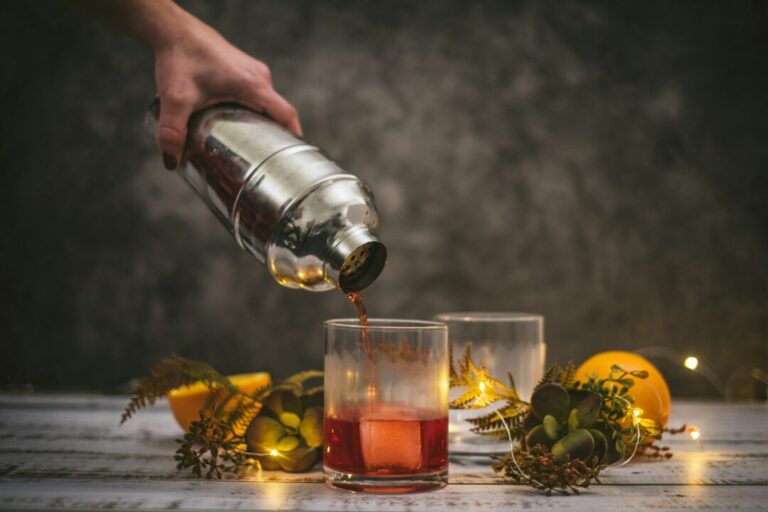
There is at least another month of summer, making it the perfect time to raise a glass to warm nights, beach weekends, and golden hour happy hours. Whether you’re hosting a backyard gathering, a rooftop soirée, or simply enjoying a solo sunset, the right cocktail can capture that fleeting summer magic. Here are the best late summer cocktails —each with its own spirit base and a splash of history—to close out the season in style.

RELATED: The History Of The Cocktail Party

The Sea Breeze

Popularized in the 1980s, the Sea Breeze originated from earlier Prohibition-era recipes but found its fame as a light, tart-meets-sweet summer sip.  Quick, taste and a hint of healthy.

Ingredients

  • 1.5 oz vodka
  • 3 oz cranberry juice
  • 1 oz grapefruit juice

Create

  1. Combine ingredients in a shaker and gently mix
  2. Shake with ice
  3. Pour into a highball glass
  4. Garnish with a lime wedge
Sea Breeze
The Tom Collins
Believed to date back to the 1870s, the Tom Collins is essentially a sparkling gin lemonade, perfect for late-summer afternoons.
Ingrediants
  • 2 oz gin
  • 1 oz fresh lemon juice
  • 0.5 oz simple syrup
  • Club soda to top
Create
  1. Combine  lemon, and syrup with ice in chilled tall glass
  2. Stir vigorously
  3. Top with soda
  4. Garnish with a lemon wheel and cherry
The Daiquiri
Originating in Cuba in the late 1800s, the daiquiri was a favorite of writer Ernest Hemingway, who enjoyed a less sweet variation at Havana’s famed El Floridita bar. His preferred version, sometimes called the “Hemingway Daiquiri,” swapped sugar for grapefruit juice and added a touch of maraschino liqueur. The classic recipe, however, remains a crisp, tart, and refreshing icon.  This light drink looks totally different than the New Orleans drive through drinks.
Ingrediants
  • 2 oz white rum
  • 1 oz fresh lime juice
  • 0.75 oz simple syrup
Create
  1. Combine gin, lime juice and simply syrup in shaker
  2. Add ice and shake
  3. Strain into a coupe glass
  4. Garnish with a lime wheel

RELATED: Forget Ozempic Cannabis Can Help You Get a Summer Body

The Watermelon Basil Margarita
A fresh twist on Mexico’s beloved margarita, this version blends juicy summer watermelon with fragrant basil for a vibrant, end-of-summer cooler.
Ingrediants
  • 2 oz tequila blanco
  • 1 oz fresh lime juice
  • 0.75 oz triple sec
  • 1 cup fresh watermelon chunks
  • 2–3 basil leaves
Create
  1. Muddle watermelon and basil in mixing glass
  2. Add remaining ingredients with ice
  3. Shake well
  4. Strain into an ice-filled glass
  5. Garnish with a basil sprig and watermelon wedge
The St-Germain Spritz
Born in the early 2000s when elderflower liqueur hit the cocktail scene, the St-Germain Spritz became a go-to for those seeking a floral, bubbly alternative to the classic mimosa.
Ingrediants
  • 1.5 oz St-Germain elderflower liqueur
  • 2 oz champagne or sparkling wine
  • 2 oz soda water
Create
  1. Build via layers  over ice in a wine glass
  2. Stir gently
  3. Garnish with a lemon twist and edible flowers for flair
These cocktails not only taste like summer—they carry pieces of history and creativity in every glass. Before the leaves turn, mix up one (or all) and savor the season’s last sunsets.

Is Cannabis Behind The Big Drop In Drinking

Big liquor companies are worried – but is marijuana the cause?

From the James Bond martini to the And Just Like That cosmopolitan drinking has been part of our culture, but is it about to change? Alcohol consumption in the United States has hit its lowest level in nearly a century, with just 54% of adults saying they drink compared to 62% in 2023. This dramatic shift is raising a big question: Is cannabis behind the big drop in drinking?

RELATED: The History Of The Cocktail Party

According to new Gallup polling, the decline is most pronounced among Gen Z and younger millennials, who are drinking far less than previous generations at their age. For many, the choice is deliberate—rooted in health consciousness, cost, and evolving cultural values.

Generation Z is rewriting the rules of socializing. Surveys show they are less likely to drink regularly than Gen X or Baby Boomers were at the same stage in life. The “sober curious” and “mindful drinking” movements are thriving on social media, where hashtags like #sobercurious and #hangoverfree highlight a lifestyle which prioritizes wellness, mental health, and productivity.

Legal Weed Is Making An Impact On The Billion Dollar Sleep Market
Photo by Cavan Images/Getty Images

For many young adults, alcohol’s image has shifted—from a symbol of fun to a potential risk factor for anxiety, cancer, and poor sleep. A record 53% of Americans now believe moderate drinking is harmful, a massive leap from just a quarter of the population a few decades ago.

While some speculate legal marijuana is driving alcohol’s decline, experts say cannabis is only a small part of the story. Gallup’s data shows no strong evidence legalization alone caused the drop in drinking.

Research does point to a substitution effect for certain individuals. In Colorado, heavy drinkers consumed 28% fewer alcoholic drinks on days they used cannabis. Nationwide, some cannabis users report drinking less because they prefer the “cleaner high” and reduced risk of hangovers.

Yet cannabis hasn’t replaced alcohol wholesale. In fact, some studies suggest legalization has slightly increased casual drinking among certain demographics, especially young men. The relationship between the two substances is complex—not a simple one-for-one swap.

RELATED: Mixed Messages From The Feds About Cannabis

The other drivers behind the historic decline in drinking appear to be:

  • Health awareness: Growing public knowledge about alcohol’s link to cancer, mental health issues, and sleep disruption
  • Cultural change: Gen Z’s preference for control, wellness, and authenticity over intoxication
  • Economic realities: Rising costs make alcohol a less frequent indulgence
  • Alternative choices: From cannabis to non-alcoholic craft beverages, young adults have more options than ever

Cannabis may influence drinking habits for some, but the nationwide decline is far bigger than any single factor. Gen Z and millennials are reshaping nightlife, prioritizing health, and proving you don’t need a drink in hand to have a good time. If this trend continues, the 2020s might be remembered as the decade America’s love affair with alcohol began to cool—by choice.

Gloria Gaynor And Marijuana

She made a song an anthem – but what about Gloria and cannabis?

She is timeless disco icon best known for the anthem “I Will Survive,” has openly revealed she needed help in managing the relentless pressure of touring—not as a dependency, but as a tool for stress relief. Gloria Gaynor and marijuana is an example of how the green plant can help those in need. Gaynor described using “marijuana to offset the stress of a hard-hustling touring schedule,” noting it was her go-to choice during moments of overwhelm—“Champagne was my drink. My drug of choice at the time was marijuana”

RELATED: Guess Who Is A Big Supporter Of Legalizing Marijuana

Importantly, Gloria insists she never battled a drug addiction. Her usage appears controlled and contextual—something to help her stay grounded amid touring rather than fueling any substance dependency narrative.

Cannabis is increasingly recognized—especially in journalistic and wellness circles—for its potential to ease anxiety. Many experience benefits such as lowered stress, improved mood, and enhanced relaxation. These anecdotal and studied outcomes align with what Gaynor experienced: a way to soothe nerves and maintain mental equilibrium during grueling work periods.

Gloria Gaynor And Marijuana

He most well know hit “I Will Survive” was released in late 1978, it was quietly placed on the B-side of the single “Substitute.” But the song had a backstory making it anything but ordinary. Gaynor had recently undergone spinal surgery, a moment leaving her uncertain about her career. The lyrics, written by Freddie Perren and Dino Fekaris, resonated deeply with her own journey of recovery and resilience.

“It spoke to everything I was going through — physically, emotionally, spiritually,” Gaynor recalled. “I knew this song could give people hope.”

Rather than letting it languish in obscurity, she personally handed the track to DJs at New York’s Studio 54. The club’s pulsating lights and late-night crowd became the launchpad for its success. Within months, the single shot to No. 1 on the Billboard Hot 100, eventually winning the only Grammy ever awarded for Best Disco Recording.

RELATED: Mixed Messages From The Feds About Cannabis

With its driving beat and defiant lyrics, “I Will Survive” became more than just a dance floor hit — it was a lifeline for listeners facing breakups, illness, discrimination, or personal loss. Rolling Stone would later rank it among the greatest songs of all time.

Beyond “I Will Survive,” Gaynor’s catalog includes the exuberant “I Am What I Am” (1983), which found special resonance in the gay community, and disco hits like “How High the Moon” and “Casanova Brown.” Each reflects her unmistakable voice and her ability to connect with listeners through themes of authenticity and self-belief.

Today, Gaynor’s story is one of longevity, not cringe. She continues to perform, inspire, and advocate for resilience in all forms — whether through music, faith, or a little help from a plant which, for her, was simply another way to survive.

End-of-Summer Digital Detox Is 2025’s Coolest Trend

0

A digital life can be overwhelming – to relax your body and mind – this trend has taken off.

As summer winds down, a growing number of Gen Z and Millennials are swapping screen time for “offline time”—a lifestyle choice of equal parts nostalgic throwback and mental health boost. Dubbed the End-of-Summer Digital Detox, this trend encourages people to disconnect from constant notifications, algorithm-curated feeds, and endless scrolling, and instead embrace IRL (in real life) experiences before autumn responsibilities set in.

RELATED: The History Of The Cocktail Party

The appeal is obvious: summer is the perfect time to recharge away from devices, but August’s last stretch offers the ideal moment to make it memorable. Digital burnout is real—according to the American Psychological Association, more than 50% of young adults report screen time contributes to stress and anxiety. By intentionally unplugging, you create space for deeper connections, better sleep, and a clearer mind heading into fall.

End-of-Summer Digital Detox Is 2025’s Coolest Trend

The magic of a digital detox isn’t about doing less—it’s about doing more offline. Here are some of the most talked-about and surprisingly stylish activities making waves among detox devotees:

  • Read a Book or Print Magazine
    Nothing says “slowing down” like flipping real pages. Whether it’s a glossy fashion magazine from your local bookstore or a classic paperback, the tactile experience beats blue light any day.

  • Host a Backyard Picnic with Analog Vibes
    Bring friends together for an outdoor spread—but make it device-free. Think disposable film cameras for photos, vinyl records for music, and handwritten recipe cards.

  • Night Hikes and Stargazing
    Late summer skies are perfect for spotting constellations. Without a phone in hand, the stars are brighter, conversations deeper, and the memories more vivid.

  • Farmer’s Market Day
    Stroll through a local market, taste fresh seasonal produce, and chat with vendors. It’s a slow-paced reminder of how good face-to-face interactions feel.

  • Crafting or DIY Projects
    From candle-making to building your own terrarium, hands-on activities scratch the creative itch without the distraction of incoming messages.

  • Board Game Marathon
    Skip the gaming console for an old-school board game night—Monopoly, Scrabble, or a stack of thrift-store finds.

RELATED: Mixed Messages From The Feds About Cannabis

While the aesthetic of “offline chic” is filling Instagram feeds (ironically), the movement is rooted in something more lasting: the realization of constant connection isn’t the same as meaningful connection. By stepping back from the digital world, even for a weekend, people are rediscovering joy in the tangible, the imperfect, and the unfiltered.

The End-of-Summer Digital Detox isn’t just a passing hashtag—it’s a mindset. And as we move into the busy fall season, the people who unplug now may just find themselves better equipped to stay balanced, focused, and creative all year long.

Latest Data Reveals Youth Marijuana Use

The government has released  data on youth cannabis use – and the numbers are not surprising

One of the concerns over legalizing marijuana is use among the under 21, now the latest data reveals youth marijuana use. Despite expanding access, use among young people is not surging. According to the Substance Abuse and Mental Health Services Administration (SAMHSA), past-year marijuana use among individuals aged 12 to 20 declined to 16.7 percent in 2024, the lowest level seen in four years—even as more states legalize cannabis for adults.

RELATED: Guess Who Is A Big Supporter Of Legalizing Marijuana

This finding runs counter to fears legalization would automatically spark a spike in adolescent use. In fact, the report reveals a drop from 17.9 percent in 2021 and 19.2 percent in 2022, signaling a downward trend in youth consumption despite broader adult access.  It has long been a talking point of those opposing legalization it will cause youth use to soar, but the federal government consistentl shows a decline in use.

Latest Data Reveal Youth Marijuana Use

Data from the Centers for Disease Control and Prevention (CDC) reinforce this trend. Their Youth Risk Behavior Survey shows past-month marijuana use among high school students fell from 23 percent in 2013 to 17 percent in 2023, as alcohol use also declined. Another CDC report focusing on early legalizing states—Colorado, Oregon, and Washington—found no uptick in adolescent usage following legalization.

These government sources highlight legalization, when paired with education and regulation, does not necessarily translate to increased youth consumption. For further reference, SAMHSA’s National Survey on Drug Use and Health (NSDUH)—which provided these results—is available at SAMHSA.gov. Additionally, youth data from the CDC’s YRBSS (Youth Risk Behavior Surveillance System) offers more granular insights.

  • Fully legalized (recreational + medical): 24 states and the District of Columbia have legalized both medical and recreational marijuana.

  • Medical-only legalization: 40 states permit medical cannabis use, while medical-only laws remain in effect where recreational laws have not been adopted.

RELATED: Mixed Messages From The Feds About Cannabis

At the federal level, marijuana remains a Schedule I drug under the Controlled Substances Act, alongside substances like heroin and LSD. But change may be on the horizon. President Trump has confirmed his administration is “looking at” rescheduling marijuana—from Schedule I to Schedule III—and expects to make a determination in the coming weeks.

This review follows a prior process initiated belatedly under the Biden administration: in August 2023, the Department of Health and Human Services recommended rescheduling, and the DEA began rulemaking including hearings—though the process is now paused pending appeals.

A successful reclassification could pave the way for more medical research, easier banking access for cannabis businesses, and tax benefits for the industry—without fully legalizing marijuana at the federal level.

Watching a Meteor Shower With An Edible Is Next-Level Awesome

Summer always has a galactic treat – but seeing it with a little something extra makes a meteor shower mind-blowing.

Every summer, nature puts on a show which rivals any fireworks display — the meteor shower. Whether it’s the Perseids in August, the Geminids in December, or a random burst of cosmic magic, shooting stars can make anyone feel small in the best possible way. But for many in the cannabis-friendly crowd, there’s a growing trend – watching a meteor shower with an edible is next-level awesome!.

RELATED: The History Of The Cocktail Party

First, let’s get the obvious out of the way: edibles hit differently than other forms of cannabis. Instead of a quick rise and fall, they tend to produce a slow-build, full-body high which can last hours. This makes it perfect for meteor watching, which is all about patience and presence. The best shows can run all night, and an edible’s effects let you truly settle in under the sky without constantly checking the time.

Edibles also heighten sensory perception — making the contrast of dark night skies and sudden streaks of light even more vivid. The faint twinkle of distant stars? Mesmerizing. The unexpected flash of a meteor breaking apart in the atmosphere? Absolutely thrilling. Many users say cannabis enhances their sense of wonder, making them feel more connected to the universe and less distracted by everyday worries. In other words, it’s not just a high — it’s a cosmic mood boost.

There’s also the bonus of meteor showers are best experienced away from city lights, often in quiet, remote areas. An edible pairs perfectly with this kind of setting. You’re not juggling rolling papers or worrying about wind like you might with smoking, and there’s no telltale cloud or smell. Just you, a blanket, maybe some snacks, and the night sky stretching endlessly above.

RELATED: The Science Behind Cannabis And Happiness

For Gen Z and Millennials — generations often valuieng experiences over possessions — this combo fits right in. It’s low-cost, low-impact, and ridiculously memorable. A single evening can become the kind of story you tell for years: “Remember the night we drove out to the middle of nowhere, ate those gummies, and saw like ten shooting stars in a row?” It’s a little bit of science, a little bit of magic, and a whole lot of good vibes.

Of course, as with all cannabis use, the key is moderation. Start small, especially if you’re new to edibles, and make sure you’re in a safe, legal environment. Bring friends, a comfortable setup, and maybe a thermos of hot chocolate — because yes, the stars look even better when you’re cozy.

A meteor shower is already a rare and beautiful gift from the universe. Add the right edible, and it can feel like the cosmos is putting on a show just for you.

Don't Miss Your Weekly Dose of The Fresh Toast.

Stay informed with exclusive news briefs delivered directly to your inbox every Friday.

We respect your privacy. Unsubscribe anytime.